
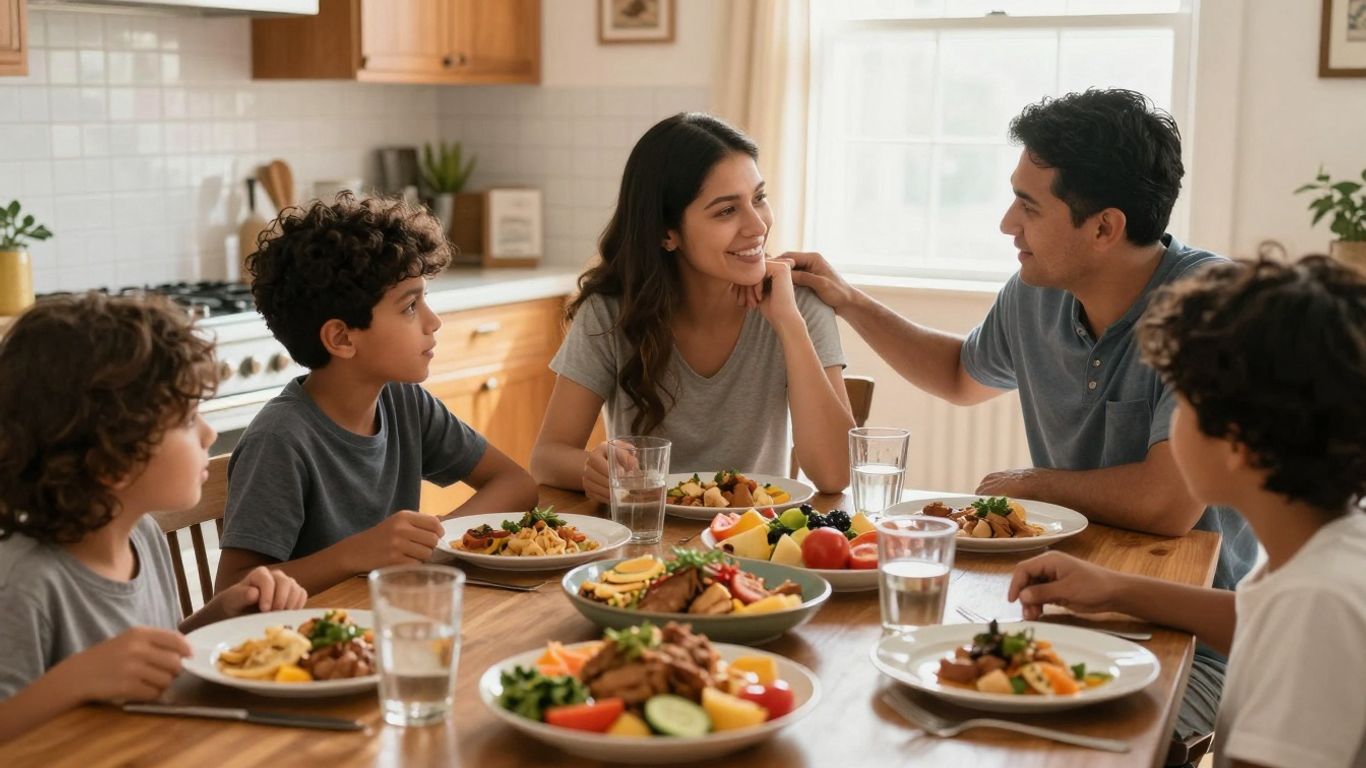
Our family food traditions are like cozy blankets, woven with memories and love. They connect us to our past and who we are. But sometimes, these traditions can feel a bit… much. Maybe they don’t fit our bodies anymore, or perhaps we just want to try something new. It’s a tricky balance, honoring those cherished meals while also taking care of ourselves. This is all about figuring out how to enjoy our heritage and still set compassionate boundaries, making sure mealtime is a joy, not a stress.
Key Takeaways
- Family food traditions are deeply tied to identity and history, offering wisdom passed down through generations.
- Foodways evolve due to many factors, influencing how we eat today.
- Many older food practices are naturally sustainable and offer lessons for modern choices.
- Navigating modern food choices means balancing cultural practices with personal needs and ethical considerations.
- Setting compassionate boundaries around food within family expectations is possible through kind communication and self-compassion.
Understanding The Deep Roots Of Family Foodways
Food As A Powerful Expression Of Identity
Food is so much more than just sustenance; it’s a language that speaks volumes about who we are. Think about the aromas that instantly transport you back to childhood, or the specific dishes that appear only on special occasions. These aren’t accidental. They’re woven into the fabric of our families, our cultures, and our personal histories. The meals we share, the recipes we cherish, and even the snacks we prefer are all part of a narrative. This culinary heritage is a tangible link to our past, a way we connect with our roots and present ourselves to the world. It’s a form of communication, a way of saying, ‘This is where I come from, and this is a part of me.’
Generational Wisdom Embedded In Every Bite
Every recipe, every cooking technique, carries a legacy of knowledge. For generations, people learned to cultivate, prepare, and preserve food based on their environment and available resources. This wasn’t just about creating delicious meals; it was often about survival and making the most of what nature offered. Consider traditional methods like pickling, smoking, or drying. These weren’t fleeting trends but practical, smart ways to ensure food security, especially during challenging times. This inherited wisdom is deeply ingrained in our eating habits, often without us consciously realizing its depth.
Harmony Between People And Their Environment
Our ancestral foodways often reflect a profound connection to the land and seasons. Before modern agriculture and global supply chains, people ate what was local and in season. This natural rhythm dictated diets and cooking practices, creating a sustainable relationship with the environment. This approach fostered resourcefulness and an appreciation for the bounty of the earth. It’s a reminder that food isn’t just something we consume, but something that connects us to the natural world around us.
The way we eat is often a reflection of the world our ancestors inhabited. Understanding these connections helps us appreciate the journey food has taken to reach our tables today.
Navigating The Nuances Of Culinary Exchange
Food has a way of traveling, doesn’t it? Ingredients, recipes, and cooking styles have been shared and adapted across cultures for ages. This exchange can be a wonderful thing, bringing new flavors and experiences into our lives. But it’s also a space where we need to tread carefully, making sure we’re being respectful and not just taking.
Avoiding The Trivialization Of Authentic Foodways
Sometimes, when a food tradition from one culture becomes popular elsewhere, it can get simplified. It might be presented in a way that loses its original meaning or depth, becoming more of a caricature than the real deal. Think about how a dish with deep historical or ceremonial significance might be reduced to just a trendy item on a menu. This happens when the story behind the food gets lost, and only the surface elements remain. It’s like seeing a detailed map turned into a simple doodle – you get the basic shape, but all the important landmarks are gone.
When we encounter foodways from cultures different from our own, our first step should be to approach them with a desire to learn, not just to consume or replicate.
Contextualizing Culinary Sharing With Respect
Sharing food and recipes is a beautiful part of human connection. But how we share matters. It’s not just about posting a picture of a dish you made; it’s about giving credit where it’s due. This means acknowledging the culture that created the dish, understanding its history, and perhaps even sharing that context with others. When we share a recipe, for example, we can mention where it comes from and what it means to that culture. This simple act helps prevent the food from becoming just another fleeting trend and honors its origins.
Here are a few ways to contextualize culinary sharing:
- Learn the story: Before sharing a recipe or dish, take time to understand its cultural background and significance.
- Give credit: Always acknowledge the origin of the cuisine or specific dish. Mentioning the culture or even the specific community that developed it is a good practice.
- Share the ‘why’: If possible, explain why certain ingredients or methods are used and what they mean within the cultural context.
Distinguishing Appreciation From Appropriation
It’s easy to get excited about food from different places. We try something amazing and want to share it or make it ourselves. That’s natural! But there’s a line between appreciating a cuisine and appropriating it. Appreciation involves learning, respecting, and giving credit. It’s about understanding the history and meaning behind a dish. Appropriation, on the other hand, can happen when elements are taken out of context, their original meaning is stripped away, or they are used without acknowledging their roots, especially from cultures that have faced marginalization. The key difference lies in respect and understanding versus taking and simplifying.
| Aspect | Appreciation | Appropriation |
|---|---|---|
| Motivation | Learning, respect, genuine interest | Trend-following, profit, superficial engagement |
| Action | Studying, crediting, mindful adaptation | Copying, renaming, decontextualizing, profiting |
| Impact | Honors culture, builds bridges | Trivializes traditions, erases origins, causes harm |
Balancing Family Expectations With Personal Needs
It often feels like walking a tightrope, doesn’t it? You love your family and the traditions you share, but there’s also that quiet voice inside asking, ‘What about me?’ This is where finding a balance between what your family expects and what you truly need becomes important. It’s not about turning your back on your roots, but about figuring out how to honor them while staying true to yourself. Family food traditions are often deeply connected to identity and history. When you try to make changes, even for your own well-being, it can feel like you’re pushing against generations of shared experience.
The Tightrope Walk Of Honoring Roots And Self
Sometimes, the food traditions we grew up with just don’t fit who we are anymore, or maybe they don’t work for our bodies or our values. It’s perfectly fine to want different things. Perhaps you’re aiming for more sustainable eating, or maybe you’re just looking for meals that make you feel good physically. Whatever your reasons, figuring out your personal food goals is the first step. It’s about listening to yourself and deciding what matters to you, separate from what’s always been done.
When Beloved Traditions Create Personal Conflict
This is where things can get complicated. When you want to alter something about how your family eats, it can feel like you’re going against a whole history. People might feel like you’re rejecting them, not just the food. It’s helpful to remember that food often carries a lot of meaning – culture, comfort, belonging. So, when you talk about your new goals, try to be clear that it’s about your personal journey, not a judgment on theirs. Setting boundaries isn’t about rejecting your family, but about respecting yourself.
Finding Your Own Way Within Shared Meals
It’s okay to have your own needs! You can set gentle limits by explaining your feelings kindly. For example, you could say, ‘I appreciate this tradition, but I need to do things a bit differently for myself right now.’ Being honest and showing you still care about your family can help them understand. Remember, taking care of yourself isn’t selfish; it’s necessary. You’re allowed to have different needs or goals, even if they don’t perfectly align with family norms. Try to reframe those guilty feelings. Instead of thinking, ‘I’m so bad for not wanting to eat that,’ try thinking, ‘I’m making a choice that feels right for my body today, and that’s okay.’ It takes practice, but being kind to yourself through this process is just as important as communicating your needs to others.
Here are a few ways to approach these conversations:
- Start Small: Introduce one new dish or a modified version of a classic. See how it’s received before making big changes.
- Explain Your ‘Why’: Share your reasons for wanting to change things, whether it’s for health, sustainability, or personal preference. Focus on the positive aspects.
- Invite Collaboration: Ask family members to help you adapt a recipe or teach you their traditional method. This shows respect and can lead to shared learning.
Sometimes, the most loving thing you can do is set a boundary around food. It doesn’t mean you love your family any less, or that you don’t value your heritage. It just means you’re learning to take care of yourself, and that’s a powerful tradition in itself.
Setting Compassionate Boundaries Around Food
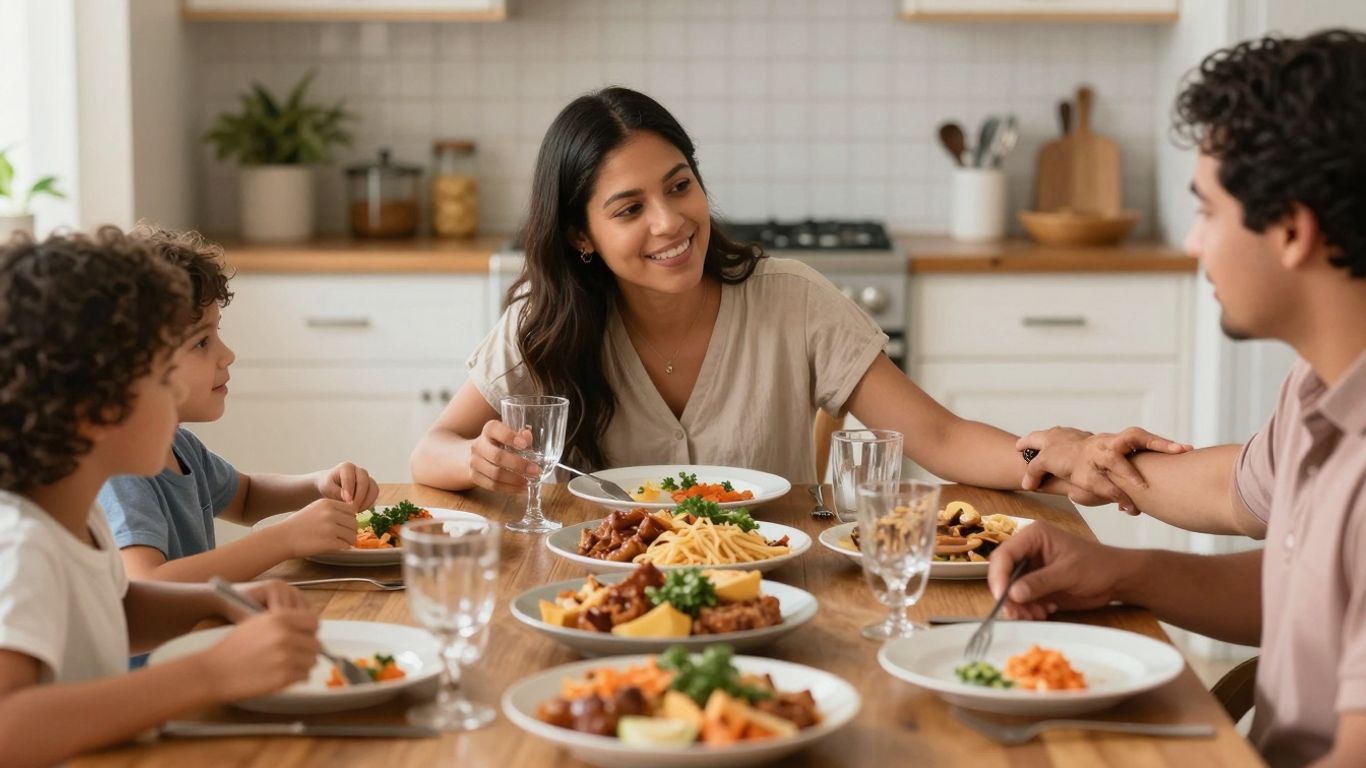
Setting boundaries isn’t about creating distance; it’s about creating a healthier space for connection. It allows you to show up as your authentic self, which ultimately strengthens relationships in the long run. When it comes to family food traditions, these boundaries can feel particularly delicate. Food is so often tied to love, memory, and identity, making it a sensitive area to navigate. However, establishing clear, kind limits is a powerful way to honor both your heritage and your personal well-being.
Boundaries As A Foundation For Healthier Connections
Think of boundaries not as walls, but as fences. They define your space and protect what’s important, while still allowing for interaction and connection. In the context of family meals, this means understanding what you can and cannot comfortably participate in, and communicating that with respect. It’s about recognizing that your needs are valid, even when they differ from the established family norms. When you set boundaries, you’re not rejecting your family or their traditions; you’re creating a sustainable way to engage with them that feels good for everyone involved.
- Respecting personal dietary needs: This could include allergies, ethical choices, or health-related restrictions.
- Managing emotional triggers: Some foods or mealtime conversations might bring up difficult feelings. Boundaries help protect your emotional space.
- Allocating energy: You might not have the energy to prepare or consume certain traditional dishes every time. It’s okay to say no sometimes.
Communicating Your Needs With Kindness
Talking about boundaries can feel awkward, especially when it involves something as personal as food. The key is to approach these conversations with kindness and clarity. Instead of focusing on what you won’t do, try framing it around what you will do or what works for you. For example, instead of saying, "I can’t eat that," you might say, "I’m going to bring my own dish this time, but I’m so excited to share a meal with everyone." Explaining your ‘why’ can also be helpful, but keep it brief and focused on your personal journey rather than making judgments about the family’s choices.
When we communicate our needs with kindness, we open the door for understanding and mutual respect. It’s a practice that builds trust and allows relationships to deepen, even when navigating sensitive topics like food traditions.
The Strength In Honoring Your Limits
There’s a quiet strength in knowing your limits and honoring them. It takes courage to step away from the expected path, especially when it comes to deeply ingrained family customs. But by setting compassionate boundaries, you’re not only taking care of yourself, but you’re also modeling self-respect for others. This can, over time, lead to a more authentic and fulfilling connection with your family and your heritage. It’s about finding a balance where tradition and personal well-being can coexist, creating a richer, more harmonious shared experience.
| Aspect of Boundary Setting | Description |
|---|---|
| Clarity | Clearly state what you can and cannot do regarding food. |
| Kindness | Express your needs gently, without blame or judgment. |
| Consistency | Gently reinforce your boundaries when they are tested. |
| Self-Compassion | Be kind to yourself throughout the process; it’s a learning journey. |
When Mealtime Creates Unforeseen Tension
Family meals are often pictured as these warm, cozy gatherings, right? But sometimes, they can turn into a bit of a minefield. You’re just trying to enjoy a meal, maybe something that’s been a staple for years, and then someone chimes in about your portion size, or questions why you’re not eating the ‘traditional’ way anymore. It’s like, can’t we just eat?
This is where food, which should be a connector, can actually create some friction. It’s not always about the food itself, but what it represents. For older generations, certain dishes might be tied to deep memories, cultural pride, or a sense of continuity. When you make changes, even small ones, it can feel like a rejection of that history, or worse, a sign that you’re forgetting where you came from. It’s a tough spot to be in when you want to honor your roots but also live your own life and make your own choices.
Food As A Connector And A Potential Challenge
Food is way more than just fuel. It’s a living archive. Every recipe passed down, every spice blend, every cooking method tells a story. It speaks of where your ancestors lived, what they had access to, the challenges they faced, and the celebrations they held dear. Think about holiday meals – they’re often packed with dishes that have been prepared the same way for generations, each bite a connection to the past. This history isn’t just in cookbooks; it’s in the hands that knead the dough, the pots that simmer on the stove, and the shared experience of eating together. It’s a tangible link to identity, a way of keeping traditions alive and passing them on.
Addressing Generational Food Conflicts With Empathy
When you want to tweak a family recipe, maybe make it healthier, or perhaps you’ve discovered you have dietary restrictions that mean you can’t eat certain things anymore, things can get tricky. You might be trying to be more sustainable, or maybe you’re just trying to feel better after eating. But your family, especially older relatives, might see these changes as a departure from tradition, or even a criticism of their own cooking. It’s a delicate dance. You want to respect the legacy of your family’s foodways without feeling boxed in.
Here are a few common areas where conflicts can arise:
- Food Quantity: Feeling pressured to eat more than you’re comfortable with.
- Specific Dishes: Being expected to eat or prepare certain foods that don’t align with your current dietary choices or preferences.
- Mealtime Rituals: Participating in traditions around food preparation or consumption that feel overwhelming or don’t fit your lifestyle.
- Time Commitments: Feeling obligated to attend every single food-related family event, even when you’re exhausted.
Breaking Molds Without Alienating Loved Ones
Finding ways to adapt recipes, introduce new dishes that complement the old, or simply explaining your choices with kindness can help bridge that gap. It’s about finding a balance where everyone feels heard and respected, even when the plates look a little different. This isn’t about rebellion; it’s about self-care and building a healthier relationship with food and your loved ones.
When you’re trying to change your eating habits within a family context, it’s easy to feel like you’re the odd one out. Remember that your needs are valid, and it’s okay to carve out a path that feels right for you, even if it looks different from the traditions you’ve always known.
Food Representing Culture And Enduring History
Every Recipe Tells A Story Of Ancestry
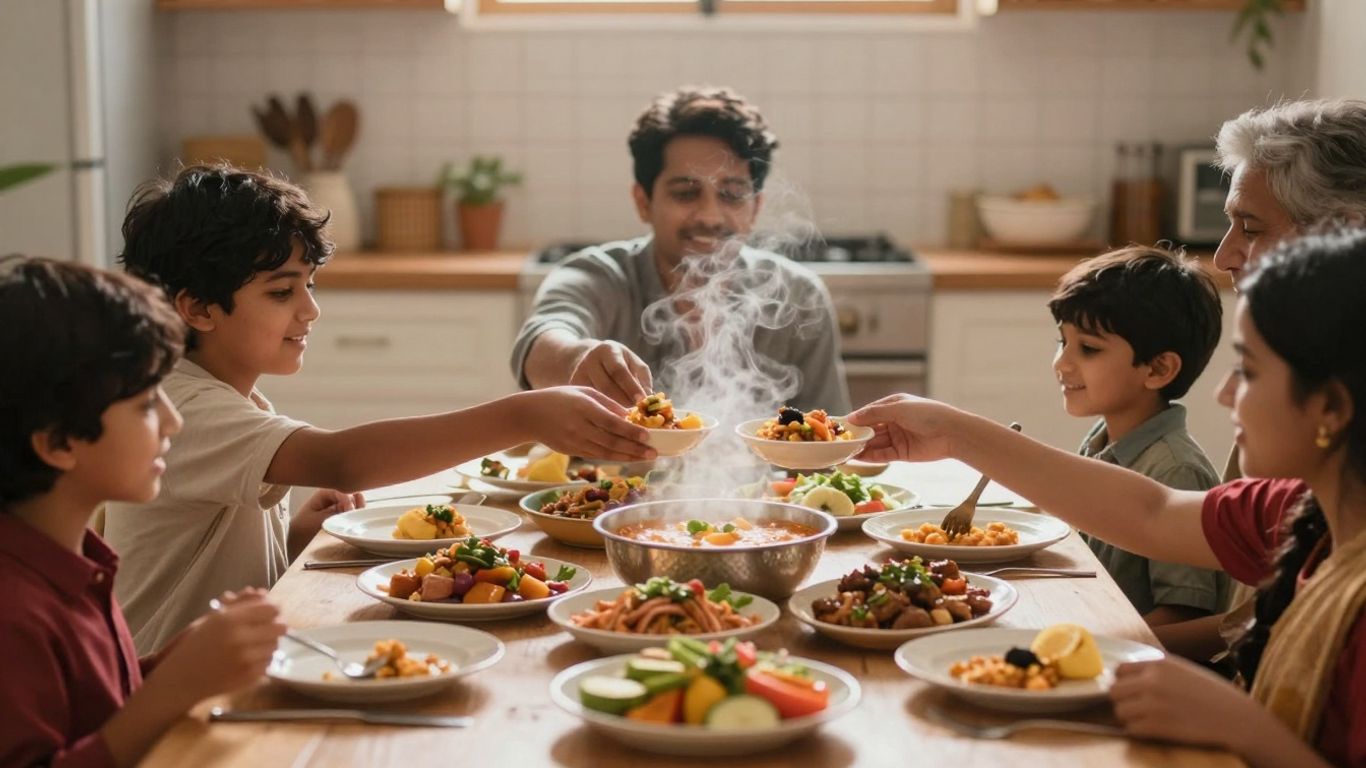
Think about your favorite family dish. It’s probably more than just a tasty meal, right? It’s a connection to the people who came before you, a taste of memories from holidays or everyday moments. Each ingredient, each step in the preparation, often carries echoes of past generations. These recipes are like little time capsules, holding onto the wisdom, the resourcefulness, and the cultural values of our ancestors. They tell us where we came from and how our families lived.
Tangible Links To Identity Through Shared Meals
Food is a really direct way to feel connected to our roots. When we share meals that have been part of our family or culture for a long time, it’s like we’re participating in a living history. It’s not just about eating; it’s about the ritual, the conversation, and the feeling of belonging. These shared experiences reinforce our sense of identity, reminding us of our place within a larger story.
- Celebrations: Specific dishes often mark important life events and holidays.
- Comfort: Familiar foods can provide a sense of security and emotional grounding.
- Community: Sharing meals builds bonds and strengthens social connections.
Preserving Heritage Through Culinary Practices
Keeping family recipes alive is a way of actively preserving our cultural heritage. It’s about more than just the food itself; it’s about the knowledge passed down, the techniques learned, and the stories shared around the kitchen table. When we cook these dishes, we’re not just feeding ourselves; we’re continuing a tradition and ensuring that a piece of our history continues to be experienced and enjoyed by future generations. It’s a way to honor the past while creating something meaningful for the present.
The act of preparing and sharing traditional foods is a powerful way to maintain cultural continuity. It’s a tangible link to our ancestors, offering a sense of belonging and a connection to a shared past that transcends time and distance.
Identifying Your Personal Food Goals
Sometimes, the food traditions we grew up with don’t quite fit who we are now, or maybe they just don’t work for our bodies or our values anymore. It’s totally okay to want different things. Maybe you’re trying to eat more sustainably, or perhaps you’re just looking for meals that make you feel good physically. Whatever it is, figuring out your own food goals is the first step. It’s about listening to yourself and deciding what’s important for you, separate from what’s always been done.
Aligning Food Choices With Current Values
Think about what matters to you today. Are you focused on environmental impact, ethical sourcing, or perhaps a simpler, more whole-foods approach? Your values might have shifted since childhood, and that’s perfectly normal. It’s about making conscious choices that reflect who you are now, not just who you were.
Listening To Your Body And Well-being
Our bodies change over time, and so do our needs. What once agreed with you might not anymore. Paying attention to how different foods make you feel – physically and mentally – is key. This isn’t about strict diets, but about a gentle awareness of what nourishes you best.
Embracing Evolving Dietary Needs
Life circumstances, health considerations, or even just personal preference can lead to changes in what and how we eat. Maybe you’re exploring vegetarianism, dealing with new allergies, or simply want to incorporate more variety. Acknowledging these evolving needs is a form of self-respect.
- Start by reflecting on your current relationship with food. What brings you joy? What feels like a struggle?
- Consider your long-term health and well-being. What habits will support you in the years to come?
- Identify one small change you can make this week that aligns with a personal food goal.
Figuring out your personal food goals is a journey of self-discovery. It’s about honoring your present self and making choices that feel authentic and supportive, even when they differ from the past.
Strategies For Adapting Family Food Traditions
Sometimes, the dishes that have always been part of your family’s table don’t quite fit your life anymore. Maybe you’re aiming for a healthier lifestyle, have new dietary needs, or simply want to explore different flavors. It’s completely normal for these traditions to evolve, but introducing changes can feel like walking a delicate line. The goal is to honor the past while making space for your present and future.
Starting Small With Gradual Introductions
Big, sudden shifts can sometimes feel jarring to family members who are used to the familiar. Instead of overhauling everything at once, try introducing one new dish or a slightly modified version of a classic. This allows everyone to get accustomed to the change without feeling overwhelmed. It’s like adding a new color to a well-loved painting rather than repainting the whole canvas.
- Introduce a new side dish that complements the main meal.
- Offer a healthier version of a favorite dessert.
- Bring a dish to a family gathering that reflects your current eating habits.
Explaining Your ‘Why’ With Positive Framing
When you decide to adapt a recipe or introduce something new, sharing your reasons can make a big difference. Frame your choices positively, focusing on what you hope to gain rather than what you’re leaving behind. Instead of saying, "I can’t eat that anymore," try, "I’m trying out some new recipes that make me feel really good." This approach emphasizes personal well-being and exploration, rather than a rejection of the original tradition.
Communicating your intentions with kindness and clarity helps bridge generational gaps. It’s about sharing your personal journey and inviting understanding, not imposing your choices.
Inviting Collaboration And Shared Learning
Making adaptations doesn’t have to be a solo mission. Involving family members in the process can turn potential conflict into a shared experience. You might ask a relative to teach you their traditional method for a dish, and then you can explore ways to adapt it together. This shows respect for their knowledge and can lead to a deeper appreciation for both the old and the new. It’s a wonderful way to create new memories around food.
- Ask for help adapting a family recipe to fit new dietary needs.
- Share a new, healthy recipe you discovered and invite feedback.
- Collaborate on a dish for a holiday meal, blending traditional elements with new ideas.
Understanding Cultural Significance Beyond Taste
Acknowledging the Emotional Weight of Food
Food is so much more than just fuel for our bodies. It carries a deep emotional weight, often tied to memories, comfort, and belonging. When we think about family food traditions, it’s not just about the ingredients or the cooking methods. It’s about the feelings associated with those meals – the warmth of a grandmother’s kitchen, the laughter shared around a holiday table, the sense of connection to our past. These emotional ties can make any suggestion of change feel like a challenge to our very identity.
Recognizing Symbolic Meanings in Dishes
Many dishes are steeped in symbolism, representing more than just their taste. Certain foods might signify prosperity, good luck, or religious observance within a culture. For instance:
- Holiday Feasts: Specific meals are often prepared only for major holidays, making them markers of celebration and tradition.
- Life Events: Foods can be central to rituals like weddings, births, or funerals, symbolizing transitions and community support.
- Cultural Identity: The presence or absence of certain ingredients can be a strong indicator of cultural background or heritage.
These symbolic meanings are often learned and passed down, becoming an unspoken language of culture.
The Deeper Significance of Foodways
Our foodways – the patterns of eating and cooking – are intricate threads woven into the fabric of our lives. They reflect not only our history but also our relationship with the environment and the wisdom of generations. Understanding this deeper significance helps us approach changes with respect and empathy.
When we consider changing food traditions, it’s vital to look beyond the plate. We must acknowledge the stories, the emotions, and the cultural meanings embedded in every dish. Ignoring this can lead to misunderstandings and feelings of disconnect, making it harder for everyone to adapt.
It’s easy to get caught up in the flavors and aromas, but the true essence of family food traditions lies in the shared experiences and the cultural narratives they carry. Recognizing this helps us honor our roots while making space for personal evolution.
Honoring Your Limits With Grace And Self-Compassion
The Power Of Saying ‘No’ Kindly
Setting boundaries around family food traditions can feel like walking a tightrope. You want to honor your heritage and your loved ones, but you also need to respect your own needs and well-being. This is where learning to say ‘no’ or ‘not right now’ with kindness becomes a really important skill. It’s not about rejecting the tradition or the people, but about making choices that align with your current health goals or personal capacity. Think about it like this: you can still enjoy the warmth of a family gathering, but maybe you choose not to have a second helping of that incredibly rich dessert if you’re managing your energy levels. It’s about communicating your limits gently but clearly. Instead of a blunt refusal, try explaining your needs. For instance, if a family event is running late and you have an early commitment the next day, you might say, "I’ve had such a wonderful time, and I really appreciate all of this. I need to head out soon so I can be rested for my morning." This acknowledges the value of the time spent while stating your personal requirement.
Self-Compassion As A Vital Tradition
Let’s be honest, guilt can be a frequent visitor when you start setting boundaries. You might worry you’re letting people down or being selfish. But remember, taking care of yourself isn’t selfish; it’s necessary. You have a right to have different needs or goals, even if they don’t perfectly match family norms. Try to reframe those guilty feelings. Instead of thinking, "I’m so bad for not wanting to eat that," try thinking, "I’m making a choice that feels right for my body today, and that’s okay." It takes practice, but being kind to yourself through this process is just as important as communicating your needs to others. It’s about building a new kind of tradition – one that includes self-care.
Creating A Sustainable Relationship With Food
Communicating your needs isn’t about making demands; it’s about sharing your reality. Sometimes, family members might not even realize their expectations are causing you stress. Maybe it’s about the sheer volume of food prepared for every event, or the pressure to participate in every single ritual. Being direct, but gentle, is key. You could say, "I really appreciate all the effort that goes into these meals, but I’m trying to eat a bit lighter these days. I’ll still be here to enjoy the company, though!" Or, if it’s about time, "I love seeing everyone, but I can only stay for a couple of hours this time." It’s about finding that sweet spot between respecting their traditions and respecting your own capacity. This approach helps build a more sustainable and healthier relationship with both your family and food.
Here are some common areas where these conversations might arise:
- Portion Sizes: Politely declining larger servings or opting for smaller portions.
- Specific Dishes: Choosing not to eat certain dishes due to dietary restrictions, preferences, or health reasons.
- Frequency of Gatherings: Suggesting alternative ways to connect that might involve less food-centric activities.
- Time Commitments: Setting limits on how long you can stay at events.
Setting boundaries is not about pushing people away; it’s about showing up for yourself. It’s about protecting your peace, reducing burnout, and modeling self-respect. When you communicate your limits clearly and kindly, you create space for healthier connections and a more balanced relationship with family traditions.
It’s okay to know your limits and be kind to yourself when you reach them. Learning to accept your boundaries with gentleness is a big step toward feeling good about yourself. When you’re ready to explore this further, visit our website for more tips and support.
Finding Your Way Forward
So, we’ve talked a lot about how food connects us to our families, our cultures, and our past. It’s pretty amazing how a simple meal can hold so much history and meaning. But we also know that sometimes, those traditions don’t quite fit who we are today, or maybe they just don’t work for our bodies or our values anymore. It’s completely okay to want different things. Figuring out your own food goals is the first step, and it’s about listening to yourself. Setting boundaries isn’t about pushing people away; it’s about creating a healthier space for everyone. It allows you to show up as your true self, which actually makes relationships stronger in the long run. Remember, it’s about finding that sweet spot where you can honor your background and your family’s traditions without feeling overwhelmed or losing yourself. Think about what works for you, communicate kindly, and know that it’s perfectly fine to set limits. Ultimately, it’s about creating a relationship with food and tradition that feels good and right for you, right now.
Frequently Asked Questions
Why is food so important to culture?
Food is like a storybook for culture! It tells us where people come from, what they believe in, and how they celebrate. Think of holiday meals or special family recipes – they carry memories and traditions from older generations, connecting us to our past and to each other.
How have things like moving to new countries or the internet changed food traditions?
When people move, they often bring their food with them, mixing it with new ingredients and ideas. The internet also makes it super easy to share recipes and cooking styles from all over the world. This means food traditions are always changing and growing, like a living thing!
Was ‘eating local’ always a thing?
Yes, in a way! Long before it was a trend, people naturally ate what grew near them and what was in season. This made them super resourceful, using every bit of food and finding clever ways to save it for later, like pickling or drying. It was all about living in tune with nature.
What does ‘sustainable seafood’ mean for cultural eating?
It means enjoying seafood in ways that don’t harm the oceans for the future. Some cultures have fished for ages, but overfishing can hurt fish populations. So, it’s about finding smarter ways to fish or choosing different types of seafood so these traditions can continue without damaging the environment.
How do big companies and government rules affect the food we eat?
Big companies often focus on making money, which can sometimes mean cheaper, less healthy foods become more popular, or local food traditions get pushed aside. Government rules can also influence what foods are available and affordable, sometimes making it harder to keep certain cultural foods alive.
What’s the difference between appreciating and ‘stealing’ someone else’s food culture?
Appreciating means learning about and enjoying another culture’s food with respect, giving credit where it’s due. ‘Stealing,’ or appropriation, happens when someone takes a food tradition without understanding its history or importance, maybe even making fun of it or using it in a way that disrespects its origins, especially if it’s from a group that has faced hardship.
How can I say ‘no’ to family food traditions if they don’t work for me?
It’s okay to have your own needs! You can set gentle limits by explaining your feelings kindly. For example, you could say, ‘I appreciate this tradition, but I need to do things a bit differently for myself right now.’ Being honest and showing you still care about your family can help them understand.
Why can changing my eating habits feel so hard, even if I want to?
Food is tied to our emotions, memories, and who we are. When you try to change how you eat, especially if it goes against family traditions, it can feel like you’re letting people down or even changing your identity. It takes time and understanding, both from yourself and your family, to navigate these feelings.