
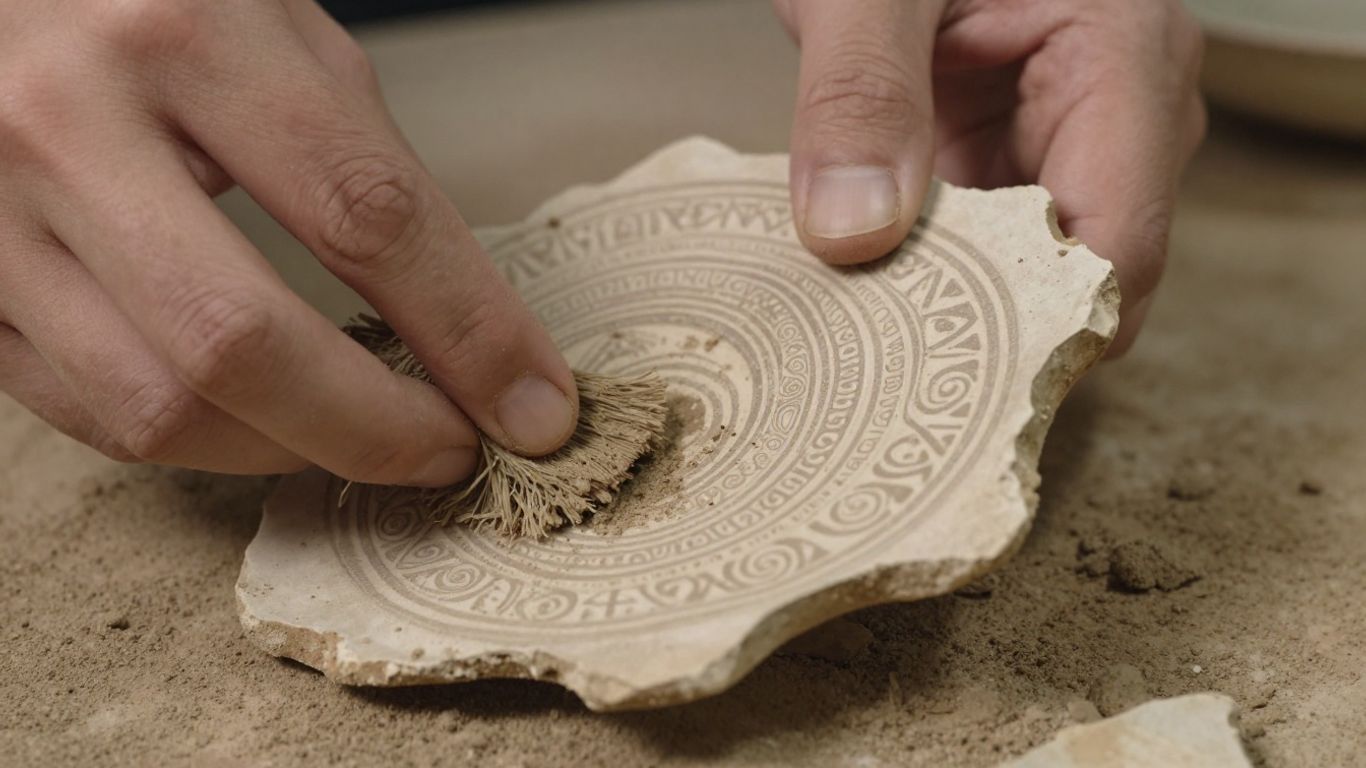
So, you find yourself drawn to dusty artifacts and ancient ruins, huh? That feeling, that pull towards the past, it’s more than just a passing interest. It’s a genuine craving archaeology that speaks to something deep within us. We all have this urge to connect with where we came from, to understand the stories etched in stone and soil. Let’s dig into why this fascination with archaeology is so strong and what it really means.
Key Takeaways
- The pull towards archaeology, a ‘craving archaeology,’ stems from a basic human need to understand our origins and connect with our shared history.
- Archaeology helps us make sense of who we are by showing how past societies lived, how they interacted with their world, and how they changed over time.
- Ethical questions are a big part of archaeology, balancing the need to study the past with protecting sites and respecting human remains.
- It’s important to tell the difference between real archaeological research, which uses careful methods, and made-up stories that lack evidence.
- New tools and working with other fields are making archaeology a more dynamic science, helping us interpret the past in fresh ways and understand our present.
Unearthing The Allure Of Craving Archaeology
The Enduring Fascination With The Past
There’s something about the past that just pulls us in, isn’t there? It’s like a giant, dusty attic filled with forgotten treasures and untold stories. We see it in movies, read about it in books, and sometimes, we just can’t shake the feeling that understanding where we came from is key to figuring out where we’re going. This isn’t just about old buildings or fancy artifacts; it’s a deeper human curiosity about the journey of our species.
Beyond Spectacle: The Deeper Drive
Sure, finding a lost city or a king’s tomb sounds exciting, and it is! But the real draw of archaeology goes way beyond the dramatic finds we see in popular culture. It’s about piecing together the puzzle of human existence, understanding how people lived, what they believed, and how they interacted with the world around them. It’s the quiet detective work, the careful sifting through fragments, that truly reveals the human story.
- Connecting the dots: Archaeology helps us see the threads that link different cultures and time periods.
- Understanding daily life: It’s not just about the big events, but the everyday routines, tools, and shelters of people long gone.
- Revealing human ingenuity: We learn about the clever ways people solved problems and adapted to their environments.
Archaeology offers a unique window into the vast sweep of human history, providing tangible evidence that grounds our understanding of ourselves and our place in the world. It reminds us that we are part of a long continuum, shaped by the actions and innovations of those who came before.
Connecting With Our Collective Story
Ultimately, archaeology is about our shared heritage. It’s the material evidence of our collective journey, from the earliest hominins to the complex societies of today. By studying these remnants, we gain a richer appreciation for the diversity of human experience and the common threads that bind us all together. It’s a way to connect with the vast, intricate narrative of humanity.
- Shared Ancestry: Discovering common origins and migration patterns.
- Cultural Exchange: Tracing how ideas and technologies spread across the globe.
- Human Resilience: Witnessing how people overcame challenges and adapted through the ages.
The Quest For Meaning And Identity
Understanding Human Origins
We humans have this deep-seated need to figure out where we came from. It’s like a puzzle, and archaeology gives us some of the pieces. By digging up old bones, tools, and settlements, we get glimpses into how our ancestors lived, how they survived, and how they started to form the societies we see today. It’s not just about finding old stuff; it’s about piecing together the story of humanity itself. This quest helps us understand the long journey we’ve taken to get to this point.
Archaeology As A Mirror To Ourselves
Looking back at the past through archaeology can tell us a lot about who we are now. We see patterns in how people lived, the challenges they faced, and the solutions they came up with. Sometimes, these ancient struggles and triumphs feel surprisingly familiar. It’s like looking in a mirror and seeing echoes of ourselves in people who lived thousands of years ago. This connection helps us understand our own place in the world and the shared human experience.
- We learn about our shared heritage.
- We see how societies organized themselves.
- We understand the roots of our current behaviors and beliefs.
The past isn’t just a collection of old events; it’s a living part of our present. It shapes our identities, our communities, and our understanding of the world.
The Role Of Material Culture In Identity
What people made and used – their material culture – tells a story about who they were. The things they crafted, from simple pottery to grand buildings, weren’t just functional. They were often loaded with meaning, reflecting their beliefs, social status, and group affiliations. By studying these objects, archaeologists can reconstruct aspects of identity, showing how people used things to express themselves and connect with their communities. It’s a way of understanding how everyday items helped shape personal and group identities throughout history.
Navigating The Ethical Landscape
Archaeology, at its heart, is about understanding humanity’s journey. But this pursuit isn’t always straightforward. It brings us face-to-face with some tricky questions about what’s right and wrong, especially when different people’s needs and beliefs clash. Think about it: we want to learn as much as possible about the past, but we also need to show respect for the dead and their resting places. It’s a balancing act, for sure.
Balancing Preservation And Progress
Sometimes, building new things – like roads or houses – can uncover amazing historical sites. This creates a real tension. Do we stop progress to protect a few old stones, or do we move forward and risk losing a piece of history forever? It’s not a simple ‘yes’ or ‘no’ answer. Decisions often involve weighing the potential benefits of development against the irreplaceable loss of cultural heritage. We’ve seen sites damaged or destroyed because of this conflict, and it’s a tough problem with no easy fixes.
The Responsibility Of Collectors And Institutions
Who gets to own a piece of the past? This is a big question. Private collectors might buy artifacts, sometimes leading to sites being dug up illegally just to find more things to sell. Museums and universities also have a huge role to play. They need to be careful about how they acquire items, making sure they aren’t contributing to the destruction of sites or the illegal trade in antiquities. It’s about being good stewards of our shared history.
Addressing The Illicit Antiquities Trade
This is a dark side of the archaeology world. When sites are looted, not only are artifacts stolen, but all the information they could have told us about the past is lost forever. This trade fuels crime and can lead to the destruction of cultural heritage, especially in areas with less oversight. It’s a global problem that requires cooperation between countries and a strong commitment from everyone involved in archaeology to stop it.
The past holds meaning for many different groups, and how we treat it reflects our values today. Ethical archaeology means thinking carefully about who benefits from our discoveries and who might be harmed by them.
Distinguishing Scholarship From Speculation
The Rise Of Popular Archaeology
It’s easy to get excited about archaeology. We see amazing finds on TV, read thrilling stories online, and imagine uncovering lost cities ourselves. This popular interest is fantastic; it keeps the past alive in our minds. But sometimes, this excitement can lead us down paths that aren’t quite grounded in solid evidence. Think of it like a treasure hunt where everyone’s looking for gold, but some folks are following maps drawn on napkins instead of actual survey data.
Identifying Pseudoarchaeology
So, how do we tell the difference between real archaeological work and, well, made-up stuff? Pseudoarchaeology often jumps to big conclusions without the evidence to back them up. It might claim ancient aliens built the pyramids or that lost civilizations left behind secret technologies. While these ideas are fun to think about, they usually ignore or twist the facts that archaeologists have carefully gathered.
- Claims often lack verifiable evidence.
- Relies on sensationalism over data.
- Ignores or dismisses established scientific methods.
- Often promotes a specific, preconceived agenda.
The Importance Of Rigorous Methodology
Real archaeology is built on careful, systematic work. Archaeologists don’t just dig randomly. They use specific methods to find, record, and analyze sites and artifacts. This includes things like:
- Site Survey: Carefully mapping and examining an area before any digging begins.
- Excavation: Digging in controlled layers, documenting the exact location of every find.
- Artifact Analysis: Studying the materials, how things were made, and where they came from. This often involves scientific techniques like characterization to trace the origin of materials, helping us understand ancient trade and movement.
The scientific method is the bedrock of archaeology. It’s about asking questions, forming hypotheses, and then testing them with observable, repeatable evidence. This process, while sometimes slow, is what allows us to build a reliable picture of the past.
When we see claims that seem too good to be true, it’s worth asking: What evidence supports this? Was it found using proper archaeological methods? Scholarship relies on evidence and peer review, not just compelling stories.
The Evolving Science Of Archaeology
New Technologies Illuminating The Past
Archaeology isn’t just about dusty trowels and old maps anymore. The way we study the past has changed a lot, especially with all the new tech that’s come out. Think about it: we can now see things we never could before. Ground-penetrating radar can show us what’s buried underground without even digging, and satellite imagery lets us spot ancient sites from space. It’s like having X-ray vision for history.
The Power Of Interdisciplinary Approaches
What’s also cool is how different fields are working together. Archaeologists aren’t just talking to other archaeologists. They’re teaming up with scientists, chemists, geneticists, and even computer experts. This mix of knowledge helps us understand things on a deeper level. For example, analyzing ancient DNA can tell us about human migration patterns, and studying chemical residues on pottery can reveal ancient diets. It’s about piecing together a much bigger, more detailed picture.
From Excavation To Interpretation
So, what does this all mean for how we do archaeology? Well, it means we’re not just digging things up anymore. The focus has shifted. While finding artifacts is still exciting, the real work often happens after the digging stops. We’re getting better at asking why things happened, not just what happened and when. This involves using all that new technology and interdisciplinary knowledge to interpret the evidence. It’s a constant process of learning and refining our understanding of who we are and where we came from. The science of archaeology is always moving forward, constantly refining its methods and broadening its scope.
Archaeology’s Contribution To Society
Informing Present-Day Decisions
Archaeology isn’t just about digging up old stuff; it actually helps us figure out what’s going on now. Think about it – understanding how past societies dealt with things like climate change, resource management, or even how they built their communities can give us some serious clues for today. For instance, looking at how ancient farmers managed their land through droughts might offer ideas for modern agriculture. It’s like getting a cheat sheet from history. We can learn from their successes and, perhaps more importantly, their mistakes. This kind of knowledge helps us make smarter choices about how we live and plan for the future, especially when it comes to environmental issues and building sustainable communities.
Fostering Cultural Sustainability
Archaeology plays a big part in keeping our cultural heritage alive. It’s not just about preserving old buildings or artifacts; it’s about understanding the stories and traditions connected to them. When we protect archaeological sites and the objects found there, we’re safeguarding pieces of our collective identity. This helps communities feel connected to their past and can even boost local economies through heritage tourism. It’s about making sure that the things that make our cultures unique aren’t lost to time. This work helps ensure that future generations can also connect with and learn from the past.
Inspiring Future Generations
Seeing the past come to life through archaeological discoveries can really spark curiosity, especially in young people. When kids learn about ancient civilizations, lost cities, or even just how people lived day-to-day thousands of years ago, it can ignite a passion for history and science. This inspiration can lead them to pursue careers in archaeology, history, or related fields, ensuring that the study of our past continues. It’s about showing them that history isn’t just dusty books; it’s a living, breathing story waiting to be uncovered. The excitement of discovery, whether it’s finding a pottery shard or uncovering a major site, is a powerful motivator.
The Human Element In Archaeological Discovery
Personal Journeys Into The Discipline
Lots of people get into archaeology in unexpected ways. It’s not like you grow up and say, ‘I want to be an archaeologist!’ for most. Often, it’s a chance encounter, a documentary, or a museum visit that sparks something. Think about it: finding a weird shard of pottery in your backyard or seeing a show about ancient Egypt can really plant a seed. These personal connections are where the real interest starts. It’s not just about dusty artifacts; it’s about the stories they hold and how they connect us to people who lived long ago.
The Role Of Curiosity And Passion
What keeps archaeologists going, day after day, through long digs and tedious lab work? It’s a deep-seated curiosity. A desire to figure things out, to piece together puzzles that are thousands of years old. This passion is what drives the search for answers about where we came from and how we lived. It’s this drive that pushes people to spend years studying, to travel to remote locations, and to meticulously document every find, no matter how small.
Making A Difference Through Research
Archaeology isn’t just about looking back; it’s about understanding ourselves today. The research done by archaeologists helps us learn about human behavior, societal changes, and even how past communities dealt with environmental challenges. This knowledge can actually inform how we approach problems in our own time. It’s about using the past to build a better future, understanding patterns in human history that might offer lessons for the present.
The careful study of what people left behind offers a unique window into the human story. It allows us to see how societies developed, how people interacted with their world, and what challenges they faced. This perspective is invaluable for understanding our own place in the long arc of human existence.
Understanding The ‘Why’ Behind Change
The study of archaeology is not just about uncovering old bones or piecing together ancient pottery. At its core, it grapples with some of the biggest questions humans can ask: why do things change? Why did certain cultures migrate, adapt, or collapse? Understanding these patterns isn’t just academic—it’s a way of reflecting on our own choices today.
Exploring Migration And Diffusion
For many years, archaeologists relied on two main concepts to explain change: migration and diffusion. Migration focused on people physically moving and bringing their traditions with them, while diffusion centered around ideas and technologies spreading between communities.
- Migration can be tracked through artifacts and new cultural layers.
- Diffusion might appear in a blend of artistic styles or sudden appearances of new technologies.
- Both are simple, but sometimes too simple to capture the messy reality of history.
But today, most archaeologists agree things aren’t so clear-cut. Large shifts can be triggered by climate, conflicts, or opportunities—and often, it’s a mix of reasons, not just one.
Theories Of Human Agency
The past few decades brought in a wave of new thinking. Instead of just looking at groups or broad social forces, scholars began focusing on individual choices—what they call "agency." This means people in the past weren’t just swept along by bigger powers; their own actions mattered. Even small decisions—like adopting a new tool or trading with a neighbor—could tip the balance and set new trends.
Agency brings attention back to human creativity, stubbornness, and luck, highlighting how cultures shape themselves from the ground up. Sometimes, materials themselves can play a surprising part. For instance, a new type of clay might encourage experimentation, changing the ways people cook, build, or interact.
| Approach | Focus |
|---|---|
| Migration/Diffusion | Movements, external contact |
| Processual | Patterns, adaptation |
| Agency/Engagement | Individual actions, intent |
Material Engagement With The World
Material engagement is all about how people interact with objects, resources, and their environments. It’s not just what you do with things—it’s how things change you in return. A new kind of pottery or building method doesn’t just solve a problem; it can open the door to different ways of living, eating, or organizing societies.
- New materials create new habits.
- Tools can outlast ideas, shaping generations.
- Everyday things can channel beliefs and codes without anyone noticing.
Sometimes, the biggest changes don’t start with kings or revolutions—they begin with someone picking up a new tool, or just trying a different way to farm. Suddenly, everything shifts, and there’s no simple blueprint for how or why it all happened.
Archaeologists now try to keep all of this in mind. They blend older explanations with personal stories and hands-on discoveries. The result? No two answers are ever quite the same, but every find brings us closer to understanding the puzzle of change.
The Public’s Engagement With The Past
Bridging The Gap Between Professionals And The Public
It’s easy to think of archaeology as something done by academics in dusty libraries or out in remote digs, but that’s really not the whole story. A lot of people are genuinely interested in what archaeologists find and what it all means. Think about how many documentaries you’ve seen or how popular those museum exhibits can be. This interest isn’t just about looking at old stuff; it’s about connecting with where we came from. The challenge, though, is making sure that this connection is built on solid information and that the work archaeologists do is understood by everyone, not just a few specialists.
The Value Of Accessible Research
Archaeologists have a responsibility to share what they learn. After all, a lot of the work is funded by public money, and the past belongs to all of us, right? So, when researchers find something important, it shouldn’t just stay in a journal that only other academics can read. Making research accessible means explaining findings in ways that are easy to grasp, maybe through public talks, online articles, or even just clear summaries. This way, everyone can learn about our shared history and understand why it matters.
The material remains of the past are a resource of public importance. Protecting and conserving these remnants, and making the knowledge gained from them available, is a public obligation.
Museums As Gateways To History
Museums play a huge role in how the public experiences archaeology. They’re not just places to store artifacts; they’re places where stories come alive. When you walk through a museum, you’re walking through time. Good exhibits can take complex research and present it in a way that’s engaging and educational for all ages. They can spark curiosity and encourage people to learn more, turning a casual visit into a deeper appreciation for the past and the work that goes into uncovering it. It’s about making history tangible and relatable.
Here’s a look at how public engagement has grown:
- Increased Media Presence: More TV shows and articles focus on archaeological discoveries.
- University Enrollment: A rise in students choosing to study archaeology.
- Museum Attendance: Visitor numbers at major museums are consistently high.
- Online Resources: Many archaeological projects now share findings online, making data more available.
Reclaiming Forgotten Narratives
For a long time, the stories we heard about the past were mostly told by a select group of people. Think about it: history books, museum exhibits, even the way we talk about ancient civilizations – they often centered on the achievements of powerful men, usually from Western cultures. This left out a huge chunk of human experience. We’re talking about the lives of women, indigenous peoples, everyday workers, and marginalized communities. Their contributions and perspectives were often ignored or minimized, creating a skewed picture of what actually happened.
Challenging Androcentric Biases
Archaeology, like many fields, has had its share of androcentrism, meaning a male-centered viewpoint. This isn’t always intentional, but it’s a pattern that’s been hard to break. For instance, early archaeological digs often focused on monumental structures and artifacts associated with rulers and elites, who were predominantly male. The tools, domestic items, and social roles of women, or people outside the ruling class, were frequently overlooked. Recognizing and actively correcting this male bias is a key part of telling a more complete story. It means looking for evidence of women’s work, their social influence, and their daily lives, even when the artifacts aren’t as flashy as a king’s tomb.
Highlighting Underrepresented Voices
Bringing forgotten narratives to light involves a conscious effort to seek out and amplify voices that have been silenced. This can mean working with descendant communities to understand their oral histories and connect them with the archaeological record. It also involves re-examining existing data through new lenses. For example, instead of just seeing a collection of tools, we might ask: Who used these? What was their role in society? Were they women, children, or laborers?
Feminist Perspectives In Archaeology
Feminist archaeology has been instrumental in this process. It’s not just about adding women into the historical record; it’s about fundamentally rethinking how we interpret the past. This approach questions assumptions about gender roles, power structures, and social organization. It encourages us to consider how different people, based on their gender, class, or ethnicity, experienced and shaped the past. By doing so, we move beyond a single, dominant narrative to a richer, more nuanced understanding of human history.
- Examining domestic spaces to understand women’s contributions.
- Analyzing burial sites to reveal social hierarchies beyond elite males.
- Considering the impact of colonialism on indigenous histories and archaeological practices.
- Using ethnographic data to inform interpretations of past social dynamics.
Many stories have been lost or ignored over time. Our section, "Reclaiming Forgotten Narratives," aims to bring these important tales back into the light. We believe everyone’s story deserves to be heard and remembered. Discover these powerful accounts and help us keep them alive. Visit our website to explore these narratives and learn how you can get involved.
Digging Deeper: The Lasting Echoes of Our Past
So, we’ve looked at why we feel that pull towards archaeology, that urge to uncover what came before. It’s not just about finding old stuff, is it? It’s about connecting with where we came from, understanding the paths that led us here. Whether it’s the thrill of discovery, the need for solid answers in a fuzzy world, or simply a way to feel more grounded, archaeology offers a unique lens. It reminds us that even the smallest fragment tells a story, and that respecting the past, in all its messy detail, helps us build a better future. It’s a field that’s always growing, always asking new questions, and it welcomes everyone to join the conversation. The past isn’t just gone; it’s still speaking to us, if we only take the time to listen.
Frequently Asked Questions
Why are people so interested in archaeology?
People are drawn to archaeology because it connects us to our past and helps us understand where we came from. It’s like solving a giant puzzle about human history, exploring ancient cultures, and discovering how people lived long ago. This fascination goes beyond just old things; it’s about understanding our shared human story and our place in the world.
What’s the difference between real archaeology and made-up stories?
Real archaeology is a science that uses careful study and evidence to learn about the past. Made-up stories, or pseudoarchaeology, often present wild ideas without solid proof, sometimes to make money. It’s important to tell the difference by looking for research based on facts and proven methods, not just exciting tales.
Why is it important to protect old sites and artifacts?
Old sites and artifacts are like clues from the past. Protecting them helps us learn about history without destroying valuable information. It’s about respecting where we came from and making sure future generations can also learn from these important pieces of our shared heritage.
How does archaeology help us understand ourselves today?
By studying how people lived in the past, we can see patterns in human behavior that still affect us. Archaeology acts like a mirror, showing us our origins and how societies have changed. It helps us understand our own identity by seeing how others before us built theirs.
What are the ethical issues in archaeology?
Ethical issues include deciding what to do with ancient human remains, balancing the need to study sites with protecting them, and dealing with people who illegally dig up and sell artifacts. There’s also the question of who owns the past and how discoveries should be shared with the public.
How has technology changed archaeology?
New technologies like satellite imaging, laser mapping (LIDAR), and advanced DNA analysis allow archaeologists to discover and study sites and ancient materials in ways never before possible. These tools help uncover hidden information and make research more accurate, sometimes even without digging.
What role do museums play in archaeology?
Museums are important places where people can see and learn about artifacts from the past. They act as gateways to history, making research accessible to the public. Museums help bridge the gap between professional archaeologists and everyday people, sharing knowledge and sparking curiosity.
Can archaeology help solve problems today?
Yes, by understanding past successes and failures, like how ancient societies dealt with environmental changes or social issues, we can gain insights that inform present-day decisions. Archaeology helps us learn from history to build a more sustainable and informed future.