
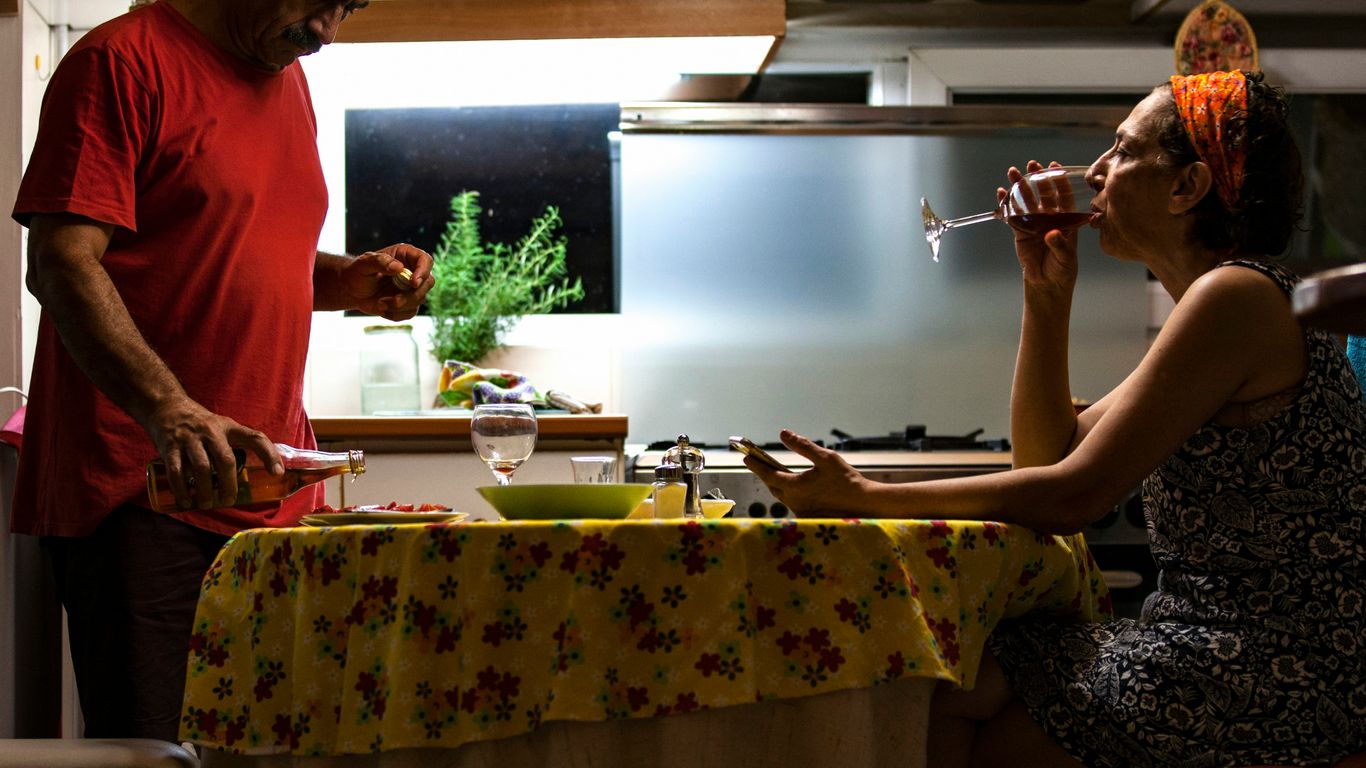
Cravings after an argument are common: stress hormones rise, your body looks for quick comfort, and the pantry is close. Instead of fighting yourself, use three steps. Regulate your body first so the urgency drops, re-route the urge to something that actually soothes you, and repair the situation or your own feelings once you’re calmer. If you do end up eating, treat it as information, not failure.
Why conflict sends you to the kitchen
A tense conversation triggers your stress response. Harvard Health explains that ongoing stress raises cortisol, which can increase appetite and the motivation to eat, and that sugary, high-fat comfort foods seem to dampen stress responses for a while, which may be why we crave them.
On top of the biology, there’s habit. If food has helped you calm down before, your brain remembers. After a fight with a partner, a tense call with a parent or a hard meeting, the urge to snack can feel automatic.

Emotional hunger or physical hunger?
Mayo Clinic suggests a quick “hunger reality check”: if you ate recently and your stomach isn’t rumbling, you’re probably not physically hungry, so give the craving time to pass. A few other clues:
| Emotional hunger | Physical hunger |
|---|---|
| Comes on suddenly, often right after a trigger | Builds gradually |
| Craves a specific comfort food | Open to many foods |
| Feels urgent | Can wait a little |
| Often continues past fullness | Stops when satisfied |
| Can leave guilt behind | Leaves you feeling fed |
If you are physically hungry after a conflict, eat a proper meal or snack. These steps are for the urges that aren’t really about hunger.
Step 1: Regulate your body first
Right after conflict, your thinking brain isn’t at its best. Calm your body before making decisions.
- Breathe slowly. The NHS suggests breathing in gently while counting from 1 to 5, then breathing out for the same count, for at least 5 minutes.
- Change the room. Leave the kitchen. Step outside, sit on the porch or go to another room.
- Move. A brisk 10-minute walk helps burn off the stress energy.
- Cool down. Splash cold water on your face or hold a cold glass of water.
- Drink something warm or cool. A herbal tea, a glass of water or warm milk gives your hands and mouth something to do.
Give yourself 10 to 15 minutes. Often the craving drops as your body settles.

Step 2: Re-route the urge
Once you’re calmer, ask: what am I really looking for? Then pick a match.
- If you need to vent: write a quick “brain dump” in a notebook or your phone. Don’t send it; just get it out.
- If you need comfort: wrap up in a blanket, put on a familiar show, or hold a pet.
- If you need distraction: do a quick chore, a puzzle or a short tidy-up.
- If you need connection: call or text someone outside the conflict who makes you feel steady.
- If you need to release energy: walk, stretch, put on music and move.
Write your favourite re-routes on a card and keep it on the fridge or pantry door so it’s right there when the urge hits.
Step 3: Repair, without using food to do it
Repairing with the other person
When you’re both calmer, a short, honest conversation can help:
- Use “I” statements: “I felt dismissed when…” rather than “You always…”
- Acknowledge your part, even if it’s small.
- Agree on a next step or a time to talk again.
Repair doesn’t have to happen the same evening. Sometimes the best move is “Let’s sleep on it and talk tomorrow.”
Repairing with yourself
Conflict often leaves self-criticism behind. Talk to yourself the way you’d talk to a friend who just had a hard conversation: “That was tough. I’m allowed to feel upset. I’ll take care of myself now.”
Make your kitchen a calmer place
Environment matters most in the moments when willpower is lowest.
- Keep go-to comfort foods out of easy reach. Mayo Clinic suggests not keeping hard-to-resist comfort foods in the house and avoiding grocery shopping when you’re upset.
- Stock satisfying options. Fruit, plain yogurt, whole grain crackers, cut vegetables with hummus, or air-popped popcorn.
- Portion before eating. If you do snack, put a portion in a bowl and sit down. No eating from the bag at the counter.
- Keep regular meals. Skipping meals during stressful periods makes evening cravings much stronger.
Look after the basics
Stress cravings are harder to manage when you’re running on empty. Harvard Health lists exercise, meditation and social support as ways to counter stress without overeating. Add sleep and steady meals, and you lower the baseline that conflict pushes against. Skipping alcohol helps too, since it supports better sleep and your weight goals.
If you raided the pantry anyway
It happens. Mayo Clinic’s advice after an emotional eating episode is to forgive yourself and start fresh the next day. A few practical steps:
- Skip the punishment. Don’t skip your next meal or “make up for it” with extreme exercise.
- Get curious. What was the trigger? What did you need? What might help next time?
- Add one idea to your re-route card based on what you learned.
- Eat your next meal as normal.
Our articles on emotional eating, food cravings and overcoming setbacks go deeper on each of these.
When to check with a professional
Consider talking to your doctor or a counsellor if:
- Eating after conflict happens most days or feels out of control
- You feel intense guilt or shame, eat in secret, or try to compensate afterward
- Conflict at home feels unsafe or is ongoing
The National Eating Disorder Information Centre (NEDIC) offers free, confidential support in Canada for anyone struggling with food and eating.
Quick takeaways
- Cravings after conflict are a normal stress response, not a character flaw.
- Regulate first: slow breathing, a change of room, a short walk.
- Re-route: match the urge to what you really need, such as venting, comfort or connection.
- Repair with the other person and with yourself once you’re calm.
- If you eat anyway, learn from it and return to normal meals without punishment.
FAQ
Why do I only crave food after arguments, not other stress?
Conflict often brings a mix of anger, hurt and helplessness all at once, and food is a quick, familiar way to feel better. Noticing that pattern is the first step to changing it.
How long should I wait before deciding to eat?
Try 10 to 15 minutes of calming activity first. If you’re still hungry after that and it’s been a while since your last meal, eat something satisfying.
What if the conflict is with someone I live with?
Agree ahead of time that either of you can call a short break during a heated moment. Use that break to regulate, not to snack, and come back to the conversation when you’re both calmer.