
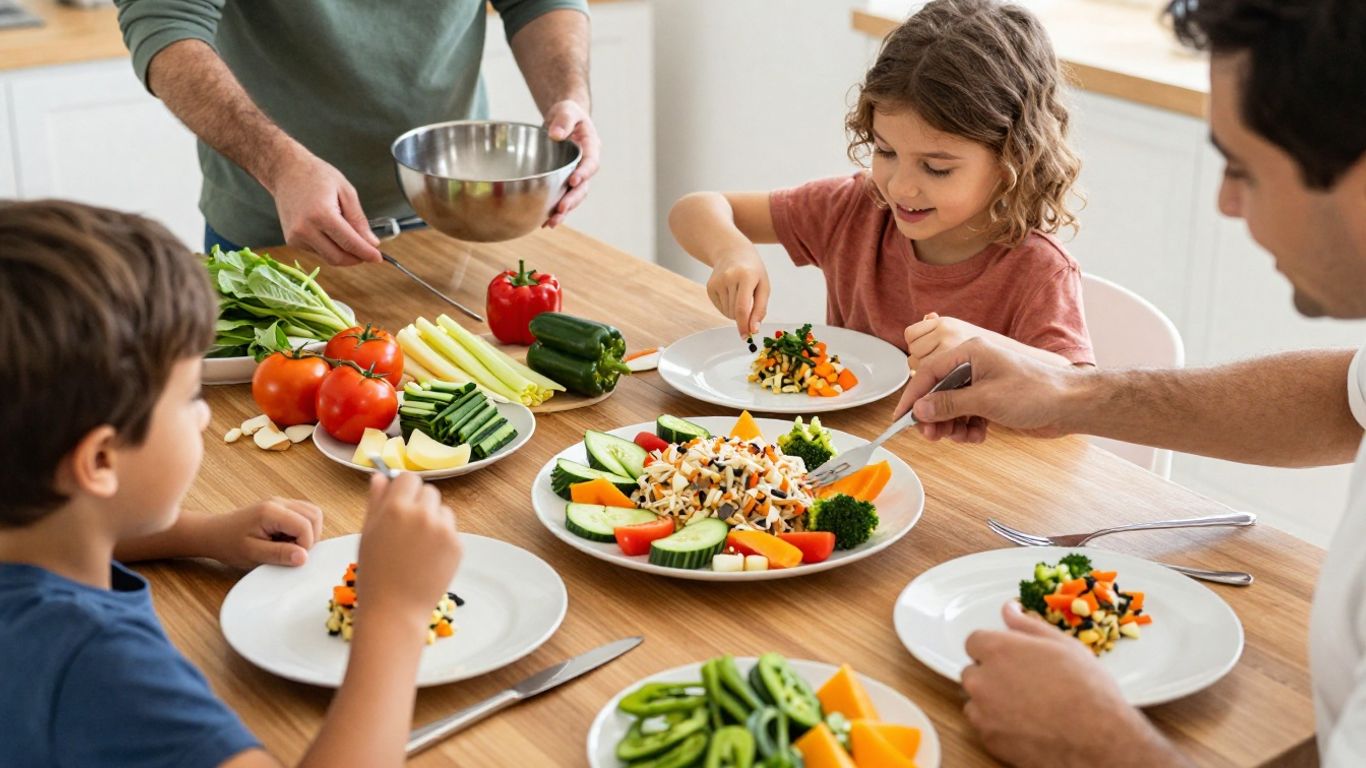
Figuring out dinner every night can feel like a chore, right? Especially when you’ve got little ones with opinions about what goes on their plate. But what if I told you there’s a way to make weeknight meals smoother and even fun for the whole family? It’s all about smart meal prep for families. We’re talking about getting a head start so you can actually enjoy your evenings, and maybe even get the kids involved in a way they’ll actually like. It’s not about spending your whole weekend in the kitchen, but about setting yourself up for success with a few simple strategies.
Key Takeaways
- Meal prep for families means preparing ingredients or full meals ahead of time to make weeknight dinners easier and less stressful.
- Involving children in the cooking process, even with simple tasks, can increase their interest in trying new foods.
- Theme nights and ‘build-your-own’ meal bars (like tacos or pizzas) offer interactive and customizable dinner options that kids often love.
- Focus on preparing versatile base ingredients like grains, proteins, and vegetables that can be adapted into various kid-approved meals.
- Meal prepping can strengthen family bonds by turning cooking into a shared activity and reducing overall weeknight chaos.
Streamlining Weeknight Dinners With Smart Meal Prep
Weeknights can feel like a race against the clock, right? Between homework, activities, and just trying to catch your breath, the last thing you want to worry about is what’s for dinner. That’s where smart meal prep comes in. It’s not about spending your entire weekend slaving away in the kitchen; it’s about making a few strategic moves that pay off big time during the week. Think of it as setting yourself up for success, so you can actually enjoy your evenings instead of stressing over meals.
The "Buffet" Prep Strategy
This approach is all about prepping ingredients, not necessarily full meals. Instead of making individual dishes, you create a collection of versatile components. This gives you flexibility throughout the week. You might roast a big batch of vegetables, cook a large pot of grains like quinoa or rice, and grill several chicken breasts or bake tofu. These prepped items can then be mixed and matched.
- Monday: Combine chicken, veggies, and grains for a quick bowl.
- Tuesday: Use the veggies and chicken for quesadillas.
- Wednesday: Transform leftover grains and veggies into fried rice.
This method means you’re not stuck eating the exact same meal multiple times, but you’ve done the bulk of the work upfront.
Freezer-Friendly Batch Cooking
When you’re making a meal that freezes well – think meatballs, lasagna, or hearty soups – double the recipe. Stash one portion in the freezer for a future busy night. The goal is to have at least three "emergency" meals ready to go at all times. This is a lifesaver when takeout starts looking like the only option. Using flat freezer bags can save space and help things thaw faster when you need them.
Theme Night Calendars for Decisionless Dinners
Taking the guesswork out of dinner can significantly reduce weeknight stress. Assigning a theme to each night of the week can simplify planning and shopping. It also introduces variety without extra mental load.
- Meatless Monday: Lentil soup or a veggie pasta.
- Taco Tuesday: Turkey or bean tacos.
- Worldly Wednesday: Explore a new cuisine each week, like Italian or Thai.
- Thoughtful Thursday: Get creative with leftovers, perhaps a "kitchen sink" salad.
- Pizza Friday: A fun, interactive family pizza night.
Having a plan like this means you’re less likely to resort to last-minute, less healthy options. The real benefit is reclaiming your evenings and reducing that daily mental load.
Engaging Children in the Kitchen for Meal Prep Success
Getting kids involved in the kitchen isn’t just about making your life easier during meal prep; it’s a fantastic way to build their confidence and teach them valuable skills. When children have a hand in preparing the food they eat, they’re often more curious and willing to try new things. Think of it as turning a daily task into a fun learning experience.
Involving Kids in Chopping and Preparation
Even the youngest helpers can participate. Toddlers can help tear lettuce for a salad or wash vegetables in a bowl of water. Older kids can take on more complex tasks like measuring ingredients or carefully chopping softer items with kid-safe knives. The key is to assign age-appropriate tasks that allow them to feel a sense of accomplishment.
- Toddlers (Ages 2-4): Washing produce, tearing leafy greens, stirring cold ingredients, picking herbs.
- Preschoolers (Ages 4-6): Measuring dry ingredients, mashing soft foods, spreading toppings, simple stirring.
- Early Elementary (Ages 6-8): Cracking eggs, cutting soft fruits/vegetables with supervision, whisking, following simple recipe steps.
- Older Elementary (Ages 8+): Using basic kitchen tools with supervision, reading recipes, more complex chopping, operating simple appliances like a blender.
Modeling Healthy Eating Habits
Children learn by watching. When you show enthusiasm for trying different foods, especially vegetables, your kids are more likely to follow suit. Make mealtime a positive experience where everyone shares what they like about the food. Talk about how different foods make your body feel strong and energetic. It’s not about forcing them to eat something they dislike, but about creating a positive association with a variety of foods.
The Power of Agency in Food Choices
Giving children a sense of control can make a big difference. When they help decide what goes into a meal or how it’s presented, they feel more invested. This can be as simple as letting them choose between two different vegetables or allowing them to assemble their own taco or grain bowl. This agency can transform a hesitant eater into an adventurous one. It’s about making them feel like a partner in the meal-making process, not just a recipient.
Interactive Meal Prep Ideas for Family Fun
Making meal prep a family affair doesn’t have to be a chore; it can actually be a blast! When kids get involved in creating their own meals, they’re way more likely to actually eat them. It’s all about giving them a little control and letting their creativity shine. Think of it as a fun, edible art project that also happens to be dinner.
Build-Your-Own Taco Bar
This is a classic for a reason. Set out bowls of seasoned ground turkey or lentils, shredded lettuce, diced tomatoes, cheese, salsa, and maybe some avocado. Everyone can assemble their tacos exactly how they like them. It’s a low-stress way to introduce different flavors and textures, and it’s always a hit.
Personalized English Muffin Pizzas
Who doesn’t love pizza? Using whole wheat English muffins or pita bread as a base, let everyone spread their own sauce and pile on their favorite toppings. You can offer a rainbow of chopped veggies like bell peppers, mushrooms, and olives. It’s a great way to talk about building something, almost like a mini engineering project for their plate.
Breakfast for Dinner Adventures
Switching up the routine with breakfast for dinner is always a fun surprise for kids. Think fluffy scrambled eggs with colorful diced peppers mixed in, served alongside whole-grain toast. You can even make it a "smiley face" meal with some fruit. It’s a simple concept that feels special and breaks up the week nicely.
Nutrient-Rich Bases for Versatile Family Meals
Building a weeknight dinner around a solid, healthy foundation makes all the difference. When you have a great base ready to go, you can easily adapt it for everyone at the table. Think of it like having a blank canvas that you can paint with different flavors and textures. This approach not only saves time but also makes mealtime less of a puzzle, especially on busy evenings.
Hearty Grains and Legumes
These are the workhorses of a healthy meal. They provide sustained energy and are packed with fiber, which is good for digestion. Plus, they’re super versatile. You can cook a big batch of quinoa, brown rice, or even lentils at the beginning of the week and use them in so many ways.
- Quinoa: A complete protein, it cooks up fluffy and pairs well with almost anything.
- Brown Rice: Offers a chewier texture and more fiber than white rice.
- Lentils: Whether red, green, or brown, they’re a fantastic source of plant-based protein and iron. They can be simmered into soups or used as a base for veggie burgers.
- Farro: This ancient grain has a satisfying, nutty flavor and a hearty texture.
Preparing a large pot of grains or legumes on Sunday means you’ve got a ready-made component for bowls, salads, or as a side dish throughout the week. It’s a simple step that pays off big time.
Lean Proteins and Healthy Fats
Protein is key for keeping everyone full and satisfied. Opting for lean sources means you’re getting the good stuff without a lot of extra saturated fat. Healthy fats are also important for brain health and absorbing certain vitamins. Having prepped proteins and healthy fats on hand makes assembling meals a breeze.
- Chicken Breast or Thighs: Grilled, baked, or shredded, chicken is a crowd-pleaser.
- Fish: Salmon, with its omega-3s, is great for brain development. Tuna or cod are also good options.
- Tofu or Tempeh: Excellent plant-based proteins that soak up marinades beautifully.
- Beans and Legumes: As mentioned, they double as protein powerhouses.
- Avocado: Creamy and full of healthy monounsaturated fats, perfect for topping bowls or sandwiches.
- Nuts and Seeds: A sprinkle of almonds, walnuts, or pumpkin seeds adds crunch and nutrients.
Colorful Vegetable Medleys
Vegetables are where we get a lot of our vitamins, minerals, and fiber. The more colors you can get on a plate, the better! Prepping a variety of vegetables at the start of the week makes it easy to add them to any meal. Roasting or steaming a big batch means they’re ready to be tossed into salads, stir-fries, or served as a side.
- Leafy Greens: Spinach, kale, and mixed greens are great for salads or wilting into hot dishes.
- Cruciferous Veggies: Broccoli, cauliflower, and Brussels sprouts roast up wonderfully.
- Root Vegetables: Carrots, sweet potatoes, and beets add sweetness and color.
- Bell Peppers and Onions: These add flavor and crunch to stir-fries and fajitas.
Having these nutrient-rich bases prepped and ready to go transforms weeknight dinners from a chore into a flexible, healthy, and enjoyable experience for the whole family.
Kid-Approved Finishes for Shared Meal Bases
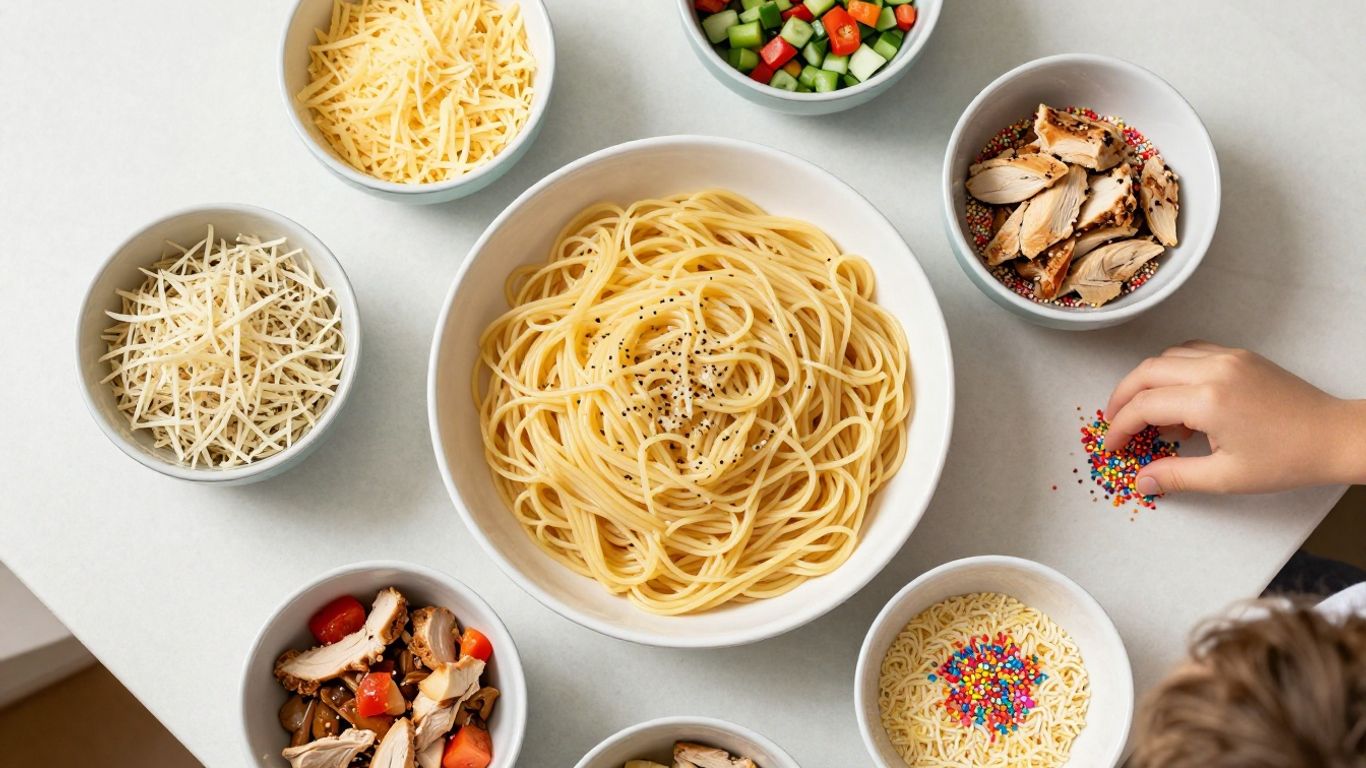
Once you have your hearty bases prepped, the real fun begins: turning them into meals your kids will actually be excited to eat. It’s all about letting them have a say in the final presentation and flavor.
Quesadilla Creations
Quesadillas are a fantastic canvas for creativity. Start with a whole wheat tortilla as your base. You can add a layer of cheese, some seasoned black beans for protein and fiber, and even finely chopped spinach for an extra nutrient boost. The magic happens when kids get to choose their own fillings from a selection of healthy options. Think corn, diced tomatoes, or even a sprinkle of mild salsa. Folding and cooking them until golden and melty makes for a simple, satisfying meal.
Grain Bowl Customization
Grain bowls are incredibly versatile. Take your prepped grains – maybe quinoa or brown rice – and let your children build their own bowls. Offer a variety of toppings like shredded chicken or seasoned lentils, colorful chopped vegetables (bell peppers, cucumbers, carrots), and a drizzle of a simple dressing like tahini or a light vinaigrette. This approach gives them control over every bite.
Pasta and Stir-Fry Adaptations
Pasta is a classic for a reason. Toss your cooked pasta with a simple sauce and then let kids add their favorite prepped vegetables and protein. For stir-fries, serve the base of rice or noodles and let them choose from a colorful array of stir-fried veggies and a protein like tofu or chicken. It’s a great way to introduce new flavors in a way they feel they’ve chosen themselves.
The key here is offering choices within a healthy framework. When children feel they have agency over their meal, they are much more likely to try and enjoy it. It transforms dinner from a potential battleground into a collaborative creation.
Educational Opportunities Through Family Meal Prep
STEM Connections in the Kitchen
Turning meal prep into a learning experience is easier than you might think. The kitchen is a fantastic place to explore science, technology, engineering, and math (STEM) concepts in a hands-on way. For instance, when you’re making a simple vinaigrette, you’re demonstrating the principles of emulsification – how oil and vinegar, which normally separate, can be combined with the help of an emulsifier like mustard. Measuring ingredients for baking introduces fractions and ratios, while understanding how yeast makes bread rise is a lesson in biology. Even simple tasks like using a whisk or a spiralizer can be a gateway to discussing simple machines and how they work.
Math and Measurement Skills
Cooking and baking are inherently mathematical. When you’re prepping ingredients, you’re constantly using math. Think about doubling a recipe – you need to multiply all the measurements. Or, if you’re halving it, you’re dividing. This is a practical way for kids to see math in action. You can talk about volume (cups, liters), weight (grams, pounds), and even time management when planning out cooking steps.
Here’s a quick look at common kitchen measurements:
| Unit | Common Equivalents |
|---|---|
| 1 cup | 8 fluid ounces |
| 1 pint | 2 cups |
| 1 quart | 2 pints |
| 1 gallon | 4 quarts |
Biology of Food Exploration
Meal prep offers a chance to discuss where our food comes from and how it grows. When you’re preparing a colorful vegetable medley, you can talk about the different parts of plants we eat: roots (carrots, potatoes), stems (celery, asparagus), leaves (spinach, kale), and flowers (broccoli, cauliflower). This can spark conversations about plant life cycles, photosynthesis, and the nutritional benefits of each part. It’s a simple way to connect the food on our plates to the natural world, making healthy eating a more engaging topic.
The kitchen can be a dynamic classroom, transforming everyday cooking into an adventure. By involving children in the process, we offer them tangible experiences that connect abstract learning concepts to real-world applications. This approach not only builds practical skills but also cultivates a sense of curiosity and accomplishment, making learning a natural and enjoyable part of family life.
Addressing Picky Eaters With Meal Prep Strategies
Dealing with picky eaters can feel like a constant battle, but meal prep offers some surprisingly helpful ways to ease the tension around mealtimes. It’s not about forcing kids to eat things they dislike, but rather about creating a more relaxed environment where they can explore food at their own pace. The goal is to build confidence and reduce mealtime stress for everyone.
The "One-Bite Rule" Approach
This strategy is simple: encourage your child to try just one bite of a new food. It’s not about forcing them to like it, but about the act of trying. If they don’t enjoy it, that’s perfectly fine. The success is in the exploration, not necessarily the consumption. This can be a great way to introduce new flavors and textures without pressure. Over time, repeated exposure, even just a single bite, can lead to greater acceptance.
Deconstructed Meal Presentations
Many picky eaters struggle with foods touching or being mixed together. Meal prep allows you to prepare components of a meal separately. Think of a taco night where the seasoned meat, shredded lettuce, cheese, and salsa are all in their own bowls. Kids can then assemble their own tacos, choosing exactly what they want and how much. This gives them a sense of control and makes the meal feel less overwhelming. It works for grain bowls, pasta dishes, and more.
Creative Food Styling Techniques
Sometimes, presentation really does make a difference. While you don’t need to be a gourmet chef, a little creativity can go a long way. Think about cutting sandwiches into fun shapes, arranging vegetables to look like a smiley face, or using cookie cutters for fruit. For older kids, you can even turn it into a game where they design their own plate. This playful approach can make trying new foods more appealing and less intimidating. It’s about making food look fun, not just taste good.
Quick and Easy Meal Prep for Busy Families
Life moves fast, and sometimes the idea of cooking a full meal from scratch after a long day feels impossible. That’s where smart meal prep comes in. It’s not about spending your entire weekend in the kitchen; it’s about strategic planning that saves you time and stress during the week. Even with a packed schedule, you can still get healthy, home-cooked meals on the table.
10-20 Minute Meal Wonders
When time is really tight, focus on meals that come together in a flash. This often means utilizing pre-prepped components or choosing recipes with minimal cooking steps. Think simple stir-fries with pre-cut veggies, quick pasta dishes with jarred sauce and added protein, or even elevated quesadillas using leftover cooked chicken or beans. The key is having a few go-to recipes that require very little active cooking time.
Utilizing Frozen and Canned Staples
Don’t underestimate the power of your pantry and freezer! Frozen vegetables are just as nutritious as fresh and can be tossed into almost anything – soups, stews, pasta sauces, or even scrambled eggs. Canned beans and lentils are fantastic sources of protein and fiber, perfect for adding to salads, chili, or making quick dips. Canned fish like tuna or salmon can be transformed into speedy lunches or dinners.
The Convenience of Prepped Ingredients
Meal prep doesn’t always mean cooking full meals ahead of time. Sometimes, it’s just about doing the prep work. This could involve washing and chopping vegetables on Sunday, cooking a batch of grains like rice or quinoa, or hard-boiling eggs for grab-and-go snacks and breakfasts. Even small steps like portioning out snacks or making a big salad base can make a huge difference when you’re rushing during the week. These small efforts significantly reduce the mental load and actual time spent cooking on busy weeknights.
Here are a few ideas for ingredient prep:
- Wash and chop onions, bell peppers, and carrots for use in multiple meals.
- Cook a large batch of chicken breasts or ground meat to use in tacos, salads, or pasta.
- Prepare a simple vinaigrette or sauce to quickly dress meals.
- Portion out nuts, seeds, or dried fruit for easy snack packs.
The goal is to make healthy eating accessible, even when you’re short on time. By breaking down the process and focusing on efficiency, meal prep becomes a tool for reclaiming your evenings, not another chore.
The Benefits of Family Meal Prep Beyond the Plate
Strengthening Family Bonds
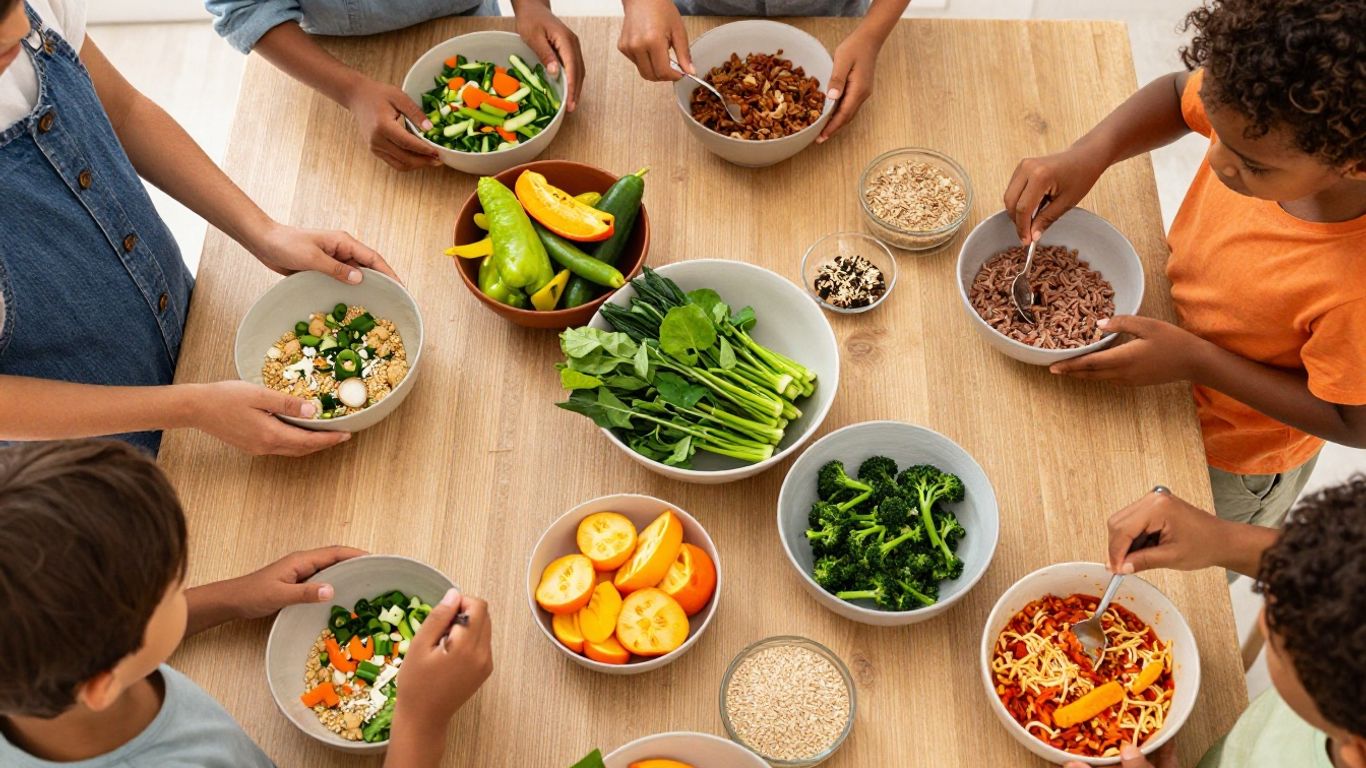
Getting the family involved in meal prep isn’t just about getting food ready for the week; it’s a chance to connect. When everyone pitches in, whether it’s washing veggies, stirring a pot, or setting the table, you’re building teamwork. These shared tasks create opportunities for conversation and laughter, turning a chore into quality time. It’s about creating a shared experience that strengthens the family unit. Kids learn valuable skills, and parents get to pass on traditions and knowledge. This collaborative effort can lead to more positive interactions and a greater sense of togetherness.
Reducing Weeknight Stress
Think about those evenings when everyone’s tired, hungry, and the question of "What’s for dinner?" looms large. Meal prep takes that pressure off. Having pre-chopped ingredients, cooked grains, or even fully assembled meals ready to go means you can whip up a healthy dinner in minutes. This saved time and mental energy can make a huge difference in your evening routine. Instead of rushing, you can relax a bit more, maybe even sit down with your kids for a few extra minutes before the meal.
Promoting Healthy Habits Together
When you meal prep, you’re making a conscious choice to eat healthier. By involving children in this process, you’re not just feeding them well; you’re teaching them about nutrition and good eating habits from an early age. They see firsthand what goes into making a balanced meal. This hands-on experience can make them more adventurous eaters and more aware of the importance of nourishing their bodies. It’s a way to model and encourage healthy living as a family.
Meal prep transforms the daily grind of feeding your family into a proactive, positive activity. It’s an investment in your family’s well-being, both in terms of health and happiness, and it pays dividends throughout the week.
Essential Tools for Successful Family Meal Prep
Getting your family involved in meal prep doesn’t require a professional kitchen, but having the right gear can make a big difference. It’s about setting yourselves up for success, making the process smoother, and honestly, a lot more enjoyable. Think of these as your trusty sidekicks in the kitchen.
Investing in Quality Food Containers
This is where the magic of meal prep really shines. Having good containers means your prepped ingredients and finished meals stay fresh longer, reducing waste and saving you time later in the week. Look for containers that seal well – no one wants a leaky lunch bag!
- Airtight seals: Keep food fresh and prevent spills.
- BPA-free materials: For peace of mind about food safety.
- Microwave and dishwasher safe: For easy reheating and cleanup.
- Stackable designs: To save precious cabinet space.
The right containers are a game-changer. They transform a fridge full of loose ingredients into an organized, ready-to-go meal station. It’s a small investment that pays off big time in saved time and reduced stress.
Kid-Friendly Kitchen Utensils
When kids are helping out, safety and ease of use are key. Having utensils that are appropriately sized and designed for little hands makes them feel more capable and less likely to get frustrated. This also helps them learn proper techniques from the start.
- Nylon or plastic knives: For safe chopping practice.
- Crinkle cutters: Add a fun texture to veggies and are safer than sharp knives.
- Small whisks and spatulas: Easier for smaller hands to manage.
- Peelers with safety guards: Protect little fingers.
Safety First: Adult Supervision Guidelines
While we want to encourage independence, especially with older kids, adult supervision is non-negotiable, particularly when sharp objects or heat are involved. It’s not just about preventing accidents; it’s also a teaching moment.
- Always supervise: Especially with knives, graters, and the stove/oven.
- Teach proper handling: Show kids how to hold knives, use appliances, and manage hot items.
- Clear workspace: Keep the area tidy to prevent slips and falls.
- Handwashing: Emphasize frequent handwashing throughout the prep process.
Getting ready for family meals doesn’t have to be a chore! Our guide, "Essential Tools for Successful Family Meal Prep," breaks down how to make cooking for your loved ones simple and fun. Discover the must-have items that will save you time and stress in the kitchen. Ready to transform your meal prep game? Visit our website today for more tips and tricks!
Bringing It All Together
So, we’ve talked about how to make meal prep work for your family, even when life gets hectic. It’s not about being a gourmet chef or spending all weekend in the kitchen. It’s about finding simple ways to get healthy food on the table that everyone, even the pickiest eaters, will enjoy. By prepping some basic ingredients or doubling recipes, you create a safety net for busy nights. And when you involve the kids, even in small ways, they become more curious and willing to try new things. Remember, the goal is to make mealtimes less stressful and more about connecting. It’s about building good habits and making food a positive experience for everyone.
Frequently Asked Questions
How can I get my kids to help with meal prep without it taking forever?
Focus on simple tasks that little hands can manage, like tearing lettuce for a salad or washing veggies. Even though it might add a few extra minutes, the sense of accomplishment your child feels is totally worth it!
What are some good ways to sneak veggies into picky eaters’ meals?
Pureed veggies are your secret weapon! Try adding cauliflower to mac and cheese, spinach to fruit smoothies (they won’t even taste it!), or finely grated zucchini into muffins or meatballs. It’s a great way to boost nutrients without a fuss.
Is it okay to use frozen or canned vegetables for meal prep?
Absolutely! Frozen veggies are often picked at their peak and keep most of their nutrients. Canned beans and tomatoes are also super handy and budget-friendly. Just try to grab the ‘low-sodium’ or ‘no salt added’ options when you can.
How can I make meal prep more educational for my kids without it feeling like school?
Keep it fun and casual! Instead of testing them, ask open-ended questions like, ‘What do you think will happen when we add heat to this?’ or ‘How many different colors can we find on our plates today?’ It sparks curiosity naturally.
What should I do if my child refuses to eat the meal I’ve prepared?
Try not to make it a big deal or a power struggle. It’s okay to have a ‘safe’ food on the table, like bread or fruit, that you know they’ll eat. Keep offering the main meal without pressure. It can take many tries for kids to accept a new food!
What are some simple meal prep strategies for busy weeknights?
Instead of prepping full meals, focus on prepping ingredients. Roast a big batch of veggies, cook a pot of grains like quinoa or rice, and grill some chicken or tofu. You can then mix and match these for different meals throughout the week, like grain bowls or quesadillas.
How can I make meal prep more fun and engaging for the whole family?
Involve kids in the process! Set up ‘build-your-own’ bars for things like tacos or pizzas, where everyone can choose their own toppings. This gives them a sense of control and makes mealtime an interactive adventure.
What are the main benefits of doing family meal prep together?
Beyond saving time and reducing stress during busy weeknights, meal prep helps strengthen family bonds. Cooking and eating together creates opportunities for connection, communication, and learning new skills as a team.