
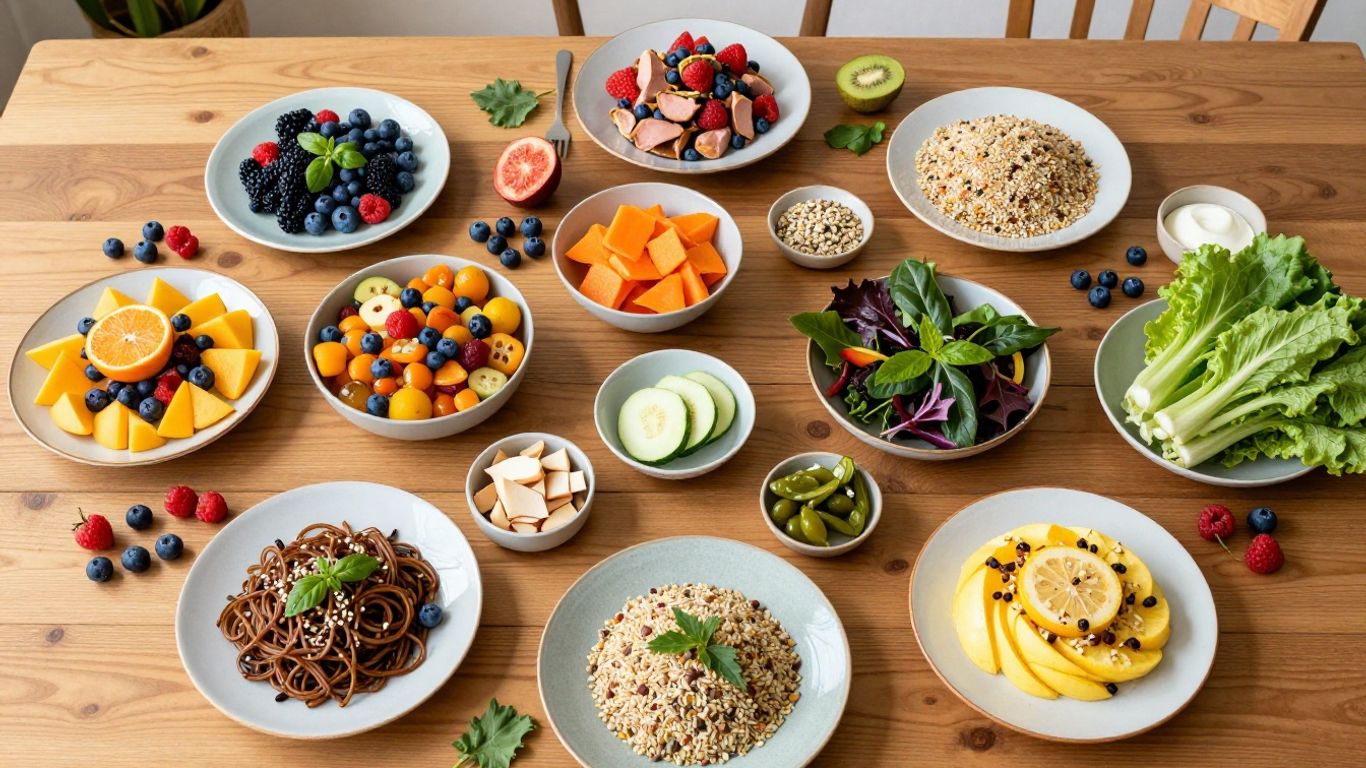
Lately, there’s been a lot of talk about food combining. You know, the idea that you can’t eat certain foods together, like protein and carbs, or you’ll get sick or gain weight. It sounds pretty complicated, right? People have been following these rules for ages, claiming it helps with digestion and all sorts of health stuff. But does it actually work? We’re going to look into the popular beliefs about food combining and see what the science actually says. Get ready, because we’re about to bust some myths and figure out what really works for our bodies.
Key Takeaways
- The core ideas behind food combining, like different foods needing different digestive conditions or causing ‘traffic jams,’ aren’t supported by how our digestive system actually works.
- Our bodies are naturally built to handle meals with a mix of proteins, carbs, and fats all at once, thanks to a variety of digestive enzymes working together.
- There’s little to no scientific proof that separating food groups as suggested by food combining rules improves digestion or leads to weight loss compared to balanced meals.
- Instead of strict rules, focusing on nutrient-dense, balanced meals that include different food groups is a more practical and effective approach for most people.
- While food combining itself lacks evidence, certain pairings, like iron with Vitamin C or fat-soluble vitamins with healthy fats, can genuinely boost nutrient absorption.
Understanding the Origins of Food Combining Myths
It’s easy to get caught up in the latest health trends, and food combining is definitely one that’s been around for a while, popping up in different forms over the years. The basic idea is that certain foods digest better when eaten alone or with specific partners, and that mixing them incorrectly can cause all sorts of digestive woes and even lead to toxins building up in your body. Sounds pretty straightforward, right? Well, the roots of these ideas go way back.
Ancient Philosophies and the Rise of Trophology
The concept of pairing foods thoughtfully isn’t exactly new. You can find echoes of it in ancient traditions, like the Ayurvedic medicine system from India. Ayurveda has always emphasized balance and harmony, and that extends to what we eat and how we combine it. The thinking was that different foods have different energies and digestive requirements, and putting the wrong ones together could throw your internal system out of whack. Later on, in the mid-1800s, this idea got a more scientific-sounding label: trophology. It was essentially presented as the ‘science of food combining,’ aiming to figure out the optimal way to eat for better health.
Ayurvedic Influence on Modern Food Rules
Ayurveda, with its focus on individual constitution (doshas) and the properties of foods, has had a lasting impact. Many of the food combining rules we see today seem to borrow from these ancient principles. For instance, the idea that fruits should be eaten alone, especially on an empty stomach, is a common Ayurvedic recommendation. The belief is that fruits digest very quickly and can get ‘stuck’ behind slower-digesting foods, leading to fermentation and digestive upset. While the specific terminology might differ, the underlying concern about how different food types interact in the gut is a consistent theme.
Popularization in the 20th Century Health Movements
Food combining really gained traction in the Western world during the health movements of the 20th century. Think of diets like the Hay Diet, which emerged in the early 1900s. Dr. William Hay proposed separating foods into different groups – like proteins, starches, and fruits – and eating them in separate meals. The theory was that the body produces different enzymes and digestive juices for each type of food, and these work best in specific conditions. Mixing them, he argued, would neutralize these digestive aids and lead to problems. This approach, and others like it, became quite popular, influencing how many people thought about meal composition and digestion for decades.
How Digestive Physiology Dispels Food Combining Myths
The Human Digestive System’s Versatility
Our bodies are remarkably capable when it comes to food. The whole idea behind food combining often hinges on the notion that different types of food, like proteins and carbohydrates, need entirely separate digestive environments. It’s suggested that mixing them causes a digestive ‘traffic jam’ or leads to fermentation. But here’s the thing: our digestive system is built to handle a variety of foods all at once. Think about it – when you eat a meal, it’s rarely just one thing, right? You might have chicken (protein), rice (carbohydrate), and some vegetables cooked in oil (fat). Our gut is designed to process this mix. It doesn’t just have one tool for one job; it has a whole toolkit that works simultaneously.
Role of Digestive Enzymes in Mixed Meals
Digestion is a complex process, and it relies heavily on enzymes. These are like tiny biological machines that break down food. The interesting part is that your body doesn’t just produce one type of enzyme. When you eat a mixed meal, your body releases a whole cocktail of enzymes designed to tackle proteins, carbohydrates, and fats all at the same time. For example, amylase starts breaking down carbs in your mouth, while pepsin and hydrochloric acid in your stomach get to work on proteins. Then, in the small intestine, bile and other enzymes handle fats. These processes happen in parallel, not in sequence, meaning your body is perfectly equipped to digest a variety of foods simultaneously. There’s no need to separate foods to give enzymes a ‘break’ or to ensure they work properly; they’re already designed for this multitasking.
Common Misunderstandings About Stomach Acidity
One of the core arguments in food combining is that proteins need a highly acidic stomach environment, while carbohydrates need a more alkaline one, and mixing them neutralizes the stomach. This is a significant oversimplification. While the stomach is indeed acidic (pH 1.5-3.5) to help break down proteins and kill bacteria, this acidity doesn’t just disappear when carbs are present. The stomach’s pH is regulated, and it can handle the presence of both macronutrients. Furthermore, carbohydrate digestion actually begins in the mouth and continues in the small intestine, not primarily in the stomach. The idea that stomach acidity is so fragile that it can’t handle a mixed meal is simply not supported by how our digestive system actually functions. The stomach’s role is to churn food and begin protein digestion, and it does this effectively even with a varied meal.
The human digestive system is a marvel of biological engineering, evolved over millennia to efficiently process diverse food sources. The idea that it gets ‘confused’ or overwhelmed by common food combinations is a misunderstanding of its robust and adaptable nature. Rather than creating digestive ‘bottlenecks,’ mixed meals provide a spectrum of nutrients that our bodies are adept at breaking down and absorbing.
Scientific Analysis: What Research Reveals About Food Combining
When we look at what actual scientific studies say about food combining, the picture gets a lot clearer. For a long time, the ideas behind food combining have been around, often tied to older health philosophies. But when we put these ideas under the microscope of modern science, they don’t really hold up.
Notable Studies and Their Findings
The truth is, there isn’t a whole lot of research specifically on food combining as a diet plan. The most frequently cited study, from the year 2000, looked at whether food combining helped with weight loss. In this study, people were put on very low-calorie diets (around 1,100 calories a day), which is quite restrictive. Some followed a food combining plan, while others ate a balanced diet. Both groups lost a significant amount of weight, about 13 to 18 pounds over six weeks. However, the researchers found that the food combining diet didn’t offer any extra benefit compared to the balanced diet. The weight loss was attributed to the severe calorie restriction, not the way the foods were combined.
Limitations in Current Research
This lack of robust research is a major point. The few studies that exist are often limited in scope, like the one mentioned above focusing only on weight loss and using extreme calorie restriction. They don’t explore the broader health claims often made by food combining proponents. Furthermore, many of the original food combining rules were developed over a century ago, long before we had our current understanding of human digestion and nutrition science. The science we have today simply doesn’t support the core ideas that different foods need to be eaten separately because they digest at different rates or require different stomach acidity levels.
Human Evolution and Mixed Diets
Think about how humans have eaten throughout history. Our ancestors, and people across cultures today, have always eaten mixed meals – combinations of proteins, fats, and carbohydrates. Our digestive systems are remarkably adaptable and have evolved to handle this diversity. Cooking methods and food processing have further enhanced our ability to digest a wide range of foods. The human gut is designed to break down macronutrients simultaneously. It’s a complex system that doesn’t need to be complicated by rigid food combining rules. Our bodies are naturally equipped to handle mixed meals efficiently.
Here’s a quick look at why the science doesn’t back up common food combining claims:
- Digestive Enzymes: Your body produces a cocktail of enzymes (like amylase for carbs, protease for protein, and lipase for fats) that work together. These enzymes aren’t picky about what else is in your stomach; they do their job regardless of food pairings.
- Stomach Acidity: While the stomach’s pH does change, it’s highly effective at creating an acidic environment suitable for breaking down proteins and killing bacteria, no matter what other food groups are present.
- Transit Time: The idea that foods create a
Common Food Combining Myths Revisited

You’ve probably heard them – the rules about not mixing certain foods, like proteins and carbs, or eating fruit only by itself. These ideas often pop up in health circles, promising better digestion and fewer problems. But let’s take a closer look at some of the most common claims and see what’s really going on.
Proteins and Carbohydrates: The Mixed Meal Myth
The idea that you shouldn’t combine proteins and carbohydrates in the same meal is a cornerstone of many food combining diets. The theory suggests that proteins require an acidic environment for digestion, while carbohydrates need an alkaline one. Mixing them, proponents claim, neutralizes these necessary digestive conditions, leading to poor digestion, gas, and bloating. However, our digestive systems are far more sophisticated than that. The stomach is naturally acidic, and it’s equipped to handle a mix of macronutrients simultaneously. Digestive enzymes are released as needed, regardless of whether you’re eating a steak and potatoes or a salad with chicken. Your body is designed to digest mixed meals efficiently.
Fruit Alone for Digestion: Fact or Fiction?
Another popular rule is that fruits, especially melons, should be eaten alone on an empty stomach. The reasoning is that fruits digest very quickly and will ferment or rot if left to sit with slower-digesting foods. While it’s true that fruits generally digest faster than proteins or fats, the notion of them ‘rotting’ in your stomach is a bit dramatic. The stomach’s acidic environment prevents significant fermentation. Eating fruit with other foods doesn’t typically cause digestive distress for most people. In fact, pairing fruit with a source of protein or fat can actually slow down sugar absorption, leading to a more stable blood sugar response.
Do Fats and Proteins Slow Digestion?
It’s often said that combining fats and proteins is a digestive no-no, with fats supposedly slowing down protein digestion significantly. While fats do tend to stay in the stomach longer than carbohydrates, this isn’t necessarily a bad thing. A slower gastric emptying rate can contribute to a feeling of fullness and satisfaction after a meal. Furthermore, many whole foods naturally contain a mix of fats and proteins, such as fish, nuts, and seeds. Our bodies have evolved to handle these combinations without issue. The key is usually moderation and the quality of the fats and proteins consumed, rather than a strict rule against combining them.
Here’s a quick look at how common food pairings are often viewed by food combining proponents versus scientific understanding:
| Food Combination | Food Combining Claim | Scientific Understanding |
|---|---|---|
| Protein + Carbohydrate | Should not be eaten together; conflicting pH needs. | Stomach secretes acid and enzymes to digest both simultaneously. Mixed meals are normal and handled well. |
| Fruit Alone | Digests quickly; ferments if combined with other foods. | Fruit digests relatively quickly, but ‘rotting’ is unlikely. Combining with other foods is generally fine for most people and can aid satiety. |
| Protein + Fat | Fats slow protein digestion, causing issues. | Fats do slow gastric emptying, which can increase satiety. Many natural foods contain both, and the body is adapted to digest them together. |
The human digestive system is remarkably adaptable. It doesn’t operate on a simple set of rules for specific food pairings. Instead, it orchestrates a complex, coordinated process to break down a wide variety of foods, releasing the necessary enzymes and acids as needed, regardless of how foods are combined in a meal.
The Body’s Natural Ability to Handle Diverse Foods
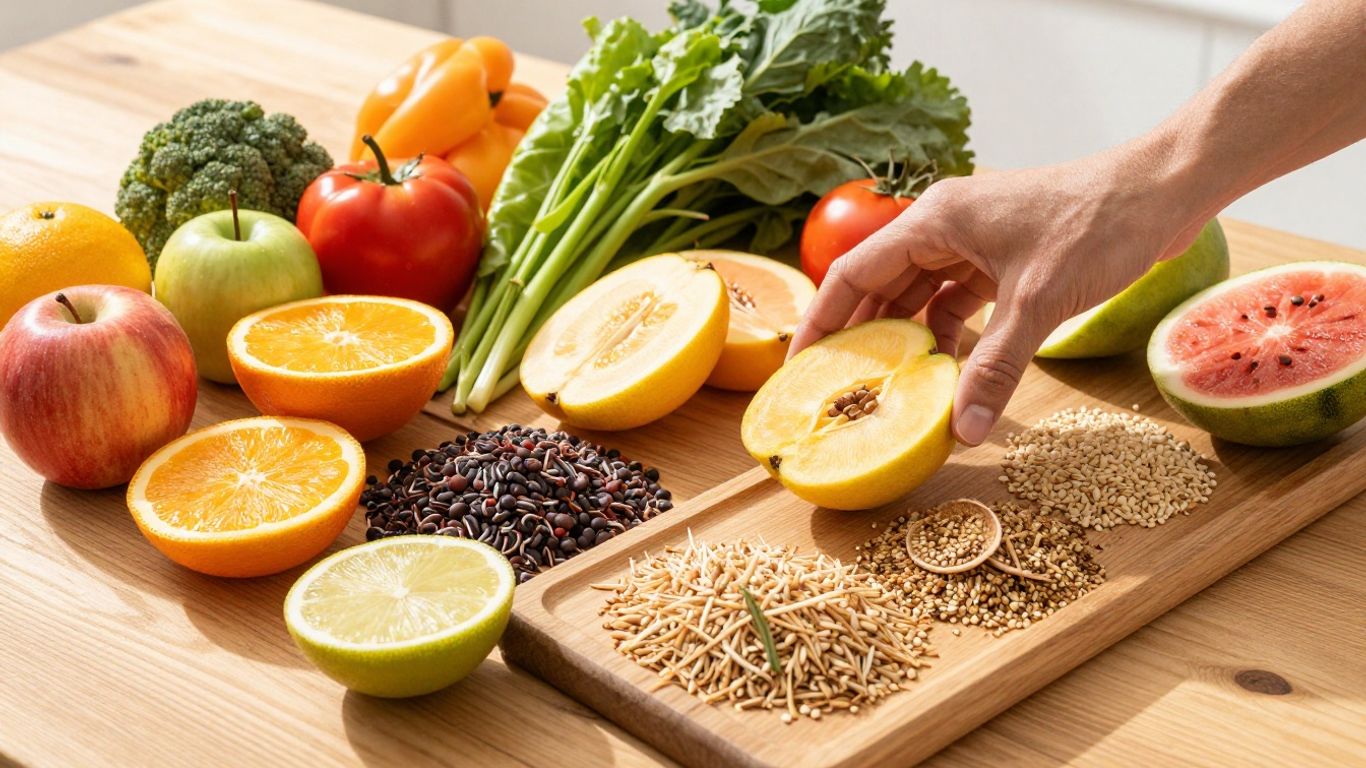
It’s pretty amazing when you stop and think about it: our bodies are incredibly well-equipped to handle a wide variety of foods all at once. Forget those strict rules about never mixing this with that; the human digestive system is a master multitasker. Think about it – most of the foods we eat naturally come with a mix of proteins, fats, and carbohydrates. Our bodies have been dealing with this for ages, long before anyone started talking about food combining.
Simultaneous Breakdown of Macronutrients
Our digestive system doesn’t just pick one thing to focus on at a time. When you eat a meal, it’s like a well-orchestrated symphony. Different parts of your digestive tract get to work, each with its own set of tools. Carbohydrates start their journey right in your mouth with enzymes like amylase. Then, in the stomach, things get acidic, and enzymes like pepsin and lipase kick in to start breaking down proteins and fats. As the food moves into the small intestine, a whole new crew of enzymes arrives, ready to tackle whatever is left. This parallel processing means your body is designed to digest mixed meals efficiently, without needing to ‘choose’ between digesting proteins or carbs. It’s not a matter of one type of food hindering another; it’s a coordinated effort.
Enzyme Production in Response to Meals
Your body is smart. It doesn’t just randomly churn out enzymes; it releases them based on what you eat. If you have a meal with fats, your body ramps up the production of fat-digesting enzymes. If there are proteins, it adjusts accordingly. This responsive enzyme production is key to handling diverse food combinations. It’s not like you eat a carb and suddenly your stomach becomes too alkaline for protein digestion. The body maintains the right conditions in each part of the digestive tract, regardless of the mix of foods you’ve consumed. This adaptability is a testament to our evolutionary journey and the robust nature of our digestive physiology.
Adaptations to Varied Diets Across Cultures
Look around the world, and you’ll see countless examples of healthy populations thriving on diets that are far from restrictive. Traditional meals often feature a blend of grains, vegetables, lean meats, and healthy fats – a perfect example of a mixed meal. Cultures have developed diverse culinary traditions over centuries, all based on combining foods in ways that are both delicious and nutritionally sound. These varied diets, often rich in whole foods, demonstrate that our bodies are not only capable of handling diverse food combinations but often benefit from the wide array of nutrients they provide. It highlights that what works for one person or culture might differ, but the underlying ability to digest a mix of foods remains a constant.
Debunking Claims of Toxic Buildup and Food Incompatibility
You might have heard that eating certain foods together can cause them to ferment in your stomach, leading to a nasty "toxic buildup." The idea is that undigested food sits around, rots, and makes you feel unwell. It sounds pretty alarming, right? But let’s look at what actually happens in our bodies.
Misconceptions About ‘Toxins’ in Digestion
Our digestive system is actually quite robust and designed to handle a variety of foods. When food enters your stomach, it’s met with a highly acidic environment and powerful digestive enzymes. This combination starts breaking down food right away. There isn’t a significant amount of time for food to just sit and "rot" in your stomach to create toxins. The stomach’s primary job is to liquefy food before sending it to the small intestine for further nutrient absorption. Any fermentation that does occur, in a healthy individual, happens much later in the large intestine, where beneficial bacteria break down undigested fiber. This process actually produces helpful byproducts, not toxins.
Stomach Transit Times and Health
How long does food actually stay in your stomach? For most healthy people, the stomach empties its contents within a few hours. This transit time can vary depending on the meal’s composition – fats and proteins tend to slow things down a bit compared to simple carbohydrates. However, this is a normal physiological response, not a sign of impending doom or toxic accumulation. If you experience prolonged feelings of fullness, bloating, or discomfort long after eating, it might be worth discussing with a healthcare provider, as it could indicate a condition like delayed gastric emptying, which is a medical issue, not a food-combining one.
What Truly Causes Digestive Distress
So, if it’s not food combining causing toxic buildup, what does lead to digestive issues like gas, bloating, and discomfort? Several factors can play a role:
- Eating too quickly: Swallowing large amounts of air can lead to bloating.
- Certain foods: Some individuals are sensitive to specific foods like dairy, gluten, or high-FODMAP items.
- Underlying medical conditions: Conditions such as Irritable Bowel Syndrome (IBS), gastritis, or food intolerances can cause significant digestive distress.
- Stress and anxiety: Our gut and brain are closely linked, and emotional states can impact digestion.
- Lack of fiber: Insufficient fiber can lead to constipation and discomfort.
Focusing on a balanced diet, mindful eating habits, and addressing any specific sensitivities or medical conditions is a far more effective approach to digestive well-being than adhering to restrictive food combining rules.
Evidence-Based Pairings That Enhance Nutrition
While the idea of strictly combining foods for optimal digestion is largely a myth, there are some really neat ways to pair certain foods that actually help your body absorb more of the good stuff. It’s less about avoiding certain combinations and more about giving your body a little boost when it comes to getting the most out of your meals. Think of it as a helpful nudge, not a rigid rulebook.
Iron and Vitamin C for Better Absorption
Iron is super important, especially for folks who don’t eat a lot of meat. Plant-based iron, called non-heme iron, isn’t absorbed as easily as the heme iron found in animal products. But here’s the cool part: pairing non-heme iron sources with foods rich in vitamin C can seriously ramp up its absorption. So, instead of worrying about whether beans and rice are ‘compatible,’ just add some bell peppers or tomatoes to your bean dish. It’s a simple trick that makes a big difference, particularly for vegetarians and vegans.
- Lentils + Orange slices: A classic combo that works wonders.
- Spinach salad + Lemon vinaigrette: Boosts the iron in your greens.
- Fortified cereals + Strawberries: A breakfast win for iron uptake.
Healthy Fats and Carotenoids Synergy
Some vitamins, like A, D, E, and K, are called fat-soluble. This means your body needs a little bit of fat to absorb them properly. Carotenoids, which are plant pigments that our bodies can turn into vitamin A, also fall into this category. So, when you’re eating colorful veggies like carrots, sweet potatoes, or leafy greens, adding a healthy fat source can help you get more of those beneficial compounds. It’s why roasting vegetables with olive oil or adding avocado to a salad is so effective.
Don’t shy away from healthy fats when eating your colorful fruits and vegetables; they are partners in nutrient absorption.
Turmeric and Black Pepper for Maximized Benefits
This one is pretty fascinating. Turmeric, that vibrant yellow spice, is known for its anti-inflammatory properties thanks to a compound called curcumin. The catch? Curcumin on its own isn’t very bioavailable, meaning our bodies don’t absorb it well. Enter black pepper. It contains a compound called piperine, which can increase the absorption of curcumin by a whopping amount – some studies suggest up to 2000%! So, if you’re adding turmeric to your cooking, a little pinch of black pepper is a must. It’s a tiny addition with a huge impact on how much good you get from the spice.
Balanced Meals Versus Restrictive Combining Rules
Benefits of Meals with Mixed Macronutrients
Forget the idea that you need to eat foods in separate categories. Your body is actually pretty amazing at handling a mix of proteins, carbs, and fats all at once. Think about it: most of the meals we enjoy, from a hearty stew to a simple salad with chicken and avocado, are already mixed. Our digestive system is built to break down various nutrients simultaneously. This isn’t a problem; it’s how we’re designed. Trying to separate everything can actually make meals less satisfying and harder to plan. A balanced plate, with a bit of everything, is usually the most practical and enjoyable way to eat.
Nutrient Absorption and Satiety
When you eat a meal with a variety of macronutrients, it’s not just about getting a little bit of everything. It’s about how those nutrients work together. For instance, healthy fats can help your body absorb certain vitamins, like A, D, E, and K, which are fat-soluble. Proteins and fats also tend to keep you feeling full for longer, which can help manage hunger between meals. This feeling of satiety is important for maintaining a healthy relationship with food and avoiding overeating. Restrictive food combining rules often miss out on these synergistic benefits.
Practical Examples of Everyday Balanced Plates
Let’s ditch the complicated charts and look at real food. Instead of worrying about whether to eat your chicken with rice or potatoes, focus on creating a plate that looks colorful and has different food groups. Here are a few ideas:
- Salmon with Roasted Sweet Potatoes and Broccoli: This plate has protein (salmon), complex carbs (sweet potatoes), and healthy fats (from the salmon and cooking oil), plus fiber and vitamins from the broccoli.
- Lentil Soup with a Side Salad and Whole-Grain Bread: Here you get plant-based protein and fiber from the lentils, vitamins and minerals from the salad greens, and sustained energy from the bread.
- Chicken Stir-fry with Brown Rice and Mixed Vegetables: A classic for a reason. It combines lean protein, whole grains, and a rainbow of veggies, all cooked together.
The goal isn’t to follow a rigid set of rules that make eating stressful. It’s about building meals that nourish your body, keep you satisfied, and are genuinely enjoyable to eat. Your body is smart; trust it to handle a balanced mix of foods.
Psychological and Lifestyle Impacts of Food Combining Diets
Why Over-Complicating Eating Habits Can Backfire
When we get too caught up in strict food combining rules, eating can start to feel less like nourishment and more like a complex puzzle. This constant mental effort can be exhausting. Instead of enjoying a meal, you might find yourself scrutinizing every ingredient, worrying if you’ve made the ‘wrong’ combination. This can lead to a lot of stress around food, which, ironically, isn’t great for digestion or overall well-being. The goal should be to feel good, not to constantly second-guess your plate. It’s easy to get caught up in the idea that there’s a perfect way to eat, but for most of us, that level of rigidity just isn’t sustainable or enjoyable.
Social and Emotional Strains of Restrictive Rules
Imagine going out to dinner with friends. If you’re following a strict food combining plan, ordering can become a minefield. You might have to ask a million questions about ingredients or avoid certain dishes altogether. This can make social eating feel awkward and isolating. You might find yourself declining invitations or feeling like the ‘difficult’ one at the table. Over time, this can put a strain on relationships and lead to feelings of loneliness, all because of how you’re told to pair your food. It can also create a sense of guilt or shame if you slip up and eat a ‘forbidden’ combination.
Flexible, Enjoyable Approaches to Nutritious Meals
Instead of rigid rules, think about balance and variety. Our bodies are pretty amazing at handling a mix of foods. Focusing on whole, unprocessed foods and listening to your body’s signals is often more effective and much more pleasant. This means enjoying a balanced meal with proteins, carbs, and healthy fats without overthinking it. It’s about finding a way of eating that nourishes you, fits into your life, and brings you joy, rather than anxiety. Remember, a healthy relationship with food is just as important as the food itself.
Here are a few ideas for balanced, enjoyable meals:
- Breakfast: Oatmeal with berries and a sprinkle of nuts, or scrambled eggs with a side of whole-wheat toast and avocado.
- Lunch: A large salad with grilled chicken or chickpeas, a variety of colorful vegetables, and a light vinaigrette. Or, a lentil soup with a side of crusty bread.
- Dinner: Baked salmon with roasted sweet potatoes and steamed broccoli, or a stir-fry with tofu, brown rice, and plenty of mixed vegetables.
The pressure to adhere to complex food combining rules can create unnecessary anxiety and detract from the simple pleasure of eating. Prioritizing a balanced, varied diet that respects your body’s natural digestive capabilities is a more sustainable and positive path to well-being.
Addressing Special Digestive Needs with a Scientific Lens
When Food Pairings May Matter for Certain Conditions
While the human body is remarkably adept at handling a variety of foods in mixed meals, there are specific situations where paying attention to food pairings might offer some relief or support. This isn’t about strict rules, but rather about understanding how certain foods might interact with a compromised or sensitive digestive system. For instance, individuals dealing with conditions like Irritable Bowel Syndrome (IBS) or specific food intolerances might find that certain combinations trigger symptoms more readily than others. It’s less about inherent incompatibility and more about individual gut sensitivity. For example, a very high-fat meal, regardless of other components, might be harder for some to digest. Similarly, highly processed foods or those high in certain fermentable carbohydrates (FODMAPs) can cause issues for sensitive individuals, and how these are combined with other foods could influence the overall digestive load.
Individual Variations in Tolerance and Preferences
Let’s be real, everyone’s body is a bit different, right? What works wonders for one person might cause a rumble in another’s tummy. This is where personal experience and listening to your body really come into play. You might notice that eating a big salad with a lean protein feels great, but adding a creamy dressing makes you feel sluggish. Or perhaps you find that a simple bowl of oatmeal with berries is perfect for breakfast, but adding nuts causes discomfort. These aren’t necessarily signs that you’re ‘breaking’ a food combining rule, but rather that your unique digestive system has preferences. Paying attention to these signals can help you build meals that not only provide nutrients but also feel good in your body. It’s about finding that sweet spot where nutrition meets personal comfort.
Working with Healthcare Providers for Digestive Health
If you’re consistently experiencing digestive distress, or if you suspect a specific food or combination is causing problems, it’s always a good idea to chat with a professional. A registered dietitian or a doctor can help you sort through what might be going on. They can look at your overall diet, consider any underlying medical conditions, and help you identify triggers. Sometimes, what feels like a food incompatibility is actually a sign of a different digestive issue that needs attention. They can guide you toward evidence-based strategies, which might include temporary elimination diets or specific dietary patterns, rather than relying on generalized food combining theories. Remember, your health is personal, and professional guidance can make a big difference in finding what truly works for you.
Here’s a quick look at how some common food components might be perceived differently by sensitive systems:
| Food Component | Potential Consideration for Sensitive Digestion |
|---|---|
| High Fiber Foods | Can be beneficial for regularity, but large amounts at once may cause bloating for some. |
| Dairy | Lactose intolerance is common; alternatives may be better tolerated. |
| Spicy Foods | Can irritate the digestive lining in some individuals. |
| Fried/Greasy Foods | Higher fat content can slow digestion and feel heavy. |
| Raw Vegetables | Some find cooked vegetables easier to digest than raw ones. |
| Legumes | Can cause gas for some due to their carbohydrate structure; proper preparation helps. |
Food Combining Myths and the Rise of Nutrition Misinformation
The Role of Social Media in Spreading Myths
It feels like everywhere you look these days, there’s a new diet trend or a "secret" way to eat that promises amazing results. Social media platforms have become a huge part of this, making it easier than ever for all sorts of health advice to spread like wildfire. Unfortunately, not all of this information is accurate. Many popular food combining rules, which have roots in older health philosophies, are often presented online without much scientific backing. These ideas can sound convincing, especially when shared by influencers or presented with dramatic before-and-after stories. It’s easy to get caught up in the hype, but it’s important to remember that a catchy post or a viral video doesn’t automatically make something true.
Recognizing Red Flags in Dietary Advice
When you’re scrolling through health tips, it’s smart to keep an eye out for certain warning signs. If a piece of advice sounds too good to be true, it probably is. Look out for claims that promise rapid weight loss or a cure for chronic conditions without any effort. Also, be wary of advice that tells you to completely eliminate entire food groups or follow very strict, complicated rules about what you can and can’t eat together. Genuine nutrition advice usually emphasizes balance and variety, not extreme restrictions. If someone is pushing a specific product or program as the only way to achieve results, that’s another red flag. Remember, your body is complex, and simple, one-size-fits-all solutions rarely work.
How to Seek Reliable Nutrition Information
Navigating the world of nutrition advice can be tricky, but there are ways to find trustworthy information. Start by looking for advice from registered dietitians or nutritionists who have proper credentials. Reputable health organizations and academic institutions often provide evidence-based information on their websites. When you see a study mentioned, try to find the original source and see who funded it. Be skeptical of anecdotal evidence or testimonials; they don’t replace scientific research. It’s also helpful to cross-reference information from multiple reliable sources. If you’re unsure about something, especially if it relates to a health condition, talking to your doctor or a qualified healthcare professional is always the best first step. They can help you understand what’s right for your individual needs.
- Check credentials: Look for registered dietitians (RDs) or registered dietitian nutritionists (RDNs).
- Consider the source: Is the information coming from a peer-reviewed journal, a government health agency, or a personal blog?
- Look for balance: Does the advice promote a well-rounded diet or extreme restrictions?
- Be wary of guarantees: No single diet works for everyone, and quick fixes are rarely sustainable.
- Consult professionals: Your doctor or a dietitian can provide personalized guidance.
Many popular ideas about how to eat certain foods together are actually not true. This rise in wrong health information can be confusing. We break down these common food myths and explain what’s really going on with nutrition. Want to learn more about healthy eating and debunk these myths? Visit our website for clear, science-backed advice.
Bringing It All Together: Practical Eating for Real Life
So, after looking at all the ideas around food combining, it seems like the strict rules just don’t hold up when you check them against what we know about how our bodies actually work. Our digestive systems are pretty amazing and are built to handle a mix of foods. Instead of getting caught up in complicated rules, let’s focus on what really matters: eating balanced meals with a variety of nutrients. Think about pairing foods in ways that actually help your body, like adding vitamin C to plant-based iron sources or a bit of healthy fat to veggies for better vitamin absorption. Ultimately, the best approach is one that feels good for you, nourishes your body, and fits into your everyday life without causing unnecessary stress. Listen to your body, enjoy your food, and focus on overall healthy eating patterns.
Frequently Asked Questions
What exactly is food combining?
Food combining is an idea about eating that says certain foods digest better when eaten alone, and others shouldn’t be mixed. People who follow this believe that eating the wrong foods together can cause problems like bloating or feeling sick. They think that eating the right combinations helps your body work better.
Where did the idea of food combining come from?
The idea of food combining has roots in very old traditions, like Ayurvedic medicine from India. It became more popular in the Western world in the early 1900s as part of different health diets. People back then didn’t know as much about how our bodies digest food as we do now.
Does science support food combining rules?
Most of the rules of food combining aren’t supported by science. Our bodies are actually really good at digesting a mix of foods at the same time. Scientists have looked into it, and studies haven’t found that food combining works better than just eating a balanced diet.
Can eating proteins and carbs together really cause problems?
No, your body is built to handle proteins and carbohydrates in the same meal. Your stomach and intestines have the right tools, like enzymes and acids, to break down different types of food all at once. Eating them together doesn’t cause a ‘traffic jam’ or toxins.
Should I only eat fruit by itself?
While fruit digests pretty quickly, there’s no real proof that eating it with other foods causes problems like fermentation. In fact, sometimes eating fruit with a bit of fat or protein can actually help slow down how your body absorbs the sugar from the fruit, which can be good for keeping your energy steady.
Are there any food pairings that actually help absorb nutrients?
Yes! Some pairings are great for getting more nutrients. For example, eating foods with iron (like beans) with foods rich in Vitamin C (like tomatoes or oranges) helps your body absorb the iron better. Also, eating healthy fats (like olive oil or avocado) with colorful vegetables helps you absorb important vitamins from them.
What’s more important: strict food combining rules or balanced meals?
Balanced meals that include a mix of proteins, healthy fats, and carbohydrates are generally more helpful. These kinds of meals keep you feeling full, give you steady energy, and make sure you get a wide range of nutrients. It’s usually better to focus on eating a variety of healthy foods than following complicated combining rules.
What if I have a sensitive stomach or a health condition?
If you have specific digestive issues or health problems, it’s always best to talk to a doctor or a registered dietitian. They can help you figure out what foods work best for *your* body, which might be different from what works for others. Sometimes, certain pairings might help with specific conditions, but it’s important to get personalized advice.