
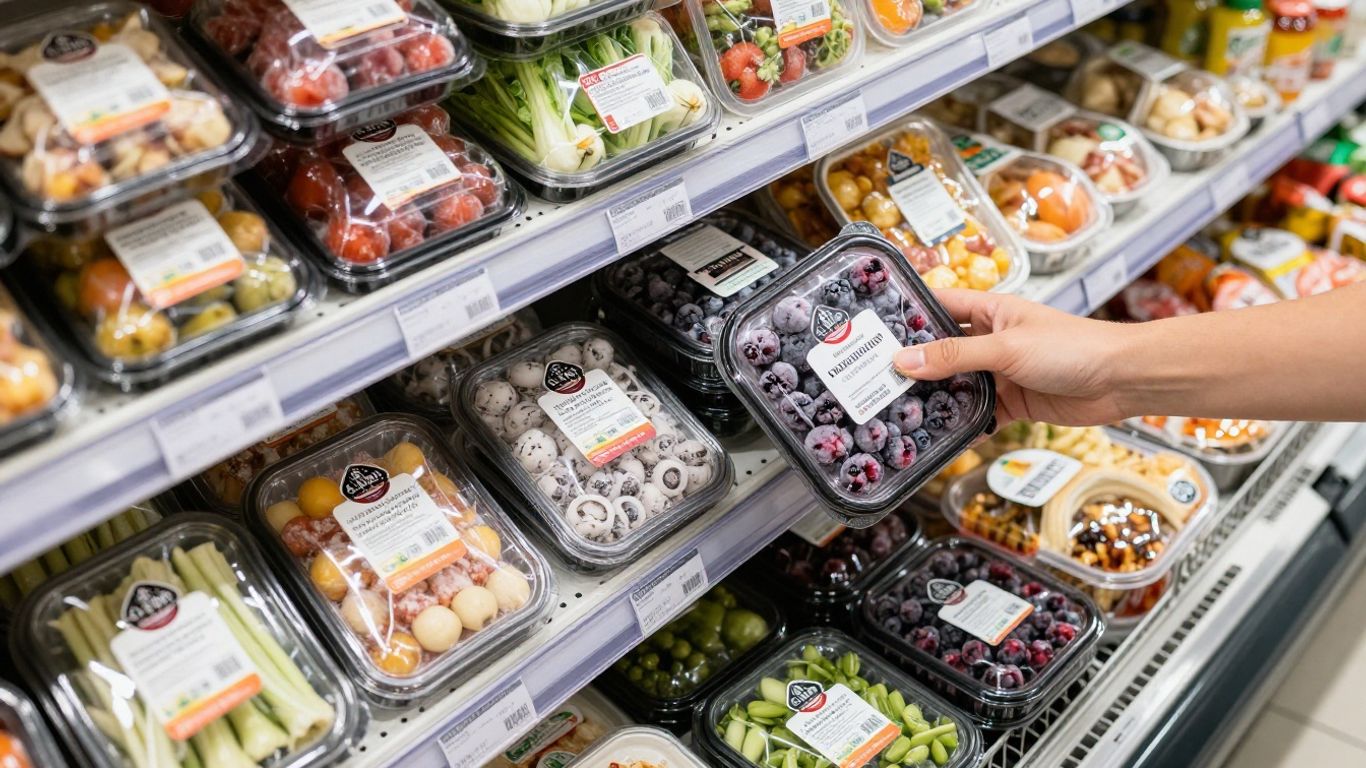
So, you’re trying to eat healthier but feel like you’re constantly racing against the clock? I get it. Life gets busy, and sometimes the idea of cooking a full, nutritious meal from scratch feels impossible. But what if I told you there’s a secret weapon hiding in plain sight? It’s time to give the frozen aisle wins some serious credit. We’re talking about shortcuts that don’t skimp on good-for-you stuff. Let’s explore how to make the most of what’s in your freezer.
Key Takeaways
- Frozen foods are surprisingly nutrient-dense, often locking in vitamins and minerals at peak freshness, making them a great choice for busy people.
- Look for frozen fruits and vegetables, lean proteins, and plant-based options like edamame and lentils to easily add healthy components to your meals.
- When choosing pre-made frozen meals, check the labels for a good balance of protein and fiber, and keep an eye on sodium and added sugar content.
- Proper thawing methods, like slow refrigeration or using cold water, help maintain food safety and the best flavor and texture of your frozen items.
- The frozen aisle offers convenient solutions for reducing food waste and can be a budget-friendly way to ensure you always have healthy options available.
Unlocking Convenience: The Frozen Aisle Advantage
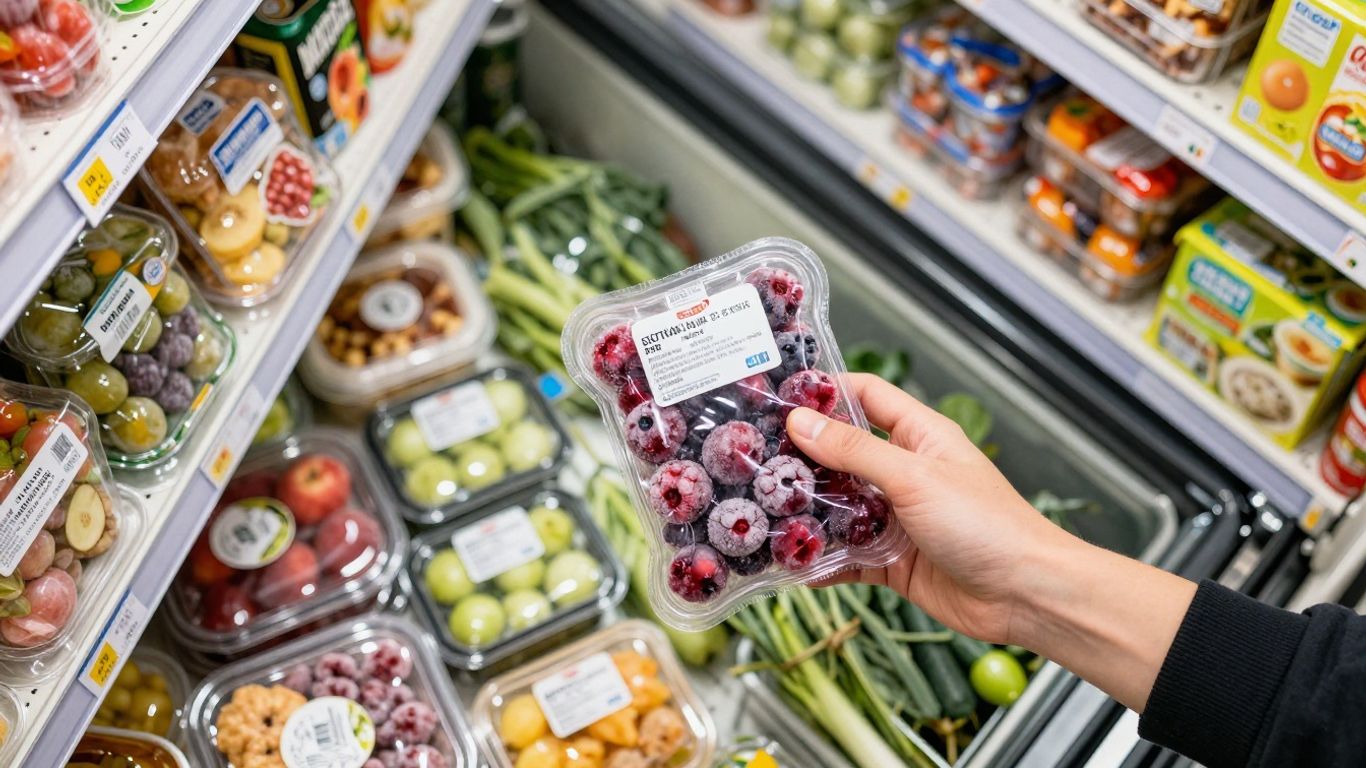
Life moves fast, and sometimes, getting a nutritious meal on the table feels like a race against the clock. That’s where the freezer aisle steps in, offering a surprisingly helpful solution for busy schedules. Forget the old notions of frozen food being bland or lacking in goodness. Today’s frozen options are often flash-frozen right after harvest, locking in nutrients and flavor at their peak. This process means frozen fruits and vegetables can actually be more nutrient-dense than their fresh counterparts that have traveled long distances and sat on shelves for a while.
Nutrient Density Preserved Through Freezing
Freezing is a fantastic way to keep nutrients intact. When fruits and vegetables are frozen quickly after being picked, the vitamins and minerals are essentially put on pause. This means that a bag of frozen spinach or a carton of mixed berries can offer a nutritional punch that rivals, and sometimes even surpasses, fresh produce that’s been through a longer journey from farm to table. It’s a smart way to ensure you’re getting good-for-you ingredients, even when time is tight.
Time-Saving Solutions for Busy Lifestyles
Think about your weeknights. After a long day, the last thing you might want to do is wash, chop, and prep a whole meal. Frozen items like pre-cut vegetables, fruit blends, and even complete meals can cut down prep time significantly. You can go from freezer to plate in minutes, making it easier to stick to healthy eating habits without spending hours in the kitchen. It’s about making healthy choices accessible, not adding more stress to your day.
Reducing Food Waste with Frozen Staples
One of the often-overlooked benefits of frozen foods is their role in cutting down on food waste. Fresh produce can spoil quickly if not used promptly. Frozen items, however, last for months, allowing you to buy in bulk and use them only when you need them. This not only saves you money but also helps reduce the amount of food that ends up in the trash. It’s a win-win for your wallet and the planet.
The freezer aisle is a treasure trove of convenience and nutrition, offering a practical way to eat well without demanding hours of your time. By understanding how freezing preserves nutrients and choosing wisely, you can transform your busy weeknights into opportunities for healthy, delicious meals.
Strategic Selections: Navigating the Frozen Produce Section
The freezer aisle is a treasure trove for quick, healthy eating, especially when it comes to fruits and vegetables. Forget the idea that frozen means less nutritious; in many cases, produce is frozen at its peak, locking in vitamins and minerals. This makes it a fantastic way to keep a variety of healthy options on hand without worrying about spoilage.
Berry Blends for Antioxidant Power
Frozen berries are a fantastic staple. Think mixed berry blends, individual strawberries, blueberries, raspberries, and blackberries. They’re packed with antioxidants, which are great for your body. Plus, they’re super versatile. You can toss them into smoothies, oatmeal, or yogurt. They also make a simple, healthy dessert when served with a dollop of Greek yogurt or a sprinkle of nuts. A typical 1-cup serving of frozen mixed berries offers around 60 calories, 3 grams of fiber, and a good dose of Vitamin C. They’re a sweet treat without added sugar, which is a big win.
Vegetable Medleys for Effortless Meals
Frozen vegetable mixes are a lifesaver for busy weeknights. You can find everything from stir-fry blends to mixes specifically for soups or stews. These are already washed and chopped, saving you a ton of prep time. Just grab a bag, toss it in the pan with some protein, and you’ve got a meal. Look for blends that include a variety of colors and textures, like broccoli, carrots, peas, corn, and green beans. This ensures you’re getting a wider range of nutrients.
Individual Veggies: Spinach, Asparagus, and Squash
Beyond the blends, single-ingredient frozen vegetables are also incredibly useful. Frozen spinach, for example, is perfect for adding to omelets, pasta sauces, or smoothies. It thaws quickly and wilts down easily. Frozen asparagus spears are great for roasting or steaming, and frozen squash (like butternut or acorn) can be roasted or pureed for soups. These individual options give you more control over your meals, allowing you to add just the right amount of a specific vegetable where you need it.
- Spinach: Great for quick additions to cooked dishes.
- Asparagus: Roasts beautifully, retaining a nice bite.
- Squash: Perfect for purees or hearty side dishes.
Choosing frozen produce means you’re often getting nutrients that are just as good, if not better, than fresh options that have traveled long distances. It’s a smart way to eat well and reduce food waste.
Protein Powerhouses in the Frozen Realm
When you’re trying to eat well, protein is a big deal. It helps you feel full, keeps your muscles happy, and is just generally a building block for a healthy body. The freezer aisle is actually a fantastic place to find some really solid protein options, and they don’t always come with a lot of fuss.
Lean Meats and Fish for Balanced Nutrition
Stocking up on lean proteins like chicken breasts, turkey, and fish is a smart move. You can often find these already portioned out, which makes meal planning way easier. Think about a pack of frozen chicken tenders you can bake or pan-fry, or a few individually wrapped salmon fillets. These are great because they haven’t been loaded up with extra sauces or seasonings, giving you control over the final flavor and nutritional profile. Plus, freezing locks in their nutrients, so you’re not losing anything by choosing frozen over fresh.
Plant-Based Proteins: Edamame and Lentils
Don’t forget about the plant-based powerhouses! Frozen edamame, either in pods or shelled, is a super easy snack or addition to meals. It’s packed with protein and fiber. You can also find frozen lentils, which are incredibly versatile. Toss them into soups, stews, or salads for a serious protein boost. These are often sold plain, meaning you can season them however you like, avoiding unwanted sodium or sugar.
Convenient Protein Options: Salmon Burgers and Chicken Strips
Sometimes, you just need something quick. Frozen salmon burgers or chicken strips can be lifesavers on busy weeknights. While it’s good to check the labels for added ingredients, many of these options are made with simple, recognizable components. They cook up fast and can be paired with whole grains and veggies for a complete meal. Just be mindful of the sodium content, and try to choose options that are baked or grilled rather than fried if possible.
Choosing frozen proteins gives you a lot of flexibility. You can buy them plain and add your own spices, or opt for pre-seasoned versions if you’re really short on time, just keeping an eye on the ingredient list. It’s all about finding what works for your schedule and your health goals.
Whole-Food Meals: Ready-to-Heat Nutrition
Identifying Nutrient-Dense Frozen Meals
Frozen meals have really changed over the years. Gone are the days of bland, questionable ingredients. Today’s freezer aisle offers some genuinely good options that can save you time without sacrificing nutrition. The key is knowing what to look for. Think of these meals as a helpful tool in your kitchen, especially when life gets hectic. They’re not meant to replace home cooking entirely, but rather to provide a reliable, healthy fallback. When you’re short on time, a well-chosen frozen meal can be a lifesaver, helping you avoid less healthy last-minute choices.
When you’re scanning the freezer section, keep an eye out for meals that prioritize whole, recognizable ingredients. This means seeing vegetables, whole grains, and lean proteins listed first. The best frozen meals are those that are frozen quickly after harvest, locking in nutrients and flavor. This process often means they retain more vitamins and minerals than fresh produce that has traveled long distances.
The Role of Fiber and Protein in Prepared Dishes
Fiber and protein are your best friends when it comes to feeling full and satisfied. They help stabilize blood sugar and keep hunger at bay. When choosing a frozen meal, aim for options that offer a good balance of both. This combination makes a meal more complete and helps you stay energized.
Here’s a quick guide to what to aim for:
- Protein: Look for meals with at least 10-20 grams of protein per serving. This can come from sources like chicken, fish, beans, lentils, or tofu.
- Fiber: Aim for at least 5 grams of fiber. This usually comes from vegetables, whole grains (like brown rice or quinoa), and legumes.
- Sodium: Try to keep sodium levels below 600 mg per serving. High sodium can be a hidden trap in many prepared foods.
- Added Sugars: Check the label for added sugars. Many meals use sugar to enhance flavor, but it’s better to get sweetness from the natural ingredients themselves.
A balanced meal should ideally provide a good mix of protein, fiber, and healthy fats, with minimal added sugars and sodium. This combination supports sustained energy and satiety, making it a truly nourishing choice.
Plant-Forward Frozen Meal Innovations
The world of frozen meals is also seeing a surge in plant-based and plant-forward options. These meals often focus on vegetables, legumes, and whole grains, offering a fantastic way to increase your intake of these nutrient-rich foods. They can be incredibly flavorful and satisfying, proving that convenience doesn’t have to mean compromising on taste or health. Many brands are now innovating with creative combinations of vegetables and plant proteins, making it easier than ever to enjoy a healthy, meat-free meal on a busy weeknight. Keep an eye out for meals that highlight diverse vegetables and plant-based protein sources like edamame, lentils, and chickpeas.
Decoding Labels: Smart Choices for Frozen Foods
So, you’ve grabbed a few promising contenders from the freezer aisle. Now what? It’s time to become a label detective. Don’t let those colorful boxes fool you; a quick glance at the nutrition facts and ingredient list can tell you a lot about what you’re actually buying.
Key Nutritional Benchmarks: Sodium, Fiber, and Protein
When you’re looking at a frozen meal, especially one that’s meant to be a complete dish, a few numbers really stand out. Think of these as your quick guideposts for a healthier choice. We’re talking about protein and fiber, which help keep you feeling full and satisfied, and sodium, which we generally want to keep in check.
Here’s a simple way to think about it:
- Protein: Aim for at least 10-20 grams per serving. This is what builds and repairs your body, and it’s a big player in keeping hunger at bay.
- Fiber: Look for 5 grams or more. Fiber is great for digestion and also contributes to that feeling of fullness.
- Sodium: Try to keep it under 600 mg per serving. While some sodium is necessary, too much can be a concern for heart health.
It’s not about hitting every single number perfectly every time, but these benchmarks give you a solid starting point for making better choices.
Understanding Ingredient Lists: Whole Foods vs. Additives
This is where things can get a little tricky, but it’s also where you can really make a difference in your health. The ingredient list is like a recipe – the order matters. Ingredients are listed by weight, so the first few items are the most abundant.
Look for ingredients you recognize. Think whole vegetables, fruits, whole grains like brown rice or quinoa, and lean protein sources like beans, lentils, or chicken. These are the building blocks of a nutritious meal.
On the flip side, be wary of long lists of unpronounceable words, artificial preservatives, or added sugars. While some additives are harmless, many can contribute to less healthy meals. If you can’t easily identify what something is, it might be worth skipping.
Portion Control and Serving Size Awareness
This one trips a lot of people up. That "single-serving" frozen meal might look like it’s just for you, but sometimes, the nutrition label is actually for two servings. It’s a sneaky way to make a meal seem healthier or more affordable than it really is.
Always double-check the serving size listed on the nutrition facts panel. If a meal contains two servings, and you eat the whole thing, you’ll need to double all the numbers – calories, sodium, fat, protein, and fiber. This is especially important if you’re watching your intake for any reason. Sometimes, it’s better to pair a smaller frozen item with some fresh veggies or a side salad to create a more balanced and appropriately sized meal.
Reading labels isn’t just about avoiding the bad stuff; it’s about actively seeking out the good. Prioritize meals where vegetables, whole grains, and lean proteins are front and center in the ingredient list. This simple shift can dramatically improve the nutritional quality of your frozen food choices.
Beyond the Basics: Creative Frozen Food Uses
Sure, we all know frozen veggies are great for a quick side dish or tossing into a soup. And frozen berries? Perfect for smoothies. But the frozen aisle holds so much more potential than just the obvious. It’s a treasure trove for quick meals, healthy snacks, and even some surprisingly good desserts. Let’s think outside the icebox for a moment.
Frozen Waffles: A Canvas for Healthy Toppings
Frozen waffles often get a bad rap, seen as a sugary breakfast staple. However, many brands now offer whole-grain or protein-fortified options that can be a solid base for a balanced meal. Instead of reaching for syrup, try topping them with:
- Greek yogurt or cottage cheese for a protein boost.
- Fresh or thawed frozen fruit like berries or sliced peaches.
- A sprinkle of nuts or seeds for healthy fats and crunch.
- A drizzle of nut butter for extra flavor and satiety.
These simple additions transform a basic waffle into a satisfying and nutrient-dense breakfast or even a light lunch. It’s all about what you add on top.
Dessert Delights: Low-Calorie Frozen Treats
Craving something sweet after dinner? The freezer section can be your friend. Beyond the standard ice cream pints, look for:
- Frozen fruit bars: Many are made with real fruit and minimal added sugar.
- Fudge pops: Some brands offer lower-calorie versions that satisfy a chocolate craving.
- DIY Nice Cream: Blend frozen bananas (peel and freeze them when ripe!) with a splash of milk (dairy or non-dairy) and any flavorings you like – cocoa powder, vanilla, or a spoonful of peanut butter. It’s surprisingly creamy and delicious.
Remember, even healthier frozen treats should be enjoyed in moderation as part of a balanced diet. Portion control is key, even with seemingly guilt-free options.
Incorporating Frozen Ingredients into Home Cooking
Don’t underestimate the power of frozen ingredients in your everyday cooking. They’re not just for convenience; they can add texture, flavor, and nutrients to dishes you’re already making.
- Frozen vegetables: Beyond steaming, try adding frozen peas or corn directly to mac and cheese, rice dishes, or even pancake batter for a pop of color and extra nutrients. Frozen spinach can be stirred into pasta sauces, casseroles, or scrambled eggs.
- Frozen edamame: Shelled edamame is fantastic tossed into salads, grain bowls, or stir-fries. It adds a good dose of plant-based protein and fiber.
- Frozen herbs: If you find yourself with fresh herbs wilting before you can use them, chop them up and freeze them in ice cube trays with a little water or olive oil. These little flavor bombs can be added directly to soups, stews, or sauces.
By thinking creatively, the frozen aisle becomes a versatile pantry, offering solutions that are both practical and nutritious for all sorts of meals and snacks.
The Science of Freezing: Preserving Peak Nutrition
You might be surprised to learn that frozen produce can often be just as nutritious, if not more so, than its fresh counterpart. The magic happens through a process called flash freezing. This technique involves rapidly freezing fruits and vegetables shortly after they’re harvested, at their peak ripeness. This quick freeze locks in vitamins, minerals, and antioxidants before they have a chance to degrade.
Think about it: fresh produce often travels long distances and sits on store shelves for days, even weeks. During this time, some nutrient loss is inevitable. Frozen foods, on the other hand, skip much of that journey. The freezing process essentially puts a pause button on nutrient decay.
Flash Freezing: Locking in Vitamins and Antioxidants
When fruits and vegetables are flash-frozen, the water inside their cells forms tiny ice crystals. This is important because large ice crystals can damage cell walls, leading to a mushy texture and nutrient loss when thawed. Flash freezing minimizes this damage, helping to preserve the food’s structure and nutrient profile. This means that when you grab a bag of frozen berries or broccoli, you’re getting a product that’s very close to its just-picked nutritional value.
Comparing Frozen vs. Fresh Produce Longevity
Fresh produce has a limited shelf life. Depending on the item, it might only last a few days to a couple of weeks in your refrigerator before it starts to wilt, lose nutrients, and become unappetizing. Frozen produce, when stored correctly at 0°F (-18°C) or below, can maintain its quality and nutritional integrity for much longer – often 8 to 12 months for vegetables and even longer for some fruits.
Here’s a general idea of how long different frozen items tend to stay at their best:
- Frozen Vegetables: 8–12 months
- Frozen Fruits: 8–12 months
- Cooked Grains/Bowls: 2–3 months
- Frozen Meats (uncooked): 4–12 months
While frozen foods are safe to eat indefinitely if kept frozen, their quality (texture, flavor) can decline over extended periods.
Maintaining Nutritional Integrity Through Proper Storage
Proper storage is key to keeping your frozen foods nutritious and delicious. The most important factor is maintaining a consistent, cold temperature. Your freezer should be set at 0°F (-18°C) or below.
- Airtight Packaging: Keep foods in their original packaging or transfer them to airtight containers or freezer bags. This prevents freezer burn, which is dehydration of the food’s surface, and stops it from absorbing odors from other items in the freezer.
- Avoid Frequent Opening: Try not to open your freezer door too often or leave it open for extended periods. This causes temperature fluctuations that can affect food quality.
- Rotate Stock: Use the "first-in, first-out" principle. Place newer items at the back and older items at the front so you use them up before their peak quality diminishes.
The science behind freezing is quite remarkable. It’s not about preserving food indefinitely in a state of suspended animation, but rather about slowing down the natural processes that lead to spoilage and nutrient loss. By understanding how freezing works and how to store foods properly, you can confidently rely on frozen options as a nutritious and convenient part of your diet.
Building Balanced Meals with Frozen Components
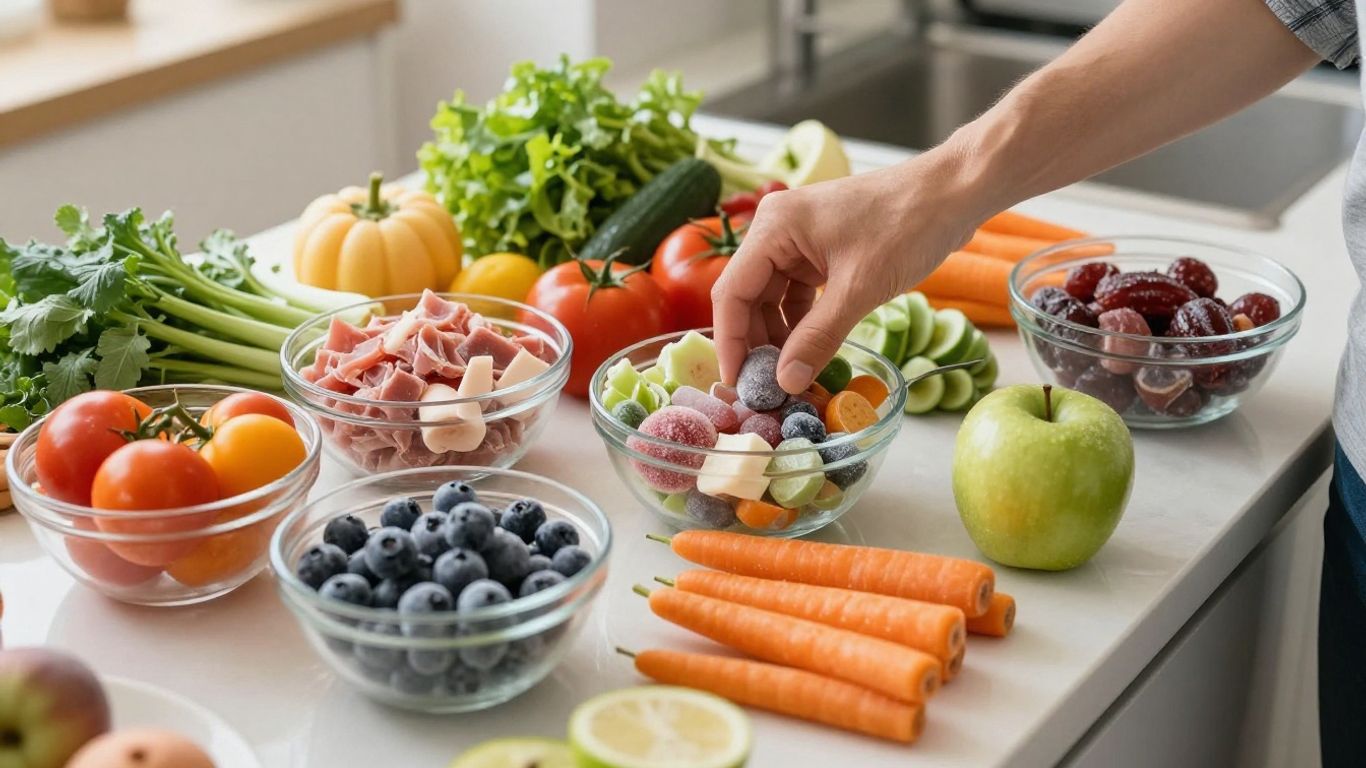
Frozen foods are fantastic for putting together meals that are both good for you and don’t take forever to make. It’s all about picking the right pieces and putting them together smartly. Think of your freezer as a pantry full of building blocks for healthy eating.
The 30:10 Rule for Protein and Fiber
This is a simple way to make sure your meals keep you full and energized. The idea is to aim for about 30 grams of protein and 10 grams of fiber in each meal. Why these numbers? Protein helps build and repair your body, and fiber keeps your digestive system happy and helps you feel satisfied longer. Many frozen meals might not hit these targets on their own, but that’s where we get creative. You can easily boost a frozen meal by adding extra protein like a can of beans or some pre-cooked chicken strips, and increasing fiber with a side of frozen vegetables or a sprinkle of seeds.
Combining Frozen Staples for Complete Nutrition
Putting together a balanced meal from the freezer is easier than you might think. Start with a base, like a frozen grain bowl or a pre-made vegetable mix. Then, add a protein source – think frozen fish fillets, chicken breasts, or plant-based options like edamame or lentils. Don’t forget to add more veggies! Even if your main dish has vegetables, adding a side of frozen broccoli or peas can significantly increase your nutrient intake. A good meal often includes:
- A lean protein source
- Plenty of colorful vegetables
- A whole grain or starchy vegetable
- Healthy fats (like avocado or nuts, which you might add fresh)
When you combine different frozen items, you’re not just saving time; you’re also creating a more nutrient-dense plate. This approach helps ensure you’re getting a wider range of vitamins and minerals than you might from a single, pre-packaged meal.
Customizing Pre-Made Meals for Optimal Health
Pre-made frozen meals can be a lifesaver, but they often need a little tweaking to be truly balanced. Many store-bought options can be high in sodium or lack sufficient protein and fiber. Don’t be afraid to "doctor up" your frozen meal. For example, if you have a frozen pasta dish, you can add a handful of spinach or peas while it heats up, or serve it with a side salad. If a frozen stir-fry seems a bit light on protein, toss in some pre-cooked shrimp or tofu. This simple step transforms a convenient meal into a truly nourishing one that fits your specific health goals.
Avoiding Pitfalls: What to Skip in the Freezer Aisle
While the freezer aisle is a treasure trove of convenience and nutrition, not everything in there is a winner. It’s easy to get swayed by a quick meal or a tempting treat, but a little awareness goes a long way. We need to be mindful of what we’re actually bringing home.
High Sodium and Added Sugar Traps
Many pre-made frozen meals, especially older brands or those designed for quick comfort food, can pack a serious sodium punch. This isn’t just about taste; high sodium intake can affect blood pressure and overall heart health. Similarly, watch out for added sugars, which can turn a seemingly healthy option into a dessert in disguise, leading to energy crashes instead of sustained fuel. Look for meals with under 600 mg of sodium per serving and minimal added sugars.
Artificial Preservatives and Unfamiliar Ingredients
To extend shelf life and enhance flavor, some frozen products might contain artificial preservatives, colors, or flavor enhancers. These aren’t always necessary and can be harder for your body to process. When you’re scanning ingredient lists, if you find yourself stumbling over a long string of unpronounceable chemicals, it’s probably best to put it back. Stick to ingredients you recognize, like vegetables, whole grains, and lean proteins.
Overly Processed Options and Empty Calories
Some frozen items are so heavily processed that they lose most of their original nutritional value. Think about things like frozen pizzas loaded with refined crusts and fatty cheeses, or fried appetizers. These often provide a lot of calories but very little in the way of vitamins, minerals, or fiber. They might fill you up temporarily, but they won’t provide the lasting energy or nutrients your body needs.
Here’s a quick rundown of what to be wary of:
- Frozen Dinners: Especially creamy or cheesy ones, which can be high in saturated fat and sodium.
- Fried Foods: Things like frozen french fries or chicken nuggets are often high in unhealthy fats and calories.
- Sugary Desserts: While tempting, many frozen cakes, pies, and ice creams are loaded with sugar and unhealthy fats.
- Processed Meats: Some frozen sausage patties or bacon can be high in sodium and nitrates.
Making smart choices in the freezer aisle is about balance. It’s about recognizing that convenience shouldn’t come at the expense of your health. By being a savvy shopper and reading labels, you can fill your freezer with genuinely good-for-you options that support your well-being.
Thawing Techniques for Optimal Flavor and Safety
So, you’ve got your frozen goodies ready to go, but how do you get them from icy block to delicious meal without messing things up? It’s not just about tossing them on the counter and hoping for the best. The way you thaw your frozen foods really matters, both for how they taste and for keeping them safe to eat.
The Benefits of Slow Thawing in the Refrigerator
This is generally the best method, especially for larger items or meals. Moving your frozen food from the freezer to the refrigerator allows it to thaw slowly and evenly. This gradual process is the safest way to prevent bacteria from multiplying rapidly. It also helps maintain the texture and quality of the food, so your meal doesn’t turn into a mushy mess. It takes more planning, sure, but the results are usually worth it. Think of it as giving your food a gentle wake-up call.
Quick Thawing Methods for Immediate Cooking
Sometimes, you just don’t have all night for the fridge method. For those moments, there are a couple of faster options, but they come with a caveat: you usually need to cook the food immediately after thawing.
- Cold Water Bath: Place your sealed frozen food in a leak-proof bag and submerge it in a bowl of cold water. To keep the water cold and effective, change it every 30 minutes. This works well for things like frozen vegetables or individual portions of meals.
- Microwave Defrost: Most microwaves have a defrost setting. Use it! It’s designed to thaw food without cooking it. Be sure to stir or separate items halfway through if possible, especially for things like ground meat or mixed dishes, to ensure even thawing. Remember, once you use the microwave, it’s best to cook the food right away.
Ensuring Food Safety During the Thawing Process
No matter which method you choose, keeping food safety in mind is key. The "danger zone" for bacterial growth is between 40°F (4°C) and 140°F (60°C). You want to minimize the time your food spends in this temperature range.
Always check the packaging for specific thawing instructions. If a meal has been thawed and then refrozen without being cooked, it’s generally best to discard it to avoid potential foodborne illnesses.
Here’s a quick rundown of what to watch out for:
- Signs of Freezer Burn: While not a safety issue, excessive freezer burn (dry, discolored spots) means the food’s quality has decreased. It might be tougher or less flavorful.
- Unusual Odors: If your food smells off after thawing, trust your nose. It’s better to be safe than sorry.
- Texture Changes: While some texture change is normal with thawing, a slimy or sticky texture can be a sign of spoilage.
By using the right thawing techniques, you can enjoy the convenience of frozen foods without compromising on taste or safety.
Want to keep your food tasting great and safe to eat? Learning the right way to thaw frozen items is key. It’s not just about waiting for it to unfreeze; there are smart methods that lock in flavor and prevent yucky germs. Discover the best ways to thaw your food so it’s delicious and safe every time. Visit our website to learn more!
Your Freezer: A Friend, Not a Fallback
So, the frozen aisle isn’t the nutritional wasteland some might think. It’s actually a pretty smart place to find shortcuts that still pack a punch. Whether you’re grabbing a bag of berries for your morning smoothie or a ready-made meal for a busy weeknight, choosing wisely means you can get good stuff into your body without a ton of fuss. Just remember to peek at those labels – look for whole ingredients, decent fiber, and not too much salt. It’s about making your life a little easier while still eating well. Your freezer can definitely be a helpful ally when you’re short on time.
Frequently Asked Questions
Are frozen foods as healthy as fresh foods?
Yes, frozen foods can be just as healthy, and sometimes even healthier, than fresh ones! When fruits and veggies are frozen right after they’re picked, they keep most of their vitamins and nutrients. Fresh foods can lose some nutrients during shipping and sitting on store shelves.
What makes a frozen meal a ‘good’ choice?
A good frozen meal usually has whole ingredients like veggies, grains, and lean proteins. It should also be low in sodium and added sugars, and have a good amount of fiber and protein to keep you feeling full. Check the nutrition label for these things!
How can I tell if a frozen meal is healthy by looking at the label?
Look for meals with at least 5 grams of fiber and 10-20 grams of protein per serving. Try to keep sodium under 600 mg and avoid meals with lots of added sugars or ingredients you don’t recognize.
What are some easy ways to make frozen meals healthier?
You can boost a frozen meal by adding extra fresh or frozen veggies, a side salad, or a sprinkle of healthy seeds. If it’s a bit bland, add your own herbs and spices instead of relying on pre-made sauces.
Are frozen fruits and vegetables a good choice?
Absolutely! Frozen fruits like berries are great for smoothies or as a healthy dessert. Frozen veggies like spinach or broccoli blends are perfect for adding to stir-fries, pasta, or soups, making meal prep much quicker.
What kind of frozen proteins are good options?
Frozen options like edamame, lentils, salmon burgers, and plain chicken or fish are fantastic. They’re convenient and provide important protein and healthy fats without a lot of extra stuff.
What should I avoid in the frozen food aisle?
Steer clear of items that are loaded with sodium, added sugars, or artificial ingredients. Things like heavily breaded items, creamy sauces, or meals with long lists of unpronounceable ingredients are usually best left on the shelf.
What’s the best way to thaw frozen food safely?
The safest way is to thaw food slowly in the refrigerator. If you need it faster, you can use the cold water method (keeping it sealed in a bag) or the defrost setting on your microwave, but make sure you cook it right away after thawing.