
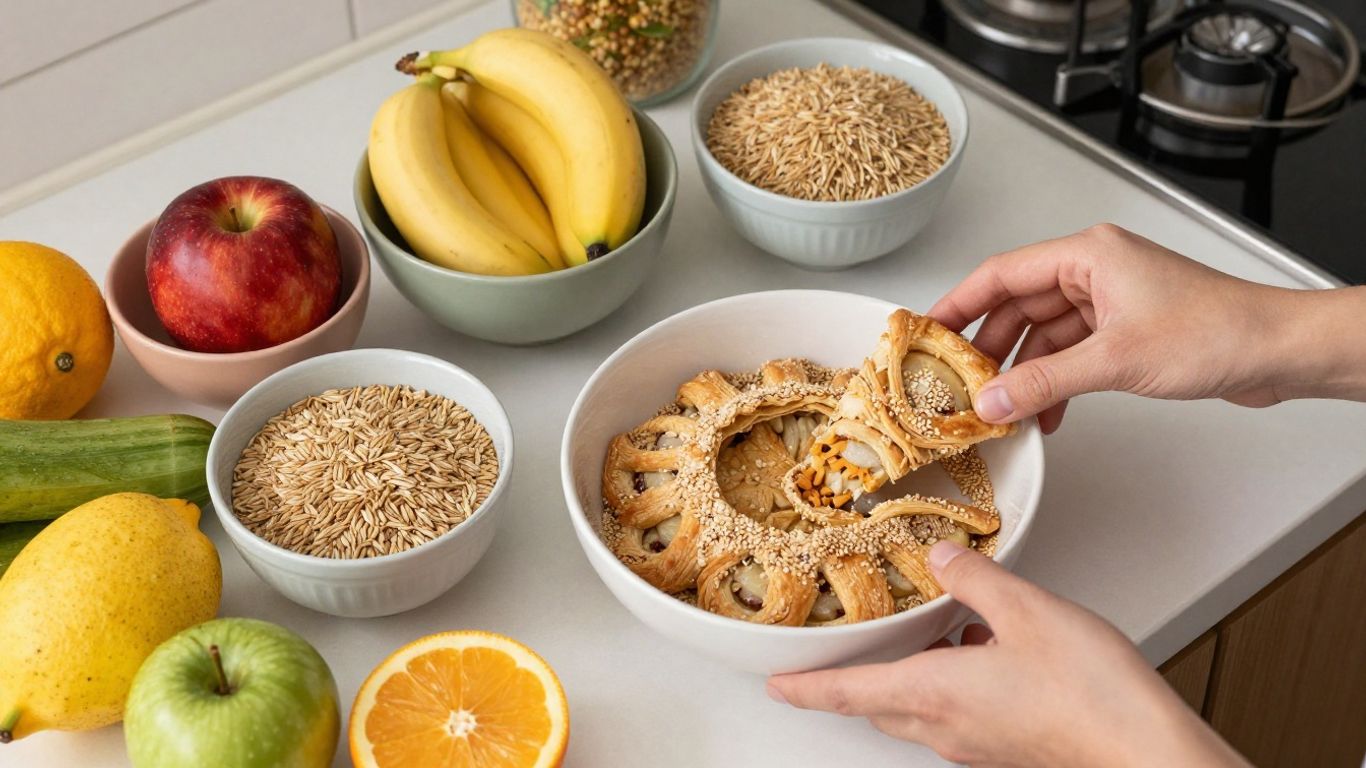
“Gluten-light” simply means leaning on more naturally gluten-free whole foods (rice, potatoes, quinoa, corn, buckwheat, legumes and vegetables) without trying to be strictly gluten-free. The best swaps add flavour, fibre or protein instead of copying wheat products with highly processed substitutes. Here are swaps for every meal that feel like upgrades, plus what to know before cutting gluten for health reasons.
Gluten-light is not the same as gluten-free
Gluten is a protein in wheat, barley and rye. For people with coeliac disease, even small amounts cause harm, so a strict gluten-free diet is the medical treatment. Gluten-light is different: it is a flexible way of eating that brings more variety to your plate. You might choose it because you rely heavily on bread, crackers and pasta and want more balance, or because you simply want to cook with a wider range of grains.
One important caution: if you suspect gluten is causing symptoms, get tested before you cut back. The NHS advises that you should keep eating gluten when the coeliac blood test is done, because avoiding it can lead to an inaccurate result.
What makes a swap feel like an upgrade
Swaps feel like downgrades when you replace a familiar food with a pale, pricey copy. They feel like upgrades when the new option brings something of its own. A quick test for any swap:
- Does it add something? More vegetables, fibre, protein or flavour.
- Is it a whole food? Potatoes, rice and beans usually beat packaged gluten-free breads and cookies.
- Does it suit the dish? Rice noodles shine in a stir-fry; they are less convincing in lasagna.
Mayo Clinic notes that some gluten-free products have higher fat and sugar contents than the foods they replace, and that whole-grain wheat products supply iron, fibre and B vitamins. That is why whole-food swaps are the priority.
Naturally gluten-free grains and starches to know
| Food | Best uses | Why it works |
|---|---|---|
| Brown or wild rice | Bowls, stir-fries, stuffed peppers | Familiar, filling, cheap |
| Quinoa | Salads, breakfast porridge, side dishes | Cooks in 15 minutes; adds protein |
| Buckwheat | Pancakes, soba-style noodles (check for 100% buckwheat), porridge | Nutty, hearty flavour |
| Corn and polenta | Tortillas, creamy polenta, baked polenta fries | Comforting texture |
| Potatoes and sweet potatoes | Roasted, mashed, as a pizza or toast base | Whole food, very satisfying |
| Millet and sorghum | Pilafs, grain salads | Mild, fluffy alternative to couscous |
| Oats labelled gluten-free | Oatmeal, baking, crumble toppings | Plain oats can be cross-contaminated |
Breakfast swaps
- Toast to sweet potato “toast”: slice lengthwise, toast or roast until tender, top with nut butter and banana or with eggs and salsa.
- Wheat cereal to oatmeal or quinoa porridge: cook with milk or fortified soy beverage, add berries and seeds.
- Regular pancakes to buckwheat or oat-banana pancakes: blend 1 banana, 2 eggs and ½ cup oats; cook small rounds.
- Muffins to egg “muffins”: eggs whisked with chopped vegetables and baked in a muffin tin; they reheat well all week.
Lunch and dinner swaps
- Sandwich bread to lettuce wraps, corn tortillas or rice paper rolls. Fill with leftover chicken, beans or tofu and lots of crunchy vegetables.
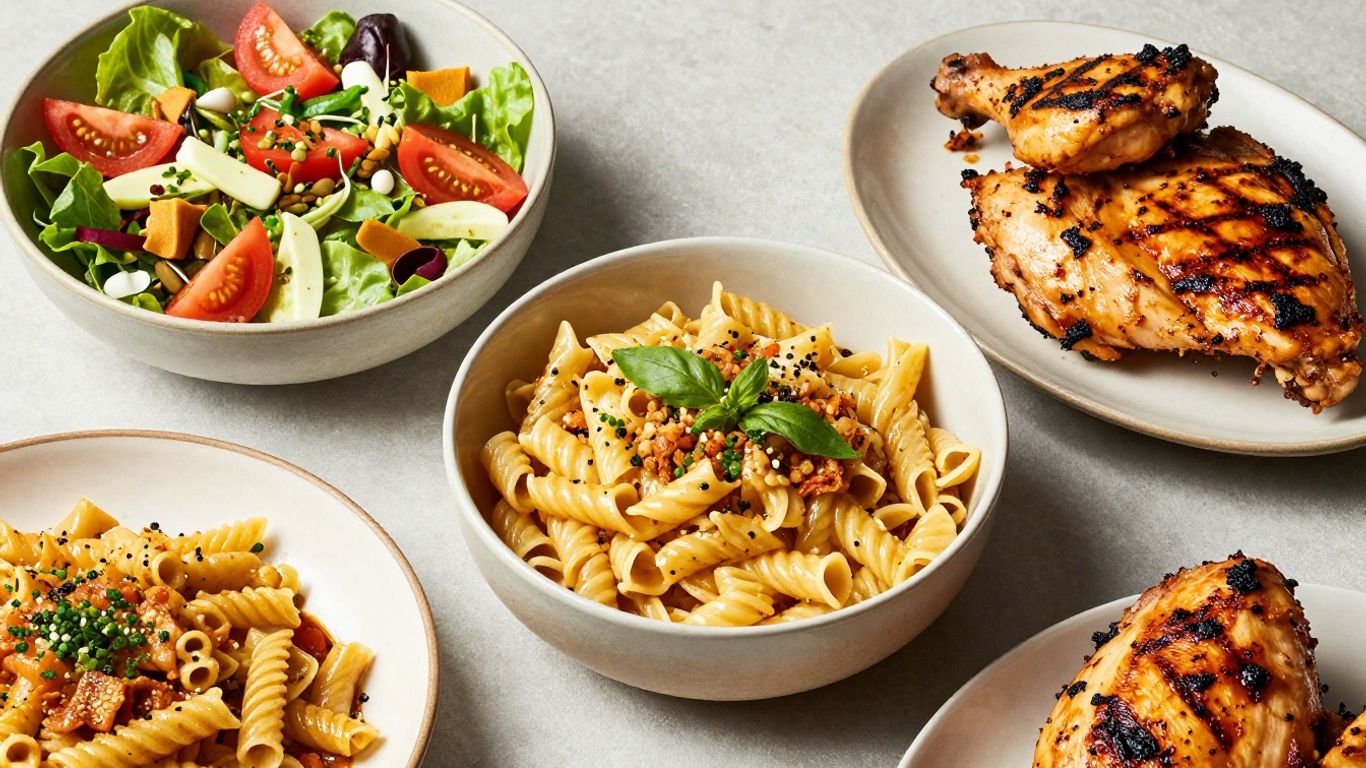
- Pasta to rice noodles, lentil or chickpea pasta, or zucchini ribbons. Bean-based pastas add protein and fibre; half-and-half with zucchini noodles keeps the bowl hearty.
- Couscous to quinoa or millet. Same fluffy texture, same dressings.
- Flour-thickened soups and stews to blended vegetables. Purée a cup of the cooked beans, potato or cauliflower and stir it back in, or use a little cornstarch slurry.
- Breadcrumb coatings to crushed nuts, cornmeal or ground flax. Great on fish, chicken or tofu baked at high heat.
- Pizza crust to polenta, cauliflower or a corn tortilla base. Keep the toppings generous and colourful.
Borrow from cuisines that are already gluten-light
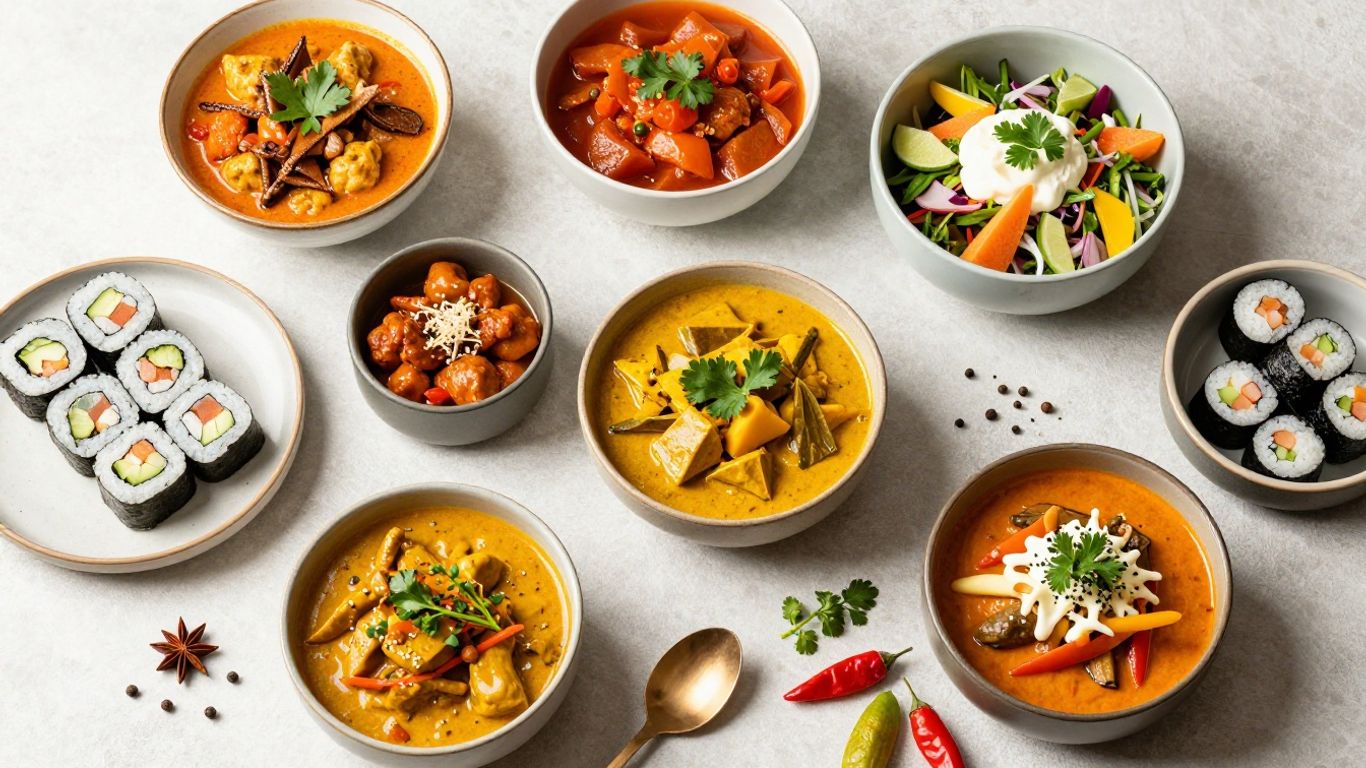
Many traditional dishes never relied on wheat, so they taste complete as they are:
- Asian-inspired: rice bowls, rice noodle soups, curries with rice, summer rolls. Use tamari instead of regular soy sauce if you want to avoid wheat completely.
- Latin American: corn tortillas, black bean and rice bowls, plantain and cassava sides.
- Mediterranean and Middle Eastern: hummus, lentil soups, chickpea salads, roasted vegetables with rice or potatoes.
- Indian: dal, chana masala and vegetable curries with basmati rice.
A sample gluten-light day
| Meal | What it looks like |
|---|---|
| Breakfast | Oatmeal (gluten-free oats) with milk, berries and ground flax |
| Lunch | Quinoa bowl with chickpeas, cucumber, tomatoes, feta and lemon-tahini dressing |
| Snack | Apple with peanut butter, or vegetables and hummus |
| Dinner | Baked salmon or tofu with roasted potatoes and green beans |
Nothing on that menu needs a specialty product, and every meal includes a vegetable or fruit, a protein and a whole-food starch.
Snack and dessert swaps
- Crackers to rice cakes, roasted chickpeas, air-popped popcorn or vegetable sticks with hummus.
- Granola bars to a small handful of nuts with fruit, or homemade oat bites made with gluten-free oats.
- Cake or pie to baked apples or pears with cinnamon and a crumble of oats and nuts.
- Pudding thickened with flour to chia pudding or a cornstarch-thickened vanilla pudding.
Keep the fibre up
Whole wheat bread and cereal are major fibre sources for many people. If you eat less of them, replace that fibre on purpose:
- Choose brown rice, quinoa and buckwheat over white rice and refined gluten-free flours most of the time.
- Add beans, lentils or chickpeas to at least one meal a day.
- Fill half your plate with vegetables and fruit.
- Use ground flax or chia in oatmeal, smoothies and baking.
For more ideas, see our guide to high-fibre breakfasts and our grain cooking charts.
Shopping and label tips
- Gluten hides in sauces, soups, seasoning mixes, soy sauce and some broths. Read ingredient lists for wheat, barley and rye (including malt).
- “Gluten-free” on a cookie or bread does not make it a healthier choice. Compare sugar, fat and fibre on the label.
- Buy whole grains in bulk and store them in airtight jars; cook a big batch of rice or quinoa to use over several days.
When to check with a professional
See your doctor before going gluten-free if you have ongoing bloating, diarrhoea, stomach pain, unexplained tiredness or weight loss, or a family history of coeliac disease. Testing first gives an accurate answer. If you need to eat strictly gluten-free, a registered dietitian can help you plan balanced meals and avoid cross-contamination.
Key takeaways
- Gluten-light means eating more naturally gluten-free whole foods, not buying more processed substitutes.
- Choose swaps that add vegetables, fibre, protein or flavour.
- Rice, quinoa, potatoes, corn, buckwheat and legumes cover almost every meal.
- Replace lost fibre deliberately with beans, vegetables and whole gluten-free grains.
- If you suspect a gluten problem, get tested before cutting gluten.
FAQ
Will going gluten-light help me lose weight?
Not by itself. It can help if it means fewer refined snacks and more vegetables, legumes and whole grains, but gluten-free processed foods are not lower in calories.
Are oats gluten-free?
Oats are naturally gluten-free but are often cross-contaminated during processing. Choose oats labelled gluten-free if you need to avoid gluten.