Love My Weight

Glycemic Load in Real Life: How to Pair Foods to Flatten Spikes (With 12 Sample Plates)

Ever wonder why you feel that energy slump after a big meal? It’s often about how quickly your body processes the food, especially carbohydrates. We’re talking about glycemic load here – basically, how much a food raises your blood sugar and how fast. The good news is, you don’t need to cut out all your favorite foods. With a few smart tricks, like how you pair things and when you eat them, you can help keep those blood sugar spikes from getting too wild. Let’s look at how to make your plate work for you.

Key Takeaways

  • Understanding how different foods affect your blood sugar is key. Fast-digesting carbs cause quick spikes, while fiber, protein, and fats slow things down.
  • Building meals around vegetables and protein first, then adding a smaller portion of carbohydrates, can significantly flatten post-meal blood sugar responses.
  • Smart swaps, like choosing whole grains over refined ones and adding fiber-rich foods, make a big difference without drastic changes.
  • The order in which you eat your food matters; starting with non-starchy vegetables and protein before carbs can create a ‘food barrier’ to slow sugar absorption.
  • Simple habits like eating mindfully, chewing thoroughly, and taking a short walk after meals can help manage blood sugar levels more effectively.

1. Understand Why Post-Meal Spikes Happen

So, you’ve eaten. What happens next? Your body breaks down the food, and if there are carbs in there, they turn into glucose, which then heads into your bloodstream. This is totally normal. But sometimes, this glucose surge happens too fast or gets too high. We call that a "spike." Think of it like a sudden rush of energy, followed by a crash.

These spikes aren’t just about feeling tired or craving more sugar later; they can put a strain on your body over time. When this happens frequently, it can lead to all sorts of issues. It’s like constantly revving an engine – eventually, something’s going to wear out.

What makes these spikes happen? A few things, really. Big portions of carbs, especially the refined kind that don’t have much fiber, are a major culprit. They get digested and absorbed super quickly. Eating those carbs first, on an empty stomach, can also make the rise even steeper. And believe it or not, how fast your stomach empties, stress hormones, and even how much sleep you got can play a role.

Here’s a quick look at what can push your glucose levels up:

  • Large servings of carbohydrates, especially refined ones.
  • Foods with very little fiber, like white bread or sugary drinks.
  • Eating carbs before protein or fat.
  • Sitting still for a long time right after a meal.

Understanding these spikes is the first step. It’s not about never eating carbs again, but about being smart with how and when you eat them. It’s about working with your body, not against it.

Knowing why spikes occur helps us figure out how to manage them. It’s all about smoothing out that glucose curve so you feel better and protect your health in the long run. We’ll get into the how-to in the next sections.

2. Build A Lower-GI, Higher-Fiber Plate

a plate of food

Okay, so we know those sugar spikes happen when carbs hit our system too fast. A big part of slowing that down is choosing the right kinds of carbs and making sure there’s enough fiber in the mix. Think of fiber as a helpful traffic cop for your blood sugar, directing the flow so it doesn’t all rush in at once.

The goal here is to fill your plate with foods that release sugar slowly. This means leaning into whole, unprocessed options. We’re talking whole grains like oats, barley, and quinoa, plus legumes such as beans and lentils. Don’t forget about whole fruits and a generous amount of non-starchy vegetables. These foods naturally contain fiber, which forms a gel in your gut, delaying how quickly sugar gets absorbed. Plus, they come packed with other good stuff like vitamins and minerals that help your body work better.

Here’s a quick rundown of what to aim for:

  • Whole Grains: Swap white bread for 100% whole wheat, white rice for brown rice, quinoa, or bulgur. Even cauliflower rice can be a good stand-in sometimes.
  • Legumes: Add beans, lentils, or chickpeas to soups, salads, or main dishes. They’re fiber powerhouses.
  • Vegetables: Load up on non-starchy veggies. Aim for at least a cup with every meal. Think leafy greens, broccoli, bell peppers, and zucchini.
  • Fruits: Choose whole fruits over juices. An apple or a pear is much better than a glass of apple juice because you get the fiber.

It’s not about completely ditching your favorite foods, but about making smart swaps and additions. For instance, if you love pasta, try adding a big side salad or stirring some extra veggies and beans into the sauce. Or, if you’re having a sandwich, make sure it’s on whole-grain bread and piled high with lettuce and tomato.

Making these changes doesn’t have to be complicated. Start by adding just one high-fiber item to your meal. Maybe it’s a handful of spinach in your eggs, or some berries with your yogurt. Small steps add up, and your body will thank you for it by keeping those blood sugar levels more steady.

3. Pair Carbs With Protein And Healthy Fats

a plate of food

So, you’ve got your carbs, right? They’re the main energy source, but eating them alone can send your blood sugar on a rollercoaster. That’s where protein and healthy fats come in. Think of them as the steadying force for your meal.

When you combine carbohydrates with protein and fats, you’re essentially slowing down how quickly that sugar gets into your bloodstream. It’s like putting a speed bump on the highway to your blood. This gives your body more time to process the glucose and use it for energy, rather than having it all hit at once. This can make a big difference in how you feel after eating, helping you avoid that sudden energy crash.

Here’s a simple breakdown of why this pairing works:

  • Protein: It takes longer to digest and helps you feel full. Plus, it signals your body to use glucose more efficiently.
  • Healthy Fats: These also slow down digestion and can help reduce the overall glycemic response of a meal.
  • Fiber: While technically a carb, fiber acts like a gatekeeper, slowing sugar absorption. It’s a superstar for keeping things steady.

The goal is to create a balanced plate where no single component dominates.

Think about it this way: a plain bagel (mostly simple carbs) will likely cause a quicker spike than that same bagel topped with a generous smear of avocado and a couple of eggs. Or, instead of just a bowl of pasta, adding some grilled chicken or salmon and a side salad with olive oil dressing makes a world of difference.

Building meals with protein and healthy fats alongside your carbohydrates is a smart strategy. It’s not about eliminating carbs, but about making them work with your body, not against it. This approach helps create a more sustained energy release and can lead to flatter post-meal blood sugar curves.

4. Smart Swaps And Simple Additions

Sometimes, making big changes feels overwhelming, right? The good news is you don’t have to overhaul your entire diet. Small tweaks can make a surprisingly big difference in how your body handles sugar after meals. Think of it like this: instead of completely ditching your favorite pasta, maybe you just swap out a portion for some extra veggies or add a lean protein source. It’s all about making smart choices that fit into your life.

The goal here is to add beneficial elements or swap less helpful ones for better alternatives. This isn’t about deprivation; it’s about making your meals work for you.

Here are some ideas to get you started:

  • Swap refined grains for whole grains: Instead of white bread, try whole wheat. Switch white rice for brown rice or quinoa. This adds fiber, which slows down sugar absorption.
  • Add non-starchy vegetables: Load up half your plate with things like broccoli, spinach, bell peppers, or zucchini. They’re packed with nutrients and fiber and have a low glycemic impact.
  • Incorporate lean protein: Chicken breast, fish, beans, lentils, tofu, and eggs help you feel full and can moderate blood sugar response. Aim to have a protein source with every meal.
  • Include healthy fats: Avocado, nuts, seeds, and olive oil add flavor and satiety, and they also help slow digestion.

Don’t underestimate the power of simple additions. A handful of almonds on the side, a sprinkle of chia seeds in your yogurt, or a side salad with your main course can all contribute to a more balanced glycemic response. It’s about building a better plate, one small addition at a time.

Let’s look at a quick comparison:

Meal Component Less Ideal Choice Smarter Swap/Addition
Carb Source White bread (1 slice) Whole wheat bread (1 slice) + 1/4 avocado
Side Dish French fries (small) Steamed broccoli with lemon juice
Snack Candy bar Apple slices with 1 tbsp peanut butter

These aren’t drastic changes, but they add fiber, protein, or healthy fats, all of which help to flatten those post-meal sugar spikes. It’s about being a bit more mindful and making choices that support your body’s needs.

5. Portioning, Meal Timing, And Splitting Meals

Okay, so we’ve talked about what to eat, but how much and when you eat can make a big difference too. It’s not just about the food itself, but how you arrange it throughout your day.

Getting the portion sizes right is key to managing those blood sugar spikes. Think about it: a huge pile of pasta is going to hit your system differently than a more modest serving. The same goes for bread, rice, or potatoes. Instead of loading up your plate with a big scoop of carbs, try cutting that portion down. Spreading your carbohydrate intake across the day, rather than having it all in one go, can really help keep things steady. For example, maybe half a cup of rice at lunch and another half a cup at dinner is a better bet than a giant bowl at one meal.

Splitting up larger meals can also be a smart move, especially if you’re at a party or a work event where the food is plentiful. If you find yourself facing a big spread, consider eating about half of it, then waiting 60 to 90 minutes before finishing the rest. This gives your body a chance to process the first wave of sugar before the second one arrives. Plus, it might help you avoid that post-meal slump.

Here’s a simple way to think about building your plate:

  • Half your plate: Non-starchy vegetables. Think leafy greens, broccoli, peppers, zucchini – the more color, the better.
  • A quarter of your plate: Protein. This could be chicken, fish, beans, tofu, or eggs.
  • A quarter of your plate: Whole grains or starchy vegetables. Opt for things like quinoa, brown rice, sweet potatoes, or whole-wheat pasta in smaller amounts.

Sometimes, a big meal can feel overwhelming. Breaking it down into smaller, more manageable parts, both in terms of quantity and timing, can make a world of difference for how you feel afterward. It’s about working with your body, not against it.

And don’t forget about breakfast! A protein-rich start to your day, like eggs with veggies or Greek yogurt with seeds, can actually help keep your blood sugar more stable for the rest of the day. It’s like setting a good tone for your metabolism.

6. Practical Timing Cues

When you’re trying to manage blood sugar spikes, the timing of your meals and snacks can make a surprising difference. It’s not just about what you eat, but also when and how you eat it.

Think about your daily routine. Are there specific times when you tend to feel more sluggish or notice bigger energy dips? These might be prime opportunities to implement strategies that help flatten your glycemic response. For instance, if you know mid-afternoon is usually a tough spot, planning a balanced snack around that time, rather than waiting until you’re ravenous, can be a game-changer.

Here are a few practical timing ideas to consider:

  • Pre-meal Movement: A short walk or some light activity for 10-15 minutes before a meal can help prime your body to use glucose more effectively. It doesn’t have to be intense; even a brisk stroll around the block can help.
  • Snack Smartly: Instead of letting yourself get overly hungry between meals, plan small, balanced snacks. This prevents you from overeating at the next meal and helps keep your blood sugar more stable throughout the day.
  • Carbs Last (Sometimes): If you’re having a meal with a significant carbohydrate component, consider eating your protein and vegetables first. This can sometimes help slow down the absorption of the carbs that follow.

The key is to find a rhythm that works for your personal schedule and energy levels. Experiment with different timings to see what makes you feel best. It’s about making small, consistent adjustments rather than drastic overhauls.

Don’t forget that consistency is more important than perfection. If you miss a planned timing cue one day, just get back on track with the next meal or snack. It’s a journey, not a race.

7. Food Barriers That Work

Think of protein and healthy fats as little speed bumps for your blood sugar. When you eat carbs, especially refined ones, they can hit your bloodstream pretty fast. But when you add protein and fat to the mix, it’s like putting up a barrier. This barrier slows down how quickly sugar gets absorbed, giving your body more time to handle it. It really helps flatten out those post-meal spikes.

Building these barriers is simpler than you might think. It’s about strategically placing these slower-digesting foods around your carbohydrates.

Here are some ways to build those food barriers:

  • Start with Non-Starchy Veggies: Load up on salads, leafy greens, or cooked vegetables like broccoli or asparagus before you even get to your main carb source. The fiber and water content fill you up and start the slowing process.
  • Add Protein and Fat to Your Carbs: Instead of plain pasta, add chicken or beans. Pair your sweet potato with some salmon or a dollop of Greek yogurt. Even a sprinkle of nuts or seeds on top can make a difference.
  • Choose Whole Foods: Intact grains, beans, and whole fruits digest slower than their processed counterparts. Think brown rice over white, or an apple over apple juice.

The order you eat your food can also act as a barrier. Many people find that eating their vegetables first, followed by their protein, and then their carbohydrates last helps create a gentler blood sugar response. It’s a simple shift that can have a noticeable effect.

For example, instead of a bowl of cereal for breakfast, try eggs with avocado and a small piece of whole-grain toast. Or, for lunch, have a big salad with grilled chicken and a small side of quinoa. These combinations work because the protein and fat in the eggs or chicken, along with the fiber from the veggies and toast/quinoa, create that beneficial slowing effect. It’s all about making smart pairings to keep your energy steady.

8. Carbs Last Approach

Ever notice how you feel a bit sluggish after a big pasta dinner? Sometimes, it’s not just the amount of carbs, but the order you eat them in. The "carbs last" approach is a simple trick that can make a real difference in how your body handles sugar.

Basically, you flip the script on your plate. Instead of starting with bread or rice, you begin with your non-starchy vegetables. Think a big salad or some steamed broccoli. Then, you move on to your protein source – chicken, fish, beans, whatever you’re having. Finally, you get to the carbohydrates, like potatoes, rice, or pasta. This sequence helps buffer the sugar rush.

Why does this work? When you eat fiber and protein first, it changes how your stomach empties and signals your body. This means the carbs you eat later get absorbed more slowly. It’s like putting a gentle speed bump in the road for your blood sugar.

Here’s a simple way to think about it:

  • Start: Load up on non-starchy veggies (leafy greens, peppers, zucchini, etc.).
  • Middle: Enjoy your protein (lean meats, fish, tofu, legumes).
  • End: Savor a smaller portion of your starchy carbs (potatoes, rice, whole-grain pasta).

This method is pretty easy to try at home and even when you’re eating out. Just remember to ask for that salad first or make sure your veggies are on your plate before the main carb dish. It’s a small change that can lead to steadier energy levels throughout the afternoon.

9. Cooking Methods And Food Prep

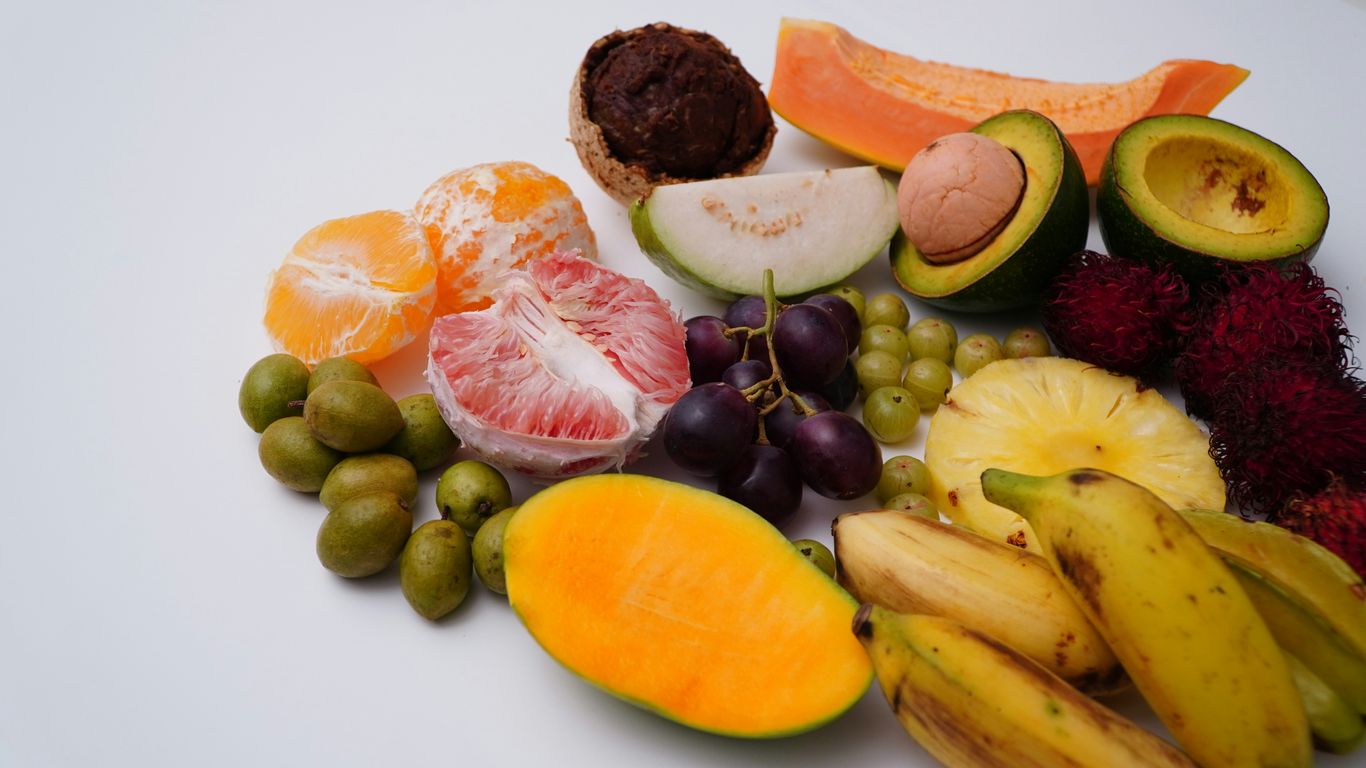
A plate of colorful, fresh fruit.

The way you prepare your food can really change how it affects your blood sugar. It’s not just about what you eat, but how you cook it.

Cooking starches in a way that makes them a bit harder to digest can help flatten sugar spikes. Think about cooking pasta or potatoes, letting them cool down completely (like overnight in the fridge), and then reheating them. This process changes some of the starch into a type that your body doesn’t break down as quickly. You can also enjoy these foods cold, like in a potato salad, and pair them with protein and veggies.

Here are a few ideas:

  • Al dente is your friend: Pasta that’s cooked just right, not mushy, and whole grains that aren’t overcooked digest slower. This means a more gradual rise in blood sugar.
  • Cooling down starches: Cooking and then chilling foods like rice, potatoes, or pasta can create resistant starch, which is better for blood sugar control.
  • Whole fruit over juice: Chewing whole fruit takes time and signals fullness. Juices, on the other hand, deliver sugar fast without the fiber.

When it comes to fats, opting for healthier cooking methods makes a difference. Instead of deep frying, try baking, broiling, or boiling. If you’re using oils, moderate amounts are key. Removing visible fat from meats and the skin from poultry before cooking also helps.

Simple prep habits can make a big impact. Starting meals with a salad or vegetable soup, adding beans or lentils to dishes, and using vinaigrettes with olive oil and vinegar are all good moves. Keep pre-cut veggies and healthy snacks handy for when hunger strikes.

10. Simple Kitchen Habits

Making small changes in your kitchen can really help keep your blood sugar on a more even keel. It’s not about a total overhaul, but just little tweaks that add up. Think about how you prep and plate your food. For instance, cooking grains like rice or pasta and then letting them cool down before reheating can actually change the type of starch they contain, making them digest slower. It’s a neat trick that lowers their impact.

Here are a few ideas to get you started:

  • Start with a bang (of veggies): Begin your meals with a small salad or a bowl of vegetable soup. This fills you up with fiber and nutrients before you even get to the main course, especially the carbs.
  • Boost your staples: Toss some beans or lentils into your pasta sauces, rice dishes, or soups. They add fiber and protein, which are great for slowing down digestion.
  • Dress it right: When you’re having a salad, use dressings made with olive oil and vinegar. This combination is much better than creamy, sugary options.
  • Snack smart: Keep pre-cut veggies, a tub of hummus, or a handful of nuts easily accessible. This way, when hunger strikes between meals, you’re more likely to grab something that won’t cause a spike.
  • Carbs last, small portions: Try to plate your carbohydrate sources last and in smaller amounts compared to your protein and non-starchy vegetables.

Preparing your food in advance, even just chopping veggies for a few days, can make a huge difference when you’re tired or rushed. It removes a common barrier to making healthier choices.

Also, pay attention to the texture of your foods. Pasta that’s cooked just right (al dente) or whole grains that aren’t overcooked will break down more slowly in your body compared to mushy, overcooked versions. It’s all about making your food work for you, not against you.

11. Mindful Pace And Chewing

You know, how fast you eat and how much you chew can actually make a difference in how your body handles sugar after a meal. It sounds simple, but taking your time really matters.

When you eat slowly, you give your digestive system a chance to catch up. It also gives your brain time to get the message that you’re full, which can help prevent overeating. Think about it: if you’re shoveling food in, your stomach might be full, but your brain hasn’t registered it yet. That’s a recipe for feeling stuffed later.

Putting your fork down between bites is a surprisingly effective trick. It forces a natural pause, breaking up the eating process. Adding sips of water between bites can also help slow things down. These little pauses add up.

Chewing well is just as important. Each bite you chew thoroughly starts breaking down food, making it easier to digest. It also means you’re not swallowing large chunks that can be harder for your body to process efficiently. Aim to chew each mouthful a few times before swallowing.

Here’s a quick rundown:

  • Pause between bites: Put your fork or spoon down after each mouthful.
  • Chew thoroughly: Don’t rush through your chewing.
  • Sip water: Have water handy to sip between bites.
  • Focus on your food: Try to minimize distractions while you eat.

Eating mindfully isn’t just about slowing down; it’s about paying attention to the experience of eating. Notice the textures, the flavors, and how your body feels as you eat. This connection can lead to better digestion and a more satisfying meal.

12. Personalize With Tracking And A Calm Daily Plan

So, we’ve talked a lot about different strategies for managing blood sugar spikes, but here’s the thing: everyone’s body is a little different. What works like a charm for one person might not be as effective for another. That’s where personalizing your approach really comes into play. The key is to become your own detective and figure out what makes your body tick.

Think of it like this: you’ve got a bunch of tools and techniques, but you need to see which ones fit best into your daily life. Using a glucose meter or a continuous glucose monitor (CGM) is super helpful here. You can run little experiments. Try eating your non-starchy veggies first for a week and see how your numbers change. Or maybe add a short walk after dinner. Keep track of what you did and how your glucose responded. It’s not just about the food, though. Things like sleep quality, stress levels, and how much water you’re drinking can also affect your blood sugar. So, jot those down too. Seeing these patterns emerge builds confidence and helps you make smarter choices.

Here’s a simple way to structure your meals that often works well:

  • Half your plate: Non-starchy vegetables (like broccoli, spinach, bell peppers).
  • One quarter of your plate: Lean protein (chicken, fish, beans, tofu).
  • One quarter of your plate: Smart carbohydrates (quinoa, sweet potato, whole-grain pasta in modest portions).
  • A little extra: A thumb-sized portion of healthy fats (avocado, nuts, olive oil).

Consistency is also your friend. Try to keep your meal structures and portion sizes similar day-to-day. This makes it easier to spot trends. If you notice a spike after a particular meal, you can then tweak it. Maybe reduce the carb portion slightly, add more fiber, or extend your post-meal walk.

Remember, making changes doesn’t have to be a huge overhaul. Start small. Pick one thing you can realistically do today or this week. Maybe it’s adding a side salad to your lunch, or making a point to drink a glass of water before each meal. Small, consistent steps add up over time and are much more sustainable than trying to change everything at once.

If you’re finding that your numbers are consistently high despite your efforts, don’t get discouraged. It might be time to revisit your carb portions, add even more vegetables, or lengthen those walks. Also, take a good look at your sleep and stress management. If you’re on medication, especially insulin or other glucose-lowering drugs, always chat with your healthcare provider before making significant changes to your diet or activity. They can help you adjust safely and effectively.

Want to feel great every day? It’s all about having a simple, calm plan and knowing what works for you. We help you figure out the best way to track your progress without the stress. Ready to make lasting changes? Visit our website today to start your journey to a healthier, happier you!

Putting It All Together

So, we’ve talked a lot about how different foods affect our blood sugar and how to make smarter choices. It’s not about never eating your favorite foods again, but more about how you put your meals together. By focusing on fiber, pairing carbs with protein and healthy fats, and even just paying attention to the order you eat things, you can make a real difference in how you feel after meals. Remember those sample plates? They’re just a starting point. The best approach is to see what works for you, maybe using a glucose monitor to learn, and then build a routine that fits your life. Small changes, like adding more veggies or choosing whole grains, can add up to big wins for your energy and overall well-being. You’ve got this!

Frequently Asked Questions

What exactly is a blood sugar spike, and why should I care about it?

A blood sugar spike happens when the sugar level in your blood shoots up too quickly or too high after you eat. Think of it like a sudden rush of energy that quickly fades. While your body can handle these ups and downs, having too many big spikes over time can lead to feeling tired, having cravings, and putting extra stress on your body. Smoothing out these spikes helps you feel more steady and is good for your long-term health.

How does fiber help manage blood sugar levels?

Fiber is like a traffic cop for the sugar in your food. It slows down how fast sugar gets into your bloodstream. This means your blood sugar doesn’t jump up as high or as fast. Some types of fiber even form a gel that further delays sugar absorption. Plus, fiber makes you feel fuller for longer, which helps prevent overeating.

What’s the difference between the Glycemic Index (GI) and Glycemic Load (GL)?

The Glycemic Index (GI) tells you how fast a food raises your blood sugar. Foods with a high GI, like white bread, cause a quick rise. The Glycemic Load (GL) takes it a step further by also considering how much of that food you’re eating. So, a food might have a high GI, but if you eat a small portion, its GL might be lower. It’s important to think about both how fast a carb affects your sugar and how much of it you’re consuming.

Can I really flatten my blood sugar spikes by changing the order I eat my food?

Yes, you absolutely can! Eating your non-starchy vegetables first, followed by your protein, and then your carbohydrates can make a big difference. This order helps slow down how your body digests everything, leading to a gentler rise in blood sugar instead of a sharp spike. It’s a simple trick that works wonders.

How do protein and healthy fats help with blood sugar control?

Protein and healthy fats act like a ‘barrier’ for the carbohydrates you eat. They slow down the digestion process, giving your body more time to handle the sugar. This means the sugar enters your bloodstream more gradually, preventing a sudden surge. Think of adding avocado to your toast or having nuts with your fruit – these additions help balance the meal.

What are some easy food swaps I can make to lower the glycemic impact of my meals?

You don’t need a complete diet overhaul! Simple swaps can make a big impact. Instead of white rice, try quinoa or cauliflower rice. Add a cup of non-starchy veggies like spinach or broccoli to every meal. Swap juice for whole fruit. Even adding a tablespoon of chia seeds or ground flaxseed to your yogurt can boost fiber and help smooth out your sugar response.

Does cooking and cooling foods change how they affect blood sugar?

It does! When you cook starchy foods like potatoes, rice, or pasta and then let them cool down, some of the starch turns into a type called ‘resistant starch.’ This type of starch is harder for your body to digest, which lowers its impact on your blood sugar. So, enjoying leftovers or a cold pasta salad can be a smart move for steadier glucose levels.

How important is eating slowly and chewing my food thoroughly?

Eating slowly and chewing well are surprisingly powerful tools! When you eat at a more relaxed pace, it gives your body time to digest properly and send signals that you’re getting full. This often results in a gentler rise in blood sugar after your meal. Taking pauses between bites and sipping water can help you slow down naturally.