
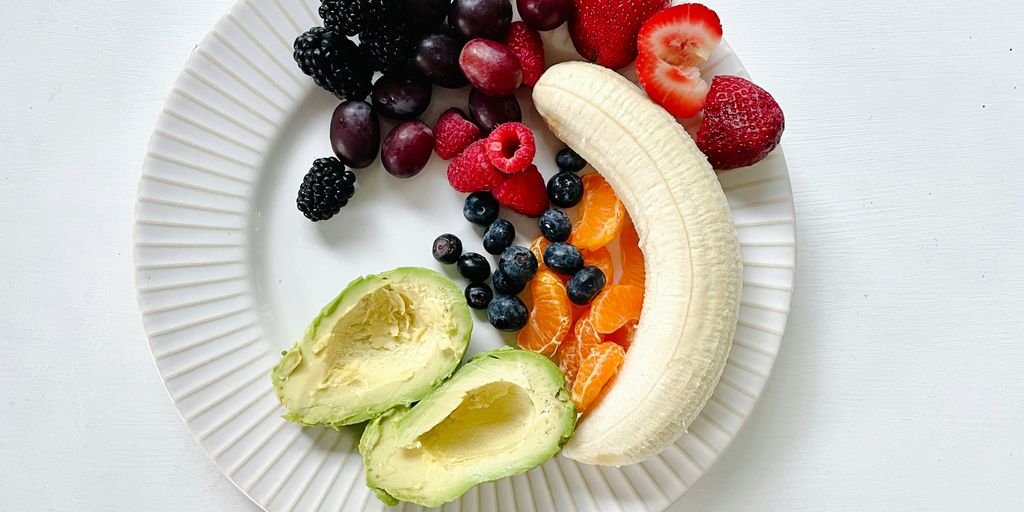
Smart food swaps are small, one-for-one substitutions that keep the meals you like while adding fibre and nutrients and cutting back on added sugar, sodium and saturated fat. Think whole grains instead of refined, water instead of pop, plain yogurt instead of sour cream, and beans or fish in place of processed meats. Pick two or three swaps that fit your routine, make them habits, then add more.
The swaps below are grouped by meal and food type, so you can scan for the ones that fit how you already eat.
Drink swaps
Drinks are often the easiest place to start because the swap is simple and the difference adds up daily. Canada’s Food Guide recommends making water your drink of choice and limiting sugary drinks.
| Instead of… | Try… | Why it helps |
|---|---|---|
| Pop | Sparkling water with lemon, lime or berries | Keeps the fizz without the added sugar |
| Fruit juice | Whole fruit and a glass of water | Adds fibre and is more filling |
| Sweetened iced drinks | Water infused with cucumber and mint, or chilled herbal tea | Flavour with little or no sugar |
| Sweetened plant beverages | Unsweetened fortified soy or almond beverage, or white milk | Less added sugar |
| Hot chocolate made from a sugary mix | Milk warmed with cocoa powder and a little sweetener | You control the sugar |
Breakfast swaps
- Sugary cereal → oatmeal with berries. Oats give you whole grain fibre; berries add natural sweetness.
- White toast → whole grain toast. Look for “whole grain” as the first ingredient, not just “multigrain” or “wheat flour.”
- Flavoured yogurt → plain yogurt with fruit. Stir in fresh or frozen berries and a sprinkle of cinnamon.
- Pastry or muffin → egg and vegetable wrap. Protein and fibre keep you full longer than a sweet baked good. You can use some egg whites in place of whole eggs to lighten it, though whole eggs are a perfectly healthy choice too.
Grain swaps
Canada’s Food Guide recommends choosing whole grain foods such as quinoa, whole grain pasta and bread, whole oats and brown or wild rice, and notes that bakery products and sugary cereals can be high in sodium, sugars or saturated fat.
- White rice → brown rice, wild rice, barley or quinoa. Start with half and half if your family is hesitant.
- Regular pasta → whole grain pasta, or mix in spiralized zucchini.
- White rice → cauliflower rice for a lighter, vegetable-heavy option some nights.
- White flour → part whole wheat flour in pancakes, muffins and loaves.
Protein swaps
Harvard’s Nutrition Source notes that replacing red and processed meat with healthy protein sources such as beans, soy foods and nuts is linked to lower heart disease risk.
- Deli meats, hot dogs and bacon → home-roasted chicken, canned salmon or tuna, eggs, or hummus in sandwiches and wraps.
- Half the ground beef → lentils or finely chopped mushrooms in chili, tacos and pasta sauce.
- Fried chicken → oven-baked chicken coated in whole grain crumbs.
- One meat dinner a week → a bean, lentil or tofu dinner. See our guide to plant-based protein.
Snack swaps
- Chips → air-popped popcorn seasoned with herbs, or roasted chickpeas.
- Candy → fruit with a handful of nuts, or frozen grapes.
- Granola bars → plain yogurt with berries, or a homemade trail mix of nuts, seeds and a little dried fruit.
- Crackers and cheese dip → vegetables and hummus.
Our list of high-protein snacks has more ideas that keep you full between meals.
Sauces, spreads and dressings
| Instead of… | Try… |
|---|---|
| Mayonnaise on sandwiches | Mashed avocado or hummus |
| Creamy bottled dressing | Homemade vinaigrette: oil, vinegar or lemon juice, mustard and herbs |
| Sour cream | Plain Greek yogurt |
| Heavy cream in soups and sauces | Evaporated skim milk, or blended white beans |
| Creamy pasta sauce | Tomato-based sauce with extra vegetables |
Baking and dessert swaps
- Replace some oil or butter with unsweetened applesauce or mashed banana in muffins and loaves. Start with about half.
- Cut the sugar by about a quarter in most muffin and cookie recipes, and add cinnamon or vanilla for flavour.
- Ice cream → frozen banana “nice cream” or yogurt topped with fruit.
- Rich desserts → baked apples or pears with cinnamon, or a fruit crisp with an oat topping.
Flavour swaps that cut salt
- Salt → herbs and spices: garlic, onion, paprika, cumin, oregano, basil and black pepper.
- Salt → citrus: a squeeze of lemon or lime, or a little zest, brightens vegetables, fish and grains.
- Cheese on everything → nutritional yeast sprinkled on popcorn, pasta or roasted vegetables for a savoury, cheesy taste.
- Canned beans → rinsed canned beans, or low-sodium versions.
Convenience swaps
- Frozen dinners → batch-cooked meals portioned and frozen at home.
- Takeout pizza → homemade pizza on whole grain naan or pitas with lots of vegetables.
- Nothing ready → pre-cut vegetables, frozen vegetables and bagged salad greens to add to any meal.
Use the label to choose swaps
The Nutrition Facts table makes comparing two products quick. Health Canada’s rule of thumb: 5% Daily Value or less is a little, and 15% or more is a lot. Look for products with less sodium, sugars and saturated fat, and more fibre, iron and calcium. Our guide to nutrition labels explains each line.
How to make swaps stick
- Start with foods you eat most often. Changing your daily bread or drink matters more than changing a once-a-month treat.
- Change one thing at a time. Give each swap a week or two before adding the next.
- Go halfway first. Half brown rice, half white; half lentils, half beef.
- Keep the swap on hand. If sparkling water and fruit are in the fridge, they’re easy to grab.
- Keep the foods you love. Swaps are for everyday eating. Planned treats still have a place.
When to check with a professional
If you have diabetes, high blood pressure, kidney disease, food allergies or another medical condition, ask your doctor or a registered dietitian which swaps suit your needs, since some (like high-potassium or high-fibre foods) may need adjusting.
Key takeaways
- Start with drinks: water and sparkling water instead of pop and juice.
- Choose whole grains over refined grains.
- Replace processed meats with beans, fish, eggs or home-cooked chicken.
- Use plain yogurt, avocado and vinaigrettes in place of heavier sauces.
- Flavour with herbs, spices and citrus instead of extra salt.
- Make one swap at a time, and go halfway first.
FAQ
Are healthy swaps more expensive?
Not necessarily. Dried or canned beans, oats, frozen vegetables and tap water are among the most affordable foods there are. Batch cooking also saves money compared with takeout.
Will my food taste bland?
Not if you replace what you remove with flavour: herbs, spices, garlic, citrus and a little healthy fat go a long way.