
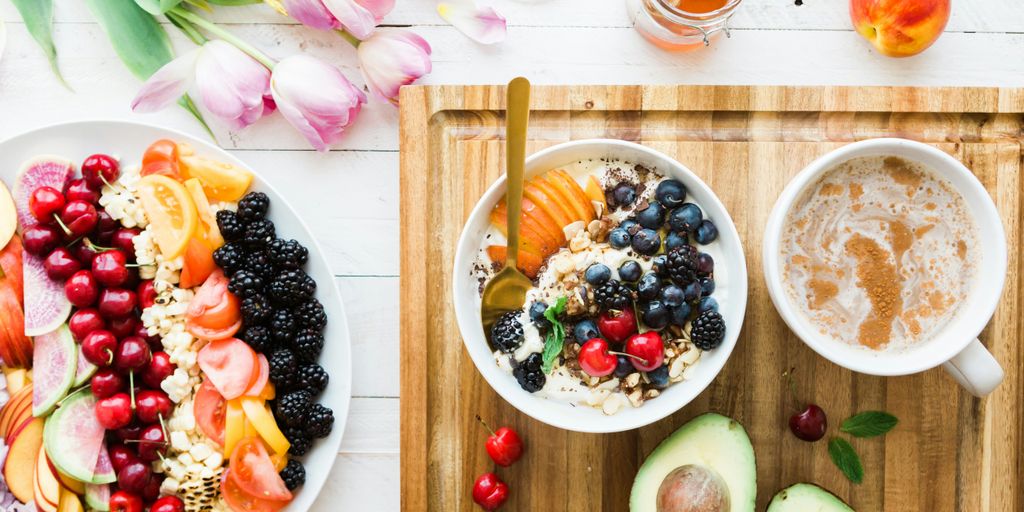
A high-protein breakfast pairs a solid protein food (eggs, Greek yogurt, cottage cheese, tofu, fish, beans or milk) with fibre-rich carbohydrates like fruit, vegetables or whole grains. That combination tends to keep you full longer and makes mid-morning snacking easier to manage. Below are ten breakfasts that work on busy mornings, plus a simple formula for building your own.
Why protein at breakfast helps
Many typical breakfasts lean heavily on refined carbohydrates: toast with jam, a bowl of sweetened cereal, a muffin on the go. They are quick, but they often leave you hungry again within a couple of hours. Adding a protein food changes how the meal holds you.
In a small randomized crossover study, overweight late-teen girls who usually skipped breakfast ate either a normal-protein cereal breakfast (13 g protein) or a higher-protein egg-and-beef breakfast (35 g protein) for six days. Both breakfasts reduced hunger compared with skipping, but the higher-protein version produced greater fullness and reduced evening snacking on high-fat foods (Leidy et al., American Journal of Clinical Nutrition, 2013). It was a short study in a specific group, so treat it as encouraging rather than definitive, but it matches what many people notice in their own mornings.
You also do not need huge amounts. Canada’s Food Guide notes that you don’t need large amounts of protein foods to meet your needs, and suggests choosing protein foods that come from plants every day, along with options like eggs, fish, lean meats and lower-fat dairy. It also recommends using the Nutrition Facts table to pick products lower in sodium, sugars and saturated fat.

The simple breakfast formula
Instead of memorizing recipes, use this three-part check:
- One protein food: eggs, Greek yogurt, skyr, cottage cheese, milk or soy beverage, tofu, smoked salmon, beans, lentils, nut butter or seeds.
- One fibre source: fruit, vegetables, oats, whole grain bread or tortillas.
- Something you enjoy: cinnamon, salsa, herbs, a little cheese, a handful of berries. If breakfast tastes good, you’ll actually keep eating it.
When you buy packaged items like yogurt, protein bars or cereal, compare the Nutrition Facts table. Protein content varies a lot between brands, and many flavoured products add sugar.
10 high-protein breakfast ideas
1. High-protein yogurt bowl
Start with plain Greek yogurt or skyr, then add berries, a spoonful of nut butter and a sprinkle of hemp or chia seeds. Plain yogurt lets you control the sweetness; a little honey or mashed banana goes a long way.
2. Egg muffins
Whisk eggs with chopped spinach, peppers, onions and a little cheese, pour into a muffin tin and bake. Make a dozen on Sunday, refrigerate them, and reheat two each morning. They pair well with a piece of fruit or whole grain toast.
3. Huevos rancheros
Warm a corn or whole wheat tortilla, top it with black beans, a fried or scrambled egg, salsa and a few slices of avocado. Beans and eggs together give you protein and fibre in one plate.
4. Mushroom and cheese quiche
A crustless quiche (eggs, milk, sautéed mushrooms, onions and cheese baked in a pie dish) slices into ready-made portions for several days. Add leftover vegetables to stretch it further.
5. Greek yogurt parfait
Layer yogurt, fruit and a small amount of granola or toasted oats in a jar. Assemble the night before, keeping the granola separate so it stays crunchy.
6. Smoothie
Blend milk or soy beverage with Greek yogurt or silken tofu, frozen fruit, a handful of spinach and a spoonful of oats or peanut butter. A smoothie built this way is more filling than one made only from fruit and juice.
7. Smoked salmon bagel
Choose a whole grain bagel (or half of one), spread with light cream cheese or cottage cheese, then add smoked salmon, cucumber and red onion. Smoked salmon is salty, so this works best as an occasional option rather than a daily one.
8. Tofu scramble
Crumble firm tofu into a hot pan with a little oil, turmeric, garlic powder and whatever vegetables you have. It’s a good plant-based alternative to scrambled eggs and keeps well for reheating.
9. Oatmeal bake
Mix oats with milk, eggs, cinnamon and fruit, then bake in a dish and cut into squares. Stirring in Greek yogurt or a scoop of protein powder before baking raises the protein further.
10. Protein powder, used wisely
Protein powder is a convenience, not a requirement. It can help if you dislike eggs and dairy or need something you can drink in the car. Whole foods give you more fibre, vitamins and minerals, so use powder to top up a meal, not replace it. Look for a short ingredient list, and check with your doctor if you have kidney disease or another condition that affects protein needs.

Quick comparison by time available
| Time you have | Good options | Prep tip |
|---|---|---|
| Under 2 minutes | Yogurt bowl, parfait, cottage cheese with fruit | Keep berries and seeds at eye level in the fridge |
| 5 minutes | Smoothie, smoked salmon bagel, reheated egg muffins | Pre-pack smoothie bags in the freezer |
| 10–15 minutes | Tofu scramble, huevos rancheros | Cook a batch of beans or open a can at the start of the week |
| Weekend batch | Quiche, oatmeal bake, egg muffins | Portion into containers so grabbing one is automatic |
Common mistakes to avoid
- Protein but no fibre. Eggs alone are fine, but adding vegetables, fruit or whole grains makes the meal more satisfying and balanced.
- Relying on processed meats. Bacon and sausage are high in sodium and saturated fat. Canada’s Food Guide encourages choosing protein foods lower in sodium and saturated fat, so save these for occasional meals.
- Drinking your calories without noticing. Large café-style drinks and sweetened breakfast beverages can add a lot of sugar. Water, milk, a smoothie you make yourself or a warm herbal tea are simpler choices.
- Waiting for the perfect plan. Two or three breakfasts you rotate are more useful than ten you never make.

If you want to understand how protein fits with carbohydrates and fats across the day, see our guide to macronutrients. For steadier energy after breakfast, our article on blood sugar balance goes deeper, and these meal prep strategies make the batch recipes above easier to keep up.
Key takeaways
- Build breakfast from one protein food, one fibre source and something you enjoy.
- Higher-protein breakfasts may increase fullness and reduce later snacking for some people.
- Choose plant-based proteins often, and keep processed meats occasional.
- Batch-cook egg muffins, quiche or an oatmeal bake so busy mornings are covered.
- Use protein powder as a top-up, not a replacement for real food.
FAQ
How much protein should breakfast have?
Needs vary with body size, age, activity and health conditions. A practical approach is to include at least one clear protein food at breakfast and notice how long you stay comfortably full. A registered dietitian can give you a personal target.
Is a high-protein breakfast good for weight loss?
It can help by making you feel fuller, which may make the rest of the day easier to manage. It works best as part of an overall balanced pattern, not as a fix on its own.
What if I’m not hungry in the morning?
Start small: a glass of milk, a yogurt cup or half a smoothie. Many people find their morning appetite returns once they eat lighter in the late evening.