
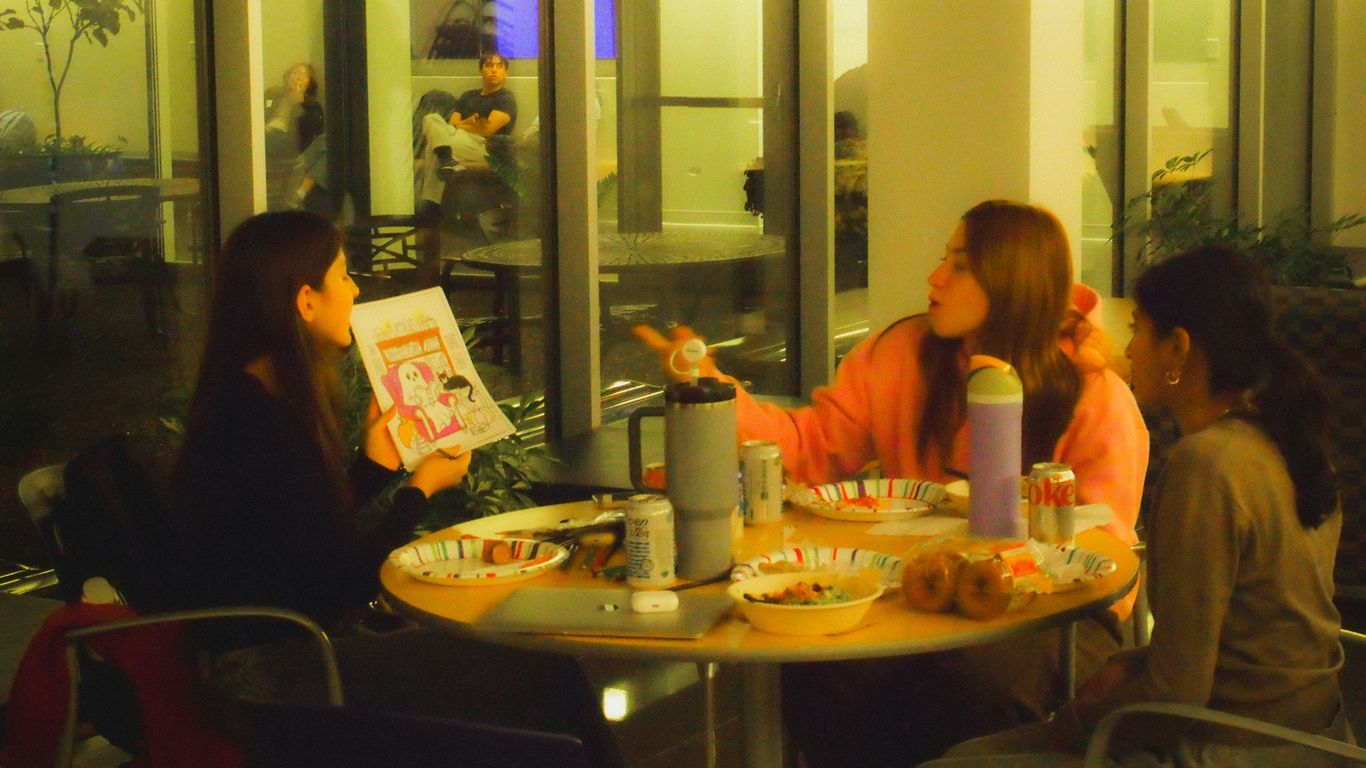
You can be a warm, generous host without overeating by planning a balanced menu ahead of time, serving food in a way that slows everyone down, and deciding your own limits before guests arrive. Good hospitality is about people feeling welcome, not about how much food is on the table. Here is a practical plan for the menu, the serving setup, your own plate and the leftovers.
Start with the purpose of the gathering
Before you plan a single dish, ask what the evening is for. A birthday, a holiday dinner, a new neighbour or a group of friends after a long week all call for different things. Most guests remember the conversation, the welcome at the door and feeling included far longer than they remember the third dessert.
Keeping the focus on connection takes pressure off the menu. You do not need six appetizers to show you care. A few dishes made well, served in a calm setting, often feel more generous than an overflowing buffet.
Build a smart menu
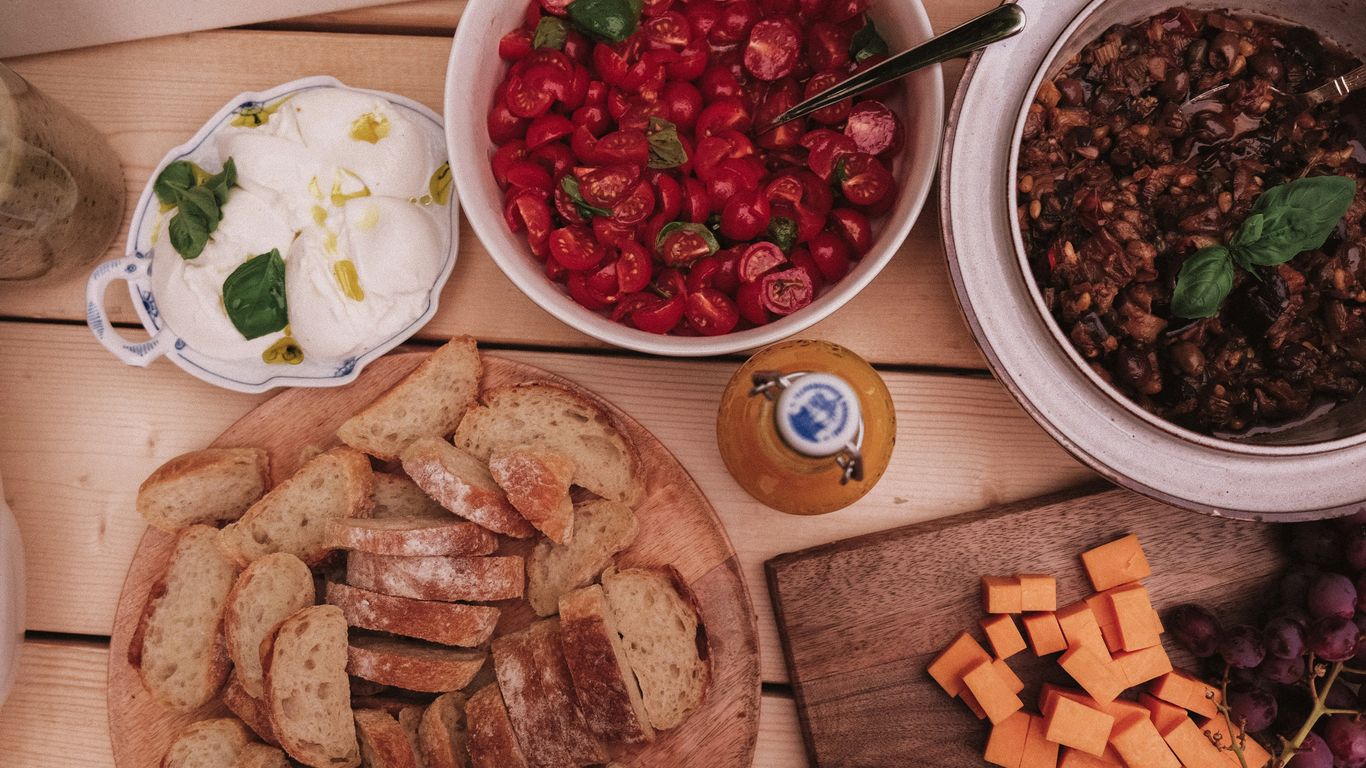
A simple framework is to plan the meal around Canada’s food guide plate: half vegetables and fruits, one quarter whole grains and one quarter protein foods. If your table looks like that plate, guests can fill up on satisfying food without feeling deprived, and you have an easier time doing the same.
| Course | Lighter, generous options |
|---|---|
| Starters | Vegetable platter with hummus or yogurt dip, fruit skewers, a broth-based soup |
| Main | Roasted chicken or fish, bean chili, lentil curry or a build-your-own taco or grain bowl bar |
| Sides | Two vegetable dishes (one raw, one cooked), one whole grain such as brown rice, quinoa or whole grain rolls |
| Dessert | One special dessert, plus a bowl of berries or sliced fruit |
| Drinks | Water with citrus or cucumber, sparkling water, a fruit-infused pitcher, herbal tea or hot chocolate in winter |
A few menu habits that help:
- Choose one star dish and keep everything else simple. Abundance comes from flavour, not volume.
- Make vegetables the most attractive thing on the table. Roast them with herbs, add colour and put them out first.
- Plan quantities. Cooking for the number of guests (with a little extra) prevents a fridge full of leftovers you feel obliged to finish.
- Offer good drinks. Health Canada recommends you make water your drink of choice and limit sugary drinks. A pretty pitcher of infused water or a sparkling fruit punch with less sugar feels festive, and skipping alcohol keeps the evening better for everyone’s sleep and health goals.
- Repurpose ingredients. Extra roasted vegetables become tomorrow’s soup or grain bowl, so you are not tempted to overeat to avoid waste.
Serve in a way that slows everyone down
How food is served shapes how much people eat. A systematic review of 22 studies found that eating more slowly was linked to lower energy intake compared with eating quickly. As a host you can set a relaxed pace for the whole table:
- Serve plated or family-style at the table rather than leaving a buffet open all evening.
- Bring out courses with gaps between them so conversation fills the space.
- Use regular-sized plates and serving spoons. Oversized platters and ladles quietly increase portions.
- Put snacks in bowls, not in open bags, and keep them away from where people stand and talk.
- Clear serving dishes to the kitchen after everyone has had a chance at seconds.
Set your own boundaries before guests arrive
Hosts often overeat for predictable reasons: tasting while cooking, skipping meals earlier in the day, nibbling while cleaning up, and finishing leftovers so nothing goes to waste. Decide your plan ahead of time.
- Eat a normal breakfast and lunch. Arriving at dinner very hungry makes portion control much harder.
- Taste with a spoon, not a plate. A spoonful is enough to check seasoning.
- Build one plate using the half-vegetables pattern and sit down to eat it with your guests.
- Pick your treat on purpose. If you are making a special dessert, enjoy a portion slowly, without guilt.
- Pause before seconds. Give it a few minutes and check whether you are still hungry or just enjoying the moment.
You do not owe anyone an explanation for your choices. If someone insists, a friendly “I’m so full, but this was wonderful” is enough. Your reasons are for you. For more ideas on deciding in advance, see decision pre-commitments.
Respect your guests’ boundaries too
Good hosts make it easy for others to eat the way they want. Ask about allergies and dietary needs on the invitation, label dishes, and never push second helpings. “Help yourself to more whenever you like” is welcoming without pressure.
Make connection the main event
When food is the only activity, people tend to keep eating simply because it is there. Give the gathering a shape beyond the table:
- Greet each guest at the door and introduce people who do not know each other.
- Plan one simple activity: a board game, a short walk after dinner, looking through old photos or a round of “best thing that happened this month.”
- Move conversation away from the kitchen once the meal is done so grazing does not continue all evening.
- Invite guests to help with small tasks. Many people feel more at home when they can contribute.
Plan the leftovers
Leftovers are part of the menu, not an afterthought. Have containers ready and offer guests a take-home plate. Store the rest in single portions right away, and freeze anything you will not use within a few days. Sweet leftovers can go home with guests or be frozen in small portions so they do not become a week of grazing.
A quick hosting checklist
- Purpose of the gathering decided
- Menu follows the half-vegetables plate pattern
- One star dish, simple sides, one dessert plus fruit
- Water and alcohol-free festive drinks set out
- Food served at the table, buffet closed after seconds
- Normal meals eaten earlier in the day
- Containers ready for leftovers and take-home plates
Holiday gatherings bring their own challenges. These posts on sugar-heavy holidays and lighter comfort food have more ideas.
FAQ
Isn’t serving lighter food a bit stingy?
Not if it tastes good and there is enough of it. Generous portions of well-seasoned vegetables, a satisfying main and one great dessert feel abundant.
What if I overeat anyway?
One big meal does not undo your progress. Go back to your usual meals the next day, take a walk and move on without guilt.
Key takeaways
- Plan around people and purpose, not the amount of food.
- Use the food guide plate to shape a balanced, generous menu.
- Serve at the table and slow the pace; slower eating is linked to eating less.
- Set your own limits in advance and do not justify them to anyone.
- Have a plan for leftovers before the first guest arrives.