
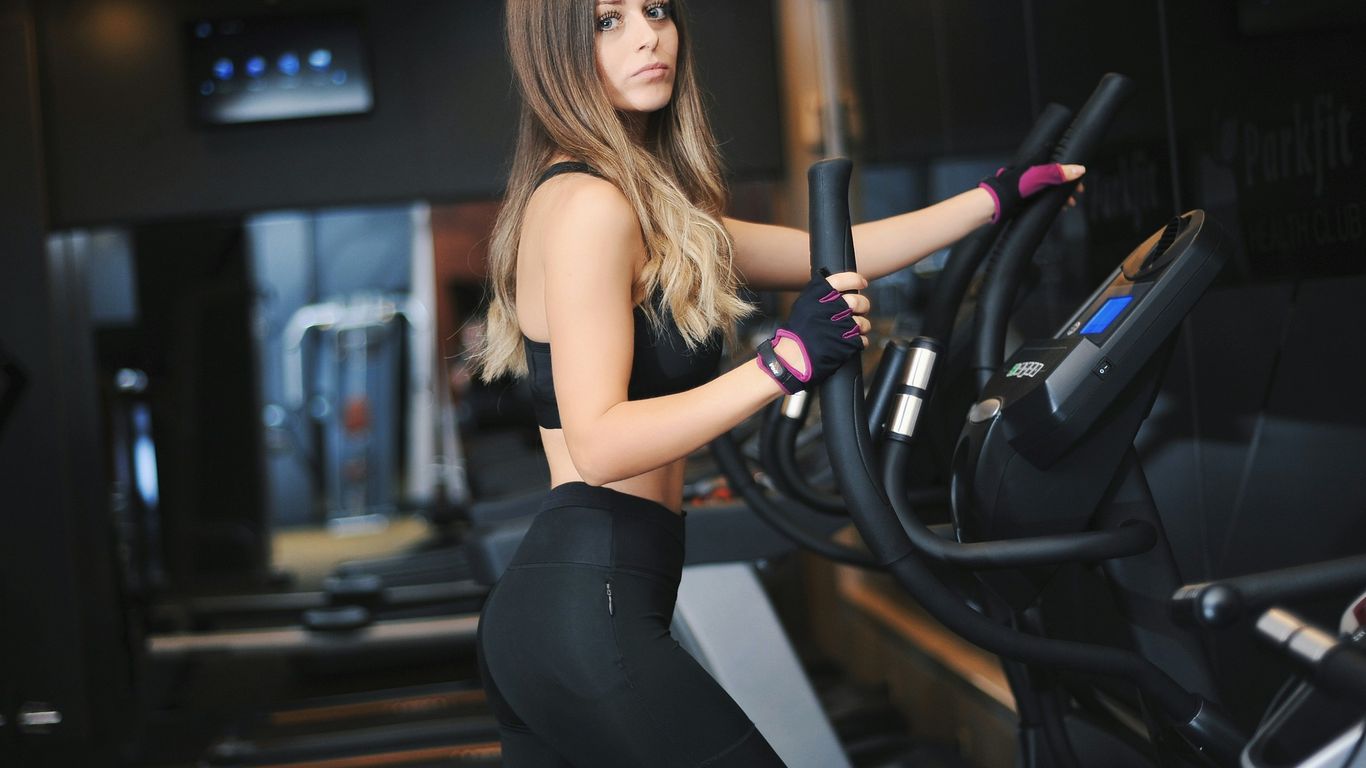
Framing exercise as stewardship means you move because your body is a gift worth caring for, not because you need to earn approval or punish yourself for what you ate. In practice that comes down to four choices: why you train, what you listen to, what you tell yourself, and what you wear. This guide gives you simple, repeatable ways to make each one support both your health and your values.
What “stewardship” changes about exercise
A steward looks after something entrusted to them. Applied to fitness, that idea quietly removes a lot of the pressure people carry into the gym. You are not trying to fix a body that is wrong; you are caring for one that already has worth. That shift matters because exercise driven by guilt tends to be all-or-nothing, while exercise driven by care tends to be steady.
Here is how the two mindsets often show up:
| Punishment mindset | Stewardship mindset |
|---|---|
| “I have to burn off last night’s dessert.” | “A walk will help me sleep and feel steady today.” |
| Skips rest days out of fear | Plans rest as part of the care |
| Measures success by soreness or sweat | Measures success by consistency and how daily life feels |
| Quits after a missed week | Restarts with the next scheduled session |
Stewardship also gives you a sensible target. Public health guidelines recommend that adults get about 150 minutes of moderate-intensity activity each week plus at least two days of muscle-strengthening work that covers the major muscle groups. That is a care plan, not a punishment plan: roughly 30 minutes on five days, with a couple of strength sessions mixed in.

Music: choose it on purpose
Music is one of the easiest ways to set the tone of a workout. A large meta-analysis of 139 studies found that listening to music during exercise was linked to a more positive mood, better performance and a lower sense of effort, with faster tempos tending to help performance more. In other words, your playlist is not a small detail.
If you want your workouts to feel like an act of gratitude, let your music reflect that:
- Warm-up (5 minutes): calm, reflective songs or hymns while you loosen up and settle your thoughts.
- Main work: upbeat, faster songs with uplifting lyrics for walking, cycling or circuits.
- Strength sets: steady, strong rhythms that help you keep good form rather than rush.
- Cool-down: quiet instrumentals or a favourite hymn while you stretch and breathe.
Build one playlist for each type of session so you are not scrolling between sets. Some people prefer silence or a recorded talk instead, and that is fine too. The goal is that what goes into your ears supports the person you want to be when you finish.
Mindset: replace guilt with gratitude
The words you use before and during a workout shape whether you come back next time. A few practical swaps:
- Before: a short prayer or a moment of quiet asking for strength, safety and a good attitude. Ten seconds is enough.
- During a hard set: a simple line such as “Strong and grateful” or “One more, done with care.”
- After: name one thing your body did well today, even if the session was short.
Gratitude also helps on days when your body cannot do what it used to. Injury, illness, pregnancy, age and busy seasons all change what is possible. A stewardship mindset asks, “What care can I give my body today?” rather than “How far behind am I?” A gentle walk or ten minutes of stretching still counts.
Watch for “worship” turning into perfectionism
Calling exercise a form of devotion can backfire if it turns every missed workout into a moral failure. Keep the frame kind. Rest is part of stewardship, and so is eating enough to fuel your activity. If exercise starts to feel compulsive, or you feel intense guilt when you skip it, that is worth talking about with your doctor or a counsellor.
Modesty: dress for movement and for your values
Modest workout clothing is easy to find once you know what to look for, and it usually performs well too. The aim is clothing that lets you move freely without constantly adjusting it, so your attention stays on the exercise and the people around you rather than on how you look.
- Tops: shirts with sleeves and a longer hem that stays put when you lift your arms or bend over.
- Bottoms: full-length leggings or joggers, or leggings worn under a longer top or athletic skirt. Check them in a mirror while you squat.
- Swimming: full-coverage swimwear options, such as swim leggings and long-sleeve rash guards, are widely available.
- Fabric: moisture-wicking, opaque material keeps you comfortable and covered as you sweat.
- Fit test: do a lunge, a reach overhead and a forward fold before you buy. If you have to tug at anything, keep looking.
Modesty is also an attitude. Training for strength, energy and health keeps the focus on what your body can do, not on comparing how it looks. That tends to make gym culture, mirror checks and progress photos feel less loaded.

A simple weekly plan
Here is a starting template that meets the general guidelines without taking over your week. Adjust it to your fitness level and schedule.
| Day | Session | Time |
|---|---|---|
| Monday | Brisk walk with an uplifting playlist | 30 min |
| Tuesday | Full-body strength: squats, push-ups, rows, glute bridges | 25 min |
| Wednesday | Walk or bike ride outdoors | 30 min |
| Thursday | Stretching and balance | 15 min |
| Friday | Full-body strength | 25 min |
| Saturday | Active time with family or friends: hike, swim, play | 45 min |
| Sunday | Rest and gentle movement only | As desired |
If 30 minutes feels like too much right now, start with ten. A short, regular habit beats an ambitious plan you drop after two weeks. For quick options on busy days, see these 10-minute buffer workouts, and if you want to build up gradually, the idea of habit ladders can help you progress safely.
Moving with others who share your values
Exercising with friends or family makes it more likely you will show up, and it turns activity into connection. Ideas that work well:
- A weekly walking group after a midweek activity or on a Saturday morning.
- A family hike or bike ride once a month.
- A friend you text after each workout with one word: “Done.”
- A small group that shares playlists or encouraging quotes.
Keep it encouraging and free of comparison. Nobody needs to share their weight or measurements for the group to be useful.
When to check with a professional
Talk to your doctor before starting a new exercise program if you have heart disease, diabetes, high blood pressure, joint problems, are pregnant or have been inactive for a long time. Stop and seek care if you have chest pain, dizziness or unusual shortness of breath. If thoughts about exercise or food are starting to feel controlling or anxious, reach out to your healthcare provider or NEDIC for support.
Key takeaways
- Exercise from care, not punishment: aim for about 150 minutes of moderate activity and two strength days a week.
- Choose music on purpose; it can lift your mood and make effort feel easier.
- Use a short prayer or quiet moment before, a simple phrase during, and gratitude after.
- Pick modest, opaque, well-fitting clothes and test them with real movements.
- Plan rest, start small and invite others along. For more ideas, try these body appreciation practices.