
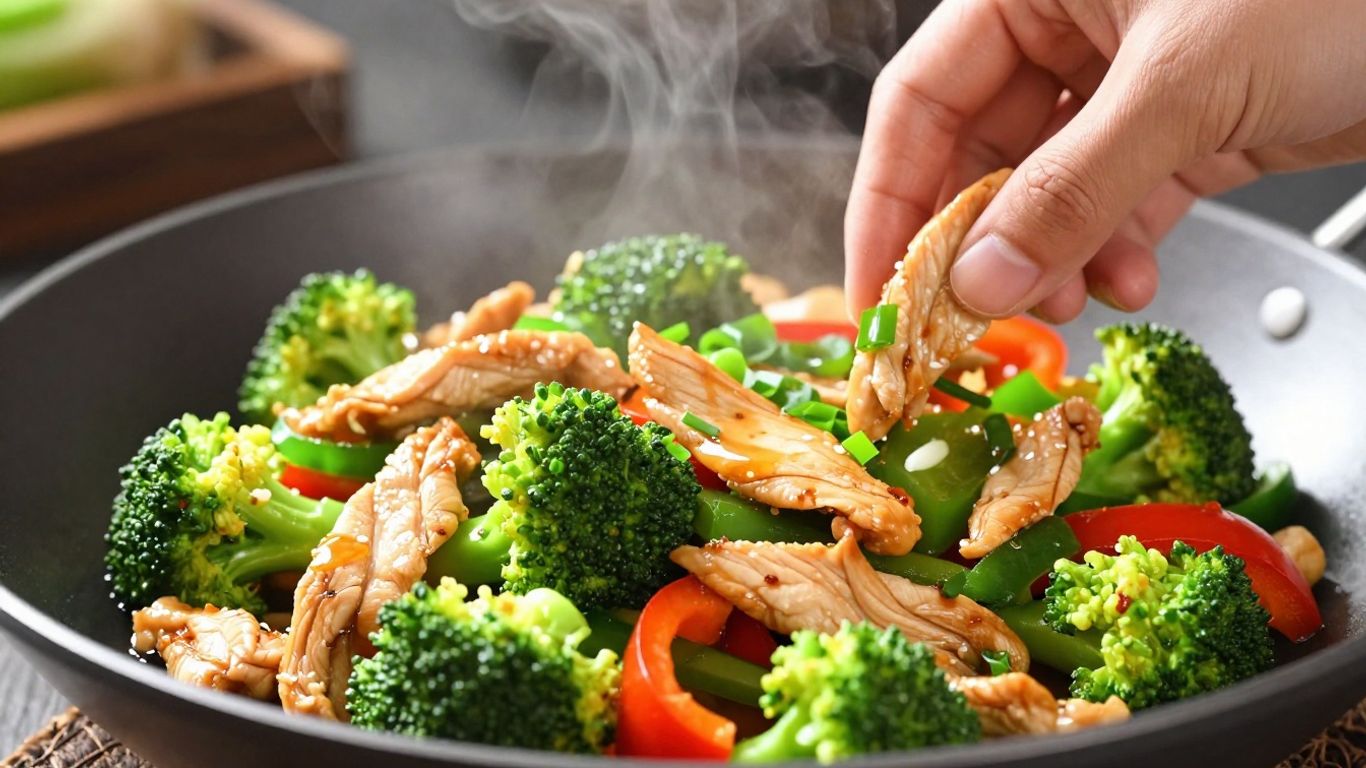
Feeling that end-of-day exhaustion where the thought of cooking feels impossible? We’ve all been there. The kitchen can feel like a battlefield after a long day, but what if you could win the war against hunger in just 10 minutes? This isn’t about fancy tricks or complicated recipes. It’s about smart kitchen triage – using what you have and applying a few simple, science-backed ideas to get a decent meal on the table, fast. Think of it as a quick rescue mission for your dinner.
Key Takeaways
- Prep smart: Wash greens and portion proteins earlier in the week to save time and prevent spoilage. Pre-chopping aromatics like onions and garlic and storing them in water can also help.
- Use a matrix: Match ingredients with meal types (breakfast, lunch, dinner) to create clear meal ideas and avoid decision fatigue.
- Group by heat: Plan meals that use the same cooking temperature or method together to save energy and time, like roasting vegetables and chicken in the oven simultaneously.
- Prioritize perishables: Identify your most perishable items and plan meals around them first to reduce food waste.
- Flexibility is key: Designate one meal slot as ‘Flex’ to use up remaining ingredients, requiring minimal active cooking time.
1. Cherry Tomatoes
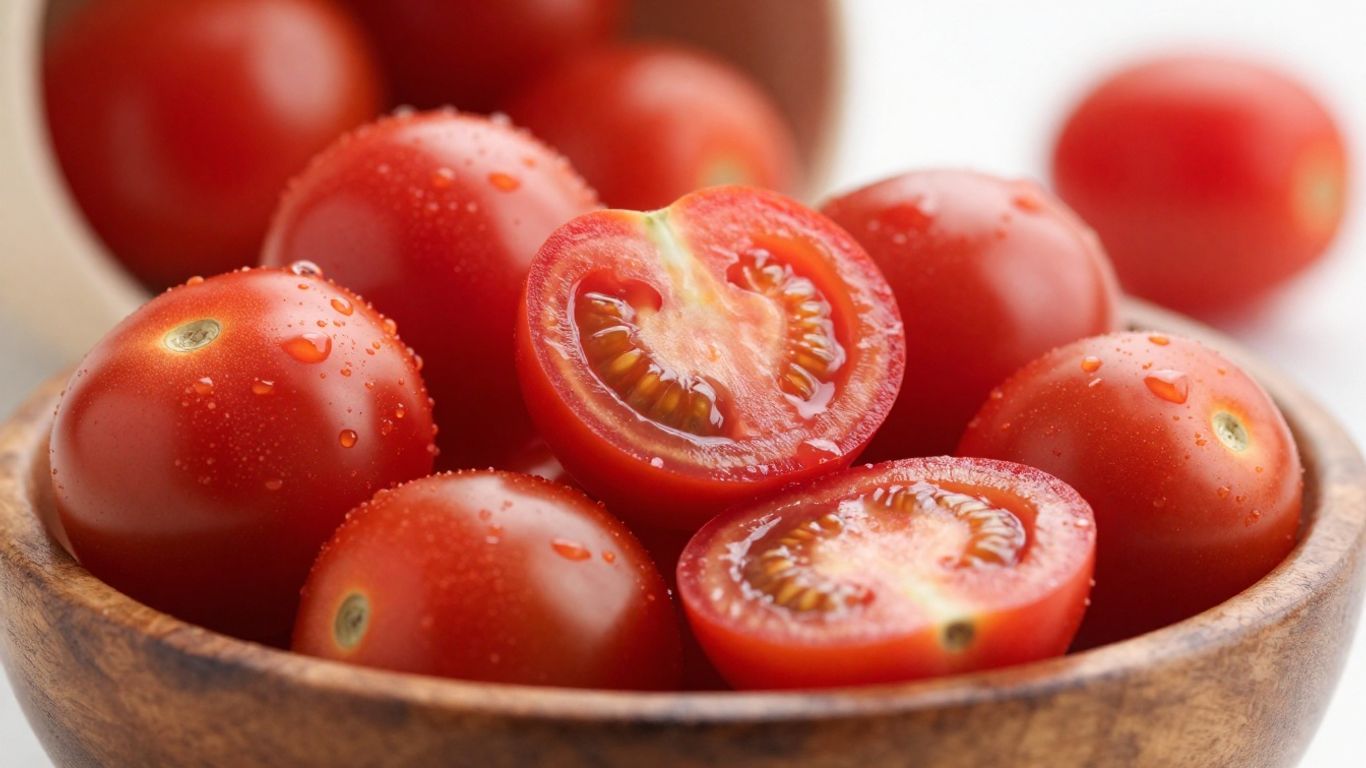
Cherry tomatoes are little flavor bombs that can really brighten up a meal. They’re super versatile, whether you toss them into a salad, roast them until they’re sweet and juicy, or just eat them straight from the container. Keeping them fresh is key to having them ready when you need them.
When you bring them home, resist the urge to wash them right away. Instead, store them stem-side down on your counter. This helps prevent moisture loss from the little stem scar. Once they’re ripe and you’re ready to use them, you can pop them in the fridge, but try to use them within a couple of days. Cold temperatures can mess with their flavor, making them taste a bit dull.
Storage Tip: Store stem-side down on the counter until ripe. Refrigerate only if using within 48 hours.
2. Cooked Quinoa
Quinoa is a fantastic grain to have on hand for quick meals. It’s a complete protein, meaning it has all nine essential amino acids, which is pretty neat for a plant-based food. Plus, it cooks up relatively fast, usually around 15 minutes, and it keeps well in the fridge for a few days. This makes it a perfect base for bowls, a side dish, or even mixed into salads.
Having pre-cooked quinoa ready to go can seriously cut down your dinner prep time. It’s a blank canvas, ready to absorb whatever flavors you throw at it. Think of it as your culinary sidekick, always prepared to step in and save the day.
Here’s why it’s a star player:
- Nutrient-Dense: Packed with fiber, protein, and various vitamins and minerals.
- Versatile: Works with almost any flavor profile, from savory to slightly sweet.
- Quick Cooking: If you don’t have it pre-cooked, it’s still a fast option.
- Filling: Its protein and fiber content help you feel satisfied.
When you’re in a rush, simply reheat your cooked quinoa and build your meal around it. It’s a simple step that makes a big difference in getting dinner on the table without the usual fuss.
3. Onion
Onions are kitchen workhorses, adding depth and aroma to almost any savory dish. They’re incredibly versatile and can be used raw, sautéed, roasted, or caramelized. When you’re in a rush, a quick dice can transform a simple meal. Just remember, onions and potatoes don’t play well together; storing them side-by-side can make potatoes sprout much faster. Keep them separate to get the most out of both.
Here’s a quick guide to using onions in a pinch:
- Raw: Thinly sliced or diced, they add a sharp bite to salads, sandwiches, and salsas.
- Sautéed: A few minutes in a hot pan with a little oil softens them and brings out their sweetness, perfect for topping tacos or mixing into scrambles.
- Caramelized: While this takes longer, even a slightly softened, browned onion adds a rich flavor base to sauces or grain bowls.
A whole onion can last for weeks if stored properly in a cool, dark, and well-ventilated spot. Once cut, wrap the unused portion tightly in plastic wrap or place it in an airtight container to prevent it from drying out and absorbing other odors.
4. Eggs
Eggs are like the culinary equivalent of a superhero in the kitchen – versatile, quick, and always there to save the day. They’re one of the fastest proteins you can cook, making them perfect for those moments when hunger strikes and time is short. Whether you’re scrambling them with leftover veggies, poaching them for a quick topping, or hard-boiling them for snacks later, eggs are a reliable choice.
Here’s why they’re a kitchen triage star:
- Speed: Most egg preparations take under 10 minutes from start to finish.
- Nutrition: Packed with protein and essential nutrients, they keep you feeling full and satisfied.
- Adaptability: They pair well with almost any other ingredient you might have on hand.
Think about it: a quick omelet with those wilting cherry tomatoes and a bit of onion? Or maybe some fried eggs to top that leftover quinoa? It’s about seeing the potential in what you have.
Eggs are a fantastic way to add substance and protein to any meal without a lot of fuss. Their ability to transform quickly from raw to cooked means they can be the centerpiece of a meal or a supporting player, depending on what you need.
5. Zucchini
Zucchini is a real workhorse in the kitchen, especially when you’re short on time. It cooks super fast and can be used in so many ways. Don’t underestimate this humble squash; it’s a quick-cooking champion. You can shred it raw into salads or pasta sauces, or slice it thin for quick sautés. It’s also great grilled or roasted, adding a nice texture to your meals.
When you’re aiming for speed, think about how you cut it. Thin slices or small dice will cook in just a few minutes. For example, a quick sauté with some garlic and olive oil takes about 5 minutes, and you can serve it over grains or alongside some protein.
Here are a few ideas for using zucchini in a pinch:
- Quick Sauté: Slice thinly and sauté with garlic, herbs, and a squeeze of lemon. This takes about 5-7 minutes.
- Raw in Salads: Grate or spiralize it and toss into green salads for added crunch and nutrients.
- Pasta Booster: Add diced zucchini to your pasta sauce during the last 5 minutes of simmering. It softens up nicely and adds extra veggies.
- Egg Scramble Addition: Dice it small and add to scrambled eggs or omelets for a quick breakfast or light dinner.
Zucchini is mostly water, which is why it cooks so fast. This also means it can get a bit mushy if overcooked, so keep an eye on it. Aim for tender-crisp for the best texture.
6. Black Beans
Black beans are a pantry superhero, offering a fantastic base for quick meals. They’re packed with protein and fiber, making them super filling. Keeping a few cans or even dried beans on hand means you’ve always got a solid foundation for a meal.
When you’re short on time, canned black beans are your best friend. Just give them a quick rinse under cold water to wash away some of that canning liquid. They can be added straight to salads, tacos, or even blended into dips.
- Versatile Base: Use them in chili, burritos, quesadillas, or as a side dish.
- Nutrient Powerhouse: High in fiber and plant-based protein.
- Quick Prep: Canned beans require minimal effort – just rinse and go.
If you’re using dried beans, remember they need soaking and longer cooking times, so they’re better suited for a weekend prep session rather than a weeknight rescue. But once cooked, they freeze beautifully for future quick meals.
Black beans can transform a simple meal into something more substantial. They’re a great way to add texture and a satisfying element without much fuss.
7. Sweet Potatoes
Sweet potatoes are a fantastic base for quick meals, offering both substance and a touch of sweetness. They’re packed with nutrients and cook surprisingly fast, especially when you know a few tricks.
The key is pre-cooking or using smaller pieces. If you have leftover roasted sweet potatoes from the weekend, fantastic! Just dice them up and toss them into your dish. If starting from scratch, microwaving them whole for about 5-8 minutes (depending on size) until fork-tender is a great shortcut. You can also cut them into small cubes (about 1/2 inch) and roast them at a high temperature (400°F or 200°C) for about 15-20 minutes, tossing halfway through. This gets them tender and slightly caramelized.
Here’s why they’re a go-to:
- Nutrient Dense: Loaded with Vitamin A, Vitamin C, and fiber.
- Versatile: They pair well with both savory and sweet flavors.
- Quick Cooking: Especially when cut small or pre-cooked.
Remember, storing onions and potatoes together isn’t ideal. Onions release gases that can make potatoes sprout faster. Keep them separate to maintain freshness for both.
For a super-fast meal, toss your pre-cooked or roasted sweet potato cubes with some black beans, a sprinkle of chili powder, and maybe a dollop of plain yogurt or avocado. It’s a complete meal that feels hearty and satisfying, all done in minutes.
8. Chicken Thighs
Chicken thighs are a fantastic go-to for quick weeknight meals because they’re forgiving and flavorful. Unlike chicken breasts, they have a bit more fat, which means they stay moist and tender even if you accidentally cook them a minute or two too long. This makes them perfect for those nights when you’re really pressed for time and might not be able to monitor the cooking process perfectly.
They cook relatively quickly, especially when boneless and skinless. You can pan-sear them, bake them, or even throw them on the grill. For a super-fast dinner, try searing them on the stovetop for about 5-7 minutes per side until they’re nicely browned and cooked through. This method often takes less than 20 minutes from start to finish.
Here’s a quick guide to cooking chicken thighs for speed:
- Boneless, Skinless: Pan-sear over medium-high heat for about 6-8 minutes per side. Total time: 15-20 minutes.
- Bone-in, Skin-on: Bake at 400°F (200°C) for about 30-35 minutes, or until the skin is crispy and the internal temperature reaches 165°F (74°C).
- Quick Marinade: A simple marinade of soy sauce, garlic, and a touch of honey can add a lot of flavor in just 10 minutes while the thighs cook.
Chicken thighs are a smart choice for busy cooks. Their higher fat content helps prevent dryness, making them more forgiving than leaner cuts. This translates to less stress and more delicious results on hectic evenings.
9. Brussels Sprouts
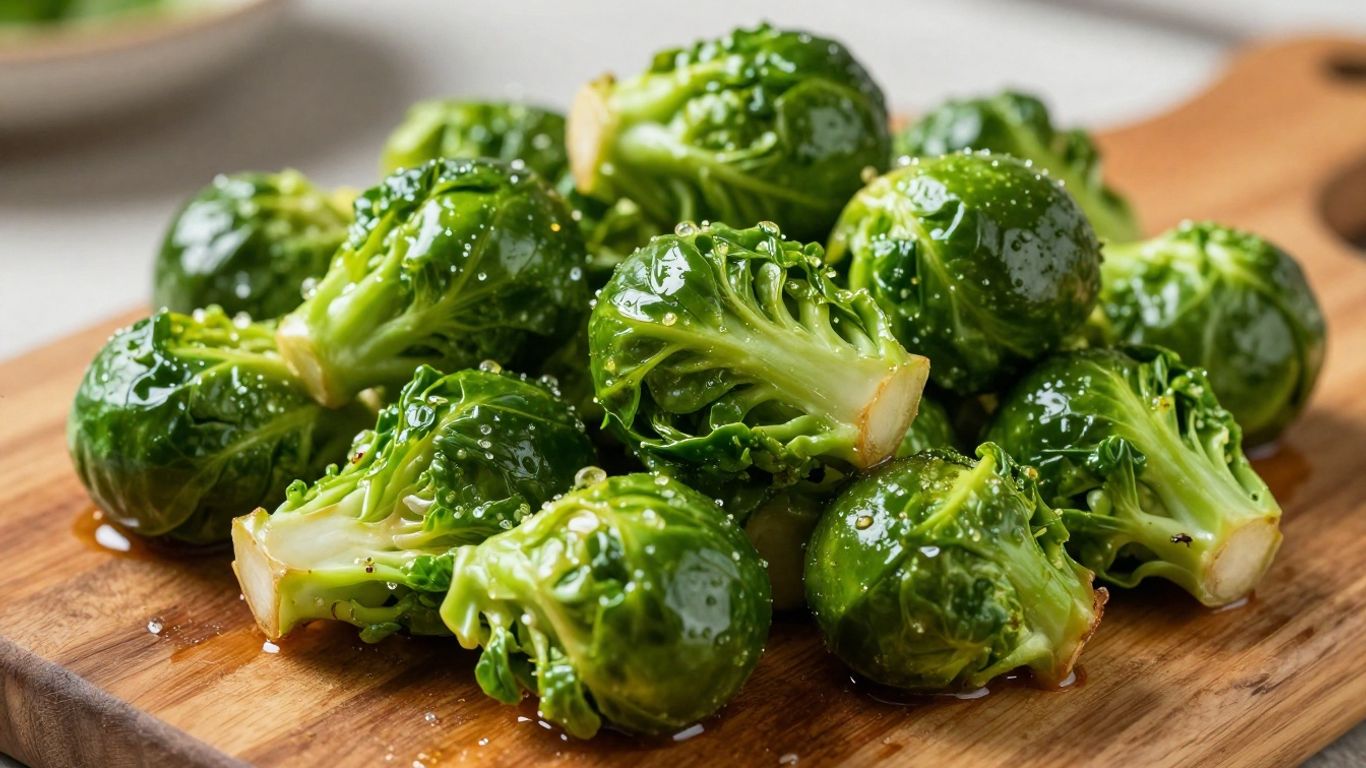
Brussels sprouts are little powerhouses of nutrients, and they can be surprisingly quick to cook when you know how. Roasting is your best friend here for speed and flavor. Toss them with a little olive oil, salt, and pepper, and they’re ready for the oven. They pair wonderfully with other roasted items, making them a perfect addition to a "thermal workflow sync" meal.
Here’s a quick rundown on getting them ready:
- Prep: Trim off the tough ends and remove any loose outer leaves. You can halve or quarter larger sprouts for faster cooking.
- Roast: Spread them on a baking sheet in a single layer. Aim for a hot oven, around 400°F (200°C).
- Timing: Smaller sprouts will be tender and slightly caramelized in about 20-25 minutes. Larger ones might need closer to 30 minutes. Give them a shake halfway through.
Don’t overcrowd the pan. Sprouts need space to roast and get those delicious crispy edges, rather than just steaming.
They offer a satisfying, slightly bitter counterpoint to richer flavors, and their compact size means they cook up in a flash, fitting right into that 10-minute rescue dinner goal.
10. Salmon Fillets
Salmon fillets are a fantastic choice for a quick and healthy meal. They cook up fast, usually in under 15 minutes, making them perfect for those busy weeknights.
The key is to not overcook them. Overcooked salmon becomes dry and tough. You’re looking for a flaky texture that still has a bit of moisture inside. A good rule of thumb is to cook them until they reach an internal temperature of 145°F (63°C), but you can pull them off the heat a few degrees sooner as they’ll continue to cook a bit from residual heat.
Here’s a simple way to prepare them:
- Preheat: Get your oven or skillet ready. For baking, preheat to 400°F (200°C). For pan-searing, heat a tablespoon of oil in a skillet over medium-high heat.
- Season: Pat the salmon fillets dry with a paper towel. This helps them get a nice sear or crisp up in the oven. Season generously with salt, pepper, and any other spices you like – lemon pepper, paprika, or garlic powder work well.
- Cook: Place the fillets skin-side down (if they have skin) in the hot skillet or on a baking sheet. Cook for about 4-6 minutes per side for pan-searing, or 12-15 minutes for baking, depending on the thickness.
- Check: The salmon should flake easily with a fork when it’s done. The flesh will turn from translucent pink to opaque pink.
Salmon is packed with omega-3 fatty acids, which are good for your heart and brain. It’s a protein powerhouse that cooks so quickly, you’ll wonder why you ever waited for takeout.
Looking for delicious and healthy meal ideas? Our section on "10. Salmon Fillets" offers simple ways to prepare this amazing fish. Salmon is packed with good stuff that helps your body feel great. Ready to try a new recipe that’s both tasty and good for you? Visit our website today to explore all our salmon ideas and more!
Bringing It All Together
So, there you have it. We’ve looked at how a little bit of planning, some smart prep, and understanding a few basic food science ideas can really change your weeknights. It’s not about becoming a gourmet chef overnight, but about making your time in the kitchen work for you, not against you. Remember those quick fixes for common dinner disasters? They’re there when you need them, but the real win is in preventing those moments in the first place. By spending just a few minutes each day, you can cut down on waste, reduce stress, and actually enjoy getting dinner on the table. Give it a try, and see how much smoother your evenings can become.
Frequently Asked Questions
What’s the main idea behind this 10-minute dinner plan?
The main idea is to use smart planning and food science to get dinner on the table super fast, usually in about 10 minutes of actual cooking time. It focuses on preparing ingredients ahead of time in ways that keep them fresh and make cooking quicker later.
How does this plan help save time?
It saves time by having you do small prep steps earlier in the week, like washing greens or portioning meat. This way, when it’s dinner time, you’re not starting from scratch. It also helps you avoid wasting food, which saves money and the time you’d spend re-shopping.
Is it okay to chop vegetables days before cooking?
It’s best not to chop most vegetables too far in advance. Some chopped veggies, like carrots, can lose important nutrients over time. It’s better to prep only what you plan to use within about two days to keep them fresh and nutritious.
What does ‘Cross-Utilization Matrix’ mean?
It means planning meals so that ingredients can be used in different ways throughout the week. For example, you might cook a batch of quinoa that can be used in a grain bowl one night and as a side dish another night. This reduces waste and makes cooking more efficient.
How does storing food properly help save time?
Storing food correctly, like keeping apples away from greens, helps prevent food from spoiling too quickly. When food lasts longer, you have more flexibility with when you cook it, and you’re less likely to have to throw food away and rush to replace it.
What is the ‘Flex Slot’ mentioned?
The ‘Flex Slot’ is a dinner plan for one night that doesn’t have a set recipe. Instead, you create a meal using ingredients you already have that need to be used soon, and it must be quick to make. It’s a flexible way to use up food and avoid waste.
Why is planning meals better than just picking something last minute?
Planning meals helps reduce stress and decision fatigue. When you don’t have to figure out what to cook every night, you save mental energy. Studies show that making unstructured choices can actually increase stress and lead to ordering takeout more often.
Can this plan really reduce food waste?
Yes, based on studies, this type of menu planning can significantly cut down on how much food you throw away each week. By planning what you’ll use and when, you’re much more likely to use ingredients before they go bad.