
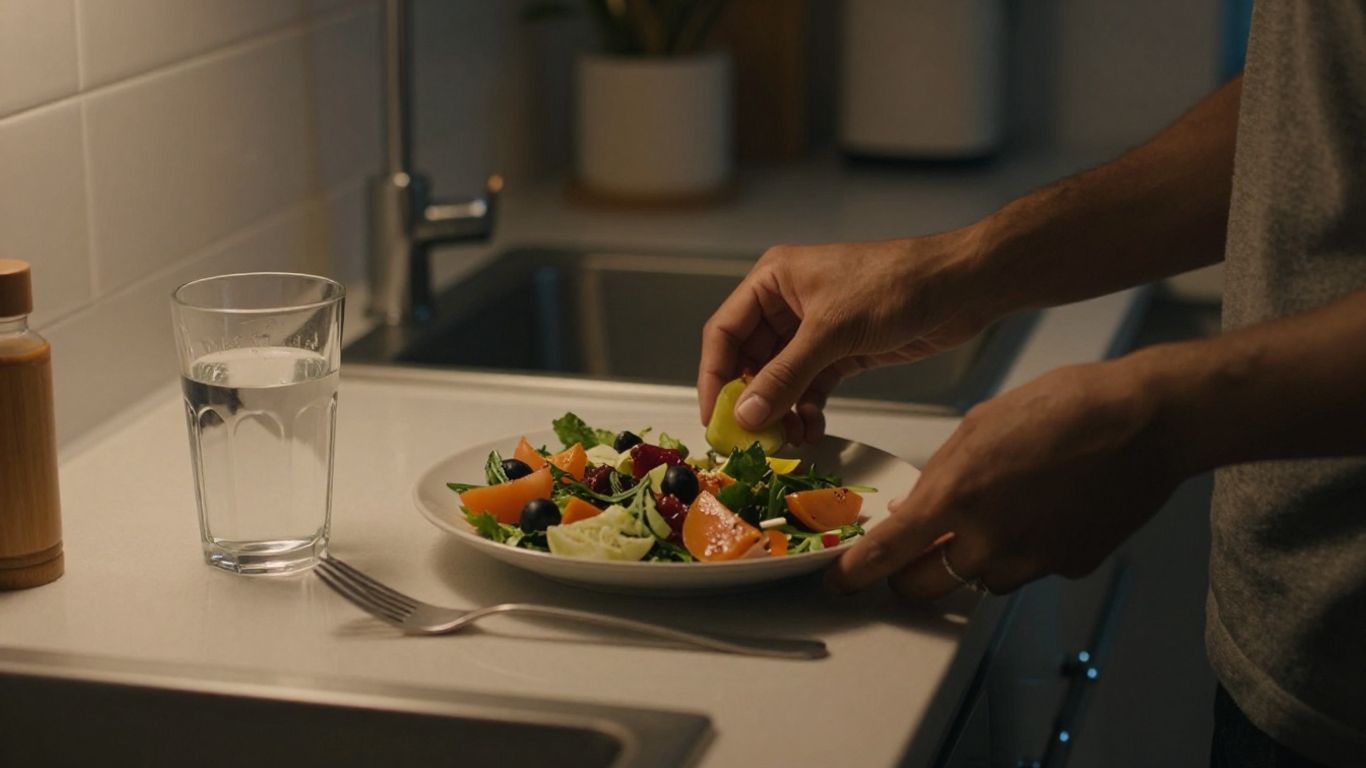
The steadiest way to eat on a night shift is to have your main meal before work, eat lighter during the early-morning hours, and finish with a small snack rather than a big meal before you sleep. Pack balanced, portable food so you are not relying on vending machines, and keep water within reach all shift.
Night work pushes your eating into hours when your body is wired to rest. You cannot fix that completely, but you can make it a lot easier on your energy, digestion and sleep.
Why night eating feels different
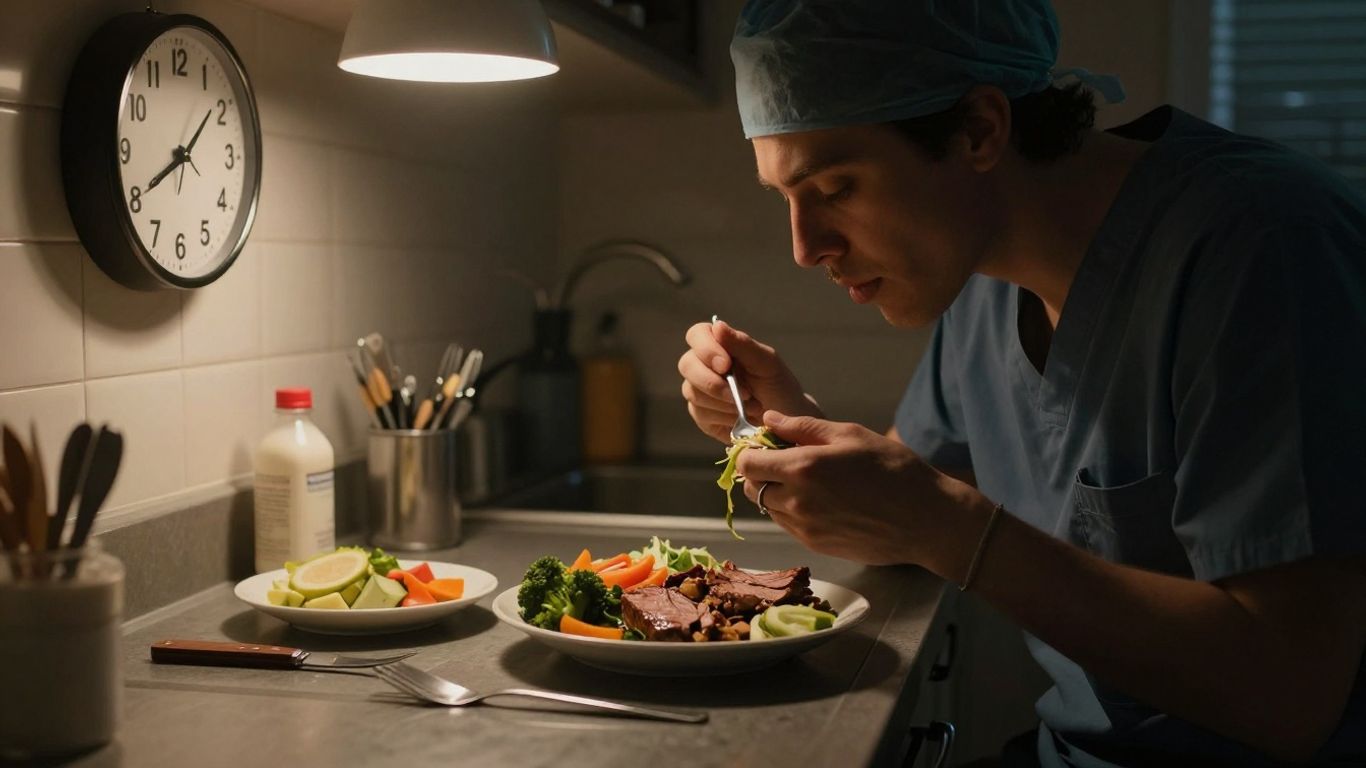
Your body clock expects food during the day and rest at night. When you eat a large meal at 3 a.m., digestion tends to feel slower and heavier, and many people notice more cravings and less satisfaction from food. Research also links shift work with a higher risk of weight gain and metabolic problems. A 2023 narrative review on nighttime eating in shift workers notes that shorter overnight fasting periods may contribute to these risks, while also stressing that more trials are needed before firm rules can be set.
The practical message: you do not need to fast through your shift, but it helps to make the middle of the night your lightest eating window, not your heaviest.
A meal timing plan that works for most night shifts
The U.S. National Institute for Occupational Safety and Health (NIOSH) training for shift workers suggests avoiding or reducing food intake between midnight and 6 a.m., keeping to a regular pattern of three meals in 24 hours, and eating more often when you need an energy boost. Here is one way to apply that to a typical 7 p.m. to 7 a.m. shift:
| Time | What to eat | Example |
|---|---|---|
| Afternoon, after waking | “Breakfast”: balanced meal | Eggs, whole-grain toast and fruit, or yogurt with oats and berries |
| 5 to 6 p.m. | Main meal before the shift | Chicken or lentil curry with rice and vegetables, or a big salad with beans and a grain |
| 10 p.m. to midnight | Light meal on break | Vegetable soup with a wrap, or a grain bowl |
| Midnight to 6 a.m. | Small snacks only if hungry | Fruit, vegetables with hummus, yogurt, a handful of nuts |
| After the shift | Small snack before sleep | Warm milk, toast with peanut butter, or a small bowl of cereal |
Adjust the times to your own schedule. The pattern matters more than the exact clock: bigger meals when you are awake in the late afternoon and evening, lighter food deep in the night.
What to eat during the shift
NIOSH recommends choosing foods such as vegetables, salads, vegetable soups and fruit during the shift, and avoiding sugar-rich and low-fibre carbohydrate foods, which it notes can increase sleepiness. Pair that with some protein and fibre so you stay full:
- Protein: eggs, Greek yogurt, cottage cheese, tuna, chicken, tofu, edamame, beans and lentils
- Fibre-rich carbohydrate: oats, whole-grain wraps, brown rice, quinoa, sweet potatoes, fruit
- Vegetables: soup, salad, raw veggies and dip, roasted vegetables in a bowl
Snack ideas that travel well
- Apple or pear with a cheese stick
- Hummus with carrots, cucumber and snap peas
- Greek yogurt with berries
- Roasted chickpeas or a small handful of nuts
- Whole-grain crackers with tuna or egg salad
- A thermos of vegetable or bean soup

Beating the 3 a.m. vending machine
The hardest hours are usually between 2 and 5 a.m., when you are tired and food is the easiest pick-me-up. A few guardrails help:
- Pack more than you think you need so the vending machine is never your only option.
- Plan one “treat” snack you actually enjoy, such as a square of dark chocolate with fruit, rather than resisting until you give in.
- Check in before you eat: are you hungry, thirsty, bored or sleepy? A glass of water, a short walk or a few minutes of fresh air can take the edge off.
- Eat with coworkers away from your workstation when you can. NIOSH suggests eating with colleagues in a pleasant setting away from the work site.
If evenings and nights often turn into decision spirals, our guide to buffer meals can help you set up a default plan.
Hydration through the night
Mild dehydration can feel like fatigue or hunger. Keep a refillable bottle at your station and sip regularly. Good choices include water, sparkling water, milk, and herbal teas such as peppermint or ginger. Caffeine can affect daytime sleep, so if you use it, keep it early in the shift. Taper fluids in the last hour or two so you are not up to use the washroom during your sleep.
The last meal before sleep
What you eat right before bed matters for daytime sleep. A study of 30 nurses working permanent night shifts found that both the timing and composition of the last meal before bed were linked to sleep: more fat and carbohydrate in that meal was associated with taking longer to fall asleep during the day. It is a small observational study, but it supports a sensible habit: keep the post-shift meal light and simple.
- Choose something small, such as toast with peanut butter, yogurt, or a bowl of cereal with milk.
- Skip greasy fast food on the drive home.
- Keep your bedroom dark and cool, and follow a short wind-down routine. Our evening shutdown ritual adapts well to a morning bedtime.
Days off and rotating shifts
On days off, aim to shift back toward daytime meals gradually rather than flipping your whole schedule in one day. If you rotate shifts, keep your meal pattern anchored to when you wake up: a balanced “breakfast” after waking, a main meal mid-way through your waking hours, and lighter food as you approach sleep.
Prep once, eat well all week
- Batch-cook a grain, a protein and roasted vegetables on your first day off.
- Portion soups and bowls into containers you can grab on the way out.
- Keep a “shift drawer” at work with shelf-stable backups: oatmeal cups, tuna packets, nuts, whole-grain crackers.
When to check with a professional
If you have diabetes, take medications that need to be timed with meals, have reflux or other digestive issues, or struggle with ongoing poor sleep, ask your doctor or a registered dietitian to help you build a plan around your specific shift pattern.
Key takeaways
- Eat your main meal before the shift, not in the middle of the night.
- Keep midnight to 6 a.m. light: vegetables, fruit, soup, yogurt and small protein snacks.
- Pack enough food that the vending machine is never your only option.
- Sip water and herbal tea through the shift; keep any caffeine early.
- End with a small, light snack so you can sleep well during the day.