
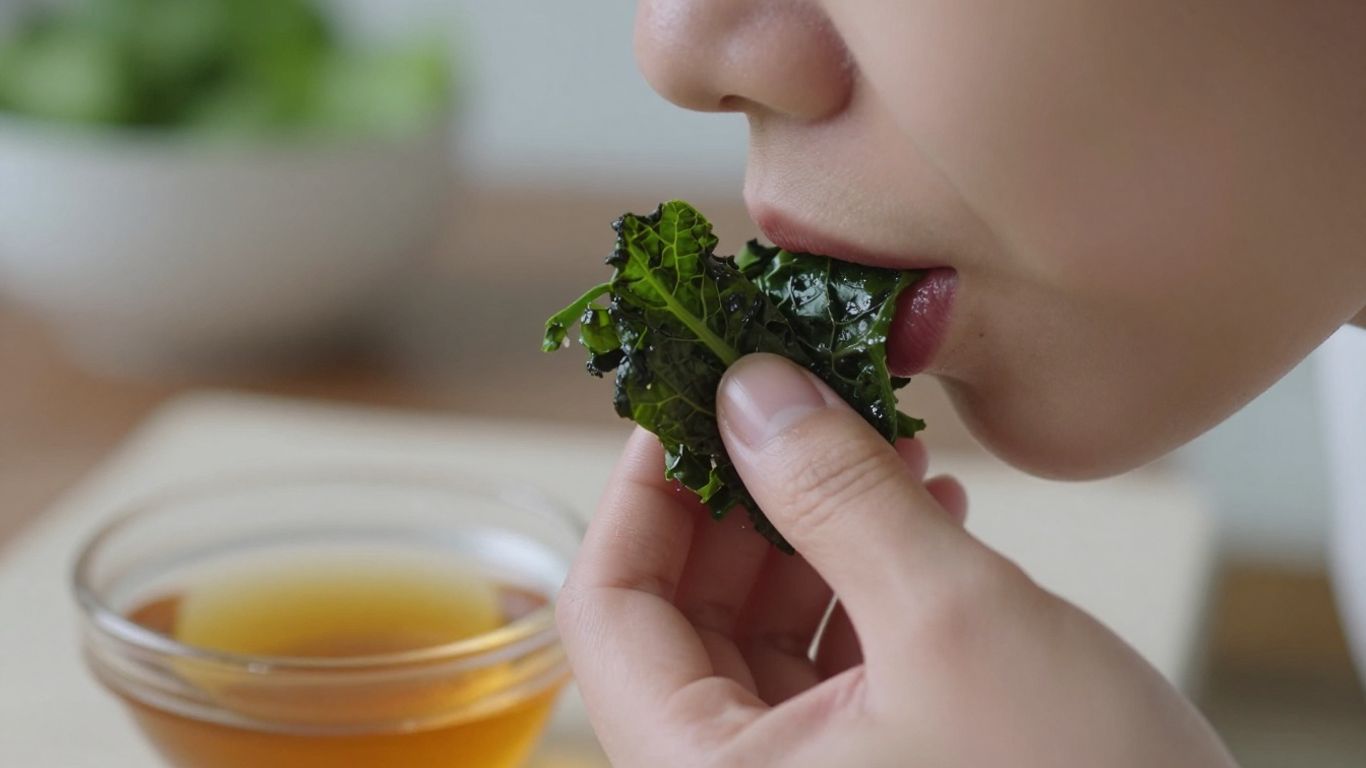
You can learn to like bitter foods such as kale, arugula, Brussels sprouts, radicchio and grapefruit. The approach that works best is small, repeated tastes, paired at first with flavours you already enjoy (“training wheels”) and then gradually reduced. “Recipe bridges” such as roasting, a squeeze of citrus, a little sweetness, salt or a savoury sauce soften bitterness while your palate adjusts.

Why bitter is hard at first
Humans are wired to approach sweet and salty tastes and to be cautious about bitter ones, which in nature can signal something harmful. Genes also play a part. Variations in a bitter taste receptor gene called TAS2R38 make some people far more sensitive to the bitter compounds in vegetables like broccoli and kale. In a study of nearly 500 adults in a nutrition counselling program, people with the less sensitive versions of the gene increased their vegetable intake more than those who perceived bitterness strongly. If greens taste harsher to you than to others, that’s real, and it means a gentler approach will help.
Why it’s worth the effort
Many of the most nutritious vegetables carry some bitterness: dark leafy greens, cruciferous vegetables such as broccoli, Brussels sprouts and cabbage, and chicories like endive and radicchio. Canada’s Food Guide encourages filling half your plate with vegetables and fruits, and that is much easier when more vegetables are on your “like” list. These vegetables are also filling and low in energy for their volume, which helps with weight goals.
Repeated exposure: the main tool
Liking often follows familiarity. A systematic review and meta-analysis in the American Journal of Clinical Nutrition found that repeated exposure increased both liking and intake of vegetables compared with no exposure, and that exposure to a variety of vegetables also increased acceptance of new ones. The effects were modest and most studies involved children, but the principle is simple and low-risk for adults too: keep tasting.
In practice:
- Small amounts. A forkful or two is enough. The goal is a neutral or positive experience, not finishing a plate.
- Often. Aim for several tastes a week rather than one big attempt a month.
- Same food, different preparations. Raw kale, sautéed kale and kale chips are different experiences.
- No pressure. Not liking something yet is part of the process.
Training wheels: a step-down plan
Start with bitter foods mixed into something you already enjoy, then slowly increase the bitter part over a few weeks.
| Week | Bitter share | Example |
|---|---|---|
| 1–2 | About 10–20% | A handful of arugula mixed into romaine; spinach blended into a fruit smoothie |
| 3–4 | About 30–40% | Half-and-half spinach and kale in a salad; roasted Brussels sprouts with sweet potato |
| 5–6 | About 50% | Kale salad with apple and a creamy dressing |
| 7+ | Most of the dish | Arugula salad with lemon; grilled radicchio as a side |
Move at your own pace. If a step feels unpleasant, stay there for another week.
Recipe bridges that tame bitterness
Heat and browning
Roasting, grilling and air frying caramelise natural sugars, which balances bitterness. Brussels sprouts roasted cut side down until deeply golden taste very different from boiled ones. Our air fryer timing guide includes times for Brussels sprouts and broccoli.
A little sweetness
Fruit is the easiest bridge: kale with apple or pear, arugula with strawberries, radicchio with orange segments, endive with grapes. A drizzle of honey or maple syrup in a dressing also helps.
Acid
Lemon juice, lime juice and vinegar brighten bitter greens and make bitterness seem less dominant. Finish sautéed greens with a squeeze of lemon.
Salt and umami
A pinch of salt reduces perceived bitterness. Savoury ingredients such as parmesan, miso, soy sauce, mushrooms and tomato paste have a similar effect.
Fat and creaminess
Olive oil, avocado, tahini, nuts and yogurt-based dressings coat the palate and soften harsh edges. Massaging raw kale with a little oil and salt for a minute or two makes it tender and milder.

Bitter foods from mildest to boldest
- Mild: spinach, bok choy, romaine, cauliflower, zucchini
- Moderate: broccoli, kale, cabbage, Brussels sprouts, arugula, cranberries
- Bold: radicchio, endive, dandelion greens, rapini (broccoli rabe), grapefruit, 85% dark chocolate
- Very bold: bitter melon
Work your way down the list, using bridges at each level.
Five bridge recipes to try
- Kale and apple salad: massaged kale, thin apple slices, toasted pumpkin seeds, lemon-maple dressing.
- Caramelised Brussels sprouts: halved, roasted at 200°C (400°F) until golden, tossed with balsamic vinegar and a few dried cranberries.
- Arugula and strawberry plate: arugula, strawberries, a sprinkle of feta, balsamic and olive oil.
- Garlicky rapini: blanched, then sautéed with garlic, chili flakes and a squeeze of lemon; toss with whole-wheat pasta and white beans.
- Grapefruit and orange salad: mixed citrus segments with mint and a little honey.
Bitter greens like kale and radicchio also hold up well in make-ahead lunches; see salad-jar science for layering tips.
Common mistakes
- Starting with the boldest food. Begin with mild greens and work up.
- Overcooking. Long boiling can make cruciferous vegetables smell and taste stronger. Roast, steam briefly or sauté instead.
- Burying it completely. Hiding vegetables in sauces adds nutrients, but you also need to taste them to learn to like them.
- Giving up after one try. It usually takes many exposures.
Track your progress
Keep a simple note on your phone: the food, how it was prepared, and a rating from 1 to 5. Over a month you’ll often see ratings rise, and you’ll learn which bridges work best for you. Note what you paired the food with, too. If roasted Brussels sprouts with maple scored a 4 but steamed ones scored a 2, you have a clear direction for next week.
Quick takeaways
- Bitter sensitivity is partly genetic; a gradual approach works best.
- Small, frequent tastes build liking over time.
- Start with bitter foods mixed into favourites, then increase the share over weeks.
- Use bridges: browning, fruit, acid, salt, umami and healthy fats.
- Progress from mild greens to bolder ones, and track your ratings.
FAQ
How many tries does it take to like a new vegetable?
There’s no fixed number. Research on repeated exposure suggests liking builds gradually over many tastes, so plan on several weeks of small, regular tries rather than expecting a change after two or three attempts.
Is it okay to keep using sweet or creamy bridges?
Yes. A little dressing, cheese or fruit that helps you eat more vegetables is a good trade. Over time you may find you need less of it, but there’s no rule that bitter foods must be eaten plain.
What about children?
The same steps work for families: offer small portions alongside familiar foods, eat the vegetable yourself, and avoid pressuring or bribing. Most repeated-exposure research has been done with children, and patience pays off.