
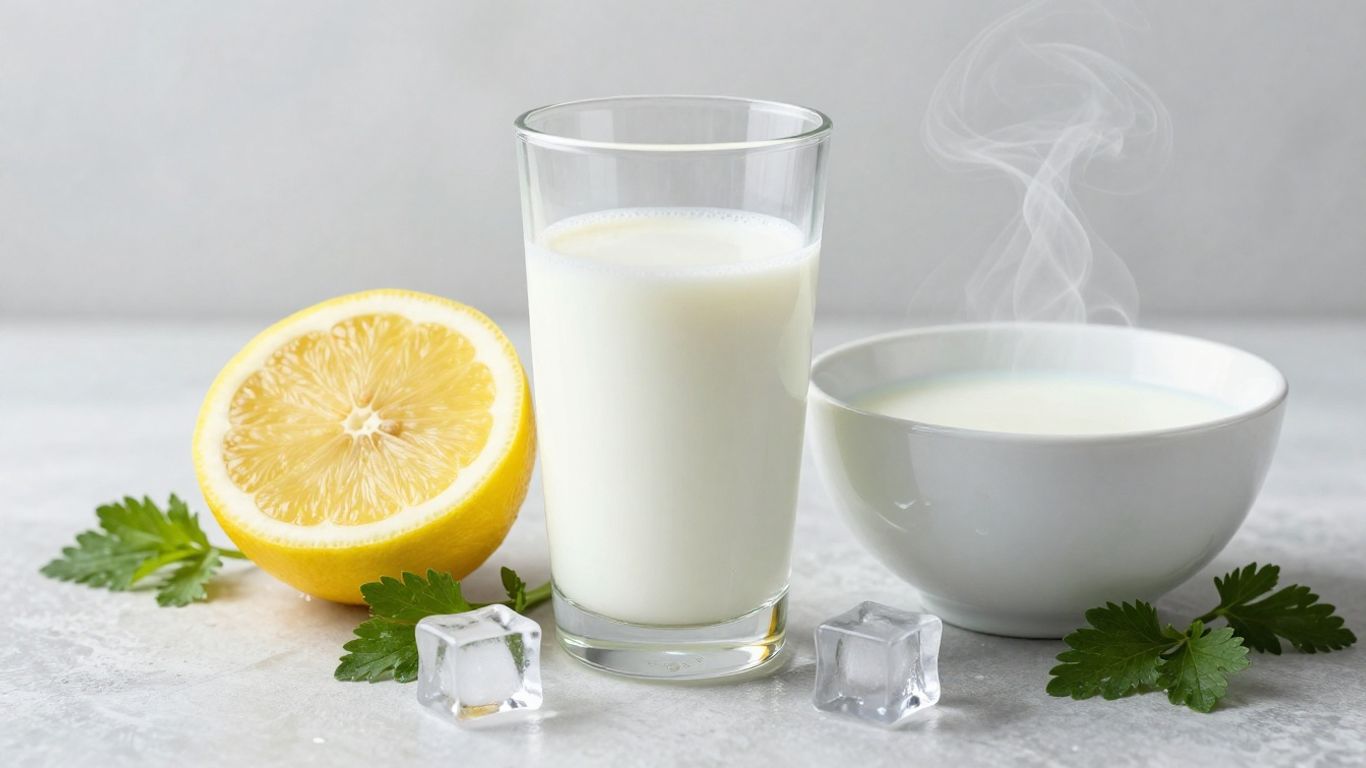
For most everyday situations, you don’t need special electrolyte powders: ordinary foods and drinks supply the sodium, potassium, magnesium and calcium your body uses to manage fluid. Broths and lightly salted foods provide sodium; citrus, fruit, vegetables, beans and dairy or fortified plant milks provide potassium and calcium. Water plus regular meals covers most people, with extra salt and fluid mainly needed after heavy sweating or illness.

What “hydration salts” actually do
Electrolytes are minerals that carry an electrical charge in body fluids. They help control where water sits in the body and support nerve and muscle function.
- Sodium is the main electrolyte lost in sweat and helps the body hold on to fluid.
- Potassium works alongside sodium, and diets higher in potassium are linked with lower blood pressure.
- Magnesium and calcium support muscle contraction and relaxation.
Most Canadians already get more sodium than they need. Health Canada’s 2017 report on sodium intake estimated average intake at about 2,760 mg a day, above the 2,300 mg upper limit, with bakery products, mixed dishes and processed meats as the largest sources. Potassium is the opposite story: Harvard Health notes that most people get far less than recommended, and that fruits, vegetables, beans and some seeds are good ways to get more. So for everyday hydration, aim for whole foods rich in potassium, and use salt deliberately rather than relying on salty packaged snacks.
When you may need more
The NHS dehydration guidance suggests drinking enough through the day that your urine is a pale colour, and drinking more when you’re sweating from hot weather or exercise, or losing fluid through vomiting or diarrhoea. In those situations, adding a salty food or a broth to your water helps replace what sweat removes. For illness with vomiting or diarrhoea, the NHS recommends oral rehydration solutions from a pharmacy, which are formulated with the right balance of sugar and salts.
Broths: the easiest sodium source
A warm mug of broth provides fluid and sodium together, and it is gentle on the stomach.
- Homemade vegetable broth: simmer onion, carrot, celery, mushrooms and herbs; season to taste.
- Chicken or bone broth: adds a little protein along with sodium.
- Miso soup: stir a spoonful of miso into hot (not boiling) water with green onion and tofu.
- Low-FODMAP option: if onion and garlic upset your stomach, use the green tops of leeks or green onions, carrots, celery leaves and herbs.
Store-bought broths vary widely in sodium. Compare labels and choose reduced-sodium versions for everyday use, saving regular broth for after long, sweaty workouts or sick days.
Citrus and fruit for potassium
- Orange juice provides potassium and vitamin C. A small glass alongside a salty snack makes a simple after-exercise combination.
- Lemon or lime water doesn’t add many electrolytes, but it makes plain water more appealing, which often means you drink more of it.
- Whole fruit: bananas, cantaloupe, kiwi, oranges and dried apricots add potassium plus water and fibre.
Simple homemade citrus electrolyte drink
For a long hike or a hot afternoon of yard work:
- 2 cups (500 mL) water
- ½ cup (125 mL) orange juice
- 2 tbsp lemon or lime juice
- A small pinch of salt
- 1 to 2 tsp honey or maple syrup (optional)
Stir until dissolved and chill. This is a refreshing everyday drink, not a medical rehydration solution; use a pharmacy product when you are ill.
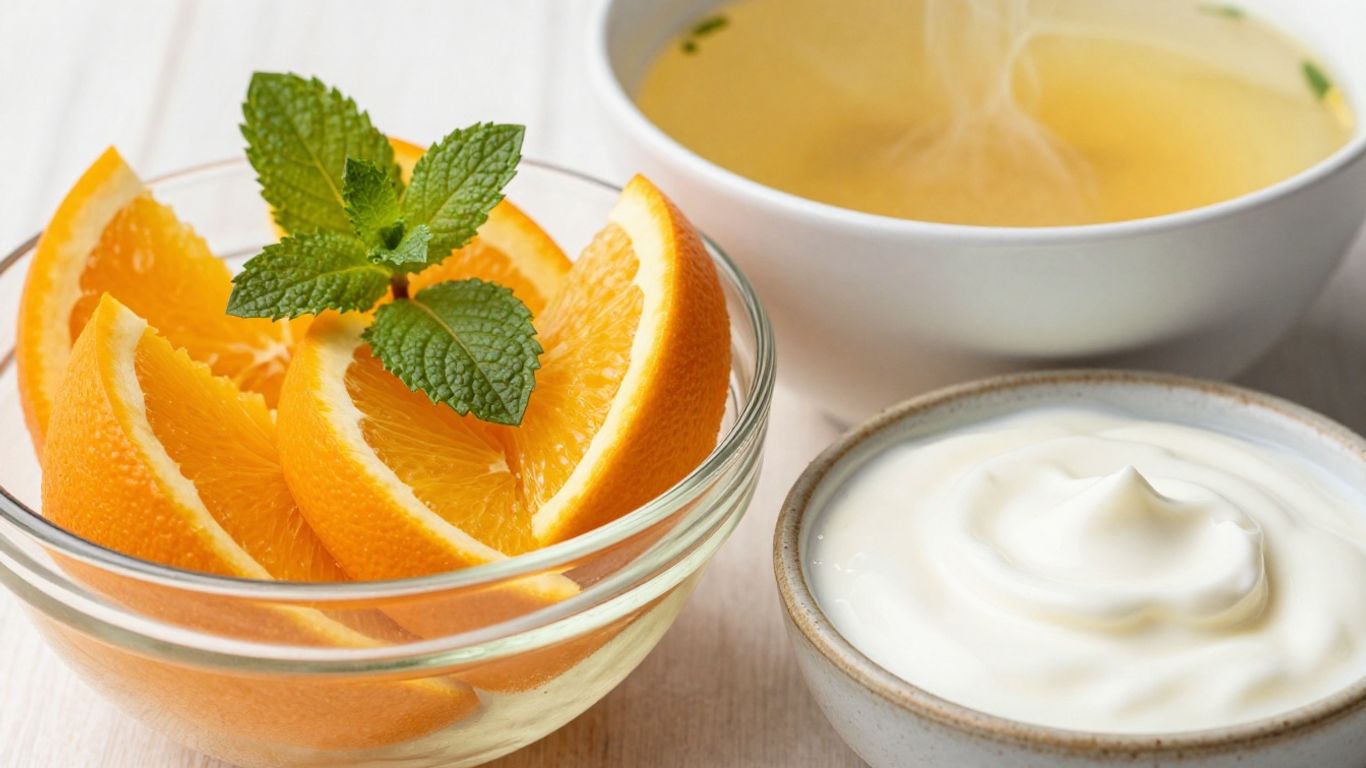
Dairy and dairy-free options
Milk naturally contains water, sodium, potassium and calcium, along with protein, which makes it a useful drink after exercise. If you avoid dairy:
- Fortified soy beverage is the plant milk closest to cow’s milk for protein; check the label for added calcium.
- Coconut water is naturally high in potassium but low in sodium, so pair it with a salty snack after heavy sweating.
- Smoothies made with fortified plant milk, banana, spinach and frozen berries provide fluid, potassium and magnesium together.
- Yogurt (dairy or fortified plant-based) adds calcium and potassium to a snack.
Food pairings that work
| Situation | Food and drink combination |
|---|---|
| Everyday hydration | Water with meals that include vegetables, fruit and beans |
| After a sweaty workout | Glass of milk or fortified soy beverage + banana + a few salted crackers |
| Long hike or hot day | Homemade citrus drink + trail mix with salted nuts and dried apricots |
| Feeling run down | Mug of broth + toast or rice; herbal tea such as peppermint or ginger |
| Afternoon snack | Pickles or olives with whole-grain crackers and an orange |
For more on fuelling outdoor activity, see hike fueling: portable foods and hydration timing. When you’re unwell, our sick-day playbook covers gentle meals and fluids.
Other mineral-rich foods to rotate in
- Potassium: potatoes and sweet potatoes, squash, spinach, beans, lentils, tomatoes.
- Magnesium: pumpkin seeds, almonds, oats, beans, leafy greens.
- Sodium (in moderation): pickles, olives, seaweed snacks, salted rice crackers, a pinch of salt on oatmeal or roasted vegetables.
Skipping alcohol also helps: the NHS lists it as a cause of dehydration, and avoiding it supports better sleep and steadier energy.
When to check with a professional
- You have kidney disease, heart failure or high blood pressure, or take medication that affects potassium or fluid (such as some blood pressure drugs or diuretics). Harvard Health notes that extra potassium can be harmful for people with kidney problems, and potassium supplements should only be taken on a doctor’s advice.
- You’ve been told to limit fluids or sodium.
- You have signs of dehydration that don’t improve, such as dizziness on standing, dark urine or passing very little urine. The NHS advises emergency help if dehydration comes with confusion, unusual sleepiness, difficulty breathing, or cold, blotchy or bluish skin.
- You regularly cramp or feel faint during exercise.
Quick takeaways
- Water and balanced meals cover hydration for most people on most days.
- Use pale-yellow urine as a simple check.
- Broths are an easy source of fluid plus sodium; choose reduced-sodium for everyday use.
- Fruit, vegetables, beans and dairy or fortified soy beverage supply potassium and calcium.
- Add salt and fluid after heavy sweating; use pharmacy rehydration solutions when ill.
- Check with your doctor first if you have kidney, heart or blood pressure concerns.
FAQ
Do I need electrolyte drinks for a regular workout?
For most moderate workouts of an hour or less, water is enough, followed by a normal meal or snack. Extra electrolytes matter more for long or very sweaty sessions, especially in heat.
Does herbal tea count toward hydration?
Yes. Caffeine-free herbal teas such as peppermint, ginger, rooibos or chamomile count as fluid, and they can be enjoyed hot or iced. Milk, soups and water-rich fruit also count.
Is sea salt or pink salt better for electrolytes?
Not in any meaningful way. Specialty salts are still mostly sodium chloride, and the trace minerals they contain are tiny compared with what you get from fruit, vegetables, beans and dairy.