
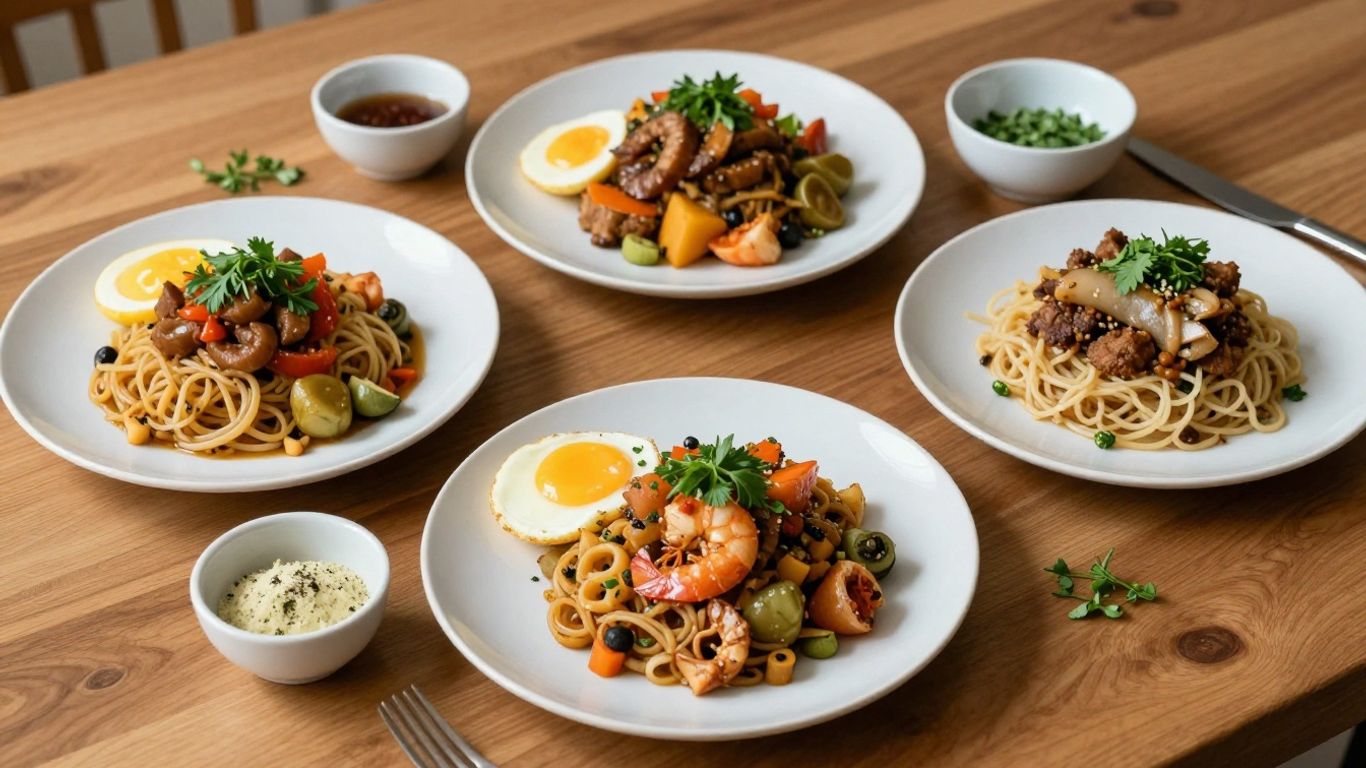
Ever find yourself staring at a fridge full of leftovers, wondering what to do with them? Leftover engineering is all about turning yesterday’s prep into new meals—saving time, money, and stress. Whether you’re running a kitchen or just cooking for your family, learning how to cook once and eat three times can make life easier and a lot more interesting. Let’s break down how you can make leftovers work for you, not against you.
Key Takeaways
- Batch cooking helps you use ingredients more efficiently and reduces kitchen stress.
- Smart menu planning lets you turn one main protein into several different meals.
- Choosing recipes that scale well means less waste and easier prep for everyone.
- Tracking food costs and using tech tools can help you get the most from your ingredients.
- Good packaging and clear instructions make leftovers just as tasty when reheated at home.
Mastering Leftover Engineering for Efficient Kitchen Operations
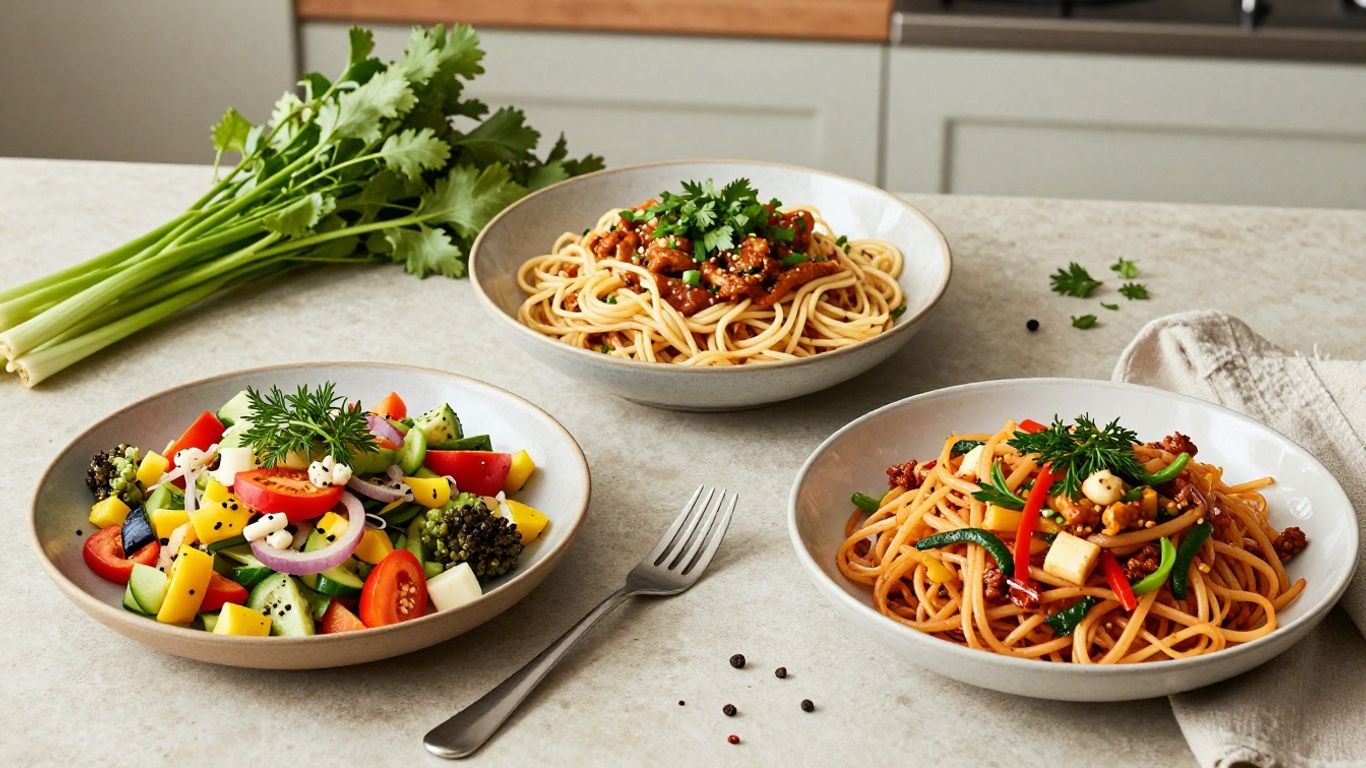
Leftover engineering isn’t just about making sure yesterday’s pot roast doesn’t go to waste. It’s a kitchen mindset that turns every batch of food into the potential for something new, practical, and profitable. Whether you cook at home or manage a restaurant, this outlook saves time, shrinks costs, and keeps both staff and customers happy. The real challenge? Setting up processes so your team can get creative and organized at the same time.
Batch Cooking Strategies to Maximize Ingredients
Batch cooking is the foundation here. You’re taking large amounts of raw materials, turning them into core components, and getting ready for several days of easy meal builds. When you know how much you’re prepping—and what you can do with it—you avoid both waste and last-minute scrambles.
Start with proteins, grains, and vegetables you know you can use several ways. For example:
- Roast a big tray of chicken, then use it for salads, filling for wraps, and as a pizza topping
- Cook a large pot of grains (rice, quinoa, farro) and use over multiple days in bowls, soups, and stir-fries
- Slow-cook a tough cut of meat, then split it into tacos, stews, or pasta sauces
Besides ensuring consistency, batching brings down per-meal labor and guesswork. You also get to make the most out of supplier minimums, so nothing sits around past its prime.
Menu Planning for Multi-Use Components
Strategic menu planning means thinking ahead before any food hits the prep table. Planning what ingredients will cross over into multiple dishes gives you room to be flexible, keep things interesting, and reduce waste.
Here’s a simple planning table for one main protein, mapped into three days:
| Day | Protein Base | Transformations |
|---|---|---|
| Monday | Braised Pork | Pork tacos, noodle bowls, breakfast hash |
| Tuesday | Grilled Chicken | Grain bowl, Caesar salad, flatbread |
| Wednesday | Roasted Cauliflower | Curry, pita wrap, grain salad |
Consider these steps:
- Identify your prime proteins/veggies for the week
- List at least three applications for each
- Sketch out any extra sauces, toppings, or carb bases needed
This way, your menu feels broad but your kitchen stays focused.
Optimizing Production Schedules for Minimal Waste
Efficient leftover engineering means knowing not only what to cook, but when. Getting your production schedules right allows you to work smarter, batch-prep in off-hours, and keep food moving before it spoils.
- Schedule big batch cooks for one or two days a week
- Assign quick-turn assembly and finishing to busy service times
- Monitor par levels and adjust output based on changing demand
Planning ahead doesn’t just save food; it frees up staff to focus on quality and service rather than last-minute problem-solving.
With a clear schedule, you can boost consistency, use labor more efficiently, and keep your eye on quality. In the end, it’s all about having the confidence to create bold, fresh meals night after night—with half the stress and almost no waste.
Streamlining Prep with Batchable and Scalable Dishes
Making prep in the kitchen more efficient isn’t about flashy techniques—it’s about breaking tasks into manageable chunks. The right approach means less stress for staff, smarter use of ingredients, and consistent food quality. Batch-cooking and scalable meals keep operations simple and costs in check.
Choosing Recipes for Large-Scale Cooking
Not every recipe works when you need to cook for a crowd or prepare ahead. The trick is to focus on dishes that multiply well and don’t lose their character when reheated or held in a warming tray.
- Stews and braised proteins, like pulled chicken or beef, maintain flavor over time.
- Casseroles, lasagnas, and baked grains are easy to portion and serve.
- Sauces and dressings made in bulk save labor and reduce waste.
Batching sauces and proteins lets you create multiple meals from a single prep session, using ingredients efficiently.
Family-Style Meals and DIY Kits
Family-style platters and at-home kits work for many reasons. These kits offer variety, simplicity, and a shared experience for customers. They also streamline workflow and packaging in the kitchen.
Here’s why they’re smart:
- Easier prep and packaging—one pan, many portions.
- Fewer steps per order.
- Customers enjoy interactive meals at their pace.
A quick example table to show labor and material savings:
| Approach | Avg. Prep Time | Packaging Items Used |
|---|---|---|
| Individual Meals | 90 min | 60 |
| Family Kits | 60 min | 20 |
Family-style options not only save time, but they often bring people together around the table—even if it’s a takeout table.
Advantages of Grain Bowls, Braised Proteins, and Cold Salads
When planning your batchable menu, focus on items that hold up well after cooking, can be served hot or cold, and offer a variety of flavor combinations.
- Grain bowls: Easy to prep in bulk and customizable for different diets.
- Braised proteins: These can be reused in tacos, sandwiches, or over grains.
- Cold salads: No reheating needed; just toss and serve.
Cold salads and hearty bowls also fit delivery trends—these dishes survive the trip to a customer’s door in top shape.
In short, prepping batchable dishes means you cook once, stretch your ingredients further, and serve customers food that stays tasty no matter when they eat.
Transforming Proteins: Three Dinner Concepts from One Main
Repurposing Braised Beef Across Distinct Meals
When you make a big batch of braised beef, like a pot roast or shredded barbacoa, you’re setting yourself up for success over the next few days. This one protein can be the star of multiple meals without feeling repetitive. Think about it: the rich, tender beef from Sunday’s dinner can easily become the filling for Monday’s tacos or a hearty topping for a loaded baked potato on Tuesday. The key is in how you prepare and present it each time.
- Sunday Dinner: Serve the braised beef as is, perhaps with mashed potatoes and roasted vegetables. This is the classic, comforting presentation.
- Monday Tacos: Shred the leftover beef, warm it with some of its own juices or a bit of taco seasoning, and serve in tortillas with your favorite toppings like salsa, onions, cilantro, and a squeeze of lime.
- Tuesday Loaded Potatoes: Pile the warmed, shredded beef onto baked potatoes, then add cheese, sour cream, chives, or even some of that leftover roasted vegetable mix.
The beauty of braised beef is its versatility. It holds up well to reheating and absorbs flavors beautifully, making it a perfect candidate for transforming into entirely different dishes.
Chicken: From Roast Night to Versatile Leftovers
Roasting a whole chicken is a fantastic way to get multiple meals. After the initial roast, you’ll have plenty of meat for sandwiches, salads, or even a quick pasta dish. Don’t forget the carcass – it’s gold for making stock, which can then be used as a base for soups or sauces later in the week.
Here’s a simple breakdown:
- Roast Chicken Dinner: Enjoy the chicken as a centerpiece with sides.
- Chicken Salad Sandwiches: Chop or shred leftover chicken, mix with mayonnaise, celery, and seasonings for a quick lunch.
- Chicken Noodle Soup: Use homemade chicken stock (from the carcass) and add shredded chicken, vegetables, and noodles for a comforting soup.
The leftover chicken meat is incredibly adaptable, fitting into a wide range of culinary applications with minimal extra effort.
Plant-Based Bases with Flexible Applications
This approach isn’t just for meat-eaters. Plant-based proteins and hearty vegetables can also be batch-cooked and repurposed. Think about a large pot of seasoned lentils, a big batch of roasted sweet potatoes, or a generous portion of quinoa. These can form the foundation for various meals throughout the week.
- Lentil Shepherd’s Pie: Use seasoned lentils as the base, topped with mashed potatoes.
- Sweet Potato & Black Bean Bowls: Combine roasted sweet potatoes with black beans, corn, and a lime dressing for a vibrant bowl.
- Quinoa Salad: Mix cooked quinoa with chopped vegetables, herbs, and a vinaigrette for a refreshing salad.
These plant-based staples offer a healthy and flexible way to create diverse meals from a single preparation.
Enhancing Profitability Through Recipe Optimization
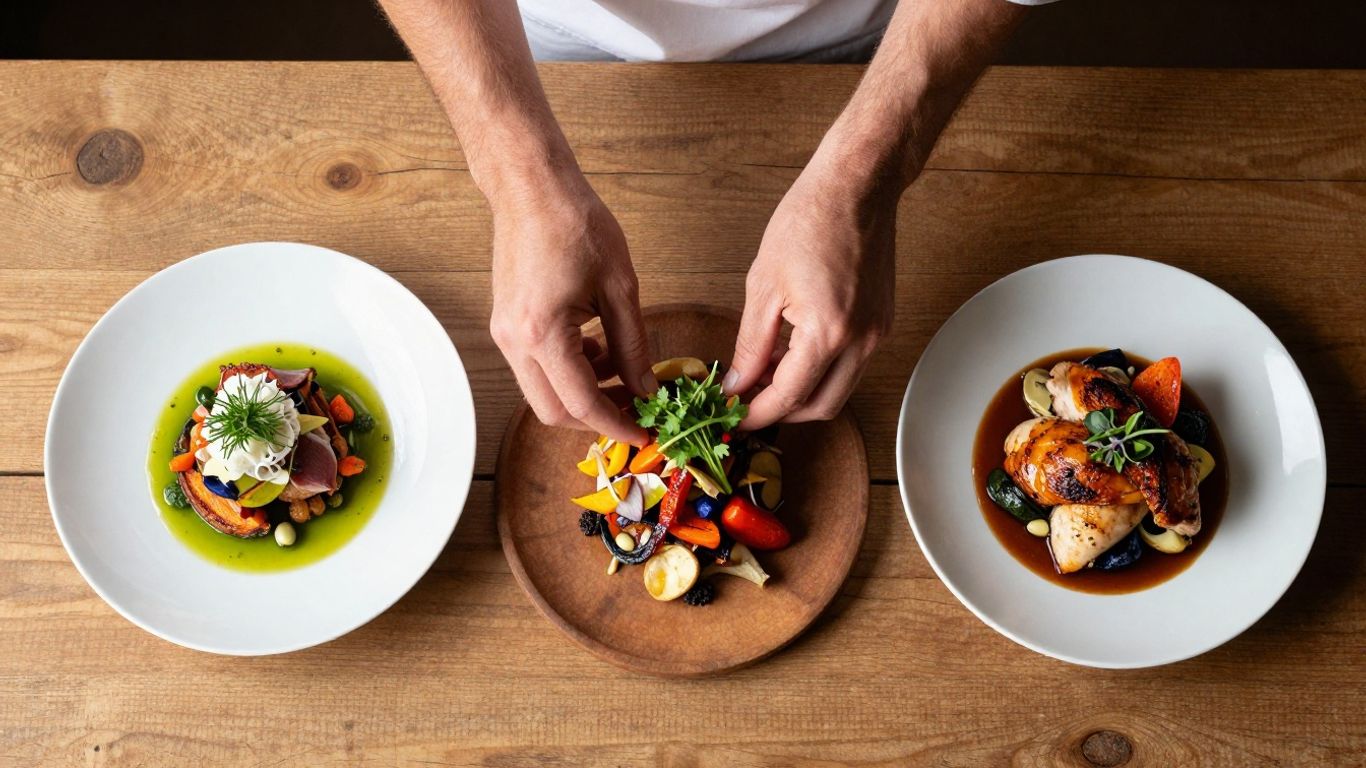
Increasing profit margins in the kitchen isn’t just about charging more for food—it’s about running a smarter menu. When you know your numbers, it’s a lot easier to see where you can save, what you can cut, and which dishes really do the heavy lifting for your business. Here’s how you can make the most out of every ingredient and recipe.
Cost-Effective Ingredient Selection
You want to make every purchase count. That means picking ingredients that perform well across dishes, keep well in storage, and don’t tie up too much cash. Batch-cooking base staples, like braised meats or hearty grains, helps stretch your budget across multiple meals.
Key steps for picking cost-effective ingredients:
- Look for items that can star in more than one dish throughout the week.
- Favor products that store or freeze well, so you avoid last-minute spoilage.
- Monitor supplier prices regularly—swap out anything that suddenly becomes expensive.
Here’s a simple comparison table to map high- and low-margin ingredient choices:
| Ingredient | Cost per Unit | Shelf Life | Uses in Menu |
|---|---|---|---|
| Braised Chuck | $3.20/lb | 5 days (fridge) | Tacos, Salad, Pasta |
| Fresh Herbs | $1.75/bunch | 2 days | Garnish Only |
| Brown Rice | $0.60/lb | 6 months | Bowls, Sides |
Adapting Menus for Higher Margins
You can make just as much—or more—by cutting down your menu and focusing on the winners. Pivot recipes quickly when prices jump, and remember: you don’t have to be everything to everyone. If a dish earns less per order, save it for special occasions, or retire it altogether.
- Trim low-margin plates as ingredient costs rise.
- Update the menu weekly to highlight the most profitable dishes.
- Encourage add-ons and meal kits that bundle high-margin items.
Streamlining recipes and menus isn’t about restriction—it’s about running leaner, smoother, and getting paid what your food is worth.
Using Data and Tools to Track Food Costs
Manually tracking costs used to be a nightmare, but new platforms make it so much easier. Use a recipe costing tool that lets you plug in ingredient prices, so you instantly see your margin. This lets you spot trouble before it drains your cash flow—think of it like checking your bank account before you hit "buy."
Core benefits:
- Track ingredient changes in real time.
- Instantly update recipes when you swap or sub out an item.
- Project batch costs for the week and synchronize with your expected sales.
When you treat recipe optimization like a routine checkup, you’re way less likely to get sideswiped by surprise costs—and your profits will thank you.
Reducing Food Waste with Strategic Stock Management
Managing your inventory smartly is a big part of cutting down on waste. It’s not just about buying less; it’s about buying the right things and using them up before they go bad. Think about what you’re stocking and how it fits into your cooking plans.
Prioritizing Ingredients That Store and Freeze Well
When you’re planning your meals and buying supplies, it makes sense to focus on ingredients that have a good shelf life or can be frozen without losing too much quality. This gives you flexibility. If you buy a bit too much of something, you know you can store it for later. This is especially true for proteins and many vegetables. For example, a big batch of braised beef or chicken can be frozen in portions for future meals. Root vegetables like carrots and potatoes, and even things like peas and corn, freeze really well. This means you’re not pressured to use everything up immediately, which often leads to food getting tossed.
Cross-Utilization of Ingredients in Multiple Recipes
This is where smart planning really pays off. If you can use the same ingredient in several different dishes throughout the week, you’ll naturally use up your stock faster and reduce waste. For instance, if you buy a large bunch of cilantro for one dish, think about how else it could be used. Maybe it can be a garnish for tacos, a component in a salsa verde, or even blended into a pesto for pasta. The more ways an ingredient can be incorporated, the less likely it is to end up in the bin. It’s about seeing ingredients not just for one meal, but for their potential across the entire menu.
Leveraging Local Vendors and Farmers Markets
Sometimes, buying in bulk from big suppliers means you end up with more than you can use, and that excess often goes to waste. Working with local vendors or visiting farmers markets can offer a different approach. You might be able to buy smaller quantities that are just right for your needs. Plus, you’re often getting fresher ingredients that might last a bit longer. It’s a win-win: you reduce waste by buying what you need, and you support your local community. It also gives you a great story to tell your customers about where your food comes from.
Making conscious choices about what you stock and how you use it is key. It’s about being resourceful and thinking ahead. This approach not only saves money by reducing waste but also makes your kitchen operations smoother and more predictable. It’s a practical way to be more sustainable and efficient.
Here are some things to keep in mind:
- Assess your storage: Do you have adequate freezer and refrigerator space for ingredients that need it?
- Track your inventory: Know what you have on hand before you buy more. Simple spreadsheets or inventory apps can help.
- Plan for perishables: If you buy items that spoil quickly, make sure they are scheduled for use in the first few days of your cooking cycle.
- Consider trim waste: Some ingredients produce a lot of waste when prepped (like broccoli stalks or citrus peels). Factor this into your purchasing decisions or find ways to use the trim.
Deliverability: Designing Meals That Travel Well Every Time
When your food leaves the kitchen, it’s on a journey. Making sure it arrives in great shape is a big part of the job, even if you’re not the one driving it. It’s about thinking ahead and choosing dishes that can handle a little travel time without falling apart. We want customers to open that container and still feel like they’re getting something special, not a soggy mess.
Smart Packaging Techniques for Quality Preservation
Packaging is more than just a box; it’s the first impression your food makes when it arrives. Think about how different foods react. Sauces can make things soggy, and heat can make some items lose their crispness. We need containers that keep things separate and secure.
- Ventilated containers for fried items to let steam escape and keep them from getting soft.
- Compartmentalized boxes to keep different food elements from touching and mixing flavors or textures.
- Sturdy, leak-proof containers for anything saucy or liquid-based.
- Using liners like wax paper can create a barrier against moisture, helping to keep things like bread or fries from getting soggy.
Selecting Sauces and Sides for Texture Retention
Some foods just don’t do well when they sit around. A delicate salad might wilt, or a crispy coating can turn mushy. It’s smart to pick ingredients and preparations that hold up. For example, instead of a light vinaigrette that might make greens sad, consider a heartier dressing that can stand up to a bit of time. Braised meats, which are already tender and moist, are usually a safe bet. They often taste even better after a little rest.
We’re not just sending food; we’re sending an experience. The goal is for the customer to have a meal that’s as close as possible to how it would be if they were eating it right here in our dining room.
Reheating and Assembly Instructions for At-Home Enjoyment
Sometimes, a little guidance goes a long way. Providing simple instructions on how to reheat or assemble the meal at home can make a huge difference. This helps customers get the best possible result from their order. It shows you care about their experience even after the food has left your hands. Think about including:
- Clear, step-by-step reheating directions (e.g., "Microwave for 2 minutes, stir, then microwave for another minute").
- Suggestions for plating or final touches to make the meal feel restaurant-quality.
- A note about which components are best eaten cold or at room temperature.
Ultimately, good deliverability means the customer’s meal is still enjoyable and looks appealing when they finally sit down to eat it.
Appealing to Changing Consumer Preferences in Modern Meal Kits
People are looking for comfort and familiarity these days. When things feel uncertain, we tend to go back to what we know and love. That means customers aren’t necessarily looking for adventurous new flavors; they want the reliable, satisfying dishes that feel like a warm hug. This shift means focusing on classic comfort foods can be a real win.
Beyond just the food itself, customers are also dealing with a lot more meal planning than they used to. Anything we can do to simplify that process for them is a huge help. Think about offering family-style bundles, DIY kits where they can assemble things themselves, or ingredients that can be used in multiple ways. It’s about taking a little bit of stress off their plate.
Emphasizing Comfort Foods that Satisfy
When people are feeling stressed or just tired, they often crave the foods they grew up with or that bring back good memories. This isn’t the time to experiment with exotic ingredients or complex preparations. Instead, lean into the classics. Think hearty stews, roasted chicken, or a really good mac and cheese. These are the dishes that provide a sense of security and satisfaction.
Supporting Simpler Meal Planning for Customers
Meal kits can be a lifesaver for busy people, but even more so now. If you can design your kits so that components can be used in more than one meal, or if you offer larger family-sized portions that can provide leftovers, you’re solving a real problem for your customers. It cuts down on the daily
Engineering the Customer Experience Beyond the Plate
Providing Clear Reheating Guidelines and Support
Making sure your customers can enjoy your food at home, just like they would in your establishment, is a big deal. It’s not just about the food itself; it’s about the whole experience. When you send out a meal, especially one that’s been engineered from leftovers, a little extra guidance goes a long way. Think about it: you’ve put in the work to create something delicious and versatile. The final step is making sure it gets to the customer’s table in the best possible condition. This means including simple, clear instructions on how to reheat or finish the dish. A well-reheated meal feels like a fresh meal, not a sad afterthought.
Here’s a quick rundown of what to include:
- Temperature: Specify the ideal internal temperature or general heat level (e.g., "medium heat," "simmer gently").
- Time: Give an estimated reheating time, but also advise customers to check for doneness.
- Method: Suggest the best method – oven, stovetop, microwave, or even a quick pan-fry for crispiness.
- Finishing Touches: Mention any steps to add back freshness, like a squeeze of lemon, a sprinkle of herbs, or a dollop of sauce.
Adding Surprise Elements like Complimentary Desserts
Sometimes, it’s the little extras that make a meal memorable. When you’re engineering meals from leftovers, you’re already thinking about efficiency and value. Adding a small, unexpected treat can really boost customer satisfaction. It shows you’re thinking about them beyond just the main course. This could be a small cookie, a mini-cupcake, or even a sample of a new sauce you’re testing. It doesn’t have to be expensive; the gesture itself is what counts. It’s a way to add a bit of joy and surprise to their mealtime.
Building Brand Loyalty Through Thoughtful Communication
How you talk to your customers matters. When you’re selling meals made from repurposed ingredients, being upfront and positive about it can build trust. Instead of just saying "leftovers," you can frame it as "smart cooking" or "ingredient innovation." Share the story behind the meal – how one main component was transformed into multiple dishes. This kind of communication helps customers feel connected to your brand and understand the value they’re getting. It’s about more than just food; it’s about building a relationship where customers feel appreciated and understood. This thoughtful approach turns a simple meal into a positive brand interaction.
When customers receive their meals, they’re not just looking for sustenance. They’re often seeking a moment of comfort, a break from their routine, or a connection to something familiar and good. By providing clear instructions, a small surprise, and honest communication about how you create your meals, you’re not just selling food. You’re offering an experience that makes them feel cared for, understood, and valued. This is how you build a loyal following that keeps coming back, not just for the food, but for the feeling they get from your brand.
Adapting to Market Fluctuations in Sourcing and Pricing
Shifting ingredient costs and fluctuating supply lines are part of modern food service. Facing this head-on means staying flexible with sourcing, nimble with your menu, and ready to adjust your plans when the market changes overnight. Restaurants that adapt quickly often keep both customers and profits happy.
Sourcing Ingredients Responsively and Locally
- Form relationships with multiple vendors—not just big distributors, but also local farmers and specialty producers.
- Compare bulk deals with smaller, just-in-time purchases to avoid paying for spoilage or surplus.
- Track when local products are in season—they’re often cheaper and fresher than imported goods.
| Sourcing Method | Typical Cost | Waste Risk | Volume Flexibility |
|---|---|---|---|
| Large Distributor | Low-Moderate | High | High |
| Farmers Market | Moderate | Low | Low |
| Local Producer | Moderate | Low | Moderate |
When ingredients start fluctuating in price or availability, those with a diverse supplier list will pivot faster and avoid menu gaps.
Quickly Updating Menus Based on Inventory
- Use a rolling inventory sheet or digital tool to see what’s on hand at a glance.
- Train staff to flag low inventory or sudden price jumps in key items.
- Develop a core set of recipes with built-in flexibility, so you can swap a protein or side dish if needed.
Tips for Fast Menu Adjustments
- Highlight "market specials" that rotate based on daily deliveries.
- Announce substitutions transparently to customers—most will appreciate your honesty.
- Keep digital and printed menus easy to update.
Mitigating Cost Surges with Flexible Planning
- Set a threshold percentage for acceptable ingredient price increases; prepare to switch menu items if this is exceeded.
- Use ingredient cross-utilization (like onions or grains) to keep costs steady—if an item goes up, rely more on others.
- Plan batch-cooked base items that adapt to a range of flavor profiles, so you can change sauces or toppings without redoing your production schedule.
By keeping an eye on your costs, tweaking suppliers as needed, and teaching your team to adapt, you’ll make your kitchen more resilient and responsive the next time the market throws you a curveball. Eat what works, change what doesn’t—repeat.
Prioritizing Health and Lifestyle Goals Through Leftover Engineering
It’s easy to think about leftovers as just, well, leftovers. But when you’re trying to stick to a health plan, whether it’s losing weight, building muscle, or just eating better day-to-day, those planned-overs can become your best friend. We’re talking about making food that not only tastes good but also actively supports your goals.
Building Protein-Rich, Balanced Meals from Leftovers
When you’re aiming for muscle gain or sustained energy, protein is key. Cooking a larger batch of lean protein, like chicken breast or baked fish, at the start of the week means you’ve got a ready-to-go component for multiple meals. This saves you from making last-minute, less healthy choices when hunger strikes. Think about a big batch of grilled chicken that can be sliced for salads one day, shredded into a quick stir-fry the next, or even added to a hearty soup.
- Prep a large portion of lean protein: Chicken breast, turkey, fish, or tofu are great options.
- Include a variety of vegetables: Roasted or steamed veggies add fiber and nutrients.
- Incorporate healthy fats: Avocado, nuts, or seeds can round out a meal.
Supporting Weight Loss and Muscle Building Objectives
Leftover engineering really shines when you’re focused on specific fitness goals. For weight loss, it’s about controlling portions and calorie intake without feeling deprived. For muscle building, it’s about consistent protein intake and adequate fuel. By having pre-portioned, balanced meals ready, you remove the guesswork and the temptation to overeat or grab less nutritious options.
Having a plan for your leftovers means you’re less likely to deviate from your diet when you’re tired or stressed. It’s about setting yourself up for success before the week even begins.
Incorporating High-Fiber and Low-Carb Elements
Many health-conscious individuals are looking to increase their fiber intake or reduce carbohydrates. Leftovers can be a fantastic way to achieve this. For example, a large batch of roasted vegetables can be a side dish, a base for a salad, or even blended into a soup. Similarly, a big pot of lentil soup or a quinoa salad can provide plenty of fiber and complex carbohydrates that keep you full and satisfied.
Here’s a quick look at how you might structure a day:
| Meal | Main Component | Supporting Elements |
|---|---|---|
| Breakfast | Scrambled Eggs (batch) | Spinach, mushrooms, small portion of whole-grain toast |
| Lunch | Grilled Chicken Salad | Mixed greens, cucumber, bell peppers, light vinaigrette |
| Dinner | Baked Salmon (batch) | Roasted broccoli, quinoa |
Communicating the Value of Leftovers to Your Audience
The story of leftovers is more than just stretching a single meal—it’s about real, lasting value for your customers and for your bottom line. Leftover engineering isn’t just a cost-saving trick. It’s a message: smart kitchens mean smarter meals for everyone.
Marketing Multi-Meal Value Packages
When you talk about leftovers, it’s not just “extra food”—it’s multiple meals in one package. Your customers want to hear how you’ve solved the hassle of daily food planning.
- Bundle menu options that show customers exactly how they’ll get three unique dinners from one base dish.
- Use language like “Dinner Tonight, Lunch Tomorrow, New Dinner in Two Days”—make the plan obvious.
- Feature these value packages visibly in online and in-store menus, with simple explanations.
| Package Name | Base Protein | Meal 1 | Meal 2 | Meal 3 |
|---|---|---|---|---|
| Family Flex Pack | Roasted Chicken | Gravy-Style Dinner | Chicken Wraps | Hearty Chicken Salad |
| Plant-Based Bundle | Lentil Stew | Stew Bowl | Lentil Tacos | Warm Grain Salad |
It’s all about making life easier for busy people. Help them see that what they buy now covers meals for days to come.
Educating Customers on Meal Transformation
Often, your guests don’t realize what’s possible with a single main dish. This is your chance to give helpful ideas:
- Share simple step-by-step cards or digital guides for transforming proteins and grains into new dishes.
- Add serving suggestions directly on packaging labels.
- Host short demo videos or social media stories to show quick leftover transformations—invite users to share their results too.
Teaching these easy steps boosts customer confidence and excitement with every order.
Highlighting Sustainability and Budget Benefits
There’s a bigger story behind leftovers: sustainability and savings. People care about waste and stretching their dollar. Make it clear how your approach makes a difference.
- Outline how multi-use ingredients and planned extras reduce food thrown away.
- Share stats on grocery savings when people skip one extra store run per week.
- Use messaging that focuses on caring for the planet and cutting down on unnecessary packaging waste.
| Benefit | What Customers Get | What It Means for You |
|---|---|---|
| Less Waste | Fewer ingredients tossed weekly | Smarter inventory spend |
| More Value | Multiple meals, one purchase | Higher per-order revenue |
| Greener Eating | Less packaging, smarter sourcing | Word-of-mouth referrals |
You’re not just serving great food. You’re helping customers build better habits, save money, and feel good about their choices, every single week.
Leveraging Technology for Seamless Meal Planning and Execution
Technology has become a real game changer for kitchen operations and meal kits. By using smart tools and platforms, you can keep things organized, reduce mistakes, and save time every week. Here’s how tech can shape a smarter approach to leftover engineering in the kitchen.
Recipe Management Platforms for Leftover Engineering
Digital recipe tools make it simple to update, share, and scale recipes for multi-day or multi-meal use. They take the guesswork out of portioning and help teams be more consistent. Here’s what these platforms offer:
- Easy scaling for batch cooking and day-to-day changes
- Clear instructions for reusing main components across different dishes
- Real-time access for all staff to reduce confusion or outdated print-outs
For example, instead of re-writing a braised beef recipe every time you use it for tacos, salads, or pasta, one digital entry updates every menu slot at once.
Automating Inventory Tracking and Menu Updates
Automated inventory systems can notify you when supplies run low or when it’s time to rotate certain ingredients. This keeps waste in check and lets you focus more on food and less on stock-taking. Here’s a quick breakdown:
| Benefit | Description |
|---|---|
| Real-time tracking | See ingredient levels at a glance |
| Push alerts | Get notified when items run low |
| Menu sync | Hide dishes that can’t be made right now |
Inventory platforms can connect to your recipes, so when you plan the week’s meals, the system suggests what to make based on what you still have and what’s about to expire. It’s a solid way to keep your offerings tight and cut out the last-minute runs to suppliers.
Utilizing Customer Feedback to Refine Offerings
Customer feedback is valuable, and technology makes collecting it quick. With the right tools, you can:
- Send follow-up surveys after a meal kit is delivered
- Track what meals get the highest ratings or repeated orders
- Spot trends, like which leftovers people transform the most
This data lets you shift your menus to match what eaters love (and skip the flops). Plus, feedback features can help you spot bottlenecks or areas to simplify—without guessing what matters to your audience.
Adopting tech in your kitchen is about working smarter. It can point out problem spots, organize your workflow, and help deliver on the promise of tasty, creative meals, every time.
Making meal prep and cooking easier is totally possible with the right tech! Imagine apps that help you plan your meals for the week, create shopping lists, and even guide you through recipes. This can save you tons of time and stress, making healthy eating a breeze. Ready to simplify your kitchen routine? Visit our website to discover how technology can transform your meal planning and cooking experience!
Wrapping Up Your Culinary Creations
So, there you have it. By thinking a little ahead, you can take one set of ingredients and turn them into a few different meals. It’s not about being fancy, it’s just about being smart with your food. This approach saves time, cuts down on waste, and honestly, makes getting dinner on the table a lot less stressful. Whether you’re cooking for yourself or a family, this method of planning can really make a difference. Give it a try next time you’re in the kitchen – you might be surprised at how much easier your week becomes.
Frequently Asked Questions
What is ‘leftover engineering’ in cooking?
Leftover engineering is like being a kitchen detective! It means planning your meals so that ingredients you cook today can be used again tomorrow or the day after to make totally different dishes. Think of it as cooking once and getting multiple yummy meals out of it, saving you time and effort.
Why is batch cooking good for saving time?
Batch cooking is when you make a big amount of something, like a pot of chili or some roasted chicken, all at once. This is great because you don’t have to cook every single day. You can make a big batch on the weekend, and then use parts of it for different meals during the week. It’s like getting a head start on your cooking!
How can I plan meals so ingredients are used more than once?
It’s all about choosing ingredients that can play different roles. For example, if you roast a whole chicken, you can have it as a main dish one night. Then, you can shred the leftover chicken for tacos the next day, and use the bones to make broth for soup later. Planning ahead makes this easy!
What kinds of foods are best for making into leftovers?
Foods that are easy to cook in large amounts and don’t lose their taste or texture work best. Think about things like big pots of stews, roasted meats, cooked grains like rice or quinoa, and sturdy vegetables. These can be easily reheated or added to new recipes without getting mushy or weird.
How does this help save money?
When you use your ingredients wisely and don’t let food go to waste, you automatically save money. Instead of buying new ingredients for every single meal, you’re using what you already have. Plus, cooking in batches can sometimes be cheaper because you might buy ingredients in larger, more affordable sizes.
Is this good for healthy eating?
Absolutely! Leftover engineering can be super helpful for staying healthy. When you have pre-cooked healthy proteins or veggies ready to go, it’s much easier to put together a balanced meal, especially when you’re trying to lose weight or build muscle. You can easily control what goes into your meals.
What if I don’t like the same foods every day?
The whole point of leftover engineering is to make *different* meals! By using the same base ingredients in new ways, you can create surprising and tasty new dishes. A simple batch of pulled pork can become sandwiches, then tacos, then a topping for a salad. It keeps things interesting!
How can I make sure my leftover meals still taste good?
The trick is to think about how you’ll use the leftovers when you first cook. For example, don’t overcook your chicken the first time. You can also add fresh herbs, spices, or a new sauce when you turn leftovers into a new meal. Storing food properly in airtight containers also helps keep it fresh.