Embarking on a low histamine eating journey might seem a bit daunting at first, especially if you’re used to certain foods or cooking styles. But honestly, it’s all about getting smart with your ingredients and how you handle your food. Think of it as a fresh start for your kitchen and your body. We’ll cover the basics of what to stock, how to keep your fridge organized to prevent histamine buildup, and the simple rules for reheating meals so they stay safe and tasty. It’s totally doable, and you can still enjoy really good food.
Key Takeaways
- Focus on ultra-fresh ingredients, like just-bought meats and produce, to minimize histamine.
- Freeze cooked meals immediately after cooling to halt histamine production.
- Use airtight containers and label everything with dates for easy tracking.
- Reheat meals only once to avoid further histamine accumulation.
- Component meal prepping, where you prepare individual ingredients, makes building meals easier and faster.
Foundational Ingredients For Low Histamine Eating
Prioritizing Freshness Above All Else
When you’re starting out with a low-histamine diet, the absolute number one rule is freshness. This isn’t just a suggestion; it’s the bedrock of avoiding histamine reactions. Think of it like this: the longer food sits around, whether in your fridge or on a shelf, the more histamine it can develop. This means steering clear of anything aged, fermented, cured, or canned. We’re talking about ditching the leftovers that have been hanging out for too long and opting for ingredients that are as close to their natural state as possible. It might sound a bit intense, but focusing on fresh ingredients makes a huge difference in how you feel.
Safe Proteins and Grains
For proteins, the safest bets are fresh, unprocessed meats and poultry. Think chicken, turkey, lamb, or rabbit that you’ve just bought. It’s really important that these aren’t aged or pre-cooked and stored. For grains, sticking to simpler options is key. White rice is generally well-tolerated, and oats can be okay if you prepare them yourself from plain rolled oats, perhaps making your own oat milk. Avoid anything that’s been processed or stored for a long time.
Here’s a quick rundown:
- Proteins: Fresh chicken, turkey, lamb, rabbit.
- Grains: White rice, plain rolled oats (for homemade milk).
Low Histamine Fruits and Vegetables
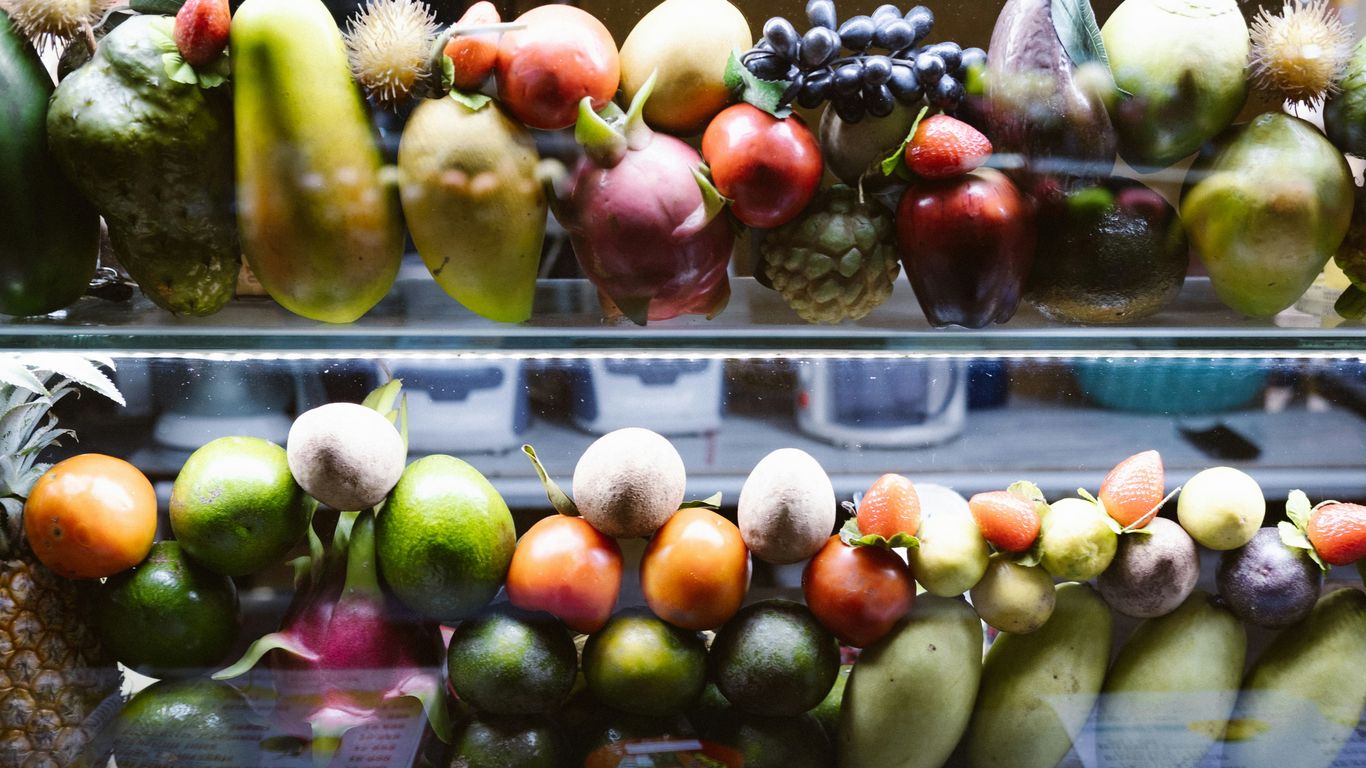
When it comes to produce, there’s a good variety to choose from, but some common culprits are high in histamine or can trigger its release. Stick to fruits like apples, pears, blueberries, and blackberries. For vegetables, think zucchini, carrots, celery, cauliflower, broccoli, and sweet potatoes. These are generally safe and versatile for many meals. It’s always a good idea to eat them as fresh as possible, ideally cooked soon after purchasing.
| Safe Fruits | Safe Vegetables |
|---|---|
| Apples | Zucchini |
| Pears | Carrots |
| Blueberries | Cauliflower |
| Blackberries | Sweet Potatoes |
| Mangoes | Broccoli |
| Peaches | Celery |
Herbs, Oils, and Sweeteners
Flavor doesn’t have to be sacrificed! Fresh herbs like parsley, basil, and mint are great for adding taste without histamine. For cooking oils, olive oil and tiger nut oil are good choices. When it comes to sweeteners, pure honey and maple syrup are usually fine, though it’s wise to test your personal tolerance. Just be mindful of pre-made spice blends, as they can sometimes contain hidden ingredients or have aged spices that aren’t ideal.
When building your low-histamine pantry, always check labels for added ingredients like vinegar, citric acid, or artificial preservatives, as these can be problematic. Opting for single-ingredient items is usually the safest route.
Smart Strategies For Fridge Management
Keeping your low-histamine meals fresh and safe in the fridge is a big part of making this eating style work. It’s not just about shoving leftovers in there; there’s a bit of a system to it if you want to avoid any histamine surprises.
The Critical Role of Immediate Freezing
When you cook something that’s low in histamine, like a batch of chicken or some roasted veggies, don’t let it sit around in the fridge for too long. The sooner you can freeze portions, the better. Histamine can build up in foods over time, even when they’re chilled. Freezing essentially pauses this process. Think about cooking a larger amount of a safe protein or grain, then immediately portioning it into individual servings and freezing them. This way, you can pull out just what you need for a single meal without compromising the rest of your stash. It’s a game-changer for keeping things safe and reducing waste.
Airtight Containers and Labeling
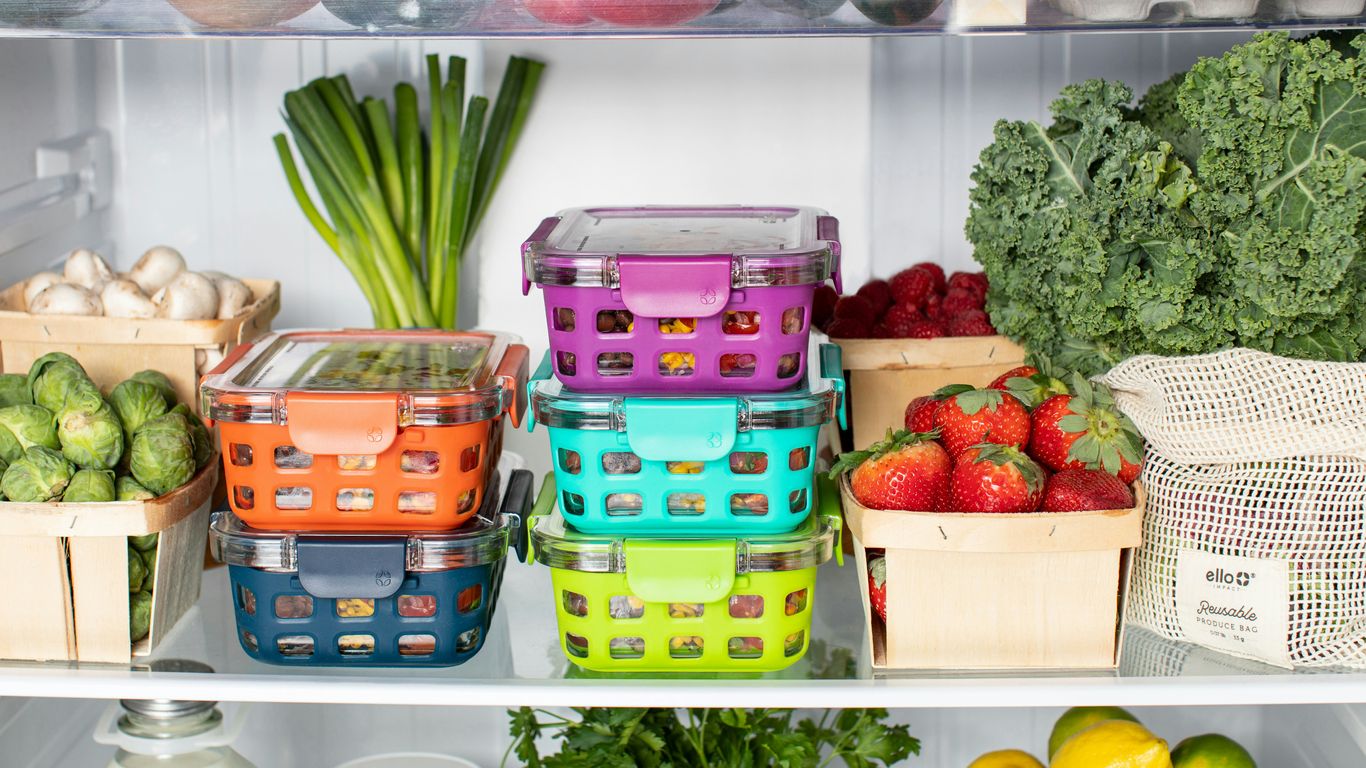
This is where good storage containers really shine. You want containers that seal up tight to keep air out and freshness in. Glass containers are a great choice because they don’t leach chemicals, and they’re easy to clean. Stainless steel is another good option, especially for keeping food warm or cold for longer periods. Whatever you choose, make sure they’re airtight. And don’t forget to label everything! A simple label with the contents and the date it was prepared can save you a lot of guesswork later on. It helps you keep track of what’s what and how long it’s been in there.
Portioning for Single Thaws
This ties back to the freezing point. Instead of freezing one giant container of chili, break it down into single-serving portions. This way, you only thaw what you plan to eat. Thawing and refreezing food can increase the risk of bacterial growth and histamine development. So, portioning is key to maintaining food safety and quality. It might take a little extra time upfront, but it pays off in the long run.
Travel and Lunch Packing
Taking your low-histamine meals on the go requires a bit of planning. For cold meals, insulated lunch bags with ice packs are your best friend. For hot meals, insulated thermoses or containers can keep food at a safe temperature for several hours. Remember, the goal is to keep food out of the "danger zone" (between 40°F and 140°F or 4°C and 60°C) where bacteria multiply rapidly. If you’re packing a meal that needs to be reheated, plan ahead to see if a microwave or other heating source will be available, or pack a meal that can be safely eaten cold.
Proper fridge management isn’t just about organization; it’s a proactive step in managing histamine levels in your food. By freezing promptly, using good containers, and portioning wisely, you’re setting yourself up for success with your low-histamine eating plan.
Reheating Rules For Low Histamine Meals
When you’re managing histamine levels, reheating food isn’t quite as simple as just popping it in the microwave. Histamine can build up in food over time, even in ingredients that were initially low in it. So, how do you reheat safely?
The Single Reheat Guideline
The golden rule here is to reheat food only once. Think of it like this: once a meal has been cooked, cooled, and then reheated, it’s best to consume it right away. Any leftovers from that reheated meal should ideally be discarded rather than reheated again. This might seem wasteful, but it’s a key step in minimizing histamine exposure. It’s better to be safe than sorry when dealing with histamine intolerance.
Understanding Histamine Accumulation
Histamine is a compound that naturally occurs in our bodies, but it’s also present in many foods. When food sits around, especially after it’s been cooked, bacteria can break down histidine into histamine. This process speeds up the longer food is stored, and it doesn’t matter if the food was "safe" to begin with. Even fresh, low-histamine ingredients can develop significant histamine levels if they’re not handled properly after cooking. This is why immediate freezing of leftovers is so important.
Here’s a quick look at how histamine can increase:
- Initial Cooking: Histamine levels are generally low in freshly cooked, low-histamine foods.
- Cooling & Storage: As food cools and sits in the fridge, histamine can start to form.
- First Reheat: Reheating kills bacteria but doesn’t break down existing histamine. It also provides a new opportunity for histamine to build up as the food cools again.
- Second Reheat: Reheating food that has already been reheated significantly increases the risk of high histamine levels.
The goal is to minimize the time food spends in the "danger zone" (between 40°F and 140°F or 4°C and 60°C) where bacteria multiply rapidly and histamine can form. Freezing food quickly after cooking is the best way to halt this process.
Safe Heating Methods for Grains
When it comes to reheating grains like white rice or quinoa, the same single-reheat rule applies. The best way to reheat them is gently to avoid drying them out or creating hot spots where histamine might concentrate. Microwaving is often the quickest method, but you can also use a stovetop or even a steamer.
- Microwave: Add a tablespoon or two of water to the grains before heating. Cover loosely to allow steam to escape. Heat in short intervals, stirring in between, until warmed through.
- Stovetop: Place grains in a saucepan with a little water or safe broth. Heat over low to medium-low heat, stirring frequently, until warmed.
- Steaming: Place grains in a steamer basket over simmering water. Steam until heated through.
Always aim to consume the reheated grains immediately after heating. If you have a larger batch, it’s best to portion out only what you plan to eat for that meal before reheating.
Building Blocks For Low Histamine Meals
Component Meal Prepping
When you’re dealing with histamine intolerance, the idea of cooking from scratch every single meal can feel pretty overwhelming. That’s where component meal prepping comes in handy. Instead of making full, finished meals, you prepare individual ingredients that can be mixed and matched later. Think of it like having a well-stocked pantry of ready-to-go building blocks. You can cook a batch of fresh chicken, steam some broccoli, and boil some white rice. Then, on a busy Tuesday night, you can quickly assemble a meal by combining these prepped items. This approach saves a ton of time and makes sticking to a low-histamine diet much more manageable.
Here’s a simple breakdown of how to get started:
- Proteins: Freshly cook chicken breast, turkey, or lamb. Portion them out for easy grabbing.
- Vegetables: Steam or roast a variety of safe veggies like zucchini, carrots, or cauliflower. Keep them plain so they can go with anything.
- Grains/Carbs: Prepare a batch of white rice or quinoa. These are great bases for many meals.
The key is to prep these components fresh and freeze them immediately after cooling to prevent histamine buildup.
Flavorful Pairings and Sides
Just because you’re eating low histamine doesn’t mean your meals have to be bland. It’s all about smart pairings and focusing on fresh flavors. Once you have your main protein and vegetable components ready, you can add simple, safe sides to make your meal more interesting and satisfying. For instance, mashed sweet potatoes, seasoned with just a little olive oil and salt, pair wonderfully with roasted turkey. Steamed jasmine rice is a neutral base that works with almost any protein and can be jazzed up with fresh herbs. Even simple roasted cauliflower, tossed with olive oil and a pinch of turmeric, can add a nice texture and flavor.
Consider these ideas for rounding out your meals:
- Sweet Potato Mash: Simple, filling, and packed with nutrients. A great alternative to heavier starches.
- Steamed or Roasted Root Vegetables: Carrots, parsnips, and sweet potatoes offer natural sweetness.
- Fresh Greens: While spinach is out, options like fresh parsley or basil can be added as a garnish or mixed into rice.
Safe Sauces and Flavor Enhancers
Sauces and flavor enhancers can be tricky on a low-histamine diet because many common options, like soy sauce, vinegar-based dressings, or aged cheeses, are high in histamine or histamine liberators. But don’t worry, you can still add a punch of flavor! The trick is to make your own using fresh, safe ingredients. Think simple dressings made with olive oil, a touch of maple syrup (if tolerated), and fresh herbs like mint or parsley. You can also infuse oils with herbs or create a quick sauce by blending steamed vegetables with a little safe oil and seasoning. Remember, the goal is to add flavor without introducing problematic ingredients. Always make these fresh and store them properly, ideally by freezing any extra portions right away.
Here are some ideas for safe flavor boosters:
- Mint Chimichurri: Blend fresh mint, parsley, olive oil, and a pinch of salt.
- Maple-Glazed Dressing: Combine maple syrup, olive oil, and sea salt.
- Herb-Infused Olive Oil: Gently warm olive oil with fresh rosemary or thyme sprigs, then let it cool.
Understanding Histamine Intolerance
What Causes Histamine Buildup
Histamine is a natural chemical your body uses for all sorts of things, like telling your brain to wake up or helping your stomach digest food. It’s also a big part of your immune system’s response to injury or allergies. Normally, your body has enzymes, like Diamine Oxidase (DAO), that break down histamine after it’s done its job. But sometimes, these enzymes don’t work as well as they should, or maybe you’re just producing too much histamine in the first place. When that happens, histamine can build up in your system. This buildup is what people often refer to as histamine intolerance.
It’s not quite like a true allergy, but more like your body having a hard time processing this specific compound. Think of it like a traffic jam – the histamine can’t get cleared out efficiently, and it starts causing problems.
Common Symptoms of Histamine Overload
When histamine levels get too high, it can show up in a lot of different ways. You might notice things like:
- Skin issues: Itchiness, hives, or rashes can pop up.
- Headaches: Migraines or just a general feeling of pressure in your head.
- Digestive troubles: Bloating, feeling nauseous, or heartburn.
- Mood changes: Feeling more anxious, restless, or even experiencing flushing.
- Breathing difficulties: Sometimes, it can affect your airways.
These symptoms can be pretty varied, and because they overlap with other conditions, it can sometimes take a while to figure out what’s going on. Keeping a food and symptom journal can be super helpful here to track what you eat and how you feel afterward.
The Goal of a Low Histamine Diet
The main idea behind a low histamine diet is pretty straightforward: reduce the amount of histamine you’re taking in and give your body a break. We do this by cutting out foods that are naturally high in histamine or that cause your body to release more histamine. It’s not usually meant to be a forever thing, but more of a temporary strategy. The goal is to help your body reset and see if your symptoms improve. Once you feel better, you might be able to slowly reintroduce some foods, often with guidance from a healthcare professional. It’s about finding a balance where you feel your best.
The key is to focus on foods that are as fresh as possible. The longer food sits around, especially proteins and leftovers, the more histamine can develop. This is why immediate freezing and careful storage are so important in managing histamine levels.
Nutritional Benefits of Low Histamine Eating
![]()
When you shift to eating low histamine, you’re naturally leaning into whole, unprocessed foods. This isn’t just about avoiding certain ingredients; it’s about embracing a way of eating that’s packed with good stuff your body actually needs. Think of it as a reset button for your diet, pushing you towards ingredients in their most natural state.
Whole Foods for Optimal Health
By focusing on fresh proteins, safe vegetables, and simple grains, you automatically cut out a lot of the junk that can cause problems. Processed foods, added sugars, and artificial additives often contain hidden histamine triggers or can just generally be inflammatory. Choosing ingredients like fresh turkey, sweet potatoes, and zucchini means you’re getting nutrients without the extra baggage. It’s about cooking with intention, using ingredients that are as close to their original form as possible.
Key Nutrients in Safe Ingredients
Many of the foods that are safe on a low histamine diet are nutritional powerhouses. For example, sweet potatoes are loaded with beta-carotene, which is great for your eyes and immune system. Zucchini offers fiber and vitamin C, and it’s usually pretty gentle on the stomach. Lean proteins like rabbit or lamb provide essential amino acids and B vitamins. Even simple additions like blueberries are packed with antioxidants. Olive oil, a staple for cooking and dressings, brings anti-inflammatory fats that are good for your heart.
Here’s a quick look at some common safe ingredients and what they offer:
| Ingredient | Key Nutrients/Benefits |
|---|---|
| Sweet Potato | Beta-carotene (vision, immunity), fiber |
| Zucchini | Fiber, Vitamin C, gentle digestion |
| Rabbit/Lamb | Lean protein, amino acids, B vitamins |
| Blueberries | Antioxidants |
| Olive Oil | Anti-inflammatory fats (heart health) |
| Fresh Herbs | Vitamins, minerals, antioxidants, flavor without histamine |
Anti-Inflammatory Advantages
Reducing your intake of high-histamine foods and histamine liberators can have a significant impact on inflammation in the body. Many people find that symptoms like headaches, skin issues, and digestive upset lessen when they adopt this eating style. This is because you’re cutting out foods that can either directly contribute to histamine levels or cause your body to release more histamine, leading to a cascade of inflammatory responses. By choosing fresh, simple ingredients and preparing them properly (and freezing leftovers quickly!), you’re setting yourself up for a calmer, more balanced internal environment. It’s a way of eating that supports your body’s natural processes rather than working against them.
Simple Cooking Methods For Low Histamine Foods
When you’re dealing with histamine intolerance, the way you cook your food is just as important as the ingredients you choose. It’s not about complicated techniques; it’s about preserving the freshness and minimizing the potential for histamine to build up. Think of it as treating your ingredients with care so they can do their best work for your body.
Baking and Steaming Techniques
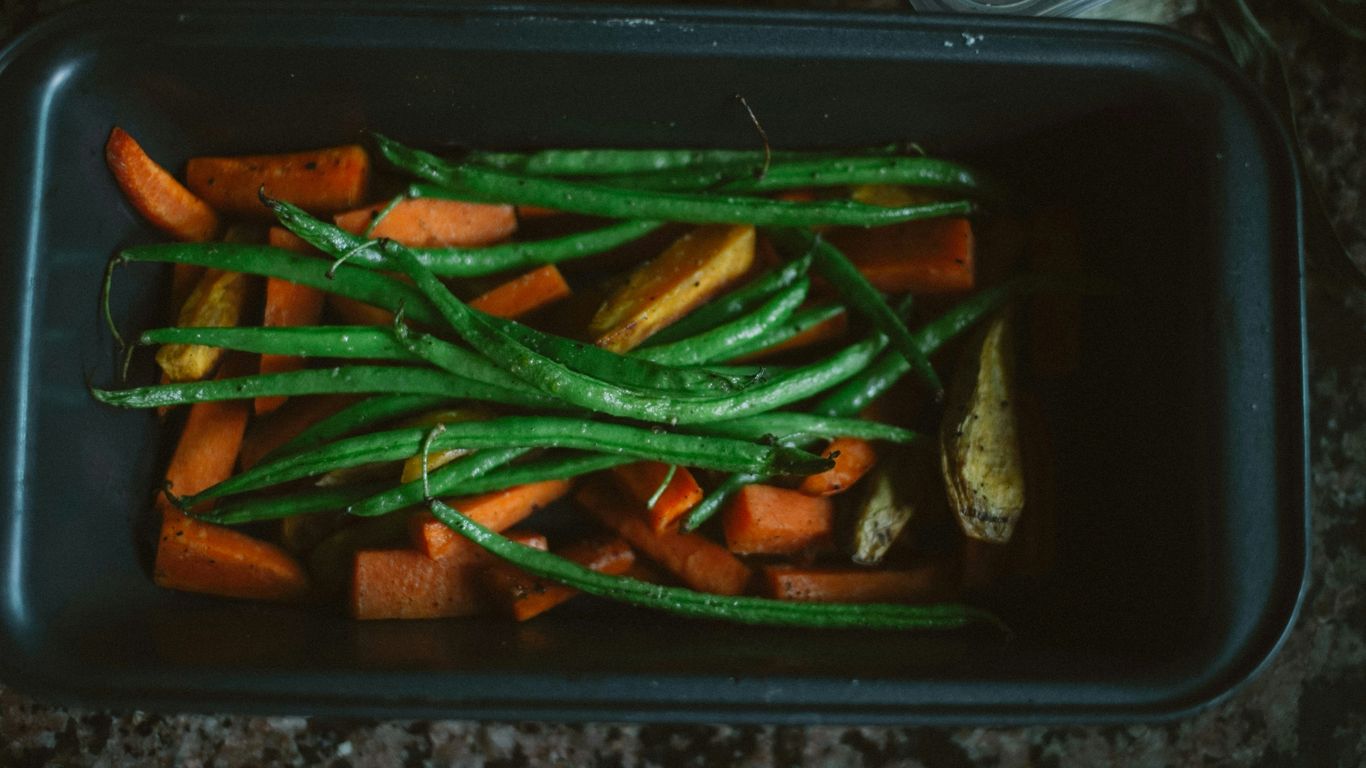
Baking and steaming are fantastic methods because they use moist heat and generally don’t require super long cooking times. For vegetables, steaming is often the go-to. It keeps them tender and bright without losing too many nutrients. Think about steaming broccoli, cauliflower, or zucchini until they’re just fork-tender. Baking works well for root vegetables like sweet potatoes or carrots, and even for fresh, non-aged proteins like chicken breast or turkey. The key is to cook them through without overdoing it.
Pan-Searing with Safe Oils
Pan-searing can add a nice texture and flavor, especially to proteins. Use a good quality, low-histamine oil like olive oil or tiger nut oil. Get your pan nice and hot, but don’t let the oil smoke – that’s a sign it’s too hot and can break down the oil’s structure. Sear your chicken, turkey, or fish quickly on each side until it’s cooked through. This method is great for meals where you want a bit of a crust, but remember, the goal is speed and efficiency, not slow, prolonged cooking.
Avoiding Prolonged Cooking Times
This is a big one. Histamine levels can increase the longer food is exposed to heat, especially meats. So, ditch the idea of slow-cooking stews for hours on end. Instead, focus on cooking methods that are quicker. This might mean cutting meats into smaller pieces for faster cooking or choosing ingredients that naturally cook fast. For example, ground turkey cooks much faster than a whole roast. If you’re making grains like rice or quinoa, follow the package directions closely – they usually don’t need extended cooking.
Here’s a quick rundown of cooking times to keep in mind:
| Food Type | Recommended Cooking Method | Approximate Time | Notes |
|---|---|---|---|
| Fresh Chicken/Turkey | Pan-sear, Bake, Steam | 15-25 minutes | Cook until internal temp is safe. |
| White Rice | Boil | 15-20 minutes | Follow package directions. |
| Sweet Potatoes | Bake, Steam | 20-30 minutes | Until tender. |
| Zucchini | Steam, Sauté | 5-10 minutes | Cook until just tender, not mushy. |
Remember, the fresher the ingredient, the better it will hold up to cooking. Always aim to cook meals shortly before eating or prepare them for immediate freezing. This minimizes the chance for histamine to develop after cooking.
Creative Flavor Without High Histamine Foods
![]()
Just because you’re cutting out some common flavor-boosters like aged vinegars, fermented sauces, or citrus doesn’t mean your meals have to taste bland. Honestly, it’s more of an invitation to get creative with what is safe and delicious. Think of it as a culinary challenge that can lead to some really interesting and satisfying dishes.
Embracing Fresh Herbs
Fresh herbs are your best friend when you’re aiming for low histamine. They pack a punch of flavor without adding histamine. Parsley, cilantro, mint, basil, dill, and chives are all great options. You can chop them finely and toss them into salads, sprinkle them over cooked proteins, or blend them into sauces and dressings. A simple mint chimichurri, made with olive oil, fresh parsley, and mint, is a fantastic way to liven up grilled meats or roasted vegetables.
Utilizing Anti-Inflammatory Spices
Spices are another powerhouse for flavor. Turmeric, ginger, cinnamon, and cumin are not only low in histamine but also offer anti-inflammatory benefits. Roasting vegetables like cauliflower or sweet potatoes with turmeric and a bit of olive oil can create a wonderfully flavorful and colorful side dish. Even simple steamed rice can be made more interesting with a sprinkle of cinnamon or ginger.
Sweeteners and Natural Flavor
When you need a touch of sweetness, opt for pure maple syrup or honey. These can be used in dressings, marinades, or even to glaze roasted root vegetables. For example, a maple-glazed dressing made with maple syrup, olive oil, and a pinch of sea salt is a safe and tasty alternative to traditional vinaigrettes. You can also infuse water with cucumber or basil for a refreshing, subtly flavored drink.
Here’s a quick look at how some common flavor builders stack up:
| Flavor Source | Histamine Level | Notes |
|---|---|---|
| Fresh Parsley | Low | Great for sauces, salads, and garnishes |
| Fresh Mint | Low | Adds brightness to dishes and drinks |
| Turmeric | Low | Anti-inflammatory, adds color and earthiness |
| Pure Maple Syrup | Low | Natural sweetener for dressings and glazes |
| Aged Balsamic Vinegar | High | Avoid |
| Soy Sauce (Fermented) | High | Avoid |
| Lemon Juice | Moderate/High | Often avoided, use with caution if tolerated |
Building flavor on a low histamine diet is all about focusing on the quality and freshness of your ingredients. Instead of relying on aged or fermented products, you’re encouraged to explore the vibrant tastes of fresh produce, herbs, and spices. This approach often leads to meals that are not only safe but also incredibly nourishing and delicious.
Navigating Meal Prep Challenges
Meal prepping can feel like a lot when you’re just starting out, especially with the added layer of managing histamine. It’s easy to get overwhelmed thinking about cooking entire meals ahead of time. But honestly, it doesn’t have to be that complicated. The key is to break it down into smaller, manageable steps.
Shortening Meal Prep Timeframes
Nobody wants to spend their entire weekend in the kitchen. To make meal prep less of a chore, focus on prepping individual components rather than full meals. Think about cooking a big batch of quinoa, chopping up some safe veggies like bell peppers and zucchini, or roasting a chicken. These prepped items can then be quickly assembled into different meals throughout the week. This way, you’re not stuck eating the exact same thing every day, and you save a ton of time when hunger strikes.
- Cook a large batch of a safe grain (like quinoa or rice).
- Chop raw, low-histamine vegetables.
- Roast or bake a protein source (chicken breast, turkey).
- Prepare a simple, safe dressing or sauce.
Prepping Single Ingredients
This is where the real time-saving magic happens. Instead of making a full casserole, just prep the parts. Wash and chop your lettuce for salads. Peel and dice sweet potatoes. Marinate chicken in a simple blend of olive oil and herbs. This ingredient-focused approach makes assembling meals much faster and more flexible. You can mix and match these prepped items to create variety, which is super helpful when you’re trying to stick to a low-histamine diet.
Avoiding Fridge Fermentation Concerns
When you’re prepping food ahead, you naturally worry about how long it’s going to last and if it’s going to go bad. With low-histamine eating, this is even more important because some foods can develop higher histamine levels as they sit. The best strategy here is to be smart about what you prep and how you store it.
Always prioritize freshness. Cooked foods, especially proteins, are best consumed within 2-3 days when stored properly in the refrigerator. For longer storage, freezing is your best friend. Make sure your containers are truly airtight to prevent spoilage and unwanted bacterial growth.
Here’s a quick guide for storage times:
| Food Type | Refrigerator (Days) | Freezer (Months) | Notes |
|---|---|---|---|
| Cooked Meats/Poultry | 2-3 | 2-3 | Cool completely before storing. |
| Cooked Grains | 3-4 | 2-3 | Store separately from other components. |
| Chopped Veggies | 3-5 | N/A | Best used fresh; some freeze well. |
| Simple Sauces | 3-4 | 1-2 | Avoid fermented bases like soy sauce. |
Low Histamine Eating: A Satisfying Approach
Focusing on Simplicity
It might seem like a lot at first, but eating low histamine doesn’t have to be complicated or bland. The real trick is focusing on what’s fresh. When you build meals around simple, whole ingredients – think fresh meats, safe veggies, and basic grains – you naturally cut out a lot of the processed stuff that can cause problems. It’s about cooking with intention, using ingredients that are good for you without a fuss. You’ll find yourself reaching for things like fresh turkey or lamb, sweet potatoes, celery, and herbs like mint and parsley. It’s less about restriction and more about discovering how good simple food can taste.
Balanced and Flavorful Meals
Don’t let the "low histamine" label fool you into thinking your meals will be boring. The goal is to create balanced plates that are still packed with flavor. This means getting creative with fresh herbs and spices that don’t trigger reactions. Think about using turmeric for a warm, earthy flavor, or fresh basil and mint to brighten up a dish. Even simple sides can be exciting. Roasting cauliflower with olive oil and turmeric, or making a purée from pumpkin or butternut squash, adds a satisfying element to your plate. You can even whip up safe sauces using fresh ingredients like parsley and mint, or a simple maple-based dressing. It’s all about building layers of taste with ingredients you can trust.
Long-Term Well-being
Adopting a low histamine eating pattern is more than just a temporary fix; it’s a step towards feeling better overall. By choosing fresh, whole foods, you’re not just managing histamine levels, you’re also boosting your intake of vitamins, minerals, and antioxidants. This way of eating naturally supports your body with anti-inflammatory compounds. Many people find that reducing histamine-rich foods leads to clearer skin, fewer headaches, and a more settled digestive system. It’s a way to eat that nourishes you from the inside out, promoting a sense of well-being that lasts.
Here’s a quick look at how simple ingredients contribute to your health:
- Sweet Potatoes: Packed with beta-carotene, great for your eyes and immune system.
- Zucchini: Offers fiber and vitamin C, and it’s easy on your stomach.
- Lean Meats (like Turkey or Lamb): Provide quality protein and important B vitamins.
- Blueberries: A low-histamine fruit loaded with antioxidants.
- Olive Oil: Contains healthy fats that are good for your heart.
The key to making this approach sustainable is to remember that freshness is your best friend. When you prioritize cooking with ingredients that are as close to their natural state as possible, you’re setting yourself up for success. This means planning ahead, freezing meals quickly after cooking, and always opting for quality over convenience when it comes to your food.
Discover the joys of eating with less histamine! Our "Low Histamine Eating: A Satisfying Approach" guide shows you how to enjoy delicious meals without the worry. Forget complicated rules; we focus on simple, tasty ways to feel your best. Ready to explore flavorful, low-histamine options that won’t compromise on taste? Visit our website today to start your journey to satisfying meals!
Wrapping Up: Low Histamine Eating Made Simple
So, there you have it. Eating low histamine doesn’t have to be a chore. By focusing on fresh ingredients, getting smart about how you store your food in the fridge and freezer, and following simple reheating rules, you can actually enjoy your meals again. It’s all about making small, manageable changes that add up. Remember, this isn’t about perfection, it’s about progress and finding what works for you to feel your best. Give these tips a try, and you might be surprised at how much better you feel.
Frequently Asked Questions
What exactly is a low histamine diet?
A low histamine diet is all about eating foods that don’t have a lot of histamine or don’t make your body release more histamine. It’s often used when someone’s body has a hard time breaking down histamine, which can cause issues like headaches, skin problems, or tummy troubles.
What kind of foods should I avoid?
You’ll want to steer clear of foods that are aged, fermented, or preserved. This includes things like old cheese, pickled foods, vinegar, and some leftovers. Also, watch out for certain fruits and veggies like tomatoes, spinach, and avocados, as they can be high in histamine or trigger its release.
What are some safe foods to eat?
Focus on fresh! Freshly cooked meats like chicken or turkey, safe veggies like carrots, zucchini, and sweet potatoes, and simple grains like white rice are great. Fresh fruits like blueberries and apples are usually good choices too. Always use fresh herbs for flavor.
How important is it to freeze food right away?
It’s super important! Histamine can build up in food the longer it sits, especially in the fridge. Freezing food as soon as it’s cooked, ideally within 30 minutes, helps slow down this process and keeps the histamine levels low.
Can I reheat leftovers?
Yes, but with caution. The best rule is to only reheat food once. This helps keep the histamine from building up too much. It’s also a good idea to only thaw out the portion you plan to eat.
Does this diet mean I can’t have any flavor?
Not at all! You can still make delicious meals. Instead of high-histamine flavorings like vinegar or aged sauces, you can use fresh herbs, safe spices like turmeric, and natural sweeteners like honey or maple syrup. Think fresh, vibrant flavors!
What are some easy meal ideas for a low histamine diet?
Simple meals work best. Try things like grilled chicken with steamed broccoli, baked sweet potato with ground turkey, or a simple bowl of white rice with steamed zucchini and a drizzle of olive oil. Batch cooking and freezing these components can make meals even easier.
How long do I need to follow a low histamine diet?
It’s often not a diet you follow forever. Many people use it for a while to figure out what foods cause problems and to help their body calm down. Sometimes, with a doctor’s guidance, you can slowly start adding more foods back in later.