

Long meetings can feel like a marathon, draining your energy and focus. Staying sharp requires more than just paying attention; it means fueling your body and mind strategically. This guide focuses on meeting marathon nutrition and hydration, offering simple, effective ways to keep you going strong, no matter how many hours you’re clocked in. We’ll cover what to eat, what to drink, and how to manage your energy levels so you can conquer those extended sessions.
Key Takeaways
- Hydration is key: Sip water consistently throughout long meetings to avoid fatigue and maintain focus.
- Choose snacks wisely: Opt for protein and complex carbs for sustained energy, avoiding sugary crashes.
- Mindful eating matters: Small, nutrient-dense bites can boost cognitive function and concentration.
- Listen to your body: Recognize signs of dehydration and fatigue, and address them with appropriate food and drink.
- Plan ahead: Prepare portable snacks and drinks to ensure you have healthy options readily available during extended meetings.
Strategic Hydration for Extended Meetings
The Importance of Water Before, During, and After Sessions
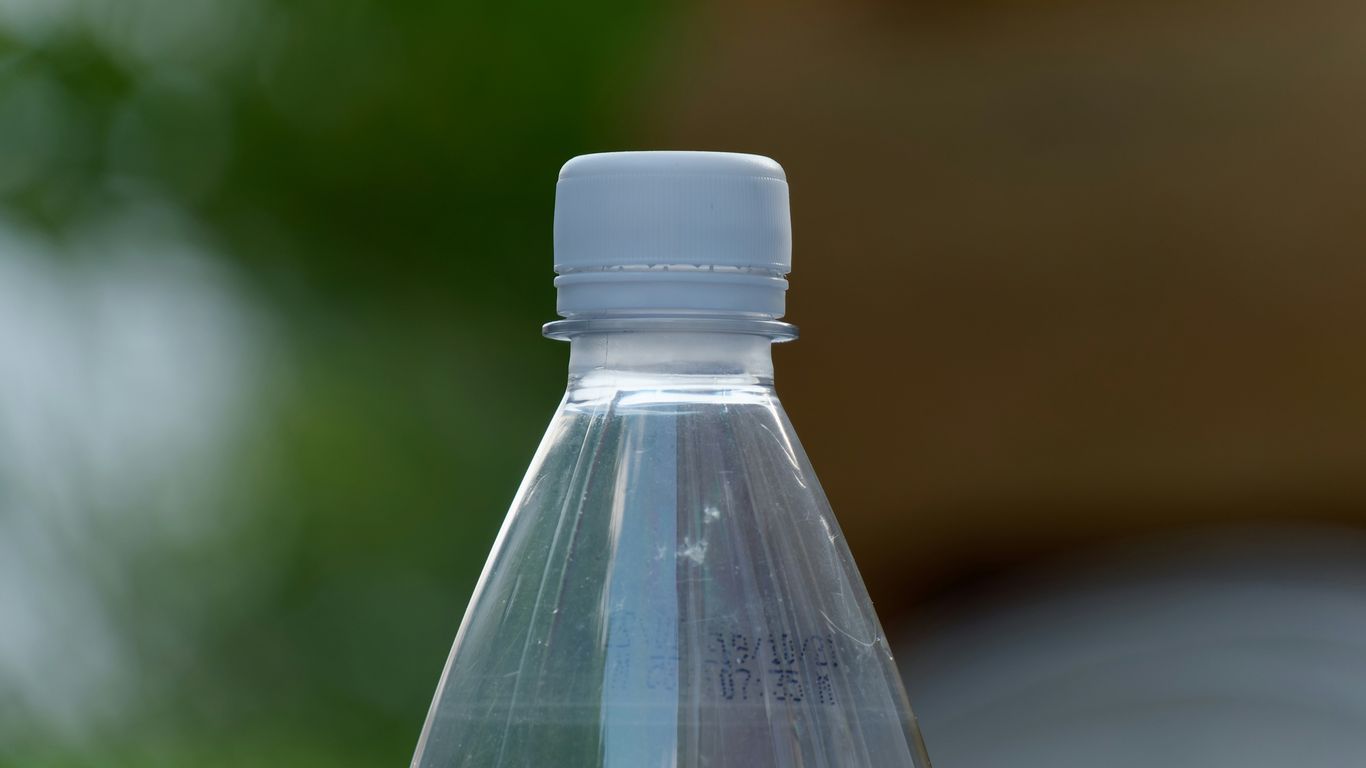
Look, we all know we’re supposed to drink water, right? But when you’re stuck in back-to-back meetings all day, it’s easy to let that water bottle just sit there, untouched. This is a mistake. Staying hydrated isn’t just about quenching thirst; it’s about keeping your brain sharp and your body running smoothly. Think of water as the oil for your mental engine. Before a long meeting block, chug a good amount of water. This gets you started on the right foot and reduces the urge to constantly get up. During the meeting, keep sipping. It doesn’t have to be a marathon gulp; just consistent small sips help maintain your fluid levels. And after? Don’t stop. Replenish what you’ve lost, especially if the room was stuffy or you were talking a lot.
Here’s a simple plan:
- Pre-Meeting: Drink 16-20 ounces of water about an hour before your first meeting.
- During Meetings: Aim for 4-8 ounces every hour. Keep a water bottle handy.
- Post-Meeting: Drink another 16 ounces to rehydrate fully.
Electrolyte Replenishment for Sustained Focus
Sometimes, plain water just doesn’t cut it, especially if your meetings are long and draining, or if you’re in a particularly warm environment. That’s where electrolytes come in. These are minerals like sodium, potassium, and magnesium that help your body hold onto water and keep your nerves and muscles working right. When you sweat, or even just breathe heavily, you lose electrolytes. Replenishing them can make a real difference in how long you can stay focused without feeling that dreaded mental fog. You don’t need a fancy sports drink every time, but for those marathon days, consider adding a pinch of salt and a squeeze of lemon to your water, or opting for a coconut water. It sounds simple, but it helps your body absorb fluids more effectively.
Avoiding Dehydration-Induced Fatigue
Ever hit that point in the afternoon where you feel like you could just fall asleep at your desk? Often, that’s dehydration creeping up on you. When your body doesn’t have enough fluid, it has to work harder to do everything, including sending oxygen to your brain. This extra effort leads to that heavy, tired feeling. It’s not just about feeling thirsty; it’s about your whole system slowing down. Making a conscious effort to drink water throughout the day, even when you don’t feel parched, can prevent this slump. It’s a proactive step that keeps your energy levels more stable and your mind clearer, allowing you to get through those long meeting sessions without feeling completely wiped out.
Think of your body like a car. You wouldn’t expect it to run on an empty tank, would you? Your brain and body need fuel, and water is a primary component of that fuel. Skipping it is like trying to drive on fumes – you’re going to sputter out eventually.
Fueling Your Body: Meeting Marathon Nutrition
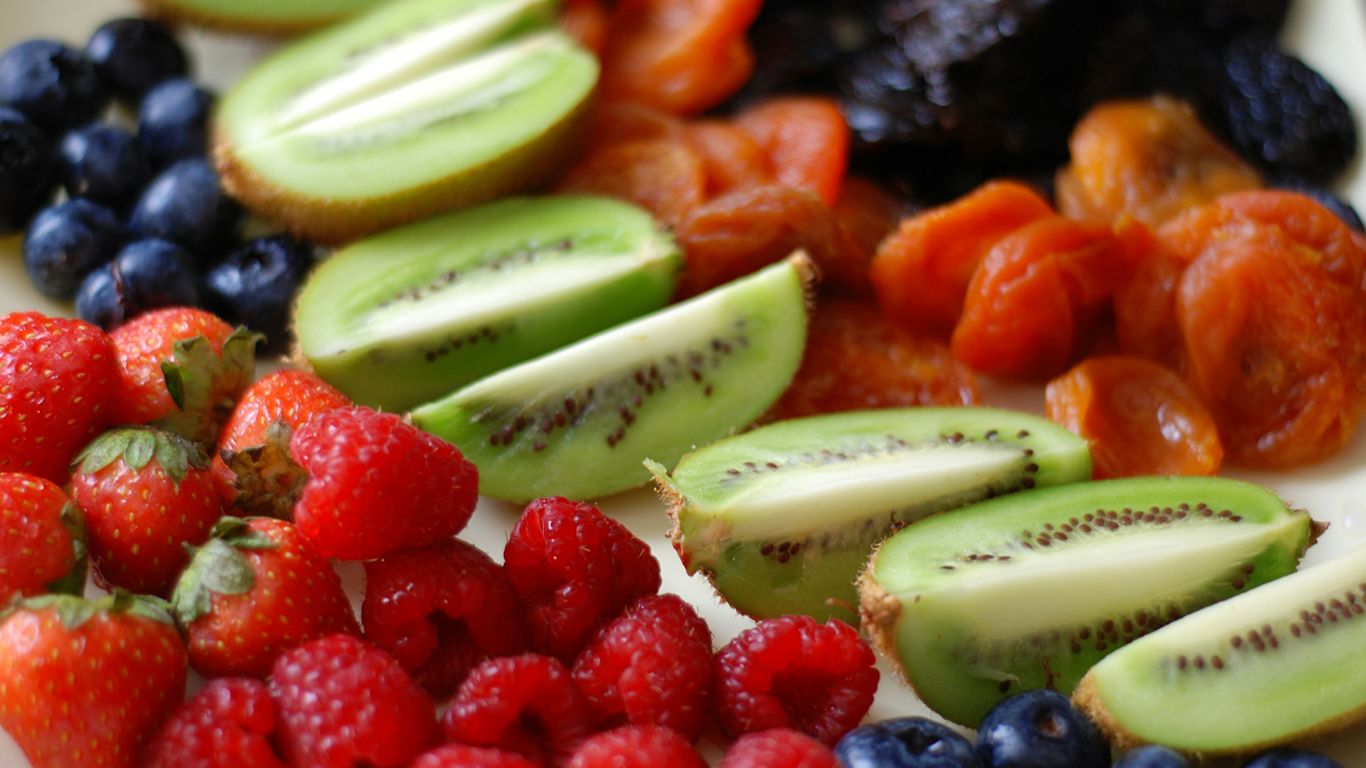
Okay, so you’ve got back-to-back meetings stretching out like a never-ending highway. You can’t just survive on coffee and sheer willpower, right? We need actual fuel. Think of your body like a car; it needs the right kind of gas to keep running smoothly, especially when you’re stuck in the conference room for hours.
Choosing Sustained Energy Snacks
Forget those sugary snacks that give you a quick spike and then leave you crashing harder than a toddler after a birthday party. We’re talking about snacks that release energy slowly, keeping you alert and focused. Good options include a handful of almonds, a small apple with a tablespoon of peanut butter, or some Greek yogurt. These provide a mix of protein, healthy fats, and complex carbs that your brain and body can use steadily. The goal is to avoid the dreaded mid-afternoon slump that makes you want to nap under the conference table.
The Role of Protein and Complex Carbohydrates
Protein is like the building block for your body, and it helps keep you feeling full longer. Complex carbohydrates, on the other hand, are your slow-burn energy source. When you combine them, you get a winning ticket for sustained energy. Think whole-grain crackers with cheese, a small portion of trail mix with nuts and dried fruit (watch the sugar content here!), or even a hard-boiled egg. These foods help stabilize your blood sugar, preventing those sharp dips that lead to brain fog and irritability. It’s all about giving your body a steady stream of power, not a sudden jolt.
Timing Your Nutrient Intake for Peak Performance
When you eat is almost as important as what you eat. Try to have a balanced meal a couple of hours before your marathon of meetings begins. This gives your body time to digest and start using the energy. During the meetings, stick to those smaller, sustained-energy snacks. Avoid heavy meals right before a long session, as digestion can make you feel sluggish. If you have a longer break, a light, balanced meal is fine, but again, don’t overdo it. It’s better to have a few small, well-timed snacks than one big meal that weighs you down.
Beat the Bloat: Digestive Comfort During Long Days
Long meetings can feel like a marathon for your digestive system, especially if you’re trying to power through with snacks or a quick lunch. Feeling sluggish and bloated isn’t exactly conducive to sharp thinking, is it? Let’s talk about how to keep things moving smoothly so you can stay focused and comfortable.
Foods to Avoid for a Comfortable Midday
Some foods are just notorious for causing gas and that uncomfortable, full feeling. When you’ve got a long day of back-to-back sessions, it’s best to steer clear of the usual suspects. Think about things that are hard to break down or tend to ferment in your gut. This often includes:
- Carbonated beverages: All those bubbles can add air to your digestive tract, leading to bloating.
- Excessive amounts of raw vegetables: While healthy, large portions of raw cruciferous veggies like broccoli or cabbage can be tough to digest for some.
- Fried or greasy foods: These take longer to process and can sit heavily in your stomach.
- Artificial sweeteners: Some people find these can cause gas and bloating.
It’s not about completely banning these foods, but rather being mindful of when you consume them. If you have a big presentation right after lunch, maybe skip the fizzy drink and opt for water instead.
Incorporating Gentle Fiber Sources
Fiber is great for digestion, but the type and amount matter, especially when you need to feel light and comfortable. Instead of going for heavy, dense fiber sources, focus on gentler options that still support regularity. Think about:
- Fruits: Bananas are a good choice, offering fiber without being too harsh. Berries are also generally well-tolerated.
- Cooked vegetables: Steamed or roasted vegetables are often easier to digest than raw ones.
- Oats: A small bowl of oatmeal can provide soluble fiber that’s soothing for the gut.
These provide the benefits of fiber – helping you feel full and keeping things moving – without the same potential for gas and bloating that some raw or very fibrous foods can cause.
The Impact of Hydration on Digestion
This might seem obvious, but it’s worth repeating: staying hydrated is key for good digestion. Water helps break down food so your body can absorb nutrients. It also helps soften stool, making it easier to pass and preventing constipation, which can contribute to that bloated feeling. Aim to sip water consistently throughout the day, rather than chugging large amounts all at once. Sometimes, a simple glass of water can work wonders when you’re feeling sluggish.
Mindful Snacking for Cognitive Function
When you’re stuck in back-to-back meetings, it’s easy to just grab whatever’s closest, right? That bag of chips or that sugary candy bar might seem like a quick fix for that mid-afternoon slump, but they often lead to an energy crash later. We need snacks that actually help our brains stay sharp, not ones that make us feel foggy.
Brain-Boosting Bites for Enhanced Concentration
Think of your brain like a car that needs the right kind of fuel. For sustained focus, you want snacks that offer a steady release of energy. Foods rich in omega-3 fatty acids, like walnuts or chia seeds, are great for brain health. Berries, especially blueberries, are packed with antioxidants that can help protect your brain cells. Even a simple apple, with its natural sugars and fiber, provides a more balanced energy source than processed sweets. Choosing snacks that combine healthy fats, protein, and complex carbs is key to keeping your mind engaged.
Quick Energy Sources Without the Crash
So, what actually works when you need a quick pick-me-up without the inevitable sugar crash? Hard-boiled eggs are a fantastic source of protein that keeps you full and focused. A small handful of almonds or pumpkin seeds offers healthy fats and minerals. Greek yogurt with a few berries is another solid choice, providing protein and a bit of natural sweetness. These options give you that needed boost without sending your blood sugar on a rollercoaster.
The Psychology of Snacking in Meetings
Sometimes, we snack not because we’re hungry, but because we’re bored, stressed, or just used to it. It’s a habit. Being aware of why you’re reaching for a snack is the first step. If you’re feeling anxious about a presentation, a mindless munch on pretzels won’t help. Instead, try taking a few deep breaths or sipping some water. If you do decide to snack, try to do it consciously. Put the snack on a small plate instead of eating from the bag. Pay attention to the taste and texture. This simple act of mindfulness can make a big difference in how you feel and perform.
It’s easy to fall into the trap of emotional eating during stressful workdays. Recognizing these patterns is the first step toward making better choices that support both your physical and mental energy levels throughout long meeting days.
The Power of Hydration: Beyond Just Water
We all know water is important, right? It keeps our skin looking decent and helps our bodies run. But when you’re stuck in back-to-back meetings, just chugging plain water might not be enough. Think about it: you’re sitting, maybe not moving much, but you’re still losing fluids through breathing and, well, just existing. Plus, the stress of a long day can mess with your body’s fluid balance.
Understanding Electrolyte Balance
Electrolytes are minerals like sodium, potassium, and magnesium. They’re super important for keeping your body’s fluid levels right, helping your nerves and muscles work, and keeping your blood pH steady. When you sweat, or even just over a long day of meetings, you lose these electrolytes. If you only replace them with plain water, you can end up diluting what’s left, which isn’t ideal for keeping your focus sharp or your body functioning smoothly. It’s like trying to run a car with only oil and no gas – you need the right mix.
When to Choose Sports Drinks Over Water
For a quick, one-hour meeting, water is probably fine. But for those marathon sessions, especially if the room is warm or you’re feeling particularly stressed, a sports drink can be a better choice. These drinks are designed to replace both fluids and electrolytes lost through sweat. They often contain carbohydrates too, which can give you a little energy boost, something that plain water can’t do. However, watch out for the sugar content in some sports drinks; you don’t want to trade dehydration for a sugar crash.
DIY Hydration Solutions for Long Events
Don’t want to buy fancy drinks? You can make your own. A simple way to boost your water is to add a pinch of salt and a squeeze of lemon or lime. This adds a bit of sodium and flavor, making it more appealing to drink and helping with fluid retention. For a bit more substance, you could try adding a splash of fruit juice to your water, or even making a light electrolyte drink with coconut water, a bit of salt, and maybe some honey for energy. It’s all about finding what works for you to keep sipping throughout the day.
Staying hydrated is more than just drinking. It’s about maintaining a balance of fluids and minerals so your body and brain can perform at their best, especially when you’re under pressure for long stretches.
Smart Eating for Extended Engagements
Pre-Meeting Meal Strategies
Starting your day off right before a long stretch of meetings is key. Think about what you eat for breakfast and lunch. You want something that gives you steady energy, not a quick spike followed by a crash. Eggs and fruit are a solid choice for breakfast – they offer protein and natural sugars that won’t send you into a slump by mid-morning. For lunch, try to avoid heavy, creamy pasta dishes or anything that might make you feel sluggish. A good rule of thumb is to pair lean protein with some complex carbs and plenty of vegetables. This combination helps keep you full and focused without weighing you down. Don’t skip meals, even if you’re short on time. A small, balanced meal is always better than an empty stomach or a sugar rush from a vending machine snack.
Navigating Working Lunches Effectively
Working lunches can be tricky. It’s easy to get caught up in the conversation and forget to actually eat, or to overeat because you’re distracted. Try to slow down. Put your fork down between bites and really pay attention to your food. It takes about 20 minutes for your stomach to tell your brain it’s full, so rushing through your meal can lead to overeating. If possible, choose meals that are easy to eat without making a mess or requiring a lot of effort. Think pre-portioned salads, wraps, or bento boxes. And remember, it’s okay to say no to seconds if you’re already satisfied. Your body will thank you later.
Post-Meeting Nutrition for Recovery
Once those marathon meetings are finally over, what you eat can make a difference in how you feel and recover. If you’ve been sitting for hours, a light walk can help get your digestion moving. For your post-meeting meal, focus on replenishing your energy stores without overdoing it. A balanced meal with lean protein, some healthy fats, and plenty of vegetables is ideal. This helps your body repair and refuel after a demanding day. If you’re feeling particularly drained, a small, nutrient-dense snack like a handful of nuts or some Greek yogurt can provide a quick boost without being too heavy.
Combating Mid-Meeting Slumps with Nutrition
We’ve all been there. It’s 2 PM, you’ve already sat through three back-to-back meetings, and your brain feels like it’s running on fumes. That post-lunch dip is real, and it can seriously derail your productivity. Fighting this slump isn’t just about willpower; it’s about smart refueling. The key is to choose snacks that provide steady energy without causing a sugar crash later.
The Afternoon Energy Dip and How to Fight It
That heavy, sleepy feeling often hits because your body is busy digesting a heavy lunch, diverting blood flow away from your brain. Plus, if your lunch was heavy on simple carbs, you might be experiencing a blood sugar roller coaster. To combat this:
- Opt for balanced meals: Include protein, healthy fats, and complex carbs at lunch. This slows digestion and provides a more sustained release of energy.
- Stay hydrated: Dehydration can mimic fatigue. Keep sipping water throughout the afternoon.
- Incorporate light movement: If possible, a quick walk or some stretching can boost circulation and alertness.
The goal is to keep your energy levels stable, not to chase a temporary high that inevitably leads to a crash. Think of it as maintaining a steady burn rather than a quick flare-up.
Portable Snacks for On-the-Go Professionals
When you’re stuck in back-to-back meetings, you need snacks that are easy to pack, eat discreetly, and don’t require refrigeration. Here are some good options:
- Nuts and seeds: Almonds, walnuts, pumpkin seeds – they offer healthy fats, protein, and fiber for lasting energy.
- Fruit: Apples, bananas, or berries are great for a quick natural sugar boost, but pair them with a protein source (like a handful of nuts) to slow sugar absorption.
- Hard-boiled eggs: A fantastic source of protein, easy to peel and eat.
- Beef jerky or biltong: High in protein, just watch out for high sodium content.
- Protein bars: Look for bars with minimal added sugar and a good balance of protein and fiber.
The Benefits of Mindful Eating During Breaks
Taking a proper break, even a short one, is more than just a pause. It’s an opportunity to reset. When you eat mindfully during these breaks, you not only refuel your body but also give your brain a chance to rest and refocus. Pay attention to the taste, texture, and smell of your food. This simple act can reduce stress and improve your concentration for the rest of the day. It’s about being present with your food, rather than just shoveling it in while thinking about your next task. This intentional pause can make a surprising difference in how you feel and perform.
Hydration Hacks for Peak Meeting Performance
Let’s be real, long meetings can feel like a marathon. You’re sitting, listening, maybe taking notes, and before you know it, your brain feels foggy and your mouth is dry. It’s easy to overlook something as simple as drinking enough water, but it makes a huge difference. Staying hydrated isn’t just about quenching thirst; it’s about keeping your mind sharp and your energy levels steady throughout those extended sessions.
Sip Smart: Timing Your Fluid Intake
Chugging a giant bottle of water right before a meeting isn’t the best strategy. It can lead to uncomfortable sloshing and, let’s face it, a desperate need for the restroom mid-presentation. Instead, aim for consistent sips throughout the day. Think about starting your day with a good glass of water before you even get to your desk or the meeting room. Then, keep a water bottle handy and take small, regular sips every 15-20 minutes. This steady intake helps your body absorb the fluids better and keeps you feeling light and alert.
The Role of Sodium in Fluid Retention
While we often hear about reducing sodium, it plays a role in how our bodies hold onto fluids. For those long days where you need sustained energy and focus, a little bit of sodium can actually be helpful. It works with other electrolytes to keep your body balanced. This doesn’t mean you should be reaching for the salt shaker, but understanding that some processed snacks or even electrolyte drinks contain sodium can be useful. It helps your body retain fluids, preventing that dehydrated, sluggish feeling that can creep in during back-to-back meetings.
Natural Hydration Boosters
Water is king, no doubt. But sometimes, you need a little extra something to keep things interesting and beneficial. Consider adding a slice of lemon, lime, or cucumber to your water for a subtle flavor boost. These additions are not only refreshing but can also provide a few extra nutrients. For those really long days, especially if you’re moving around a lot or in a dry environment, electrolyte powders or tablets can be a game-changer. They replenish minerals lost through sweat and help your body absorb water more effectively. Just be mindful of added sugars in some commercial options. A simple DIY mix of water, a pinch of salt, and a squeeze of citrus can go a long way.
Nutrient Timing for Endurance Meetings
When you’ve got a long day of back-to-back meetings, what you eat and when you eat it can make a big difference in how you feel and perform. It’s not just about grabbing a quick snack; it’s about strategically fueling your body so you don’t hit that dreaded afternoon slump.
Glycogen Reload Strategies
Think of glycogen as your body’s readily available energy source, stored mainly in your muscles and liver. For those marathon meeting days, keeping these stores topped up is key. After periods of intense activity or prolonged effort (like a long meeting session!), your body is primed to replenish these stores. Eating carbohydrates within the first couple of hours after a demanding period can significantly speed up this replenishment process. This means that if you have a particularly draining morning of meetings, a smart lunch choice can help you bounce back faster for the afternoon.
- Pre-meeting prep: Don’t go into a long day on empty. A balanced meal with complex carbohydrates a few hours before your first meeting can set a good foundation.
- Post-intense session: If you’ve just come out of a particularly tough or long meeting block, focus on easily digestible carbs to start refilling those glycogen tanks.
- Timing matters: Research shows that consuming carbs within the first two hours after exertion leads to the most efficient storage.
Protein Synthesis and Muscle Recovery
While glycogen is about immediate energy, protein is the building block for repair and recovery. Even if you’re not physically exerting yourself in a meeting, prolonged sitting and mental focus can still tax your body. Adequate protein intake supports muscle maintenance and can help with overall recovery, especially if you’re also managing a physically demanding schedule outside of work. It helps your body repair itself and stay ready for the next challenge.
- Lean protein sources: Think chicken, fish, beans, or tofu.
- Spread it out: Aim to include protein in most of your meals and snacks throughout the day.
- Combine with carbs: Eating protein alongside carbohydrates can help improve nutrient absorption and utilization.
Optimizing Nutrient Absorption
It’s not just about what you eat, but how well your body can actually use it. Hydration plays a massive role here. When you’re well-hydrated, your blood volume is good, which helps transport nutrients efficiently to where they’re needed. Also, certain combinations of nutrients can work together. For instance, sodium can help your body absorb glucose and water more effectively, which is why many sports drinks include it. Making sure you’re sipping water consistently throughout the day, and considering electrolyte-enhanced drinks if needed, can really help your body make the most of the food you’re eating.
Staying hydrated isn’t just about quenching thirst; it’s a key part of making sure the fuel you consume actually gets to work for you. Think of it as ensuring the delivery trucks can reach their destination smoothly.
- Sip consistently: Don’t wait until you’re parched. Small sips throughout the day are best.
- Consider electrolytes: For very long or demanding days, drinks with electrolytes can aid absorption.
- Pair wisely: Combining certain nutrients, like carbs and protein, can improve overall utilization.
The Importance of Bite-Sized Nutrition
Let’s be real: back-to-back meetings make regular meals tough. Most days, a multi-course lunch just isn’t happening. Bite-sized nutrition—small, strategically chosen snacks—keeps you sharp and steady when there’s no time for anything else. These smart bites are more than just filling the gap; they help maintain energy, support focus, and prevent those wild sugar crashes that make sitting through one more meeting impossible.
Portion Control for Sustained Energy
Ever polish off a whole bag of chips, only to feel groggy or jittery an hour later? Bad news for meetings. Portion control takes the guesswork out of keeping your engine running smoothly. Here are a few tips:
- Pre-portion nuts, seeds, or dried fruit at home instead of snacking from the bag.
- Look for snacks packaged in single servings, but check the ingredient list first.
- Use small containers or silicone snack bags to limit how much you eat at once.
- Avoid grazing mindlessly, even with healthy food—your body runs best when it knows when to expect nutrients.
Easy-to-Digest Snack Options
Long meetings aren’t the time for heavy meals that sit in your stomach for hours. Simple, gentle snacks can actually make you feel lighter and more clearheaded. Try this list:
- Plain rice cakes with a smear of nut butter
- Sliced cucumber or snap peas with a sprinkle of sea salt
- Hard-boiled eggs (already peeled for convenience)
- Small yogurt (dairy or non-dairy)
- Unsweetened applesauce cups
Maximizing Nutrient Density in Small Bites
A little can go a long way, honestly. Instead of just grabbing whatever’s in reach, look for snacks that pack a nutritional punch in small portions:
- Choose trail mix with both nuts and unsweetened dried fruit (healthy fat + fiber)
- Go for whole grain crackers and hummus for lasting energy
- Pick cut-up bell peppers or cherry tomatoes when you need something fresh
When stacked meetings make meals impossible, well-chosen, bite-sized snacks are a low-fuss way to keep your body fueled and your mind on task. They aren’t just placeholders—they’re part of a smart plan.
Making healthy eating simple is key to reaching your goals. Instead of feeling overwhelmed by complicated meal plans, focus on small, manageable steps. These easy changes can lead to big results over time, helping you feel better and achieve your desired body. Ready to learn how? Visit our website for simple tips and guidance to start your journey today!
Keep It Going
So, there you have it. Staying on top of your hydration, popping a mint, and grabbing a quick, healthy bite can make a huge difference when you’re stuck in back-to-back meetings. It’s not about some magic fix, but about small, smart choices that add up. Think of it as giving yourself a little boost so you can actually focus and get things done, instead of just counting down the minutes. You’ve got this.
Frequently Asked Questions
Why is drinking water so important during long meetings?
When you’re in meetings for a long time, your brain needs water to work its best. Not drinking enough can make you feel tired and make it hard to focus. Water helps keep your energy up and your mind sharp, so you can pay attention and participate.
What kind of snacks are good for meetings?
Think small and easy to eat! Things like a handful of nuts, a piece of fruit, or a small energy bar work well. These give you a steady energy boost without making a mess or causing a sugar crash later.
How can I avoid feeling bloated during a long day of meetings?
Try to stay away from fizzy drinks and foods that are hard to digest, like really greasy or heavy meals. Drinking plain water and eating lighter snacks can help keep your stomach comfortable.
What are ‘brain-boosting bites’?
These are snacks that help your brain work better. Things like berries, nuts, or dark chocolate (in small amounts!) can give your brain the fuel it needs to help you concentrate and think clearly during those long sessions.
Are sports drinks better than water for meetings?
For most meetings, water is perfectly fine! Sports drinks have electrolytes, which can be helpful if you’re sweating a lot or doing physical activity. But for sitting in a meeting, plain water is usually the best choice to stay hydrated.
What should I eat before a big meeting?
It’s smart to eat something balanced that gives you energy for a while. A meal with protein and complex carbs, like eggs with whole-wheat toast or a chicken salad sandwich, can keep you full and focused without making you feel sluggish.
What’s the best way to stay hydrated when I can’t leave the room easily?
Keep a water bottle at your seat! Take small sips regularly throughout the meeting. Setting a reminder on your watch or phone can also help you remember to drink even when you’re engrossed in the discussion.
Why is it important to eat ‘bite-sized’ snacks?
Bite-sized snacks are easy to manage during a meeting without being distracting. They also help you control how much you eat, giving you steady energy instead of a big rush that can lead to a crash. Plus, they’re less likely to make a mess!