

Ever feel like your brain is on autopilot, especially when cravings hit? It’s a common experience, but there are ways to get a handle on it. This article is all about building up your metacognitive awareness – basically, learning to watch your thoughts and urges without getting swept away by them. Think of it like observing clouds passing in the sky. We’ll explore how mindfulness practices can help you see cravings for what they are: temporary feelings, not commands you have to follow. It’s about building a stronger, more flexible mind, one mindful moment at a time.
Key Takeaways
- Mindfulness helps you notice cravings as passing thoughts, not urgent demands, by building emotional awareness and strengthening your brain’s control center.
- Practicing mindfulness rewires your brain, making it more flexible and less reactive to triggers, helping you develop better ways to cope.
- You can learn to observe your own thoughts and feelings without letting them control your actions, increasing self-awareness and finding new strategies.
- Techniques like ‘urge surfing’ teach you to ride out cravings like waves, practicing self-compassion when things get tough.
- Developing metacognitive awareness means you can watch your own thinking processes, leading to better focus and a calmer, more adaptable mind.
Cultivating Metacognitive Awareness Through Mindfulness
Sometimes it feels like our brains are just on autopilot, right? We react without thinking, get caught up in worries, or just go through the motions. Mindfulness offers a way to hit the pause button on that. It’s about learning to pay attention to what’s happening, both inside us and around us, without getting swept away by it. Think of it as training your brain to be a bit more aware of its own workings.
Understanding the Foundation of Emotional Awareness
This is where it all starts. Before we can manage our emotions or thoughts, we need to actually notice them. Mindfulness helps us tune into the subtle signals our body sends – a tight chest when we’re anxious, a knot in our stomach when we’re stressed. It’s not about judging these feelings, but simply acknowledging their presence. This basic awareness is the first step to not letting emotions run the show.
- Noticing physical sensations: Where do you feel stress in your body?
- Identifying emotional states: Can you name the feeling you’re experiencing?
- Observing thoughts without judgment: Are these thoughts facts or just mental chatter?
Strengthening Cognitive Control Pathways
Mindfulness practice actually rewires parts of your brain. Specifically, it helps strengthen the prefrontal cortex, which is like the brain’s command center. This area is responsible for things like focus, decision-making, and stopping yourself from doing something impulsive. The more you practice mindfulness, the better this part of your brain gets at managing the more reactive parts.
The constant barrage of information and demands in modern life can fragment our attention. Mindfulness acts like a gentle but firm hand, guiding our focus back to the present moment. This isn’t about forcing concentration, but about cultivating a stable, flexible awareness that can shift when needed without getting lost.
Recognizing Cravings as Temporary Experiences
This is a big one, especially when we’re trying to change habits. Cravings often feel overwhelming, like they’ll last forever. Mindfulness teaches us to see them differently. We learn to observe a craving as a passing mental event, a wave that rises and then falls. It doesn’t mean the craving disappears instantly, but it changes our relationship to it. We realize we don’t have to act on every urge that pops into our head. This shift in perspective is key to breaking free from automatic responses.
Here’s a simple way to think about it:
- Acknowledge the craving: "Okay, I’m noticing a craving for X."
- Observe its qualities: Is it intense? Where do you feel it? What thoughts come with it?
- Wait it out: Remind yourself that it’s temporary and will likely pass.
| Aspect of Craving | Initial Experience | Mindful Observation |
|---|---|---|
| Duration | Feels endless | Temporary wave |
| Intensity | Overwhelming | Noticeable, but manageable |
| Urgency | Must act now | Can choose response |
Rewiring Neural Pathways for Cognitive Flexibility
Breaking free from old habits, especially those tied to cravings, isn’t just about willpower. It’s about actually changing how your brain works. Think of it like rerouting traffic – you’re creating new roads and making the old, congested ones less used. This section is all about how practices like mindfulness can help rewire those neural pathways, making your brain more flexible and less stuck in automatic responses.
Augmenting Functional Connectivity for Attentional Stability
When we’re caught in a cycle of cravings, our attention often gets stuck. It’s like a spotlight that only shines on the urge, ignoring everything else. Mindfulness helps strengthen the connections between different parts of your brain, particularly those involved in focus and control. This means your attention becomes more stable, less easily pulled away by distractions or intense desires. It’s about building a stronger, more reliable mental "control center" that can hold its ground.
Interrupting Conditioned Responses to Triggers
We all have triggers – things that automatically make us want something. Maybe it’s a certain time of day, a place, or even a feeling. These are like pre-programmed responses. Rewiring your brain means learning to interrupt that automatic sequence. Instead of reacting instantly, you create a small pause. This pause is where the magic happens. It’s a space where you can choose a different response instead of just going through the motions. This ability to pause and choose is a hallmark of cognitive flexibility.
Developing Adaptive Coping Skills
When old patterns don’t work anymore, you need new tools. Developing adaptive coping skills means finding healthier ways to deal with stress, boredom, or whatever else might be fueling cravings. This isn’t about suppressing feelings, but about learning to manage them effectively. It involves recognizing what’s happening internally and externally, and then responding in a way that supports your well-being, rather than undermining it. It’s about building a toolkit of responses that actually help you move forward.
Here are some ways to start building these skills:
- Notice the urge: Simply acknowledge that the craving is there, without judgment.
- Identify the feeling: What physical sensations come with the urge? Where do you feel it in your body?
- Ride the wave: Remind yourself that urges are temporary. They rise and fall like waves.
- Shift your focus: Gently redirect your attention to something else, like your breath or your surroundings.
The goal isn’t to eliminate cravings entirely, but to change your relationship with them. By practicing these techniques, you’re essentially teaching your brain that it doesn’t have to obey every impulse. You’re building a more resilient mind, one that can handle challenges without falling back into old, unhelpful patterns. It takes time and consistent effort, but the payoff is a greater sense of control and freedom.
Observing Thoughts Without Being Controlled
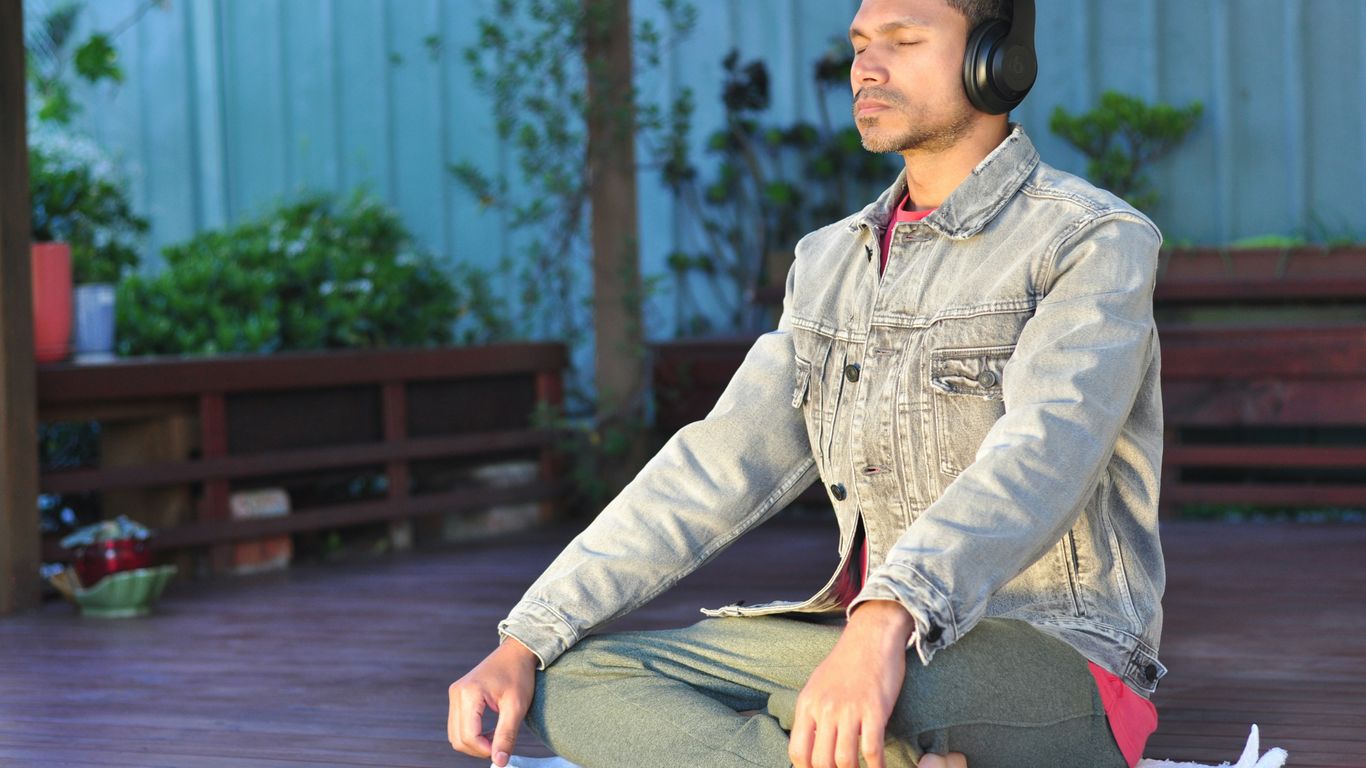
It’s easy to get swept away by our thoughts, especially when they’re about something we really want or really fear. We start thinking about that cookie, or that drink, or that situation, and suddenly, it feels like it’s all we can focus on. Our minds race, and it feels like we’re stuck in a loop. But what if we could just watch these thoughts come and go, like clouds drifting across the sky? That’s the idea behind learning to observe our thoughts without letting them take over.
Amplifying Self-Awareness of Physiological Signals
Our bodies often give us clues before our minds even catch up. When a craving starts to bubble up, you might notice your heart beat a little faster, your palms get sweaty, or you feel a tightness in your chest. These are physical signals. By paying closer attention to these bodily sensations, we can start to recognize the early whispers of a craving before it becomes a roar. It’s like learning to read a subtle language your body is speaking.
- Notice your breath: Is it shallow or deep? Fast or slow?
- Scan your body: Where do you feel tension or a strange sensation?
- Check your heart rate: Is it elevated or calm?
Disrupting Automatic Action Schemas
We all have these automatic patterns, or "schemas," that kick in without us really thinking. See a trigger, feel a craving, act on it. It’s a well-worn path in our brains. When we become more aware of these patterns, we can start to interrupt them. It’s not about fighting the urge, but about creating a tiny pause between the urge and the action. This pause is where we regain control.
This space between stimulus and response is where our growth lies. It’s in that brief moment of awareness that we can choose a different path, rather than just reacting out of habit. Learning to find and use that space is key to changing old patterns.
Accessing New Cognitive Strategies
Once we can observe our thoughts and physical sensations without immediately acting on them, we open up a whole new toolbox of ways to respond. Instead of just going with the automatic flow, we can consciously choose different approaches. This might involve reframing the situation, distracting ourselves with a different activity, or simply reminding ourselves of our goals. It’s about actively engaging our thinking brain to guide our behavior, rather than letting old habits steer the ship.
Here are a few strategies to try:
- Labeling: Simply name the thought or feeling. "Ah, there’s the craving thought," or "I’m feeling anxious right now." This creates distance.
- Reframing: Ask yourself, "Is this thought helpful?" or "What’s another way to look at this situation?"
- Mindful Distraction: Engage in an activity that requires your full attention, like a puzzle, a conversation, or a hobby you enjoy.
The Practice of Urge Surfing
When those strong desires pop up, it can feel like you’re caught in a storm. Urge surfing is a way to handle that feeling without getting swept away. It’s about learning to watch the craving, like watching a wave, as it builds, peaks, and then eventually fades. You don’t have to act on it.
Riding Out Cravings as Temporary Waves
Think of a craving like a wave in the ocean. It starts small, then gets bigger and bigger, and then, if you just let it, it crashes and goes away. The trick is to not fight it, but also not to jump on it and ride it to shore (which is where acting on the craving leads). Instead, you just observe it. Notice where you feel it in your body. Is it a tightness in your chest? A flutter in your stomach? What thoughts come with it? Just watch it all without judgment. This practice helps you see that cravings aren’t permanent; they are just temporary states. It takes practice, for sure. At first, it might feel really hard, like you’re just sitting there with this intense feeling. But over time, you get better at just letting it be.
Practicing Self-Kindness During Setbacks
Let’s be real, you’re not going to be perfect. There will be times when you slip up, when you give in to a craving. It happens. The important thing is how you respond to that. Instead of beating yourself up, which just adds more negative feelings to the pile, try to be kind to yourself. Think about what you’d say to a friend who was struggling. You’d probably be understanding, right? Offer yourself that same compassion. Acknowledge that it was tough, learn from it if you can, and then gently bring yourself back to your practice. It’s not about never falling; it’s about getting back up with grace.
Restoring Sensitivity to Natural Rewards
Addiction can really mess with your brain’s reward system. Things that used to bring you joy might not feel as good anymore, or you might only feel good when you’re using. Urge surfing, and mindfulness in general, helps to reset that. By learning to find satisfaction in just observing and being present, you start to reconnect with the simple, natural rewards in life. A nice cup of tea, a walk outside, a good conversation – these things can start to feel rewarding again. It’s like your brain is slowly waking up to the good stuff that was always there, but you just couldn’t notice it before because the cravings were so loud.
Developing Emotional Regulation Skills
Recovery isn’t just about saying ‘no’ to old habits; it’s really about learning how to handle what comes up inside you. A lot of us didn’t get a great emotional toolkit growing up, and that’s okay. Mindfulness training can help build that toolkit, teaching you to notice your feelings without immediately getting swept away by them. It’s like learning to watch a storm from a safe window instead of being caught in the rain.
Increasing Awareness of Current Emotional States
This part is about getting to know what’s happening inside you, right now. It means paying attention to the little signals your body sends – maybe a tight chest when you’re stressed, or a fluttery feeling when you’re anxious. It’s not about judging these feelings, just noticing them. Think of it like checking the weather report before you head out.
- Notice physical sensations: Where do you feel the emotion in your body?
- Identify the emotion: Can you put a name to it? (e.g., frustration, sadness, excitement)
- Observe thoughts: What thoughts are popping up alongside the feeling?
Recognizing Emotion-Driven Motivation
Sometimes, strong feelings push us to do things without us even realizing it. This section is about spotting that connection. If you feel a wave of sadness, do you automatically reach for a drink or a certain food? Mindfulness helps you see that motivation before you act on it. It gives you a chance to pause and choose a different path.
We often act on feelings without understanding why. Learning to see the link between an emotion and the urge to act is a big step in taking back control. It’s about recognizing that the feeling is there, but it doesn’t have to dictate your next move.
Improving Emotion Regulation in Recovery Populations
For folks in recovery, managing emotions can be especially tough. Old patterns are strong, and triggers are everywhere. Mindfulness-based programs have shown real promise here. They teach practical ways to handle intense emotions and cravings, not by suppressing them, but by observing them with a bit more distance. This can lead to fewer relapses and a more stable recovery journey. Studies show that people who practice these techniques tend to do better over time.
| Skill Area | Improvement Observed (Typical) |
|---|---|
| Craving Intensity | Reduced |
| Emotional Reactivity | Decreased |
| Relapse Rates | Lowered |
| Treatment Retention | Increased |
The Process Model of Receptive Practice
This section talks about a way to practice that’s all about just being open and aware, without trying to force anything. It’s like setting up a system for your mind to learn and grow.
Monitoring and Labeling Sensory Domains
When you start, the idea is to pay attention to what’s happening both outside you and inside you. This means noticing sights, sounds, smells, tastes, and even the feelings in your body – like a knot in your stomach or that little voice in your head. You’re basically giving a name to these sensations as they pop up. It’s not about judging them, just acknowledging them. This helps build a foundation for your awareness.
- Internal Sensations: Body feelings, emotions, thoughts.
- External Sensations: Sights, sounds, smells, tastes.
- Inner Speech: The running commentary in your mind.
Facilitating Disengagement from Thoughts and Emotions
Sometimes, you get caught up in a thought or an emotion. It feels like you’re stuck. This practice helps you learn to gently pull back. Instead of getting lost in the story, you notice that the thought or feeling is there, and then you let it go, returning your attention to whatever you were focusing on, like your breath or bodily sensations. This ability to disengage is key to not being swept away by difficult experiences. It’s like watching clouds drift by instead of trying to grab onto them.
The goal here isn’t to stop thoughts or feelings from appearing, but to change your relationship with them. You learn to see them as passing events, not as absolute truths or commands you must follow.
Developing Equanimity Through Non-Reactive Observation
As you keep practicing this non-reactive observation, something shifts. You start to feel more balanced, no matter what’s going on. Whether it’s a pleasant feeling or a difficult one, you can stay steady. This doesn’t mean you don’t feel things; it means you don’t get thrown off course by them. It’s about being impartial with your own experience, allowing things to be as they are without getting overly attached or aversive. This steady, balanced state is what we call equanimity.
Strengthening Attentional Networks
Think of your attention like a muscle. The more you work it out, the stronger and more flexible it becomes. This is especially true when we’re trying to manage cravings or difficult thoughts. By focusing on strengthening our attentional networks, we build a better capacity to stay present and less reactive.
Sustaining Focused Attentional Networks
This part is all about building up your ability to keep your focus steady, even when things get a bit noisy in your head or around you. It’s like learning to hold a steady gaze without your eyes darting all over the place. When you can sustain your attention, you’re better equipped to notice a craving arise without immediately getting swept away by it. It means being able to stick with your breath, a body sensation, or whatever your chosen focus is, for longer periods.
Executive Monitoring for Maintaining Concentration
This is where the ‘manager’ part of your brain comes in. Executive monitoring is your ability to oversee what your attention is doing, to notice when it’s wandering off, and to gently guide it back. It’s not about forcing your attention to stay put, but rather about being aware of its movements and making conscious choices about where to direct it. This skill is super helpful for recognizing when a craving is just a thought passing through, rather than something you must act on.
Reducing Effortful Control Through Continued Practice
Here’s a cool paradox: the more you practice strengthening your attention, the less effort it actually takes. Initially, trying to focus can feel like a real workout. You’re constantly pulling your mind back, and it’s tiring. But with consistent practice, these attentional networks become more efficient. What once required a lot of mental energy becomes more automatic. This means you can maintain focus and control without feeling drained, making it easier to handle challenging moments.
- Practice Regularity: Aim for short, consistent sessions rather than infrequent long ones.
- Mindful Observation: Pay attention to the subtle shifts in your focus during practice.
- Gentle Redirection: When your mind wanders, simply notice it and guide it back without judgment.
As you build these attentional muscles, you’ll find that your ability to observe thoughts and feelings without getting caught up in them grows. This isn’t about eliminating distractions, but about developing a more robust capacity to manage them when they appear.
Meta-Awareness as a Developed Skill
So, you’ve been practicing mindfulness, right? You’re getting better at noticing your thoughts without getting totally swept away by them. That’s awesome. But there’s another level to this, something called meta-awareness. It’s like stepping back and watching the whole show, not just being one of the actors.
Taking Awareness Itself as an Object of Attention
This is where things get interesting. Instead of just focusing on your breath or a sound, you start to notice that you are aware. It’s a bit mind-bending at first. You’re not just seeing the thought about wanting a cookie; you’re seeing the process of having the thought, the awareness that’s holding that thought. This ability to observe your own awareness is a hallmark of advanced practice. It helps you see how your mind works, like looking at a blueprint instead of just living in the house.
Monitoring the Meditative State for Focus
Think of meta-awareness as your internal quality control. When you’re meditating, it’s this part of you that gently nudges you when your mind has wandered off. It doesn’t scold you; it just notices, "Hey, we’re thinking about what to have for dinner now." Then, it helps you bring your attention back to your chosen anchor, like your breath. It’s this constant, subtle checking-in that keeps your practice from just becoming a daydream.
Here’s a quick look at what happens when your focus shifts:
| State of Focus | Description |
|---|---|
| Wandered | Mind is lost in thought, planning, or remembering. |
| Distracted | Attention is pulled by external sounds or internal sensations. |
| Present | Awareness is anchored to the intended object (e.g., breath). |
Increasing Sensory Clarity and Phenomenal Intensity
As you get better at this meta-awareness thing, your experience of the world can actually become more vivid. It’s like turning up the volume and contrast on reality. You start noticing subtle details you missed before – the texture of your clothes, the nuances in someone’s voice, the way light hits a surface. This isn’t about adding anything new; it’s about clearing away the mental clutter so you can perceive things more directly and with greater richness. It’s a subtle shift, but it makes everyday moments feel more alive.
When you can observe your own awareness, you create a bit of space between yourself and your experiences. This space is where freedom lives. It’s the difference between being a leaf tossed in the wind and being the sky that holds the wind and the leaves.
This skill isn’t something you’re born with; it’s developed. It takes consistent effort, like building any other skill. But the payoff is a more grounded, clear, and vibrant way of experiencing your life.
Deactivating the Autopilot Consumer
Think about how often you buy things without really thinking. It’s like you’re on autopilot, right? You see an ad, you feel a little nudge, and suddenly you’ve got a new gadget or outfit. This is the "autopilot consumer" at work, and it’s how a lot of modern buying happens. We do it out of habit, because a trigger pops up, or sometimes just to feel a bit better when we’re down.
Interrupting Automatic Consumption Patterns
Mindfulness helps break this cycle. It’s about noticing those automatic urges before you act on them. Instead of just going along for the ride, you get a chance to pause. This pause is key. It’s where you can actually decide if buying something aligns with what you truly want or need, rather than just reacting to an impulse.
- Recognize the urge: Notice the feeling or thought that pops up. Is it a genuine need or just a fleeting desire?
- Pause and breathe: Take a moment. A few deep breaths can create the space needed to step back.
- Question the impulse: Ask yourself why you want this. Is it for comfort, status, or something else?
- Connect with values: Does this purchase fit with your bigger goals and what’s important to you?
Observing Thoughts as Temporary Mental Events
This is where the real shift happens. Instead of getting caught up in a thought like "I need this new phone," you learn to see it as just that – a thought. It’s like watching clouds drift by; they appear, they change, and they move on. You are not your thoughts, and certainly not your fleeting desires. This ability to observe without getting swept away is called decentering. It means you can see your thoughts and feelings from a bit of a distance, like an observer. This makes it much easier to not act on every single impulse that comes your way.
When we can see our desires as temporary mental events, like passing clouds, we gain a powerful ability to choose our actions rather than being controlled by them. This shift from reaction to response is the heart of deactivating the autopilot consumer.
Strengthening Impulse Control and Emotional Regulation
Practicing mindfulness actually changes your brain a bit. It helps the parts of your brain responsible for thinking ahead and controlling impulses get stronger. At the same time, it can calm down the parts that react quickly to stress or strong emotions. This means you’re less likely to make a rash purchase just because you’re feeling stressed or bored. You build up a better ability to handle your emotions and resist urges, which is a big win for making more intentional choices.
Mindfulness for Stress and Adaptability
Life throws a lot at us, doesn’t it? Sometimes it feels like a constant barrage of demands, unexpected problems, and just general overwhelm. Mindfulness can really help us deal with all that.
It’s not about magically making stress disappear, but more about changing how we react to it. Think of it like learning to surf instead of getting wiped out by every wave. By practicing mindfulness, we train our brains to be less reactive and more flexible. This means when something stressful happens, we’re less likely to just go on autopilot and do the same old thing that might not even help.
Minimizing Automatic and Impulsive Reactions
We all have those moments where we act without really thinking. Maybe it’s snapping at someone when we’re tired, or making an impulse purchase when we’re feeling down. These are automatic reactions, often driven by habit or emotion. Mindfulness helps us notice these urges before we act on them. It’s like putting a little pause button between the feeling and the action.
Here’s a simple way to start noticing:
- Check-in: Take a moment to notice what’s happening in your body. Are your shoulders tense? Is your jaw clenched?
- Label: Mentally note the feeling. "Ah, I’m feeling impatient right now." Or, "There’s a feeling of wanting to grab that cookie."
- Breathe: Take a slow, deep breath. This simple act can create space.
- Choose: Now, with that little bit of space, you can decide how to respond, rather than just reacting.
Increasing Cognitive Flexibility
Life is always changing, and sometimes our old ways of thinking just don’t cut it anymore. Cognitive flexibility is our ability to switch gears, to see things from different angles, and to adjust our plans when needed. Mindfulness practice helps build this skill.
When we regularly observe our thoughts without getting caught up in them, we start to see that there are many ways to interpret a situation. This makes us less rigid and more open to new ideas and solutions. It’s like loosening up a tight grip so you can hold onto more things.
Adapting to New Circumstances with Greater Ease
Life’s curveballs are inevitable. Whether it’s a job change, a relationship shift, or just a global event that shakes things up, adapting can be tough. Mindfulness gives us a toolkit for navigating these changes more smoothly.
Instead of resisting change or getting stuck in worry about what might happen, mindfulness helps us stay present with what is happening. This doesn’t mean we like the change, but we can face it with more clarity and less distress. It helps us bounce back quicker and find our footing again, even when the ground feels unsteady.
When we practice mindfulness, we’re not just learning to relax. We’re building a resilient mind that can handle stress better, think more clearly, and adapt to whatever life throws our way. It’s a skill that pays off in so many areas of life, making the tough stuff a little more manageable and the good stuff even richer.
Feeling overwhelmed and finding it hard to adjust to changes? Our section on "Mindfulness for Stress and Adaptability" offers simple ways to stay calm and flexible. Learn easy techniques to handle stress and become more adaptable. Ready to feel more in control? Visit our website to discover how.
Putting It All Together
So, we’ve talked about how noticing your cravings as just thoughts, not orders, can really change things. It’s not about stopping the thoughts, but about changing how you react to them. Think of it like watching clouds pass by – they show up, and then they move on. This takes practice, for sure. But by consistently observing those urges without jumping on them, you’re basically teaching your brain a new way to respond. It’s a skill, and like any skill, it gets better with time. This approach helps build up your ability to handle tough moments, making it easier to stick to your goals and live a more balanced life. Keep at it, and you’ll start to see a real difference in how you handle those tricky cravings.
Frequently Asked Questions
What is metacognitive awareness and how does it help with cravings?
Metacognitive awareness is like having a superpower for your mind. It means you can watch your thoughts and feelings without getting swept away by them. When you have a craving, instead of thinking ‘I *have* to do this,’ you can see it as just a thought passing by. This helps you realize cravings aren’t commands, giving you a chance to choose how you react instead of just doing what the craving tells you.
How does mindfulness help change my brain?
Mindfulness is like exercise for your brain. When you practice it regularly, it actually helps your brain build new connections and become stronger. This makes it easier to control your impulses and less likely to automatically give in to cravings. It’s like teaching your brain new, healthier habits.
What does ‘urge surfing’ mean?
Imagine a wave in the ocean. Urge surfing is like riding that wave. Cravings feel intense, like a big wave crashing over you. But just like waves, cravings come and go. Urge surfing means you learn to notice the craving, feel it without fighting it, and wait for it to pass, knowing it won’t last forever.
Why is it important to notice physical feelings when I have a craving?
When you crave something, your body often sends signals – maybe your heart beats faster, you feel restless, or your palms get sweaty. Paying attention to these physical feelings helps you understand that the craving is happening in your body, not just in your head. It makes the craving feel more real but also more manageable, as you can see it as a temporary physical sensation.
What are ‘automatic action schemas’ and how does mindfulness disrupt them?
Automatic action schemas are like autopilot for your behaviors. You do things without really thinking, like reaching for a cigarette when you feel stressed. Mindfulness helps you notice these automatic patterns. By pausing and observing your thoughts and feelings, you break that automatic link, giving you a chance to choose a different, more helpful action instead.
Can mindfulness really help me manage my emotions better?
Yes, absolutely! Mindfulness teaches you to be aware of your emotions without judging them. This helps you understand what you’re feeling and why. When you can recognize your emotions, you’re less likely to be controlled by them or act on them impulsively. It’s like learning to be the driver of your emotions, not just a passenger.
What happens when I practice mindfulness regularly?
With regular practice, you become more aware of your own mind and body. Your ability to focus gets stronger, and you become better at handling stress. You start to feel less controlled by urges and more in charge of your own choices. It’s like building up your mental strength over time.
Is it okay to slip up sometimes while practicing mindfulness for recovery?
Definitely! Everyone slips up sometimes. The important thing is to be kind to yourself when it happens. Instead of getting discouraged, see it as a learning opportunity. Mindfulness teaches you self-compassion, so you can acknowledge the setback without beating yourself up, and then get back on track with your practice.