
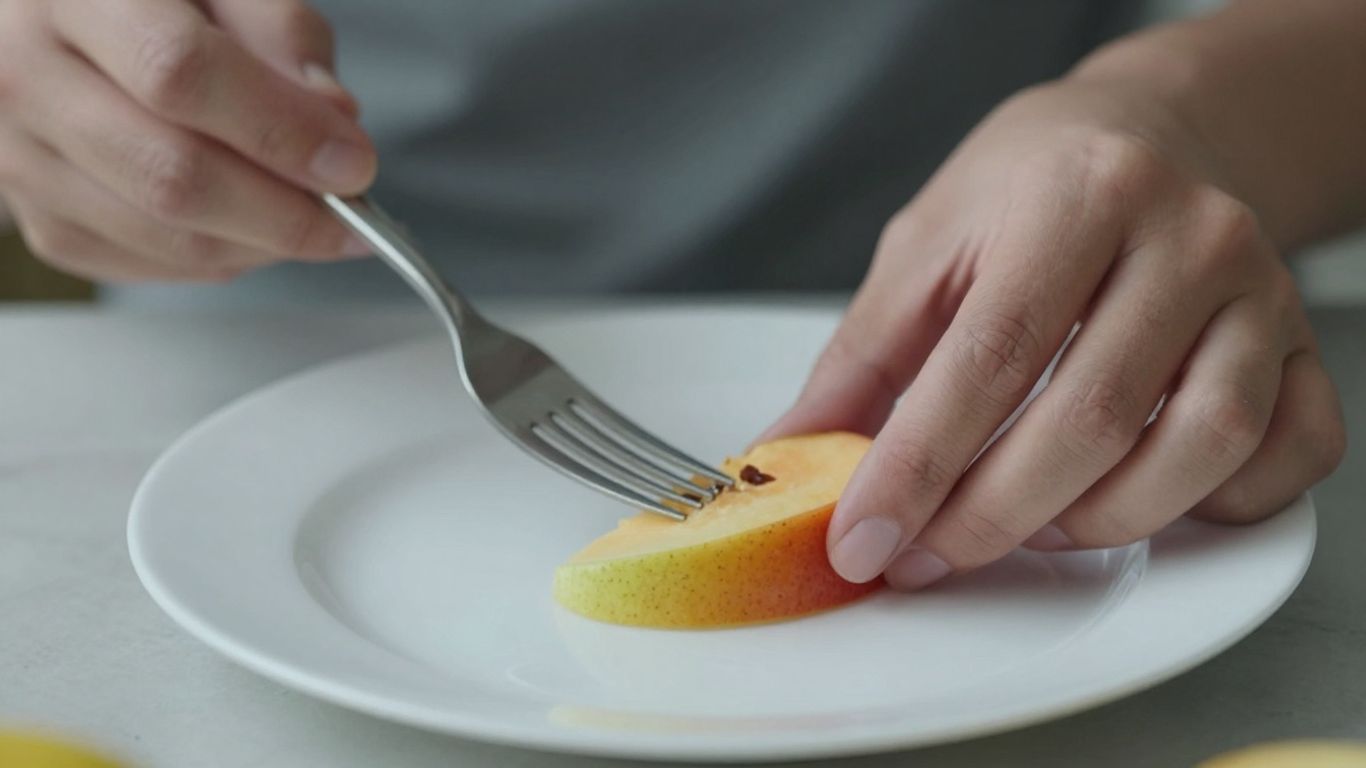
Snacking doesn’t have to be a mindless activity that derails your day. This article introduces a simple approach to mindful snacking, focusing on how you eat rather than what you eat. We’ll explore how to slow down, pay attention to your body’s signals, and truly enjoy your food without stressing over calorie counts. It’s all about making snack time a moment of calm and connection.
Key Takeaways
- Mindful snacking means paying attention to your food and body signals, not just counting calories.
- Create a calm space for snacking and remove distractions to focus on the experience.
- Learn to recognize your body’s hunger and fullness cues to know when to start and stop eating.
- Slowing down your eating by savoring bites and chewing thoroughly helps with digestion and satisfaction.
- Regularly pausing during your snack helps you assess if you’re truly satisfied and prevents overeating.
Embracing Mindful Snacking: A Foundational Shift
Let’s talk about snacks. Not the frantic, grab-and-go kind, but snacks that actually feel good, body and mind. Mindful snacking is a way to change how we approach food, moving away from autopilot eating and towards a more connected experience. It’s about paying attention, really paying attention, to what we’re eating, why we’re eating it, and how it makes us feel. This isn’t about strict rules or calorie counts; it’s about building a better relationship with food, one snack at a time.
Understanding Mindful Eating’s Core Principles
At its heart, mindful eating is about presence. Think about it: how often do we eat while scrolling through our phones, watching TV, or even working? Mindful eating asks us to put those distractions aside and focus on the food itself. It means noticing the colors, the smells, the textures, and the tastes. It’s also about tuning into our body’s signals. Are we truly hungry, or are we bored, stressed, or just reaching for something because it’s there? By cultivating this awareness, we start to understand our eating habits on a deeper level.
The ‘Hara Hachi Bu’ Philosophy for Moderation
There’s an old Japanese concept called ‘Hara Hachi Bu,’ which roughly translates to ‘eat until you are 80% full.’ It’s not about stopping precisely at the 80% mark, but rather about recognizing that feeling of comfortable fullness and stopping before you feel stuffed. This practice encourages us to slow down and listen to our bodies. It helps prevent overeating without the need for strict portion control or calorie tracking. It’s a gentle reminder that satisfaction doesn’t always come from finishing everything on our plate.
Here’s a simple way to think about it:
- Start eating when you feel moderately hungry. Not starving, but ready for nourishment.
- Pay attention to your body’s signals as you eat. Notice when you start to feel satisfied.
- Stop eating when you feel comfortably full, not overly stuffed. There should be a little room left.
Cultivating Awareness Beyond the Plate
Mindful snacking extends beyond just the physical act of eating. It involves understanding the emotional and environmental factors that influence our choices. Sometimes, we reach for a snack not because we’re physically hungry, but because we’re feeling a certain emotion – maybe stress, sadness, or even happiness. Recognizing these triggers is a big step. It allows us to respond to our emotions in healthier ways, rather than using food as a coping mechanism. It’s about building a more balanced and intentional approach to nourishment, where food serves its purpose without becoming a source of stress or guilt.
Preparing Your Environment for Mindful Snacking
Before you even think about what to eat, let’s talk about where and how you’re going to eat it. Setting up your surroundings can make a surprisingly big difference in how mindfully you snack. It’s about creating a little pocket of calm in your day, even if it’s just for a few minutes.
Creating a Peaceful Eating Space
Think about where you usually grab a snack. Is it standing over the sink? In front of the TV? While scrolling through your phone? These aren’t exactly recipe for mindfulness. Instead, try to find a spot that feels a bit more intentional. It doesn’t need to be fancy – maybe it’s just a specific chair at your kitchen table, a quiet corner of your living room, or even stepping outside for a few minutes. The key is to choose a place where you can feel a sense of calm and separation from your usual hustle.
Minimizing Distractions for Focused Eating
This is a big one. Our modern lives are full of distractions, and they really pull us away from being present with our food. That means putting away the phone, turning off the TV, and maybe even closing the laptop. When your attention isn’t split between your snack and a screen or a task, you can actually start to notice what you’re eating. It’s like giving your senses a chance to wake up and really engage with the experience.
The Role of Dinnerware in Mindful Consumption
It might sound a little odd, but the dishes you use can play a part. Using smaller plates or bowls can visually signal that you’re having a smaller portion, which can help with pacing. It’s not about restriction, but about creating a gentle cue for yourself. Even the act of choosing a nice bowl or a favorite mug can add a touch of intention to your snack time. It’s a small detail, but it can help shift your mindset from a rushed grab-and-go to a more deliberate moment of nourishment.
Creating a dedicated space and minimizing distractions helps signal to your brain that it’s time to focus on nourishment, not just consumption. This simple shift can transform a mindless habit into a moment of self-care.
Here are a few ideas to get you started:
- Designate a "snack spot": Pick a consistent, comfortable place where you’ll eat your snacks.
- Tech-free zone: Make a rule to put away phones, tablets, and turn off the TV during snack time.
- Mindful setup: Use a plate or bowl, even for a small snack. This makes it feel more like a meal.
- Sensory focus: Take a moment to notice the colors, shapes, and smells of your snack before you begin.
Assessing Hunger and Fullness Cues
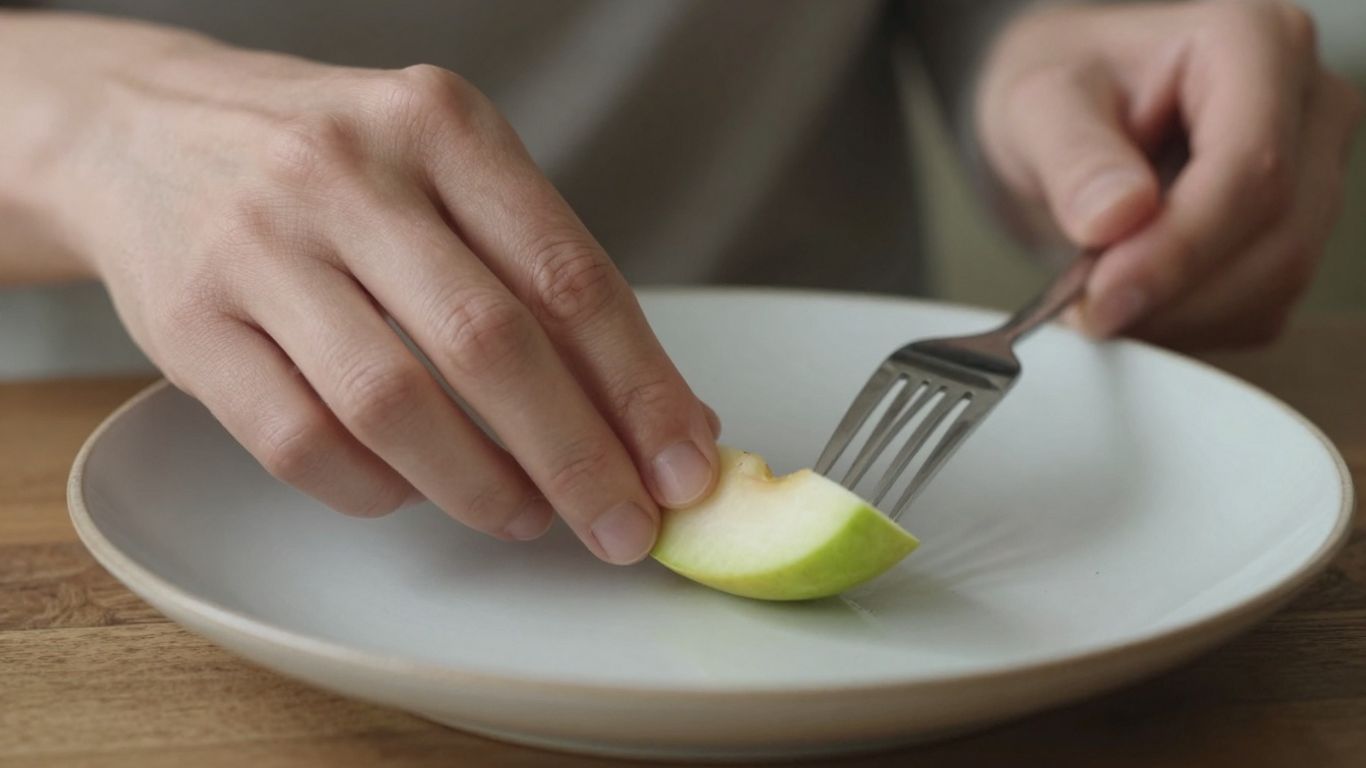
Before you even think about taking a bite, it’s super helpful to check in with your body. We often eat out of habit, or because food is there, not because we’re actually hungry. Learning to tell the difference between true physical hunger and other urges is a big part of mindful eating.
Utilizing the Hunger-Fullness Scale
Think of a scale from 1 to 10, where 1 is starving and 10 is stuffed to the point of discomfort. The goal isn’t to get to 1 or 10. Instead, aim to start eating when you’re around a 3 or 4 – that’s a gentle, physical hunger. And try to stop when you reach a 6 or 7, feeling comfortably satisfied, not stuffed. This range allows you to enjoy your food without overdoing it.
Here’s a quick guide:
- 1-2: Famished, weak, lightheaded. You might be irritable or have trouble concentrating.
- 3-4: Mild hunger pangs, maybe a slight growl. You’re ready to eat but not desperate.
- 5-6: Comfortably full, satisfied. You’ve had enough, and you feel good.
- 7-8: Starting to feel a bit too full, maybe a little heavy.
- 9-10: Uncomfortably stuffed, bloated, possibly feeling sick.
Recognizing Physical vs. Emotional Hunger
This is where things get interesting. Physical hunger usually comes on gradually. You might feel a rumble in your stomach, a bit of an empty feeling, or maybe a slight headache. It doesn’t usually have specific cravings; you’re generally open to various foods. Emotional hunger, on the other hand, often hits suddenly. It’s usually tied to a feeling – boredom, stress, sadness, or even happiness. You might crave a very specific food, like ice cream or chips, and it often comes with guilt afterward.
Paying attention to when and why you want to eat can make a huge difference. Is it a genuine need for fuel, or is something else driving the urge?
The Importance of Internal Body Signals
Our bodies are pretty smart, honestly. They send us signals all the time about what they need. Mindful snacking is all about tuning into those signals. It means noticing the subtle cues of hunger before you get ravenous and recognizing the gentle feeling of satisfaction before you push past it. It’s about trusting your internal wisdom rather than external rules. This connection helps you make food choices that truly nourish you, both physically and mentally.
The Art of Slowing Down Your Snack
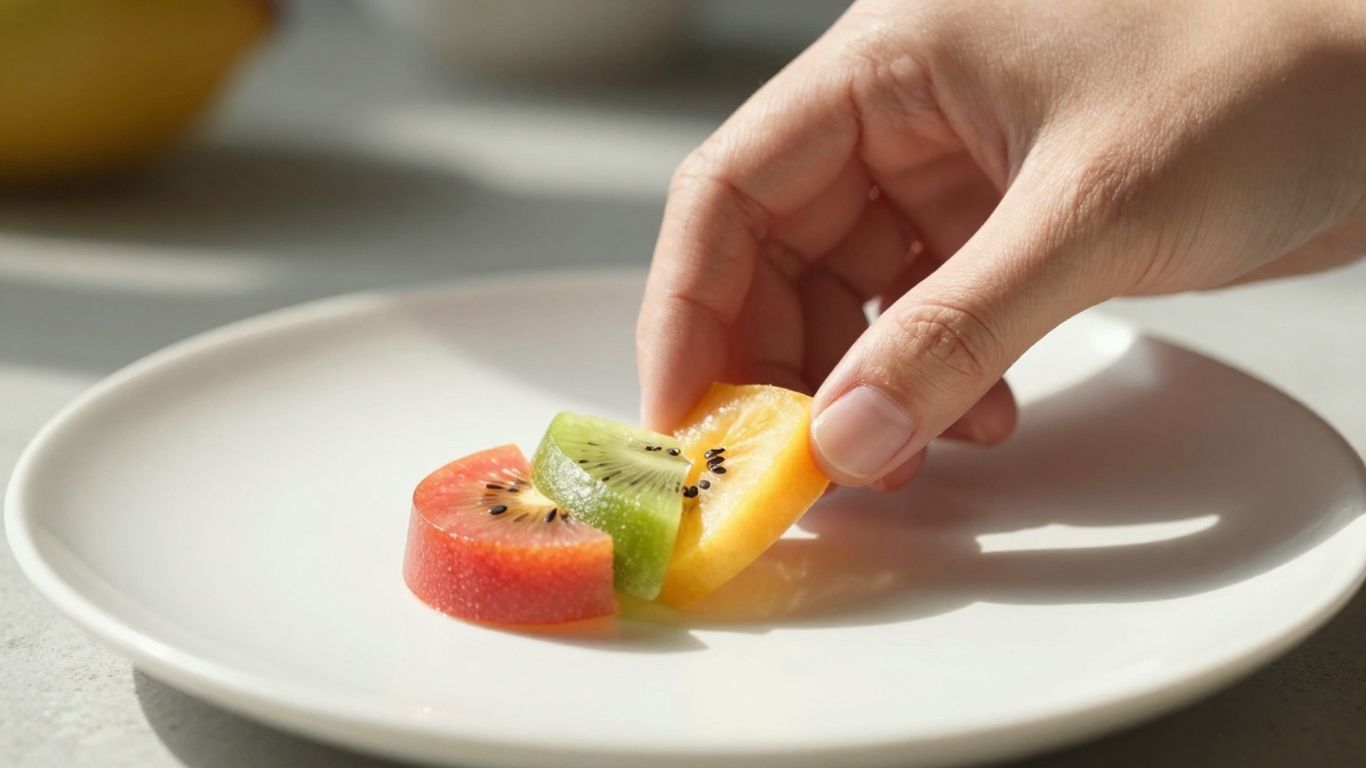
Ever find yourself finishing a snack and barely remembering tasting it? That’s a common experience in our fast-paced world. But slowing down your eating isn’t just about making your snack last longer; it’s a practice that can genuinely change how you feel about food and your body’s signals. Taking your time with food allows your brain to catch up with your stomach, helping you recognize fullness cues more accurately. It’s about shifting from just consuming to truly experiencing your food.
Savoring Each Bite: Texture and Flavor
Think about your snack. What does it feel like in your mouth? Is it crunchy, smooth, chewy? What flavors are present? Are they sweet, salty, tangy? When you eat slowly, you give your senses a chance to engage. Try closing your eyes for a moment before you take a bite. Notice the aroma. As you chew, pay attention to how the texture changes and how the flavors evolve. This isn’t about analyzing every single detail, but rather about bringing a gentle curiosity to the sensory experience. It makes even a simple snack feel more satisfying and interesting.
The Benefits of Thorough Chewing
Chewing is the first step in digestion, and doing it well makes a big difference. When you chew your food more thoroughly, you break it down into smaller pieces. This helps your body absorb nutrients more effectively. It also signals to your stomach that food is on its way, preparing it for digestion. Some people find that consciously counting their chews for each bite can help them slow down. While this might feel a bit mechanical at first, the goal is to encourage a more deliberate approach to breaking down your food, rather than just swallowing large pieces.
Pacing Your Snack with Utensil Placement
One of the simplest yet most effective ways to slow down your eating is by putting your utensils down between bites. If you’re eating something that doesn’t require utensils, simply place it back on your plate after each mouthful. This creates a physical pause, a moment to reset before reaching for the next bite. It interrupts the automatic motion of eating quickly and gives you a chance to check in with yourself. This small action can significantly extend the time it takes to finish your snack, allowing for better digestion and a more mindful experience.
This practice isn’t about restriction; it’s about creating space. Space to taste, space to digest, and space to listen to your body’s internal messages. It transforms eating from a race against the clock into an opportunity for calm and connection with your food.
The Power of the Mindful Pause
Sometimes, we just keep going, right? We finish one bite, and before we even really register it, we’re reaching for the next. This is where the mindful pause comes in. It’s that simple, yet profound, moment of stopping mid-snack to check in with yourself. It’s about creating a deliberate break to assess your satisfaction levels before automatically continuing.
Pausing to Assess Satisfaction Levels
Think of it like this: you’re enjoying your snack, maybe some crunchy almonds or a piece of fruit. You’ve had a few bites, and you feel pretty good. But are you truly satisfied, or are you just eating because it’s there? The pause is your chance to ask yourself that question. How does your body feel? Are you comfortably full, or are you still feeling that initial hunger? This isn’t about judgment; it’s about gathering information.
Waiting Before Considering More Food
This is where the "wait" part of the pause really shines. After you’ve taken a moment to assess your satisfaction, give yourself a few minutes before deciding if you want more. Our bodies don’t always signal fullness instantly. Sometimes, it takes a little while for the message to get through. This waiting period can prevent you from overeating simply because you didn’t give your body enough time to catch up.
Allowing Your Body Time to Signal Fullness
This ties directly into the previous point. By intentionally pausing, you’re giving your digestive system and your brain the space they need to communicate. It’s like letting a phone call connect before you start talking. You’re allowing those internal signals of satiety to register. This practice helps you move away from eating out of habit or external cues and toward eating based on genuine internal needs. It’s a simple step that can make a big difference in how you feel after snacking.
Mindful Snacking for Enhanced Well-being
When we shift our focus from counting calories to truly experiencing our food, a whole new world of well-being opens up. Mindful snacking isn’t just about what you eat, but how you eat it. It’s about connecting with your body and making choices that genuinely nourish you, both physically and mentally.
Improving Digestion Through Conscious Eating
Have you ever noticed how you feel after a rushed snack? Bloated? Uncomfortable? That’s often because we eat too quickly, not giving our digestive system a chance to do its job properly. When you slow down, chew thoroughly, and pay attention to your food, you’re actually helping your body break down nutrients more effectively. This means less discomfort and better absorption of all the good stuff from your snack. It’s like giving your stomach a gentle, supportive hand instead of a frantic shove.
Reducing Emotional Eating Patterns
Many of us reach for snacks when we’re feeling stressed, bored, or sad. This is emotional eating, and it can lead to a cycle of guilt and dissatisfaction. Mindful snacking helps break this cycle by encouraging you to pause and ask yourself: "Am I truly hungry, or am I feeling something else?" By recognizing these emotions without judgment, you can start to address the root cause rather than just reaching for food. This awareness is the first step toward making different choices.
Fostering a Healthier Relationship with Food
Diets often feel like a battle, a constant struggle against rules and restrictions. Mindful snacking, on the other hand, is about building trust with your body. It’s about understanding that food is fuel and pleasure, not an enemy. By listening to your body’s hunger and fullness cues, and by savoring the experience of eating, you begin to see food in a more positive light. This approach helps move away from the idea of "good" and "bad" foods, promoting a more balanced and peaceful relationship with what you eat.
Integrating Mindful Snacking into Busy Lifestyles
Life moves fast, and it often feels like there’s barely enough time to catch your breath, let alone sit down for a proper meal. But even with a packed schedule, making space for mindful snacking is totally doable. It’s not about adding another chore to your list; it’s about finding small, intentional moments to nourish yourself.
Quick and Nutritious Snack Preparation
When time is tight, the easiest thing to do is grab whatever’s convenient, which often isn’t the most helpful for your body. The trick here is a little bit of prep work when you do have a moment. Think about setting aside 15-20 minutes on a Sunday afternoon to wash and chop some veggies, portion out nuts into small containers, or hard-boil a few eggs. Having these ready to go means you can bypass the vending machine or the drive-thru.
- Pre-portion snacks: Use small reusable bags or containers for nuts, seeds, or dried fruit.
- Wash and cut produce: Keep fruits like apples and pears whole, but wash and cut things like carrots, celery, and bell peppers.
- Batch cook simple items: Hard-boiled eggs or overnight oats can be made ahead for grab-and-go options.
Keeping Healthy Snacks Readily Available
This goes hand-in-hand with preparation. If healthy snacks aren’t within easy reach, they might as well not exist when hunger strikes. Keep a stash of your go-to mindful snacks in a few key places: your desk drawer at work, your gym bag, your car’s glove compartment, or a designated shelf in your pantry.
The goal is to make the healthy choice the easy choice. When you’re feeling that mid-afternoon slump, you want to be able to reach for something that supports you, not something that requires a scavenger hunt.
Incorporating Brief Pauses for Mindful Moments
You don’t need a full 30 minutes to practice mindfulness. Even a minute or two can make a difference. Before you take your first bite of a snack, take three deep breaths. Notice the texture and smell of your food. As you eat, try to put your fork down between bites. This simple act slows you down and gives your brain a chance to catch up with your stomach, helping you recognize fullness cues sooner.
- The 3-Breath Check-in: Before eating, pause and take three slow, deep breaths. Notice how you feel.
- Utensil Pacing: Place your fork or spoon down on the plate between bites. This creates a natural pause.
- Sensory Awareness: Briefly focus on one sense – the crunch of a carrot, the sweetness of a piece of fruit, the creaminess of yogurt.
Mindful Snacking and Body Awareness
Connecting with Your Body’s Needs
Mindful snacking is really about tuning into what your body is actually telling you. It’s not just about the food itself, but about the signals your body sends before, during, and after you eat. Think of it as having a quiet conversation with yourself. When you’re truly present, you start to notice subtle cues – maybe a slight rumble in your stomach, a feeling of lightness or heaviness, or even just a general sense of needing something. This awareness helps you distinguish between true physical hunger and other urges, like boredom or stress.
Making Intuitive Food Choices
Once you start paying closer attention to your body’s signals, making food choices becomes much more intuitive. Instead of relying on external rules or what you think you should eat, you begin to choose foods that genuinely feel good and provide the energy you need. It’s about honoring your preferences and your body’s requirements in the moment. This might mean reaching for a piece of fruit when you crave something sweet and refreshing, or opting for a handful of nuts when you need sustained energy. It’s a shift from restriction to responsiveness.
Appreciating Food as Nourishment
When you practice mindful snacking, you start to see food not just as a way to fill a void or satisfy a craving, but as a source of nourishment. You become more aware of where your food comes from, how it was prepared, and the positive impact it has on your body and mind. This appreciation can transform your relationship with food, making even a simple snack feel like a valuable act of self-care. It’s about recognizing that what you eat directly contributes to your well-being.
Here are some ways to connect more deeply with your body’s needs during snack time:
- Check in before you snack: Ask yourself, "Am I truly hungry?" Notice any physical sensations.
- Savor the experience: Pay attention to the textures, smells, and tastes of your snack. Notice how different foods make you feel.
- Pause after snacking: Take a moment to assess your satisfaction level. Do you feel comfortably nourished, or are you still wanting more?
This practice isn’t about perfection; it’s about consistent, gentle attention. Over time, you’ll build a stronger, more trusting relationship with your body’s innate wisdom regarding food.
Tracking Your Mindful Snacking Journey
So, you’ve been practicing the plate, pace, and pause. That’s fantastic! But how do you really know if it’s working? This is where keeping a record comes in. It’s not about judging yourself or getting bogged down in numbers; it’s about gentle observation. Think of it as a way to get to know your own patterns better.
The Value of Non-Judgmental Food Journaling
Forget those old-school food diaries that felt like a chore. A mindful snacking journal is different. It’s a space to simply notice what you ate, when you ate it, and how you felt before, during, and after. Did you reach for a snack out of boredom or genuine hunger? How did that apple really taste? Was the crunch satisfying? Jotting these things down, without any self-criticism, helps you see the bigger picture. This practice builds self-awareness, which is the bedrock of lasting change.
Observing Patterns in Your Eating Habits
After a week or two of journaling, you might start to see some interesting trends. Maybe you notice you always crave something sweet around 3 PM, regardless of whether you’re hungry. Or perhaps you realize that eating while watching TV leads to finishing your snack without even remembering tasting it. These observations aren’t meant to make you feel bad; they’re simply data points. They highlight opportunities to adjust your approach. For instance, if you notice emotional eating, you can start brainstorming non-food coping mechanisms for those feelings.
Here are some things to consider noting:
- Time of Snack: When did you eat?
- Hunger Level (1-10): How hungry were you before?
- Food Chosen: What did you eat?
- Enjoyment/Satisfaction: How much did you enjoy it?
- Fullness Level (1-10): How full did you feel after?
- Feelings/Context: What was going on? (e.g., stressed, bored, watching TV, with friends)
Celebrating Progress and Self-Compassion
It’s easy to focus on what we perceive as ‘mistakes’ when we’re trying to change habits. But with mindful snacking, the goal is progress, not perfection. Did you manage to pause before grabbing that second handful of chips? Did you savor the flavor of your yogurt? Acknowledge these small victories! Self-compassion is key here. If you slip up and eat mindlessly, just notice it, learn from it, and gently return to your practice. This journey is about building a kinder, more intuitive relationship with food, and that includes being kind to yourself along the way.
Remember, this isn’t about restriction or deprivation. It’s about bringing awareness and intention to your snacking, allowing you to enjoy your food more fully and feel better in your body. Your journal is a tool for understanding, not for judgment.
Mindful Snacking Versus Restrictive Diets
When we talk about changing how we eat, it’s easy to fall into the trap of thinking about diets. You know, the ones with strict rules, lists of ‘good’ and ‘bad’ foods, and a constant focus on what you can’t have. Mindful snacking offers a completely different path. It’s less about following a rigid plan and more about tuning into your own body and what it truly needs.
Embracing Flexibility Over Rules
Restrictive diets often feel like a battle. You’re constantly fighting cravings and feeling guilty when you slip up. Mindful snacking, on the other hand, is built on flexibility. Instead of a set of external rules, it encourages you to listen to your internal signals. This means paying attention to your hunger and fullness cues, and understanding your emotional state around food. It’s about making choices that feel right for you in the moment, not just following a prescribed list.
Prioritizing Holistic Well-being
Diets frequently zero in on weight as the main goal. While weight can be a factor for some, mindful snacking looks at the bigger picture. It’s about how food makes you feel, both physically and mentally. Are you energized? Satisfied? Is your digestion comfortable? By focusing on these aspects, you build a healthier relationship with food that supports your overall well-being, not just a number on the scale.
Shifting Focus from Weight to Nourishment
Think about it: diets often make food the enemy. Mindful snacking, however, invites you to see food as nourishment. It’s about appreciating the taste, texture, and satisfaction that a snack can provide. This shift in perspective helps move away from food obsession and towards a more balanced, sustainable way of eating. It’s not about deprivation; it’s about conscious enjoyment and giving your body what it needs to thrive.
Here’s a simple way to think about the difference:
| Feature | Restrictive Diet | Mindful Snacking |
|---|---|---|
| Approach | Rules-based, external control | Awareness-based, internal guidance |
| Focus | Weight loss, restriction | Well-being, nourishment, satisfaction |
| Flexibility | Low, often leads to guilt | High, promotes self-compassion |
| Goal | Adherence to a plan | Listening to body’s signals |
Moving away from restrictive eating patterns can feel liberating. It allows for a more natural and intuitive way of interacting with food, reducing stress and promoting a sense of peace around meal times.
Instead of strictly limiting what you eat, try focusing on eating in a way that feels good and makes you happy. This approach, called mindful eating, is all about paying attention to your body’s signals and enjoying your food. It’s a much healthier way to think about food than always saying ‘no’ to things. Ready to learn more about eating mindfully? Visit our website today!
Bringing It All Together
So, there you have it. The "plate, pace, and pause" method isn’t about strict rules or counting every little thing. It’s about bringing a bit more awareness to how and why we eat, especially when we’re just grabbing a quick bite between tasks. By paying attention to your plate, slowing down your pace, and taking a mindful pause, you can start to build a more balanced relationship with food. It’s a simple shift, but one that can make a real difference in how you feel, without the stress of calorie tracking. Give it a try, see how it feels, and remember, it’s okay to adjust as you go. This is about making eating a more enjoyable and satisfying part of your day, one mindful moment at a time.
Frequently Asked Questions
What exactly is mindful snacking?
Mindful snacking is all about paying attention to your snack time. It means really noticing what you’re eating, how it tastes, and how your body feels while you’re eating and after. It’s like hitting the pause button to truly enjoy your food and listen to your body, instead of just eating without thinking.
Do I really need to avoid counting calories?
Yes! The whole point is to forget about numbers. Instead of tracking calories, you focus on your body’s signals. You learn to tell when you’re truly hungry and when you’re comfortably full. This helps you eat what your body needs without stressing about calorie counts.
What does ‘Hara Hachi Bu’ mean for snacking?
‘Hara Hachi Bu’ is a Japanese idea that means ‘eat until you’re 80% full.’ For snacking, it means stopping when you feel satisfied, not stuffed. It’s about enjoying your snack but knowing when to put it down before you’re completely full.
How can I make my snacking environment peaceful?
Try to find a quiet spot where you won’t be bothered. Turn off the TV or put away your phone. Even using a nice plate or bowl can make the experience feel more special and help you focus on your snack.
How do I know if I’m really hungry or just bored?
Think about how your stomach feels. Real hunger usually comes on gradually and might make your stomach rumble. Boredom hunger often hits suddenly and you might crave something specific, like chips or sweets. Paying attention to these feelings helps you choose if a snack is really needed.
How can slowing down help my snack time?
When you eat slowly, you give your body time to notice it’s getting full. It also lets you really taste and enjoy your food. Try taking small bites, chewing thoroughly, and putting your fork down between bites. You might find you feel satisfied with less food.
What’s the ‘mindful pause’ all about?
The mindful pause is a short break you take during your snack. You stop for a moment to check in with yourself. Ask: ‘Am I still enjoying this? Am I starting to feel full?’ This pause helps you decide if you truly want more or if you’re satisfied.
Can mindful snacking help with stress or emotions?
Definitely! When you snack mindfully, you become more aware of why you’re reaching for food. If it’s stress or sadness, you can learn to recognize it and find other ways to cope. This helps you build a healthier connection with food, where you eat because you’re hungry, not just because you feel something.