Love My Weight

Minimum Viable Meal: balanced assemblies in five minutes

Ever feel like you’re staring into the fridge, completely blank on what to make for dinner? And then, when you finally decide, it feels like it takes forever? Yeah, me too. That’s where the idea of a minimum viable meal comes in. It’s all about getting a balanced plate on the table fast, without all the fuss. Think of it as the simplest, quickest way to get good food in you when you’re short on time or energy. We’re talking about smart shortcuts and simple combinations that still pack a nutritional punch. Let’s figure out how to make that happen.

Key Takeaways

  • A minimum viable meal focuses on quick, balanced nutrition without complex preparation.
  • Combine pre-prepped items like canned beans, pre-washed greens, or cooked grains for speed.
  • Prioritize protein, healthy fats, and complex carbs for a satisfying and energizing meal.
  • Add quick-cooking vegetables or pre-cut options, plus fruits and simple seasonings, to boost flavor and nutrients.
  • Strategies like grain bowls or simple salads make assembling a minimum viable meal straightforward.

Understanding The Minimum Viable Meal

Think of a Minimum Viable Meal (MVM) as the simplest, most straightforward way to get a balanced plate in front of you, fast. It’s about hitting the key nutritional targets without a lot of fuss or time commitment. We’re not aiming for gourmet here; we’re aiming for functional, nourishing food that supports your day.

The Core Components of a Balanced Plate

A balanced plate generally includes a source of protein, some complex carbohydrates, and healthy fats, along with plenty of vegetables. These elements work together to keep you full, provide sustained energy, and deliver a range of vitamins and minerals. Getting these right is the foundation of any good meal, especially when you’re short on time.

  • Protein: Helps with satiety and muscle repair.
  • Carbohydrates: Provide energy.
  • Healthy Fats: Support hormone function and nutrient absorption.
  • Vegetables/Fruits: Deliver fiber, vitamins, and antioxidants.

Achieving Nutritional Completeness Swiftly

The trick to a swift MVM is smart planning and using ingredients that require minimal prep. This might mean leaning on pre-cooked grains, canned beans, or pre-washed greens. The goal is to assemble, not to cook from scratch every time. It’s about making smart choices with what’s available.

The Philosophy of Efficient Nourishment

At its heart, the MVM philosophy is about efficiency. It acknowledges that not everyone has hours to spend in the kitchen. It’s about respecting your time while still prioritizing your health. This approach helps prevent the default to less healthy, convenient options when hunger strikes and time is tight. It’s a practical way to eat well, day in and day out.

Strategic Assembly of Your Quick Meal

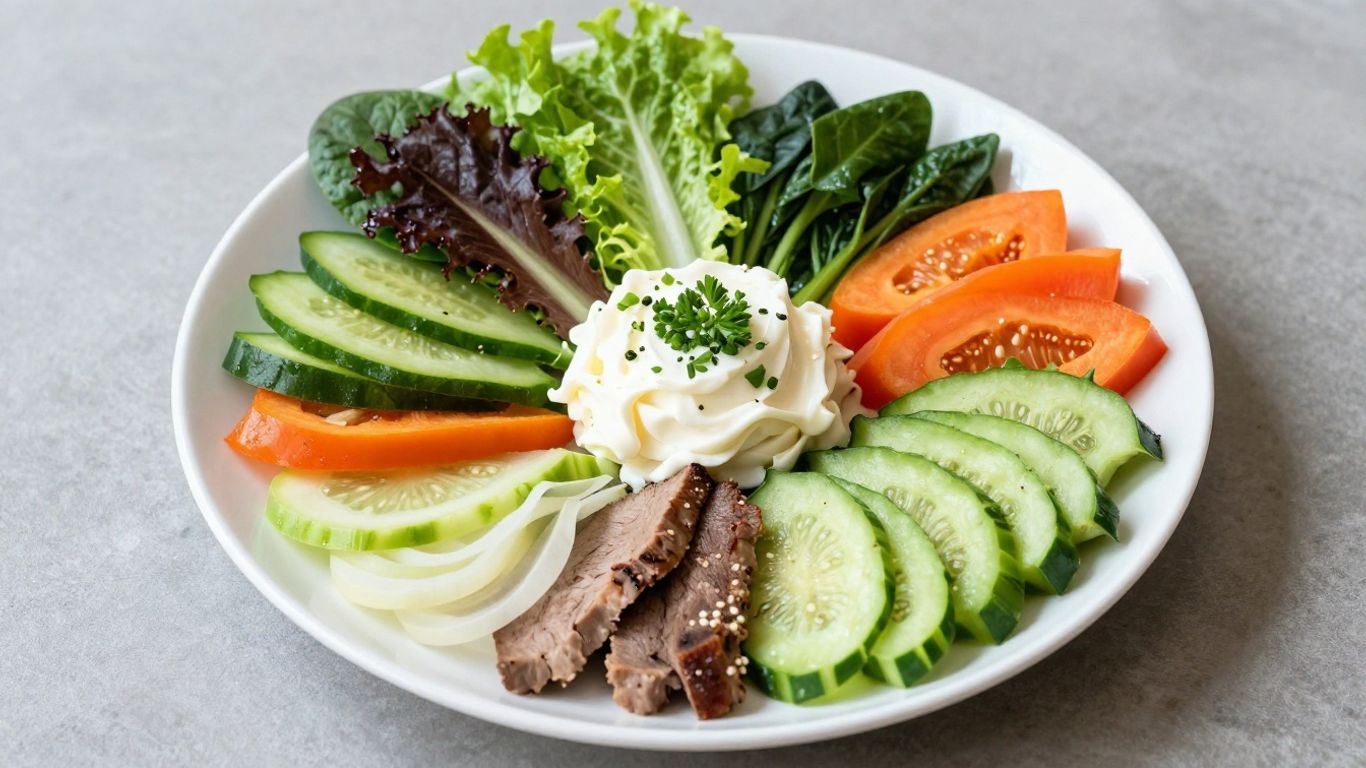
Balanced meal assembly in five minutes

Putting together a balanced meal in a hurry isn’t about magic; it’s about smart choices and knowing your building blocks. The goal is to combine ingredients that offer a good mix of protein, carbs, and healthy fats without a lot of fuss. Think of it like a quick puzzle where each piece contributes something important.

Leveraging Pre-Prepared Staples

This is where the real time-saving happens. Having a few go-to items ready to go makes all the difference. We’re talking about things that are already cooked, chopped, or just need a quick toss. It’s not cheating; it’s being efficient.

  • Pre-cooked grains: Think quinoa, brown rice, or even whole-wheat couscous. Many stores sell these in microwaveable pouches or large batches you can make ahead.
  • Canned legumes: Beans, lentils, and chickpeas are packed with protein and fiber. Just rinse and add.
  • Frozen vegetables: These are picked at peak freshness and flash-frozen, so they retain most of their nutrients. They cook super fast.
  • Rotisserie chicken or pre-cooked tofu: A ready source of protein that can be shredded or cubed.
  • Jarred sauces and dressings: Look for options with simple ingredients to add flavor without a lot of added sugar or sodium.

The Power of Smart Combinations

Once you have your staples, it’s about putting them together in a way that makes sense nutritionally and taste-wise. The idea is to create a plate that covers your bases quickly.

  • Grain + Protein + Veggie: This is a classic formula. For example, brown rice (grain) with canned black beans (protein/fiber) and a handful of frozen corn and peas (veggies) tossed with a simple vinaigrette.
  • Salad Base + Protein + Healthy Fat: Start with a bag of pre-washed greens, add some pre-cooked chicken or chickpeas, and top with a few nuts or seeds and a bit of avocado.
  • Wrap It Up: Use a whole-wheat tortilla and fill it with hummus, pre-cooked lentils, and some shredded carrots.

Minimizing Preparation, Maximizing Nutrition

The key here is to choose ingredients that require minimal effort but still pack a nutritional punch. We’re aiming for whole foods that are naturally nutrient-dense.

The less time you spend chopping, stirring, and waiting for things to cook, the more likely you are to actually eat a balanced meal when you’re short on time. It’s about making healthy eating accessible, not a chore.

Here’s a quick look at how different components can be assembled:

Meal Component Quick Options Nutritional Contribution
Base Pre-cooked Quinoa, Brown Rice, Whole Wheat Pasta Complex Carbohydrates, Fiber
Protein Canned Tuna/Salmon, Hard-Boiled Eggs, Edamame Protein, Iron, Healthy Fats
Vegetables Bagged Salad Mix, Cherry Tomatoes, Frozen Broccoli Vitamins, Minerals, Fiber
Healthy Fat Avocado, Nuts, Seeds, Olive Oil Dressing Satiety, Nutrient Absorption
Flavor Salsa, Hummus, Herbs, Spices Vitamins, Antioxidants, Taste

By focusing on these strategies, you can build satisfying and nutritious meals in just a few minutes, proving that speed and health don’t have to be mutually exclusive.

Essential Building Blocks for Speed

When you’re short on time, the right ingredients make all the difference. Focusing on components that require minimal prep means you can get a nutritious meal on the table fast. Think of these as your go-to items for quick assembly.

Protein Sources for Rapid Integration

Protein is key for feeling full and satisfied. For speed, look for proteins that are already cooked or require very little attention. Canned fish, pre-cooked chicken or turkey strips, hard-boiled eggs, and tofu are excellent choices. Even a handful of nuts or seeds can add a protein boost in seconds.

  • Canned Tuna or Salmon: Ready to eat, just drain and mix.
  • Pre-cooked Chicken Strips: Add to salads or bowls.
  • Hard-Boiled Eggs: Keep a batch ready in the fridge.
  • Tofu (Pre-pressed/Baked): Often requires no cooking, just cubing.
  • Edamame (Shelled): Thaws quickly or can be eaten from frozen.

Carbohydrate Foundations for Energy

Carbs provide the energy your body needs. Whole grains are best for sustained energy. For speed, opt for quick-cooking grains or pre-cooked options. Whole-wheat pasta, quinoa, brown rice, and whole-grain bread are good starting points. Even a piece of fruit offers a quick carb hit.

Carbohydrate Source Preparation Time Notes
Quinoa ~15-20 mins Cooks relatively fast.
Whole Wheat Couscous ~5 mins Requires only hot water.
Pre-cooked Brown Rice ~2 mins Microwaveable pouches.
Whole Grain Bread <1 min Toast or eat as is.
Sweet Potato ~5 mins (microwaved) Microwaving is the fastest method.

Healthy Fats to Enhance Satisfaction

Fats are important for nutrient absorption and keeping you feeling full longer. They also add flavor and texture. Avocados, nuts, seeds, and olive oil are simple additions that don’t need much preparation. A sprinkle of seeds or a drizzle of oil can transform a simple meal.

Adding healthy fats helps your body absorb certain vitamins and keeps you feeling satisfied, preventing that mid-meal hunger pang.

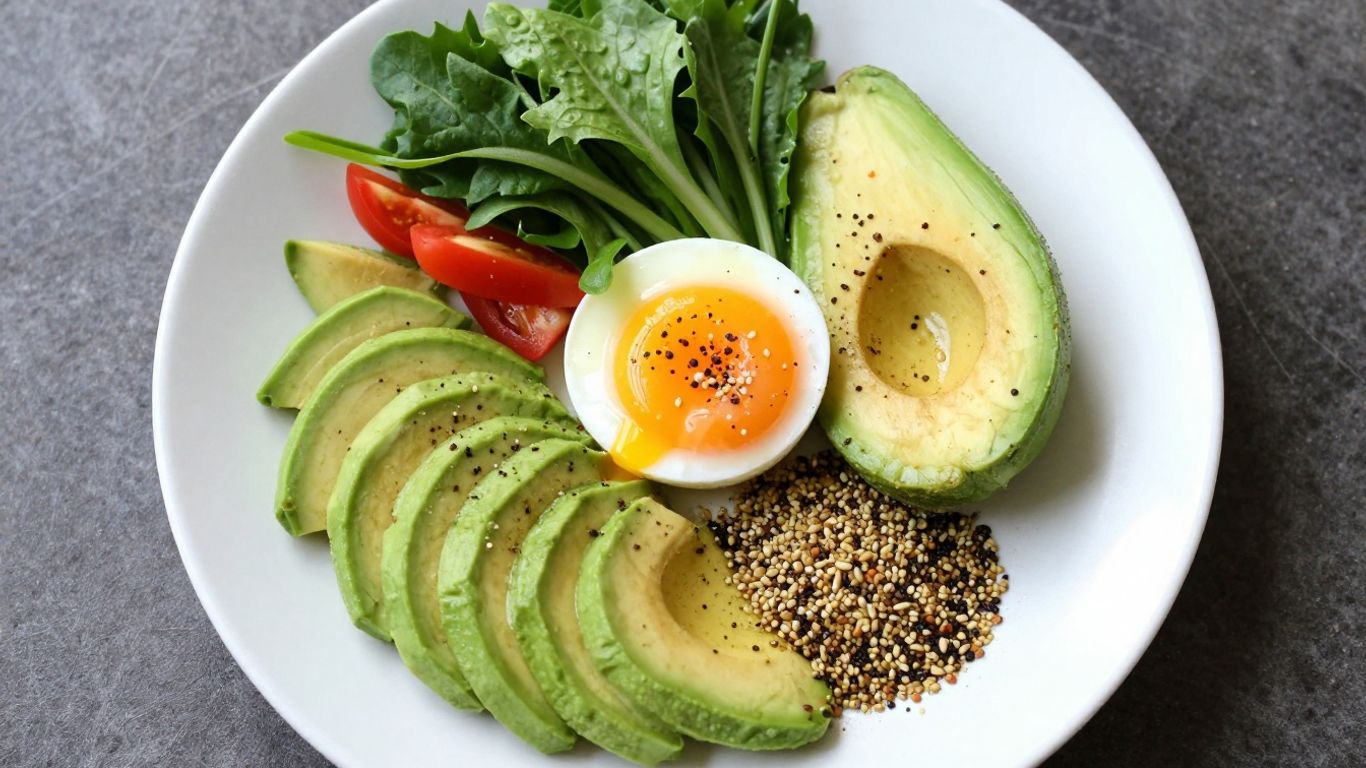
  • Avocado: Slice or mash directly onto your meal.
  • Nuts (Almonds, Walnuts): A quick handful adds crunch and healthy fats.
  • Seeds (Chia, Flax, Sunflower): Sprinkle on top for added nutrients.
  • Olive Oil: A simple dressing base or finishing drizzle.

Flavor and Nutrient Boosters

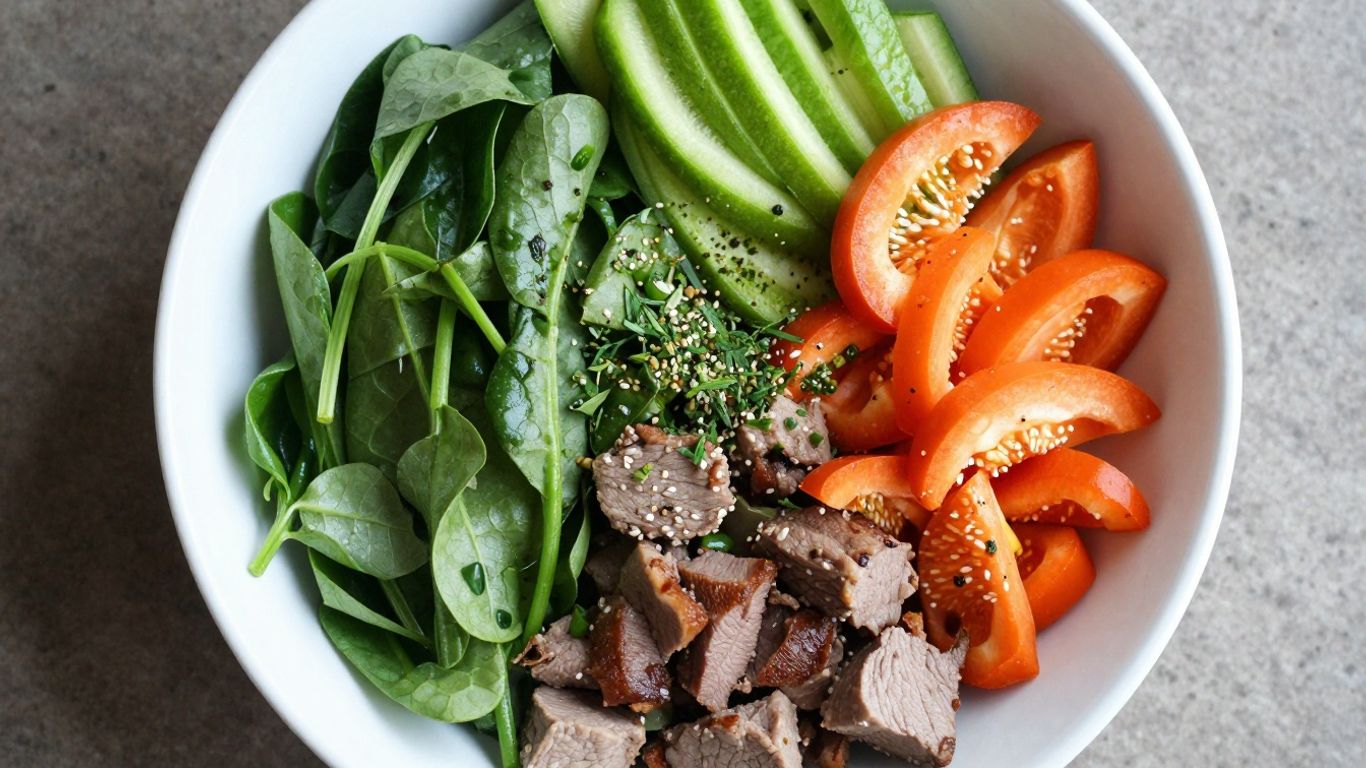
Quick, balanced meal assembly with fresh ingredients.

Vibrant Vegetables in Minutes

Adding a splash of color and a load of nutrients to your quick meals doesn’t have to be complicated. Think about pre-cut veggies from the grocery store – they’re a lifesaver. Spinach, shredded carrots, bell pepper strips, or even a bag of coleslaw mix can be tossed into almost anything. A handful of baby spinach wilts down in seconds when added to a warm grain bowl or soup. Frozen vegetables are another fantastic option; they’re picked at peak freshness and are just as good for you. Broccoli florets, peas, or corn can be steamed or microwaved in just a few minutes, providing fiber and vitamins.

  • Quick Veggie Ideas:
    • Baby spinach or arugula
    • Pre-shredded carrots and cabbage
    • Frozen peas, corn, or mixed vegetables
    • Cherry tomatoes (halved)
    • Avocado slices

Fruits for Natural Sweetness and Vitamins

Fruits are nature’s candy, offering sweetness without the need for added sugars, plus a good dose of vitamins and fiber. Berries, like blueberries or raspberries, are packed with antioxidants and can be added to yogurt, oatmeal, or salads. A sliced apple or banana is a simple, portable addition. For a more integrated approach, consider dried fruits like raisins or cranberries, which add a chewy texture and concentrated sweetness to savory dishes or grain bowls. Just be mindful of portion sizes with dried fruits, as their sugars are more concentrated.

Herbs and Spices for Depth

Don’t underestimate the power of herbs and spices to transform a simple meal. They add incredible flavor and can also offer health benefits. Fresh herbs like cilantro, parsley, or mint can be chopped and added at the last minute for a burst of freshness. Dried herbs and spices are pantry staples that last a long time. A pinch of cumin in a bean salad, a dash of paprika on roasted vegetables, or a sprinkle of chili flakes on your stir-fry can make a big difference. Experimenting with different spice blends is a low-calorie way to keep your meals exciting.

A well-stocked spice rack is like a flavor toolkit. It allows you to take basic ingredients and turn them into something special with just a few shakes. Think about combinations: smoked paprika with garlic powder for a smoky kick, or ginger and garlic for an aromatic base in many cuisines.

Crafting Your Minimum Viable Meal

Alright, let’s get down to the nitty-gritty of actually putting these meals together. We’ve talked about the components, the strategy, and the building blocks. Now, it’s time to see how it all comes together in practice. The goal here is speed and balance, without sacrificing taste or nutrition. Think of these as templates you can adapt.

The Grain Bowl Approach

This is a fantastic way to build a balanced meal quickly. Start with a base of pre-cooked grains – think quinoa, brown rice, or even couscous. These can be made ahead of time or bought pre-cooked. Then, add your protein. Leftover chicken, canned beans (rinsed, of course), or a quick-fry tofu work wonders. Next, pile on the veggies. A bag of pre-shredded coleslaw mix, some cherry tomatoes, or a handful of spinach are super fast. Finally, a healthy fat and a simple dressing. Avocado slices, a sprinkle of nuts, or a drizzle of tahini dressing ties it all together.

  • Base: Pre-cooked grains (quinoa, rice, farro)
  • Protein: Canned beans, leftover chicken, hard-boiled eggs
  • Veggies: Pre-shredded salad mix, chopped bell peppers, cucumber
  • Fat/Flavor: Avocado, nuts, seeds, simple vinaigrette

The Speedy Salad Strategy

Salads often get a bad rap for being unsatisfying, but that’s only if you’re not building them right. The key is a good mix of textures and nutrients. Start with a sturdy green base like romaine or kale. Then, add your protein – think canned tuna or salmon, chickpeas, or grilled chicken strips. For carbs, consider adding some cooked lentils or even some whole-wheat croutons. Load up on colorful vegetables like carrots, bell peppers, and red onion. A sprinkle of sunflower seeds or a dollop of hummus adds healthy fats and extra flavor. The dressing is your final touch; a simple lemon-tahini or a balsamic vinaigrette works well.

A well-constructed salad isn’t just greens; it’s a complete meal designed for speed and satisfaction.

Quick Stir-Fry Solutions

Stir-fries are naturally fast, especially if you have your ingredients prepped. The trick is to have everything ready to go before you even turn on the stove. Use a base of quick-cooking noodles or rice. For protein, thinly sliced chicken, beef, shrimp, or firm tofu cook in minutes. Load up on pre-cut stir-fry vegetable mixes from the grocery store. A simple sauce made from soy sauce (or tamari), a touch of honey or maple syrup, and some ginger and garlic powder is all you need. The entire process, from pan to plate, can take less than ten minutes.

Stir-Fry Components:

  1. Carb Base: Rice noodles, udon, or pre-cooked rice.
  2. Protein: Thinly sliced chicken, shrimp, tofu, or edamame.
  3. Vegetables: Pre-cut stir-fry mix, broccoli florets, snap peas.
  4. Sauce: Soy sauce/tamari, ginger, garlic, a touch of sweetener.

Beyond the Basics: Elevating Your Meal

So, you’ve mastered the quick assembly of a balanced plate. That’s fantastic! But what if you want to take your five-minute meals from good to great, adding layers of flavor and even more nutritional punch? This is where we go a little beyond the absolute minimum, focusing on additions that don’t add much time but make a big difference.

Incorporating Fermented Foods

Fermented foods are nutritional powerhouses, packed with probiotics that are good for your gut health. They can also add a complex, tangy flavor to your meals. Think about adding a spoonful of kimchi to your grain bowl, a dollop of plain yogurt to a salad, or even some sauerkraut alongside your quick protein. These additions are usually ready to go straight from the package, requiring zero prep time.

  • Kimchi: Spicy, fermented cabbage, great with rice or eggs.
  • Sauerkraut: Fermented cabbage, a classic with sausages or in sandwiches.
  • Yogurt (plain): Creamy and tangy, works in sweet or savory dishes.
  • Kefir: A fermented milk drink, good for smoothies.
  • Miso: Fermented soybean paste, adds umami to dressings or broths.

The Role of Hydration

It sounds simple, but proper hydration is a key part of any meal, especially when you’re aiming for efficiency and well-being. Drinking water alongside your meal aids digestion and helps you feel full. But you can also incorporate hydrating elements directly into your meal. Think about adding cucumber slices to your salad, a few berries to your yogurt, or even just making sure you have a glass of water or herbal tea with your quick assembly. It’s a small step that supports overall health and can make your meal feel more complete.

Mindful Consumption for Better Digestion

This isn’t about adding ingredients, but about changing how you approach your meal. Taking just a few extra moments to be present while you eat can make a significant difference in how well you digest your food and how satisfied you feel. It’s easy to just shove food in while scrolling on your phone or rushing to the next task, but slowing down, even for a minute or two, can help.

  • Chew your food thoroughly: This is the first step in digestion and helps break down food properly.
  • Put down your fork between bites: This simple act encourages slower eating.
  • Notice the flavors and textures: Engage your senses to appreciate your meal.

Making time for mindful eating, even for just a few minutes, can transform your quick meal into a more satisfying and beneficial experience. It’s about quality, not just speed.

Ready to take your meals to the next level? We’ve got tips and tricks to make your food exciting and healthy. Don’t just eat, enjoy! Visit our website to discover more.

Wrapping Up: Your Five-Minute Meal Mastery

So there you have it. We’ve explored how to put together balanced meals in a flash, proving that healthy eating doesn’t need to be a time-consuming chore. It’s all about smart assembly, using readily available components to create something nutritious and satisfying. Think of these quick meals not as a compromise, but as a clever strategy for busy lives. You can absolutely eat well, even when time is tight. Keep experimenting, find what works for you, and enjoy the simplicity and goodness of a well-made meal, ready in just five minutes. Happy eating!

Frequently Asked Questions

What exactly is a ‘Minimum Viable Meal’?

Think of a Minimum Viable Meal as the simplest, quickest way to get a balanced and healthy meal on your plate. It’s about hitting the key nutritional goals without a lot of fuss or time. It’s the basic, good-for-you meal you can make when you’re short on time but still want to eat right.

Why is it important to have balanced meals?

Eating balanced meals means getting all the different types of nutrients your body needs to work well. This includes things like protein for building muscles, carbs for energy, and healthy fats for brain function. When your meals are balanced, you feel better, have more energy, and can focus more easily.

What are the main parts of a balanced meal?

A good rule of thumb is to have a protein source (like chicken, beans, or tofu), a carbohydrate source (like rice, pasta, or sweet potatoes), and some healthy fats (like avocado or nuts). Don’t forget to add some colorful fruits or veggies for vitamins and fiber!

How can I make a healthy meal in just five minutes?

The trick is to use pre-cooked or quick-cooking ingredients. Think pre-cooked chicken, canned beans, quick-cooking grains like quinoa or couscous, and bagged salads. Combine these with some raw veggies, a simple dressing, and maybe some nuts or seeds. It’s all about smart shortcuts.

Are there any specific foods that are great for quick, healthy meals?

Absolutely! Canned tuna or salmon, rotisserie chicken, hard-boiled eggs, lentils, and tofu are fantastic protein options. For carbs, consider whole-wheat bread, pre-cooked rice pouches, or quick-cooking oats. And for veggies, bagged spinach, cherry tomatoes, and pre-cut carrots are lifesavers.

What if I don’t have much time for cooking at all?

Even with zero cooking time, you can build a Minimum Viable Meal. Grab a can of chickpeas, some pre-washed greens, a handful of nuts, and a piece of fruit. Or, make a quick wrap using a whole-wheat tortilla, some hummus, and sliced veggies. It focuses on assembling rather than cooking.