
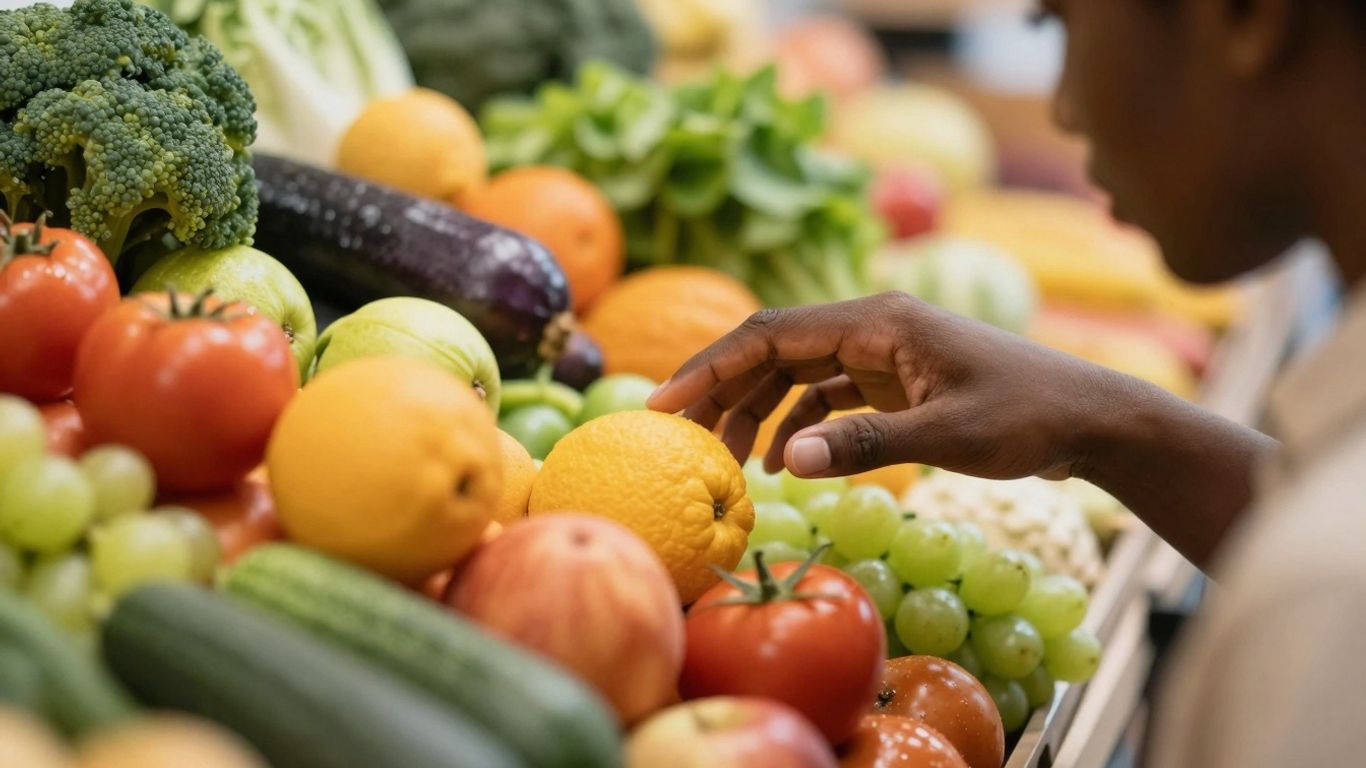
Ever wonder why you grab that snack when you’re stressed or reach for comfort food when you’re feeling down? It turns out, our emotions play a huge role in what we eat, and it’s not always about hunger. This is where something called mood literacy comes in. It’s basically about understanding how your feelings affect your food choices. We’re going to look at how this works, what influences what we pick, and how we can get better at making decisions that are good for us, even when we’re not feeling our best. We’ll also touch on some tools that might help and how we can check if we’re actually getting better at it.
Key Takeaways
- Our eating habits are often automatic, and food can become more than just fuel, especially when emotions are involved. Understanding this connection is the first step in mood literacy for eating decisions.
- Many things influence what we choose to eat, including our feelings, what the food looks and smells like, how healthy it is, and how easy it is to get.
- Negative emotions can lead to eating more calories, a pattern often called emotional eating. Sometimes, though, intense stress can actually make people lose their appetite.
- When our minds are busy with demanding tasks (high cognitive load), we might make less healthy food choices. This is especially true if we’re also feeling negative emotions.
- Developing tools that consider our emotional state and mental load could help us make better food choices, and education plays a big part in helping us recognize and improve our eating behaviors.
Understanding Mood Literacy in Eating Decisions

When we think about eating, it’s easy to just focus on what’s on our plate – calories, nutrients, that sort of thing. But honestly, it’s way more complicated than that. Our food choices are often on autopilot, happening without us really thinking them through. It’s like we have these automatic responses to food that kick in before our brains even catch up.
The Automatic Nature of Eating Behavior
Think about it: how often do you grab a snack without really deciding to? For many of us, eating is a habit, a response to cues like seeing a commercial, smelling something good, or even just the time of day. This automatic eating can be a problem because it bypasses our conscious decision-making. We might reach for comfort food when we’re stressed or overeat because it’s there, not because we’re truly hungry. It’s a bit like driving a familiar route; you can do it without much thought, but sometimes you miss a turn you would have noticed if you were paying attention.
When Food Becomes More Than Nutrition
Sometimes, food isn’t just fuel. It becomes a way to cope, to celebrate, or to fill an emotional void. We’ve all been there, right? Maybe you’ve turned to ice cream after a tough day or ordered pizza with friends to unwind. This is where food goes beyond its nutritional purpose. It starts serving emotional needs, and that’s a tricky area. When we rely on food to manage our feelings, it can lead to patterns of overeating or choosing foods that don’t serve our long-term health goals. It’s a complex dance between our emotions and our appetites.
Defining Mood Literacy for Food Choices
So, what’s mood literacy in this context? It’s basically about being aware of how your feelings are influencing what, when, and how much you eat. It’s about recognizing those automatic responses and understanding when food is being used for emotional reasons rather than physical hunger. Developing this awareness is the first step toward making more intentional food choices. It means pausing before you eat and asking yourself: "Am I truly hungry, or am I feeling something else?" This simple check-in can make a big difference in how you relate to food.
Here are a few things to consider:
- Recognizing emotional triggers for eating (e.g., stress, boredom, sadness).
- Understanding that food can be a comfort, but it’s not a long-term solution for emotional issues.
- Distinguishing between physical hunger and emotional cravings.
Making conscious choices about food, especially when emotions are involved, requires a level of self-awareness that many of us haven’t actively cultivated. It’s a skill, much like any other, that can be learned and improved with practice.
Factors Influencing Food Selections
So, what actually makes us pick one food over another? It’s not just about being hungry, that’s for sure. There are a bunch of things going on behind the scenes, influencing what ends up on our plates.
Motivations Behind Food Choices
Think about why you reach for certain foods. Sometimes it’s pure taste, right? Other times, it might be about feeling good, or maybe even sticking to a diet. Research has shown that these motivations can really shape what we eat. For instance, a study found a link between what drives our food choices and how we actually eat. It seems like the reasons we have for picking food have a real impact on our eating habits.
Here are some common drivers:
- Taste and Sensory Appeal: How food looks, smells, and tastes is a huge factor. We’re drawn to vibrant colors and appealing textures.
- Health and Nutrition: Many people choose foods based on their perceived health benefits or nutritional content.
- Convenience: In our busy lives, how easy it is to get and prepare food plays a big role.
- Mood and Emotion: Sometimes we eat to feel better or to cope with stress.
- Ethical and Social Concerns: Factors like sustainability, animal welfare, or cultural traditions can influence choices.
Understanding these underlying reasons helps us see why certain foods become favorites or why we might avoid others, even if they’re technically ‘good’ for us.
The Role of Sensory Appeal and Health Determinants
Let’s be honest, we eat with our eyes and nose first. The sensory appeal of food – its appearance, smell, texture, and taste – is a powerful draw. Brightly colored fruits, the aroma of freshly baked bread, or the satisfying crunch of a chip can all trigger cravings. But it’s not just about pleasure. Health determinants, like whether a food is perceived as ‘healthy’ or ‘unhealthy,’ also weigh heavily. This can be influenced by nutritional information, marketing, or even what we’ve learned from family and friends. It’s a balancing act between what tastes good and what we believe is good for our bodies.
Convenience as a Dimension of Food Environments
In today’s fast-paced world, convenience is king. How easy is it to get that food? Is it pre-packaged, quick to prepare, or readily available? This aspect of our food environment significantly impacts our selections. Think about grabbing a pre-made salad versus chopping vegetables for a meal from scratch. The time and effort involved can be the deciding factor. This is especially true for students or busy professionals who might prioritize speed and ease over other considerations. The availability of convenient options, whether healthy or not, shapes our daily eating patterns in profound ways.
The Impact of Emotional States on Eating
It’s pretty common knowledge that how we feel can mess with what and how much we eat. Think about it: when you’re stressed, do you reach for a salad or a pint of ice cream? Most of us have been there. Our emotions aren’t just fleeting feelings; they can actually steer our food choices in significant ways.
Negative Emotions and Calorie Consumption
When we’re feeling down, anxious, or stressed, our bodies can react by seeking out comfort, and often, that comfort comes in the form of food. This isn’t just about hunger; it’s about using food to manage difficult emotions. Studies have shown that negative emotional states can lead to increased consumption, particularly of high-calorie, palatable foods. It’s like our brains are trying to get a quick mood boost from the sugar and fat. This can create a cycle where we eat to feel better, but then might feel guilty or worse afterward, leading to more emotional eating.
Emotional Eating and Overconsumption Patterns
Emotional eating is a pattern where food is used as a way to cope with feelings, rather than to satisfy physical hunger. This can manifest in various ways. For instance, some people eat more when they’re sad or stressed, while others might lose their appetite entirely. Research indicates that for many, especially when experiencing negative emotions like sadness or stress, there’s a tendency to overeat. This behavior is often characterized by a lack of control and can contribute to overconsumption patterns.
Here’s a look at how different emotional states might influence eating habits, based on observations:
- Sadness: Often linked to seeking ‘comfort food,’ which typically means high-fat, high-sugar items.
- Happiness: Can lead to celebratory eating, sometimes overindulging even when not physically hungry.
- Stress/Anxiety: May trigger a desire for quick energy foods or, conversely, a complete loss of appetite.
- Boredom: Can result in mindless snacking, simply eating because there’s nothing else to do.
Appetite Suppression Due to Emotional Distress
While many people eat more when distressed, it’s not a universal response. For some, intense emotional distress, like extreme stress or grief, can actually suppress appetite. The body’s ‘fight or flight’ response can divert resources away from digestion, leading to a temporary loss of interest in food. This is a physiological reaction that overrides the typical signals of hunger. So, while emotional eating is common, it’s important to remember that emotional states can also lead to eating less.
Cognitive Load and Its Effect on Food Choices
Ever notice how when you’re swamped with work or stressed, you suddenly crave that bag of chips or a sugary treat? There’s a reason for that. It turns out, our brains have a limit to how much information they can juggle at once, and when that limit is pushed – what we call cognitive load – our food decisions can get a little… interesting.
Assessing Cognitive Load in Eating Behavior Studies
Researchers have been looking into this for a while. They often use tasks that really make you think, like the Stroop test where you have to name the color of a word, but the word itself is a different color. It sounds simple, but it can be surprisingly taxing! Studies have shown that when people are under this kind of mental strain, especially those who usually watch their diet, they tend to eat more. It’s like the brain’s self-control gets a bit fuzzy when it’s busy dealing with other things.
Physiological and Affective Data Collection
To get a clearer picture, scientists aren’t just asking people how they feel. They’re also measuring things like heart rate and skin response. These physiological signals can give objective clues about how much mental effort someone is putting in. They also collect data on how people are feeling emotionally, because stress and a heavy mental load often go hand-in-hand, and both can influence what we reach for.
Machine Learning for Cognitive Load Detection
This is where things get pretty cool. By using machine learning, researchers can train computers to recognize patterns in these physiological and emotional signals. The goal is to automatically figure out when someone is experiencing high cognitive load, just by looking at the data. This could eventually lead to systems that understand our mental state and offer helpful suggestions before we make a less-than-ideal food choice.
Objective Measurement of Cognitive Load

Experimental Design for Cognitive Load Tasks
When we talk about figuring out how much mental effort someone is using, especially when they’re eating, just asking them isn’t always enough. People might not even realize how much their brain is working, or they might not want to say. That’s where objective measurements come in. We need ways to actually see or measure that cognitive load, not just guess.
To do this, researchers set up specific tasks. Think of it like a mental workout designed to push your brain. For example, one common setup involves a Reading Span task. In this, participants read sentences, some make sense, some don’t. They have to quickly decide if a sentence is logical or not, and while doing that, they also have to remember numbers shown between sentences. Then, they have to recall those numbers. This task is done in sets, and it really gets your brain juggling information.
Another task often used is the Stroop task. This one is a classic. You see color words, but the words are printed in a different color ink. Your job is to say the color of the ink, not the word itself. So, if you see the word "BLUE" printed in red ink, you have to say "red." It sounds simple, but it’s surprisingly tricky because your brain wants to read the word. There are variations, like doing it with time pressure, or adding other sensory inputs like sounds, making it even more demanding.
Utilizing Custom Software for Data Collection
To get reliable data from these kinds of tasks, you can’t just wing it. You need precise tools. This is where custom software becomes really handy. Think of it as a digital assistant that runs the tasks perfectly every time and records everything that happens. This software can present the stimuli (like the sentences or color words) at exact timings, record the participant’s responses (like button presses or spoken answers), and even track how long things take.
For instance, when someone is doing the Reading Span task, the software can precisely time how long they take to read each sentence, how quickly they respond to its logic, and how accurately they recall the numbers. Similarly, for the Stroop task, it can measure reaction times and accuracy for each trial. This level of detail is hard to get manually.
Beyond just running the tasks, this software can also be set up to collect other types of data simultaneously. This might include physiological signals if sensors are attached, or even just logging the sequence of events. This creates a detailed record of what happened during the task, which is super important for later analysis.
Classifying High and Low Cognitive Load Tasks
Once you’ve collected all this detailed data from your carefully designed tasks, the next step is to make sense of it. We need to figure out which tasks were genuinely challenging for the brain (high cognitive load) and which were relatively easy (low cognitive load). This classification is key to understanding how mental effort affects other behaviors, like eating.
How do we do this classification? It’s usually a combination of things. First, the design of the task itself gives us a strong clue. Tasks like the Stroop test or multi-part memory tests are known to require significant mental resources. We can compare performance on these tasks against simpler baseline tasks.
Second, we look at the objective data collected by the software. This includes things like:
- Reaction Time: How quickly did the participant respond? Longer times often suggest more mental effort.
- Accuracy: How many answers were correct? More errors can indicate overload.
- Task Completion Rate: Did they finish the task, or give up?
- Physiological Signals (if measured): Things like heart rate variability or brainwave patterns can also show changes related to cognitive load.
By analyzing these metrics, we can create categories. For example, a task that consistently results in slower reaction times and more errors across many participants would be classified as a high cognitive load task. Conversely, a simple task with quick, accurate responses would be low cognitive load. This objective classification helps us move beyond subjective feelings and get a clearer picture of mental effort.
The Interplay of Affect and Food Consumption
It’s pretty wild how our feelings can mess with what we decide to eat, right? It’s not just about being hungry or full. Sometimes, what’s going on inside our heads and hearts really steers the ship when it comes to grabbing a snack or planning a meal. This section looks at how our emotional state, or affect, can really change our food choices.
Increased Consumption During Negative Affect
When people are feeling down or stressed, they often reach for more food. It’s like a comfort thing, but it can lead to eating more than you intended. Studies show that when people are dealing with negative emotions, especially after a mentally taxing task, they tend to eat more. For instance, one study found that 75% of participants who felt more negative after a high cognitive load task reported eating more. This isn’t just about any food, either. Certain types of food seem to be more appealing when we’re feeling low.
Specific Food Choices Under Cognitive Demand
So, what kind of foods are we talking about? Research points to a few categories. Foods like chips and grapes, for example, saw a noticeable jump in consumption among those feeling negative after a demanding task. On the flip side, healthier options like carrots and water, along with pretzels and nuts, were eaten less. It seems like when our minds are tired or stressed, we lean towards more palatable, often less healthy, choices. It’s like our brains are looking for a quick win, and tasty treats provide that.
Clustering Food Consumption Patterns
To get a clearer picture, researchers have grouped food choices based on how people eat them. Think of it like sorting things into different bins.
- Cluster 1: This group included nuts, pretzels, carrots, and water. These were generally eaten the least. Pretzels were the only item here considered less healthy.
- Cluster 2: This cluster had chips, cucumber, chocolate, and grapes. These were the most popular choices, eaten the most overall.
- Cluster 3: This was mainly orange juice, which fell somewhere in the middle for how much it was consumed.
What’s interesting is how negative feelings after a tough mental task specifically boosted the eating of items from Cluster 2, like chips and grapes. It really highlights how our emotional state can push us towards specific types of food.
It’s fascinating to see how our internal emotional weather can directly influence the external act of choosing what to eat. This isn’t a conscious decision to eat poorly; it’s often an automatic response to discomfort or stress, leading us toward familiar, comforting, and often calorie-dense foods. Recognizing this pattern is the first step toward making different choices when we’re feeling overwhelmed.
Developing Tools for Eating Behavior Assistance
So, we’ve talked a lot about how our moods and how much our brains are working can mess with what we eat. It’s pretty wild, right? But what if we could actually build something to help us out with this? That’s where the idea of an eating behavior assistant comes in.
Integrating Cognitive Load Factors into Systems
Think about it: if we know that being super stressed or having a million things to do makes us grab that bag of chips, a smart system could step in. It could notice you’re in a high-stress situation – maybe by looking at your calendar or even some simple body signals – and then offer a suggestion. It’s about making technology work for us, not against us, when it comes to food. For example, instead of just letting you scroll through delivery apps when your brain is fried, it might pop up with a quick, healthy recipe or remind you to take a few deep breaths before ordering.
The Potential of an Eating Behavior Assistant
This isn’t just about telling you to eat more broccoli. It’s about understanding the why behind your food choices. An assistant could learn your patterns. Maybe it notices you always reach for sugary snacks after a tough meeting. It could then suggest a healthier alternative, like a piece of fruit or a handful of nuts, right when you need it most. It could even offer simple mindfulness exercises to help you pause and think before you eat, especially when your cognitive load is high.
Here’s a quick look at what such an assistant might do:
- Real-time Suggestions: Offers healthier food options or recipes based on your current state (e.g., stress level, cognitive load).
- Pattern Recognition: Identifies when and why you tend to make less healthy choices.
- Mindfulness Prompts: Guides you through quick relaxation or focus exercises to help manage cravings.
- Information Access: Provides details on healthier food choices or nearby stores with good options.
Enhancing System Capabilities for Real-World Use
Of course, building this isn’t simple. We need to collect a lot of data – not just what you eat, but how you’re feeling and how much your brain is working. This means using sensors or clever software to figure out your cognitive load and emotional state. The goal is to make these systems smart enough to be genuinely helpful in everyday life, not just in a lab. Imagine an app that doesn’t just track calories but actually helps you make better choices in the moment, considering everything that’s going on with you.
The real magic happens when these tools can adapt. They need to be flexible enough to understand that one person’s stress eating might look completely different from another’s. It’s about personalized support, not a one-size-fits-all approach. This means the system has to get smarter over time, learning from your interactions and feedback to become a truly useful companion for healthier eating.
Verifying Mood Literacy in Practice
So, we’ve talked a lot about how our feelings and mental load can mess with what we eat. But how do we actually know if we’re getting better at this? It’s one thing to understand the ideas, and another to see them working in real life. Recognizing the importance of eating behavior awareness is the first step. It means actually paying attention to why you’re reaching for that snack or deciding on dinner.
Recognizing the Importance of Eating Behavior Awareness
Think about it: most of the time, we just eat. It’s automatic. We’re hungry, we grab something. We’re stressed, we grab something else. But what if we paused for a second? What if we asked ourselves, ‘Am I really hungry, or am I just bored?’ or ‘Am I reaching for comfort food because I’m feeling down?’ This kind of self-check is what mood literacy is all about. It’s not about judging yourself, but just noticing the connection between how you feel and what you choose to eat. It’s like learning a new language, but the language is your own body and mind.
Tailoring Interventions for Food Choices
Once you start noticing these patterns, you can begin to make small changes. Maybe you realize that when you’re tired, you crave sugary things. So, instead of just going with it, you could plan ahead and have some fruit or a healthy snack ready. Or perhaps you find that eating with friends makes you feel happier and less likely to overeat unhealthy options. These aren’t huge overhauls; they’re small, practical adjustments based on what you’ve learned about yourself. It’s about finding what works for you, not following some rigid diet plan.
The Role of Education and Monitoring
Education plays a big part here. Learning about how emotions affect our eating, or how a busy day can make us grab the quickest, easiest food, gives us the knowledge to make better choices. Monitoring your own eating habits, maybe by keeping a simple journal, can also be super helpful. You don’t need fancy apps or complicated charts. Just jotting down what you ate, when you ate it, and how you were feeling can reveal a lot. Over time, you can see if your awareness is actually leading to healthier choices. It’s a continuous process of learning and adjusting, making mood literacy a practical skill for everyday life.
Research Directions in Food Choice Determinants
Questionnaires for Assessing Food Choice Motivations
Figuring out why we pick the foods we do is a big puzzle. Researchers are looking at ways to get a clearer picture of these motivations. Think about it: sometimes we grab something because it’s quick, other times it’s because it tastes good, or maybe it’s for health reasons. There are even deeper reasons, like ethical concerns or how the food makes us feel. To get at these, scientists often use questionnaires. These aren’t just simple yes/no questions; they can be quite detailed, asking us to rate different factors or rank our priorities when choosing food. For example, a questionnaire might ask you to consider how important factors like ‘convenience,’ ‘natural ingredients,’ ‘health benefits,’ and ‘sensory appeal’ are to you when you buy groceries. The goal is to create tools that accurately capture the complex web of reasons behind our food selections.
Exploring the Efficacy of Current Eating Habits
Once we understand why people choose certain foods, the next step is to look at what they’re actually eating and if it’s working for them. This involves examining current eating patterns and seeing how effective they are in supporting health and well-being. It’s not just about counting calories; it’s about the overall quality of the diet and how it aligns with individual goals. Are people getting the nutrients they need? Are their habits sustainable in the long run? Researchers are developing ways to assess this, sometimes by looking at dietary records, other times by observing eating behaviors in real-world settings. It’s about seeing if the choices we make are actually leading us where we want to go, health-wise.
Investigating the Impact of Food Policy Outcomes
Food policies, whether they’re about labeling, taxes on certain foods, or subsidies for healthy options, can have a big effect on what we eat. But how do we know if these policies are actually working? This area of research focuses on measuring the real-world impact of these decisions. For instance, did a new tax on sugary drinks lead to people buying fewer of them? Did a campaign promoting local produce increase its consumption? Researchers look at data before and after a policy is implemented to see if there’s a change in food choices and, ultimately, in public health. It’s a way to check if the rules and guidelines set by governments and organizations are making a positive difference in how people eat.
Cultivating Healthier Eating Habits
Building better eating habits isn’t about drastic overhauls or strict deprivation. It’s more about making small, consistent shifts that add up over time. Think of it like tending a garden; you nurture what you want to grow and gently weed out what you don’t. This approach helps make healthy eating feel less like a chore and more like a natural part of your day.
Promoting Moderation in Eating Behavior
Moderation is key. It means finding a balance that allows you to enjoy a variety of foods without going to extremes. Instead of cutting out entire food groups, focus on portion control and frequency. For instance, if you love chocolate, enjoying a small piece daily or a slightly larger portion a few times a week is more sustainable than a complete ban that might lead to intense cravings and eventual overindulgence.
- Mindful Portions: Pay attention to how much you’re actually eating. Using smaller plates can sometimes trick your brain into thinking you have more food.
- Balanced Frequency: Enjoy treats regularly but in smaller amounts, or save them for special occasions.
- Listen to Your Body: Eat when you’re hungry and stop when you’re comfortably full, not stuffed.
Choosing Nutrient-Rich Foods
When you fill your plate with foods that offer a lot of nutritional value for their calorie count, you naturally crowd out less healthy options. This means prioritizing whole foods that provide vitamins, minerals, fiber, and protein. Think colorful fruits and vegetables, lean proteins, whole grains, and healthy fats.
Here’s a simple way to think about building a nutrient-rich meal:
- Half Your Plate: Fill at least half of your plate with non-starchy vegetables and fruits. They add volume, fiber, and a wide array of nutrients.
- Quarter Your Plate: Dedicate about a quarter of your plate to lean protein sources like chicken, fish, beans, or tofu. Protein helps you feel full and satisfied.
- Quarter Your Plate: The remaining quarter can be for whole grains (like brown rice, quinoa, or whole wheat pasta) or starchy vegetables (like sweet potatoes or corn).
Making conscious choices about the quality of your food intake directly impacts your energy levels, mood, and long-term health. It’s about nourishing your body with what it needs to function optimally.
The Influence of Social and Familial Factors
Our eating habits are often shaped by the people around us, especially family. Growing up, we learn what foods are considered normal or desirable. As adults, social gatherings, family meals, and even the eating habits of our partners can influence our own choices. Recognizing these influences is the first step toward making intentional changes.
- Family Meals: Regular family meals can promote healthier eating patterns and provide opportunities for positive social interaction.
- Peer Influence: Be aware of how friends or colleagues might influence your food choices, especially in social settings.
- Shared Goals: If you have family members or friends who also want to eat healthier, consider setting shared goals or trying new healthy recipes together. This can provide mutual support and accountability.
Want to eat better and feel great? It’s easier than you think! We’ll help you discover simple ways to make healthier food choices that stick. Ready to start feeling your best? Visit our website today to learn more!
Moving Forward with Mood Literacy
So, we’ve looked at how our feelings and what’s going on in our heads can really steer what we eat, sometimes without us even realizing it. It’s not just about hunger; it’s about stress, how busy we are, and even what we see around us. Understanding these connections, like how a tough task can make us crave certain foods, is a big step. By paying more attention to our mood and mental state, we can start to make more thoughtful food choices. This isn’t about perfection, but about building awareness. Think of it as getting to know yourself better, one meal at a time. The more we practice this, the more we can guide our eating habits in a way that feels right for us, helping us feel better overall.
Frequently Asked Questions
What is mood literacy when it comes to food?
Mood literacy for food choices means understanding how your feelings, like being happy, sad, or stressed, can affect what you choose to eat. It’s about knowing that sometimes we eat because we’re bored or upset, not just because we’re hungry.
Why do our emotions make us eat more or less?
When we feel down or stressed, some people tend to eat more comfort foods, often high in sugar or fat. This is called emotional eating. On the other hand, strong emotions like worry can sometimes make people lose their appetite altogether.
What is cognitive load and how does it relate to eating?
Cognitive load is like how much your brain is working hard on something. When your brain is super busy, like when you’re studying for a test or solving a tough problem, you might make quicker, less healthy food choices because you’re not thinking as carefully about them.
Can technology help us make better food choices?
Yes, researchers are developing tools, like an ‘eating behavior assistant,’ that could help. These tools might use information about your mood and how busy your brain is to suggest healthier options or remind you to think before you eat.
How can we tell if we’re making food choices based on our mood?
Paying attention to your eating habits is key. Ask yourself why you’re reaching for that snack. Is it because you’re truly hungry, or are you feeling bored, sad, or stressed? Noticing these patterns is the first step.
What are some common reasons people choose certain foods?
People choose food for many reasons! It could be because it tastes good (sensory appeal), because it’s supposed to be healthy, because it’s easy to get (convenience), or even because of how it makes them feel emotionally.
What’s the difference between eating for nutrition and eating for emotion?
Eating for nutrition means you’re fueling your body with the foods it needs to be healthy. Eating for emotion means you’re using food to cope with feelings, like stress or sadness, which might not always be the healthiest choice.
How can we learn to eat healthier when we’re stressed?
Learning to manage stress in other ways, like exercising or talking to a friend, can help reduce emotional eating. Also, having healthy snacks readily available can make it easier to choose well when you feel stressed.