
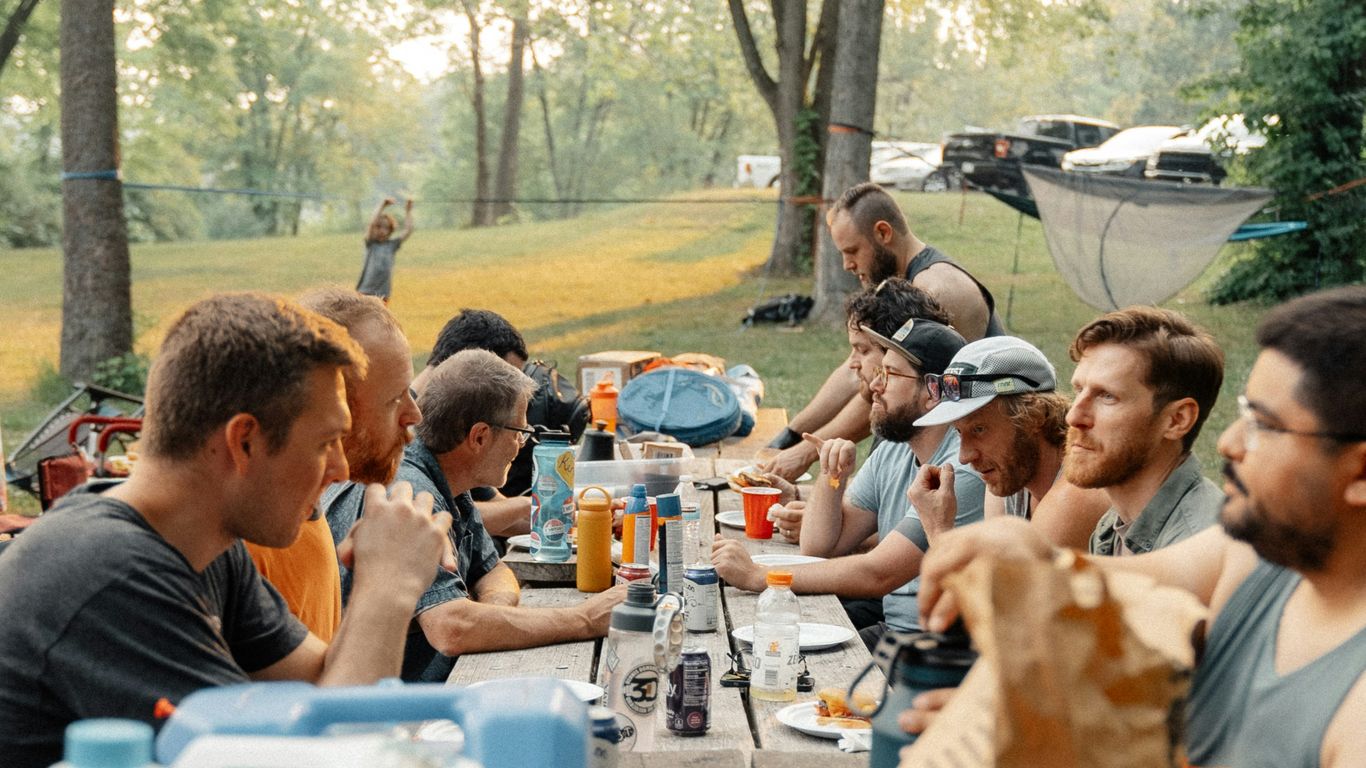
We all have those dishes that just scream ‘home,’ right? Maybe it’s Grandma’s special casserole or a holiday feast that’s been the same for decades. These cultural food traditions are more than just meals; they’re threads connecting us to our past, our families, and our communities. But sometimes, keeping up with these traditions can feel like a lot. It’s tough when what feels right for your family clashes with what feels right for you. This article is about finding that sweet spot – honoring those beloved cultural food traditions while also giving yourself some grace and respecting your own limits. Let’s figure out how to enjoy our heritage without feeling overwhelmed.
Key Takeaways
- Cultural food traditions are deeply tied to identity, family history, and a connection to place, offering wisdom passed down through generations.
- Foodways are not static; they evolve due to migration, globalization, and technology, influencing how we eat today.
- Many ancient practices, like local eating and resourcefulness through preservation, are inherently sustainable and offer lessons for modern ethical food choices.
- Navigating modern food choices means balancing cultural practices with ecological limits and ethical considerations, often requiring dialogue and adaptation.
- Setting personal boundaries around food within family expectations is possible through clear, compassionate communication and self-compassion, allowing for continued joy in shared meals.
Understanding The Roots Of Cultural Food Traditions
Food As An Expression Of Identity
Food is so much more than just what we eat to keep going. It’s a big part of who we are, really. Think about it – the smells from your grandma’s kitchen, the specific dishes served at family holidays, even the snacks you grab on the go. These aren’t random choices. They’re tied to your background, your family, and where you grew up. Our food choices tell a story about our culture and our personal history. It’s how we connect with our past and show the world a piece of ourselves. It’s like a language spoken through flavors and ingredients, passed down from one generation to the next.
Generational Wisdom In Every Bite
Every recipe, every cooking method, carries a kind of inherited knowledge. For ages, people figured out the best ways to grow food, prepare it, and store it based on what was available in their area and the climate they lived in. This wasn’t just about making tasty meals; it was about survival and making the most of what nature provided. Think about old-school preservation techniques like pickling, smoking, or drying. These weren’t just trends; they were smart ways to keep food from going bad, especially during lean times. This wisdom is baked into our cultural eating habits, often without us even realizing it.
Harmony Between People And Place
Cultural food traditions are deeply connected to the land. What grows locally, what animals are available, and the seasons all play a huge role in shaping a region’s cuisine. For example, a community by the sea will naturally have a diet rich in seafood, while a community in a mountainous region might rely more on root vegetables and preserved meats. This connection isn’t just practical; it creates a rhythm in life, with celebrations and daily meals often tied to harvests and the natural cycles of the year. It’s about living in balance with the environment, using what’s available respectfully. This relationship between people and their environment is a core part of what makes a food tradition unique and sustainable within its context.
The Evolution Of Culinary Heritage

Our plates tell stories, and those stories aren’t set in stone. Food traditions, as much as we love them, have always been on the move. Think about it: people move, ideas travel, and technology changes how we get and prepare our meals. It’s a constant remix.
Migration And Globalization’s Impact
When people move, they take their recipes with them. This is how flavors spread across the globe. But it’s not just about sharing; it’s also about how big food companies and global markets can start to overshadow local ways of eating. Suddenly, you might see the same fast-food chains everywhere, and while that can be convenient, it can also mean that unique, regional dishes start to fade away. It’s a balancing act between having access to new things and keeping old traditions alive.
Technological Shifts In Foodways
Technology has totally changed our kitchens. Refrigeration means we can store food longer. New cooking gadgets can make meal prep faster. Even how we buy food has changed, with online grocery shopping becoming common. These shifts make things easier in some ways, but they also change the rhythm of cooking and eating that might have been around for generations. The old ways of preserving food, for example, might seem less necessary when you can just pop to the store.
Dynamic Nature Of Eating Habits
So, what does this all mean? It means our eating habits are always changing. What was common fifty years ago might be rare now, and new trends pop up all the time. Cultural food traditions are living things, constantly adapting to the world around them. It’s not about rejecting the past, but understanding how it’s shaped the present and how we can make conscious choices for the future.
Food traditions are not museum pieces; they are dynamic expressions of culture that respond to new environments, technologies, and social connections. Understanding this evolution helps us appreciate both the roots of our heritage and the possibilities for its future.
Here are a few ways our eating habits have shifted:
- Increased access to diverse ingredients: We can often find foods from all over the world in our local supermarkets.
- Faster preparation methods: Appliances and pre-packaged ingredients speed up cooking.
- Influence of media and social trends: Food bloggers, cooking shows, and social media can quickly popularize new dishes or dietary approaches.
- Growing awareness of health and environmental impacts: More people are considering how their food choices affect their well-being and the planet.
Sustainability Woven Into Ancient Practices
Local Eating Before It Was A Trend
Think about it: for most of human history, eating local wasn’t a choice, it was just how things were done. Communities relied on what grew nearby, what they could hunt or fish in their own areas. This wasn’t just about convenience; it shaped everything from daily meals to big celebrations. Harvest times dictated when certain foods were available, and these seasonal rhythms were deeply connected to cultural life. Festivals often marked the bounty of the land, creating a natural calendar that everyone followed. This deep connection to place is the original form of sustainable eating.
Resourcefulness Through Preservation
Waste wasn’t really an option back then. People got really good at using every single part of an animal or plant. Think about all those old-school preservation methods – pickling, smoking, drying, fermenting. These weren’t just ways to make food last longer; they were smart strategies to get through lean times and ensure there was always something to eat, even when fresh ingredients were scarce. It’s amazing how much ingenuity went into making sure food didn’t go to waste.
Harvests Dictating Cultural Life
Our ancestors lived by the seasons in a way we often don’t anymore. The availability of food directly influenced cultural practices, from religious ceremonies to everyday routines. A successful harvest might mean a big community feast, while a poor one could mean careful rationing. This constant interplay between nature’s cycles and human life created a strong sense of interdependence. It meant that the health of the environment was directly tied to the well-being of the community.
The way we eat today, with food traveling thousands of miles, is a pretty new thing. For ages, people ate what was around them, when it was around them. This created a natural balance and a deep respect for the resources available. It’s a wisdom we can learn from.
Here’s a look at how ancient practices connect to modern sustainability:
- Seasonal Eating: Relying on foods that are naturally available during specific times of the year.
- Waste Reduction: Finding creative ways to use all parts of food items.
- Preservation Techniques: Employing methods like fermenting and drying to extend food’s life.
- Community Focus: Sharing food and resources within a local area.
Navigating Modern Ethical Food Choices
Okay, so we’ve talked about where our food traditions come from and how they’ve changed. Now, let’s get real about making choices today that feel good, both for us and for the planet. It’s not always easy, especially when our plates are influenced by so much more than just grandma’s recipes.
Sustainable Seafood And Cultural Practices
Think about coastal communities. For generations, seafood has been central to their identity and diet. But here’s the thing: a lot of our oceans are struggling. Overfishing and bad fishing methods mean that some of the fish our ancestors relied on are disappearing. So, how do we keep these traditions alive without wrecking the environment? It means looking at how we fish and what we eat. Maybe it’s about using better, gentler fishing gear, or choosing fish that aren’t in danger of disappearing. Sometimes, it’s about exploring responsible fish farming too. It’s a balancing act, really – keeping the heart of the tradition while being smart about the future.
Adapting Traditions To Ecological Limits
This is where things get interesting. Our old ways of eating were often naturally in tune with nature because people had to be. They used what was local, preserved food for lean times, and didn’t have the global supply chains we have now. Today, we have access to almost anything, anytime. But that convenience comes with a cost. We need to think about the environmental footprint of our food. This might mean rethinking how often we eat certain things, or finding ways to support local farmers who are trying to farm sustainably. It’s about being resourceful again, like our ancestors were, but with today’s knowledge.
- Consider the source: Where does your food come from? Is it grown or raised in a way that respects the land and water?
- Reduce waste: Simple things like planning meals and using leftovers can make a big difference.
- Support local: Buying from local producers often means a smaller carbon footprint and supports your community.
We’re not trying to erase our heritage, but rather to find ways to continue it responsibly. It’s about making conscious choices that honor both our cultural past and the planet’s future.
Dialogue For A Responsible Food Future
Making these changes can bring up conversations, sometimes tough ones, with family and friends. When we talk about eating more sustainably or ethically, it can touch on deeply held beliefs and practices. The key is to approach these discussions with respect. It’s not about saying one way is right and another is wrong, but about sharing information and exploring possibilities together. Open communication is vital for finding common ground and building a food future that works for everyone. This might involve sharing recipes that are both traditional and eco-friendly, or learning about new ways of eating from different cultures that have always prioritized sustainability. It’s a journey, and we’re all learning as we go.
The Influence Of Power On Our Plates
It’s easy to think about food as just, well, food. Something we pick up at the grocery store or order from a restaurant. But who’s actually in charge of what ends up on our plates? That’s where things get complicated, and honestly, a little unsettling.
Corporate Control Over Food Systems
Big companies have a massive say in how our food is grown, processed, and sold. They decide what crops get planted on huge farms, often favoring those that are easy to grow in bulk and ship long distances, like corn or soy. This focus on efficiency and profit can push aside smaller farms and traditional crops that might be better for the local environment or more culturally significant. Think about it: if a company can make more money selling highly processed snacks than supporting local farmers growing heirloom vegetables, which do you think they’ll push harder?
Policy Shaping Cultural Eating
Government rules and trade agreements also play a huge role. Subsidies, for example, can make certain foods cheaper, influencing what we buy and eat. If policies make it cheaper to produce and buy sugary drinks than fresh fruit, it’s no surprise that diets can shift in ways that aren’t great for our health or local agriculture. These policies aren’t always made with cultural traditions or community well-being in mind; often, they’re about economics on a larger scale.
Prioritizing Profit Over Preservation
This whole system often means that making money comes first, and preserving cultural foodways or the environment comes second. When global food brands become dominant, they can overshadow unique local dishes and ingredients. This isn’t just about losing variety; it can mean losing a piece of cultural identity that’s tied to specific foods and how they’re prepared. It’s a tough balance to strike when economic realities clash with the desire to keep traditions alive.
Here’s a look at how these forces can impact food availability:
| Factor | Primary Driver | Impact on Cultural Foods |
|---|---|---|
| Large-scale Agriculture | Corporate Profit | Favors monocultures, reduces crop diversity |
| Global Food Brands | Market Share | Homogenizes diets, can displace local specialties |
| Trade Agreements | Economic Growth | Can lead to import/export imbalances affecting local produce |
| Government Subsidies | Economic/Political | Influences price and availability of certain food types |
It’s a constant push and pull. On one side, we have the desire to connect with our heritage through food, and on the other, we’re faced with a food system that’s increasingly controlled by powerful interests focused on the bottom line. This can make it challenging to maintain authentic food practices, especially when they require specific ingredients or methods that aren’t commercially viable on a mass scale.
Appreciation Versus Appropriation In Cuisine
It’s easy to get excited about food from different cultures. We see a beautiful dish online, or try something amazing at a restaurant, and want to recreate it or talk about it. That’s natural! But when we start borrowing from other cultures’ foodways, especially those that have been historically marginalized, we need to be mindful. There’s a big difference between genuinely appreciating a cuisine and outright appropriating it.
Appreciation means learning, respecting, and giving credit where it’s due. It’s about understanding the history and context behind a dish, not just grabbing the trendiest element. Appropriation, on the other hand, can involve taking elements out of context, stripping them of their original meaning, or profiting from them without acknowledging their origins. This can trivialize deeply meaningful traditions.
Respectful Engagement With Global Cuisines
When you encounter a food tradition that isn’t your own, the best approach is to approach it with curiosity and humility. This means doing your homework. Learn about the ingredients, the cooking methods, and the cultural significance of the food. If you’re cooking a dish from another culture, try to source authentic ingredients and follow traditional techniques as closely as possible. Giving credit to the source culture is also important, whether it’s in a recipe description or a conversation.
- Learn the history: Understand where the dish comes from and its cultural importance.
- Give credit: Always acknowledge the origin of the cuisine or specific dish.
- Support creators: Buy ingredients from or dine at establishments run by people from that culture.
- Be mindful of context: Recognize that some foods have specific ceremonial or social roles.
Avoiding Trivialization Of Foodways
Sometimes, cultural foods become simplified or turned into a caricature when they enter the mainstream. Think about how certain ethnic foods might be presented in a way that feels inauthentic or even mocking. This happens when the deeper cultural significance is lost, and only the surface-level elements are adopted. It’s like seeing a beautiful, intricate tapestry reduced to a simple, mass-produced print.
The line between inspiration and imitation can be blurry, but it often comes down to respect and understanding. When we engage with food from other cultures, we should aim to be students, not just consumers.
Contextualizing Culinary Exchange
Culinary exchange has happened for centuries, and it’s a beautiful thing that enriches our global food landscape. Think about how ingredients like tomatoes or potatoes traveled the world. The key is how this exchange happens. Is it a mutual sharing, or is it a one-sided taking? When we talk about food, especially in a public forum like an article or a social media post, we have a responsibility to provide context. This means not just sharing a recipe, but sharing the story behind it, acknowledging the people and the culture that developed it. It’s about ensuring that the food we share represents respect, not just a fleeting trend.
Balancing Family Expectations With Personal Needs
It feels like a tightrope walk sometimes, doesn’t it? You love your family, you cherish the traditions, but then there’s that little voice inside saying, ‘Wait, what about me?’ This is where balancing what your family expects with what you actually need comes into play. It’s not about rejecting your roots, but about finding a way to honor them while still being true to yourself. Often, family traditions, especially around food, are deeply tied to identity and history. When you try to change something, even if it’s for your own well-being, it can feel like you’re pushing back against generations of shared experience.
Setting Compassionate Boundaries
This is probably the hardest part. It’s about saying ‘no’ or ‘not right now’ without causing a huge rift. Think of it like this: you can still love the family dinner, but maybe you don’t have to eat the third helping of that rich dessert if you’re trying to manage your sugar intake. It’s about communicating your limits kindly but clearly. Instead of a flat refusal, try explaining your needs. For example, if a family gathering runs late and you have an early start the next day, you could say, "I’ve had such a wonderful time, but I need to head out soon so I can be rested for work tomorrow." It acknowledges the value of the time spent while stating your personal requirement.
Communicating Your Limits Clearly
This isn’t about making demands; it’s about sharing your reality. Sometimes, family members might not even realize their expectations are causing you stress. Maybe it’s about the sheer volume of food prepared for every event, or the pressure to participate in every single ritual. Being direct, but gentle, is key. You could say, "I really appreciate all the effort that goes into these meals, but I’m trying to eat a bit lighter these days. I’ll still be here to enjoy the company, though!" Or, if it’s about time, "I love seeing everyone, but I can only stay for a couple of hours this time." It’s about finding that sweet spot between respecting their traditions and respecting your own capacity.
Practicing Self-Compassion Amidst Guilt
Let’s be real, guilt is a common companion when you start setting boundaries. You might feel like you’re letting people down or being selfish. But remember, taking care of yourself isn’t selfish; it’s necessary. You’re allowed to have different needs or goals, even if they don’t perfectly align with family norms. Try to reframe those guilty feelings. Instead of thinking, "I’m so bad for not wanting to eat that," try thinking, "I’m making a choice that feels right for my body today, and that’s okay." It takes practice, but being kind to yourself through this process is just as important as communicating your needs to others.
Here are some common areas where these conversations pop up:
- Food Quantity: Feeling pressured to eat more than you’re comfortable with.
- Specific Dishes: Being expected to eat or prepare certain foods that don’t align with your current dietary choices or preferences.
- Mealtime Rituals: Participating in traditions around food preparation or consumption that feel overwhelming or don’t fit your lifestyle.
- Time Commitments: Feeling obligated to attend every single food-related family event, even when you’re exhausted.
Setting boundaries isn’t about creating distance; it’s about creating a healthier space for connection. It allows you to show up as your authentic self, which ultimately strengthens relationships in the long run.
Food As A Connector And A Challenge
When Mealtime Creates Tension
Think about family dinners. For many of us, they’re supposed to be this warm, fuzzy time where everyone comes together. But let’s be real, sometimes they turn into a minefield. You’re trying to enjoy a meal, maybe something your grandma always made, and suddenly someone’s commenting on your portion size, or questioning why you’re not eating the ‘traditional’ way anymore. It’s like, can’t we just eat?
This is where food, which should connect us, actually creates a bit of friction. It’s not just about the food itself, but what it represents. For older generations, certain dishes might be tied to deep memories, cultural pride, or a sense of continuity. When you make changes, even small ones, it can feel like a rejection of that history, or worse, a sign that you’re forgetting where you came from. It’s a tough spot to be in when you want to honor your roots but also live your own life and make your own choices.
Food Representing Culture And History
Food is way more than just fuel. It’s a living archive. Every recipe passed down, every spice blend, every cooking method tells a story. It speaks of where your ancestors lived, what they had access to, the challenges they faced, and the celebrations they held dear. Think about holiday meals – they’re often packed with dishes that have been prepared the same way for generations, each bite a connection to the past. This history isn’t just in cookbooks; it’s in the hands that knead the dough, the pots that simmer on the stove, and the shared experience of eating together. It’s a tangible link to identity, a way of keeping traditions alive and passing them on.
Breaking Molds Without Alienating Family
So, you want to tweak a family recipe, maybe make it healthier, or perhaps you’ve discovered you have dietary restrictions that mean you can’t eat certain things anymore. This is where things can get tricky. You might be trying to be more sustainable, or maybe you’re just trying to feel better after eating. But your family, especially older relatives, might see these changes as a departure from tradition, or even a criticism of their own cooking. It’s a delicate dance. You want to respect the legacy of your family’s foodways without feeling boxed in. Finding ways to adapt recipes, introduce new dishes that complement the old, or simply explaining your choices with kindness can help bridge that gap. It’s about finding a balance where everyone feels heard and respected, even when the plates look a little different.
Here are a few ways to approach these conversations:
- Start Small: Introduce one new dish or a modified version of a classic. See how it’s received before making big changes.
- Explain Your ‘Why’: Share your reasons for wanting to change things, whether it’s for health, sustainability, or personal preference. Focus on the positive aspects.
- Invite Collaboration: Ask family members to help you adapt a recipe or teach you their traditional method. This shows respect and can lead to shared learning.
- Focus on Shared Values: Emphasize that the goal is still to come together and enjoy a meal, even if the ingredients or preparation differ slightly.
Sometimes, the most loving thing you can do is set a boundary around food. It doesn’t mean you love your family any less, or that you don’t value your heritage. It just means you’re learning to take care of yourself, and that’s a powerful tradition in itself.
Honoring Your Limits Around Food
Identifying Personal Food Goals
Sometimes, the food traditions we grew up with don’t quite fit who we are now, or maybe they just don’t work for our bodies or our values anymore. It’s totally okay to want different things. Maybe you’re trying to eat more sustainably, or perhaps you’re just looking for meals that make you feel good physically. Whatever it is, figuring out your own food goals is the first step. It’s about listening to yourself and deciding what’s important for you, separate from what’s always been done.
Navigating Generational Food Conflicts
This is where things can get tricky. When you want to change something about how your family eats, it can feel like you’re pushing against a whole history. People might feel like you’re rejecting them, not just the food. It’s helpful to remember that food often carries a lot of meaning – culture, comfort, belonging. So, when you talk about your new goals, try to be clear that it’s about your personal journey, not a judgment on theirs. Setting boundaries isn’t about rejecting your family, but about respecting yourself.
Here are a few ways to approach these conversations:
- Be clear about your ‘why’. Explain your personal reasons without making others feel defensive.
- Offer alternatives. If you can’t eat a certain dish, suggest bringing a different one or offer to help with a part of the meal you can participate in.
- Focus on connection, not just food. Suggest activities that don’t revolve solely around eating.
Finding Joy In Shared Meals Again
It doesn’t have to be all tension and awkwardness. Once you start setting those boundaries and communicating your needs, things can actually get better. It might take time, and maybe not everyone will get it right away, but being honest can open the door to more relaxed, enjoyable times together. It’s about finding a way to connect that works for everyone, where you can still share meals and moments without feeling stressed or resentful. It’s about making sure that mealtime is a place of comfort, not conflict.
When you’re trying to change your eating habits within a family context, it’s easy to feel like you’re the odd one out. Remember that your needs are valid, and it’s okay to carve out a path that feels right for you, even if it looks different from the traditions you’ve always known. This isn’t about rebellion; it’s about self-care and building a healthier relationship with food and your loved ones.
The Psychological Side Of Dietary Shifts
Changing how we eat, especially when it ties into our cultural background, can bring up a lot of feelings. It’s not just about what’s on your plate; it’s about memories, identity, and belonging. When we think about making changes, even for good reasons like sustainability, it can feel like we’re messing with something really deep.
Food Tied To Emotion And Memory
Think about your favorite childhood meal. Chances are, it brings back a flood of memories – maybe a specific holiday, a family gathering, or just a quiet moment with a loved one. Food is a powerful trigger for our emotions and memories. When we alter our traditional eating habits, we might feel a sense of loss or disconnect from those cherished moments. It’s like trying to change a favorite song; it might still be a good song, but it feels different, and that can be unsettling.
Resistance To Changing Deep-Rooted Norms
Our cultural food traditions are often passed down through generations. They become ingrained in our daily lives, almost like breathing. When someone suggests a significant shift, like reducing meat consumption in a culture where it’s central to celebrations, it can feel like a personal challenge. This resistance isn’t usually about being stubborn; it’s about protecting a part of our identity and heritage. It’s hard to let go of practices that have defined family meals and community events for so long.
Understanding Cultural Significance Beyond Taste
It’s easy to focus on the flavors and textures of food, but its meaning goes much deeper. In many cultures, certain foods symbolize prosperity, status, or religious observance. For example:
- Feasts and Celebrations: Specific dishes are often reserved for holidays and important life events, marking them as special.
- Social Bonding: Sharing meals is a primary way people connect. Changing what’s served can alter the social dynamic.
- Identity Markers: The foods we eat can signal our cultural background or social group.
When we consider dietary shifts, it’s important to look beyond just the nutritional or environmental aspects. We need to acknowledge the emotional weight and cultural importance that food carries for individuals and communities. Ignoring this can lead to feelings of alienation or misunderstanding, making any proposed changes much harder to accept.
Making dietary changes that honor both personal needs and cultural roots requires patience and understanding. It’s a journey that involves acknowledging the emotional landscape of food and finding ways to adapt traditions that feel right, rather than forcing them.
Thinking about changing how you eat? It’s not just about the food itself; your mind plays a huge role too. Understanding the mental side of switching your diet can make a big difference in sticking with it. Ready to learn more about how your thoughts affect your eating habits? Visit our website to discover how to make lasting changes.
Finding Your Own Way
So, we’ve talked about how food is so much more than just eating. It’s about culture, family, and where we come from. But it’s also okay to have your own limits and needs. You don’t have to do everything exactly the way it’s always been done. It’s about finding that sweet spot where you can honor your background and your family’s traditions without feeling overwhelmed or losing yourself. Think about what works for you, communicate kindly, and remember that it’s perfectly fine to set boundaries. Ultimately, it’s about creating a relationship with food and tradition that feels good and right for you, right now.
Frequently Asked Questions
Why is food so important to culture?
Food is like a storybook for culture! It tells us where people come from, what they believe in, and how they celebrate. Think of holiday meals or special family recipes – they carry memories and traditions from older generations, connecting us to our past and to each other.
How have things like moving to new countries or the internet changed food traditions?
When people move, they often bring their food with them, mixing it with new ingredients and ideas. The internet also makes it super easy to share recipes and cooking styles from all over the world. This means food traditions are always changing and growing, like a living thing!
Was ‘eating local’ always a thing?
Yes, in a way! Long before it was a trend, people naturally ate what grew near them and what was in season. This made them super resourceful, using every bit of food and finding clever ways to save it for later, like pickling or drying. It was all about living in tune with nature.
What does ‘sustainable seafood’ mean for cultural eating?
It means enjoying seafood in ways that don’t harm the oceans for the future. Some cultures have fished for ages, but overfishing can hurt fish populations. So, it’s about finding smarter ways to fish or choosing different types of seafood so these traditions can continue without damaging the environment.
How do big companies and government rules affect the food we eat?
Big companies often focus on making money, which can sometimes mean cheaper, less healthy foods become more popular, or local food traditions get pushed aside. Government rules can also influence what foods are available and affordable, sometimes making it harder to keep certain cultural foods alive.
What’s the difference between appreciating and ‘stealing’ someone else’s food culture?
Appreciating means learning about and enjoying another culture’s food with respect, giving credit where it’s due. ‘Stealing,’ or appropriation, happens when someone takes a food tradition without understanding its history or importance, maybe even making fun of it or using it in a way that disrespects its origins, especially if it’s from a group that has faced hardship.
How can I say ‘no’ to family food traditions if they don’t work for me?
It’s okay to have your own needs! You can set gentle limits by explaining your feelings kindly. For example, you could say, ‘I appreciate this tradition, but I need to do things a bit differently for myself right now.’ Being honest and showing you still care about your family can help them understand.
Why can changing my eating habits feel so hard, even if I want to?
Food is tied to our emotions, memories, and who we are. When you try to change how you eat, especially if it goes against family traditions, it can feel like you’re letting people down or even changing your identity. It takes time and understanding, both from yourself and your family, to navigate these feelings.