
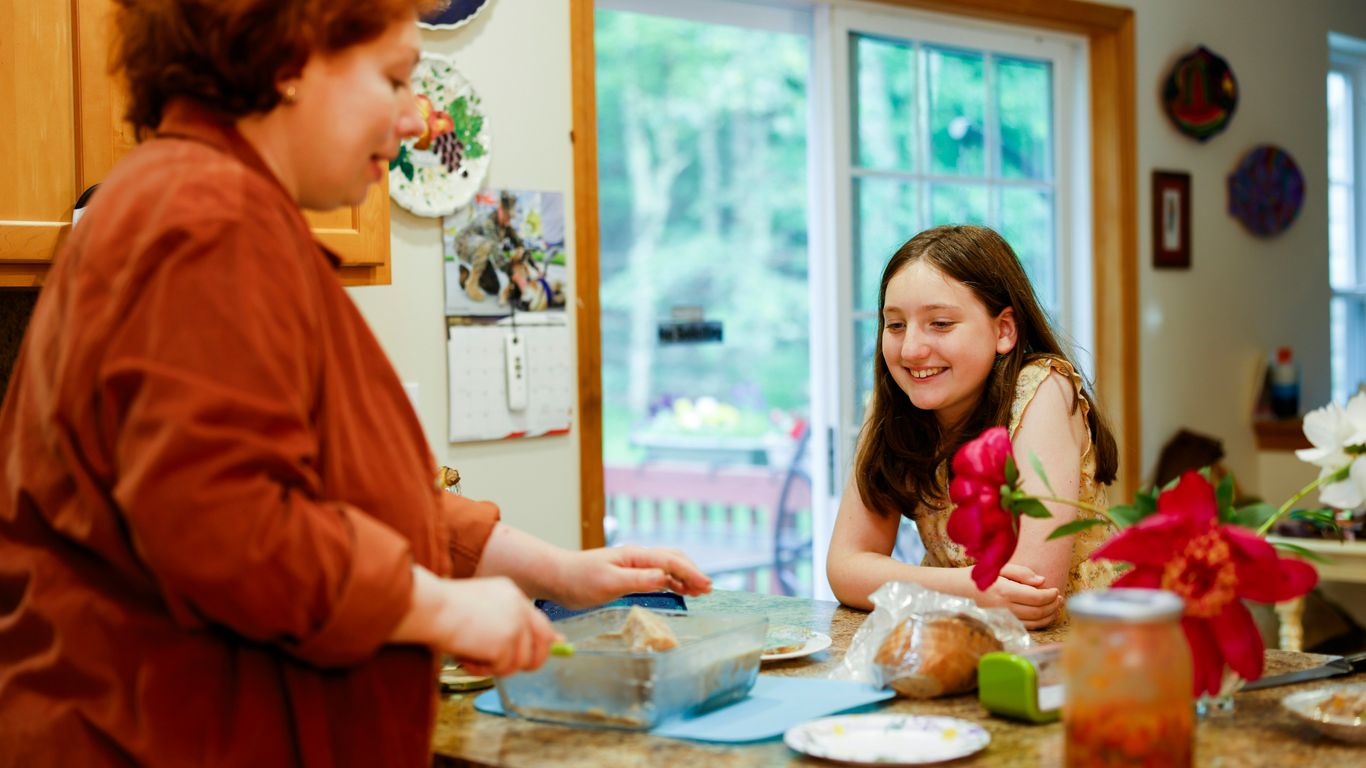
You can stop cooking separate dinners for everyone by making one meal with a shared base and letting each person finish their own plate. Build-your-own bars, deconstructed dishes and sauces on the side give everyone choice, while you still cook once. Pair that with one familiar “safe” food at every meal and a relaxed approach to new foods, and family dinners get easier.
Why one shared meal is worth it
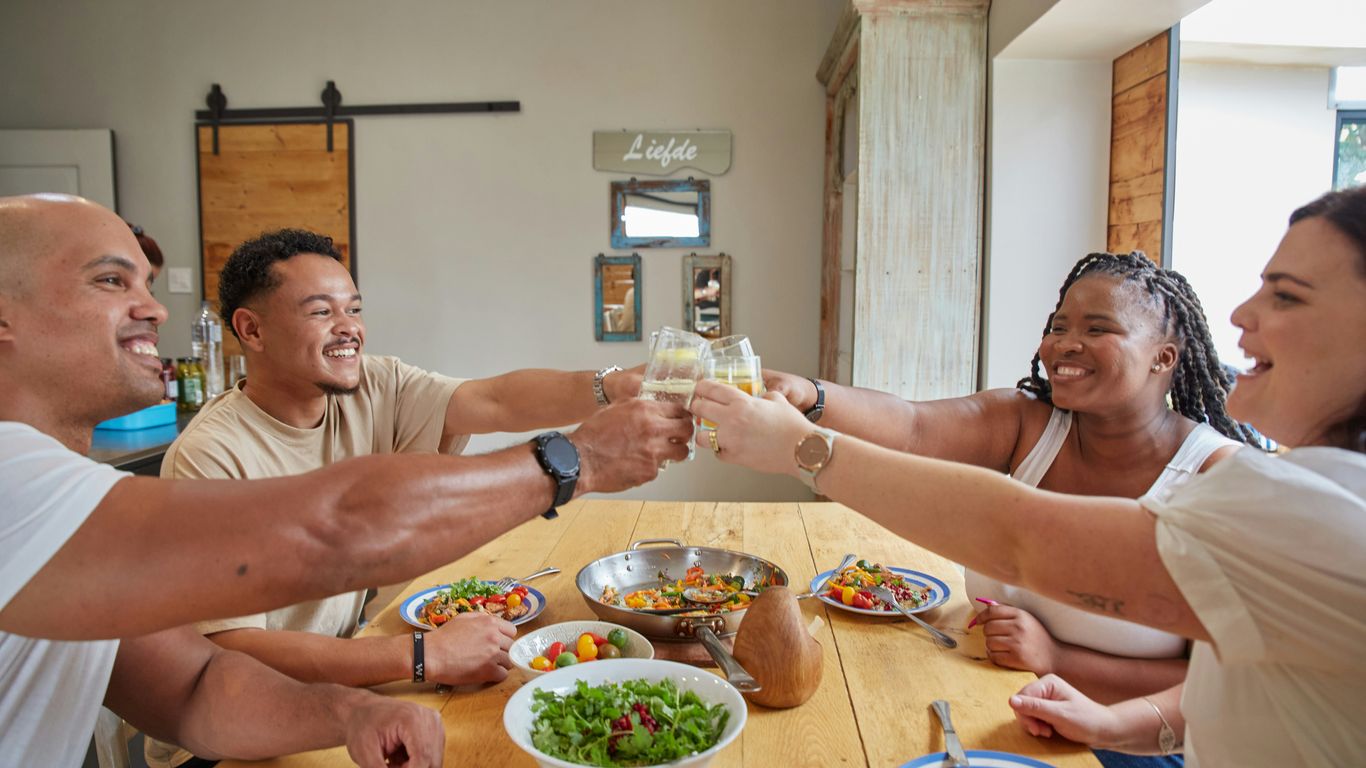
Short-order cooking costs time, energy and dishes, and it can teach everyone that the menu is negotiable. Eating the same meal together has its own benefits. Canada’s food guide notes that eating together as a family benefits everyone, and that regular family meals can help kids explore new healthy foods and establish healthy eating routines, with parents and caregivers acting as role models.
The goal isn’t a meal everyone loves equally. It’s a meal everyone can find something to eat at, without you becoming a restaurant.
The shared base, personal finish method
Cook one base that suits most people, then put the add-ons in separate bowls so each person builds their own plate. Some examples:
| Meal | Shared base | Put out separately |
|---|---|---|
| Taco night | Seasoned beans or ground meat, warm tortillas | Cheese, lettuce, tomatoes, corn, avocado, salsa, plain yogurt, hot sauce |
| Pasta bar | Plain cooked pasta | Tomato sauce, pesto, butter and Parmesan, cooked vegetables, meatballs or white beans |
| Rice bowls | Rice or quinoa | Tofu or chicken, steamed broccoli, shredded carrot, cucumber, edamame, soy or teriyaki sauce |
| Homemade pizza | Whole grain naan, pitas or dough | Sauce, cheese, peppers, mushrooms, spinach, pineapple, cooked chicken |
| Baked potato bar | Baked white or sweet potatoes | Chili, broccoli, cheese, yogurt, salsa, green onion |
| Stir-fry | Vegetables and protein cooked plain | Two sauces (one mild, one spicy), noodles or rice |
Deconstruct for the picky eaters
Many children (and some adults) dislike foods that are mixed together, even when they like each part. Before you combine a dish, set a little of each ingredient aside. A stir-fry can be served as plain chicken, plain noodles and raw pepper strips for one person, and fully sauced for everyone else. Salads work the same way: put the greens, toppings and dressing out separately.
Adapt flavour and heat at the table
- Cook to the mildest palate, then let others add chili flakes, hot sauce, extra garlic or fresh herbs.
- Serve sauces and dressings on the side. Dipping is often more appealing than having food covered.
- Keep the base neutral. Plain rice, pasta, potatoes or tortillas go with almost everything.
- Offer a texture choice where it’s easy: raw and cooked carrots, or crunchy and soft toppings.
Include one safe food every time
Put at least one food on the table that each person reliably eats, such as bread, rice, fruit, cheese or plain vegetables. This takes the pressure off. A child who doesn’t like the main dish can still fill up on the shared sides, and you don’t need to make a second dinner.
The NHS advice on fussy eaters backs this relaxed approach: eat with your children as often as you can, give small portions, praise them for eating even a little, and if they refuse a food, don’t force it. Calmly take it away and try it again another time. It also suggests looking at what a child eats over a week rather than worrying about one meal.
Introduce new foods gently

- Serve a small amount of the new food next to familiar ones, not instead of them.
- Mix new ingredients into favourites in small amounts, like a little spinach in tomato sauce or lentils in taco meat.
- Offer, don’t push. An invitation to taste is fine. Bribes, battles and “three more bites” usually backfire.
- Expect repeats. Familiarity takes many tries, so keep putting the food out without comment.
For more on this, see our companion article on gradual exposure strategies for picky eaters.
Plan together
- Let each person choose one dinner a week from a short list of meals you’re willing to make.
- Post the week’s menu on the fridge so nobody is surprised at 6 p.m.
- Give kids a job: washing produce, setting out the toppings, stirring a sauce or building the salad bar. Helping out often makes kids more curious about tasting the result.
- Cook once for two nights. Shared bases like a pot of beans or a tray of roasted vegetables can be turned into tacos one night and bowls the next. Our post on hearty bowls the family actually eats has more ideas.
Portions and balance
Canada’s food guide suggests using the same plate proportions for the whole family (half vegetables and fruits, a quarter protein, a quarter whole grains) and serving smaller portions to younger children. A build-your-own meal makes this easy: put the vegetable toppings out first and in the biggest bowls. Serve water or milk at the table.
Let go of perfect
Not every dinner will be balanced or eaten happily, and that’s fine. A simple meal you eat together, like eggs and toast with cut fruit, does more for the family than an elaborate dinner nobody enjoys making. Keep the mood relaxed, keep phones away from the table, and talk about something other than what’s on the plates. Over time, the shared table itself becomes the habit, and the menu matters a little less.
When to check with a professional
If a child’s eating is very limited, they’re losing weight or not growing as expected, or meals regularly cause distress, talk to your family doctor or a registered dietitian. For concerns about eating disorders in teens or adults, NEDIC offers support and resources.
Quick takeaways
- Cook one shared base and put toppings, sauces and sides out separately.
- Set aside plain portions before mixing a dish.
- Include one safe food for everyone at every meal.
- Offer new foods often and calmly, without pressure.
- Let family members choose and help with meals during the week.
FAQ
What if someone refuses everything at the table?
Stay calm and don’t make a separate meal. If the safe foods are there, they can fill up on those. Clear the plates at the normal time, and offer the next meal or snack as usual. One small dinner won’t matter much over a week.
How do I handle allergies or dietary needs?
Make the shared base free of the allergen or restricted food, and add those ingredients only as toppings. This keeps one meal safe for everyone and avoids cross-contact in the pot.
Does this work for adults with different goals?
Yes. One person might load up on vegetables and protein, another adds more grains for a training day, and someone else skips the cheese. The same base serves different needs without extra cooking.