
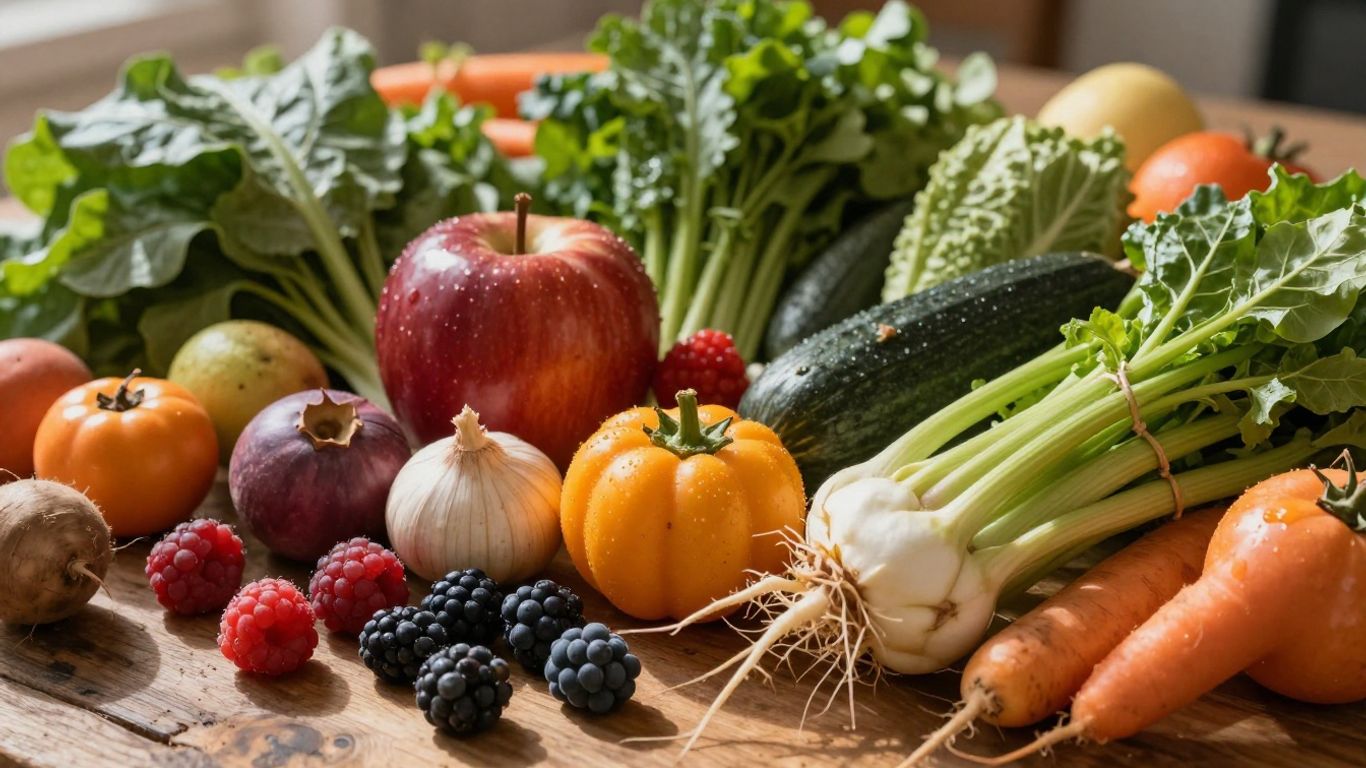
Have you ever noticed how some plants just pop with color? Turns out, that vibrant hue is often a sign of something good happening inside. These colorful compounds, called polyphenols, are like the plant’s own little helpers, offering all sorts of benefits. But getting the most out of them isn’t always straightforward. It’s not just about eating a plant; it’s about how you prepare it, what you eat it with, and even when you eat it. Let’s talk about polyphenol diversity and how to make sure your body is actually getting all those good things.
Key Takeaways
- Polyphenols are natural compounds found in colorful plants, acting as antioxidants and supporting overall health. Their diversity means eating a wide range of plants is best.
- To get the most from polyphenols, pair them with healthy fats, prepare them in ways that keep their goodness (like steaming), and consider when you consume them, especially regarding minerals.
- The colors of plants are a good hint at their polyphenol content; aiming for a variety of colors on your plate helps ensure you’re getting a broad spectrum of these beneficial compounds.
- While supplements exist, whole foods offer better polyphenol absorption due to natural synergy with other nutrients and fiber. Focus on adding more plants to your diet.
- Integrating polyphenol-rich foods doesn’t have to be complicated or expensive. Simple swaps, strategic shopping, and mindful preparation can make a big difference in your daily intake.
Understanding Polyphenol Diversity
The Vibrant Spectrum of Plant Compounds
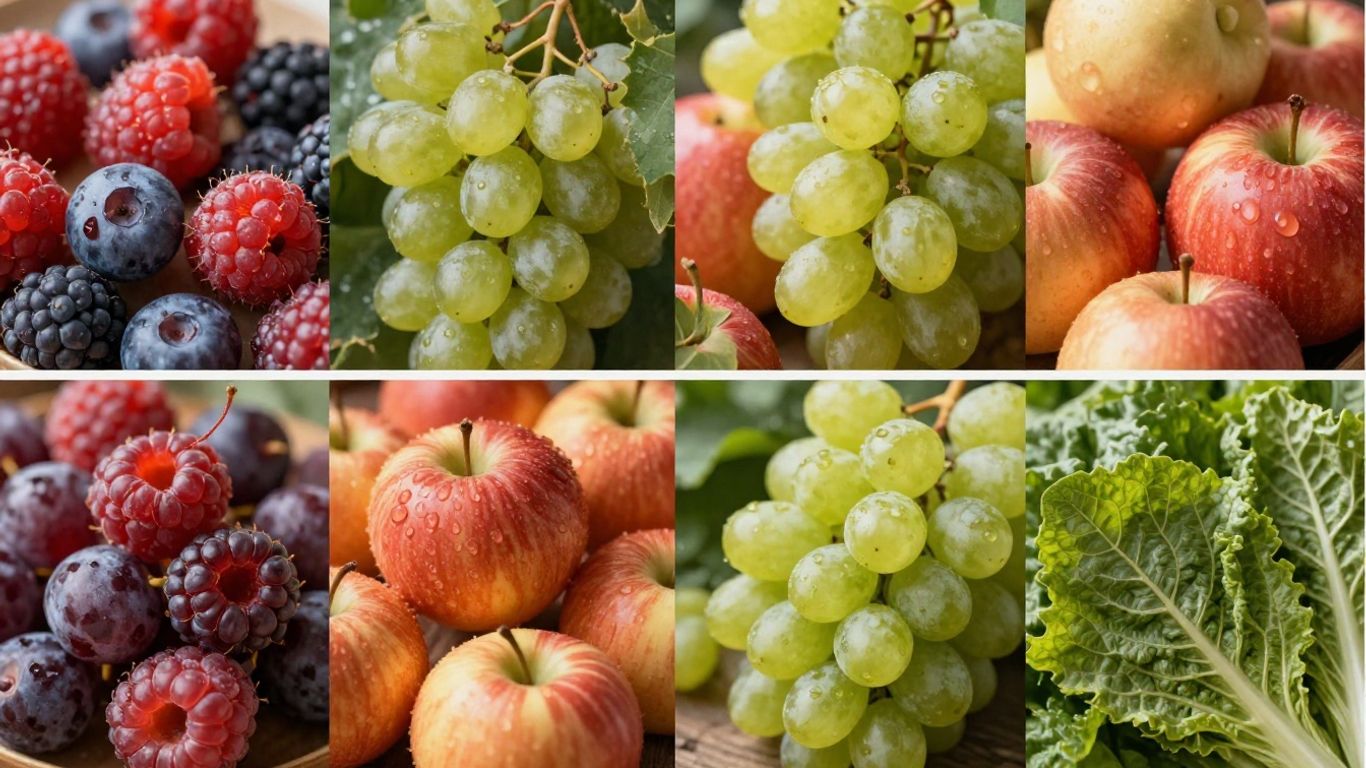
Polyphenols are a huge family of natural compounds found in plants. Think of them as the plant world’s own defense system and coloring agents. They’re responsible for a lot of the colors we see in fruits and vegetables, from the deep purple of blueberries to the rich red of raspberries. But they do more than just look pretty; they play a big role in how plants protect themselves from things like UV rays and pests. For us, these compounds are like little helpers for our bodies, acting as antioxidants and supporting our overall health.
Antioxidant Powerhouses for Cellular Health
One of the main reasons we talk so much about polyphenols is their antioxidant power. You know how an apple turns brown when you cut it? That’s oxidation. Our bodies also go through a similar process, creating unstable molecules called free radicals that can damage our cells over time. Polyphenols step in to neutralize these free radicals, helping to protect our cells from damage. This is why foods rich in polyphenols are often linked to better health and a lower risk of certain chronic conditions. They’re like tiny bodyguards for your cells.
Gut Microbiome’s Role in Polyphenol Metabolism
Here’s something really interesting: most of the polyphenols we eat don’t get fully absorbed in our small intestine. Instead, they travel down to our large intestine, where they meet our gut microbes – the trillions of bacteria living there. These microbes are like tiny chefs; they break down and transform the polyphenols into even more beneficial compounds that our bodies can absorb. This means the health of your gut microbiome is directly linked to how much good you get from the polyphenols you consume. It’s a partnership! Different plants have different polyphenols, and different microbes like to eat different things, so eating a wide variety of plant foods is key to feeding a diverse and healthy gut community.
Maximizing Polyphenol Absorption
So, you’re loading up on colorful fruits and veggies, which is fantastic! But how do you make sure your body is actually getting the good stuff from all those plant compounds? It’s not just about what you eat, but also how you prepare it and what you pair it with. Think of it like this: you wouldn’t just throw expensive ingredients into a pot without a recipe, right? The same applies to getting the most out of polyphenols.
The Synergy of Healthy Fats and Polyphenols
Many of the beneficial polyphenols found in plants are fat-soluble. This means they need a little help from dietary fats to be absorbed effectively by your body. Without them, a good portion of those valuable compounds might just pass through without doing their job. It’s a pretty neat biological trick!
- Extra Virgin Olive Oil: Drizzling this liquid gold over salads or steamed vegetables is a classic for a reason. It’s packed with monounsaturated fats and its own set of polyphenols, creating a double benefit.
- Avocado: Creamy and satisfying, avocado provides healthy fats that help your body absorb fat-soluble nutrients from other foods on your plate.
- Nuts and Seeds: Whether whole, chopped, or as butters, nuts and seeds offer a mix of fats and other nutrients that can aid polyphenol absorption.
The key takeaway is that pairing polyphenol-rich foods with a source of healthy fat significantly boosts the bioavailability of many of these plant compounds.
Preparation Methods to Preserve Potency
How you cook your food can make a big difference in the polyphenol content that ends up in your meal. Some methods are better than others at keeping these delicate compounds intact.
- Steaming: This is often a top choice. It uses moist heat gently, which helps retain more polyphenols compared to boiling, where they can leach out into the water.
- Roasting: While it uses dry heat, roasting can sometimes concentrate certain beneficial compounds, especially in foods like nuts and root vegetables. Just be mindful of not overcooking.
- Raw: Eating foods raw, like in salads or smoothies, is a surefire way to get 100% of the polyphenols present, assuming they aren’t degraded by blending or chopping too far in advance.
Boiling, on the other hand, is generally less ideal as many water-soluble polyphenols can be lost in the cooking water. If you do boil, try to consume the cooking liquid, like in a soup or broth, to recapture some of those lost nutrients.
Strategic Pairing for Enhanced Bioavailability
Beyond just adding fat, certain food combinations can actually make polyphenols more accessible to your body. It’s all about understanding how different nutrients interact.
Sometimes, a simple addition can make a world of difference. Think about adding a pinch of black pepper to turmeric. That little bit of piperine in the pepper dramatically increases the absorption of curcumin, the main polyphenol in turmeric. It’s a small step with a big impact on how much of that beneficial compound your body can actually use.
Here are a few more ideas:
- Spices with Meals: Incorporating spices like cinnamon, turmeric, ginger, and oregano into your cooking isn’t just for flavor; they are packed with polyphenols and can sometimes help with the absorption of other compounds in the meal.
- Citrus with Greens: A squeeze of lemon or lime juice on leafy greens can help increase the absorption of non-heme iron (the type found in plants), and the vitamin C in citrus also plays a role in antioxidant activity.
- Berries with Yogurt or Nuts: Combining antioxidant-rich berries with a source of protein and fat, like plain yogurt or a handful of nuts, provides a balanced snack that aids in the absorption of those vibrant berry polyphenols.
Color as a Guide to Polyphenol Richness
Think about the last time you were at the grocery store. Did you find yourself drawn to the vibrant reds of berries, the deep purples of eggplant, or the bright oranges of carrots? That natural attraction to color isn’t just about aesthetics; it’s a pretty good indicator of the beneficial compounds, called polyphenols, packed inside. Plants use these compounds for all sorts of things, like protecting themselves from the sun and warding off pests. For us, they act as antioxidants, helping to keep our cells healthy.
Deeply Pigmented Plants as Potent Sources
It’s often said that the more intense the color of a plant, the more polyphenols it likely contains. This is a helpful rule of thumb. Think about blueberries, blackberries, and raspberries – their deep blues and reds come from a class of polyphenols called anthocyanins. These are powerful antioxidants. Similarly, the rich red of tomatoes or watermelon points to lycopene, another potent polyphenol. Even common vegetables like red cabbage and beets owe their striking hues to these beneficial plant compounds.
The Rainbow Plate Approach to Nutrition
So, how do you make sure you’re getting a good mix? The "rainbow plate" approach is a simple, visual way to boost your polyphenol intake. The idea is to try and include at least three different colors of fruits and vegetables in your meals each day. This doesn’t have to be complicated. Maybe one day you have a salad with red tomatoes and green lettuce, and for dinner, you add some purple eggplant. The next day, you might start with orange juice and have yellow bell peppers with your lunch.
Here’s a quick look at what colors might signal:
- Red: Lycopene, Anthocyanins (e.g., tomatoes, strawberries, red peppers)
- Orange/Yellow: Carotenoids, Flavonoids (e.g., carrots, sweet potatoes, lemons)
- Green: Chlorophyll, Lutein, Flavonoids (e.g., spinach, broccoli, green tea)
- Blue/Purple: Anthocyanins (e.g., blueberries, eggplant, purple grapes)
- White/Tan: Allicin, Flavonoids (e.g., garlic, onions, cauliflower)
Visual Cues for Nutrient Density
While color is a great starting point, it’s not the only visual cue. Look for plants that are minimally processed. For instance, whole berries are generally better than berry-flavored candy, which might have artificial colors and added sugars. Fresh herbs, like parsley and oregano, are also packed with polyphenols and add a burst of flavor and color to any dish. Don’t forget spices, either! Turmeric’s vibrant yellow and cinnamon’s warm brown are indicators of their rich polyphenol content. Paying attention to the natural colors of your food can be a simple yet effective strategy for increasing your intake of these health-supporting compounds.
Making an effort to eat a variety of colorful plant foods is a straightforward way to support your body’s natural defenses. It’s less about chasing specific nutrients and more about enjoying the diverse palette that nature provides. This approach naturally leads to a more balanced intake of various beneficial compounds, working together in ways we’re still learning about.
Timing Your Polyphenol Intake
Navigating Mineral Absorption with Tannins
Ever notice how drinking tea with your iron-rich meal can sometimes make you feel a bit off? That’s often the work of tannins, a type of polyphenol. These compounds can bind to certain minerals, like iron, making them harder for your body to absorb. This doesn’t mean you should avoid tea or coffee, but it’s smart to be mindful of when you consume them, especially if iron is a concern.
For optimal iron absorption, it’s generally recommended to enjoy your tea or coffee between meals rather than with them. This simple timing adjustment allows your body to absorb the iron from your food without interference.
Beverage Consumption Between Meals
Think of your beverages as opportunities to boost your polyphenol intake without disrupting nutrient absorption. Green tea, black tea, coffee, and even red wine (in moderation) are packed with beneficial compounds. Drinking these between meals is a straightforward way to get more polyphenols into your system. It’s a habit that’s easy to build and can contribute significantly to your daily intake.
Integrating Polyphenols Throughout the Day
Getting enough polyphenols isn’t about one big dose; it’s about consistent, varied intake. Aim to include polyphenol-rich foods and drinks at different times. A breakfast with berries and nuts, a lunch salad with olive oil dressing, an afternoon cup of green tea, and a dinner featuring colorful vegetables all add up. This approach ensures a steady supply of these beneficial plant compounds throughout the day, supporting your body’s needs more effectively.
Here’s a simple way to think about it:
- Morning: Start with berries, nuts, or seeds in your oatmeal or yogurt.
- Midday: Incorporate colorful vegetables and herbs into your lunch, perhaps with a drizzle of olive oil.
- Afternoon: Enjoy a cup of green tea or coffee, ideally between meals.
- Evening: Make your dinner plate a rainbow of vegetables, spices, and perhaps a side of dark chocolate for dessert.
The key is variety and consistency. By spreading out your polyphenol intake and choosing a wide range of plant foods, you maximize their benefits and support your overall well-being.
Whole Foods Versus Supplements
The Advantages of Whole Food Synergy
When we talk about getting polyphenols, the first thing that comes to mind for many is probably supplements. You see them everywhere, promising concentrated doses of these beneficial plant compounds. But here’s the thing: our bodies are pretty amazing at using nutrients when they come packaged the way nature intended. Whole foods, like berries, leafy greens, nuts, and even your morning coffee or tea, offer a complex mix of vitamins, minerals, fiber, and, yes, polyphenols, all working together. This team effort, often called synergy, means you’re likely getting more bang for your buck than from a single isolated compound in a pill. Think of it like a well-rehearsed band versus a solo artist – the whole ensemble often creates a richer sound.
Potential Drawbacks of Supplementation
While supplements can seem convenient, they aren’t always the best route. For starters, the way your body absorbs polyphenols from a supplement might be different, and sometimes less effective, than from whole foods. The fiber and other natural components in whole plants play a role in how these compounds are processed. Plus, it’s easier to overdo it with supplements. You might end up taking way more of a specific polyphenol than you would from food, and we don’t always know the long-term effects of such high, isolated doses. There’s also the risk of interactions with medications, which is something to discuss with your doctor. And let’s be honest, the supplement industry can be a bit of a wild west when it comes to claims – not everything labeled "high antioxidant" is actually that beneficial, especially if it’s loaded with sugar or other fillers.
When to Prioritize Whole Food Sources
So, when should you really lean into whole foods for your polyphenol fix? Pretty much always, if you can. If your diet is currently lacking in colorful fruits and vegetables, making simple swaps is a fantastic starting point. Instead of reaching for a processed snack bar with an "antioxidant" label, try a handful of berries or a square of dark chocolate (aim for 70% cocoa or higher). Swapping sugary drinks for green tea or coffee is another easy win. These everyday choices not only provide polyphenols but also contribute to a more balanced intake of fiber and other nutrients that processed foods often lack. For most people, focusing on a varied diet rich in plant foods is the most effective and safest way to benefit from polyphenols.
Here’s a quick look at common sources:
| Food Type | Polyphenol Richness | Absorption Advantage |
|---|---|---|
| Blueberries | High | Excellent synergy with other nutrients in the fruit. |
| Extra Virgin Olive Oil | High | Paired well with salads and vegetables. |
| Green Tea | High | Best consumed between meals for optimal absorption. |
| Dark Chocolate (>70%) | Moderate to High | Enjoyed in moderation as a treat. |
| Onions & Garlic | Moderate | Staples in cooking, providing consistent intake. |
Relying on whole foods means you’re getting a complex package of nutrients that work together. It’s about building sustainable habits with foods that are readily available and enjoyable, rather than chasing the latest supplement trend.
Achieving Dietary Diversity
Making the ’30 Plants a Week’ Goal Attainable
So, you’ve heard about this "30 plants a week" thing. Sounds like a lot, right? Maybe you’re picturing yourself in the produce aisle, overwhelmed, trying to count every single item. But honestly, it’s not as complicated as it seems. Think of it less as a strict rule and more as a friendly nudge to explore the amazing variety nature offers. The idea is that by eating a wider range of plant foods, you’re feeding your gut microbes a more diverse diet, which in turn makes your gut microbiome healthier and more resilient. It’s like throwing a big party for your internal ecosystem!
Strategic Stocking for Variety
Making this goal easier starts before you even get to the kitchen. It’s all about smart shopping. Instead of always grabbing the same few things, try to mix it up. When you’re at the grocery store, look for those mixed bags of greens – they can easily count as 4-8 different plants right there. Don’t forget about frozen and canned options; they’re often just as good nutrient-wise and can be super convenient. Think about stocking up on different kinds of beans, lentils, nuts, and seeds. These are pantry powerhouses that can add a ton of variety to your meals without much fuss.
Here’s a quick look at how different categories add up:
| Category | Examples |
|---|---|
| Vegetables | Leafy greens, root vegetables, cruciferous veggies, peppers, onions, etc. |
| Fruits | Berries, apples, citrus, tropical fruits, stone fruits, etc. |
| Legumes | Beans, lentils, peas, chickpeas |
| Nuts & Seeds | Almonds, walnuts, chia seeds, flax seeds, pumpkin seeds, etc. |
| Whole Grains | Oats, quinoa, brown rice, barley, farro, whole wheat pasta |
| Herbs & Spices | Basil, cilantro, parsley, cinnamon, turmeric, ginger, garlic, etc. |
Gradual Integration into Daily Meals
Adding more plant variety doesn’t mean you have to overhaul your entire diet overnight. Small, consistent changes make a big difference. Start by adding just one or two new plant foods each week. Maybe try a different type of berry in your morning smoothie, swap your usual side salad for one with a few more veggies and some seeds, or add a can of mixed beans to your soup. Even using a wider array of herbs and spices can contribute to your plant count and boost flavor. The key is to make it a sustainable habit, not a temporary chore.
The beauty of aiming for plant diversity is that it naturally leads to a more nutrient-rich diet overall. You’re not just getting fiber; you’re also increasing your intake of a vast array of vitamins, minerals, and those beneficial plant compounds called polyphenols. It’s a win-win for your body and your gut.
Exploring Key Polyphenol Classes
Plants are packed with all sorts of interesting compounds, and polyphenols are a big group of them. They’re often responsible for the bright colors we see in fruits and vegetables, and they do a lot more than just look pretty. Think of them as nature’s way of protecting plants and giving them their unique flavors. When we eat these plant foods, we get to benefit from these compounds too.
There are several main types of polyphenols, and they each have their own job and structure. Understanding these differences can help us appreciate the variety in our food.
Flavonoids: Sunscreens and Antioxidants
Flavonoids are probably the most well-known type of polyphenol. You’ll find them in things like berries, apples, onions, and tea. They’re really good at fighting off damage from unstable molecules in our bodies, which is why they’re called antioxidants. They also act like a natural sunscreen for plants, helping them deal with harsh sunlight.
Phenolic Acids in Plant Defense
Phenolic acids are another important group. They’re found in a wide range of foods, including whole grains, coffee, and many fruits and vegetables. These compounds play a role in how plants defend themselves against pests and environmental stress. They can also contribute to the flavor profile of foods.
Anthocyanins and Their Vivid Colors
If you’ve ever wondered why blueberries are so blue or raspberries are so red, you can thank anthocyanins. These are the polyphenols that give many fruits and vegetables their vibrant red, purple, and blue hues. Beyond their striking color, anthocyanins are also potent antioxidants, contributing to the health benefits of these colorful foods.
Practical Strategies for Daily Consumption
Smart Swaps for Nutrient-Dense Choices
Making small changes to what you eat every day can really add up when it comes to getting more polyphenols. Think about swapping out less helpful options for ones packed with plant goodness. For instance, instead of reaching for a sugary soda, try a cup of green tea or a glass of water infused with lemon and berries. If you’re looking for a snack, a handful of mixed nuts and seeds or some veggie sticks with hummus is a much better choice than processed chips. Even simple switches, like choosing dark chocolate (over 70% cocoa) instead of milk chocolate, can make a difference. These aren’t huge overhauls, just smarter, more colorful picks.
Optimizing Preparation Techniques
How you prepare your food matters a lot for keeping those beneficial compounds intact. Boiling vegetables for a long time can cause some polyphenols to leach out into the water. Steaming, sautéing, or roasting are often better methods. For example, roasting vegetables like bell peppers or broccoli can actually concentrate their flavors and nutrients. Don’t be afraid of frozen fruits and vegetables either; they’re typically frozen at their peak ripeness, locking in nutrients. When you’re making a salad, using a dressing made with extra virgin olive oil and lemon juice is a great way to help your body absorb fat-soluble nutrients from the greens.
Incorporating Polyphenols into Every Meal
It’s easier than you think to weave polyphenol-rich foods into your daily routine. Start your breakfast with oatmeal topped with a mix of berries, a sprinkle of chia seeds, and a dash of cinnamon. For lunch, build a vibrant salad with a variety of greens, add some chickpeas or black beans, colorful chopped vegetables like tomatoes and peppers, and a sprinkle of nuts or seeds. Soups and stews are also fantastic vehicles for extra veggies; just toss in a handful of spinach, carrots, or lentils. Even pasta dishes can be boosted by using whole wheat or legume-based pasta and loading the sauce with extra vegetables like mushrooms, onions, and herbs. Aim to add at least one polyphenol-rich item to each meal and snack.
The Long-Term Benefits of Polyphenols
Supporting Cardiovascular and Metabolic Wellness
When we talk about polyphenols, it’s not really about quick fixes. Think of them more like long-term investments in your health. Consistently including polyphenol-rich foods in your diet can really make a difference over time, especially for your heart and how your body handles energy. They seem to help keep blood vessels flexible and can play a role in managing blood sugar levels. It’s like building a stronger foundation for your body, one colorful meal at a time.
Anti-inflammatory Properties for Gut Health
Many of us don’t realize how much our gut health impacts our overall well-being. Polyphenols are pretty interesting here because they don’t just get absorbed and disappear. A good portion of them travel to your large intestine, where they become food for the friendly bacteria living there. These microbes then break down the polyphenols into even more beneficial compounds. This whole process can help calm down inflammation in the gut, which is linked to all sorts of health issues. It’s a bit of a partnership between the plants we eat and the tiny helpers inside us.
Cumulative Effects for Sustainable Health
It’s important to remember that the benefits of polyphenols build up. You won’t likely feel a dramatic change overnight, and that’s okay. The real magic happens with regular, sustained consumption. By making colorful fruits, vegetables, and spices a regular part of your meals, you’re contributing to a healthier body that’s better equipped to handle stress and stay well in the long run. This consistent, gentle support is what leads to truly sustainable health.
Here’s a quick look at what consistent polyphenol intake can contribute to:
- Heart Health: Supporting healthy blood pressure and cholesterol levels.
- Metabolic Balance: Assisting in stable blood sugar management.
- Gut Environment: Promoting a diverse and balanced gut microbiome.
- Cellular Protection: Helping to protect cells from damage over time.
The power of polyphenols lies in their ability to work with your body over time. It’s about creating a healthier internal environment through consistent dietary choices, rather than seeking immediate, dramatic results. This approach supports a more resilient and balanced state of well-being.
Cost-Effective Polyphenol Sources
You don’t need to break the bank to load up on these beneficial plant compounds. Many of the most polyphenol-rich foods are actually everyday staples that are quite affordable. Think about your pantry and fridge – chances are, you’ve already got some powerhouses hiding in plain sight.
Pantry Staples Rich in Beneficial Compounds
Many common ingredients pack a serious polyphenol punch without a hefty price tag. These are the kinds of things you can buy regularly without feeling the pinch. For instance, spices like cloves, cinnamon, and oregano are incredibly concentrated sources. A small jar of cloves can last ages and add a huge dose of polyphenols to your cooking. Similarly, dried herbs like rosemary and thyme are potent. Don’t forget about things like coffee and tea – a daily cup of green tea can be incredibly inexpensive per serving, often costing less than a dollar. Even onions and garlic, fundamental to so many cuisines, are good sources. These humble ingredients are often overlooked but offer tremendous value.
Value Comparison: Whole Foods vs. Supplements
When you look at the cost and what you actually get, whole foods almost always win out over supplements. A bottle of polyphenol supplements can easily run $30 to $60 a month, and you’re often getting isolated compounds that aren’t absorbed as well as they would be from food. Plus, there’s always a risk of taking too much of a single compound. On the other hand, a bag of frozen berries, which are often cheaper than fresh and just as nutritious, provides a wide array of polyphenols along with fiber and vitamins. A pound of onions might cost less than a dollar, and you can use them in so many dishes. It’s about getting more bang for your buck, and with whole foods, you get that nutritional synergy that supplements just can’t replicate.
Affordable Options for Daily Inclusion
Making polyphenol-rich foods a regular part of your diet doesn’t require a special shopping trip or a big budget. Here are some ideas:
- Frozen Berries: Often more affordable than fresh, especially out of season. Great for smoothies, oatmeal, or yogurt.
- Green Tea: Buy in bulk for the best value. A simple, warming drink that’s easy to make.
- Onions and Garlic: Buy in larger quantities when on sale. Use them as a base for countless savory dishes.
- Apples: Widely available and relatively inexpensive year-round. Eat them whole or add to recipes.
- Dark Chocolate (70%+ cocoa): A small square can satisfy a craving and provide beneficial compounds. Look for sales.
- Walnuts: While nuts can be pricey, buying them in bulk or on sale can make them more accessible for occasional use.
Incorporating these cost-effective sources is about making smart, consistent choices. It’s not about chasing exotic ingredients, but about recognizing the nutritional power in the foods you can easily access and afford. Small, regular additions to your meals can add up significantly over time, supporting your well-being without straining your wallet.
Looking for ways to get more good stuff without breaking the bank? You don’t need to spend a lot to find foods packed with helpful plant compounds. Many everyday foods offer these benefits, making it easy to eat well on a budget. Discover how to fill your plate with these budget-friendly powerhouses. Visit our website to learn more!
Embracing the Colorful World of Polyphenols
So, we’ve talked a lot about polyphenols, these amazing compounds found in so many plants. They’re the reason fruits and veggies have such vibrant colors and interesting flavors. It turns out they do a lot for our health, acting like tiny protectors in our bodies. The key takeaway is that variety is really important. Eating a wide range of colorful plants, thinking a little about how you prepare them, and pairing them with healthy fats can make a big difference in how well your body uses them. It’s not about chasing down rare ingredients or expensive supplements; it’s about making smart, simple choices with the foods you already know and love. By focusing on whole, colorful foods, you’re not just adding flavor to your meals, you’re also giving your body a fantastic boost. It’s a journey of delicious discovery, and the benefits are well worth the effort.
Frequently Asked Questions
What exactly are polyphenols and why are they important?
Polyphenols are special helpers found in plants, like the ones that give fruits and veggies their bright colors and yummy tastes. They’re like tiny shields for your body, fighting off damage and keeping your cells healthy. Think of them as natural bodyguards!
How can I get more polyphenols into my diet?
Eating a wide variety of colorful plant foods is the best way! Try to include berries, leafy greens, beans, nuts, seeds, and spices in your meals. The more colors on your plate, the better!
Does it matter what color plant food I eat for polyphenols?
Yes, color is a great clue! Deeper colors, like dark berries, red peppers, and purple cabbage, often mean more polyphenols. Eating a rainbow of foods helps you get a good mix of these helpful compounds.
Can my body actually use all the polyphenols I eat?
Not exactly. Many polyphenols are first changed by the good bacteria in your gut. These tiny helpers make them easier for your body to absorb and use, which is why a healthy gut is also important!
Should I take polyphenol supplements or eat whole foods?
Whole foods are usually best because they come with other good stuff like fiber and vitamins. Supplements can be helpful sometimes, but it’s generally better to get your polyphenols from foods like fruits, vegetables, and teas.
Are there any foods that help my body absorb polyphenols better?
Definitely! Eating polyphenol-rich foods with healthy fats, like olive oil or avocado, can help your body soak up some of these compounds more easily. It’s like giving them a little boost!
Is there a good time to eat certain polyphenol-rich foods?
Sometimes, yes. For example, drinking tea between meals is better than with a meal if you’re also eating iron-rich foods, because tea can make it harder for your body to absorb iron.
What’s the ’30 plants a week’ goal all about?
It’s a way to encourage eating a wide variety of plant foods. Aiming for 30 different types of fruits, vegetables, herbs, and spices each week helps ensure you get a broad range of nutrients and polyphenols, which is great for your gut and overall health.