
So, you’ve heard about prebiotics and how they can be good for your gut. But there are a bunch of different kinds out there, like inulin, GOS, and resistant starch. It can get a little confusing, right? The idea is that using a mix of these, a sort of prebiotic variety, might be better than sticking to just one. This article is all about figuring out how to swap between them without causing a whole lot of tummy trouble. We’ll break down what each one does and how to introduce them smoothly into your diet.
Key Takeaways
- Different prebiotics like inulin, GOS, and resistant starch feed different types of good gut bacteria, so variety is good for a balanced gut.
- Introducing new prebiotics slowly is important to avoid digestive upset. Start with small amounts and gradually increase.
- Inulin is a common prebiotic found in many plants, while GOS is often derived from lactose and resistant starch comes from things like cooked and cooled potatoes or green bananas.
- Combining different prebiotics, like GOS and inulin, can offer broader support for your gut microbiome.
- Pay attention to how your body feels when you change your prebiotic intake. Staying hydrated and ensuring enough overall fiber intake helps manage any initial digestive adjustments.
Understanding Prebiotic Variety
The Spectrum of Prebiotic Fibers
Think of prebiotics as special food for the good bugs living in your gut. They’re not digested by us, but they travel all the way to our large intestine where they get fermented by our gut microbes. This fermentation process is what makes them so beneficial. Not all prebiotics are the same, though. They come in different forms and feed different types of bacteria. Some are short chains, others are longer. This variety is actually a good thing for your gut ecosystem.
The main idea is that different prebiotics support different beneficial bacteria.
Here’s a quick look at some common types:
- Inulin: A type of fiber found in many plants.
- Galactooligosaccharides (GOS): Often derived from lactose, but usually with very little lactose remaining.
- Resistant Starch (RS): Starch that resists digestion in the small intestine.
Inulin, GOS, and RS: Key Players
When we talk about prebiotic variety, inulin, GOS, and resistant starch are three big names you’ll hear a lot. They each have unique structures and properties that influence which gut bacteria they feed and how those bacteria behave. For instance, inulin is a fructan, meaning it’s made of fructose units. GOS, on the other hand, is a type of oligosaccharide made of galactose units. Resistant starch is a bit different; it’s a form of starch that escapes digestion. Each plays a distinct role in shaping our gut microbiome.
Why Variety Matters for Gut Health
Imagine a garden. If you only plant one type of flower, it might look nice, but a garden with a wide variety of plants is usually more resilient and vibrant. The same applies to your gut microbiome. Feeding it a diverse range of prebiotics helps to cultivate a diverse community of beneficial bacteria. This diversity is linked to better overall health, including improved digestion, a stronger immune system, and even better mood. A varied diet for your gut bugs means a more robust and adaptable gut environment. Trying to stick to just one type of prebiotic might feed certain bacteria well, but it could leave others wanting. Rotating through different types, like inulin, GOS, and RS, helps ensure that a broader spectrum of beneficial microbes thrives.
Inulin: A Foundation for Gut Flora
Inulin’s Structure and Function
Inulin is a type of fiber that’s naturally found in many plants. Think of it as a chain of sugar molecules, mostly fructose, linked together. Unlike simple sugars like glucose or fructose that your body quickly absorbs for energy, inulin mostly passes through your digestive system undigested. This is because we don’t have the right enzymes to break it down. When it reaches your large intestine, it becomes food for the beneficial bacteria living there. These microbes have the tools to ferment inulin, and in doing so, they multiply. This process is key to inulin’s role as a prebiotic.
Sources and Forms of Inulin
You can find inulin in a surprising number of everyday foods. Some of the richest sources include:
- Chicory root (often processed to extract inulin)
- Jerusalem artichokes
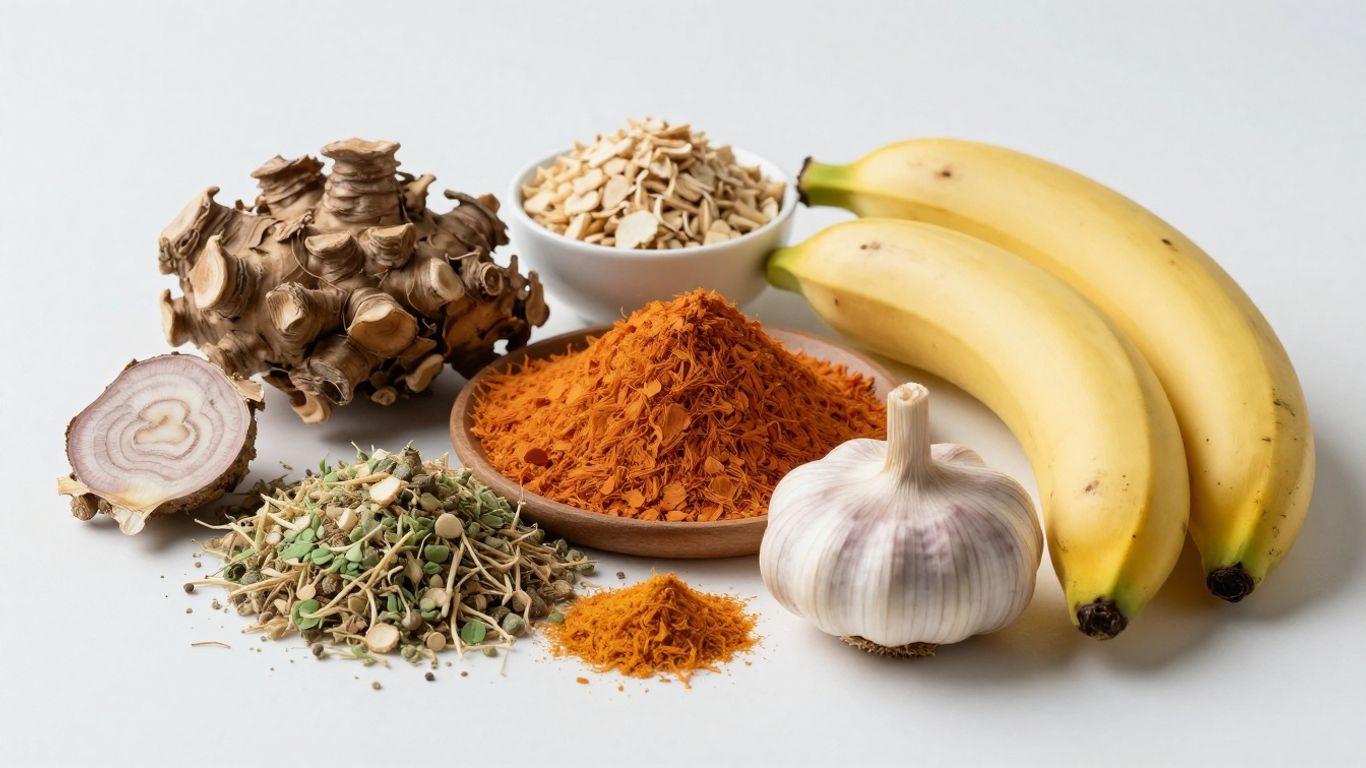
- Garlic
- Onions
- Leeks
- Asparagus
- Bananas (especially slightly less ripe ones)
Beyond whole foods, inulin is also available as a supplement, often in powder form. It can be added to foods during processing or taken on its own. The form you choose might depend on how you plan to use it. For instance, chicory root extract is a common way to get a concentrated dose.
Integrating Inulin into Your Diet
Adding inulin to your diet doesn’t have to be complicated. If you’re eating plenty of vegetables like onions, garlic, and leeks, you’re already getting some. For a more targeted approach, consider adding a small amount of inulin powder to your morning smoothie, yogurt, or oatmeal. Start slow, though. Because it’s a fermentable fiber, introducing too much too quickly can sometimes lead to gas or bloating as your gut adjusts. A good starting point might be around 2-5 grams per day, gradually increasing as your body gets used to it. Pay attention to how you feel; that’s your best guide.
Galactooligosaccharides (GOS): Nurturing Beneficial Bacteria
The Unique Properties of GOS
Galactooligosaccharides, or GOS for short, are a type of prebiotic fiber that’s a bit different from inulin. Think of them as short chains made up of galactose sugar units, often with a glucose molecule at the end. What’s neat about GOS is that our bodies can’t break them down in the small intestine. This means they travel all the way to the large intestine, where they become food for our friendly gut microbes.
GOS are particularly good at feeding beneficial bacteria like Bifidobacteria and Lactobacilli. These bacteria are known for their positive roles in digestion and overall health. GOS essentially acts as a selective fertilizer for these good guys, helping them to grow and thrive.
GOS and Lactose Tolerance
Interestingly, GOS can be produced from lactose, the sugar found in milk. While some people have trouble digesting lactose, the GOS that results from it is generally well-tolerated because it’s not broken down in the same way. In fact, some research suggests that regular intake of GOS might help improve lactose tolerance over time.
The idea is that by feeding the bacteria that can break down lactose, you’re essentially training your gut to handle it better. It’s like giving your gut microbes a workout to build up their lactose-digesting muscles.
This adaptation process can be quite helpful for individuals who experience discomfort after consuming dairy. It’s a gentle way to encourage your gut to become more efficient.
Incorporating GOS for Digestive Support
Adding GOS to your diet can be done through various foods or supplements. Many common foods contain small amounts, but for a more concentrated dose, you might look at specific prebiotic supplements or certain fortified foods.
When starting with GOS, it’s wise to begin with a small amount. This gives your digestive system time to adjust. Too much too soon can sometimes lead to gas or bloating, as your gut bacteria get busy fermenting this new food source.
Here are a few ways to think about adding GOS:
- Start Low and Go Slow: Begin with a very small serving, perhaps half the recommended dose on a supplement, or a small portion of a GOS-rich food.
- Observe Your Body: Pay attention to how you feel. If you experience any discomfort, reduce the amount and try again later.
- Consistency is Key: Once you find a dose that works for you, try to incorporate it regularly to support your gut microbiome.
Many prebiotic formulas combine GOS with other fibers like inulin, creating a broader spectrum of food for different types of beneficial bacteria. This combination approach can be quite effective for overall gut health.
Resistant Starch (RS): A Versatile Prebiotic
Defining Resistant Starch
Resistant starch, or RS, is a type of starch that, well, resists digestion in the small intestine. Think of it as a fiber that makes it all the way to your large intestine, where it can then be fermented by your gut microbes. This fermentation process is what makes RS a prebiotic. It’s not just one thing, either; RS comes in a few different forms, each with its own characteristics.
Types and Sources of RS
There are several types of resistant starch, often categorized by their origin and how they become resistant. Understanding these can help you incorporate them into your diet more effectively.
- RS1: Physical barriers prevent enzymes from reaching the starch. You find this in whole grains, seeds, and legumes. Think of intact kernels or seeds.
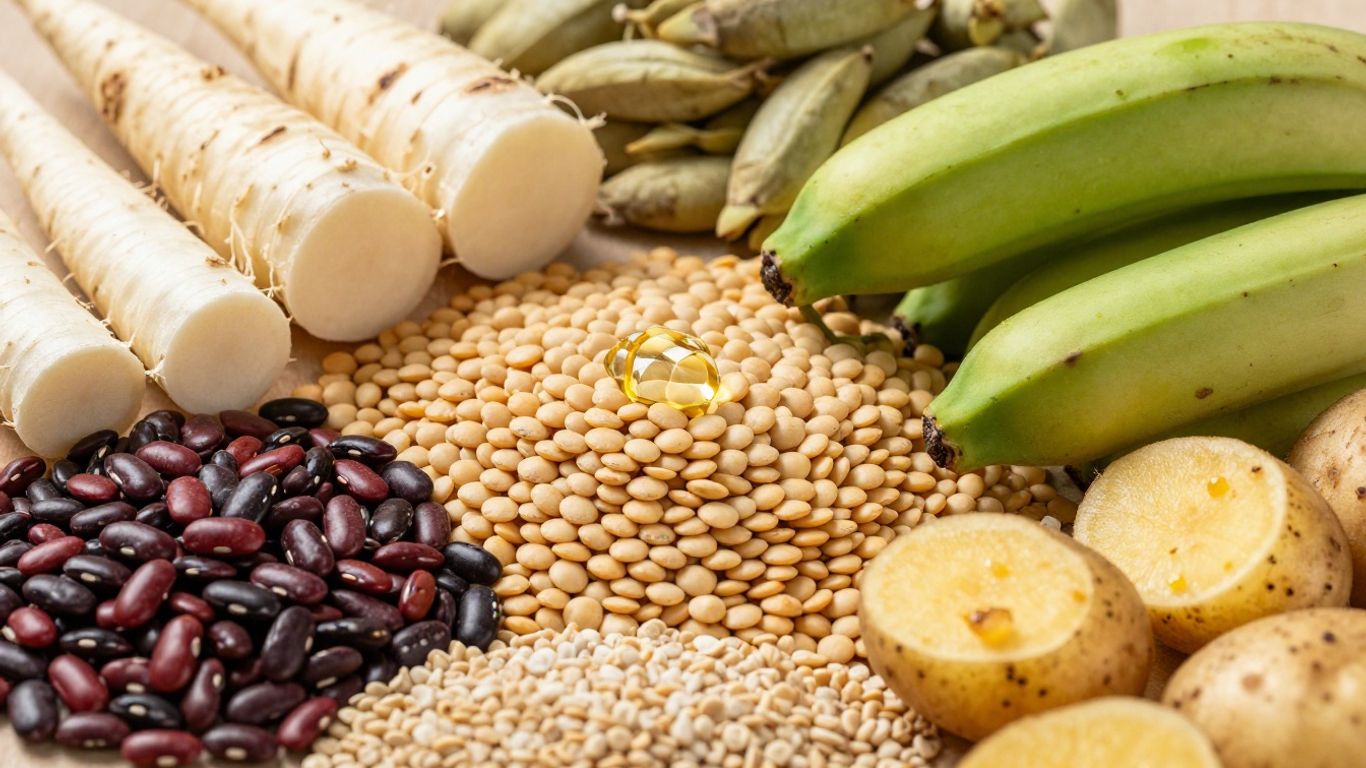
- RS2: Starch granules are in a crystalline form that resists digestion. This is common in raw potatoes, green bananas, and some high-amylose corn starches.
- RS3: This type forms when starchy foods are cooked and then cooled. The cooling process changes the starch structure, making it resistant. Cooked and cooled potatoes, rice, and pasta are good examples.
- RS4: This is a chemically modified starch, often used in food processing to improve texture and stability. It’s not typically found naturally but can be present in some processed foods.
The key takeaway is that cooking and cooling methods can significantly influence the amount of resistant starch available.
Benefits of RS for Gut Microbiome
When resistant starch reaches the colon, it becomes food for your beneficial gut bacteria. This fermentation process yields short-chain fatty acids (SCFAs), like butyrate, which are super important for colon health. Butyrate is a primary energy source for colon cells and plays a role in reducing inflammation.
Consuming resistant starch can lead to a more diverse gut microbiome. This diversity is linked to better overall health, including improved immune function and even mood regulation. It’s like giving your gut microbes a varied and nutritious buffet.
Here are some common food sources rich in resistant starch:
- Legumes: Lentils, beans, chickpeas
- Whole Grains: Oats, barley, quinoa
- Cooked and Cooled Grains: Rice, pasta
- Cooked and Cooled Potatoes: Especially when eaten cold in salads
- Green Bananas: A good source of RS2
- Plantains: Similar to green bananas
Incorporating these foods, especially when prepared in ways that maximize RS content (like cooling after cooking), can be a simple yet effective way to support your gut health.
Crafting a Balanced Prebiotic Rotation
Starting a new prebiotic routine can feel a bit like learning to ride a bike again – a little wobbly at first, but totally doable with the right approach. The key is to ease into it, letting your gut adjust gradually. Think of it as a gentle introduction rather than a sudden sprint. This way, you can enjoy the benefits without the usual digestive hiccups.
Starting with Gentle Introduction
When you first begin incorporating different prebiotics like inulin, GOS, or resistant starch, it’s best to start with small amounts. This gives your gut microbes time to get used to these new food sources. A common starting point is to take a low dose, perhaps just once a day, and see how your body responds over a few days. This initial phase is all about observation and letting your system adapt.
Gradual Dose Escalation Strategies
Once your body feels comfortable with the initial dose, you can slowly increase the amount or frequency. This is where a phased approach really shines. You might start with a single daily dose for the first week or two, then perhaps move to two doses a day, spread out between meals. The goal is to steadily increase the intake over time, allowing your gut to build tolerance.
Here’s a sample phased approach:
- Phase 1 (Days 1-7): Begin with a small, single daily dose (e.g., 1-2 grams) taken with your evening meal.
- Phase 2 (Days 8-14): If Phase 1 went well, increase the dose slightly or introduce a second, smaller dose taken with your morning meal.
- Phase 3 (Days 15+): Continue to gradually increase the total daily amount, potentially splitting it into three doses if needed, always monitoring your body’s signals.
Listening to Your Body’s Signals
This is perhaps the most important part of the whole process. Your body is pretty good at telling you what it needs, and what it doesn’t. Pay attention to how you feel. Are you experiencing gas, bloating, or changes in bowel movements? These are signals. If you notice discomfort, it’s a sign to slow down, reduce the dose, or even take a short break before trying again. There’s no one-size-fits-all timeline; your personal experience is the best guide.
Remember, the aim is to build a diverse and happy gut microbiome. This takes patience and a willingness to adjust your plan based on how you feel. It’s a journey, not a race, and small, consistent steps lead to the best long-term results.
Synergistic Combinations for Optimal Health
The Power of GOS and Inulin Blends
Sometimes, two prebiotics are better than one. Think of inulin and GOS as a dynamic duo for your gut. Inulin, with its longer chain structure, tends to feed a broader range of beneficial bacteria, acting like a general supporter for your gut ecosystem. GOS, on the other hand, is a bit more selective, really zeroing in on specific strains like Bifidobacteria. When you combine them, you get a more comprehensive feeding strategy. It’s like having a diverse garden where different plants thrive under slightly different conditions – you end up with a richer, more resilient environment.
Combining GOS and inulin can lead to a more robust and varied gut microbiome. This synergy means you’re not just supporting a few key players, but cultivating a whole community of helpful microbes. This can translate to better digestion, a stronger immune system, and even positive effects on mood, as a healthy gut is increasingly linked to overall well-being.
Exploring Other Prebiotic Pairings
Beyond the popular inulin and GOS combination, there are other interesting prebiotic pairings to consider. For instance, resistant starch (RS) can work well with other fibers. RS acts like a short-chain fatty acid (SCFA) producer, feeding the bacteria that produce butyrate, which is great for colon health. Pairing RS with something like psyllium husk, another type of soluble fiber, can offer a dual benefit: the soluble fiber provides bulk and can help with regularity, while the RS fuels specific bacterial populations.
Another area to explore is the combination of prebiotics with polyphenols. These compounds, found in things like berries, dark chocolate, and green tea, aren’t technically prebiotics themselves, but they can influence the gut microbiome in beneficial ways. Some polyphenols can encourage the growth of good bacteria, while also having antioxidant and anti-inflammatory effects. When you combine a prebiotic fiber with polyphenol-rich foods, you’re creating a powerful one-two punch for gut health.
Achieving Diverse Microbial Support
The ultimate goal of prebiotic rotation and combination is to achieve a diverse and resilient gut microbiome. Different prebiotics feed different bacteria, and a diverse microbiome is generally considered a healthier one. Think of it like building a strong team – you need players with a variety of skills to tackle different challenges.
Here’s a simple way to think about achieving this diversity:
- Broad Spectrum Feeders: Include prebiotics like inulin or FOS that support a wide range of beneficial bacteria.
- Targeted Support: Incorporate prebiotics like GOS or specific types of resistant starch that favor particular bacterial groups known for their health benefits.
- Complementary Nutrients: Don’t forget foods rich in polyphenols and other plant compounds that can indirectly support a healthy gut environment.
By strategically combining different types of prebiotics and incorporating a variety of plant-based foods, you can create a feeding environment that encourages a rich tapestry of microbial life within your gut. This approach moves beyond simply adding a single fiber and instead focuses on cultivating a thriving, balanced ecosystem.
Navigating Potential Digestive Adjustments
So, you’re diving into the world of prebiotic variety, aiming for a healthier gut. That’s awesome! But, like anything new, your digestive system might need a little time to catch up. It’s totally normal to experience some changes as your gut bacteria get used to these new food sources. Think of it as your gut’s way of saying, "Whoa, what’s all this?"
Understanding Common Initial Sensations
When you first start incorporating more inulin, GOS, or resistant starch, you might notice a few things. Some people report a bit of gas or bloating. This happens because the bacteria in your gut are fermenting these fibers, and gas is a natural byproduct of that process. You might also feel a change in your bowel movements – maybe they become a little more frequent or softer. These are usually temporary adjustments.
- Gas and Bloating: A common sign that fermentation is happening.
- Changes in Bowel Habits: Can range from softer stools to increased frequency.
- Mild Abdominal Discomfort: Usually resolves as your system adapts.
Strategies for Minimizing Discomfort
Don’t let these initial sensations put you off! There are simple ways to make the transition smoother. The key is to start slow and listen to your body.
- Start Small: Begin with a very small dose of a new prebiotic. For example, if you’re adding inulin powder, start with just half a teaspoon. If you’re increasing your intake of resistant starch through foods, maybe add just one extra serving.
- Introduce One at a Time: If you’re trying multiple prebiotics, introduce them one by one over a few days or even a week. This helps you pinpoint which one might be causing a stronger reaction, if any.
- Gradual Increase: Once you’re comfortable with a small amount, slowly increase the dose over several weeks. Your gut microbes will have more time to adapt to the increased fiber load.
The Role of Hydration and Fiber Intake
Staying hydrated is super important when you’re increasing your fiber intake, especially with prebiotics. Fiber absorbs water, and without enough fluids, it can actually lead to constipation instead of helping things along. Aim to drink plenty of water throughout the day. Also, remember that prebiotics are a type of fiber. If you’re already eating a diet low in fiber, adding prebiotics might feel more intense. It’s often helpful to ensure your overall diet is rich in various fiber sources, not just prebiotics.
Making dietary changes, especially those involving increased fiber, can sometimes lead to temporary digestive shifts. Patience and a gentle approach are your best allies. Your gut microbiome is a dynamic ecosystem, and it’s adapting to new nourishment. These initial adjustments are a sign that the process is working, paving the way for long-term gut health benefits.
Sustaining Prebiotic Variety Long-Term
Establishing a Sustainable Routine
So, you’ve been experimenting with different prebiotics like inulin, GOS, and resistant starch, and maybe you’re starting to feel pretty good. That’s awesome! The trick now is to keep this going without making it a chore or, worse, causing yourself tummy troubles. Think of it like tending a garden; you need consistent care to see the best results. The goal isn’t just a quick fix, but a long-term shift towards a happier gut.
The key is consistency, not perfection. It’s about building habits that fit into your life, not adding more stress. You don’t need to be a scientist to manage your prebiotic intake. It’s more about paying attention to what works for you and making small, steady adjustments.
Adapting to Changing Needs
Life happens, right? Sometimes you’re traveling, sometimes you’re busier than usual, or maybe your body just feels a bit different on any given day. Your prebiotic routine should be flexible enough to handle these shifts. If you’re going on vacation, maybe you pack some travel-friendly prebiotic sources or stick to simpler options for a few days. If you’re feeling a bit off, it might be a sign to dial back slightly or focus on a single type of prebiotic for a bit.
- Travel: Opt for pre-portioned supplements or focus on whole foods like bananas and oats.
- Stress: Consider gentler prebiotics like partially hydrolyzed guar gum (PHGG) if you notice increased sensitivity.
- Illness: Temporarily reduce intake and focus on easily digestible foods.
The Long-Term Vision for Gut Wellness
When you think about the long game, it’s about creating a resilient gut microbiome that can handle a variety of foods and situations. This variety in your diet, including a diverse range of prebiotics, helps support a wider array of beneficial bacteria. These bacteria, in turn, do all sorts of good things for you, from helping with digestion to supporting your immune system. It’s a continuous process of learning and adjusting, but the payoff – a more balanced and robust gut – is well worth the effort. Remember, it’s a marathon, not a sprint, and your gut will thank you for the steady, thoughtful approach.
Beyond the Basics: Other Prebiotic Options
Exploring Fructans and Oligosaccharides
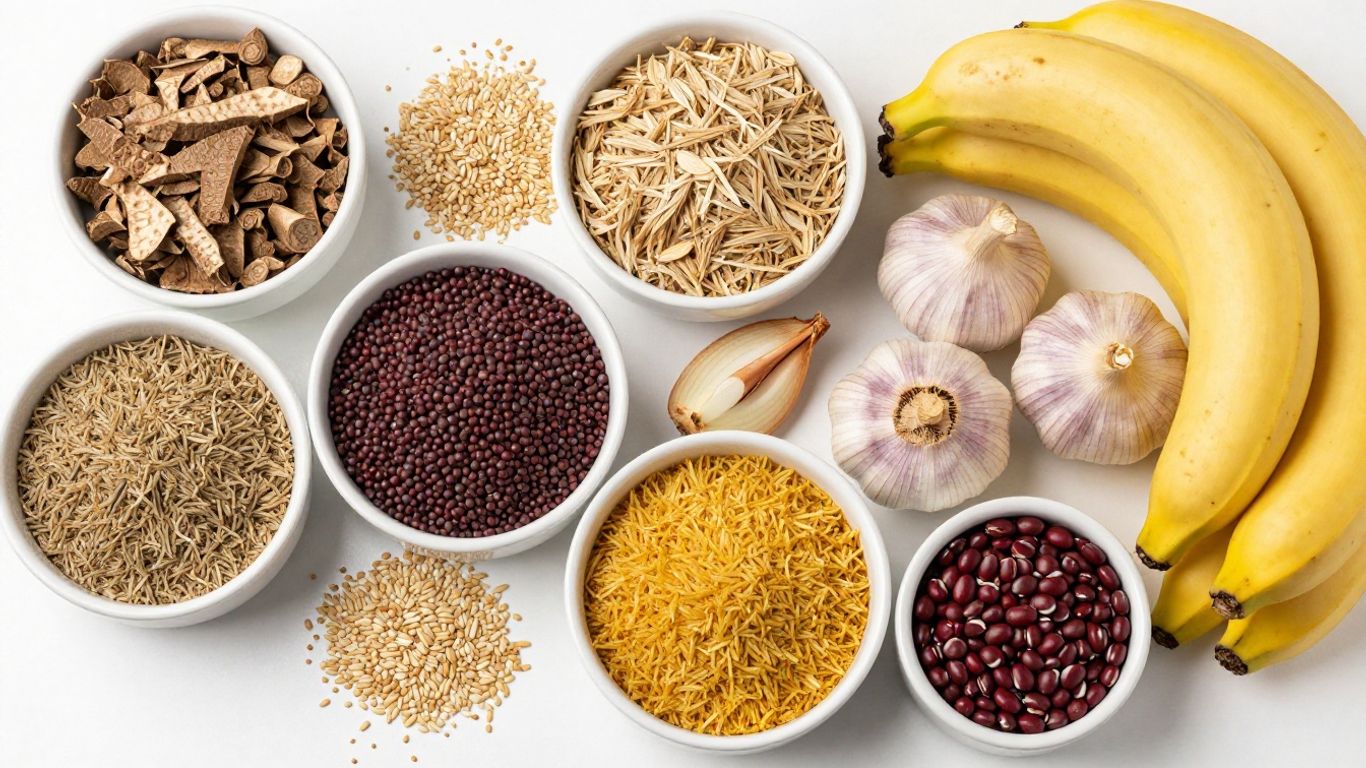
While inulin, GOS, and resistant starch get a lot of attention, the world of prebiotics is actually much bigger. You might come across other terms like fructans and various oligosaccharides. Fructans are a group of carbohydrates made up of fructose units, and inulin is actually a type of fructan. But there are others, like fructooligosaccharides (FOS), which are shorter chains of fructose. These can also feed beneficial gut bacteria, often Bifidobacteria and Lactobacilli, similar to inulin and GOS. They work by passing through the upper digestive tract undigested and then getting fermented in the colon.
Considering Other Fermentable Fibers
Beyond the more commonly discussed prebiotics, there are other fermentable fibers that can support gut health. Think about things like pectins, beta-glucans, and even certain types of gums like guar gum or psyllium. These aren’t always labeled as ‘prebiotics’ in the same way, but they do get fermented by gut microbes and can have positive effects. For instance, pectins, found in fruits like apples and citrus, can help with regularity and feed good bacteria. Beta-glucans, common in oats and barley, are known for their heart health benefits and also act as a food source for your gut bugs. These fibers contribute to a more diverse gut environment.
The Evolving Landscape of Prebiotics
Research into prebiotics is always moving forward. Scientists are constantly identifying new compounds and understanding how different fibers interact with our gut microbiome. Some newer areas of interest include things like xylooligosaccharides (XOS) and even certain types of resistant starches that might have unique benefits. It’s a dynamic field, and what we know today might expand tomorrow. The main takeaway is that a varied diet rich in different types of fibers is likely the best approach for supporting a robust and resilient gut ecosystem. It’s not just about hitting specific prebiotic targets, but about providing a broad spectrum of food for your gut’s residents.
Here’s a quick look at some other players:
- Xylooligosaccharides (XOS): Derived from plant fibers, XOS are known to promote Bifidobacteria.
- Pectins: Found in fruits and vegetables, they can support a range of beneficial bacteria and aid in regularity.
- Beta-glucans: Primarily from oats and barley, these fibers have multiple health benefits, including gut support.
- Gums (e.g., Guar Gum, Psyllium): These soluble fibers can be fermented and contribute to gut health and digestive regularity.
Looking for more ways to support your gut health? Beyond the usual suspects, there are other great options available. These can help feed the good bacteria in your body, keeping things balanced and happy. Want to learn more about these other helpful choices and how they can fit into your diet? Visit our website today to discover a world of gut-friendly foods!
Putting It All Together
So, we’ve talked about inulin, GOS, and resistant starch – different types of prebiotics that can do good things for your gut. It might seem a bit much at first, trying to figure out how to mix them up without causing a fuss. But remember, it’s not about perfection, it’s about progress. Start small, pay attention to how your body feels, and don’t be afraid to adjust. Think of it like adding different vegetables to your diet; a little variety goes a long way. By rotating these prebiotics, you’re giving your gut microbes a diverse buffet, which can lead to a happier, healthier you. It’s a journey, and you’ve got this.
Frequently Asked Questions
What are prebiotics and why should I care about them?
Prebiotics are like special food for the good tiny bugs (bacteria) that live in your tummy. These good bugs help you digest food, keep your gut healthy, and even help your body fight off bad germs. Eating different kinds of prebiotics is like giving your gut bugs a varied diet, which makes them stronger and happier.
What’s the difference between inulin, GOS, and RS?
Think of them as different types of fiber that feed your gut bugs. Inulin is a common one found in plants like chicory. GOS (galactooligosaccharides) is often made from milk sugar but doesn’t contain lactose. RS (resistant starch) is a type of starch that your body can’t easily digest, so it makes its way to your gut to feed the good bacteria.
Why is it important to ‘rotate’ or mix different prebiotics?
Just like humans need a variety of foods to get all the nutrients they need, different types of gut bacteria like to eat different kinds of prebiotics. By switching up or combining prebiotics like inulin, GOS, and RS, you feed a wider range of good bacteria, making your gut microbiome more diverse and resilient.
Can I start eating a lot of prebiotics all at once?
It’s usually best to start slow! Your gut might need time to get used to new types of fiber. Beginning with small amounts and gradually increasing the dose helps prevent tummy troubles like gas or bloating. It’s like training for a marathon – you don’t run all 26 miles on the first day!
What if I feel a bit gassy or bloated when I start eating more prebiotics?
That’s a common sign that your gut bugs are getting to work! It usually means you’re increasing the fiber too quickly. Try cutting back to a smaller dose for a few days, drink plenty of water, and then slowly increase again. Most people find these feelings go away as their body adjusts.
Are there any foods that naturally contain these prebiotics?
Yes! Inulin is found in foods like onions, garlic, leeks, asparagus, and bananas. Resistant starch is in foods like green bananas, cooked and cooled potatoes or rice, and oats. GOS is less common in whole foods but is often added to certain products.
Can I take prebiotics with probiotics?
Absolutely! Prebiotics are like the food for probiotics (the beneficial live bacteria). Taking them together can be a powerful combo, helping the probiotics survive and thrive in your gut. It’s like giving your good gut bugs both food and reinforcements!
How long does it take to see benefits from eating a variety of prebiotics?
Everyone’s body is different, so it varies. Some people notice improvements in digestion within a few weeks, while for others, it might take a couple of months to build up a more diverse and healthy gut environment. Consistency and listening to your body are key.