
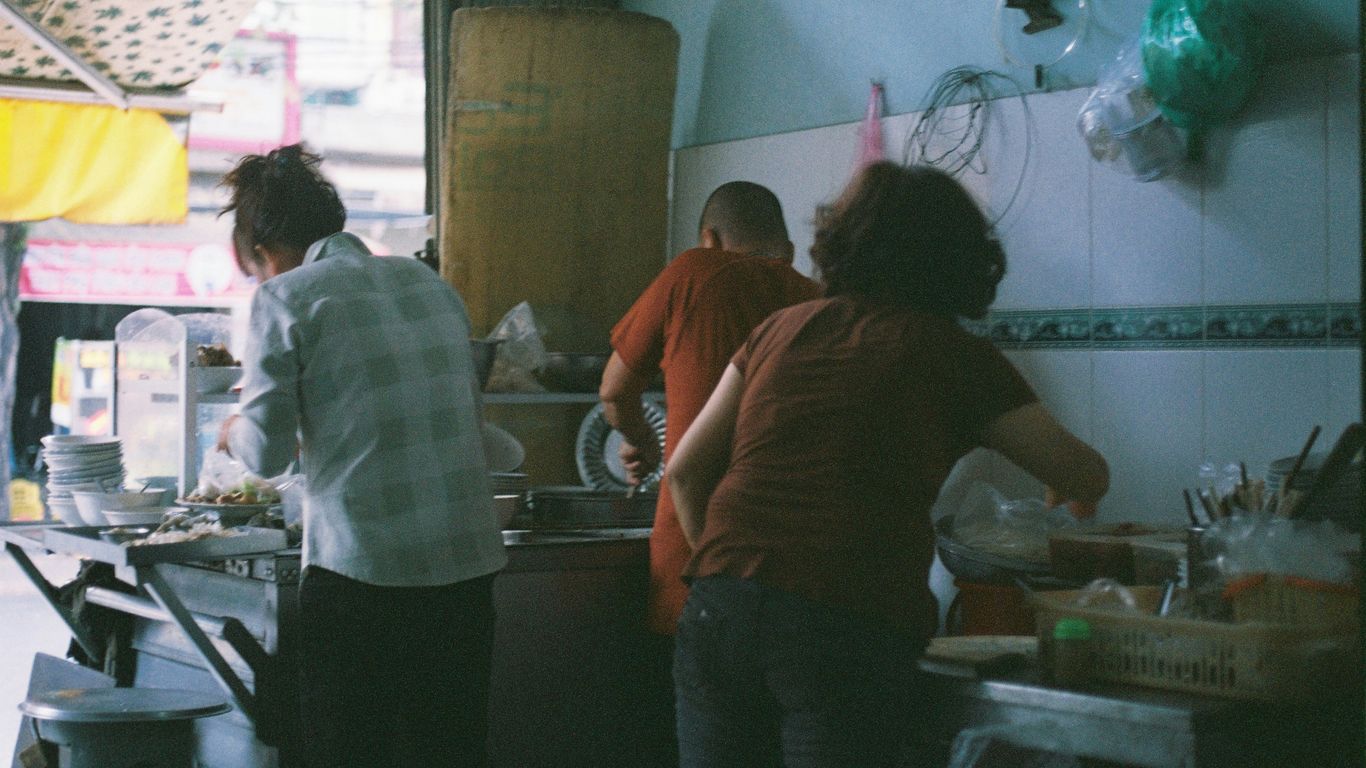
Psychological safety at home means everyone can try new foods, skip seconds, suggest a walk or admit they’re struggling without being criticised, teased or lectured. When home feels safe, healthy changes become a shared project instead of a battleground. The practical shift is simple: swap comments about bodies and plates for invitations, choices and teamwork on meals and movement.
Here’s how to reduce criticism, plan meals together and make movement something the household does, not something one person is nagged into.
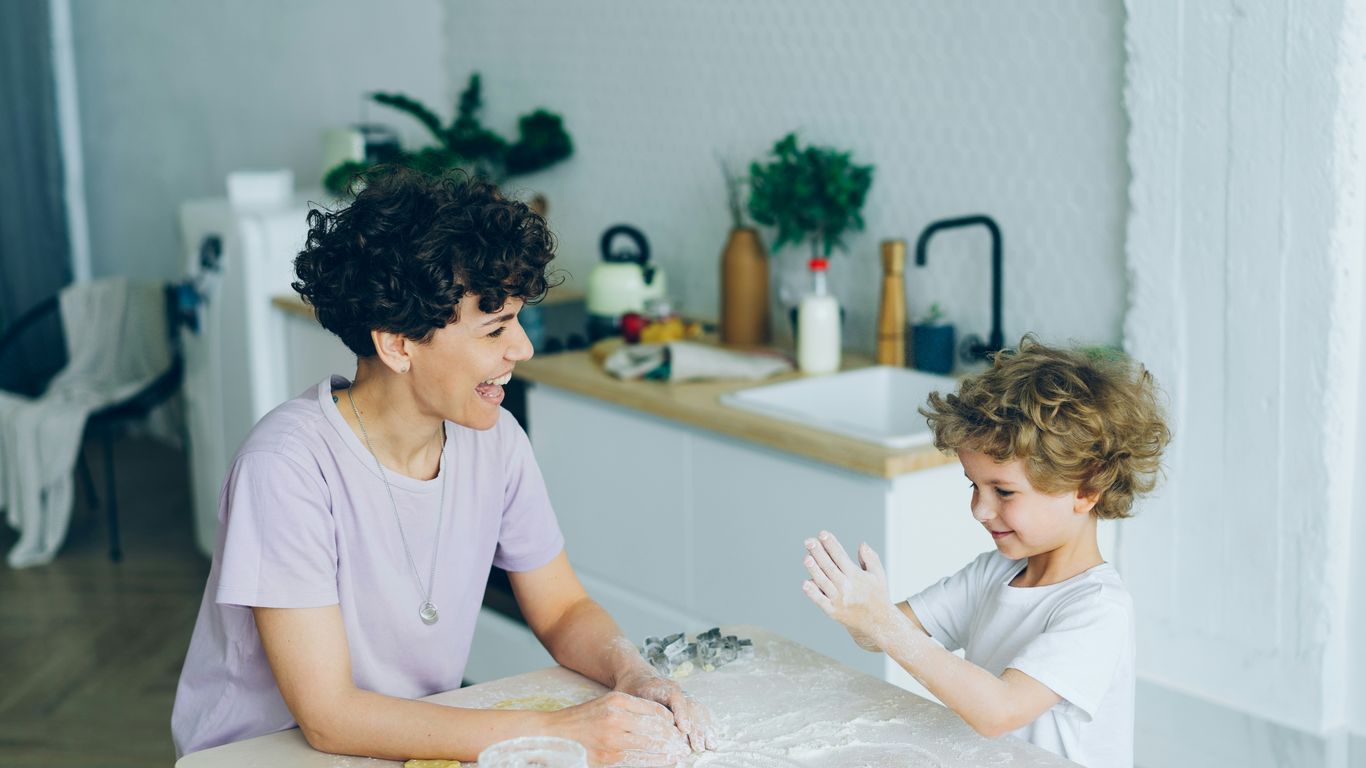
What criticism does to healthy habits
Comments like “Are you really having another one?” or “You’d feel better if you lost some weight” are usually meant to help. In practice, they tend to make people hide food, eat quickly, avoid the table or stop trying. Criticism puts people on the defensive, and defensiveness doesn’t leave much room for curiosity or change.
A safer home doesn’t mean no one ever talks about health. It means the conversation is about shared goals, choices and support rather than one person’s body or plate.
Step 1: Retire the critical comments
Agree as a household to drop certain kinds of talk, especially around children.
| Instead of… | Try… |
|---|---|
| “You’re eating too much.” | Say nothing. Or: “There’s more salad if anyone wants it.” |
| “That’s so unhealthy.” | “What would go well with that? Want some fruit on the side?” |
| “You need to lose weight.” | “Want to go for a walk with me after dinner?” |
| “Finish your plate.” | “Are you full? You can save the rest for later.” |
| “I’m so fat in this.” | Skip body talk entirely, including about yourself. |
Self-criticism counts too. Kids and partners hear how you talk about your own body. Our post on positive body image has ideas for changing that inner script.
Respond with curiosity, not blame
When something doesn’t go to plan, like takeout three nights in a row or a skipped walk, ask questions instead of assigning fault: “What made this week hard? What would make dinner easier next week?” This turns a slip into a problem to solve together.
Step 2: Make meals a team effort
Canada’s Food Guide notes that eating together as a family benefits everyone and that kids especially can benefit from regular family meals, which help them explore new healthy foods and build healthy eating routines. It also recommends taking your time at meals, putting away distractions like the TV and using mealtime as a chance to connect.
Ways to share the work
- Weekly planning huddle. Ten minutes on the weekend. Everyone suggests one meal; the planner builds the week around those.
- Give real jobs. Young children can wash vegetables or set the table; older kids can follow a recipe; partners can own one night a week.
- Use a “build your own” format. Tacos, grain bowls, wraps or baked potatoes with toppings let each person choose while everyone eats the same base meal.
- One new food, no pressure. Put a new vegetable on the table alongside familiar foods. Trying it is welcome; refusing it is fine.
- Keep good options easy. A fruit bowl on the counter, cut vegetables at eye level in the fridge, water on the table.
For planning templates, see our meal planning guide.
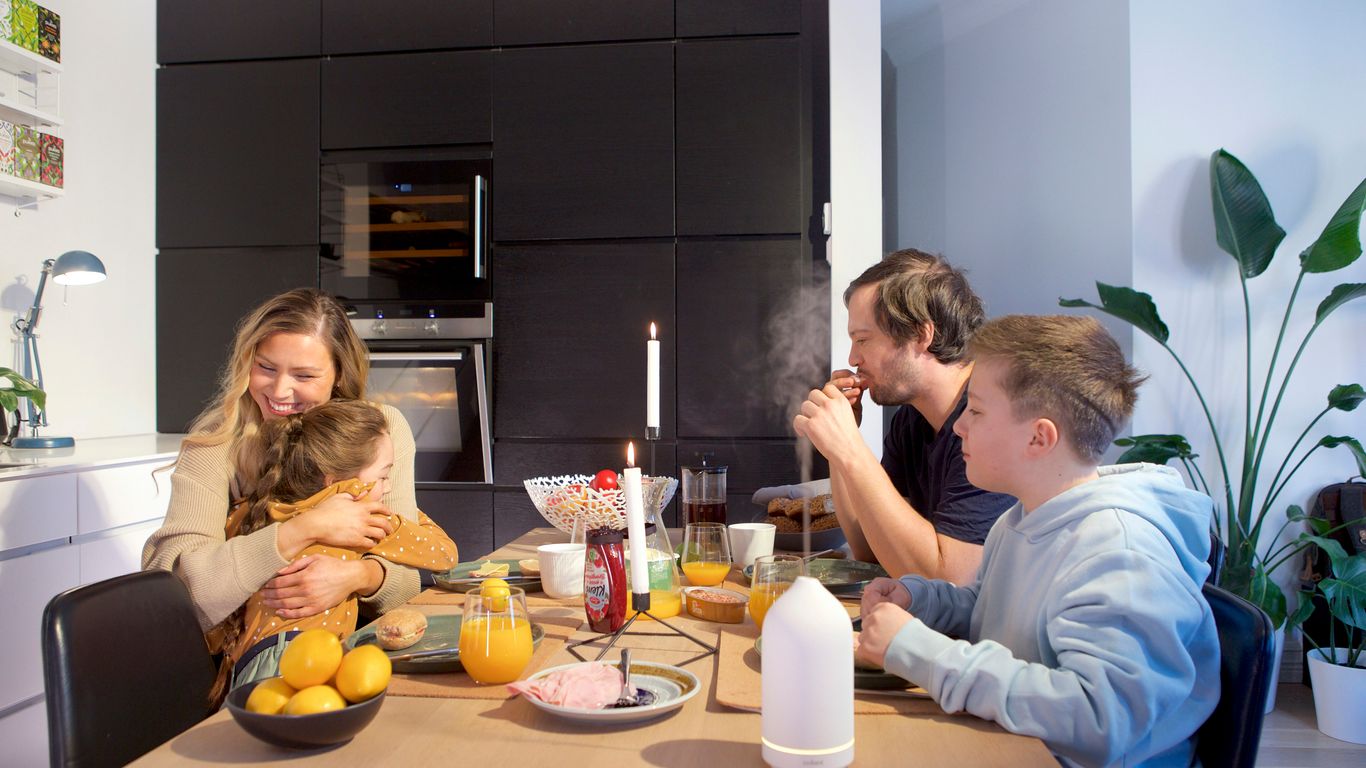
Simple table agreements
- Screens away during dinner.
- No comments on anyone’s portions or body.
- Everyone can serve themselves.
- Each person shares one good thing about their day.
- It’s okay to stop eating when you’re full.
The NHS suggests something similar in its five steps to mental wellbeing: try arranging a fixed time to eat dinner together, and switch off the TV to talk or play a game with your family.
Step 3: Turn movement into something you do together
For reference, the CDC’s guideline for adults is 150 minutes of moderate-intensity activity a week, plus muscle-strengthening activity on at least 2 days. That target is easier to reach when movement is part of family life rather than a solo chore.
- After-dinner walk. Ten to twenty minutes around the block. Anyone who wants to come, comes.
- Active weekends. Take turns choosing: a hike, a bike ride, swimming lessons, skating, a park with a playground.
- Movement breaks. A short dance-party song, a stretch during commercials, a quick game of tag in the yard.
- Chores count. Raking leaves, shovelling snow and gardening together all add up.
- Invite, don’t assign. “I’m heading out for a walk. Want to join?” works better than “You need to exercise.”
Celebrate effort and enjoyment rather than weight or calories burned. “That was a fun ride” builds the habit; “You must have burned off dessert” ties movement to guilt. Our post on social support in fitness has more ideas.
Step 4: Handle disagreements calmly
Families won’t always agree on food or activity. When tension comes up:
- Pause. Don’t resolve food disagreements in the middle of a meal.
- Listen first. Ask each person what matters to them: taste, time, cost, comfort.
- Look for a “both” option. Two sides, a build-your-own meal, or alternating choices each week.
- Agree on a small trial. “Let’s try a Tuesday walk for three weeks and see how it feels.”
- Review together. Keep what works, change what doesn’t.
A one-week starter plan
| Day | Focus |
|---|---|
| Sunday | Family planning huddle; everyone picks one meal |
| Monday | Agree on “no body or plate comments” at the table |
| Tuesday | After-dinner walk invitation |
| Wednesday | Build-your-own dinner |
| Thursday | Kids help prepare one part of dinner |
| Friday | Screens-off dinner with “one good thing” round |
| Saturday | Active outing chosen by someone new |
When to check with a professional
If a family member seems very anxious about food, is eating in secret, skipping meals, exercising compulsively or talking about their body with distress, talk with your family doctor. For eating disorder information and support in Canada, contact NEDIC. A registered dietitian or family counsellor can also help if mealtimes are a regular source of conflict.
Key takeaways
- Drop comments about anyone’s body or plate, including your own.
- Respond to slips with questions, not blame.
- Plan meals together and give everyone a real job.
- Invite people to move with you; make it fun and shared.
- Use small trials and regular check-ins to settle disagreements.
FAQ
What if my partner keeps commenting on what I eat?
Ask for one specific change at a calm moment: “It would really help me if we didn’t talk about what’s on my plate during meals.” Offer what would help instead, like joining you for a walk.
How do I encourage a picky child without pressure?
Keep serving new foods alongside familiar ones, let them help cook and let them decide how much to eat. Repeated, relaxed exposure usually works better than bribes or rules.