

A trigger-to-tool map is a one-page plan that pairs each emotion that tends to knock you off track (stress, anger, sadness, boredom, loneliness) with one or two specific coping skills you’ve chosen in advance. Instead of reaching for whatever is easiest in the moment, often food or a screen, you already know what to try. Practising those skills once a week when you’re calm makes them much easier to use when you’re not.
Below: how to spot your triggers, sample tools for common emotions, a map template and a 15-minute weekly practice routine.
Why a map works better than willpower
Strong feelings narrow your thinking. In the middle of a stressful evening, it’s hard to brainstorm healthy options, so you default to what’s familiar. A map does the thinking ahead of time. Each emotion gets a matching tool, so the decision is already made.
Practice matters as much as the plan. Mayo Clinic puts it simply: as with any skill, your ability to relax improves with practice. A breathing exercise you’ve tried 20 times when calm is far more useful than one you read about once.
Step 1: Spot your triggers
For one or two weeks, keep a short trigger log. Each time a strong feeling pushes you toward a habit you’d like to change, note:
- The situation: what happened, where and when.
- The emotion: name it as precisely as you can (frustrated, anxious, lonely, drained).
- Body signs: tight jaw, racing heart, shallow breathing, heavy limbs, restlessness.
- The urge: what you wanted to do.
- What you did and how you felt 30 minutes later.
Body signs are especially useful because they often show up before you’ve named the feeling. A clenched jaw might be your earliest anger signal; a restless reach for the fridge might be boredom. Our post on journaling for health has prompts if writing helps you.
Step 2: Match tools to emotions
Different feelings need different responses. Stress usually needs calming; sadness often needs comfort and connection; boredom needs engagement. Here are starter options.
| Emotion | What it often needs | Tool ideas |
|---|---|---|
| Stress / anxiety | Calming the body | Slow belly breathing; progressive muscle relaxation; grounding with your five senses |
| Anger / frustration | Space and release | Leave the room for ten minutes; brisk walk; write it out, then decide what to say |
| Sadness | Comfort and connection | Call or text someone you trust; a warm shower; kind self-talk |
| Loneliness | Contact | Message a friend; go somewhere with people, like a library or park; plan a visit |
| Boredom | Engagement | A hands-on hobby; a short task you can finish; music; a walk somewhere new |
| Exhaustion | Rest | Go to bed earlier; a 15-minute rest; ask for help with one task |
| Excitement / celebration | A meaningful reward | Share the news; a non-food treat; mark it on your calendar |
Three core tools, step by step
Slow belly breathing. The NHS suggests letting your breath flow as deep down into your belly as is comfortable, without forcing it, breathing in through your nose and out through your mouth, counting from 1 to 5 in and out if that helps, for at least five minutes.
Progressive muscle relaxation. Mayo Clinic describes slowly tensing and then relaxing each muscle group: tense for about five seconds, then relax for 30 seconds, and repeat. Start with your feet and work up to your face.
5-4-3-2-1 grounding. Name five things you can see, four you can hear, three you can touch, two you can smell and one you can taste. It pulls your attention into the present when anxious thoughts are spinning.
Step 3: Build your personal map
Keep it to one page. For each of your top three or four triggers, fill in:
When I notice [emotion + body sign]…
in a situation like [typical trigger]…
my first tool is [quick skill, under 5 minutes]…
and my backup is [second skill]…
and I can reach out to [person].
Example: “When I notice anxiety and tight shoulders, in a situation like a tense email at 4 p.m., my first tool is five minutes of belly breathing, my backup is a ten-minute walk, and I can text my sister.”
Put the map somewhere you’ll see it: on the fridge, inside a cupboard door or as a phone note. Choose tools you’ll actually do. A tool that needs 45 minutes and special equipment won’t help at 9 p.m. on a Tuesday.
Step 4: Practise weekly
Set aside about 15 minutes once a week, when you’re calm.
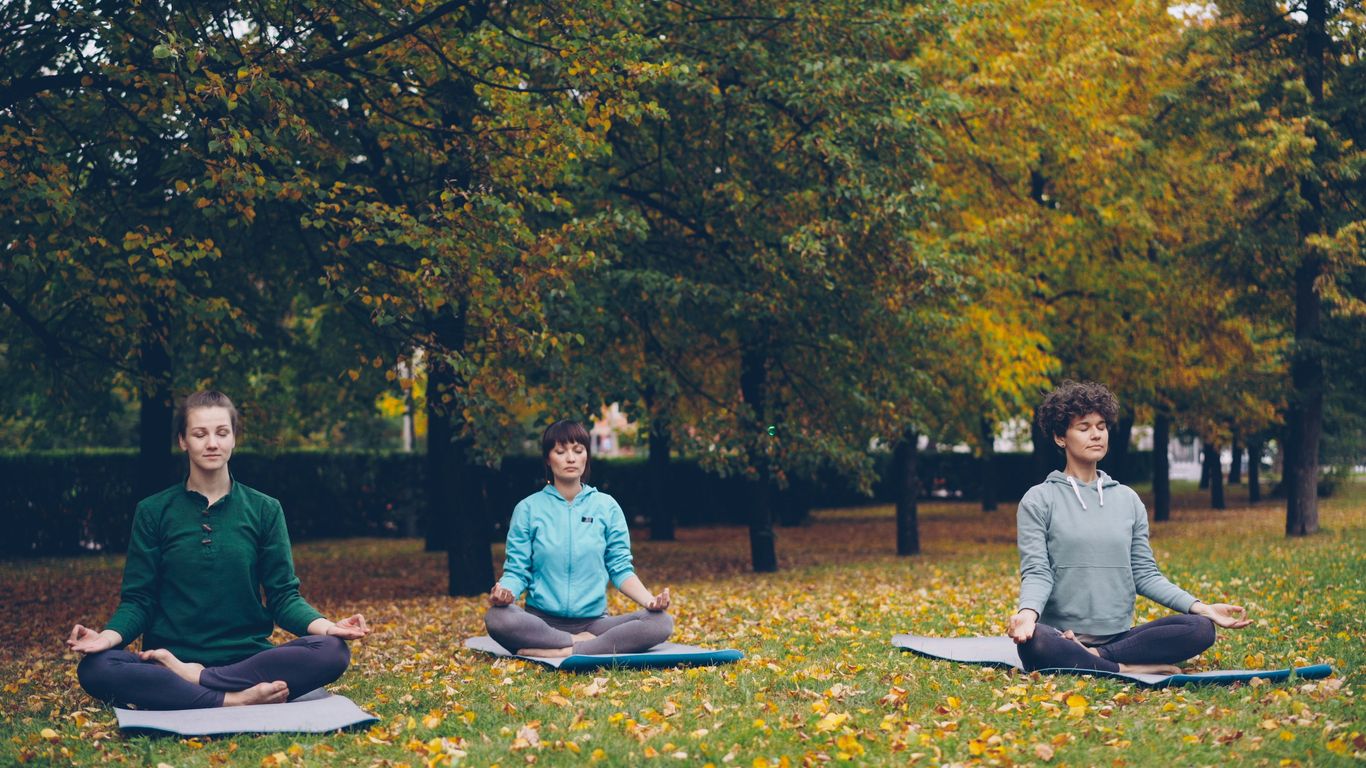
- Review (5 minutes). Look at your trigger log. Which emotions came up? Did you use your tools? What happened?
- Rehearse (5 minutes). Actually do one tool from your map, like a full round of breathing or muscle relaxation.
- Adjust (5 minutes). Swap out a tool that didn’t help, add a new trigger or make a tool smaller so it’s easier to start.
Tie the session to something you already do weekly, such as Sunday evening planning, so it sticks.
Troubleshooting
- “I forget to use the map.” Set a phone reminder at your most common trigger time, or keep the map where the urge usually happens.
- “The tool didn’t work.” Try it for a week before replacing it. Some tools take a few tries to feel natural.
- “I used food anyway.” That’s fine. Note what happened and what might help next time. The map is a practice tool, not a test.
Using the map with family
Sharing your map can help the people around you respond better. If your partner knows that when you’re frustrated you need ten minutes alone, they’re less likely to take it personally. Kids can make their own simple maps too, with drawings for feelings and tools. For broader ideas, see our posts on emotional wellness and stress management.
When to check with a professional
A trigger-to-tool map is a self-help tool, not a replacement for care. Talk to your doctor or a mental health professional if strong emotions are frequent, last for weeks, interfere with work or relationships, or if you feel hopeless. If emotions often lead to eating that feels out of control, or you’re restricting or compensating after eating, reach out to a healthcare provider and NEDIC. If you’re in crisis, call or text 9-8-8 in Canada.
Key takeaways
- Log triggers for one to two weeks, including body signs.
- Match each emotion to what it needs: calm, space, comfort, contact, engagement or rest.
- Choose a quick first tool and a backup for each top trigger.
- Keep the map to one page, somewhere visible.
- Practise one tool for 15 minutes each week while calm.
FAQ
How many emotions should my map include?
Start with your top three or four, the ones that show up most often in your trigger log. You can add more once those tools feel familiar.
What if I can’t tell which emotion I’m feeling?
Start with the body. Notice where you feel tension or energy, then pick the closest word. “Unsettled” or “on edge” is a fine starting point, and your log will get more precise with practice.