

Restaurant confidence comes from doing your thinking before you arrive. Look at the menu ahead of time, pick a first choice and a backup, practise how you’ll order any changes, and decide in advance how you’ll handle the bread basket, dessert and pressure from others. With those decisions made, you can relax and enjoy the company instead of negotiating with yourself at the table.
Here is a simple three-part plan: preview, practise, and set boundaries.
Why eating out feels hard
Restaurants pack a lot of decisions into a short time: a long menu, unfamiliar dishes, large portions, servers waiting, and friends who may tease you about ordering “light.” Add hunger and a little social anxiety, and it’s easy to order on impulse and then feel uncomfortable or regretful later. Making the main choices in advance removes most of that pressure.
Part 1: Preview the menu
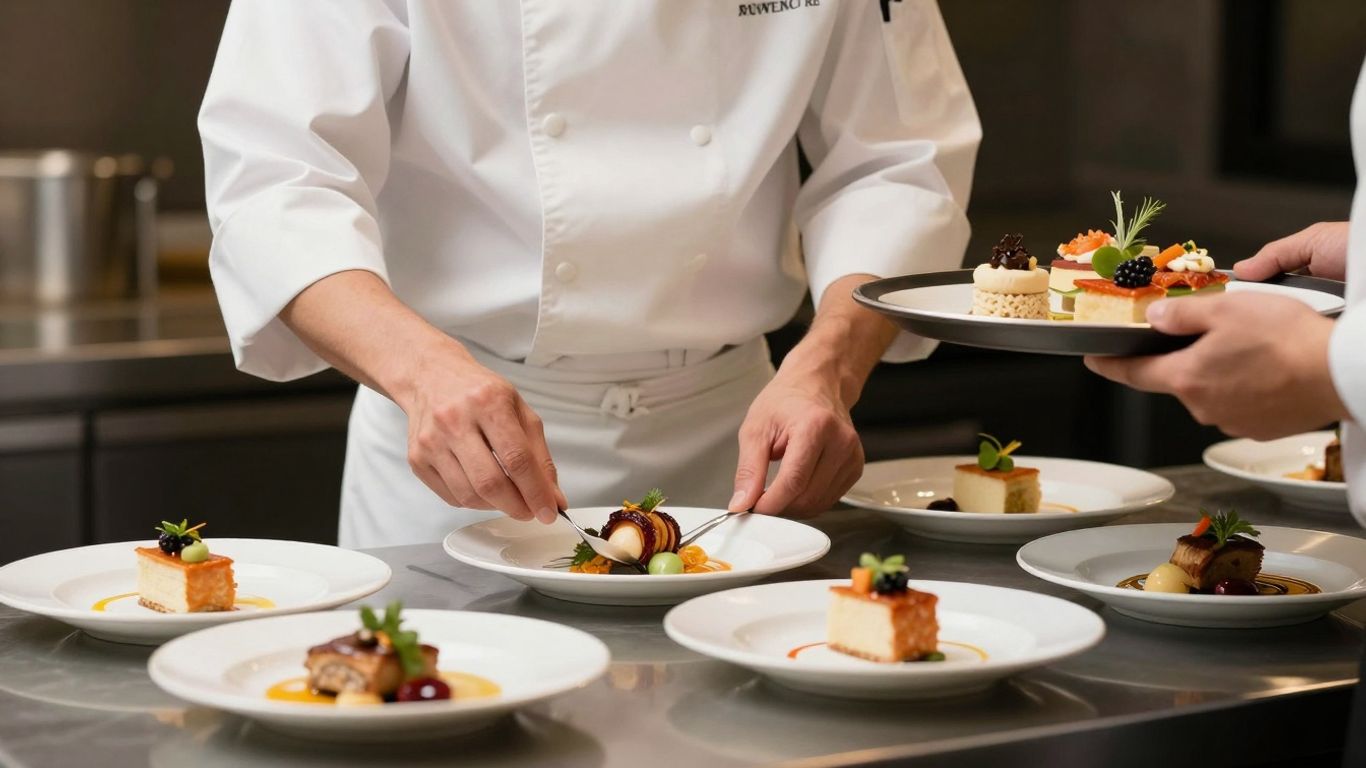
Most restaurants post their menus online, and many larger chains also share nutrition information. Health Canada suggests looking for nutrition information on the restaurant’s website, on the menu, or by asking staff, and finding out how items are prepared.
A five-minute preview
- Scan for your anchors: a protein (chicken, fish, beans, tofu, eggs), vegetables, and a sensible starch.
- Check the cooking words. Grilled, baked, roasted, steamed and poached usually mean lighter preparation. Crispy, battered, creamy, smothered and loaded usually mean heavier.
- Pick a first choice and a backup in case the first is sold out or doesn’t appeal once you arrive.
- Note any changes you’d like, such as sauce on the side or a vegetable swap.
- Decide on extras: bread, appetizers, dessert. Yes, no, or “share one.”
Menu shortcuts
| Type of restaurant | Often a solid choice | Easy tweaks |
|---|---|---|
| Family or pub-style | Grilled chicken or fish with vegetables; chili; a hearty salad with protein | Swap fries for salad or vegetables; dressing on the side |
| Italian | Minestrone; tomato-based pasta; grilled fish | Half portion or box half to take home; skip or share the bread |
| Mexican | Fajitas; burrito bowl; chicken or bean tacos | Extra salsa and beans; go lighter on sour cream and cheese |
| Asian | Stir-fries with lots of vegetables; broth-based soups; sushi rolls with vegetables or fish | Steamed rice instead of fried; sauce on the side |
| Breakfast spot | Eggs, whole-grain toast and fruit; oatmeal | Fruit instead of hash browns |
Part 2: Practise your order
Asking for changes can feel awkward the first few times. Saying the words out loud at home, even once, makes it much easier in the moment. Keep requests short and friendly; servers handle them all the time.
Phrases to practise
- “Could I get the dressing on the side, please?”
- “Is it possible to swap the fries for a side salad or vegetables?”
- “How is the salmon prepared?”
- “Could you bring a take-home container with the meal?”
- “No bread for me, thanks.”
- “I’ll just have water with lemon, please.”
Health Canada’s tips line up with these: ask for sauces and dressings on the side so you can control the amount, ask for whole-grain rice, pasta or bread where available, choose a smaller size or split a rich dessert, and choose water instead of sugary or alcoholic drinks. Sparkling water, milk or an herbal tea are good alternatives, and skipping alcohol also helps your sleep and your goals.
Order first
If you tend to be swayed by what others choose, try ordering first. You’ve already decided, so just say it.
Part 3: Agree on your boundaries
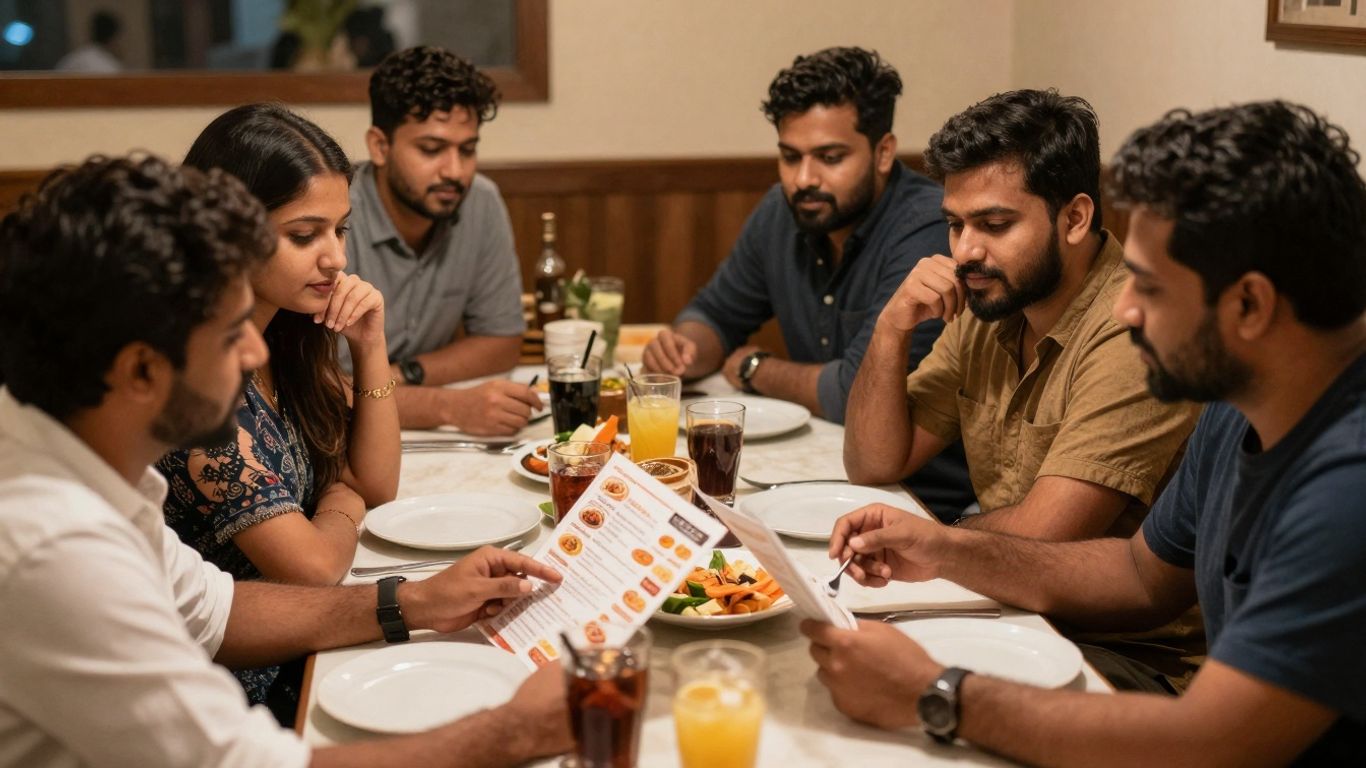
Boundaries are decisions you make for yourself in advance, so you don’t have to defend them on the spot. They work best when they’re simple and kind.
Boundaries with yourself
- “I’ll have one piece of bread and enjoy it, then ask for the basket to be moved.”
- “If I want dessert, I’ll share it.”
- “I’ll stop when I’m comfortably full and take the rest home.”
- “I won’t arrive starving. I’ll have a small snack mid-afternoon.”
Boundaries with others
If you’re eating with a partner or close friend, it can help to agree beforehand on what kind of support you’d like: maybe no commenting on each other’s plates, or sharing an appetizer instead of ordering two. For friends who push, keep a few friendly lines ready:
- “I’m good, thanks. This is exactly what I wanted.”
- “I’m saving room. Maybe a bite of yours.”
- “I’m skipping drinks tonight, but I’m happy to toast with my sparkling water.”
You don’t owe anyone an explanation. A smile and a change of subject usually does it.
At the table: eat mindfully
Once your food arrives, slow down. Canada’s Food Guide encourages taking time to eat and noticing when you’re hungry and when you’re full. Put your fork down between bites, enjoy the conversation, and check in with your fullness halfway through. Restaurant portions are often generous, so boxing half to take home is a normal, sensible choice.
Special situations
Buffets
Walk the whole buffet once before picking anything up. Then fill half your plate with vegetables or salad, add a portion of protein and a modest scoop of one starch, and sit down away from the buffet line. Wait a little before deciding on seconds.
Celebrations and set menus
At weddings, work dinners or set menus you may not get to choose. Eat a normal lunch, enjoy what’s served in reasonable amounts, and fill up on the vegetables and conversation. One meal you didn’t plan won’t undo your progress.
Someone else picks the restaurant
Ask for the name ahead of time so you can still preview the menu. If that isn’t possible, fall back on your simple formula: a grilled or baked protein, vegetables, and one starch.
After the meal
However it went, skip the post-meal guilt. If you ate more than planned, simply return to your usual routine at the next meal. Take a minute to notice what worked and what you’d change next time. That reflection is how confidence builds.
For more, see our restaurant playbook on portions and dessert decisions, and anticipatory anxiety around restaurants if nerves are the main obstacle.
Quick FAQ
What if there’s no menu online?
Use the shortcuts table as a guide and fall back on a simple formula: a grilled or baked protein, vegetables and one starch.
Is it rude to ask for changes?
No. Simple requests like dressing on the side or a vegetable swap are routine. Ask politely and thank your server.
Should I save up calories by skipping meals beforehand?
Usually not. Arriving very hungry makes it harder to stick to your plan. A normal lunch and a small snack beforehand work better.
Key takeaways
- Preview the menu and pick a first choice and a backup.
- Look for grilled, baked or steamed dishes and plenty of vegetables.
- Practise a few simple ordering phrases out loud.
- Ask for sauces on the side and choose water or another non-alcoholic drink.
- Decide on bread, dessert and portions before you arrive.
- Have friendly lines ready for pressure, and eat slowly once the food comes.