
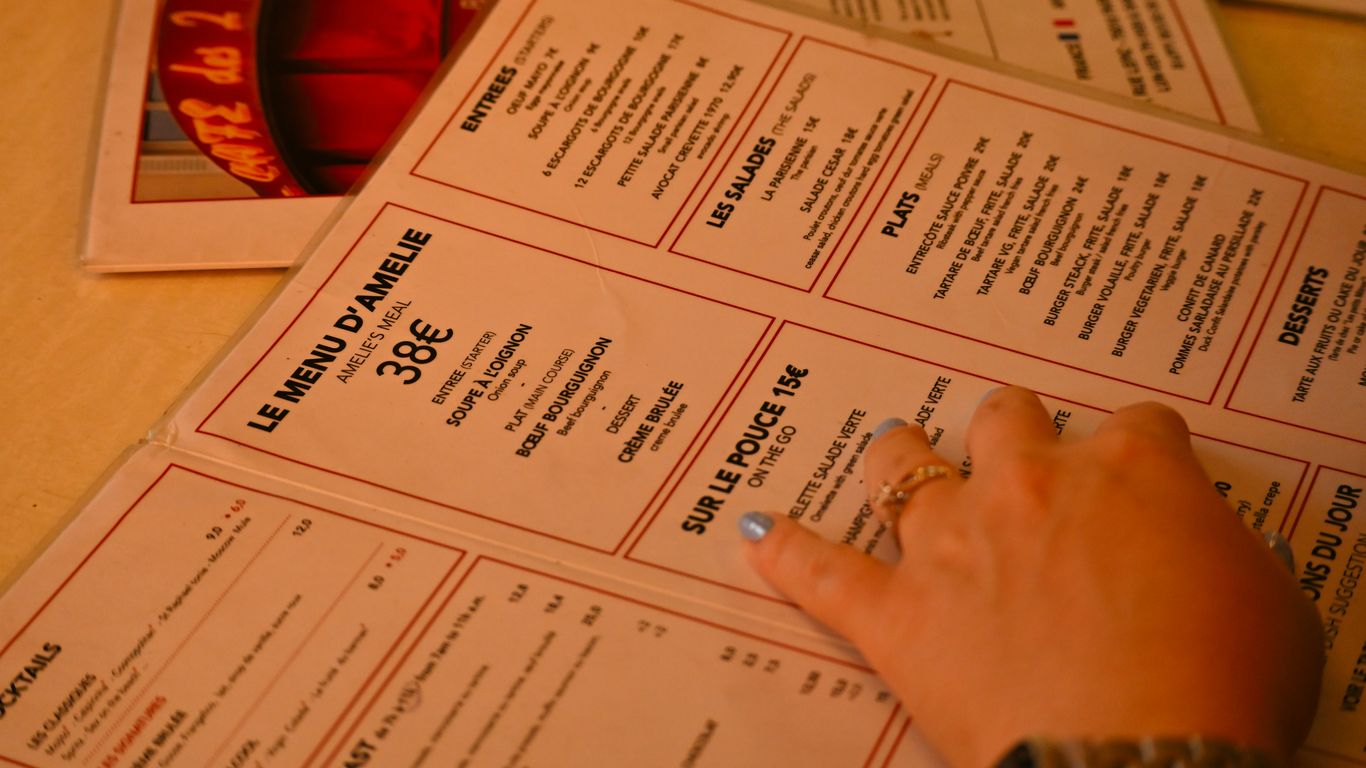
The easiest way to eat out without derailing your goals is to make the three big decisions before you sit down: roughly what you’ll order, what you’ll drink, and whether you’ll have dessert. Decisions made at home, when you’re calm and not hungry, are usually better than decisions made with a basket of bread in front of you and a server waiting.
This playbook walks you through a simple pre-meal plan, portion strategies that work at almost any restaurant, smart drink choices and a no-guilt approach to dessert.
Step 1: Preview the menu before you go
Most restaurants post their menus online. Spend five minutes looking before you leave home.
- Pick a first choice and a backup. If the special sounds better when you arrive, you can still choose it, but you’ll have a sensible default.
- Look for how dishes are prepared. Words like grilled, roasted, steamed, baked or poached usually mean a lighter dish than crispy, battered, creamy or smothered.
- Check for nutrition information. Health Canada notes that many restaurants share nutrition information on the menu, on posters or pamphlets, on their website, or if you ask.
- Eat normally earlier in the day. Skipping lunch to “save up” often backfires; you arrive starving and over-order. A regular lunch and a small snack mid-afternoon make it easier to order calmly.
If eating out makes you anxious, the article on restaurant confidence and practising your order goes deeper on this step.

Step 2: Decide on portions ahead of time
Restaurant portions are often larger than what you’d serve yourself at home. Rather than relying on willpower at the table, choose a portion strategy before you arrive.
| Strategy | How it works | Best for |
|---|---|---|
| Box half at the start | Ask for a container with your meal and set half aside before you start eating | Pasta, burritos, large mains |
| Share a main | Split one entrée and add an extra side salad or vegetable | Couples or friends with similar tastes |
| Appetizer as main | Order a protein-based appetizer plus a salad or soup | Places with generous mains |
| Swap the side | Ask for vegetables or salad instead of fries | Burgers, sandwiches, grilled dishes |
| Sauce on the side | Request dressings and sauces separately so you control the amount | Salads, bowls, grilled meats |
Health Canada’s own tips include asking for sauce and dressing “on the side” so you can control the amount.
Build a balanced plate from any menu
Use a simple visual check when your food arrives:
- Protein: fish, chicken, beans, tofu, lean meat or eggs.
- Vegetables: try to have about half your plate be vegetables or salad. Order an extra side if needed.
- Starch: rice, potatoes, bread or pasta in a portion that fits your hunger, often less than what’s served.
For quick ways to estimate portions without an app, see restaurant macros without apps.
Handle the bread basket and starters
Decide in advance: have one piece and ask for the basket to be moved, or skip it and order a broth-based soup or green salad to start. Both work. What tends not to work is eating from the basket for 20 minutes while you wait.
Step 3: Choose your drink before you arrive
Drinks can add a surprising amount of sugar and calories to a meal without making you feel any fuller. Health Canada’s advice is to make water your drink of choice and to limit sugary drinks and alcoholic drinks.
Skipping alcohol entirely supports your health, sleep and weight goals. Alcohol adds calories, can lower your resolve around food choices, and Harvard Health explains that even a nightcap that makes you drowsy raises stress hormones several hours later and leads to nighttime awakenings. Poor sleep then makes the next day’s food choices harder.
Good drinks to order at a restaurant:
- Water with lemon or lime
- Sparkling water or soda water with a squeeze of citrus
- Unsweetened iced herbal tea, such as hibiscus or mint
- Milk, or a small glass of fresh juice topped up with sparkling water
- A sparkling fruit spritzer, if the menu has one, ordered in a small size
Keep a glass of water on the table throughout the meal and sip between bites. It helps you slow down.

Step 4: Make the dessert decision on purpose
Dessert is not the enemy. What usually causes regret is the unplanned dessert ordered because everyone else did, eaten quickly while already full. Choose one of these approaches before the meal:
- Yes, and I’ll enjoy it. If it’s a celebration or a dessert you really love, plan for it. Choose a lighter main and eat slowly so you have room.
- Yes, but shared. Order one dessert with several spoons. Health Canada suggests that if you do have rich desserts, you get a smaller size or share with someone.
- Not tonight. If you’d rather have a treat at home, decide that ahead of time. A small bowl of fruit or a hot herbal tea after the meal can mark the end of the evening.
Before ordering, do a quick fullness check on a 1–10 scale. If you’re already at 7 or 8, sharing or skipping usually feels better an hour later. Ideas for a satisfying finish at home are in dessert rituals that end the day well.
Step 5: Slow down at the table
- Put your fork down between bites and join the conversation.
- Check in halfway through: are you still hungry, or just eating because it’s there?
- Stop when you’re comfortably satisfied and ask for a container.
A sample pre-meal plan
Here is what a complete plan might look like when written on your phone before leaving:
- Order: grilled salmon, swap fries for vegetables, side salad with dressing on the side.
- Backup: chicken fajita bowl, half the rice.
- Drink: sparkling water with lime.
- Bread: one piece.
- Dessert: share one if I’m under 6 on fullness.
The next day
If the meal ended up richer than planned, don’t skip meals or try to “make up” for it. Go back to your normal routine: regular meals, water, vegetables and a walk if you feel like it. One restaurant meal doesn’t define your progress; the pattern over weeks does.
Takeaways
- Preview the menu online and choose a first pick and a backup.
- Pick a portion strategy before you arrive: box half, share, or appetizer as main.
- Ask for sauces and dressings on the side and swap fries for vegetables.
- Order water, sparkling water or herbal iced tea, and skip alcohol.
- Decide on dessert ahead of time: enjoy, share or skip.
- Eat slowly and stop when comfortably satisfied.
FAQ
What if friends pressure me to order dessert or drinks?
A simple, friendly line works: “I’m good, but I’ll have a bite of yours” or “I’ll stick with sparkling water tonight.” Most people move on quickly.
Should I eat before going to a restaurant?
Eating normally during the day helps. If dinner is late, a small snack with protein an hour or two before, such as yogurt or a handful of nuts, can keep you from arriving overly hungry.