
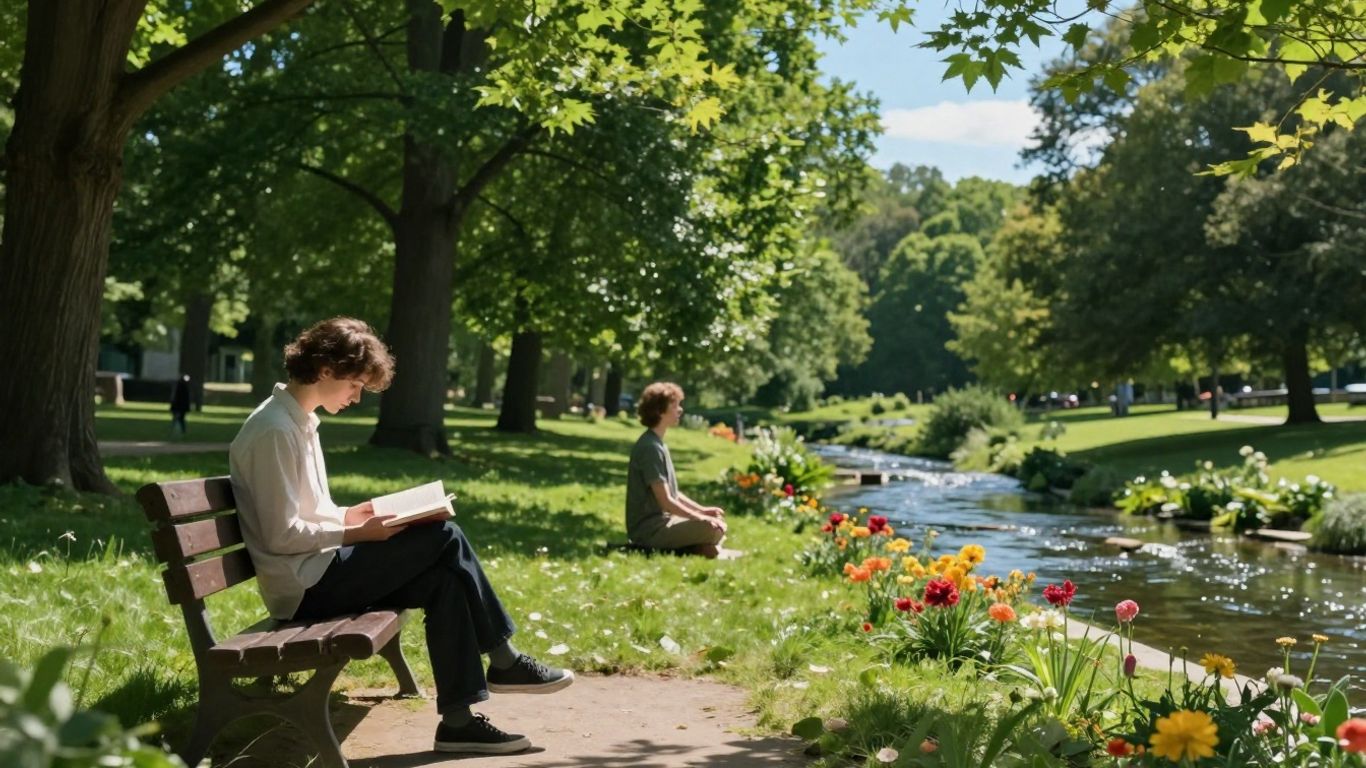
A restorative fun list is a personal, written menu of activities that genuinely recharge you without involving food or a screen. When you are tired, stressed or bored, it gives you a ready answer that is not snacking or scrolling. The best lists are short, sorted by how much time and energy each activity needs, and kept somewhere you will actually see them.
Why food and screens are the default
Eating and scrolling are fast, easy and always available, which is exactly why they become the automatic choice at the end of a long day. The trouble is that neither tends to leave you feeling rested. A planned list of alternatives works because it removes the effort of thinking of something else when you are already depleted.
Many of the ideas below line up with the NHS’s five steps to mental wellbeing: connecting with other people, being physically active, learning new skills, giving to others, and paying attention to the present moment (NHS: 5 steps to mental wellbeing).
How to build your list
- Brainstorm 20 ideas. Use the categories below. Include things you loved as a child.
- Test them. Over two weeks, try a few. After each, rate how you felt from 1 to 5. Restorative means you feel better afterward, not just distracted during.
- Keep the winners. Cut anything that scored low or felt like a chore.
- Sort by time. Group them into 5-minute, 20-minute and 1-hour-plus options.
- Post it. Put it on the fridge, inside a cupboard door or in your planner.
- Stock supplies. If an activity needs materials, keep them ready and visible.
Ideas by category
Calm the body
- Slow breathing for a few minutes
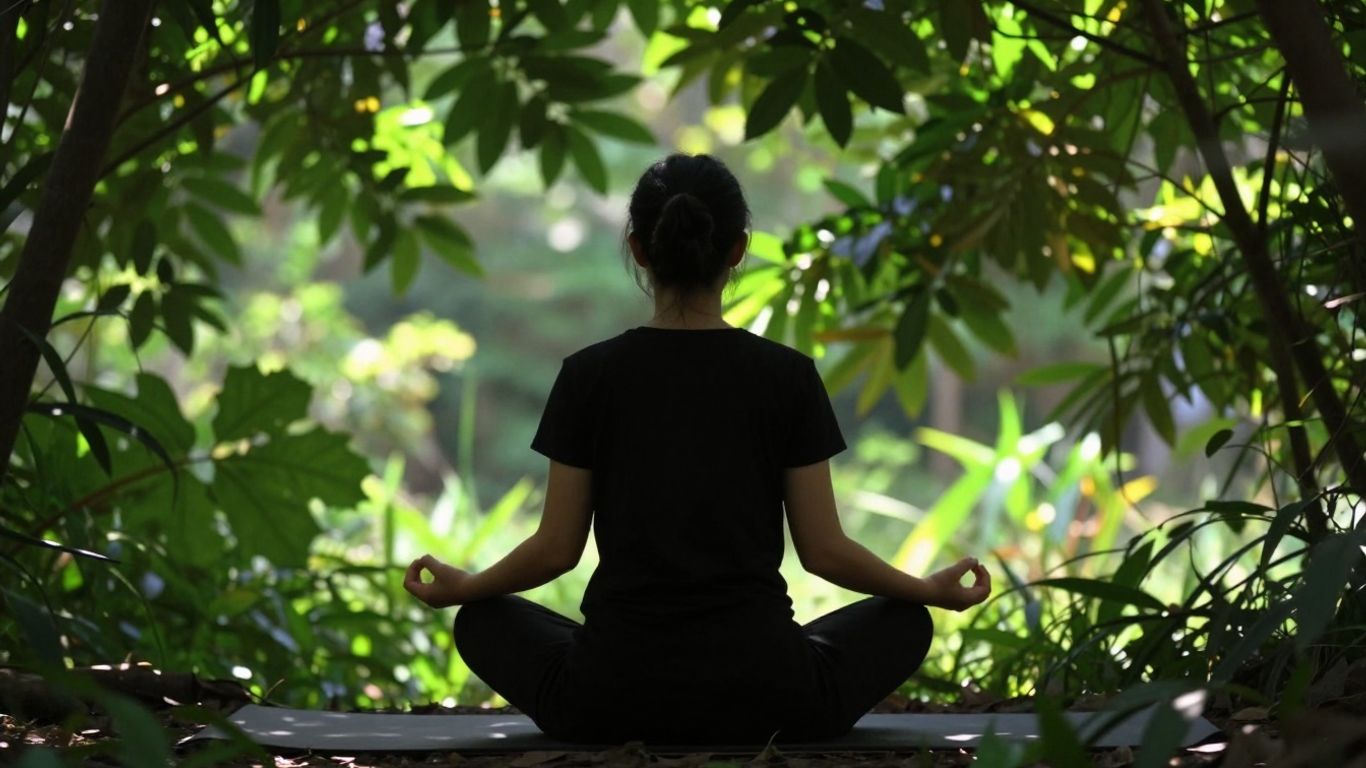
- Gentle stretching or a short yoga routine
- A warm bath or shower
- Progressive muscle relaxation: tensing and then releasing muscle groups one at a time
- Lying down with calming music or nature sounds
The National Center for Complementary and Integrative Health describes relaxation techniques, including progressive muscle relaxation, as practices that help bring about the body’s relaxation response (NCCIH: Relaxation techniques).
Get outside and move
- A walk around the block or a nearby park
- A bike ride through your neighbourhood
- Visiting a garden, trail or waterfront
- Watching the sky at sunset or looking for stars
- Playing outside with kids or a dog
The NHS describes walking as simple, free and one of the easiest ways to get more active, noting that brisk walking can build stamina and is good for your heart (NHS: Walking for health).
Use your hands
- Sketching, colouring or painting
- Knitting, crochet or sewing with fabric scraps
- Pottery, clay or simple woodworking
- Jigsaw puzzles
- Repotting houseplants or tending a garden
- Baking bread or cooking for someone else (this involves food, but as a creative activity rather than a way to soothe a feeling)
Engage your mind
- A paper crossword, sudoku or logic puzzle
- Reading a physical book or magazine
- Learning a few phrases in a new language from a workbook
- Practising an instrument
- Writing a short poem, story or journal entry
Connect with people
- A board game or card game night
- A handwritten letter or card
- A walk with a friend
- Helping a neighbour with a small task
- Volunteering for an hour
Create a sense of accomplishment
- Tidy one drawer or shelf
- Plan the week’s meals on paper
- Update a paper to-do list and cross off one small item
- Lay out tomorrow’s clothes and pack your bag
A sample list, sorted by time
| 5 minutes | 20 minutes | An hour or more |
|---|---|---|
| Slow breathing | Walk around the neighbourhood | Pottery or craft project |
| Stretch by an open window | A chapter of a book | Bike ride or nature trail |
| Water the plants | A few rows of knitting | Board game night |
| Write three good things from today | Write a letter | Gardening |
| Step outside and look at the sky | A warm bath | A class or club meeting |
Match the activity to your energy
When you are drained, choose something low-effort and calming. When you are restless, choose something that uses your body or hands. When you feel flat or lonely, choose something with people in it. A quick check before choosing:
- Tired: rest-type activities (bath, stretching, reading, early night)
- Wired or stressed: movement or hands-on activities (walk, puzzle, gardening)
- Bored: something new or creative
- Lonely: something social
Make it easy to start
A list only helps if you use it at the moment of need. A few small setups make that much more likely:
- Put the list where the habit happens. If you usually snack in the kitchen after work, tape the list inside the pantry door. If you usually scroll on the couch, keep a copy on the side table.
- Keep a “ready basket.” Fill a basket with a puzzle book, pencils, a sketchpad, yarn or cards, and keep it in the room where you unwind.
- Charge your phone in another room during the time you want to protect.
- Pair an activity with a cue. For example: “When I get home, I change clothes and walk around the block before going into the kitchen.”
- Schedule the bigger ones. Put a weekly craft night, garden hour or game night on the calendar so it happens without deciding each time.
- Refresh the list monthly. Cross off anything that has gone stale and add one new idea to try.
If you share a home, invite others to add their ideas and do some activities together. A shared list turns quiet evenings into time spent with each other rather than separately on devices.
Protect your evenings and sleep
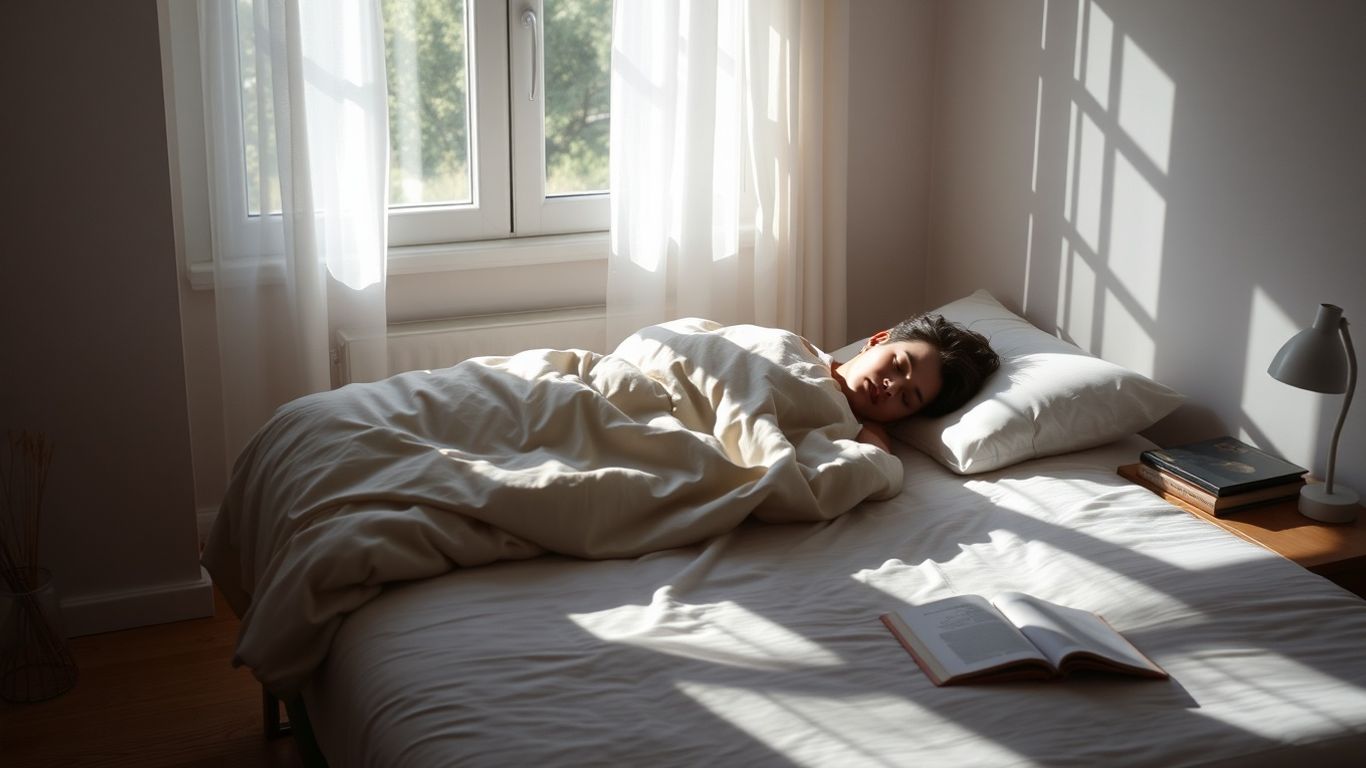
Screen-free activities are especially useful before bed. The NHS suggests trying not to use phones, tablets or computers for an hour before bed and lists reading, breathing exercises and calming music as ways to relax instead (NHS Every Mind Matters: Sleep better). A warm, caffeine-free herbal tea or warm milk can become part of a calming bedtime ritual.
Related reading: Midday Energy Ritual: breaks that really refresh, Sleepy Snacking Fix: pre-bed routines and non-food comforts and Energy Audits: track drains and boosts.
Key takeaways
- Write down activities that leave you feeling better afterward, without food or screens.
- Test ideas for two weeks and keep only the ones that truly recharge you.
- Sort the list by time: 5 minutes, 20 minutes, an hour or more.
- Match the activity to how you feel: tired, wired, bored or lonely.
- Keep supplies ready and the list visible.
FAQ
Are all screens off-limits?
Not at all. The list is for the moments when you would usually reach for food or scroll without thinking. Watching a film with family on purpose is different from mindless scrolling.
What if nothing on my list appeals?
Pick the easiest 5-minute option anyway. Starting small often shifts your mood enough to choose something else.
Can I still have a snack in the evening?
Yes. If you are hungry, have a planned snack sitting down. The list is for the times when you are looking for rest, comfort or something to do rather than food.