
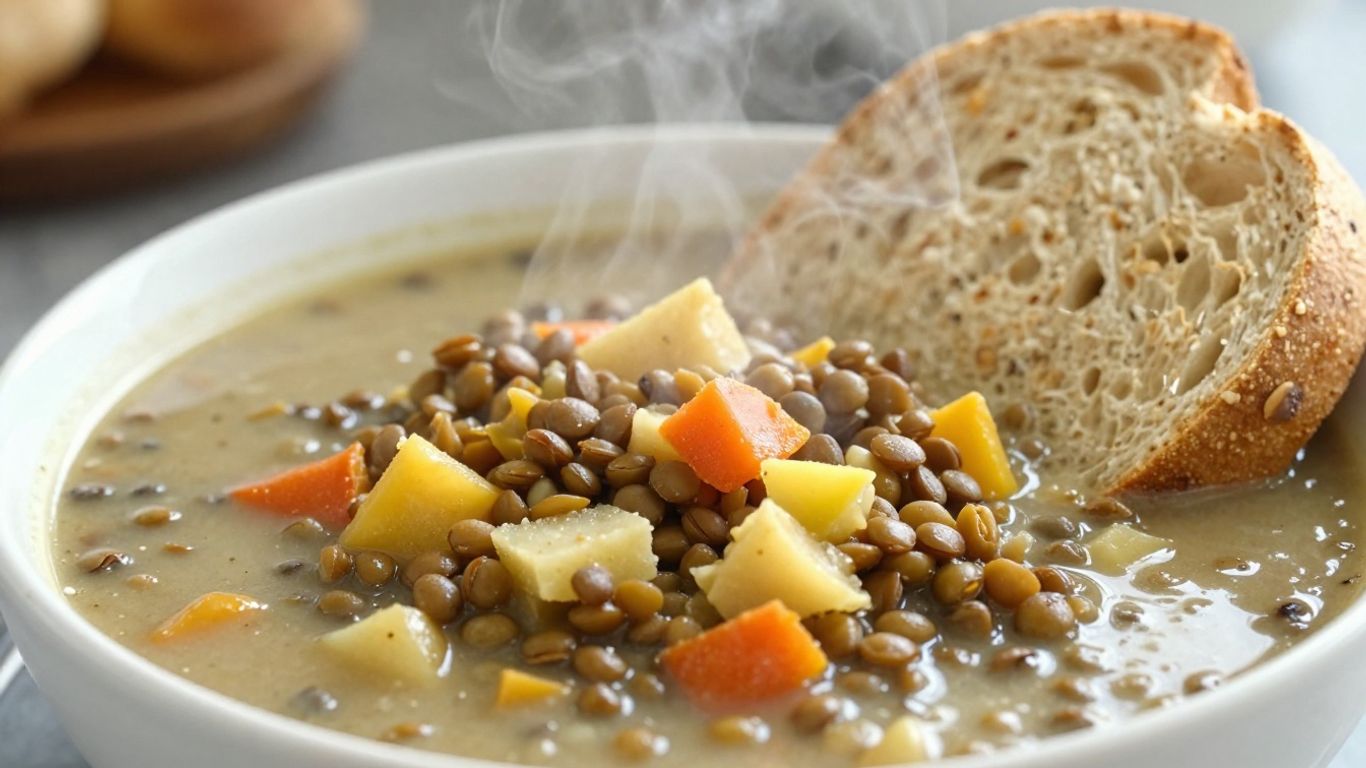
A satiety index ranks foods by how full they keep you compared with the same number of calories of a reference food. The pattern is consistent: foods that are heavy for their calories (high in water and fibre) and meals with enough protein keep you fuller, while dry, rich, very palatable foods keep you less full. You can use that pattern in your own kitchen without memorizing any scores.
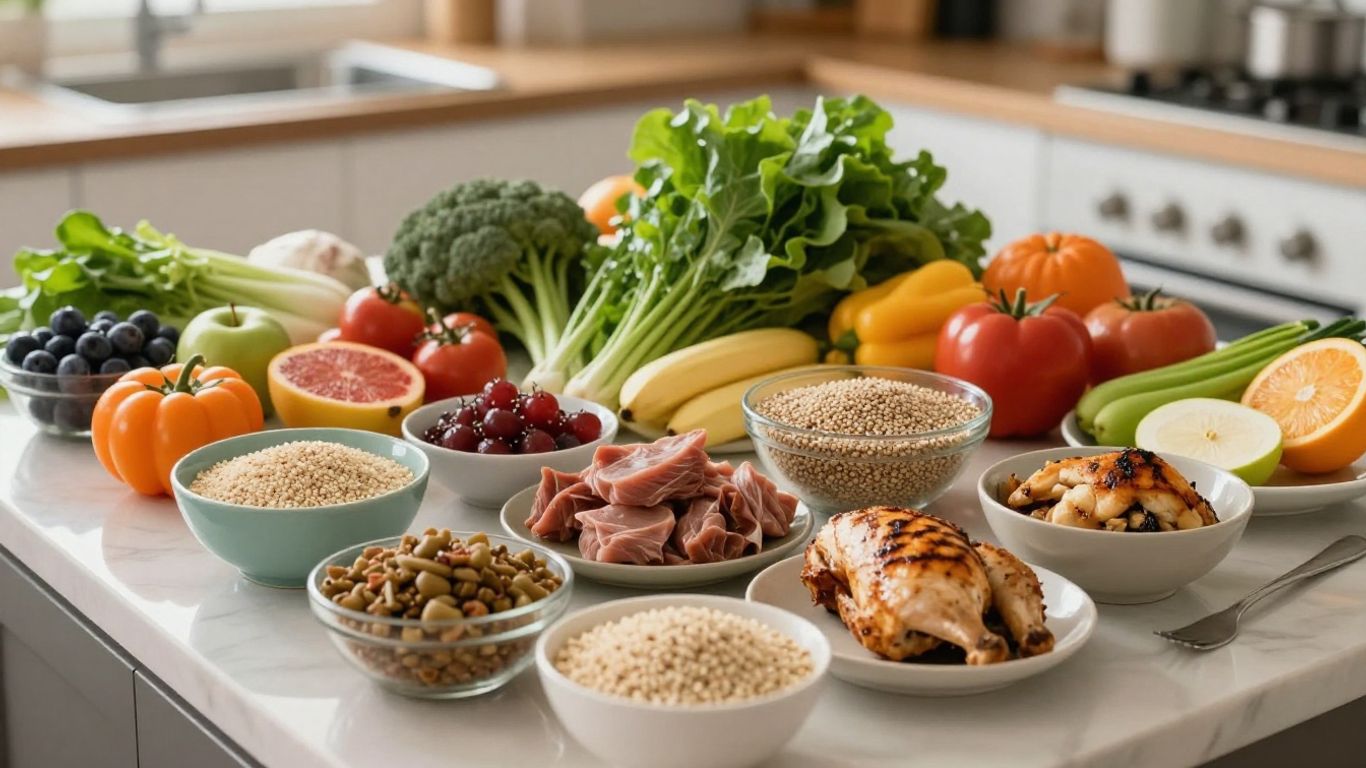
Satiation vs satiety
- Satiation is what makes you stop eating during a meal.
- Satiety is how long you stay satisfied afterward, before you’re hungry again.
Both matter for appetite. A food can be easy to stop eating but leave you hungry an hour later, or the reverse.
Where the satiety index comes from
The best-known satiety index comes from a 1995 study in which volunteers ate 240-calorie servings of 38 common foods and rated their fullness every 15 minutes for two hours, after which they could eat freely. White bread was set at 100%. Boiled potatoes scored highest at 323%; croissants scored lowest at 47%.
Two findings are especially useful:
- Satiety scores went up as the serving weight went up. Foods that gave you a bigger, heavier portion for the same calories were more filling.
- Satiety scores went down as palatability went up. The most “moreish” foods were the least filling per calorie.
The study tested single foods eaten alone, and individual responses varied, so think of the index as a guide to patterns rather than a list of rules.
The four levers of fullness
1. Volume and water
Mayo Clinic explains that fruits and vegetables generally have high water and fiber content, which provide volume and weight but not calories. That’s the idea of energy density: lower-energy-density foods let you eat a satisfying amount for fewer calories. Volume itself seems to matter too. In one study of yogurt-based milkshakes with the same ingredients and calories, whipping in more air to make a larger drink led men to eat 12% less at lunch and report more fullness.
2. Fibre
High-fibre foods add bulk and take longer to digest. Vegetables, fruit, legumes, oats and whole grains all help.
3. Protein
A 2015 review of protein and weight management found a modest satiety effect from higher-protein meals, with greater perceived fullness and higher satiety hormones, although that didn’t consistently reduce how much people ate at the next meal. Protein is one useful lever, not a magic switch.
4. Palatability and texture
Foods engineered to be easy to eat (soft, sweet, salty, crunchy and rich all at once) tend to be eaten quickly and in larger amounts. Foods that need chewing slow you down and give fullness signals time to arrive.
High- and lower-satiety choices
| Tends to be more filling per calorie | Tends to be less filling per calorie |
|---|---|
| Boiled or baked potatoes | Croissants, pastries, doughnuts |
| Oatmeal made with water or milk | Sweetened, low-fibre cereals |
| Whole fruit (apples, oranges, berries) | Fruit juice, dried fruit in large handfuls |
| Broth-based soups, salads, cooked vegetables | Chips, crackers, cookies |
| Beans, lentils, chickpeas | Candy, chocolate bars |
| Eggs, fish, chicken, tofu, Greek yogurt, cottage cheese | Sweetened drinks |
Lower-satiety foods aren’t “bad.” They’re just easier to overeat, so it helps to pair them with something more filling or serve them in planned portions.
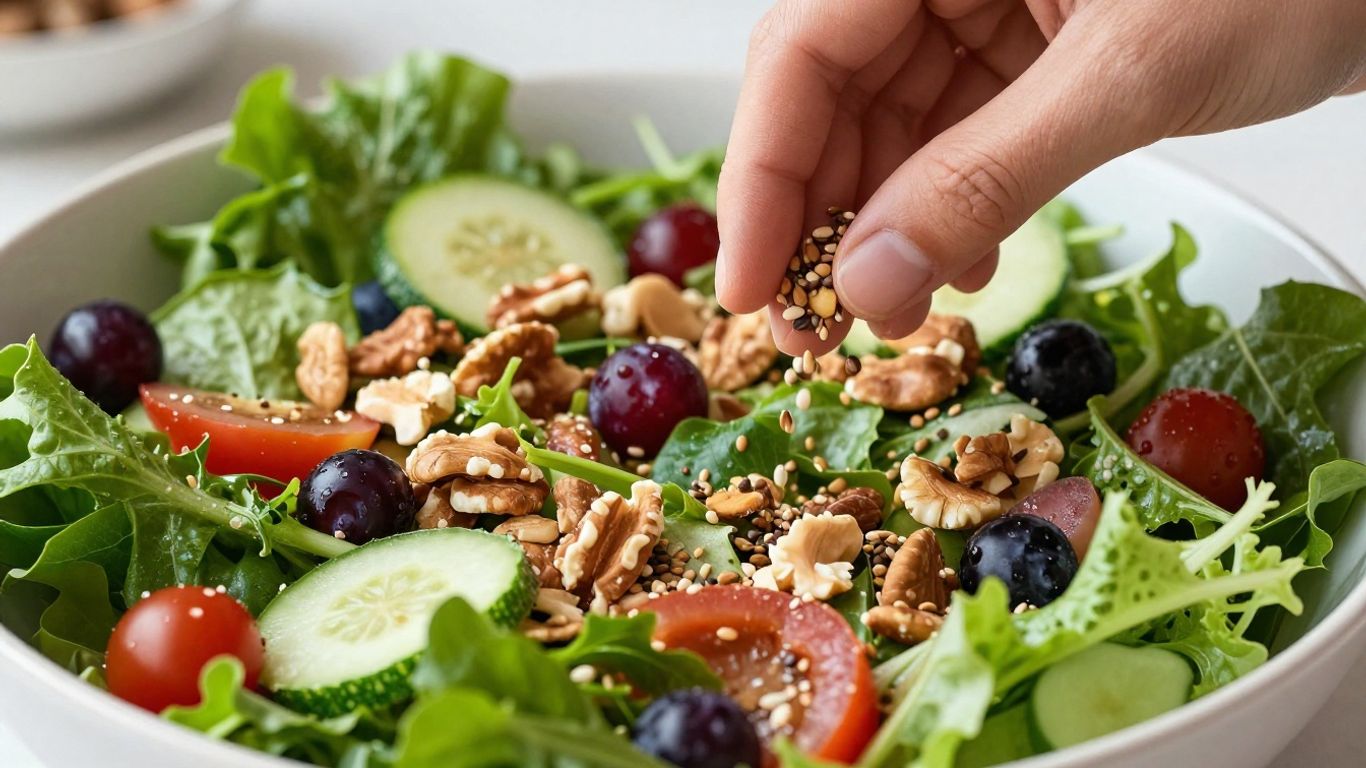
Kitchen moves that raise fullness
Bulk up what you already make
- Add a cup of chopped vegetables to pasta sauce, chili, soups, scrambled eggs or rice dishes.
- Swap half the pasta or rice for roasted vegetables or cauliflower rice.
- Stir lentils or beans into ground meat dishes.
Start with a low-energy-density first course
- A bowl of broth-based vegetable soup
- A green salad with a light vinaigrette
- Raw vegetables with a little hummus
Anchor every meal with protein
- Breakfast: Greek yogurt with oats and berries, or eggs with whole-grain toast and fruit
- Lunch: bean or chicken salad with plenty of vegetables
- Dinner: fish, tofu or chicken with potatoes and two vegetables
Choose whole over processed versions
- Whole fruit instead of juice
- Baked potato instead of chips
- Steel-cut or large-flake oats instead of instant sweetened packets
- Popcorn instead of crackers
Slow the meal down
- Sit down and use a plate.
- Include foods that need chewing.
- Pause partway through to check in with your hunger.
A sample high-satiety day
| Meal | Example | Fullness levers used |
|---|---|---|
| Breakfast | Large-flake oats cooked in milk, topped with berries and a spoonful of Greek yogurt | Fibre, protein, volume |
| Lunch | Bowl of lentil-vegetable soup, plus a whole-grain roll and an apple | Water, fibre, protein, chewing |
| Snack | Cottage cheese with cucumber and cherry tomatoes | Protein, water |
| Dinner | Baked fish or tofu, boiled or baked potatoes, a big serving of roasted vegetables and a side salad | Protein, volume, fibre |
| Evening | An orange or a small bowl of popcorn if you’re genuinely hungry | Volume, fibre |
Notice that nothing here is unusual or expensive. The difference is in proportions: more vegetables, fruit, legumes and protein on the plate, and fewer dry, dense foods eaten on their own.
Drinks and fullness
Drinks generally fill you up less than solid food with the same calories. Water, sparkling water and herbal tea add no calories. Milk adds protein. Juice and sweetened drinks add calories without much fullness, so whole fruit is usually the more satisfying choice. Soup is the exception: as a liquid-and-solid mix, a broth-based soup can be quite filling for its calories.
Satisfying snack ideas
- Apple with a tablespoon of peanut butter
- Plain Greek yogurt with berries
- Cottage cheese with cucumber and tomatoes
- Hard-boiled egg with a pear
- Roasted chickpeas
- Air-popped popcorn
- Vegetable soup in a thermos
Don’t forget enjoyment
Satiety isn’t only physical. A meal you find bland and unsatisfying can send you searching for snacks later. Season well, include a little fat for flavour, and make room for foods you love in planned portions. Feeling deprived is one of the fastest ways to undo a high-satiety plan.
For a step-by-step framework, see the satiety stack. Our guides to protein intake and hunger and fullness in real life go deeper on the protein and awareness pieces.
Takeaways
- Foods that are heavy for their calories (water- and fibre-rich) are more filling.
- Protein adds a modest fullness boost; include some at each meal.
- Highly palatable, dry, rich foods are the easiest to overeat; plan portions.
- Bulk up familiar meals with vegetables and legumes, and start with soup or salad.
- Choose whole foods over processed versions: fruit over juice, potatoes over chips.
- Enjoyment matters; satisfying meals prevent later grazing.
FAQ
Are potatoes really that filling?
Plain boiled potatoes scored highest in the original satiety index. How you prepare them matters: fries and chips are far more energy-dense and less filling per calorie.
Should I only eat high-satiety foods?
No. Use them as the base of your meals, and enjoy other foods alongside them in portions that work for you.