
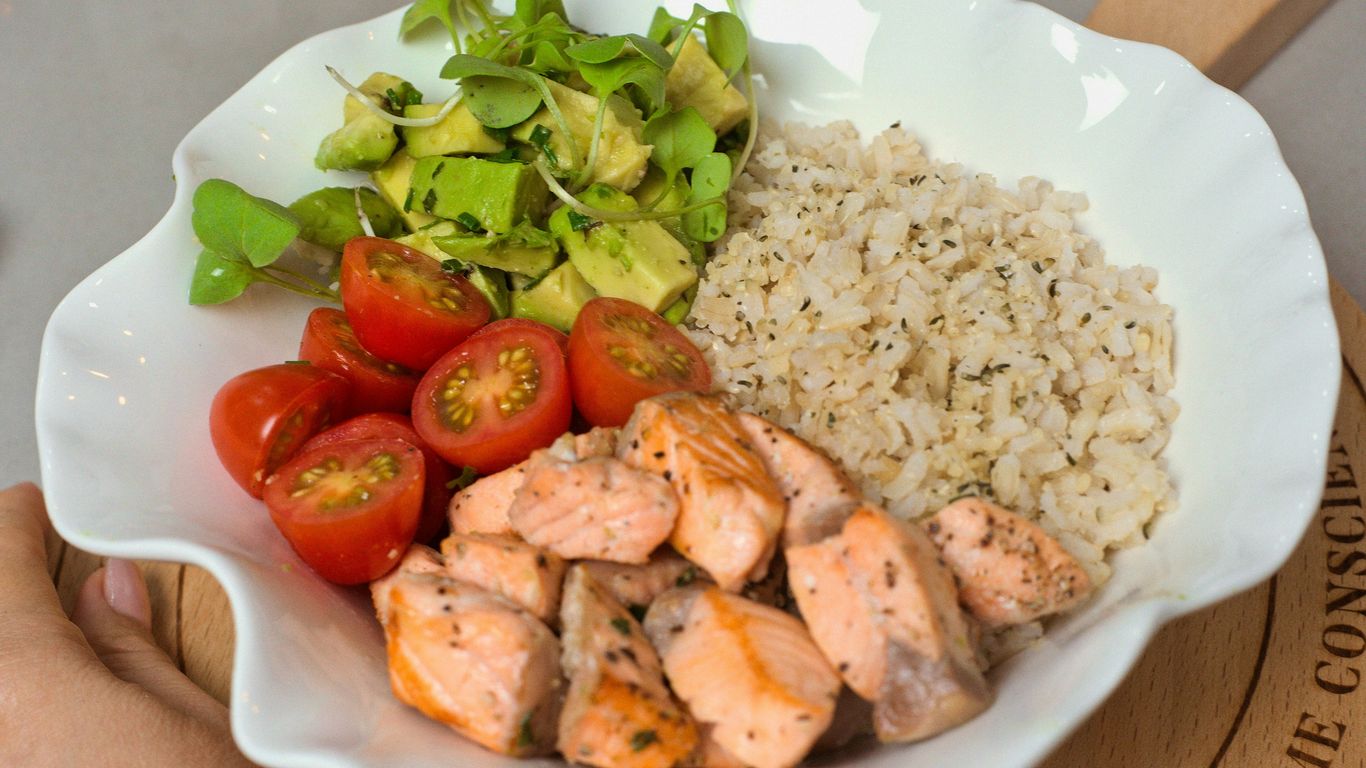
Meals keep you full longest when they “stack” four features: a solid portion of protein, plenty of fibre, foods with a high water content, and textures that make you chew and slow down. Add a modest amount of healthy fat and a slow-digesting carbohydrate, and most people find they stay comfortably satisfied until the next meal, often four hours or more. Exact timing varies from person to person, so use your own hunger as the test.
Why some meals hold you and others don’t
Fullness comes from several signals working together: how much space food takes up in your stomach, how quickly it empties, hormones released during digestion, and how long and how mindfully you ate. A large muffin and a bowl of lentil soup may have similar calories, but the soup sends far more of those signals. The satiety stack is a way of building those signals into every meal on purpose.
Layer 1: Protein
Of the three macronutrients, protein generally increases satiety to a greater extent than carbohydrate or fat, according to a review in the American Journal of Clinical Nutrition, which may make it easier to eat less without feeling deprived.
Practical targets per meal:
- A palm-sized portion of chicken, fish or tofu
- ¾ cup of cooked lentils, beans or chickpeas
- 2 eggs plus another protein such as yogurt or cheese
- ¾ cup of plain Greek yogurt or cottage cheese
Breakfast is where many people fall short. Toast or cereal alone is often why hunger hits mid-morning. For between-meal ideas, see our list of high-protein snacks.
Layer 2: Fibre
Fibre adds bulk, slows digestion and helps steady energy between meals. Most adults fall short. Dietitians of Canada’s Unlock Food recommends 25 grams a day for women 19 to 50 (21 g after 50) and 38 grams for men 19 to 50 (30 g after 50). It also advises increasing fibre slowly and drinking plenty of fluids to avoid gas and bloating.
Easy fibre layers:
- Beans, lentils and chickpeas (protein and fibre in one)
- Oats, barley, brown rice, whole grain bread and pasta
- Vegetables at lunch and dinner, ideally half the plate
- Berries, pears, apples and oranges with the skin or membrane
- Chia, ground flax, nuts and seeds
Our article on fibre for digestion goes deeper on easing into a higher-fibre diet comfortably.
Layer 3: Water in the food
Drinking water with meals is helpful, but water that is part of the food seems to matter more for fullness. Foods like soups, stews, vegetables, fruit and cooked whole grains add volume without many calories.
A study from Penn State shows the idea in action. When people ate a low-energy-dense vegetable soup before lunch, they reduced total meal energy intake by about 20% compared with having no soup, and the form of the soup (chunky, puréed or broth with vegetables) didn’t change the result. The same research group has reported a similar effect from starting a meal with a large, lightly dressed salad.
Ways to use this:
- Start lunch or dinner with a broth-based vegetable soup or a large, lightly dressed salad.
- Bulk up pasta, rice and stir-fries with extra vegetables so the portion looks generous.
- Choose whole fruit over juice, and fresh or frozen fruit over dried when you want something filling.
- Keep a glass of water or sparkling water at the table. Thirst can feel like hunger, so check in with a drink first.
Layer 4: Texture and eating pace
Crunchy, chewy and chunky foods take longer to eat, and pace matters. A 2014 meta-analysis of 22 studies found that eating more slowly was associated with lower energy intake at the meal, although it did not change hunger ratings afterwards. Slowing down is a simple way to give fullness signals time to arrive.
- Choose whole foods over blended or puréed ones most of the time (an apple rather than applesauce, steel-cut or large-flake oats rather than instant).
- Add crunch: raw vegetables, toasted seeds, a few nuts.
- Sit down, use a plate, and put your fork down between bites.
- Aim for meals that take at least 15 to 20 minutes.
Supporting players: fat and slow carbs
A small amount of fat (olive oil, avocado, nuts, seeds) makes meals more satisfying and helps you absorb some vitamins. Fat is calorie-dense, though, so think “a thumb-sized amount,” not a free-for-all. For carbohydrates, choose minimally processed options such as oats, beans, barley, sweet potatoes and whole grain bread, which come with fibre built in.
Putting the stack together
| Meal | Protein | Fibre | Water-rich | Texture |
|---|---|---|---|---|
| Greek yogurt bowl | Greek yogurt | Oats, berries, chia | Berries | Toasted almonds |
| Veggie omelette with toast | Eggs | Whole grain toast, vegetables | Peppers, tomatoes, spinach | Crisp toast |
| Lentil soup and side salad | Lentils | Lentils, vegetables | Broth, salad greens | Crunchy cucumber, seeds |
| Chicken grain bowl | Chicken | Brown rice, black beans | Roasted vegetables, salsa | Shredded cabbage |
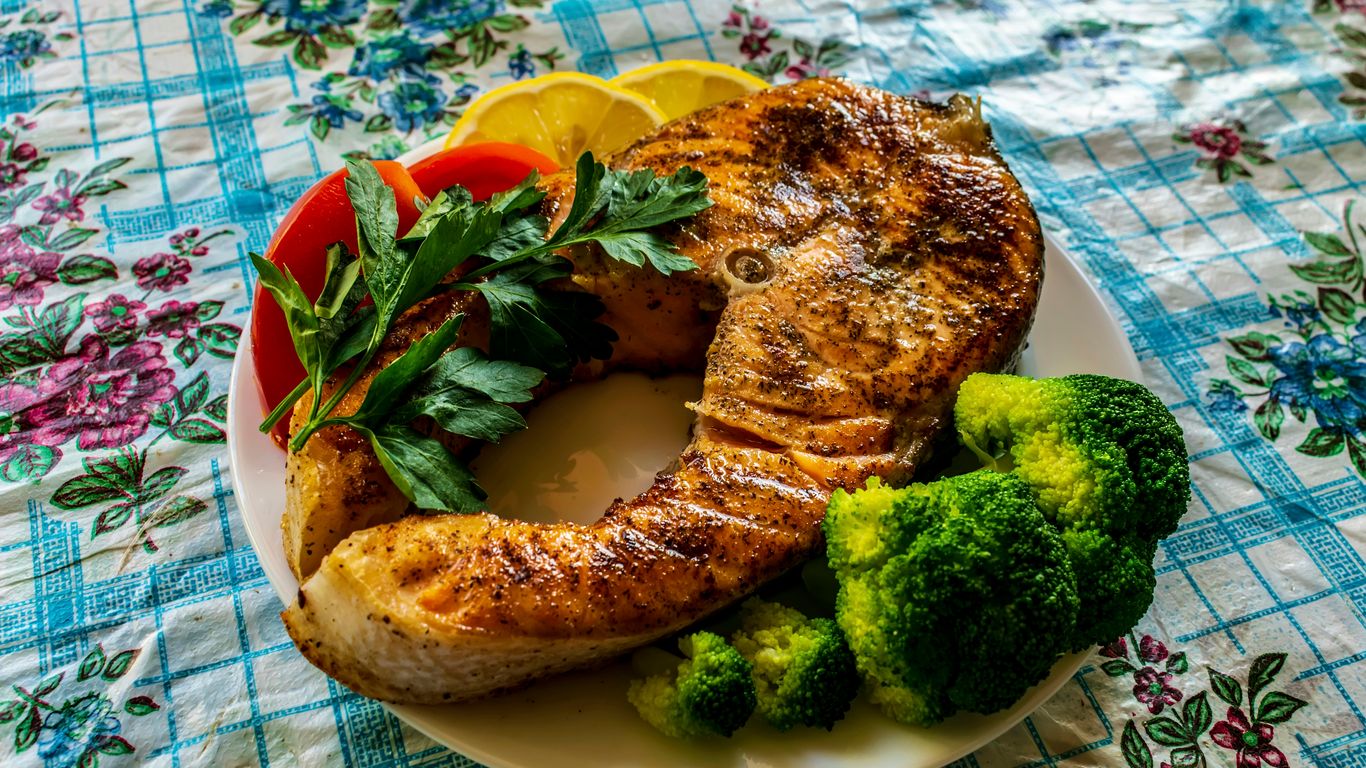
| Salmon dinner | Salmon | Barley or potatoes with skin | Broccoli, salad | Roasted, crisp edges |
If you like a visual guide to portions, our article on meal math without scales or apps pairs well with this approach.
Snacks that follow the same rules
A snack built from at least two layers holds you far better than a single refined food. Some combinations:
- Apple slices with peanut butter (fibre, water, crunch, protein)
- Carrots, cucumber and peppers with hummus (water, crunch, fibre, some protein)
- Plain Greek yogurt with berries and a spoonful of seeds
- Roasted chickpeas and a pear
- A hard-boiled egg with cherry tomatoes and whole grain crackers
- A cup of broth-based vegetable soup with a few whole grain crackers
If you often reach for a snack only an hour or two after eating, look at the meal before it first. Fixing the meal usually works better than finding a “better” snack.
Troubleshooting
- Hungry an hour after breakfast: add a protein (eggs, yogurt, cottage cheese) and swap refined cereal for oats.
- Afternoon slump and snacking: check that lunch had both protein and vegetables, not just a sandwich.
- Bloated after adding fibre: increase more slowly and drink more fluids.
- Still hungry despite a full stack: your portion may simply be too small for your needs. Add more vegetables and protein before reaching for snacks.
If you notice a pattern of feeling out of control around food, eating in secret or feeling intense guilt after meals, please talk to your healthcare provider. NEDIC also offers free, confidential support in Canada.
Quick takeaways
- Build each meal around protein first, then add fibre.
- Use water-rich foods like soups, salads, vegetables and fruit to add volume.
- Choose textures that make you chew, and slow down.
- Add a small amount of fat and a whole-food carbohydrate to round it out.
- Judge success by how you feel three to five hours later, and adjust.