

When sleep just won’t come, it’s easy to reach for something to eat. But does that late-night snack actually help or hurt your rest? The idea of a ‘sleepy snacking fix’ is more about choosing the right things and doing them at the right time, rather than just eating anything. It’s about creating a little routine that tells your body it’s time to wind down, using gentle foods and calming habits to get you ready for sleep.
Key Takeaways
- A good sleepy snacking fix involves timing your last meal or snack to give your body time to digest before bed, ideally 2-3 hours prior.
- Balance your bedtime snack with a mix of complex carbohydrates and protein to help stabilize blood sugar and aid tryptophan’s journey to the brain.
- Certain foods like warm milk, oatmeal, yogurt with fruit, or nut butter on whole grains can be comforting and support sleep.
- Hydrate strategically throughout the evening, opting for caffeine-free herbal teas closer to bedtime instead of large amounts of fluids.
- Beyond food, establish calming pre-bed rituals like dim lighting or mindful activities to signal to your body that it’s time to rest.
Understanding The Sleepy Snacking Fix
Sometimes, even after a solid day, your mind just won’t switch off when bedtime rolls around. You might find yourself reaching for a snack, not because you’re truly hungry, but because it feels like a comforting ritual. This is where the idea of a ‘sleepy snacking fix’ comes in – it’s about using gentle, sleep-supportive foods and mindful habits to signal to your body that it’s time to wind down. It’s not about eating a full meal, but rather about making smart, small choices that can aid your transition into sleep.
The Role Of Evening Nutrition In Sleep
What you eat, and when you eat it, can play a surprisingly significant role in how well you sleep. Think of your body like a finely tuned instrument; certain nutrients can help it play a more restful tune. For instance, foods rich in tryptophan, an amino acid, can help your body produce serotonin, a key player in regulating sleep. Similarly, magnesium and potassium are minerals that help your muscles relax, which is pretty important when you’re trying to fall asleep. It’s less about a magic bullet and more about providing your body with the building blocks it needs to relax.
Timing Your Evening Meals For Rest
When you eat your last meal of the day matters. Eating too close to bedtime, especially heavy or spicy foods, can lead to discomfort and indigestion, making it harder to fall asleep. On the flip side, going to bed absolutely starving isn’t ideal either. The sweet spot often lies in having a light, easily digestible snack a couple of hours before you plan to hit the hay. This gives your body enough time to digest without feeling overly full or uncomfortably empty.
Individualizing Your Sleepy Snacking Fix
What works for one person might not work for another. Your body is unique, and so are your sleep patterns and dietary needs. Some people find that a small, carb-rich snack helps them feel sleepy, while others do better with a bit of protein. Paying attention to how different foods and timings affect your sleep is key. It might take a little experimentation to find what truly helps you settle down for the night.
The goal is to create a gentle, supportive routine that helps your body naturally prepare for rest, rather than forcing sleep.
Here are a few things to consider when figuring out your personal sleepy snacking fix:
- Listen to your body: Are you genuinely hungry, or is it just habit or a craving?
- Consider the time: How long has it been since your last meal?
- Think about the food: Is it light and easy to digest, or heavy and potentially disruptive?
- Notice the effects: How do you feel after a particular snack? Does it help you relax or make you feel more alert?
Nourishing Choices For A Restful Night

When you’re trying to wind down for the night, what you eat can make a difference. It’s not about a heavy meal, but rather about choosing snacks that help your body prepare for sleep. Think of it as giving your system a gentle nudge towards rest.
Balancing Carbohydrates And Protein
For a good bedtime snack, aim for a mix of carbohydrates and protein. This combination can help your body absorb tryptophan, an amino acid that plays a role in sleep. A little bit of both seems to be the sweet spot.
- Carbohydrates: Help make tryptophan more available to your brain.
- Protein: Provides a steady release of energy and can help you feel full.
Leveraging Tryptophan And Melatonin Sources
Certain foods are naturally rich in compounds that can aid sleep. Tryptophan, as mentioned, is key, and some foods also contain melatonin, the hormone that regulates sleep-wake cycles.
Here are a few examples:
- Dairy: Milk, yogurt, and cottage cheese are good sources of tryptophan. The warmth of milk can also be comforting.
- Nuts: Almonds and walnuts offer magnesium and melatonin.
- Seeds: Pumpkin seeds and chia seeds provide magnesium.
- Fruits: Tart cherries and kiwis are known for their sleep-promoting properties.
The Benefits Of Complex Carbohydrates
Complex carbohydrates, found in foods like oatmeal and whole grains, are a great choice for a pre-bed snack. They digest more slowly than simple carbs, helping to keep your blood sugar levels stable throughout the night. This stability can prevent those middle-of-the-night wake-ups caused by blood sugar dips. Plus, they can help your body better utilize tryptophan.
A warm bowl of oatmeal or a small serving of whole-grain crackers can be surprisingly effective at signaling to your body that it’s time to relax and prepare for sleep. It’s about gentle, sustained nourishment.
Gentle Foods To Support Sleep
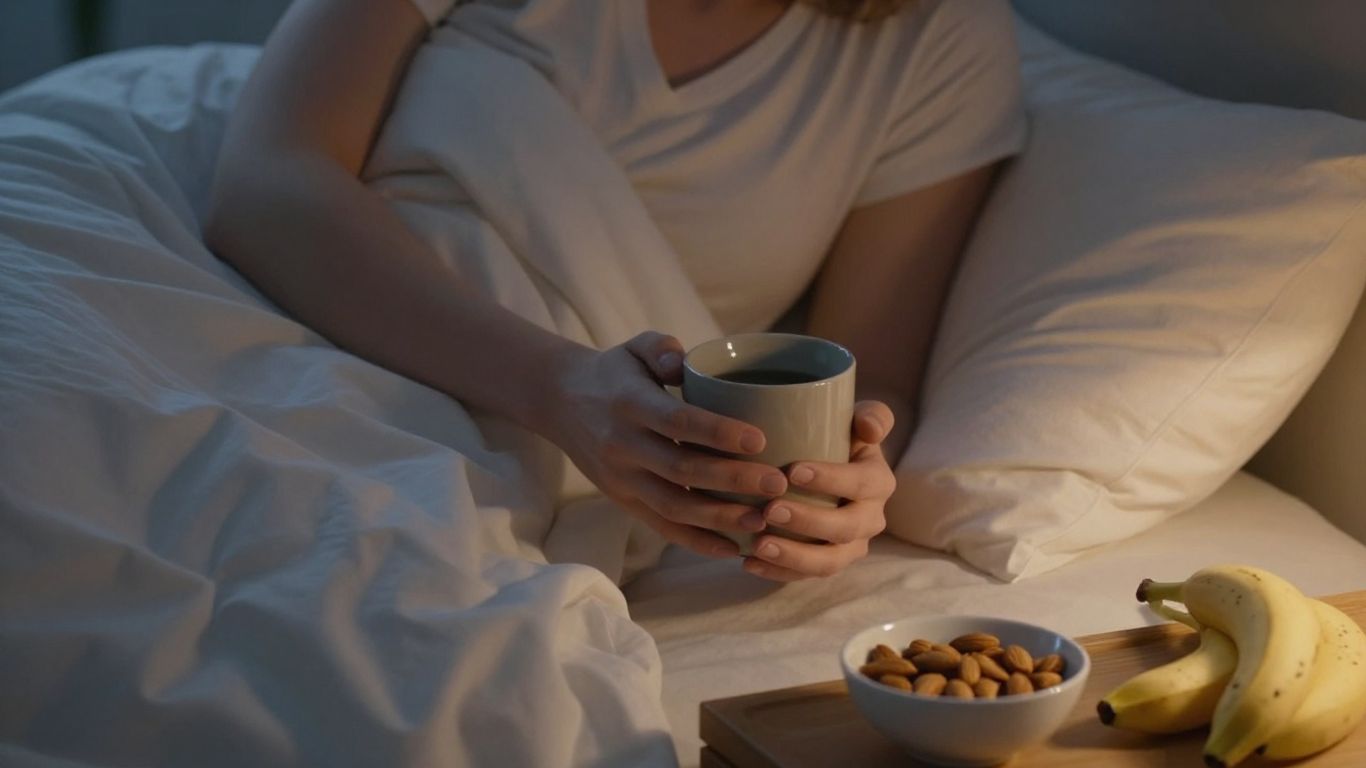
Sometimes, a little something to eat before bed can make all the difference in settling down. It’s not about a big meal, but rather small, comforting choices that signal to your body it’s time to wind down. Think of these as gentle nudges towards sleep, not heavy fuel.
Warm Milk and Oatmeal Comfort
Warm milk has been a go-to for generations, and there’s a good reason for it. Dairy contains tryptophan, an amino acid that our bodies use to make serotonin and melatonin, both key players in sleep regulation. Plus, the warmth itself can be incredibly soothing, creating a cozy ritual that helps you relax. Oatmeal is another fantastic option. It’s a complex carbohydrate that can help your body absorb tryptophan more effectively. A small bowl of warm oatmeal, perhaps with a touch of honey or cinnamon, can be both satisfying and sleep-friendly.
Yogurt and Fruit Pairings
Yogurt, especially plain varieties, offers a good source of protein and calcium. Calcium plays a role in melatonin production, and the protein can help keep you feeling full without being heavy. Pairing yogurt with a small portion of fruit like berries or a sliced banana adds natural sweetness and beneficial nutrients. Berries are packed with antioxidants, while bananas provide magnesium and potassium, which can help with muscle relaxation. It’s a light yet satisfying combination.
Nut Butters and Whole Grains
For a slightly more substantial snack, consider nut butters spread on whole-grain toast or a few whole-grain crackers. Almond butter or peanut butter provides healthy fats and protein, along with magnesium. Whole grains, as mentioned, help with tryptophan absorption. This simple pairing offers a balanced mix of nutrients that can help stabilize blood sugar overnight, preventing those middle-of-the-night hunger pangs that can wake you up. It’s a practical choice for when you need something a bit more filling but still want to support your sleep.
When choosing foods for a pre-bed snack, focus on digestibility. Avoid anything that might cause discomfort or indigestion. The goal is to feel comfortably full, not weighed down. Small portions are key here.
Hydration Habits For Better Sleep
Strategic Fluid Intake
Staying hydrated is important for overall health, and that includes sleep. When you’re properly hydrated, your body functions better, and that can translate to a more restful night. However, the timing of your fluid intake matters a lot when it comes to bedtime. Drinking too much right before you hit the hay can lead to frequent trips to the bathroom, interrupting your sleep cycle. The goal is to sip water throughout the day and into the early evening, but then taper off as bedtime approaches. This way, you satisfy your body’s needs without setting yourself up for nighttime awakenings.
The Soothing Ritual Of Herbal Teas
For many, a warm cup of herbal tea is a comforting part of their pre-sleep routine. Certain teas are known for their calming properties and can be a gentle way to wind down. Think chamomile, which has been used for ages to relax the nerves, or peppermint, which can be soothing for digestion. Rooibos is another good option, offering a naturally sweet flavor without caffeine. These warm beverages can provide a sense of ritual and signal to your body that it’s time to prepare for rest. Just be sure to choose caffeine-free varieties.
Here are a few popular choices:
- Chamomile: Known for its calming and anti-inflammatory properties.
- Peppermint: Can aid digestion and offer a refreshing, soothing taste.
- Rooibos: A naturally sweet, caffeine-free option that’s rich in antioxidants.
- Valerian Root: Often used for its sedative effects, though it has a strong flavor.
Avoiding Late-Night Stimulants
When thinking about what to drink before bed, it’s also important to consider what to avoid. Stimulants like caffeine can linger in your system for hours, making it harder to fall asleep and affecting the quality of your sleep. This means cutting off coffee, black tea, green tea, and even some sodas well before bedtime. Even though alcohol might make you feel drowsy initially, it can disrupt sleep later in the night, leading to more fragmented rest. Making conscious choices about your evening beverages can significantly impact how well you sleep.
Pay attention to how different drinks make you feel. Sometimes, a simple observation of your own body’s response is the best guide for adjusting your habits. What works for one person might not work for another, so personal experimentation is key.
Foods To Approach With Caution
While we’re focusing on what to eat for better sleep, it’s just as important to know what might keep you tossing and turning. Some foods, especially when eaten too close to bedtime, can really mess with your body’s ability to wind down and get that restful sleep you’re aiming for. It’s not about strict rules, but more about being aware of how certain things affect you personally.
Navigating Caffeine’s Lingering Effects
Caffeine is a well-known stimulant, and its effects can last much longer than you might think. It works by blocking adenosine, a chemical that naturally makes us feel sleepy. Even if you don’t feel jittery, caffeine can still disrupt the deeper stages of sleep. Remember, it’s not just in coffee; tea, chocolate, and even some sodas contain it. Try to cut off caffeine intake at least six hours before you plan to sleep.
The Impact Of Sugary And Fatty Foods
Foods high in sugar can cause a rapid spike and then a crash in blood sugar levels. This fluctuation can lead to awakenings during the night or feelings of restlessness. Similarly, heavy, fatty, or fried foods take a long time to digest. This can lead to discomfort, indigestion, and heartburn, all of which are unwelcome guests when you’re trying to fall asleep.
Spicy And Acidic Foods To Avoid
If you’re prone to heartburn or acid reflux, spicy and acidic foods are definitely on the "approach with caution" list for nighttime. Foods like those with hot peppers, strong curries, or even tomato-based sauces can trigger discomfort when you lie down. It’s generally a good idea to enjoy these types of meals earlier in the day, giving your body ample time to digest before you hit the pillow.
Being mindful of these foods doesn’t mean you can never enjoy them. It’s about timing and portion size. If you have a craving for something sweet or a bit richer, consider having it earlier in the evening and perhaps pairing it with something that aids digestion or balances the effect, like a small amount of protein or fiber.
Beyond Food: Comforting Pre-Bed Rituals
Sometimes, even after you’ve eaten something that supports sleep, your body and mind might still be buzzing. That’s where creating a calming atmosphere and engaging in gentle activities comes in. It’s about signaling to your system that the day’s demands are over and it’s time to transition into a state of rest. Think of it as a gentle nudge towards sleep, rather than a forceful push.
Creating a Sensory Wind-Down Experience
Our senses play a big role in how we feel, and we can use them to our advantage before bed. Dimming the lights can signal to your brain that it’s time to produce melatonin, the sleep hormone. Soft, calming music or the gentle sound of a fan can create a peaceful auditory environment. Even the feel of soft pajamas or a cozy blanket can contribute to a sense of comfort and security. Consider incorporating these elements into your evening:
- Aromatherapy: Light a lavender-scented candle or use a diffuser with calming essential oils like chamomile or bergamot.
- Tactile Comfort: Slip into soft, breathable sleepwear and snuggle under a weighted blanket if that feels good to you.
- Auditory Ambiance: Play quiet, instrumental music, nature sounds, or a guided meditation.
The Power Of Mindful Evening Routines
What you do in the hour or two before bed can significantly impact how quickly you fall asleep and how well you rest. Instead of scrolling through your phone or watching intense TV shows, try activities that promote relaxation. This might include reading a physical book (not on a bright screen), taking a warm bath, or gentle stretching. The key is to choose activities that feel soothing and don’t require a lot of mental energy.
Engaging in a consistent pre-sleep routine helps your body anticipate rest. It’s like a gentle cue that tells your internal clock, "Okay, time to start winding down." This predictability can make a big difference in how easily you drift off.
Establishing Consistent Sleep Cues
Consistency is really the name of the game when it comes to sleep hygiene. Your body thrives on routine, and establishing clear cues that signal bedtime can train your internal clock. This means trying to go to bed and wake up around the same time each day, even on weekends, as much as possible. When you pair these consistent sleep and wake times with your wind-down routine, you create a powerful signal that helps regulate your circadian rhythm. Over time, this makes falling asleep feel more natural and less like a struggle.
The Science Behind Sleep-Promoting Nutrients
It’s pretty interesting how what we eat can actually influence how well we sleep. It’s not like a magic pill, but certain nutrients play a role in our body’s natural sleep processes. Think of them as little helpers that can make winding down a bit easier.
Tryptophan’s Role In Serotonin Production
Tryptophan is an amino acid, and our bodies can’t make it on their own, so we have to get it from food. It’s a building block for proteins, but it’s also super important because it’s used to make serotonin. Serotonin is a neurotransmitter that affects mood, and it’s also a precursor to melatonin, the hormone that helps regulate our sleep-wake cycle. So, getting enough tryptophan can indirectly help signal to your body that it’s time to rest.
Magnesium And Potassium For Muscle Relaxation
Magnesium and potassium are minerals that are really important for a lot of bodily functions, including how our muscles and nerves work. Magnesium, in particular, seems to help our muscles relax. If you’ve ever felt tense or jittery before bed, it might be because your body needs a little more of this mineral. Potassium also helps with nerve signals and muscle contractions. When these minerals are balanced, it can contribute to a feeling of calm and physical ease, which is exactly what you want when trying to fall asleep.
Melatonin’s Natural Sleep Signals
Melatonin is often called the ‘sleep hormone’ because its production ramps up in the evening as it gets dark, signaling to our bodies that it’s time to sleep. While our bodies make melatonin naturally, certain foods can also provide it or help our bodies produce more. Eating foods rich in melatonin or its precursors can help reinforce those natural sleep cues, making it easier to drift off. It’s like giving your internal clock a gentle nudge in the right direction.
While food isn’t a cure-all for sleep problems, incorporating nutrient-rich options can support your body’s natural sleep mechanisms. Small, consistent dietary choices can add up over time to make a difference in your overall rest quality.
Making Your Sleepy Snacking Fix Work For You
Observing Personal Sleep Patterns
Figuring out what works best for your sleep is a bit like solving a puzzle, and everyone’s puzzle is a little different. It really helps to pay attention to how you feel after you eat certain things late in the evening. Do you notice you sleep better after a small bowl of oatmeal, or does a handful of almonds leave you feeling more settled? Keeping a simple log for a week or two can be super insightful. Just jot down what you ate, roughly when you ate it, and then how well you slept. You might be surprised by what you discover. Small, consistent habits often make the biggest difference.
Adjusting Habits Based On Feedback
Once you start noticing patterns in your sleep log, it’s time to make some small tweaks. If you see that eating anything after 9 PM seems to disrupt your sleep, try to shift your last snack to earlier in the evening. Or, if you consistently sleep better after a snack that includes both a bit of carbohydrate and protein, focus on those combinations. It’s not about being perfect, but about making informed adjustments. Think of it as fine-tuning your personal sleep strategy. For example, if you’ve been having trouble, consider these adjustments:
- Timing: Shift your last snack 30-60 minutes earlier.
- Content: If you usually have fruit, try adding a small amount of protein like a few nuts or a spoonful of yogurt.
- Portion Size: If you’re eating a bit more than usual, try reducing it slightly.
Consistency As A Cornerstone Of Sleep Hygiene
No matter what adjustments you make, the real magic happens with consistency. Trying a new snack or routine for one night won’t do much. It’s about sticking with your chosen habits most nights. This helps your body learn to expect and prepare for sleep. Think of it like training a muscle; regular practice leads to better results. Even on nights when things feel a bit off, try to stick to your established routine as much as possible. This predictability is a huge part of good sleep hygiene and can make a big difference over time. Your body thrives on routine, and a consistent pre-bedtime approach, including your sleepy snack, signals that it’s time to wind down and rest.
Want to make your late-night munchies work for you instead of against you? Discover simple tricks to satisfy those cravings without derailing your health goals. Ready to learn more? Visit our website for all the tips!
Wrapping Up Your Sleepy Snacking Journey
So, we’ve talked about how what and when you eat can really make a difference in how well you sleep. It’s not about complicated diets or fancy sleep potions. Often, it’s the simple things, like giving your body enough time to digest before bed, choosing snacks that are easy on your system, and being mindful of things like caffeine and alcohol. Remember, creating a calm, comforting routine around your evening meal or snack can be just as important as the food itself. Pay attention to what makes you feel rested and adjust accordingly. Building these small, consistent habits can lead to more peaceful nights and more energized mornings. Sweet dreams!
Frequently Asked Questions
What kind of foods should I eat before bed to help me sleep?
Think about snacks that have things like tryptophan, which helps your body make sleep-helping stuff, or magnesium and potassium, which relax your muscles. Good choices include a small bowl of oatmeal, some plain yogurt with a few berries, a banana with a little peanut butter, or a small handful of almonds. These foods are usually easy to digest and have nutrients that can make you feel calm and ready for sleep.
Is it okay to eat right before I go to sleep?
It’s usually better to finish your main meals a couple of hours before bed, like two or three hours before. This gives your stomach time to digest without making you feel uncomfortable when you lie down. If you’re still hungry, a small, light snack is fine. Avoid big, heavy meals or anything too spicy or fatty close to bedtime.
What foods should I definitely avoid before bed?
You should steer clear of things that can wake you up or upset your stomach. This means cutting out caffeine, which is in coffee, tea, and chocolate. Also, avoid super sugary snacks like candy or ice cream, and fatty or fried foods like pizza or burgers. Spicy foods and really acidic ones can also cause problems for some people.
Can drinking something help me sleep better?
Yes, a warm, caffeine-free drink can be very soothing. Warm milk is a classic choice because it has tryptophan. Herbal teas like chamomile, peppermint, or rooibos are also great options. The warm liquid and the quiet act of sipping can signal to your body that it’s time to relax and wind down.
How does food affect my sleep?
Some foods have special ingredients, like tryptophan, that help your body make chemicals that tell your brain it’s time to sleep. Other foods, like those with caffeine or lots of sugar, can give you energy and make it harder to fall asleep. Eating heavy meals can also make it hard to get comfy and sleep well because your body is busy digesting.
What is tryptophan and why is it important for sleep?
Tryptophan is an ingredient, called an amino acid, that your body uses to make other important things like serotonin and melatonin. Serotonin helps you feel good and relaxed, and melatonin is like your body’s natural sleep signal. You can’t make tryptophan yourself, so you need to get it from foods like turkey, chicken, nuts, and dairy.
Should I have a snack if I’m hungry at night, or just go to bed hungry?
If you’re truly hungry, it’s better to have a small, healthy snack than to lie in bed with a rumbling stomach, which can also keep you awake. Choose something light and easy to digest, like a few almonds, a small piece of fruit, or a bit of yogurt. The goal is to quiet your hunger without waking your body up too much.
How can I make sure my bedtime snacks are helping and not hurting my sleep?
The best way is to pay attention to your own body! Try keeping a little journal for a week or two. Write down what you eat in the evening and how well you slept. You might notice that certain snacks make you feel more rested, while others leave you tossing and turning. Use this information to adjust your choices and find what works best for you.