Love My Weight

Stew Building Blocks: aromatics, liquids, and finishers

Building a great stew isn’t just about following a recipe; it’s about understanding the basic parts that make it work. Think of it like building with blocks. You’ve got your flavor starters, your liquid base, and those little extras that make it sing at the end. Once you get the hang of these stew building blocks, you can whip up something delicious without even looking at a cookbook. It’s all about knowing what each piece does and how they fit together.

Key Takeaways

  • Aromatics like onions and garlic form the flavor base of any good stew. Cooking them gently first really makes a difference.
  • Liquids, like broths or stocks, give your stew its body. Reducing them can make the flavors much more intense.
  • Seasoning isn’t just a last-minute thing; it’s layered throughout the cooking process to balance tastes like sweet, salty, and sour.
  • Finishing touches, such as fresh herbs or a squeeze of citrus, add brightness and texture right before serving.
  • Understanding the role of each ingredient – from aromatics to liquids to finishers – helps you build a balanced and flavorful stew every time.

The Foundation Of Flavor: Aromatics

Before we even think about the main ingredients or the cooking liquid, the real magic in a stew starts with building a solid flavor base. This is where aromatics come in. Think of them as the unsung heroes, the quiet workers that lay the groundwork for everything else that follows. They might not be the star of the show, but without them, the whole dish would feel a bit… empty.

Building The Flavor Base

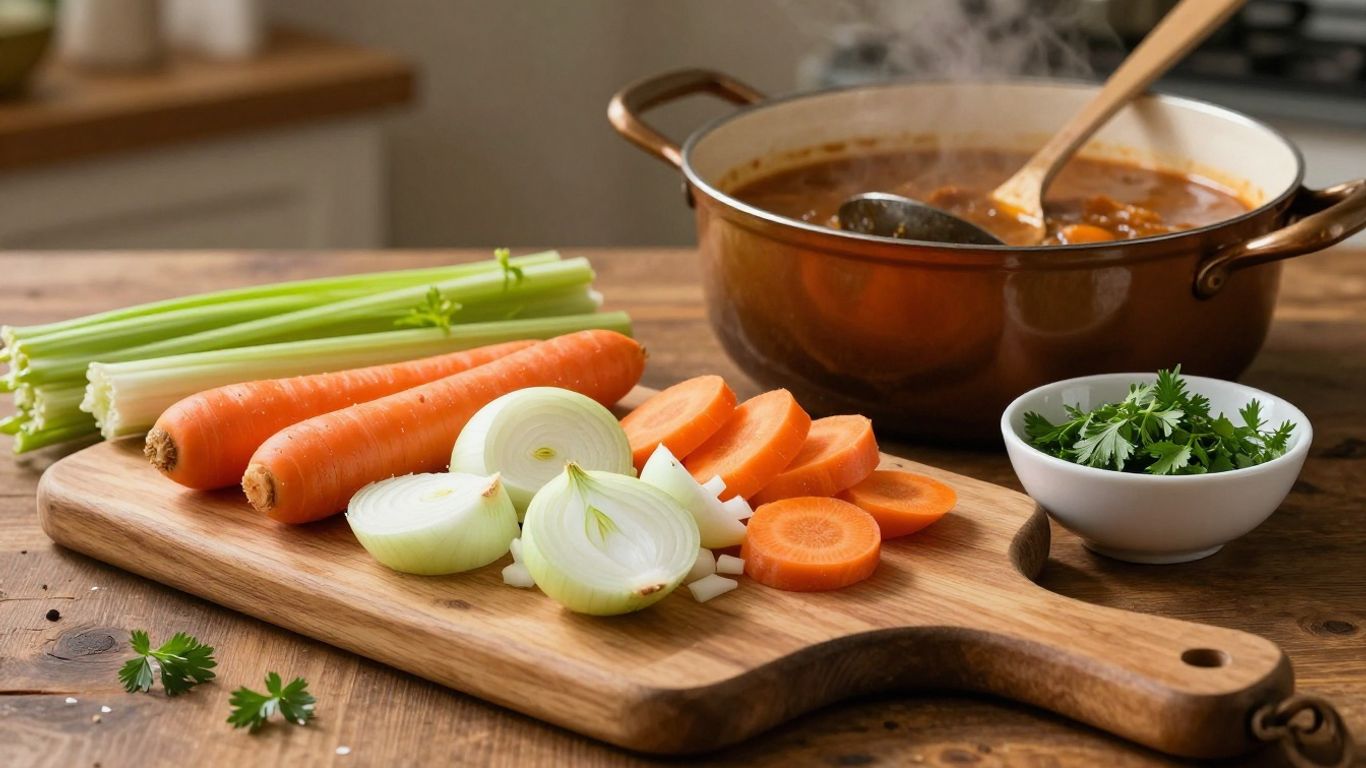
At its core, a good stew needs a foundation of flavor, and that’s precisely what aromatics provide. These are typically vegetables that, when cooked gently, release their sweet, pungent, and savory notes. The classic trio in many Western cuisines is onion, carrot, and celery, often called a mirepoix. But don’t stop there! Garlic, leeks, shallots, ginger, bell peppers, and even fennel can play a starring role depending on the dish you’re aiming for. The key is to cook them slowly in a bit of fat – like oil or butter – until they soften and become fragrant. This process, sometimes called sweating, coaxes out their natural sugars and develops a depth of flavor that raw vegetables just can’t offer.

Layering Aromatic Development

It’s not just about throwing all your aromatics into the pot at once. Different aromatics have different cooking times and release their flavors at different stages. For instance, onions might need a bit longer to soften and sweeten than minced garlic, which can burn if cooked too long. So, you might start by softening diced onions and carrots over medium-low heat for several minutes, then add minced garlic and cook for just another minute or two until it’s fragrant. This layered approach ensures each aromatic component contributes its best flavor without becoming bitter or lost.

Here’s a general idea of how different aromatics might be introduced:

  • Longer Cooking (10-15+ minutes): Onions, carrots, celery, leeks, bell peppers, fennel.
  • Medium Cooking (3-5 minutes): Garlic, shallots, ginger.
  • Quick Cooking (1-2 minutes): Fresh chilies, finely minced herbs (added towards the end of aromatic cooking).

The goal with aromatics is to transform them from sharp and raw to mellow and sweet. This isn’t about browning them deeply (that comes later for other ingredients), but about a gentle coaxing of their inherent flavors through slow, steady heat.

Gentle Cooking Of Aromatics

Resist the urge to rush this step. High heat will scorch your aromatics, leading to a bitter taste that can ruin the entire stew. Instead, opt for medium-low to medium heat. You want the vegetables to soften and become translucent, maybe even develop a slight golden hue, but not to char. This patient cooking allows their sugars to caramelize gently, adding a subtle sweetness and a complex flavor profile that forms the true foundation of your stew. It’s this careful attention to the initial stages that truly sets a memorable stew apart.

Crafting The Body: Liquids And Broths

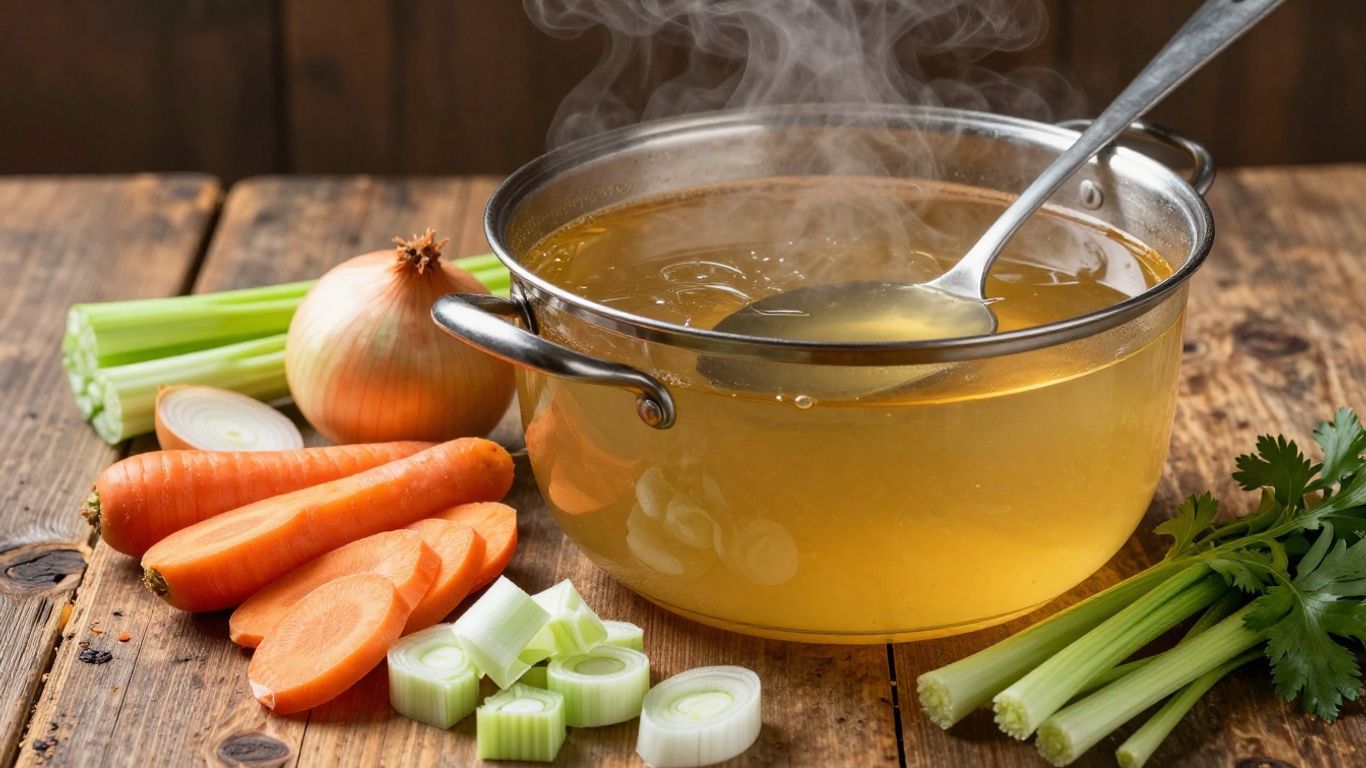
Steaming broth with fresh aromatic vegetables and a ladle.

The Role Of Liquids In Stews

Liquids are the unsung heroes of any good stew. They’re not just there to make things soupy; they’re active participants in building flavor and creating that comforting, cohesive texture we all love. Think of the liquid as the medium through which all the other ingredients communicate. It carries the essence of the browned meats, the softened vegetables, and the toasted spices, mingling them together into a harmonious whole. Without enough liquid, your stew risks becoming dry and disjointed. Too much, and it can turn into a watery disappointment.

Concentrating Flavor Through Reduction

This is where the magic really happens. As your stew simmers, the liquid slowly evaporates, leaving behind a more concentrated essence of all the flavors you’ve worked so hard to build. This process, known as reduction, is key to developing that deep, rich taste that defines a great stew. It’s a patient game, allowing the water to escape while the savory goodness remains. You’re essentially intensifying the flavor profile with every bubble that rises and dissipates.

Choosing The Right Liquid Base

The liquid you choose sets the stage for your stew’s final character. Water is a neutral starting point, but it doesn’t add much on its own. Broths and stocks, whether homemade or store-bought, bring a foundational layer of flavor. Beef broth lends a robust depth, chicken broth offers a lighter touch, and vegetable broth provides an earthy base. For a richer stew, consider using wine (red or white), beer, or even cider, which add complex notes and acidity. Dairy, like milk or cream, can be used for creamy stews, but be mindful of how they interact with other ingredients and heat levels.

Here’s a quick look at common liquid choices:

Liquid Type Flavor Profile
Water Neutral, allows other ingredients to shine
Broth/Stock Savory, adds depth (beef, chicken, vegetable)
Wine/Beer/Cider Complex, adds acidity and unique notes
Milk/Cream Rich, creamy, best for specific stew types
Tomato Products Tangy, acidic, forms a hearty base

The right liquid doesn’t just add moisture; it actively contributes to the stew’s overall taste and mouthfeel. It’s the silent partner that helps meld everything together.

Enhancing The Experience: Seasonings

The Art Of Layered Seasoning

Think of seasoning not as a single event, but as a conversation with your stew. It’s about building flavor in stages, much like an artist layers paint. You start with the basics, then add complexity as the dish progresses. This approach prevents the stew from tasting flat or one-dimensional. It’s about coaxing out the best from each ingredient.

Balancing The Five Taste Elements

Great food hits multiple taste notes. We’re talking sweet, sour, salty, bitter, and umami. A stew that only hits one or two notes can feel a bit boring. The goal is to get a harmonious blend. For instance, a touch of sweetness can balance the bitterness of some greens, while a splash of acid can cut through richness. It’s a delicate dance, and tasting as you go is key.

Here’s a quick look at the five tastes and what they bring:

Taste What it does
Sweet Adds pleasantness, balances other tastes
Sour Brightens flavors, cuts richness
Salty Enhances all other flavors
Bitter Adds complexity, can balance sweetness
Umami Provides depth and savory satisfaction

Strategic Seasoning Stages

When should you add salt? Or spices? It matters. Adding salt early helps flavors meld. Adding spices at different points can bring out different notes. For example, toasting whole spices before adding them deepens their aroma. Fresh herbs, on the other hand, are usually best added at the very end to keep their bright flavor.

Here’s a general guide:

  1. Early Stages: Initial salt, hardy herbs (like rosemary or thyme sprigs), and spices that need time to bloom.
  2. Mid-Cooking: More salt if needed, perhaps some dried chilies or other spices that benefit from simmering.
  3. Late Stages: Acids (like vinegar or lemon juice), finishing spices, and delicate fresh herbs.

Don’t just season at the end. Think of seasoning as a continuous process. Taste often, and adjust as needed. A little bit of salt here, a squeeze of lemon there – these small adjustments make a big difference.

Adding Depth And Richness

The Maillard Reaction For Deeper Flavors

Ever notice how some stews just taste more than others? A lot of that comes down to browning. When you cook meats and vegetables past the point of just softening them, you’re triggering a chemical reaction called the Maillard reaction. It’s not just about color, though that nice brown crust is a good sign. This reaction creates hundreds of new flavor compounds, giving your stew a complex, savory depth that you just can’t get from boiling alone. Think of it as building a flavor foundation that goes way beyond the basic ingredients. It’s what separates a bland pot of stuff from something truly satisfying.

Umami: The Fifth Taste

We all know sweet, sour, salty, and bitter. But there’s a fifth taste, umami, that’s a real game-changer for stews. It’s that savory, mouth-filling sensation you get from things like aged cheese, mushrooms, tomatoes, and cured meats. Adding ingredients rich in umami can make your stew taste richer and more complete, even if you haven’t added extra fat. It’s like a flavor amplifier, making everything else taste better and more satisfying. Don’t underestimate its power to make a dish feel more

Brightening And Balancing Flavors

Sometimes, a stew can feel a little heavy or one-note. That’s where brightening and balancing come in. It’s all about adding elements that wake up the palate and make all the other flavors pop. Think of it like adding a splash of color to a painting; it just makes everything else look better.

The Power Of Acidity

Acidity is your best friend when a stew feels like it’s missing something, especially if it tastes a bit dull or flat. It cuts through richness and makes the other tastes, like salt and sweetness, seem more vibrant. Without enough acid, food can just taste… well, boring.

Using Citrus And Vinegars

There are a bunch of ways to introduce acidity. Lemon juice is a classic for a reason – it’s bright and fresh. Lime juice works wonders too, especially in dishes with a bit of spice. Vinegars are also super versatile. Red wine vinegar adds a robust tang, while apple cider vinegar brings a fruitier note. Even a splash of white wine added during cooking can contribute a subtle acidity that lifts the whole dish. The key is to add these towards the end of cooking, or even right before serving, so their bright flavors don’t cook away.

Fresh Herbs For Liveliness

Beyond acidity, fresh herbs are fantastic for adding a burst of freshness. Think about what you’re cooking. Parsley is a go-to for a clean, green finish. Cilantro can add a zesty, almost citrusy note, particularly good with spicier stews. Dill brings a unique, slightly anise-like flavor that pairs well with fish or vegetable stews. Even a simple sprinkle of chives can add a mild oniony brightness. It’s amazing how a handful of chopped herbs can completely change the feel of a stew, making it seem lighter and more inviting.

Here’s a quick guide to common brighteners:

Brightener Best For
Lemon Juice Most stews, poultry, fish, vegetable dishes
Lime Juice Spicy stews, Mexican-inspired, seafood
Red Wine Vinegar Beef stews, hearty vegetable stews
Apple Cider Vinegar Pork stews, autumnal flavors, root vegetables
Fresh Parsley Almost anything needing a fresh finish
Fresh Cilantro Spicy, Latin American, or Asian-inspired
Fresh Dill Fish stews, creamy vegetable stews

Don’t be afraid to taste as you go. Sometimes a stew just needs a little something extra to make it sing. A small addition of acid or a scattering of fresh herbs can be the difference between a good stew and a truly memorable one. It’s about finding that perfect balance where all the flavors work together harmoniously.

The Final Flourish: Finishers

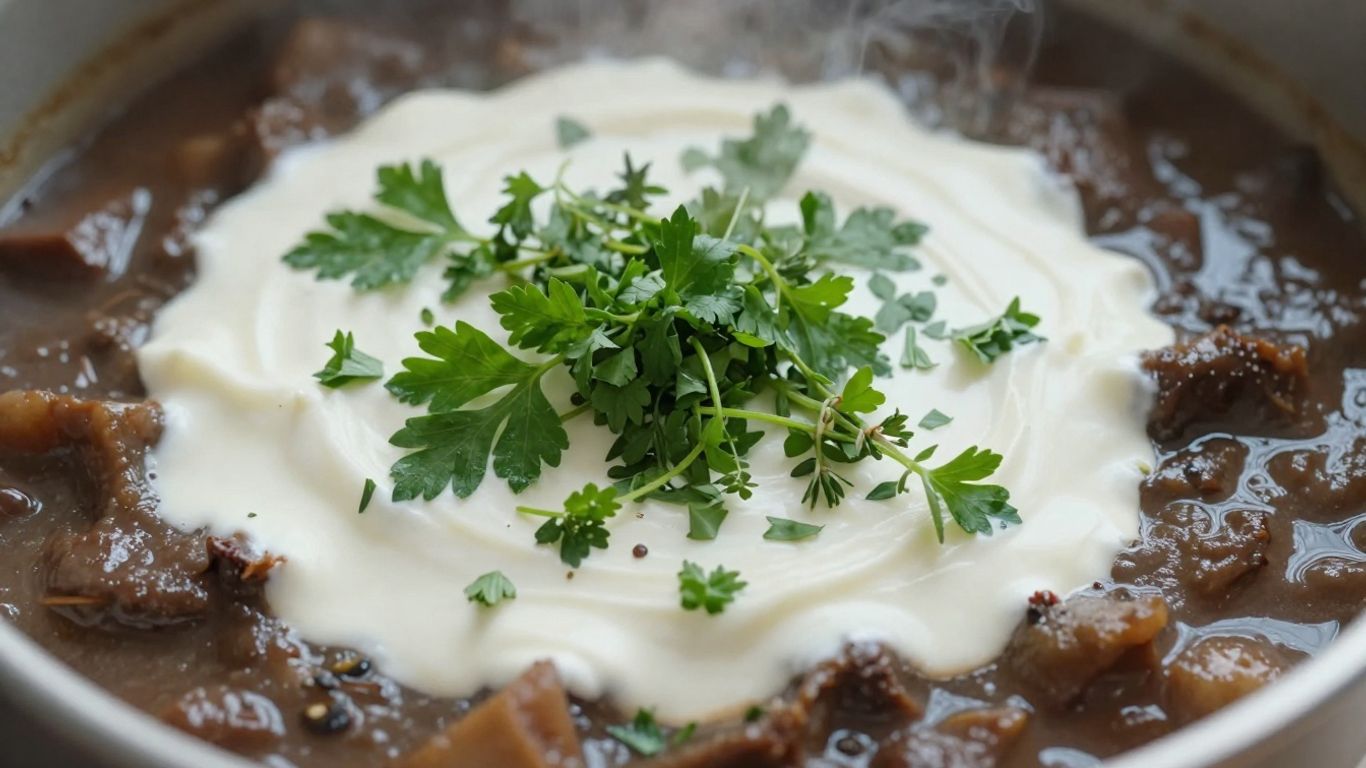
Steaming pot of stew with fresh herbs and cream.

Elevating the Dish with Garnishes

Think of finishers as the exclamation point on your stew. They’re the last-minute additions that bring everything together, adding a pop of color, a burst of freshness, or a satisfying crunch. It’s not just about looks, though that’s part of it; these elements play a role in the overall taste and texture. A simple sprinkle of fresh parsley can brighten a rich, heavy stew, while a dollop of sour cream or yogurt can add a creamy counterpoint. Don’t underestimate the power of a good garnish!

Adding Texture Through Finishers

Texture is a big deal in any dish, and stews are no exception. While the main components might be tender and soft, finishers can introduce delightful contrasts. Consider toasted nuts or seeds for a nutty crunch, crispy fried onions for a savory bite, or even some croutons for a bit of chew. These textural elements keep each spoonful interesting and prevent the stew from becoming monotonous. It’s about creating a more engaging eating experience.

The Visual Appeal of Finishing Touches

We eat with our eyes first, right? The final touches you add can transform a humble pot of stew into something truly inviting. A swirl of vibrant green herb oil, a scattering of colorful microgreens, or a dusting of paprika can make a world of difference. It shows you’ve put thought into the dish, making it more appealing and special. Even something as simple as a drizzle of good quality olive oil can add a sheen that makes the stew look irresistible.

Here are some ideas for finishers:

  • Fresh Herbs: Parsley, cilantro, chives, dill, basil
  • Dairy/Creamy: Sour cream, crème fraîche, yogurt, cheese (grated or crumbled)
  • Crunchy Elements: Toasted nuts (almonds, walnuts), seeds (pumpkin, sunflower), croutons, crispy fried shallots or onions
  • Acids: A squeeze of lemon or lime, a splash of good vinegar
  • Oils: A drizzle of chili oil, herb oil, or a high-quality finishing olive oil
  • Spices: A final dusting of paprika, sumac, or freshly ground black pepper

The goal of a finisher is to add a final layer of complexity and appeal without overwhelming the core flavors of the stew. It’s the subtle nudge that makes people say, "Wow, this is delicious!"

Understanding Ingredient Function

Structure Providers and Moisture Contributors

Think about what makes a stew a stew. It’s not just a random mix of stuff thrown into a pot. Ingredients play specific roles, and understanding these roles is key to making a great stew, not just a decent one. Some ingredients are there to give the stew its body, its substance. These are your structure providers. Things like potatoes, root vegetables, or even grains like barley or farro add bulk and a satisfying chew. They absorb liquid and help thicken the stew as they cook. Then you have the moisture contributors. This is where your liquids come in – broths, stocks, wine, even water. They don’t just add flavor; they’re what allows everything else to cook and meld together. Without enough liquid, you’ll end up with a dry, sad mess. Too much, and it’s just soup. Getting this balance right is pretty important.

Fat Carriers and Acid Elements

Fat is a flavor carrier, plain and simple. When you brown your meat or sauté your aromatics in oil or butter, that fat is picking up all those delicious browned bits and distributing them throughout the stew. It also adds richness and a smooth mouthfeel. Think about rendering the fat from bacon or pancetta at the start of a stew – that fat becomes the base for cooking your onions and garlic, infusing them with smoky, savory goodness. On the other hand, you have acid. Acid is like a spotlight for flavors. It cuts through richness, brightens up dull notes, and makes everything taste more vibrant. A splash of vinegar, a squeeze of lemon juice, or even a bit of wine added during cooking can totally transform a stew from heavy and flat to lively and interesting. It’s that little zing that makes you want another bite.

Flavor Bases and Sweeteners

Every good stew starts with a solid flavor base. This is usually your aromatics – onions, garlic, celery, carrots, leeks, shallots. They’re cooked gently, often in fat, to release their sugars and build a foundation of savory depth. This step is non-negotiable for a truly flavorful stew. Beyond the savory, sweetness plays a role too. This doesn’t mean making your stew taste like dessert, but a touch of sweetness can balance out other strong flavors, especially saltiness and acidity. Think about the natural sweetness of caramelized onions, carrots, or parsnips. Sometimes, a little honey, maple syrup, or even a pinch of sugar can round out the edges and make the overall flavor profile more pleasing. It’s about harmony, not overt sweetness.

Mastering The Stew Building Blocks

Cooking without a recipe can feel daunting, but it’s really about understanding the basic parts that make up a dish. Think of it like building with LEGOs – you have different types of bricks, and you can combine them in countless ways to create something new. When you get a handle on these "building blocks," you can adapt any recipe, fix mistakes on the fly, and even invent your own dishes. It’s about moving from just following instructions to truly understanding how things work.

Component-Based Cooking Framework

Most savory dishes, especially stews, can be broken down into a few key components. Knowing these helps you see how ingredients play together and what role each one serves. You don’t always need every single piece, but understanding them gives you options.

  • Base/Foundation: This is what gives your stew substance. Think potatoes, grains like barley or farro, or even hearty vegetables like squash. They provide bulk and soak up all those delicious flavors.
  • Protein: Whether it’s beef, lamb, chicken, beans, or lentils, protein adds richness and makes the stew satisfying. How you prepare it, like browning it first, makes a big difference.
  • Vegetables/Fruits: These add color, texture, nutrients, and their own unique flavors. Some cook down soft, while others stay a bit firmer.
  • Liquid: This is the body of your stew. Broth, stock, wine, water, or even milk all contribute moisture and flavor, and how much you use affects the final consistency.
  • Aromatics: Onions, garlic, celery, carrots – these are the flavor starters. They build the foundation of taste before you even add the main ingredients.
  • Seasonings: Salt, pepper, herbs, and spices are what bring everything to life. They balance and highlight the other components.
  • Garnishes/Finishers: The final touch! Fresh herbs, a swirl of cream, or a sprinkle of cheese can add a pop of freshness, texture, or visual appeal.

Intuitive Cooking Through Building Blocks

Once you see a stew as a collection of these building blocks, cooking becomes more intuitive. You start thinking about what you have and what you want the final dish to be, rather than just what a recipe says. For example, if you have tough cuts of meat, you know they need slow, moist cooking – a stew is perfect. If you have delicate vegetables, you’ll add them later so they don’t turn to mush. It’s about making smart choices based on the ingredients and the desired outcome.

The real magic happens when you start to understand the function of each component. Why are we browning the meat? To build flavor. Why add aromatics early? To infuse the base. Why add acid at the end? To brighten everything up. This knowledge lets you troubleshoot and improvise.

Adapting To Available Ingredients

This component approach is your best friend when you’re working with what’s in your pantry or fridge. Don’t have carrots? Celery or parsnips can often fill a similar role in the aromatic base. Out of beef broth? Water and a bouillon cube, or even a splash of red wine, can work. The key is to understand the purpose of the ingredient you’re missing and find a substitute that serves a similar function. This flexibility is what turns a cook into a confident kitchen improviser.

Techniques For Flavor Development

Toasting Spices For Enhanced Aroma

Ever notice how some spices just seem to bloom with flavor when they hit a hot pan? That’s not magic, it’s science! Toasting whole or ground spices before adding them to your stew is a simple step that makes a huge difference. It wakes up their essential oils, making their aromas more intense and their flavors deeper. Think of it like gently warming up before a workout – the spices become more active and ready to contribute their best. You don’t need much heat or time; just a minute or two in a dry, hot pan until they become fragrant is usually enough. Be careful though, they can go from perfectly toasted to burnt pretty quickly, so keep an eye on them and stir often.

Proper Heat Levels For Ingredients

Getting the heat right for different ingredients is key to building flavor without burning anything. It’s all about understanding what each component needs. For instance, those foundational aromatics like onions and garlic? They do best with gentle, steady heat. You want them to soften and sweeten, not turn bitter and black. This might mean cooking them over medium-low heat for a good while, letting them release their sugars. Then, when you add tougher ingredients like root vegetables or tougher cuts of meat, you might turn the heat up a bit to get a nice sear, which adds another layer of flavor through browning. It’s a bit of a dance, adjusting the heat as you go to coax out the best from each ingredient.

Recognizing Doneness Cues

Knowing when things are just right is a skill that comes with practice, and it’s super important for stew building. It’s not just about following a timer; it’s about using your senses. For vegetables, you’re looking for tenderness that still has a little bit of bite, not mush. For meats, you want them to be fork-tender, easily pulling apart, but not so cooked that they’ve disintegrated into nothingness. Sometimes, the liquid itself gives clues – it might thicken slightly as flavors meld. Tasting is, of course, the ultimate test. Does it taste balanced? Is the texture pleasing? Paying attention to these cues helps you stop cooking at the perfect moment, locking in all that developed flavor.

Cooking is a lot like building. You start with a solid base, add layers carefully, and pay attention to how everything fits together. Each technique, from toasting spices to managing heat, is like laying another brick or adding a beam. It’s about intentionality at every step, creating something delicious and satisfying from simple parts.

The Art Of Tasting And Adjustment

Systematic Tasting Approach

Cooking is a conversation, and tasting is how you listen. It’s not just about a final check before serving; it’s a continuous dialogue with your food. Start by tasting your ingredients before they even hit the pot. Understand their raw flavor, their texture, their inherent sweetness or bitterness. This gives you a baseline. Then, taste early on, after you’ve added your initial aromatics and perhaps some liquid. What’s the flavor like now? Is it flat? Is it promising? As the stew simmers, taste again. Are the flavors melding? Is something getting lost? This mid-cooking check is where you can really steer the ship. Don’t be afraid to taste often, but taste thoughtfully. Consider what each component brings to the table.

The Adjustment Toolkit

So, you’ve tasted, and something’s not quite right. That’s where the adjustment toolkit comes in. Think of it like a chef’s palette. If your stew tastes dull, it probably needs more salt, or maybe a hit of acid like lemon juice or vinegar to wake things up. Sometimes, a little umami from soy sauce or a dash of fish sauce can add that missing depth. If it feels too heavy or rich, acid is your friend again, or perhaps some fresh herbs for brightness. If it’s one-dimensional, consider adding a contrasting flavor – a touch of sweetness to balance spice, or a pinch of a different herb. Fat can smooth out harsh edges, and sweetness can temper bitterness. It’s all about balance.

Tasting Throughout The Cooking Process

When should you taste? Pretty much always. Before you start, taste your raw ingredients. After you sauté your onions and garlic, taste. After you add your liquid and main ingredients, taste. Before you put the lid on for a long simmer, taste. And definitely taste again when you think it’s almost done. Even after the stew has rested for a bit off the heat, flavors can change. A final taste right before serving is your last chance to make small, impactful tweaks. It’s this constant checking in that separates a good stew from a truly memorable one. It’s about building confidence in your palate and learning to trust your instincts.

The goal isn’t to follow a recipe blindly, but to understand how flavors interact and develop. Each taste is a clue, guiding you toward a more delicious outcome. Don’t be afraid to experiment; that’s how you learn what works.

Learning to taste and make changes is a key part of getting to your ideal weight. It’s not about strict rules, but about understanding what works for you. Ready to discover how to make lasting changes? Visit our website to learn more and start your journey today!

Putting It All Together

So, we’ve looked at how building blocks like aromatics, liquids, and finishers can really change a dish. It’s not just about following a recipe step-by-step, but understanding why certain things work together. Think of it like having a toolbox – you’ve got your base ingredients, your flavor builders, and those final touches that make everything pop. Whether you’re starting from scratch or just trying to make a weeknight meal more interesting, remembering these components can help you cook with more confidence. Don’t be afraid to experiment a little. Taste as you go, adjust what you think is needed, and you’ll find yourself creating delicious food without always needing a guide. Happy cooking!

Frequently Asked Questions

What are ‘aromatics’ and why are they important in stews?

Aromatics are basically the flavor starters for your stew! Think things like onions, garlic, and celery. When you cook them gently at the beginning, they release amazing smells and tastes that build the whole foundation of flavor for your dish. It’s like laying the groundwork for a delicious meal.

How do liquids help build a stew?

Liquids are super important because they bring everything together. They help cook the ingredients, create the sauce, and carry all those yummy flavors throughout the stew. Sometimes, you’ll even cook the liquid down to make the flavor even stronger and more concentrated.

What’s the deal with ‘seasoning’ in cooking?

Seasoning is all about making your food taste its best! It means adding things like salt, pepper, herbs, and spices at different times. It’s not just about making it salty; it’s about balancing all the tastes – sweet, sour, salty, bitter, and umami – so everything tastes just right.

Can you explain ‘Maillard reaction’ in simple terms?

The Maillard reaction is that magical browning process that happens when you cook meats and vegetables. It’s what gives them that deep, rich flavor and lovely brown color. Think about searing a steak or roasting potatoes – that deliciousness comes from the Maillard reaction!

Why is acidity important in a stew?

Adding something acidic, like a splash of lemon juice or vinegar, can really wake up a stew! It cuts through richness and makes all the other flavors pop. It’s like adding a little spark to make the whole dish more exciting and balanced.

What are ‘finishers’ and how do they change a stew?

Finishers are the last little touches you add right before serving. This could be fresh herbs, a sprinkle of cheese, or even a drizzle of oil. They add a final burst of flavor, a nice texture, and make your stew look extra appealing.

How can I tell if my stew is seasoned correctly?

The best way is to taste it! You should taste your stew at different points while it’s cooking. Ask yourself if it tastes flat (needs salt or acid), too rich (needs acid or freshness), or maybe a little boring (could use more herbs or spices). Tasting and adjusting is key!

What if I don’t have a specific ingredient for a stew?

Don’t worry! Cooking is flexible. Think about what the ingredient does – is it for flavor, texture, or moisture? Then, find something similar you do have that can do the same job. For example, you can often swap one type of onion for another, or use a different herb that has a similar flavor profile.