
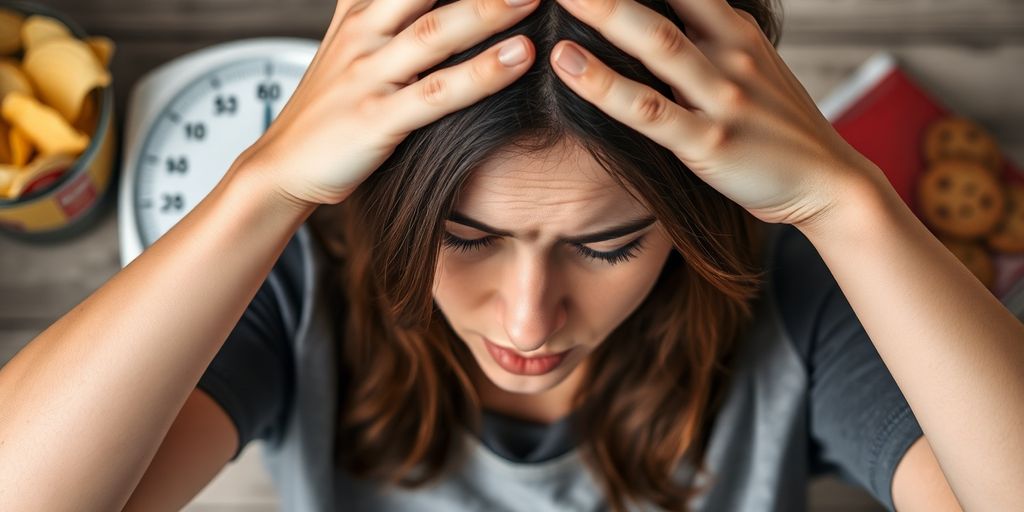
Ongoing stress can contribute to weight gain in two main ways: the stress hormone cortisol tends to increase appetite, and stress changes behaviour, pushing people toward comfort foods, shorter sleep and less activity. You can’t remove every source of stress, but you can reduce its effect on your eating and weight with a few practical habits: planning for stress-eating moments, moving daily, protecting sleep and building non-food ways to unwind.

How stress affects appetite and weight
Cortisol and hunger
In the short term, stress often blunts appetite as the body gears up for “fight or flight.” When stress drags on, things change. Harvard Health explains that the adrenal glands release cortisol, which increases appetite and may ramp up the motivation to eat. If the stress doesn’t let up, cortisol can stay elevated.
The pull toward comfort foods
The same Harvard Health article notes that physical or emotional distress tends to increase intake of foods high in fat, sugar or both, and that these foods seem to dampen stress-related responses, which helps explain why they feel comforting. Over time, reaching for them can become an automatic habit whenever you feel tense.
Behaviour changes
Stress also changes daily routines in ways that add up:
- Skipping meals, then overeating later
- Grabbing takeout or convenience food instead of cooking
- Staying up late and sleeping poorly
- Dropping exercise because there’s “no time”
- Snacking while working or worrying
The US National Institute of Mental Health notes that long-term stress can affect sleep and the immune, digestive and cardiovascular systems, and may raise the risk of anxiety and depression, which can further affect eating and activity.

Spot your stress-eating pattern
For one or two weeks, jot down each time you eat when you aren’t physically hungry:
- Time of day and place
- What happened just before
- How you felt (tense, overwhelmed, bored, tired)
- What you ate and how you felt afterward
Most people find a few clear patterns, like late afternoons at work, after the kids are in bed, or after a difficult conversation. Once you know your hotspots, you can plan for them instead of relying on willpower.
Practical strategies that help
1. Change what’s within easy reach
- Keep cookies, chips and candy out of sight or out of the house
- Stock satisfying alternatives: fruit, yogurt, nuts, popcorn, vegetables with hummus
- Portion snacks into a bowl instead of eating from the package
2. Use a two-minute pause
When a stress craving hits, try one of these before deciding whether to eat:
- Five slow breaths, breathing out longer than you breathe in
- A glass of water or a mug of herbal tea such as peppermint or chamomile
- A quick walk around the block or up and down the stairs
- Writing down what’s bothering you
If you still want the food afterward, eat it sitting down and slowly. The aim is to choose, not to forbid.
3. Move every day
The NHS points out that exercise won’t make your stress disappear, but it can reduce some of the emotional intensity and help you deal with problems more calmly. Brisk walking, cycling, dancing, swimming and yoga all count. Even 10 minutes helps on a hectic day.

4. Eat regular meals
Skipping meals during busy, stressful days often leads to intense hunger later. Plan simple meals with protein, vegetables and whole grains, and keep a few emergency options ready, such as frozen vegetables, canned beans, eggs, whole grain wraps or a batch of soup in the freezer. For more on emotional triggers, see our article on emotional eating.
5. Protect your sleep
Stress and poor sleep feed each other, and short sleep makes cravings harder to resist. The CDC recommends that adults aged 18 to 60 get 7 or more hours of sleep a night. A regular bedtime, a cool dark room and putting screens away 30 minutes before bed are good starting points. Skipping alcohol helps too, since it disrupts sleep quality. Read more in sleep and weight loss.
6. Connect with people
The NHS lists connecting with people among its key stress busters: a good support network can ease worries and help you see things differently. Schedule a walk with a friend, call a family member, or join a class or group where you’ll see the same faces each week.
7. Make time for things you enjoy
The NHS also recommends setting aside some regular “me time” for socialising, relaxation or exercise. Put it in your calendar the way you would an appointment: a hobby, a hot bath, a favourite show with family, time outdoors or a creative project. When enjoyable activities are scheduled, food is less likely to become your only reward at the end of a long day.
8. Take control of what you can
Feeling powerless makes stress worse. List what’s stressing you and sort it into two columns: things you can influence and things you can’t. Pick one small action from the first column this week, such as asking for help with a task, setting a boundary on work email after dinner, or planning meals on Sunday.
A simple daily stress-and-weight routine
| Time | Habit |
|---|---|
| Morning | Breakfast with protein; 2 minutes of slow breathing |
| Midday | Lunch away from your desk; 10-minute walk |
| Afternoon | Planned snack (fruit and yogurt, or vegetables and hummus); glass of water |
| Evening | Regular dinner; something you enjoy that isn’t food |
| Bedtime | Screens off 30 minutes before bed; herbal tea or reading |

When to check with a professional
See your doctor if stress is affecting your sleep, appetite or ability to function for more than a few weeks, or if you have unexplained weight gain, especially with symptoms such as fatigue, a rounder face, thinning skin or high blood pressure, which can occasionally point to a hormonal condition. A counsellor or psychologist can help with chronic stress, anxiety or low mood, and a registered dietitian can help with eating patterns. If you regularly feel out of control with food or are bingeing, talk to a healthcare provider and see NEDIC. If you are in crisis or thinking about harming yourself, call or text 9-8-8 (Canada’s Suicide Crisis Helpline) or go to the nearest emergency department.
Key takeaways
- Ongoing stress raises cortisol, which can increase appetite and cravings for comfort foods.
- Track when you eat without hunger to find your stress hotspots.
- Keep satisfying snacks handy and use a two-minute pause before eating.
- Move daily, eat regular meals and aim for 7 or more hours of sleep.
- Lean on people, and focus on what you can control.
Frequently asked questions
Can stress make you gain weight even if you eat the same?
Stress usually affects weight through changes in appetite, eating, sleep and activity, which can be hard to notice day to day. If you’re gaining weight and can’t see a change in your habits, it’s worth checking with your doctor.
Is it possible to lose weight while stressed?
Yes, though it may be slower. Focus first on regular meals, sleep and daily movement; these help with both stress and weight.