Love My Weight

Task Batching for Meals and Training

Ever feel like you’re constantly switching gears, never really getting into a groove? That’s where task batching comes in. It’s a simple idea: group similar jobs together and do them all at once. Think about cooking dinner; you chop all the veggies at once, right? You don’t chop one piece, then put the knife down, then pick it up again. Task batching applies that same logic to pretty much everything you do, from answering emails to planning meals and even hitting the gym. It’s about working smarter, not harder, and getting more done without feeling so scattered.

Key Takeaways

  • Task batching means grouping similar tasks and doing them in dedicated time blocks to boost efficiency and reduce mental switching costs.
  • By reducing the need to shift focus between different types of work, task batching helps minimize distractions and allows for deeper concentration.
  • Grouping similar activities, like meal prep or administrative work, creates momentum and makes the overall process feel smoother and faster.
  • Applying task batching to meal preparation can involve planning all meals for the week at once and preparing multiple dishes or components in a single session.
  • Fitness routines can benefit from task batching, such as dedicating specific days to strength training or grouping similar workout exercises together.

Understanding The Power Of Task Batching

Person meal prepping and working out efficiently.

Have you ever felt like your day is a whirlwind of switching between different kinds of tasks, never quite getting into a good rhythm? That’s where task batching comes in. It’s a simple idea: group similar tasks together and do them all at once. Think about making a big meal; you chop all the vegetables at once, right? You don’t chop one carrot, then go do something else, then come back to chop another. Task batching applies that same logic to your work and life.

Reducing Cognitive Load For Enhanced Focus

Every time you switch from one type of task to another, your brain needs a moment to adjust. It’s like changing gears in a car; it takes a little effort. When you’re constantly jumping from answering emails to making phone calls, then to working on a report, your brain is doing a lot of this gear-shifting. This constant switching drains your mental energy and makes it harder to concentrate deeply on any one thing. By grouping similar tasks, you minimize these mental transitions, allowing your brain to stay in a focused state for longer. This means you can get more done, and often, do it better.

Diminishing Distractions For Deeper Work

Distractions are everywhere, aren’t they? Notifications ping, people stop by your desk, or you remember something else you need to do. When your tasks are scattered throughout the day, these distractions can easily pull you off course. If you’re trying to write a report, but you keep stopping to check emails or take quick calls, your progress will be slow and interrupted. Batching helps create dedicated blocks of time where you can put away the distractions. For example, you might set aside an hour just for responding to emails. During that hour, you’re not thinking about anything else. This focused approach allows for deeper work, where you can really get into the zone and make significant progress.

Building Momentum Through Repetitive Action

There’s a certain power in repetition. When you do the same type of task multiple times in a row, you start to build momentum. You get faster, more efficient, and you develop a rhythm. Imagine you have a list of errands to run. If you group them by location, you can knock them all out in one trip, rather than driving back and forth across town multiple times. This principle applies to many tasks. Whether it’s making phone calls, processing invoices, or even doing household chores, batching allows you to build up speed and efficiency. You’re not constantly re-learning or re-orienting yourself; you’re just moving forward.

Task batching isn’t about doing more things; it’s about doing things more effectively by working with your brain’s natural tendencies, not against them. It’s about creating pockets of focused energy that lead to greater accomplishment and less mental drain.

Integrating Task Batching Into Your Daily Routine

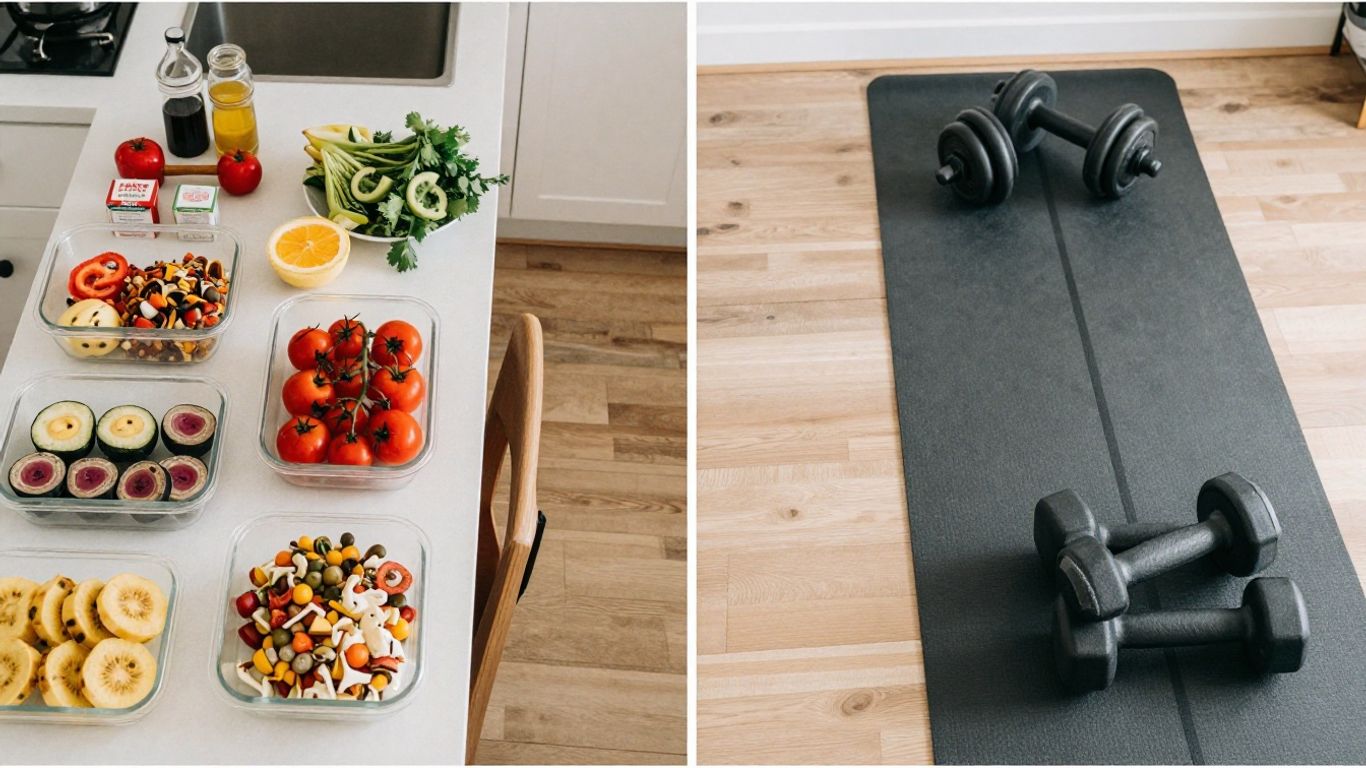
Meal prep and workout gear arranged neatly.

Categorizing Your Tasks For Clarity

Before you can start grouping tasks, you need to know what you’re dealing with. Take a good look at your to-do list and start sorting. Think about what kinds of activities you do regularly. Are there a lot of phone calls you need to make? Do you have several errands that require you to leave the house? Maybe you have a bunch of emails to answer or reports to write. The key is to identify patterns and group similar actions together. This initial sorting helps you see where you can save time by doing things in one go.

Here are some common categories to get you started:

  • Communications: Emails, phone calls, text messages.
  • Errands: Grocery shopping, post office visits, picking up dry cleaning.
  • Admin Work: Paying bills, scheduling appointments, filing paperwork.
  • Creative Work: Writing, brainstorming, designing.
  • Household Chores: Laundry, cleaning, meal prep.

Dedicating Uninterrupted Time Blocks

Once you’ve sorted your tasks, the next step is to set aside specific times to tackle each batch. This means looking at your schedule and finding chunks of time where you can focus without interruption. It’s not about squeezing in a quick task here and there; it’s about creating dedicated periods for focused work. For example, you might decide that every Tuesday morning from 9 AM to 11 AM is your ’email and communication’ block. During this time, you’ll answer all your emails, return phone calls, and respond to messages. Protect these time blocks fiercely; they are your productivity sanctuary.

When you commit to a specific time for a batch of tasks, you’re telling your brain exactly what to expect. This reduces the mental effort of deciding what to do next and minimizes the temptation to switch to something else. It’s like setting a clear destination before you start a journey.

Choosing The Right Environment For Productivity

Where you choose to do your batched tasks can make a big difference. Some tasks might be best done at your desk, while others might be more suited to a different location. For instance, if you’re batching phone calls, a quiet space where you won’t be overheard is ideal. If you’re batching errands, planning a route that makes sense geographically will save you time and gas. Think about what you need for the specific batch of tasks you’re working on. Do you need internet access? A quiet atmosphere? Specific tools or materials? Setting up your environment before you start can prevent delays and keep you in the zone.

Applying Task Batching To Meal Preparation

Streamlining Weekly Meal Planning

Think about your week. How much time do you spend each day figuring out what to eat, then actually making it? It adds up, right? Meal planning and prep can feel like a constant chore. But what if you could tackle it all at once, turning a daily grind into a weekly win? That’s where batching comes in. By dedicating a specific block of time to plan and prepare your meals, you free up mental space and time throughout the week. It’s about being proactive instead of reactive.

Efficiently Preparing Multiple Meals At Once

This is where the real magic happens. Instead of cooking one meal at a time, you prepare several. Imagine chopping all your vegetables for the week on Sunday, or cooking a big batch of grains and proteins to use in different dishes. This approach cuts down on repeated effort. You’re not washing the same cutting board multiple times, or heating up the oven for just one small dish. It’s about doing similar tasks together to save energy and time.

Here’s a simple way to think about it:

  • Prep Day: Dedicate a few hours, maybe on a weekend, to do the bulk of your food preparation.
  • Component Cooking: Cook large batches of staples like rice, quinoa, chicken breasts, or roasted vegetables.
  • Assembly Line: Portion meals into containers for grab-and-go lunches or dinners.

The ‘Mise en Place’ For Culinary Success

‘Mise en place’ is a French culinary term that means ‘everything in its place.’ It’s about having all your ingredients prepped and ready before you start cooking. When you batch your meals, your ‘mise en place’ extends beyond a single recipe to your entire week’s worth of food. This means having your ingredients washed, chopped, and organized. It makes the actual cooking process during the week much faster and less stressful. You’re not scrambling to find that one spice or chop that last onion when you’re already hungry.

Batching your meals isn’t just about saving time; it’s about reducing decision fatigue. When your meals are prepped, you’re less likely to opt for less healthy convenience foods because the healthy option is already ready to go. It supports your health goals without adding extra daily effort.

Task Category Time Saved (Estimated Weekly) Cognitive Load Reduction
Daily Meal Planning 30-60 minutes High
Individual Meal Prep 15-30 minutes per meal Medium
Weekly Batch Prep 2-4 hours (one session) Very High

Optimizing Fitness Through Task Batching

When it comes to fitness, the idea of batching might seem a little different than, say, prepping meals or answering emails. But honestly, it can make a huge difference in sticking to your workout routine. Think about it: how many times have you planned to go to the gym, only to get sidetracked by a million other little things? Batching your fitness tasks can help cut through that.

Batching Strength Training Sessions

Instead of spreading your strength training days thin throughout the week, consider dedicating specific blocks of time to focus solely on lifting. This means doing all your upper body work on one day, lower body on another, and perhaps a full-body session on a third. This approach allows you to really get into the zone, minimizing the mental energy spent deciding what to do each day. You can prepare your gym bag, plan your post-workout meal, and even lay out your workout clothes the night before, all in one go. This preparation is key to reducing friction when it’s time to actually exercise.

Adapting Batched Workouts To Life’s Seasons

Life isn’t static, and your fitness batching shouldn’t be either. During busy periods, like holidays or intense work projects, you might need to adjust. Maybe instead of three separate strength sessions, you do two longer, more intense ones. Or perhaps you batch your cardio into one or two longer sessions rather than short bursts throughout the week. The goal is to find a rhythm that works for your current circumstances without completely abandoning your fitness goals. It’s about being flexible, not giving up.

Revisiting Healthy Habits When Enthusiasm Wanes

Let’s be real, motivation isn’t always high. There will be days when the couch looks way more appealing than the treadmill. This is where batched planning for your healthy habits really shines. If you’ve already prepped your meals for the week, or have your workout schedule clearly laid out and ready to go, it takes a lot less willpower to just do it. You’ve already done the hard part of deciding and preparing. Think of it as setting yourself up for success, so when your enthusiasm dips, your habits can carry you through.

Leveraging Your Planner For Effective Batching

The Planner As A Productivity Powerhouse

Think of your planner not just as a place to jot down appointments, but as your personal command center for getting things done. When you start grouping similar tasks together – like answering emails, making calls, or even prepping ingredients for meals – and assigning them specific times in your planner, you’re essentially telling your brain, "Okay, for the next hour, we’re only doing this kind of thing." This focused approach cuts down on the mental gymnastics of switching gears constantly. It means less time spent trying to remember where you left off and more time actually doing the work. Your planner becomes the map that guides you through a day of focused action, not just a list of things to worry about.

Transforming Weekly Planning Into An Art Form

Instead of looking at your week as a jumble of unrelated to-dos, try seeing it as a series of opportunities for batching. You can start by simply listing out all the tasks you need to do. Then, look for patterns. Do you have a lot of phone calls to make? Group them. Need to run errands? See if you can do them all on one trip. Meal prep for the week? Dedicate a block of time on Sunday. Your planner can help you visualize this. You might use different colored pens or highlighters to mark out these batched blocks of time. It turns planning from a chore into a creative process, almost like designing your ideal week.

Here’s a simple way to start categorizing:

  • Communication: Emails, phone calls, social media messages.
  • Errands: Grocery shopping, post office runs, picking up dry cleaning.
  • Household Chores: Cleaning, laundry, organizing.
  • Meal Prep: Chopping vegetables, cooking grains, portioning meals.
  • Creative Work: Writing, designing, brainstorming.

Achieving A Sense Of Calm And Control

When you have a clear plan for how you’re going to tackle your week, especially with task batching, it really does make a difference. You know what needs to be done and when. This predictability reduces that nagging feeling of being overwhelmed. It’s like knowing exactly what ingredients you need before you start cooking – no last-minute dashes to the store. This structured approach helps minimize decision fatigue throughout the day because you’ve already made the big decisions during your planning session. You can actually relax a bit, knowing your planner has your back.

The act of intentionally scheduling blocks for specific types of tasks, rather than letting them pop up randomly, creates a sense of order. This order translates directly into a feeling of being in charge of your time and your responsibilities, rather than feeling like they are in charge of you.

Strategies For Successful Task Batching

Getting task batching to really work for you involves a bit of planning and setting yourself up for success. It’s not just about putting similar tasks together; it’s about creating an environment and a mindset where those batched tasks can be completed efficiently. Think of it like preparing for a big cooking project – you wouldn’t just start chopping vegetables randomly. You’d gather all your ingredients, tools, and clear your workspace first.

Setting Clear Finish Lines For Batched Projects

One of the most effective ways to keep your batching sessions on track is to define exactly when they’ll end. This gives you a concrete goal to work towards and prevents tasks from bleeding into other parts of your day. It’s about knowing when to stop, even if you feel like you could keep going. This helps maintain the integrity of your schedule and prevents burnout.

  • Define the scope: Before you start, know precisely what you aim to accomplish within the allotted time. For example, ‘Respond to all non-urgent emails from the past 24 hours’ is a clear finish line.
  • Set a timer: Use a timer for your batching session. When it goes off, you stop, regardless of whether you’ve finished every single item. This trains your brain to work with urgency.
  • Schedule a reward: Plan something enjoyable for after your batching session. This could be a short break, a walk outside, or a favorite snack. It gives you something to look forward to.

Preparing The Right Equipment For The Job

Just like a chef needs the right knives and pans, you need the right tools and environment for your batched tasks. This means gathering everything you might need before you start. If you’re batching errands, have your shopping list, coupons, and reusable bags ready. If you’re batching writing, have your document open, research materials handy, and notifications turned off.

  • Digital Tools: Ensure all necessary software is open, tabs are organized, and any required logins are readily available.
  • Physical Space: Clear your desk or workspace of unrelated items. Have pens, paper, chargers, or any other physical items within easy reach.
  • Information Access: Have relevant documents, websites, or contact information bookmarked or printed out.

Creating Mini-Challenges For Motivation

Sometimes, even with batching, motivation can dip. Turning your task batching into a series of mini-challenges can inject some fun and urgency. This is especially useful for tasks that might feel a bit tedious.

Batching isn’t just about efficiency; it’s about making your work feel more manageable and less overwhelming. By breaking down larger goals into smaller, focused sessions, you create a sense of accomplishment that builds over time.

For instance, if you’re batching social media posts for the week, you could challenge yourself to create and schedule all of them in under an hour. Or, when batching household chores, try to complete a specific set of tasks in a record time. These small wins can make a big difference in how you feel about your productivity.

The Psychological Benefits Of Batching

When you start grouping similar tasks and doing them all at once, something interesting happens to your brain. It’s not just about getting more done, though that’s a big part of it. Batching taps into how our minds actually work best, leading to some pretty cool mental perks.

Attaining a State of Flow

Ever get so caught up in something that hours fly by and you don’t even notice? That’s called flow. Batching makes it way easier to get into that zone. Instead of constantly switching gears, you’re staying focused on one type of activity. This consistency lets your brain settle in and really concentrate, making the work feel smoother and more natural. It’s like hitting a rhythm where everything just clicks.

Minimizing Willpower Expenditure

Think about all the little decisions you make throughout the day. Which email to answer first? Should I tackle that report now or later? Each of these choices drains a bit of your mental energy, your willpower. Batching cuts down on this decision fatigue. By setting aside specific times for specific tasks, you’re pre-deciding what needs to be done. This means less mental back-and-forth, saving your willpower for when you really need it, like for creative problem-solving or handling unexpected issues.

Reducing Daily Clutter and Mental Fatigue

Constantly jumping between different kinds of tasks creates a kind of mental clutter. Your brain has to keep track of multiple contexts, which is tiring. Batching helps clear this out. When you finish a batch of tasks, like all your calls or all your writing for the day, you get a sense of completion. This reduces that feeling of being overwhelmed and leaves you feeling less mentally drained at the end of the day. It’s like tidying up your mental workspace.

Here’s a quick look at how batching impacts your mental state:

  • Reduced Context Switching: Less time and energy spent re-orienting your brain.
  • Increased Focus: Deeper concentration leads to better quality work.
  • Sense of Accomplishment: Completing a block of similar tasks provides satisfaction.
  • Lower Stress Levels: Predictability and reduced decision-making ease anxiety.

Batching isn’t just a productivity hack; it’s a way to work with your brain, not against it. By creating dedicated blocks for similar activities, you reduce the mental friction of daily life, allowing for more sustained focus and a greater sense of calm. This approach helps conserve mental energy, making your overall day feel less chaotic and more controlled.

Discover the amazing mental upsides of batching tasks! It’s a smart way to get more done and feel less stressed. Want to learn how to make your life easier and boost your mood? Visit our website today to find out more!

Bringing It All Together

So, we’ve talked about how grouping similar tasks, whether it’s prepping meals for the week or dedicating blocks of time to your workouts, can really make a difference. It’s not about doing everything at once, but about being smart with your time and energy. By setting aside specific times for specific types of activities, you reduce the mental juggling act and can actually get more done, and often, do it better. Think of it like this: instead of running around town for one errand at a time, you map out a route to hit them all efficiently. The same logic applies to your daily life. Give task batching a try, see how it fits into your routine, and you might just find yourself with a little more breathing room and a lot more accomplishment at the end of the day.

Frequently Asked Questions

What exactly is task batching?

Task batching is like grouping similar chores together to get them done all at once. Instead of doing one small thing at a time all day, you gather similar tasks, like answering emails or running errands, and do them during a set period. Think of it like making a bunch of cookies at once instead of one by one – it’s way more efficient!

Why is task batching helpful?

It helps your brain focus better. Every time you switch from one task to another, your brain needs a moment to catch up. By doing similar tasks together, you don’t have to keep switching gears, which saves you mental energy. This means you can concentrate more and get things done faster and with fewer mistakes.

How can I start using task batching for my meals?

You can plan all your meals for the week at one time. Then, you can do the chopping, cooking, or prepping for several meals in one go. This way, when you need a quick meal during the week, it’s already mostly ready to heat up and eat, saving you time and stress each day.

Can task batching help with exercise?

Yes! You can group certain types of workouts together. For example, you might do all your strength training exercises in one or two sessions per week. Or, you could batch all your errands that require you to go out, like going to the post office and the grocery store, on the same day.

What if I get bored or lose motivation when batching tasks?

It’s okay to adjust! If you’re not feeling a certain way about a batched task, like workouts, you can try changing how you do it. Maybe shorter sessions more often work better for you than one long session. Sometimes, just changing your environment or setting small challenges can help you stay motivated.

What’s the best way to set up my planner for task batching?

First, sort your tasks into categories like ’emails,’ ‘errands,’ or ‘meal prep.’ Then, mark specific times in your planner just for each category. This way, you know exactly what you’ll be working on during those times, helping you stay organized and focused.