
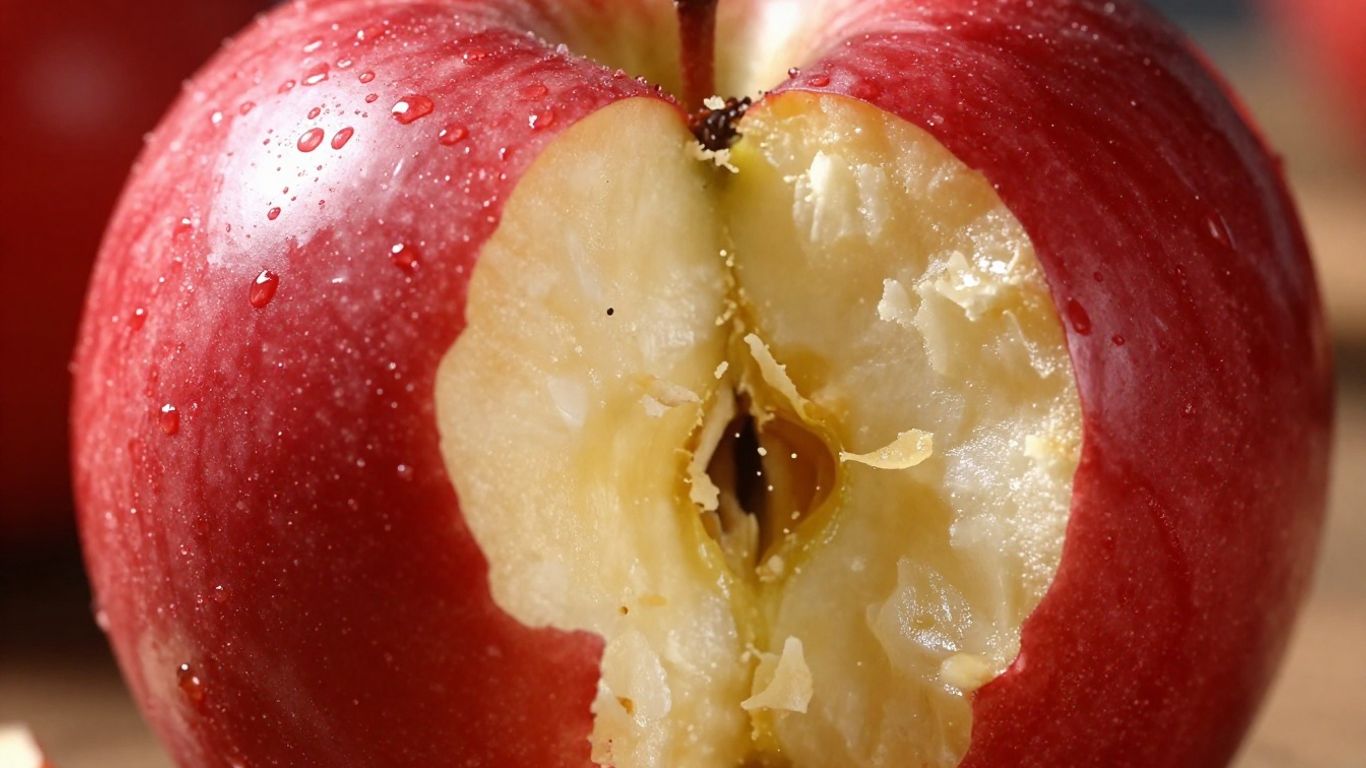
Texture affects how satisfying a meal feels, not just how it tastes. Crunchy, firm and chewy foods slow you down, take more chewing and give your brain more time to register that you have eaten, while very soft or liquid foods are easy to eat quickly. Adding deliberate crunch to meals and snacks, mostly from vegetables, fruit, nuts, seeds and whole grains, is a simple way to feel more satisfied with sensible portions.
What the research says about texture and fullness
Several studies have looked at how food texture changes how much people eat:
- In a cross-over study of 50 adults, a lunch of harder foods led to about 13% lower energy intake than the same meal in softer form. People took smaller bites, chewed more and kept food in their mouths longer, and they did not make up the difference at dinner.
- A systematic review and meta-analysis on food texture and satiety found that solid foods reduced hunger compared with liquids, and thicker foods increased fullness compared with thinner ones. The authors note that studies varied a lot, so the results should be read cautiously.
The practical takeaway is modest but useful: foods you have to chew tend to slow eating, and slower eating tends to help people feel satisfied with less. Texture is one tool among many, not a magic fix.
Crispy versus crunchy
These words get used interchangeably, but the difference helps when planning meals:
| Texture | What it feels like | Everyday examples |
|---|---|---|
| Crispy | Light, thin, shatters easily | Roasted chickpea skins, toasted seaweed, crisp lettuce, thin crackers |
| Crunchy | Dense, takes force, makes noise | Raw carrots, apples, almonds, celery, snap peas |
| Chewy | Resists, needs repeated bites | Whole-grain bread, dried fruit, farro, edamame |
| Soft | Little chewing | Yogurt, smoothies, mashed potatoes, white bread |
A satisfying meal usually has at least two of these. A bowl that is entirely soft (oatmeal, a smoothie, soup with no add-ins) often disappears quickly and may leave you looking for something else soon after.
Healthy sources of crunch
Many of the crunchiest foods are also the most nutritious. Mayo Clinic points out that vegetables and fruits are low in energy density because of their water and fibre, and suggests raw vegetables as snacks.
- Raw vegetables: carrots, cucumbers, peppers, radishes, celery, snap peas, jicama, broccoli florets.
- Firm fruit: apples, pears, crisp grapes.
- Nuts and seeds: almonds, walnuts, pumpkin and sunflower seeds. Calorie-dense, so a small handful goes a long way.
- Roasted legumes: chickpeas or edamame roasted until crisp give crunch plus protein and fibre.
- Whole grains: toasted oats, whole-grain crackers, air-popped popcorn.
- Toppings: toasted sesame seeds, sliced green onion, shredded cabbage, crushed nuts.
Texture strategies for meals
1. Add one crunchy element to every soft dish
Top soup with toasted pumpkin seeds. Stir crushed walnuts into oatmeal. Put shredded cabbage on top of chili. Serve stews with a crisp side salad.
2. Keep some vegetables raw
Instead of cooking every vegetable until soft, keep half raw or lightly steamed so it still snaps. A stir-fry with crisp-tender peppers takes longer to eat than one cooked until limp.
3. Choose whole over blended
An apple takes longer to eat than apple juice or applesauce. Whole fruit with yogurt is usually more filling than the same ingredients blended into a smoothie.
4. Build contrast into bowls
Pair something soft (rice, beans, yogurt) with something crunchy (cucumber, radish, toasted seeds) and something chewy (roasted sweet potato, farro). Contrast keeps each bite interesting.
5. Make “crispy” at home with less oil
You can get a crisp coating without deep-frying.
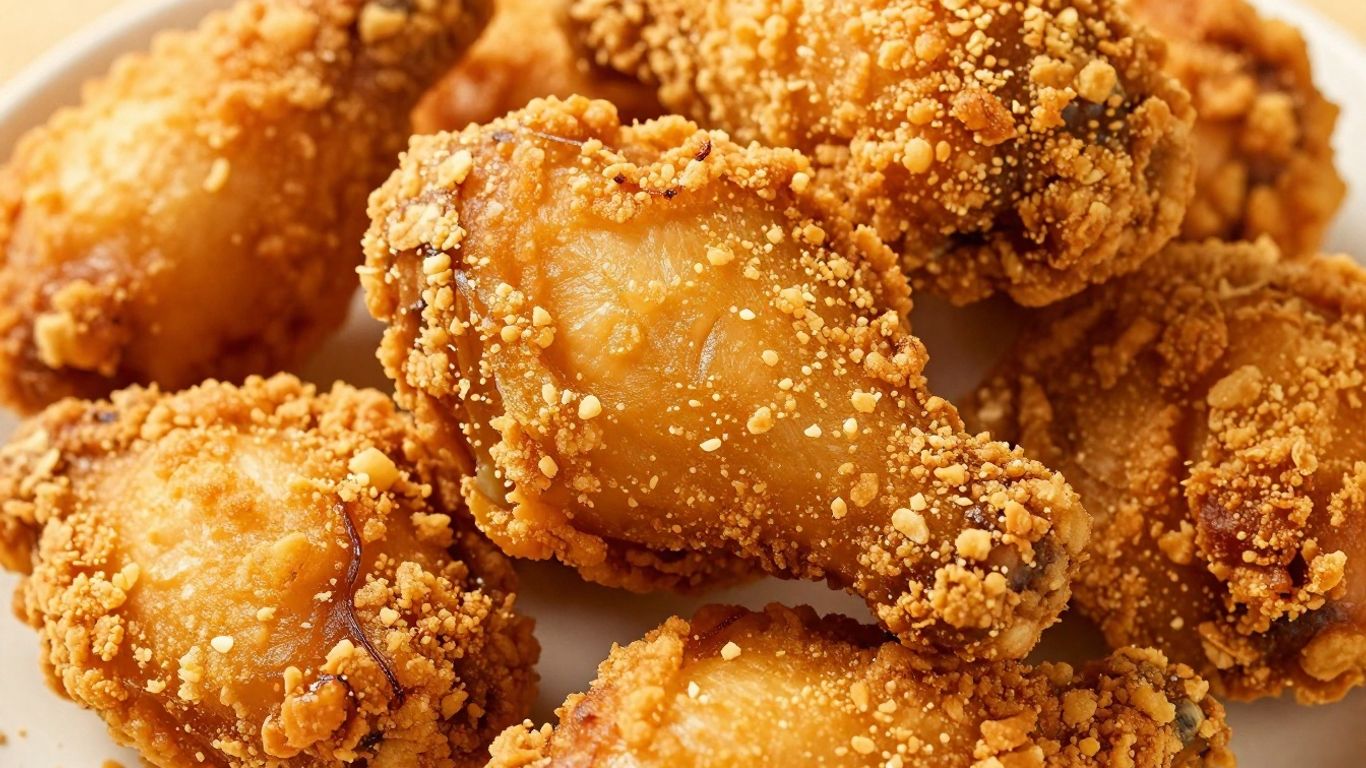
For oven or air-fryer chicken, fish or tofu:
- Pat the protein dry.
- Dip in beaten egg or plain yogurt.
- Press into whole-grain panko, crushed bran flakes or ground nuts mixed with spices.
- Spray or brush lightly with oil and bake on a rack at high heat (around 220°C / 425°F) until golden and cooked through.
The rack lets air circulate so the bottom stays crisp.
Adding crunch at every meal
| Meal | Soft base | Crunch to add |
|---|---|---|
| Breakfast | Oatmeal or yogurt | Toasted oats, chopped almonds, pumpkin seeds, diced apple |
| Lunch | Soup or a wrap | Side of snap peas and radishes, shredded lettuce and cabbage inside the wrap |
| Dinner | Rice, pasta or stew | Crisp-tender green beans, a cabbage slaw, toasted sesame seeds |
| Dessert | Pudding or yogurt | Crushed graham cracker, cacao nibs, a few chopped walnuts |
None of these require a recipe. Keep a jar of toasted seeds or chopped nuts and a container of cut vegetables in the fridge so the crunchy element is always within reach.
Crunchy snacks that also satisfy
Crunch alone is not enough. Chips are crunchy but low in protein and fibre, and very easy to keep eating. Pair crunch with protein for snacks that last:
- Apple slices with peanut butter
- Carrots, peppers and cucumber with hummus
- Roasted chickpeas and a cheese stick
- Whole-grain crackers with tuna or egg salad
- Air-popped popcorn with a handful of almonds
- Plain Greek yogurt topped with toasted oats and seeds
For more combinations, see our protein, carb and flavour snack pairings.
Using texture to manage cravings
Sometimes a craving is really a craving for a texture. If you want chips, the crunch and salt may be what you are after, and roasted chickpeas, salted edamame or crisp vegetables with a tasty dip can scratch that itch. If you want ice cream, you may want something cold and creamy, so frozen yogurt bark or a frozen banana blended into soft-serve might do it.
Naming the texture you want can help you choose a better-fitting option. Our craving versus hunger experiments walk through how to test what you actually need.
A note on eating pace
Crunchy food helps most when you let it slow you down. Put your fork down between bites, notice the sound and feel of each bite, and pause halfway through the meal to check how full you are. If chewing is difficult because of dental problems or a medical condition, focus on other strategies such as protein and fibre, and talk to your dentist or doctor.
Practical takeaways
- Add at least one crunchy element to every soft meal: seeds, nuts, raw vegetables or toasted oats.
- Choose whole fruit and vegetables over juices and purées more often.
- Keep some vegetables raw or crisp-tender instead of cooking them soft.
- Pair crunchy snacks with protein so they hold you longer.
- Bake or air-fry with a light coating for a crispy texture without deep-frying.
- When a craving hits, ask if you want a taste or a texture.
FAQ
Do crunchy foods really help you eat less?
Some studies show harder foods slow eating and lower intake at a meal, but effects vary between people. It is a helpful habit, not a guarantee.
Are nuts a good crunchy snack if I’m watching calories?
Yes, in small portions. They are nutritious but calorie-dense, so pre-portion a small handful rather than eating from the bag.