
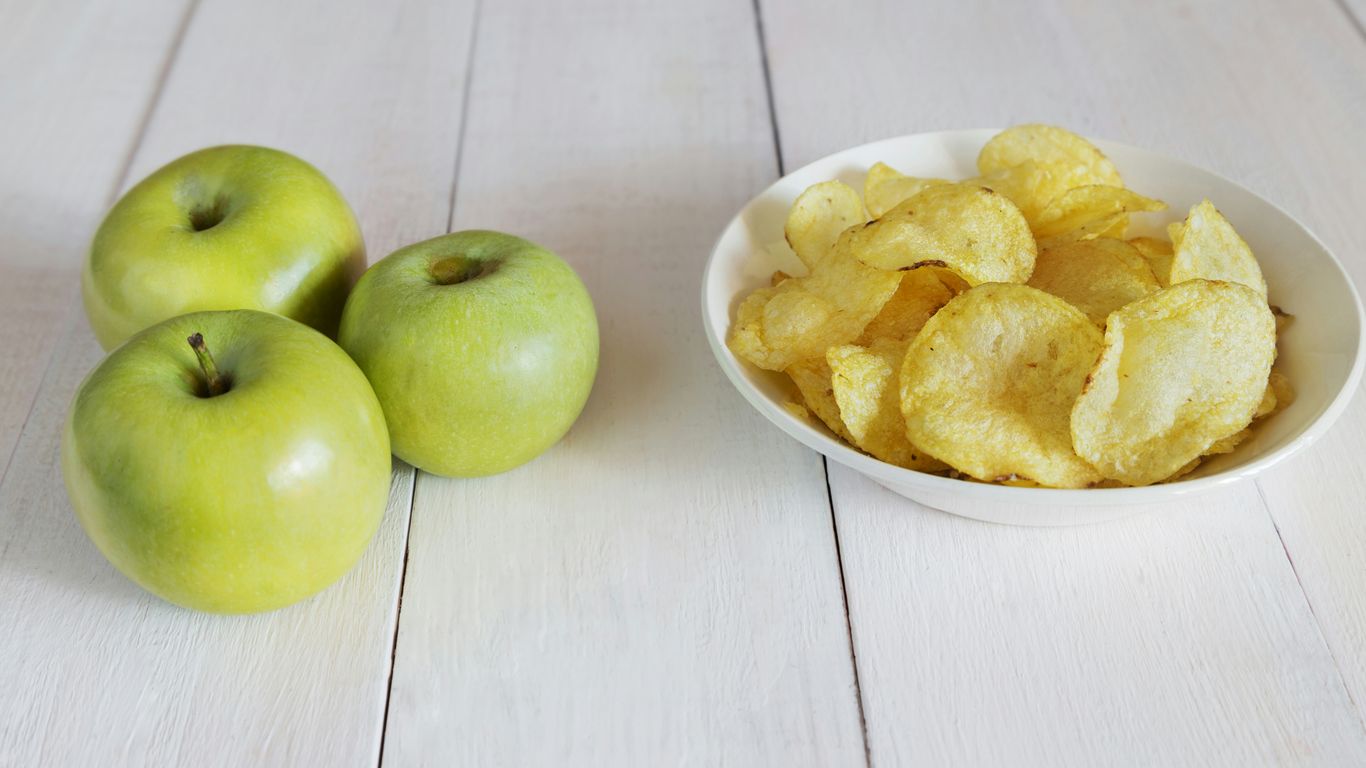
A snack that keeps your energy steady usually has three parts: a protein (or protein-plus-fat) food, a fibre-rich carbohydrate, and something that makes it taste good enough to feel satisfying. Carbohydrate alone, especially refined carbohydrate, tends to give a quick lift and an early return of hunger. Pairing it with protein and fibre slows things down and helps you feel full for longer.
Why the pairing matters
Different carbohydrates affect blood sugar differently. Harvard’s Nutrition Source explains in Carbohydrates and Blood Sugar that refined grains have a higher glycemic index than minimally processed whole grains, that high-fibre foods digest more slowly and cause a more gradual, lower rise in blood sugar, and that meals containing fat are converted more slowly into sugar. That is the logic behind choosing whole grain crackers over white ones, or adding nut butter to an apple.
Protein helps with fullness. A review in the American Journal of Clinical Nutrition on the role of protein in weight loss and maintenance found a modest satiety effect from higher-protein meals, including greater perceived fullness. It is not magic, but it is a reliable nudge in the right direction, and it is why a snack of crackers alone often leaves you hunting for more an hour later.
Flavour is the third piece because a snack you don’t enjoy rarely sticks. Salt, spice, crunch, creaminess or a little sweetness makes a simple pairing feel like a real snack rather than a chore.
The three rules
- Anchor with protein. Greek yogurt, cottage cheese, eggs, cheese, edamame, hummus, beans, roasted chickpeas, nuts, seeds, nut butters, tofu or leftover chicken.
- Add a fibre-rich carb. Fruit, vegetables, whole grain crackers or toast, oats, air-popped popcorn or whole grain pita. Canada’s food guide suggests including a vegetable or fruit in each snack, such as fruit with whole grain crackers or vegetables with hummus.
- Finish with flavour. Cinnamon, everything-bagel seasoning, chili-lime, lemon, fresh herbs, a drizzle of honey, salsa or a few dark chocolate chips.
Savoury pairings
| Protein | Carb | Flavour |
|---|---|---|
| Hummus | Whole grain crackers or pita, cucumber, peppers | Paprika, lemon, chili flakes |
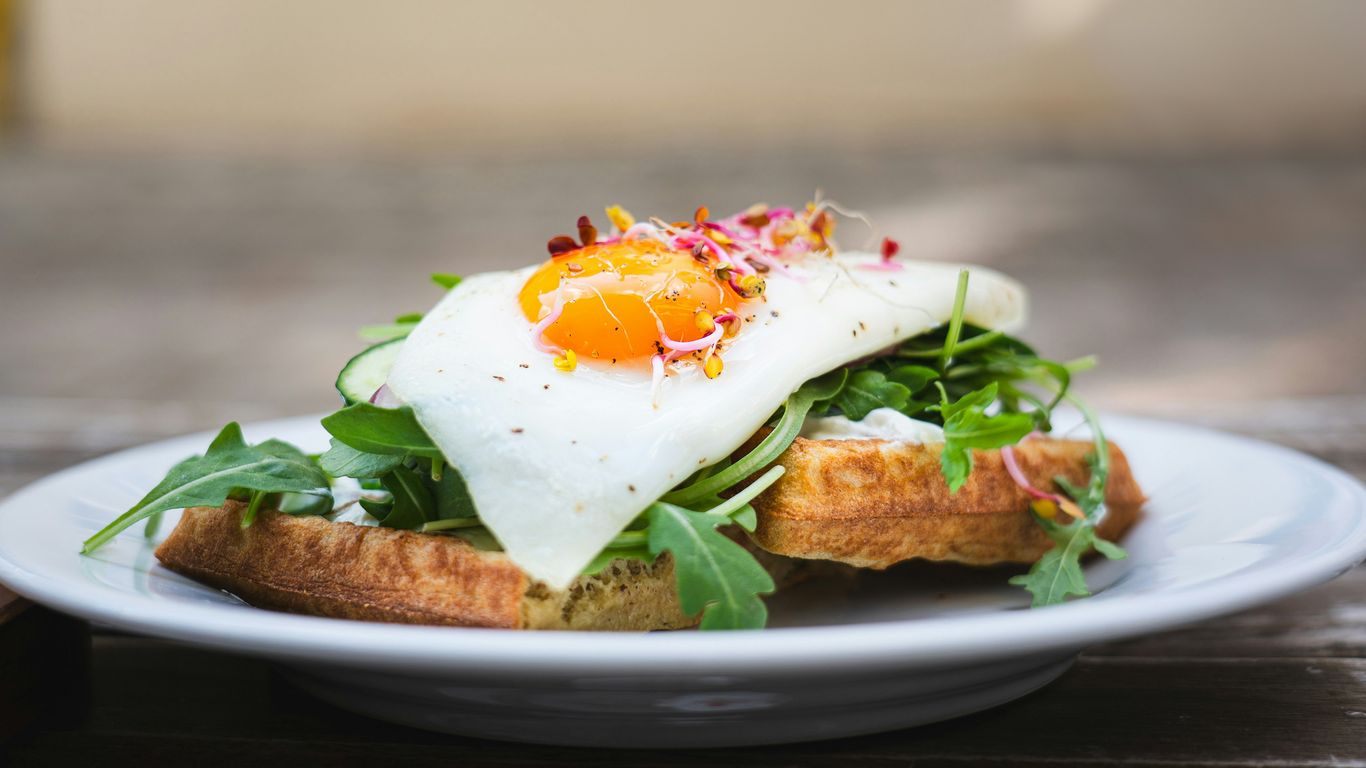
| Hard-boiled egg | Whole grain toast or cherry tomatoes | Salt, pepper, everything seasoning |
| Cottage cheese | Cucumber and tomato, or crackers | Black pepper, dill, chives |
| Cheese cubes or string cheese | Apple slices or grapes | A few walnuts for crunch |
| Turkey or chicken roll-ups | Bell pepper strips, whole grain wrap | Mustard, pickles |
| Edamame | Baby carrots or snap peas | Sea salt, sesame, chili |
| Avocado and egg | Whole grain toast | Lemon, chili flakes |
Sweet pairings
| Protein | Carb | Flavour |
|---|---|---|
| Plain Greek yogurt | Berries (fresh or frozen), a spoon of oats | Cinnamon, ground flax, a little honey |
| Peanut or almond butter | Apple or banana slices, rice cake | Cinnamon, a sprinkle of salt |
| Almonds or mixed nuts | A few dried apricots or a clementine | A square or two of dark chocolate |
| Chia pudding made with milk | Mango or berries | Vanilla, coconut |
| Ricotta or cottage cheese | Pear or peach slices | Cinnamon, chopped pistachios |
Homemade energy bites (oats, nut butter, ground flax and a small amount of honey or dates) also fit the pattern, but they are dense, so one or two is a snack.
Crunchy swaps for chips
- Roasted chickpeas: drain, pat dry, toss with oil and spices and roast until crisp. Protein and fibre in one.
- Air-popped popcorn: a whole grain. Pair it with a cheese stick or a handful of nuts and season with nutritional yeast, garlic powder or smoked paprika.
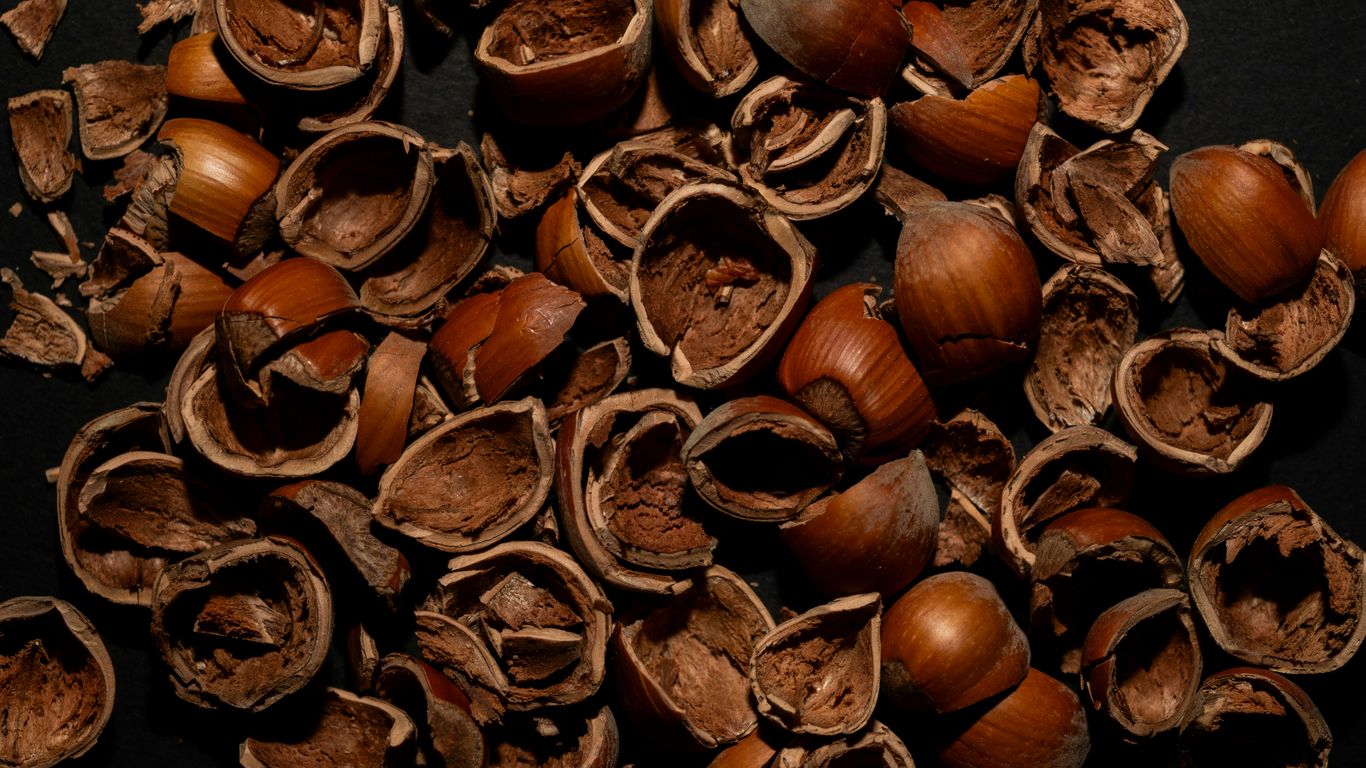
- Nuts and seeds: almonds, hazelnuts, pistachios and pumpkin seeds bring protein and fat. Buying them in the shell slows you down naturally.
- Snap peas, radishes or jicama with a yogurt-herb dip.
Snacks for dietary needs
- Dairy-free: soy or coconut yogurt with fruit and seeds (check the label for added sugar and protein, which varies a lot by brand), hummus with vegetables, or edamame.
- Nut-free: sunflower seed butter on rice cakes, roasted chickpeas, pumpkin seeds, cheese and fruit.
- Gluten-free: rice cakes or corn tortillas, popcorn, fruit with yogurt, eggs.
Portion and timing
A snack is meant to carry you to the next meal, not replace it. A practical size is one protein portion (a small handful of nuts, an egg or two, a small container of yogurt, a few tablespoons of hummus) plus one piece of fruit or a cup or so of vegetables or crackers. Pre-portion nuts and trail mix into small containers so you aren’t eating from the bag.
Timing helps too. If there are five or more hours between lunch and dinner, a planned mid-afternoon snack often prevents the “everything in the pantry” moment before dinner. Our post on midday energy breaks pairs well with this.
What to drink with snacks
Thirst can feel like tiredness or hunger, so have a glass of water with your snack. Fruit-infused water, sparkling water, unsweetened herbal teas like peppermint or rooibos, and milk or a plain yogurt drink are all good options. Sugary drinks and energy drinks add a quick hit of sugar without the protein and fibre that keep energy steady.
Set up your snack station
- Fridge: washed and cut vegetables, hard-boiled eggs, Greek yogurt, hummus, cheese sticks, fruit.
- Pantry or desk drawer: whole grain crackers, rice cakes, nut or seed butter, portioned nuts, popcorn kernels, roasted chickpeas.
- Prep once a week: boil a batch of eggs, wash fruit, portion nuts. Our batch breakfast bar uses the same protein-carb-colour idea for mornings.
It also helps to step away from your screen while you eat, even for five minutes. Paying attention to the snack makes a small portion more satisfying. For more on which food combinations actually matter, see food combining myths vs practical pairings.
When to check with a professional
If you have diabetes, take medication that affects blood sugar, or regularly feel shaky, dizzy or faint between meals, talk to your doctor or a registered dietitian about snack timing and content that suits you.
Quick takeaways
- Pair a protein with a fibre-rich carb, then add flavour.
- Choose whole grains, fruit and vegetables over refined crackers and sweets.
- Keep snack portions modest and pre-portion the easy-to-overeat foods.
- Plan a snack when meals are more than five hours apart.
- Drink water or another unsweetened drink alongside.
FAQ
Are sweet snacks off-limits?
No. Fruit with yogurt, apple with nut butter, or a square of dark chocolate with almonds all satisfy a sweet craving. The pairing with protein and fibre is what keeps them from leading to an energy dip.
Is a protein bar a good snack?
It can be in a pinch. Check the label for protein, fibre and added sugar, since some bars are closer to a candy bar. Pairing a bar with a piece of fruit and water makes it more filling.
What if I’m not hungry between meals?
Then you may not need a snack. Snacks are a tool for long gaps and busy days, not a requirement. Eat when you’re hungry, and plan one when you know the gap will be long.