
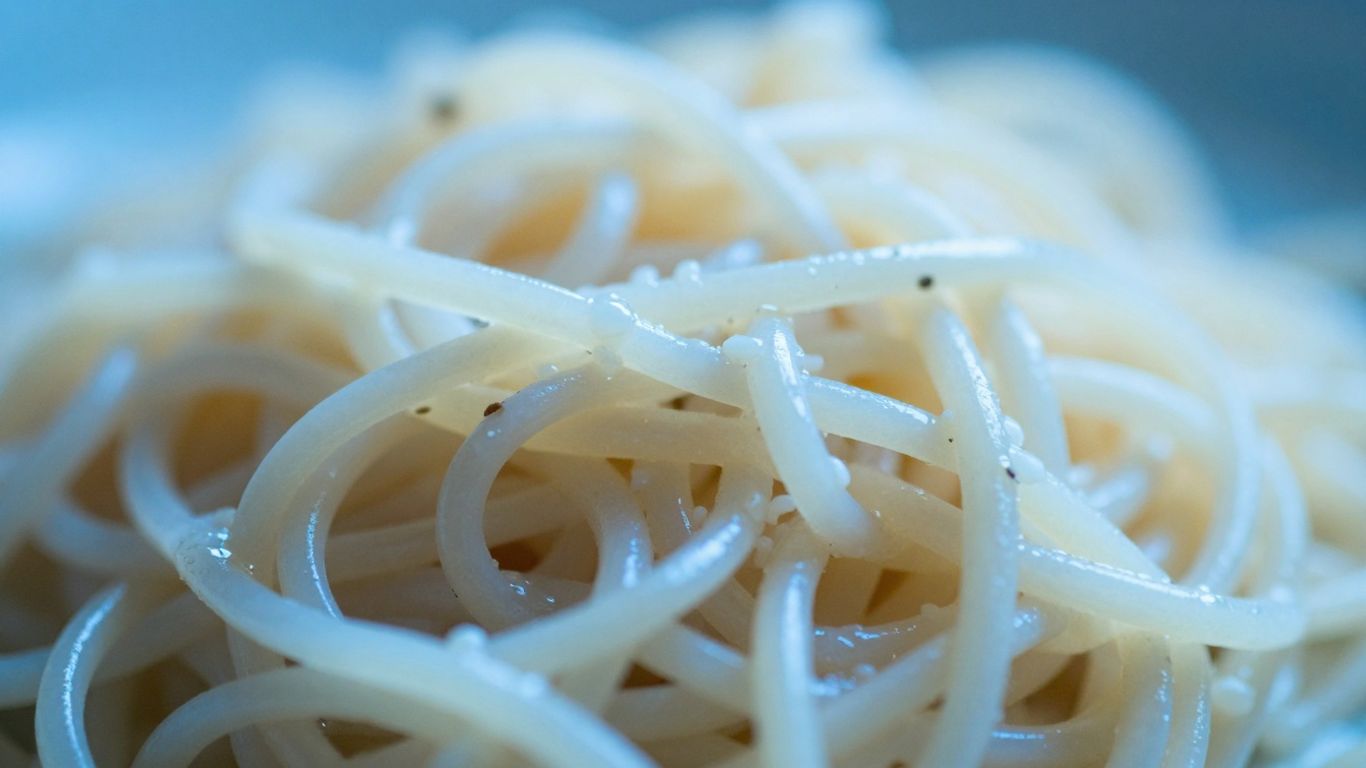
So, you’ve probably heard about resistant starch and how it’s good for you. It’s not exactly a new buzzword, but understanding how to get more of it can feel a bit complicated. Turns out, a lot of it comes down to something pretty simple: cooling your food. Yes, that leftover pasta or potato salad might be doing more for your health than you think. We’re going to break down the science behind starch cooling science and how it helps create this beneficial type of starch.
Key Takeaways
- Cooling cooked starches is a way to create resistant starch, a type of fiber that resists digestion.
- The process of starch retrogradation, where starch molecules re-form structures after cooling, is key to making resistant starch (RS3).
- Factors like temperature, time, and water content during cooling all affect how much resistant starch is formed.
- Different types of starch and how they are used in food can change how well cooling works to increase resistant starch.
- Even after reheating, foods that have been cooled can retain higher amounts of resistant starch.
Understanding Starch Cooling Science
The Fundamental Role of Starch Cooling
When we cook starchy foods, like pasta or rice, something interesting happens. The heat and water break down the starch granules, making them easier for our bodies to digest. This is a pretty standard part of cooking. But here’s where it gets cool – literally. As these cooked starches cool down, they start to change again. The long chains of starch molecules, especially amylose, begin to link back up. This process is called retrogradation. It’s during this cooling phase that a portion of the starch transforms into what we call resistant starch. This isn’t the easily digestible kind; it’s a type of fiber that bypasses digestion in the small intestine and heads to the large intestine, where it feeds our beneficial gut bacteria. Think of it as a second chance for starch to become something really good for us.
Key Factors Influencing Starch Retrogradation
So, what makes this retrogradation happen more or less effectively? It’s not just a simple on-off switch. Several things play a role:
- Temperature: The rate at which food cools matters. Slower cooling often allows more time for starch molecules to reassociate.
- Time: The longer the cooled starch sits, the more opportunity retrogradation has to occur. This is why leftovers can sometimes be a good source of resistant starch.
- Water Content: How much water is present during cooking and cooling affects how starch molecules can move and interact. Too much or too little water can change the outcome.
- Starch Type: Different starches, from different plants, have different structures. Some are naturally more prone to retrogradation than others.
The Science Behind Resistant Starch Formation
Let’s break down the science a bit more. When starch is heated with water, its organized, crystalline structure breaks apart. This is called gelatinization. The starch becomes soft and digestible. But when it cools, the amylose chains, which are the more linear parts of starch, start to find each other again. They align and form new, tightly packed crystalline structures. These new structures are resistant to the enzymes in our digestive system. This newly formed, resistant structure is often referred to as RS3, or retrograded starch. It’s a fascinating transformation that happens simply by changing the temperature. The conditions under which this happens can be influenced by how we process our food, and understanding this is key to getting more resistant starch into our diets.
The journey of starch from a digestible carbohydrate to a beneficial fiber is a testament to the dynamic nature of food science. It’s a process driven by simple physical changes, primarily temperature shifts, that can significantly impact our health.
Mechanisms of Starch Transformation
Gelatinization and Disruption of Crystalline Structure
When you heat starch with water, something interesting happens. The starch granules, which are normally quite organized and crystalline, start to absorb water and swell. This process is called gelatinization. The heat and water essentially break down the tightly packed structure of the starch. Think of it like a tightly wound spring that suddenly loosens up. This makes the starch much more accessible to digestive enzymes. Foods like bread, pasta, and rice, when cooked, have undergone gelatinization. This is why they are generally easier to digest than their raw counterparts. However, this also means that the starch that was once resistant to digestion becomes more digestible, reducing the amount of resistant starch present in the food at this stage.
Retrogradation: The Reassociation of Starch Polymers
Now, here’s where the cooling comes in and starts to work its magic. After gelatinization, when the starch cools down, the long chains of starch molecules, particularly amylose, start to find each other again. They line up and form new, more ordered, crystalline structures. This process is called retrogradation. It’s like those loosened springs winding themselves back up, but in a different, more stable way. This reassociation makes the starch less accessible to the enzymes in our gut. The starch that forms during this cooling phase is often referred to as retrograded starch, and it’s a key type of resistant starch (RS3) found in many processed foods. The extent of retrogradation depends on factors like the type of starch, how much water is present, and how slowly it cools.
The Impact of Cooling on Starch Digestibility
So, what does all this mean for how our bodies handle starch? Gelatinization makes starch easy to digest, but retrogradation, which happens during cooling, does the opposite. It effectively ‘hides’ some of the starch from our digestive enzymes. This means that foods that have been cooked and then cooled, like leftover pasta or rice, can actually have a higher resistant starch content than when they were freshly cooked. This increase in resistant starch can have several health benefits, including a more moderate impact on blood sugar levels after eating. The cooling process is really the critical step that transforms easily digestible starch back into a form that behaves more like fiber in our digestive system.
Hydrothermal Treatments for Starch Modification
Heat-Moisture Treatment (HMT) Principles
Heat-moisture treatment, or HMT, is a way to mess with starch’s structure by heating it up while keeping the water content pretty low. We’re talking temperatures between 84°C and 140°C, with moisture levels from 10% to 35%. The goal here is to change the starch without letting it fully gelatinize, which is when it gets all mushy and loses its organized structure. By controlling the temperature, how long you heat it, and the amount of water, you can really tweak how much resistant starch ends up in the final product. Studies have shown that cranking up the heat during HMT can actually make starch harder to digest, meaning more resistant starch and less of the easily digestible kind. For example, sweet potato starch treated at 110°C with 25% moisture for 4 hours showed a good increase in resistant starch. This kind of treatment has also been looked at in rice and other starches, with similar results. It seems like HMT can change how starch swells, how crystalline it is, and how it gelatinizes and retrogrades, all of which can affect how our bodies handle it.
Annealing: A Gentle Approach to Starch Modification
Annealing is a bit of a gentler method compared to HMT. It involves treating starch with plenty of water but at lower temperatures, usually around 50°C, and for longer periods, like 24 hours or more. This process can also change the way starch molecules arrange themselves, potentially increasing resistant starch. However, it seems like annealing’s effectiveness can depend a lot on the type of starch you’re working with. Some research found that annealing made corn and potato starch more crystalline and increased resistant starch in potato starch, but didn’t have much of an effect on pea starch. In other cases, annealing has been shown to reduce starch digestibility without changing its crystalline structure. Interestingly, one study found annealing to be much better at boosting resistant starch in cornstarch than HMT or autoclaving. So, while annealing can be a useful tool, picking the right starch and conditions is key.
Autoclaving and Its Synergistic Effect with Cooling
Autoclaving, which means heating under high pressure, is another method that can lead to resistant starch formation, especially when it’s followed by cooling. This combination seems to work well for creating a specific type of resistant starch known as RS3. Research looking at multiple studies suggests that the outcome of autoclaving-cooling treatments depends on several factors: the food source, the amount of water used, and the time and temperature of the treatment. For instance, using corn, oats, or rice with a starch-to-water ratio of 1:4, and running two cycles of autoclaving at 121°C for 30 minutes each, seemed to maximize the resistant starch content in one meta-analysis. This shows that combining high-pressure heating with subsequent cooling can be a powerful way to modify starch, but the exact recipe matters.
Optimizing Cooling Conditions for Resistant Starch
So, you’ve cooked your starchy foods, and now you want to maximize that resistant starch (RS) goodness. It’s not just about cooling; it’s about how you cool. Think of it like setting a perfect Jell-O mold – the conditions matter. The temperature, how long you wait, and even how much water is around all play a part in how much RS actually forms.
The Influence of Temperature and Time
When starch cools, its molecules start to re-bunch together, forming those resistant structures. Lower temperatures generally encourage this process, but there’s a sweet spot. Too cold, and you might freeze water, which can interfere. Too warm, and the molecules won’t get organized effectively. And time? Well, the longer you let it cool and sit, the more time those starch chains have to rearrange. Studies show that letting cooked foods like rice or noodles sit in the fridge for a good amount of time, sometimes even overnight, can significantly boost RS levels compared to eating them right after they’ve cooled down a bit.
Water Content and Starch-to-Water Ratios
The amount of water present during cooling is a big deal. If there’s too much water, the starch molecules can move around too freely, making it harder for them to lock into that resistant structure. On the other hand, very dry conditions might not allow for the necessary molecular movement. Finding the right balance, often referred to as the starch-to-water ratio, is key. For instance, some research suggests that a ratio around 1:4 (starch to water) can be quite effective when combined with other treatments like autoclaving.
The Role of Repeated Cooling Cycles
Here’s where things get interesting: sometimes, repeating the process can be even better. Imagine cooking, cooling, and then reheating and cooling again. This cycle seems to encourage more starch molecules to become resistant. It’s like giving them multiple chances to get their structure right. Some studies have found that performing two cycles of autoclaving and cooling, for example, can lead to higher RS content than just one cycle. This suggests that a bit of back-and-forth can really help in building up that resistant starch.
The journey from cooked starch to a high-resistant starch product isn’t a single event, but rather a process influenced by a delicate interplay of environmental factors. Understanding these variables allows us to intentionally guide the starch’s transformation towards greater health benefits.
Food Matrix and Botanical Source Considerations
Varietal Differences in Starch Composition
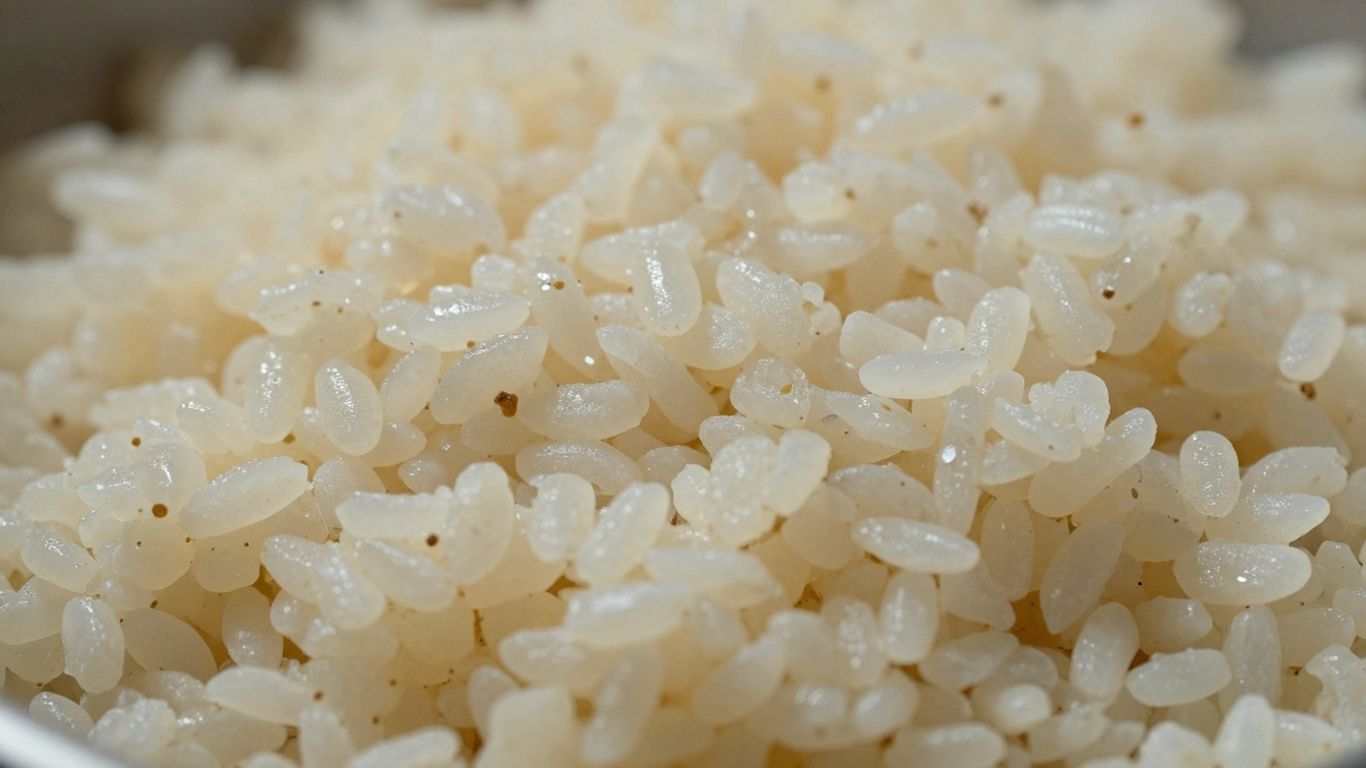
Not all starches are created equal, and this is especially true when we talk about how they behave when cooled. Different plant varieties have unique starch structures. Think about corn versus potato starch – they’re not interchangeable, and their ability to form resistant starch after cooling varies a lot. This is largely due to differences in amylose and amylopectin content and how they’re arranged. For instance, some rice varieties naturally have a higher proportion of amylose, which tends to form more stable crystalline structures upon cooling, leading to higher resistant starch levels. Understanding these inherent differences is key to predicting how a particular starch will respond to cooling processes.
Impact of Food Structure on Cooling Effects
The food we’re working with matters, too. It’s not just about the starch itself, but the whole food matrix it’s embedded in. When starch is part of a complex food system, like in a whole grain or a processed snack, its access to water and its ability to move and reassociate during cooling can be limited. The presence of proteins, fats, and fibers can physically hinder the starch molecules from forming those ordered, crystalline structures that are characteristic of resistant starch. So, while cooling might create resistant starch in isolated starch, the effect can be less pronounced or require different conditions within a complex food.
Botanical Source Specificity in Annealing
When we talk about specific treatments like annealing, the botanical source of the starch really comes into play. Different starches have different gelatinization temperatures and crystalline structures to begin with. This means that the optimal conditions for annealing – like temperature and moisture levels – will vary depending on whether you’re working with, say, wheat starch, tapioca starch, or pea starch. For example, starches with higher gelatinization temperatures might require more intense annealing conditions to achieve similar structural changes compared to those with lower gelatinization temperatures. It’s a bit like tailoring the process to the specific ingredient you have on hand.
Reheating and Its Effect on Resistant Starch
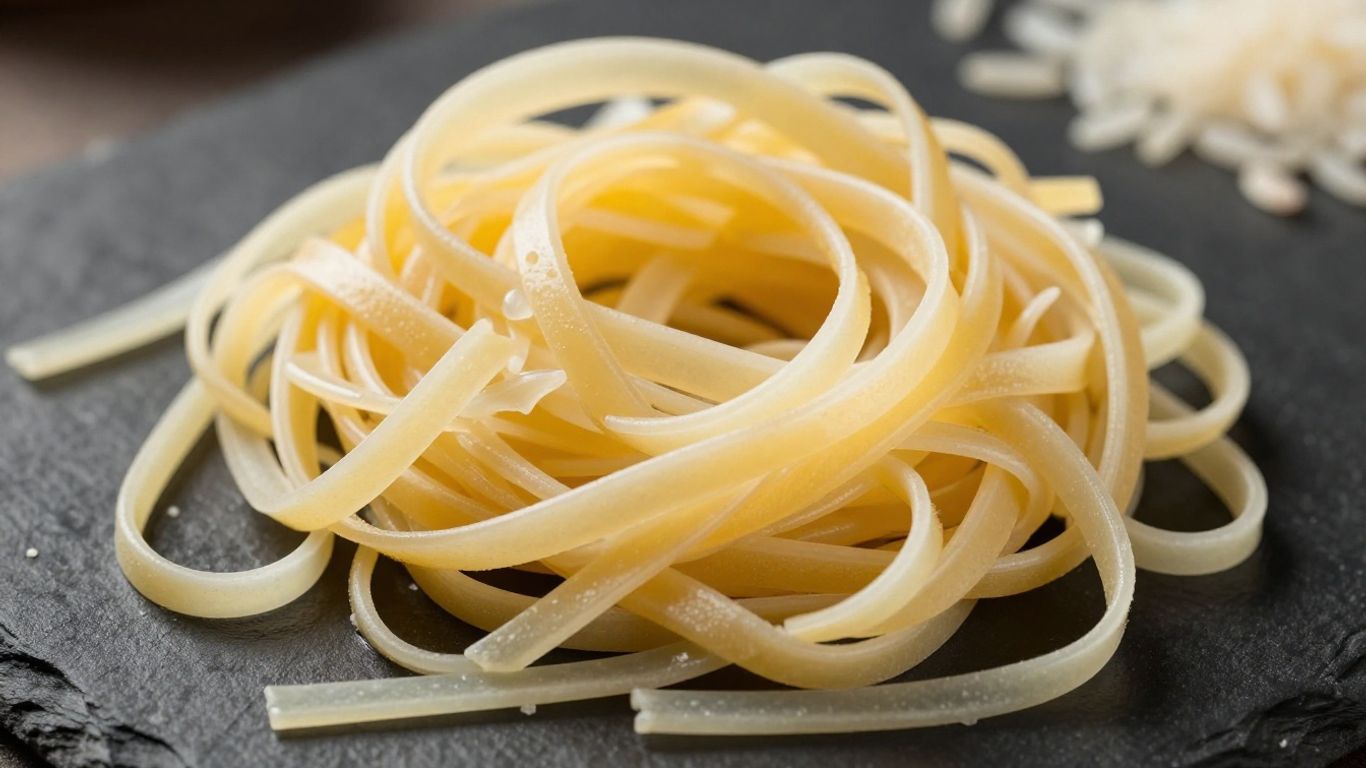
So, you’ve gone through the trouble of cooling your starches to boost that resistant starch (RS) content, which is pretty neat for your gut health and blood sugar. But what happens when you want to eat that food again? Does all that hard work go down the drain when you reheat it? It’s a common question, and the answer is… it depends, but often, you can keep a good chunk of that RS.
Preservation of Resistant Starch Post-Reheating
When you reheat starchy foods, the heat can cause the starch molecules to break down and become more digestible again. Think of it like undoing some of the work that cooling did. However, the extent of this breakdown isn’t always total. The key is often how you reheat it. Gentle reheating methods tend to preserve more of the resistant starch compared to aggressive ones. It’s not a simple yes or no; it’s more about the process of reheating.
Microwave Reheating Strategies
Microwaves are interesting here. Studies show that reheating foods like rice or potatoes in a microwave can actually increase resistant starch content, or at least preserve a significant amount of it. This is thought to be due to the way microwaves heat the food, promoting further retrogradation – that’s the process where starch molecules re-associate and become less digestible. It’s a bit counterintuitive, but this method seems to be quite effective in keeping RS levels up.
Impact of Reheating on Glycemic Response
What does this mean for your body? Well, if you manage to preserve the resistant starch, you’re likely to see a more moderate impact on your blood sugar levels after eating the reheated food. Foods that have been cooled and then reheated, especially using methods like microwaving, have shown a lower glycemic response compared to foods that were just cooked and eaten immediately. This suggests that the benefits of resistant starch can indeed carry over into subsequent meals, even after reheating.
Here’s a quick look at how different reheating methods might stack up:
- Microwave: Often preserves or even increases RS. Seems to promote further retrogradation.
- Oven/Stovetop (Gentle): Can preserve a good amount of RS if not overheated.
- Boiling/Aggressive Heating: More likely to break down RS, making starch more digestible.
It’s fascinating how the simple act of cooling and then reheating can change the very nature of starch in our food. While some digestibility might return, the right reheating approach can help maintain a good portion of those beneficial resistant starch compounds, meaning you can still get some of the gut and blood sugar perks even from leftovers.
Practical Applications in Food Preparation
So, how do we actually get more of this resistant starch into the foods we eat every day? It’s not as complicated as it might sound. The key is really in how we handle and prepare our food, especially when it comes to cooling cooked starches. Think about it: that leftover pasta or rice you have in the fridge? It’s actually a bit of a hidden gem when it comes to resistant starch.
Increasing Resistant Starch in Common Foods
Making resistant starch a regular part of your diet is surprisingly straightforward. It mostly involves a bit of planning around cooking and cooling. Here are some simple ways to boost the resistant starch content in your meals:
- Cooling Cooked Grains: After cooking rice, pasta, potatoes, or other starchy foods, let them cool down completely in the refrigerator. This cooling process allows the starch molecules to rearrange and form resistant starch. Aim for at least 12-24 hours in the fridge for the best results.
- Reheating Wisely: Don’t be afraid to reheat these cooled foods. Studies show that reheating cooled starchy foods, especially using methods like microwaving, can actually preserve or even increase the resistant starch content. So, that cold pasta salad or reheated rice is a good choice!
- Choosing the Right Ingredients: Opt for whole grains like oats, barley, and high-amylose corn or wheat varieties when possible. These naturally contain more complex starches that are more prone to forming resistant starch.
Balancing Taste and Nutritional Benefits
It’s totally possible to enjoy food that’s good for you. The goal isn’t to make everything taste bland or feel like a chore. Resistant starch formation through cooling doesn’t drastically change the flavor or texture of most foods, especially when reheated. In fact, some people find that the texture of cooled and reheated grains can be quite pleasant for certain dishes, like stir-fries or salads.
The magic of resistant starch often happens quietly in your refrigerator. It’s a testament to how simple kitchen practices can have a significant impact on the nutritional profile of our food without requiring fancy ingredients or complicated techniques. It’s about working with the food, not against it.
Simple Strategies for Enhanced Fiber Intake
Boosting your fiber intake doesn’t have to mean a complete diet overhaul. Incorporating resistant starch through these cooling and reheating methods is a practical way to add a type of fiber that offers unique health benefits. It’s a gentle nudge towards a healthier gut and better blood sugar control, all by making small adjustments to your cooking routine. Think of it as a little kitchen hack for better health.
Health Implications of Resistant Starch
So, what’s the big deal with resistant starch and our health? It turns out, this undigested fiber-like component can do some pretty neat things for our bodies. Think of it as a special kind of carbohydrate that bypasses the usual breakdown in your small intestine. Instead, it travels to your large intestine where it becomes food for the good bacteria living there. This fermentation process is where a lot of the magic happens.
Blood Sugar Regulation and Insulin Sensitivity
One of the most talked-about benefits is how resistant starch can help manage blood sugar levels. Because it’s not rapidly broken down into glucose, it doesn’t cause those sharp spikes in blood sugar after a meal. This can be really helpful for everyone, but especially for those looking to keep their blood sugar steady. This slower release of glucose means your body doesn’t have to work as hard to manage it. It can also improve insulin sensitivity, which is how well your body uses insulin to get sugar from your blood into your cells. This is a key factor in preventing or managing type 2 diabetes.
Satiety and Appetite Control
Feeling full after a meal is a big deal when it comes to managing weight. Resistant starch can contribute to that feeling of fullness, potentially leading you to eat less overall. Studies have shown that people who consume resistant starch might eat fewer calories in subsequent meals. It’s not a magic bullet for weight loss, of course, but it can be a helpful part of a balanced approach. The effect might vary depending on the type of resistant starch, though.
Gut Microbiome Modulation and Inflammation
This is where resistant starch really shines. By feeding beneficial gut bacteria, it helps to create a healthier environment in your intestines. These good microbes can produce short-chain fatty acids (SCFAs) when they ferment resistant starch. SCFAs are important compounds that can help reduce inflammation throughout the body. Some research even suggests a link between a healthy gut microbiome, supported by things like resistant starch, and a reduced risk of inflammatory bowel diseases. It’s a complex system, but it highlights how what we eat directly impacts our internal ecosystem.
Here’s a quick look at some potential benefits:
- Improved Blood Sugar Control: Helps prevent sharp spikes after eating.
- Increased Fullness: May lead to reduced calorie intake.
- Gut Health Support: Feeds beneficial bacteria, potentially reducing inflammation.
- Better Insulin Response: Can improve how your body handles sugar.
While the benefits are promising, it’s important to introduce resistant starch gradually. Like other fibers, too much too soon can lead to gas and bloating. Drinking plenty of water is also recommended as you increase your intake.
It’s fascinating how a simple process like cooling cooked foods can create a component that offers such significant health advantages. It really underscores the power of understanding the science behind our food.
Challenges and Future Directions in Starch Cooling Science
The process of increasing resistant starch by cooling is fascinating, but real-world applications come with their own share of problems and unanswered questions. From how different foods react to cooling, to what people actually want to eat, the road ahead is anything but straightforward.
Consistency Across Different Food Systems
Creating a reliable increase in resistant starch is not as simple as applying the same cooling technique to everything. Even if the science is strong in a lab, foods vary a lot. Here are some major hurdles:
- Different starch sources (potato, rice, wheat) all react differently when cooled.
- Changes in water content, pH, and food additives have unpredictable effects on resistant starch.
- Industrial-scale food processing makes it harder to control temperature and time exactly.
Standardizing methods across a wide range of ingredients is a work in progress.
| Food Source | RS Increase After Cooling | Variability |
|---|---|---|
| Rice | Moderate to High | High |
| Potato | High | Medium |
| Wheat | Low to Moderate | High |
Variability in resistant starch outcomes is a big barrier for manufacturers looking for predictable health claims and nutritional labeling.
Consumer Acceptance of Cooled and Reheated Foods
While increasing resistant starch has health perks, taste and texture still matter. Most people aren’t eager to eat rock-hard leftover potatoes or chewy cold rice if it means giving up flavor. Three factors matter here:
- Texture changes – Some cooled starches become rubbery or dry.
- Flavor loss – Repeated cooling and reheating may dull flavor.
- Habits – People may resist foods that seem less fresh, even if they’re healthier.
Finding ways to keep food appealing while increasing resistant starch is key to widespread adoption.
Further Research into Optimal Processing Parameters
We still have a lot to learn about how cooking, cooling, and reheating all interact. There’s no universal blueprint — every step of the process changes the result. Areas needing more investigation include:
- Pinpointing ideal times and temperatures for each food type.
- Understanding the role of microstructure and amylose content in different botanical sources.
- Testing repeated cooling and reheating cycles to maximize benefits without hurting quality.
Researchers are now working to map out the precise conditions that will consistently deliver more resistant starch, without sacrificing what people expect from their food.
Getting from controlled laboratory results to home kitchens and mass-producing plants will take flexible solutions, not just strict rules.
What’s Next?
- Develop easy-to-follow guidelines for both home cooks and industry pros.
- Invest in consumer education to show benefits clearly.
- Continue exploring breed- and variety-specific processing methods.
It’s an exciting time, but every discovery raises new questions. Balancing nutrition, convenience, and enjoyment will shape the future of starch cooling science.
Exploring the tough parts and what’s next in starch cooling science is super important. We’re looking at the tricky bits and what we can do in the future. Want to dive deeper into this cool topic? Visit our website to learn more!
Wrapping Up: The Simple Power of Cooling Starches
So, we’ve talked a lot about how cooling cooked starches, like rice or potatoes, can actually increase the amount of resistant starch they contain. It’s a pretty neat trick that happens when the starch molecules rearrange themselves after heating and then cooling. This process, called retrogradation, makes a portion of the starch harder for our bodies to break down, which is where the health benefits come in. It’s not some complicated scientific procedure; it’s something you can do right in your own kitchen. While some foods naturally have more resistant starch, simply cooking and then chilling things like pasta or beans can give you a boost. You might even reheat them later, and the resistant starch levels tend to stay pretty high. It’s a straightforward way to potentially improve your diet without a major overhaul. Of course, taste is important, so finding a balance that works for you is key. But knowing that this simple step can add a beneficial type of fiber to your meals is pretty inspiring, isn’t it?
Frequently Asked Questions
What happens to starch when it cools down?
When starchy foods like rice or potatoes are cooked, the starch gets soft and easy to digest. But when you let them cool, the starch starts to change. It forms a new, tougher structure that your body can’t break down as easily. This is called resistant starch.
Why does cooling make starch ‘resistant’?
Cooling helps starch molecules link back together in a more organized way. Think of it like building a stronger wall with bricks. This new arrangement makes it hard for the tiny helpers in your gut (enzymes) to break down the starch, so it’s ‘resistant’ to digestion.
Does reheating cooked and cooled foods change the resistant starch?
Surprisingly, reheating foods that have already been cooked and cooled can actually keep the resistant starch levels high, or even increase them a bit! So, you can still enjoy your leftovers and get the benefits.
What foods are good for making more resistant starch?
Common foods like potatoes, rice, pasta, and even some beans are great for this. The key is to cook them, let them cool down (like in the fridge overnight), and then you can eat them cold or reheat them.
Is resistant starch good for you?
Yes, it’s considered a type of fiber that’s good for your health. It helps keep your blood sugar from spiking too quickly after eating, can make you feel fuller for longer, and is good for the helpful bacteria in your tummy.
How does cooling affect the taste or texture?
Cooling can sometimes change the texture, making foods like potatoes or rice a bit firmer. Some people prefer the taste and feel of freshly cooked food. It’s a balance between getting more resistant starch and enjoying your meal the way you like it best.
Can I make resistant starch in any kind of starch?
Different types of starch behave a bit differently. For example, starches with more amylose (a type of starch molecule) tend to form more resistant starch when cooled. The source of the starch, like from corn or potatoes, can also matter.
Are there special ways to treat starch to get more resistant starch?
Besides just cooking and cooling, scientists use methods like ‘heat-moisture treatment’ or ‘annealing’ to change starch. These involve carefully controlling heat and water to create more resistant starch, but they are more complex than simple home cooking.