
Your thyroid needs iodine to make its hormones, and selenium and iron help those hormones get made and used. Most people can get enough of all three from a varied diet of dairy or fortified plant drinks, eggs, fish, beans, whole grains, nuts and seeds. The cautions are mostly about too much: high-dose iodine or selenium supplements can cause problems, and iron and calcium supplements can interfere with thyroid medication.
This article is about everyday eating. It is not a treatment for hypothyroidism, hyperthyroidism or thyroid disease, which need medical care.
Why these three nutrients matter
- Iodine is a building block of thyroid hormones. The NHS explains that iodine helps make thyroid hormones, which help keep cells and the metabolic rate healthy.
- Selenium is part of the enzymes that convert thyroid hormone into its active form and help protect cells from damage.
- Iron is needed to make red blood cells, and low iron is common, especially in people with heavy periods. Iron deficiency can leave you tired in a way that is easy to blame on the thyroid, or vice versa.
Iodine: food sources and cautions
According to the NHS, good food sources of iodine include cows’ milk and dairy products, eggs, sea fish and shellfish. Plant foods such as grains contain some iodine, but the amount depends on the soil they were grown in. Iodized salt is another source; check the label to see whether your salt says “iodized,” since sea salt and specialty salts often are not.
If you eat mostly or fully plant-based: the NHS notes that people on a strict vegan diet may want to look for foods fortified with iodine, and that some soy and oat drinks are fortified. Read the label, and talk with a healthcare professional before starting a supplement.
Cautions:
- More is not better. The NHS warns that taking high doses of iodine for long periods could change the way your thyroid gland works.
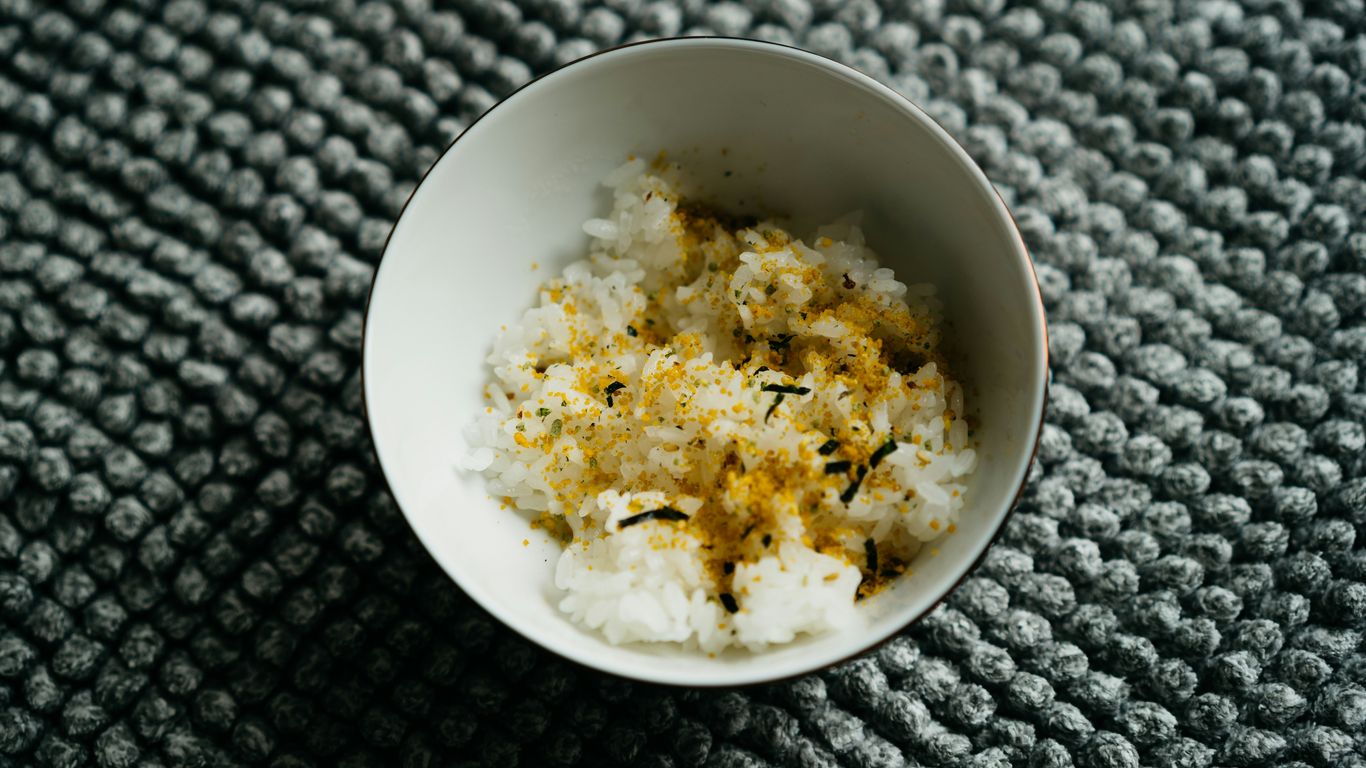
- Kelp and seaweed supplements can contain very large and variable amounts of iodine. Enjoy nori in sushi or a seaweed snack as food, but do not take kelp tablets unless your doctor recommends them.
- If you have a thyroid condition, ask your doctor before changing your iodine intake in either direction.
Selenium: food sources and cautions
The NHS lists good sources of selenium as Brazil nuts, fish, meat and eggs, and says that if you eat meat, fish or nuts you should be able to get all the selenium you need from food. Whole grains, legumes, sunflower seeds and dairy also contribute.
Cautions:
- Brazil nuts are an unusually concentrated source. Treat them as an occasional food rather than a daily handful.
- Too much selenium causes selenosis, which in its mildest form can lead to hair and nail loss (NHS). Avoid stacking a selenium supplement on top of a multivitamin and Brazil nuts unless a professional has advised it.
Iron: food sources and cautions
The NHS lists good sources of iron including beans such as kidney beans, edamame and chickpeas, nuts, dried fruit such as apricots, fortified breakfast cereals, soy flour and red meat. Lentils, tofu, pumpkin seeds and dark leafy greens are other useful plant sources.
Iron from plants is absorbed less well than iron from meat, so pairing matters. Eat plant iron with a source of vitamin C, such as peppers, tomatoes, citrus, strawberries or kiwi. For a deeper look at pairings, see our guide to iron without red meat.
Cautions:
- Do not take iron supplements “just in case.” The NHS notes that high doses can cause constipation, nausea and stomach pain, and that very high doses can be dangerous, especially to children. Keep supplements out of reach.
- If you feel tired, ask your doctor about a blood test rather than guessing whether the cause is iron or thyroid.
If you take thyroid medication
Timing matters more than any single food. The NHS advises taking levothyroxine on an empty stomach 30 to 60 minutes before your first meal of the day, any drink with caffeine, or any other medicine, and lists calcium and iron supplements among the things that can interact with it. Biotin supplements can also affect thyroid blood tests.
Practical steps:
- Take your tablet with a glass of water at the same time each day.
- Ask your pharmacist how far apart to space iron, calcium or multivitamin supplements from your dose.
- Keep your breakfast fairly consistent, and tell your doctor if you make a big change (for example, adding a high-fibre cereal or soy milk every morning), since it may be worth rechecking your levels.
What about goitrogens and soy?
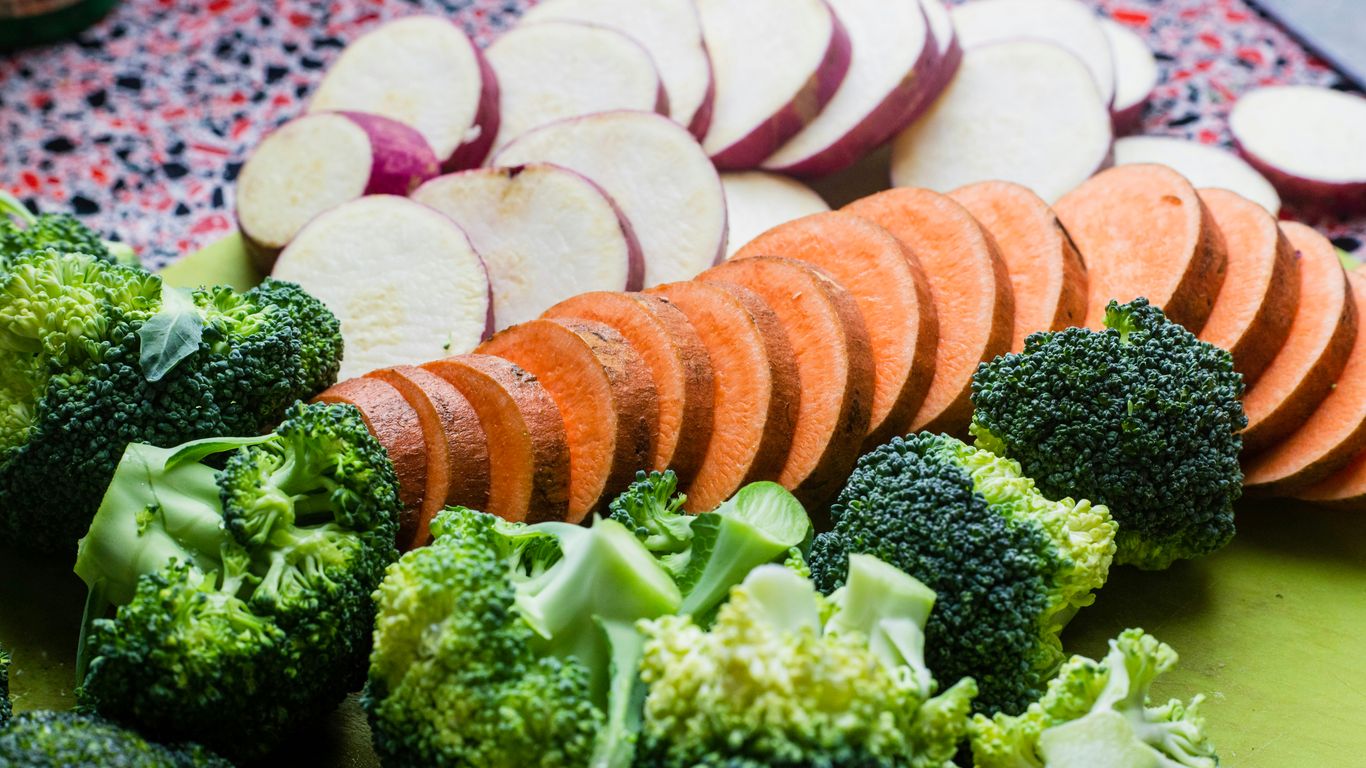
Broccoli, cabbage, kale and other cruciferous vegetables contain compounds that, in very large amounts, may interfere with iodine use. For most people eating normal portions, especially cooked, these vegetables are a healthy part of the diet and there is no reason to avoid them. The same goes for soy foods like tofu and edamame. The bigger issue is making sure you get enough iodine and keeping your medication routine consistent. If you have a diagnosed thyroid condition and eat large amounts of raw crucifers or soy daily, mention it to your doctor.
A thyroid-friendly day of eating
| Meal | Example | Helps with |
|---|---|---|
| Breakfast | Oats with milk or fortified soy milk, pumpkin seeds and strawberries | Iodine, iron, vitamin C |
| Lunch | Lentil and vegetable soup with a whole grain roll and a boiled egg | Iron, selenium, iodine |
| Snack | Yogurt with kiwi, or an orange and a few nuts | Iodine, vitamin C, selenium |
| Dinner | Baked salmon or tofu, brown rice, roasted peppers and steamed broccoli | Iodine (fish), selenium, iron, vitamin C |
| Drinks | Water, milk, herbal teas such as peppermint or chamomile | Hydration without caffeine near your dose |
Balanced plates with protein, fibre and steady carbohydrates also support energy across the day. For more on that pattern, see our article on hormone balance.
Label-reading checklist
- Salt: look for “iodized” if you use salt at home.
- Plant drinks: check whether iodine, calcium and vitamin D are added.
- Cereals: look for “iron” in the nutrition facts table and choose higher-fibre options.
- Supplements: add up iodine, selenium and iron across every product you take, including multivitamins.
When to check with a professional
See your doctor if you notice ongoing fatigue, feeling cold, weight changes you cannot explain, a racing heart, a swelling in your neck, or heavy periods. Ask before starting any iodine, kelp, selenium or iron supplement, especially if you are pregnant, planning a pregnancy or already take thyroid medication. A registered dietitian can help you plan meals around a thyroid condition or a plant-based diet.
Takeaways
- Dairy or fortified plant drinks, eggs and fish are the main food sources of iodine; check that your salt is iodized.
- Selenium comes from fish, eggs, nuts, whole grains and legumes; treat Brazil nuts as occasional.
- Pair plant iron (beans, lentils, tofu, seeds, fortified cereal) with vitamin C foods.
- With thyroid medication, take it on an empty stomach and space supplements as your pharmacist advises.
- Avoid high-dose supplements unless a professional recommends them.
FAQ
Should I avoid broccoli if I have a thyroid condition?
Generally no. Normal portions, especially cooked, are fine for most people. Ask your doctor if you eat very large amounts raw every day.
Can food fix an underactive thyroid?
No. Good nutrition supports overall health, but thyroid disease needs diagnosis and treatment from your doctor.