Love My Weight

Travel Checklist for Health: packing, planning, and promises

Planning a trip is exciting, but it’s easy to forget about your health amidst the booking and itinerary building. This travel checklist health guide is here to help you think through the important stuff before you even leave. We’ll cover everything from getting your doctor’s okay to what to pack and how to stay well on your adventure. Think of it as your friendly reminder to take care of yourself so you can actually enjoy your getaway.

Key Takeaways

  • Before you go, check with your doctor about any health needs for your destination and get prescriptions sorted. Make sure you have enough medication for your entire trip, plus a little extra.
  • Pack a personalized first-aid kit with essentials like bandages, pain relievers, and any personal medications. Don’t forget things like sunscreen and bug spray if needed.
  • Organize your health supplies in your luggage, keeping important items accessible in your carry-on. Consider climate and planned activities when packing clothing and other gear.
  • Staying healthy on your trip means practicing good hygiene, like washing your hands often, drinking plenty of water, and eating well. Try to manage jet lag by adjusting to the new time zone gradually.
  • Know how to get help if you need it abroad, like local emergency numbers and how to access medical care. Keep copies of important documents, including your insurance information.

Strategic Planning For Your Health Checklist

Getting ready for a trip is more than just booking flights and packing bags. It’s about setting yourself up for a healthy and enjoyable experience from the moment you start planning. Thinking ahead about your health needs can make a huge difference, turning potential worries into smooth sailing. Proactive health planning is the foundation of stress-free travel.

Researching Destination-Specific Health Needs

Every place you visit has its own unique health considerations. What’s common in one country might be rare in another. It’s smart to do a little digging before you go. Think about the climate – will it be hot and humid, or cold and dry? This can affect your skin, your energy levels, and even your risk of certain illnesses. Are there specific diseases or health risks prevalent in the region? Websites from government health organizations or your country’s foreign affairs department are good places to start. They often provide detailed information on health advisories, recommended vaccinations, and any necessary precautions.

  • Vaccinations: Check if any routine or travel-specific vaccines are recommended or required for your destination. Some may need to be administered weeks in advance.
  • Food and Water Safety: Research local advice on drinking water and eating street food. Some destinations require extra caution to avoid stomach upset.
  • Environmental Factors: Consider altitude sickness if you’re heading to mountainous regions, or insect-borne diseases in tropical areas.

Understanding Travel Advisories and Entry Requirements

Beyond health specifics, it’s vital to know the official stance on travel to your chosen destination. Governments issue travel advisories for various reasons, including safety, security, and health concerns. These advisories can offer insights into local conditions and potential risks. Always check the latest advisories from your country’s official travel resources.

Entry requirements are also key. This includes visa information, but also any health-related documentation that might be needed. Some countries may require proof of vaccination or a negative COVID-19 test, even if these requirements change frequently. Staying updated on these rules can prevent unexpected issues at the border. It’s also a good idea to have digital and physical copies of important documents, just in case.

Securing Comprehensive Travel Insurance

This is one of those things you hope you’ll never need, but are incredibly grateful for if you do. Travel insurance is not just about lost luggage; it’s a critical safety net for your health. Make sure your policy covers medical emergencies, hospital stays, and medical evacuation.

When choosing a policy, read the fine print carefully. Does it cover pre-existing conditions you might have? What are the coverage limits for medical expenses? Some policies offer add-ons for specific activities, like adventure sports, if that’s part of your plan. Having the right insurance gives you peace of mind, knowing that unexpected medical costs won’t derail your trip or your finances. It’s a small price to pay for significant protection.

Essential Health Preparations Before Departure

Getting ready for a trip involves more than just booking flights and hotels; it’s also about making sure you’re set health-wise. This stage is all about being proactive so you can enjoy your travels without unnecessary worry. Taking a little time now can save you a lot of trouble later.

Consulting Your Doctor for Prescriptions and Advice

Before you even think about packing, it’s a really good idea to schedule a visit with your doctor. This is especially true if you have any ongoing health conditions or if you’re traveling to a place with different health risks than what you’re used to. Your doctor can review your current medications and make sure you have enough to cover your entire trip, plus a little extra just in case. They can also provide advice specific to your destination, like whether you need any vaccinations or preventative medications, such as antimalarials. Don’t forget to ask for copies of your prescriptions, too – these can be a lifesaver if you need a refill abroad or if you encounter any issues with your medication.

Gathering Necessary Medications and Medical Supplies

Once you’ve spoken with your doctor, it’s time to gather everything you’ll need. This includes all prescription medications, making sure they’re in their original containers with clear labels. You’ll also want to stock up on any over-the-counter items you might use regularly or might need in a pinch. Think about pain relievers, allergy medication, antacids, and anything specific to your personal health needs. It’s also wise to pack items like motion sickness remedies if you’re prone to that, and perhaps some basic wound care supplies.

Preparing a Personalized First-Aid Kit

Putting together a small, portable first-aid kit is a smart move for any traveler. You don’t need to be a medical professional to assemble one; just focus on common issues. Include things like bandages in various sizes, antiseptic wipes, sterile gauze pads, medical tape, and pain relievers. Add any personal items like blister treatment or insect bite relief. Keeping this kit easily accessible, perhaps in your carry-on bag, means you can deal with minor scrapes or discomforts quickly without having to search for a pharmacy.

Being prepared means you can focus on the experience of traveling, rather than worrying about what might go wrong. It’s about peace of mind, knowing you’ve taken steps to look after yourself.

Packing Smart for Well-being

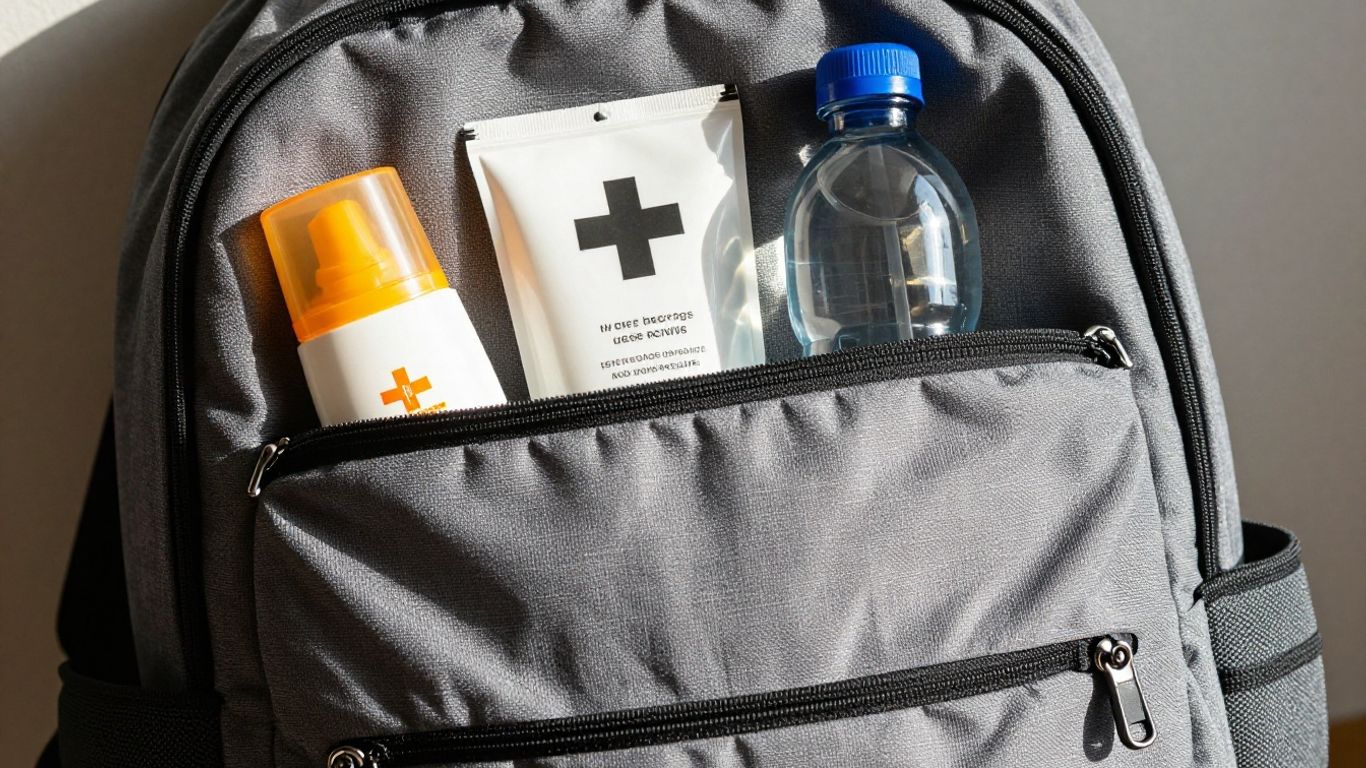
Healthy travel items packed in a backpack for a trip.

Packing can feel like a puzzle, right? You want to bring everything you might need, but also not end up wrestling a suitcase that weighs more than you do. The trick is to pack with your health and comfort in mind, making sure the things you need most are easy to get to. Thoughtful packing means a smoother trip.

Organizing Health Supplies in Your Luggage

Think about how you’ll arrange your health items. It’s not just about stuffing them in; it’s about smart placement. Using smaller bags or pouches can keep things tidy. For instance, a dedicated pouch for medications, another for toiletries, and maybe a third for any personal care items you use daily. This way, if you need something quickly, you won’t have to dig through your entire bag. It also helps if you need to go through security or if your luggage gets inspected.

  • Medication Pouch: Keep all prescription and over-the-counter meds here. Include a copy of your prescriptions if you’re traveling internationally.
  • First-Aid Pouch: Band-aids, antiseptic wipes, pain relievers, and any personal medical items.
  • Toiletries Bag: Toothbrush, toothpaste, soap, shampoo, and any other personal hygiene items.

Packing for Climate and Activity Considerations

Where you’re going and what you plan to do really shapes what you should pack. If you’re heading somewhere hot and humid, lightweight, breathable fabrics are your friend. For colder climates, layering is key. Think about activities too – if you’re planning on hiking, you’ll need different gear than if you’re mostly exploring city streets. Versatility in your clothing choices can save a lot of space.

  • Climate: Pack layers for unpredictable weather. A waterproof outer layer is often a good idea, no matter the destination.
  • Activities: Bring appropriate footwear for walking, hiking, or any specific sports. Comfortable shoes are non-negotiable.
  • Sun Protection: Even in cooler climates, sun exposure can be significant. Pack sunscreen, a hat, and sunglasses.

Ensuring Accessibility of Essential Health Items

Some health items are more important to have readily available than others. Things like hand sanitizer, tissues, a small first-aid kit, and any medications you need throughout the day should be easy to grab. This usually means keeping them in your carry-on bag or a small daypack. You never know when you might need to quickly clean your hands, treat a minor scrape, or take a needed medication.

Keeping key health items in your carry-on bag is a smart move. It means you can deal with minor issues or needs without having to open your main luggage, which is especially helpful during transit or if your checked bag gets delayed.

Remember, packing smart isn’t just about fitting things in; it’s about making sure your well-being is supported throughout your travels. A little planning goes a long way in making your trip more comfortable and worry-free.

Maintaining Health During Your Journey

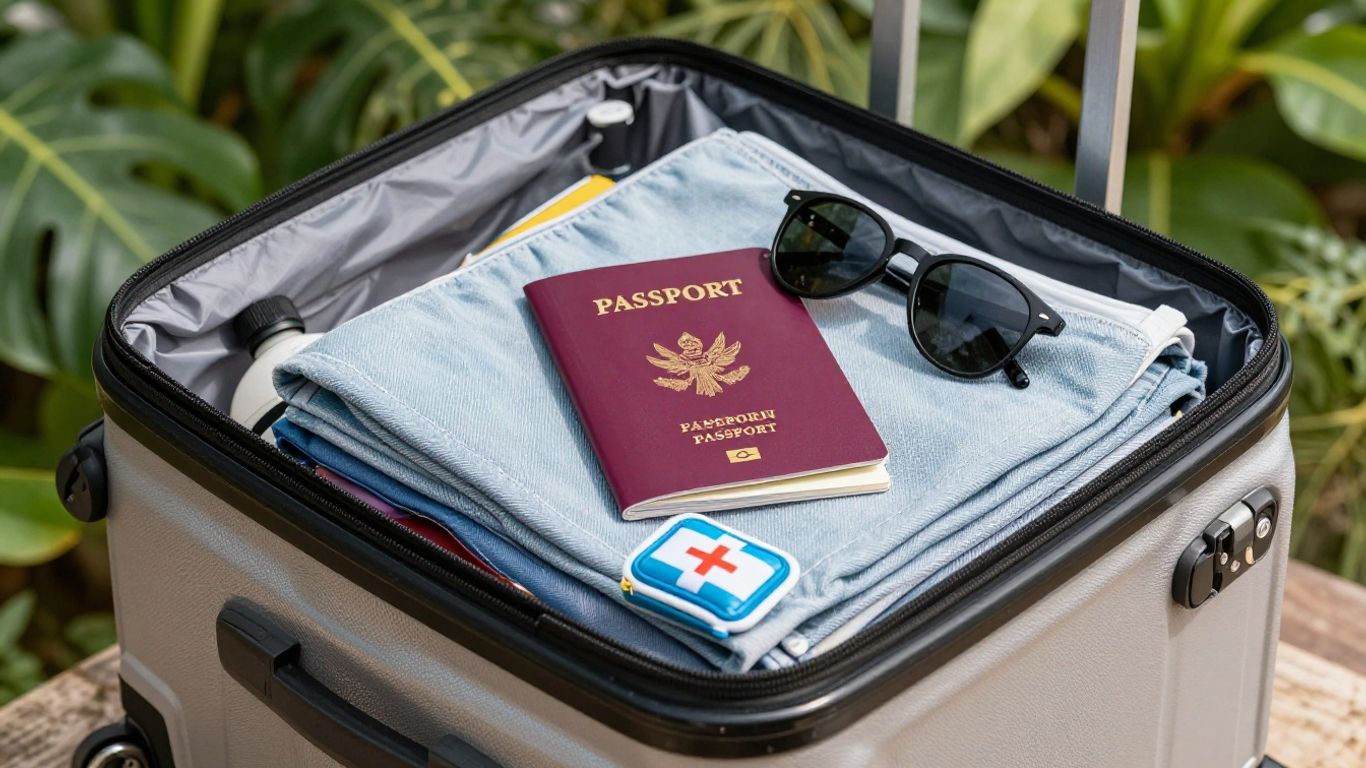
Packed suitcase with travel essentials for a healthy trip.

Keeping yourself healthy while you’re away from home is pretty important, right? It’s not just about the big stuff; it’s the little things you do every day that make a difference. Think of it as a continuous effort, not a one-time fix. Staying on top of your well-being means you can actually enjoy your trip without constant worry.

Practicing Good Hygiene on the Go

This one might seem obvious, but it’s worth repeating. Washing your hands often is your first line of defense against germs. If soap and water aren’t handy, a good hand sanitizer is your best friend. Keep it in your pocket or bag for easy access. Also, try to avoid touching your face – eyes, nose, and mouth – as much as possible. It’s a habit we all have, but it’s a quick way for germs to get in.

  • Wash hands thoroughly before eating.
  • Use sanitizer after touching public surfaces like doorknobs or railings.
  • Clean your personal space, like your hotel room’s remote control or phone, if you feel it’s needed.

Staying Hydrated and Nourished

Dehydration can sneak up on you, especially in different climates or when you’re active. Always have water with you. If you’re in a place where tap water isn’t safe, stick to bottled water or use a reliable water filter. Eating well is also key. Try to balance trying local foods with making sure you’re getting enough fruits and vegetables. Don’t just grab whatever’s easiest if it makes you feel sluggish.

Here’s a quick way to think about it:

  • Water Intake: Aim for at least 8 glasses a day, more if it’s hot or you’re exercising.
  • Food Choices: Mix restaurant meals with simpler options like fruit from a market or pre-packaged salads from a reputable store.
  • Snacks: Carry healthy snacks like nuts or energy bars to avoid relying on less healthy convenience foods.

Managing Jet Lag and Travel Fatigue

Long travel days and time zone changes can really throw your body off. Jet lag is a real thing, and it can make you feel groggy, irritable, and just plain out of sorts. Try to adjust to your destination’s time zone as quickly as possible. When you arrive, get outside in the daylight, even if you feel tired. This helps reset your body’s internal clock. Also, don’t overschedule yourself on the first day or two. Give your body time to catch up.

Rest is not a luxury when traveling; it’s a necessity for maintaining your health and enjoying your experience. Prioritize sleep and downtime to recover from travel stress and activity.

Navigating Health Challenges Abroad

Even with the best planning, sometimes things don’t go exactly as expected when you’re traveling. Knowing how to handle unexpected health situations can make a big difference in your trip. It’s all about being prepared and knowing where to turn if you need help.

Knowing Local Emergency Procedures

Before you even leave, it’s a good idea to jot down the local emergency numbers for your destination. These aren’t always the same as back home. For example, in many European countries, the general emergency number is 112. In the US, it’s 911. But it’s worth double-checking for the specific country you’re visiting. Also, make a note of where your country’s embassy or consulate is located. They can be a great resource if you run into serious trouble.

  • Save local emergency numbers: Dial 112 in most of Europe, 911 in the US, and check for others.
  • Locate your embassy/consulate: Know their address and contact details.
  • Understand basic medical terms: Learn how to say "help," "doctor," and "hospital" in the local language.

Accessing Medical Care When Needed

If you find yourself needing medical attention, your travel insurance details are your best friend. They’ll usually have a 24/7 helpline you can call. They can often direct you to reputable clinics or hospitals that work with your insurance. Don’t hesitate to use this service. It’s what you’re paying for, and they can help sort out the logistics, which is a huge relief when you’re not feeling well in an unfamiliar place.

It’s also helpful to have a list of any pre-existing conditions and your regular medications written down, perhaps in a small notebook or on your phone. This information can be vital for medical professionals treating you.

Handling Unexpected Illness or Injury

Sometimes, it’s just a minor upset, like a stomach bug from trying new foods or a scraped knee from an adventurous hike. Your personal first-aid kit will likely cover these. But if it’s more serious, remember that seeking professional help is always the right move. Don’t try to tough it out if you’re feeling really unwell or have sustained an injury. Your travel insurance provider is your first point of contact for significant issues, and they can guide you on the best course of action. Being proactive about your health abroad means you can get back to enjoying your trip faster.

Dealing with health issues while traveling can feel overwhelming, but a little preparation goes a long way. Knowing who to call and where to go can turn a stressful situation into a manageable one. Remember, your well-being is the priority, and there are resources available to help you.

Post-Travel Health Considerations

Monitoring Your Health Upon Return

Once you’ve unpacked and settled back in, it’s a good idea to pay a little attention to how you’re feeling. Travel can sometimes stir up things you didn’t even know were there, or just leave you feeling a bit run down. Keep an eye out for any unusual symptoms, like a persistent cough, fever, or stomach issues that don’t seem to go away. If you spent time in areas known for certain illnesses, like malaria zones, and you develop flu-like symptoms within a few weeks of returning, it’s really important to get checked out by a doctor and let them know where you’ve been.

Following Up on Any Medical Advice

Did your doctor give you any specific instructions before you left? Maybe it was about continuing a medication, or a follow-up appointment when you got back. Now’s the time to honor those promises to yourself. If you saw a doctor abroad for any reason, make sure you have any notes or prescriptions they gave you. You might want to share these with your regular doctor back home, especially if you received treatment or advice for something significant. It helps keep your health records complete and ensures you’re getting the best ongoing care.

Restocking Your Travel Health Kit

Think of your travel health kit as your trusty sidekick. Now that you’re home, take a moment to see what you used up or what might be nearing its expiration date. It’s smart to replenish items like bandages, pain relievers, antiseptic wipes, and any personal medications. This way, your kit is ready to go for your next adventure without any last-minute scrambling. A well-stocked kit isn’t just about convenience; it’s about being prepared for whatever comes your way.

Here’s a quick look at what to check:

  • Medications: Check expiry dates and replace any used items (pain relievers, allergy meds, stomach remedies).
  • First-Aid Supplies: Restock bandages, gauze, antiseptic wipes, and any specialty items you used.
  • Personal Items: Refill any travel-sized toiletries or specific health items you relied on.

Being proactive about your health after a trip means you can fully enjoy the memories made and be ready for whatever comes next, whether it’s back to the daily grind or planning your next escape.

Just got back from your trip? It’s important to think about your health after traveling. Sometimes, new germs or changes in routine can affect how you feel. Make sure you’re taking care of yourself so you can enjoy being home. For tips on staying healthy after your adventures, visit our website.

Ready for Your Next Adventure

So, we’ve covered a lot of ground, from getting your documents in order and packing smart to thinking about your budget and staying healthy. It might seem like a lot, but remember, a little planning goes a long way. It’s not about taking the fun out of travel; it’s about making sure your trip is as smooth and enjoyable as possible. Think of this checklist as your travel buddy, helping you remember the important stuff so you can focus on making memories. Now, go forth and explore – your well-prepared adventure awaits!

Frequently Asked Questions

Why is planning ahead for health important when traveling?

Getting your health stuff sorted before you leave makes your trip way less stressful. When you know what you need, like prescriptions or special gear, and have it all ready, you won’t have to worry about it when you’re already on your adventure. It’s like having a secret weapon against travel troubles!

What kind of doctor’s visit should I plan before my trip?

It’s a smart move to chat with your doctor a few weeks before you travel. They can give you advice based on where you’re going, make sure your vaccines are up-to-date, and write you prescriptions for any regular meds you take. Plus, they can help you figure out if you need any special medicines for your destination.

How do I pack my medications safely?

Always keep your medicines in their original containers, especially if they’re prescriptions. It’s also a good idea to pack them in your carry-on bag, not in your checked luggage, just in case your main bag gets lost. Bringing a copy of your prescription can also be helpful.

What should I include in a basic travel first-aid kit?

Your kit should have the essentials for common boo-boos. Think bandages in different sizes, antiseptic wipes to clean cuts, pain relievers like ibuprofen or acetaminophen, allergy medicine, and any personal items like motion sickness pills or antacids. Don’t forget things like hand sanitizer and insect repellent if you’ll be outdoors.

How can I stay healthy while I’m traveling?

Simple things make a big difference! Wash your hands often, especially before eating. Drink plenty of bottled or purified water. Try to eat balanced meals and get enough sleep to avoid getting run down. If you’re crossing time zones, try to adjust to the new schedule gradually to help with jet lag.

What should I do if I get sick or injured while traveling?

First, don’t panic. Know the local emergency number before you go. If it’s not an emergency, look for a reputable clinic or hospital. Your travel insurance company can often help you find a good medical facility and guide you through the process. Keep all your medical paperwork organized.