
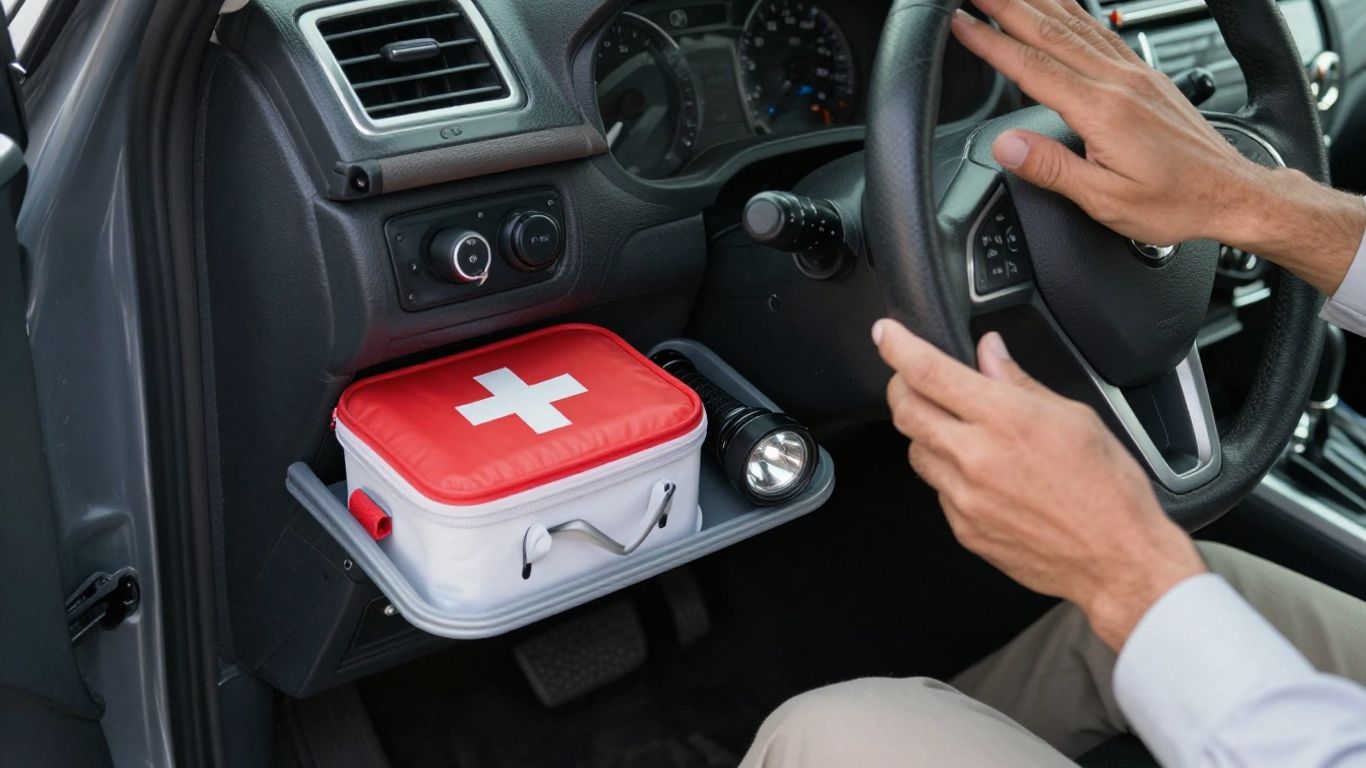
An urge-proof commute means your car already holds what you need to get past the drive-thru, the gas-station snack aisle and the “I deserve a treat” moment after a long day. You do it with three pieces: a small glovebox kit with water and filling snacks, a short plan for your usual trigger points, and a two-minute ritual when you park so you walk in the door calm rather than ravenous. None of it takes willpower in the moment because the decisions are made ahead of time.
Why the commute triggers food urges
The drive home stacks up several urge triggers at once:
- Real hunger. Lunch was hours ago and dinner is still 45 minutes away.
- Stress. Traffic, deadlines and a busy day add up. Harvard Health explains that ongoing stress raises cortisol, which can increase appetite and the drive to eat, often for sweet or fatty foods.
- Habit and cues. The same burger sign, bakery or convenience store, at the same time every day.
- Transition. The car is the space between “work you” and “home you,” and food is an easy way to mark the switch.
Once you know which of these is driving the urge, you can plan for it.
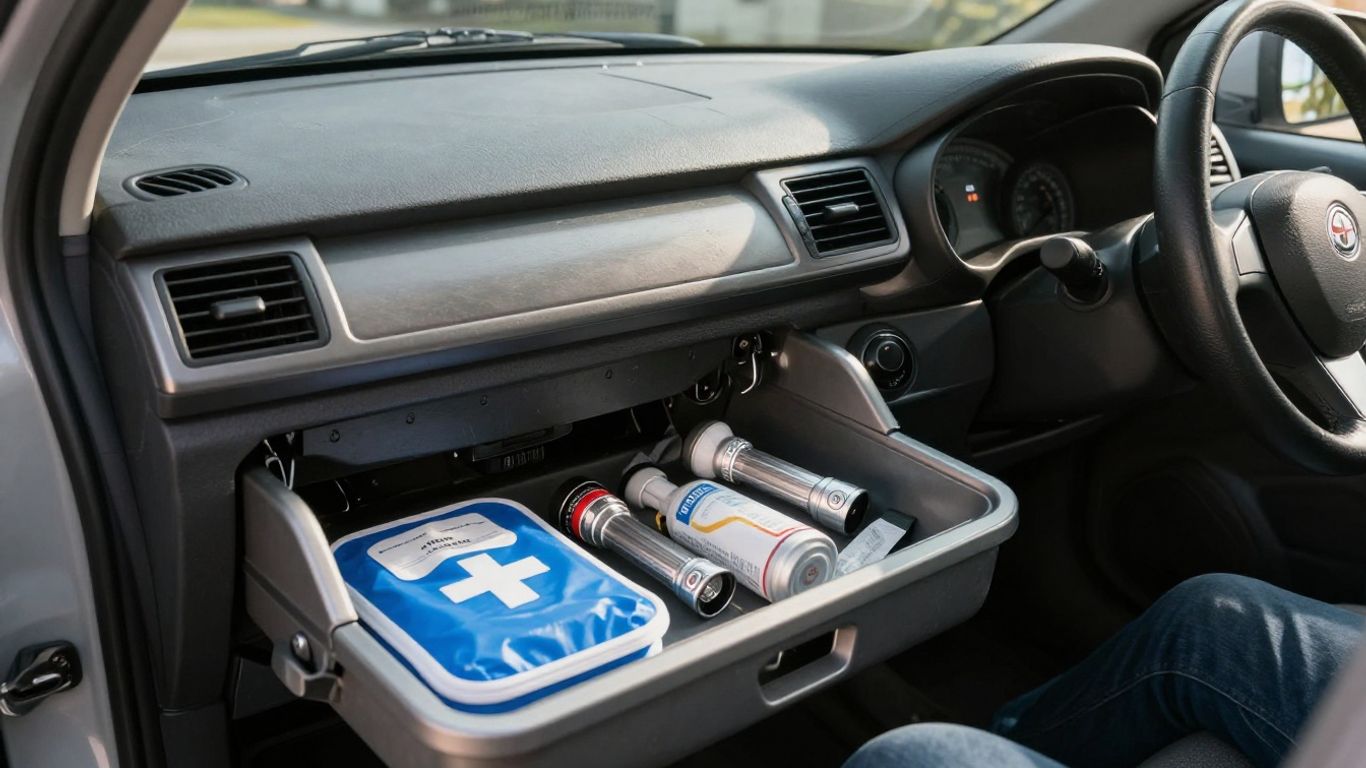
Build your glovebox kit
Choose shelf-stable items that handle heat and cold, since cars in Canada swing from freezing to very hot. Refresh the kit every couple of weeks.
| Category | Ideas | Why it helps |
|---|---|---|
| Hydration | Refillable water bottle (bring a fresh one daily), a spare sealed bottle | Thirst often feels like hunger; a few sips buys time |
| Protein snacks | Single-serve nuts, roasted chickpeas, shelf-stable cheese crackers, a protein bar you actually like | Protein and fat keep you full until dinner |
| Fibre snacks | Whole-grain crackers, plain popcorn, dried fruit in small portions | Adds staying power without a sugar crash |
| Mouth reset | Sugar-free mints or gum | Signals “eating is done” after a snack |
| Calm tools | A saved playlist, an audiobook, a podcast queue | Gives your brain something rewarding besides food |
| Basics | Napkins, wipes, a small bag for wrappers, phone charger | Keeps the car pleasant to be in |
Pre-portion snacks into small bags so a snack stays a snack. If you want more ideas, see portable proteins beyond jerky and snack architecture for energy-steadying bites.
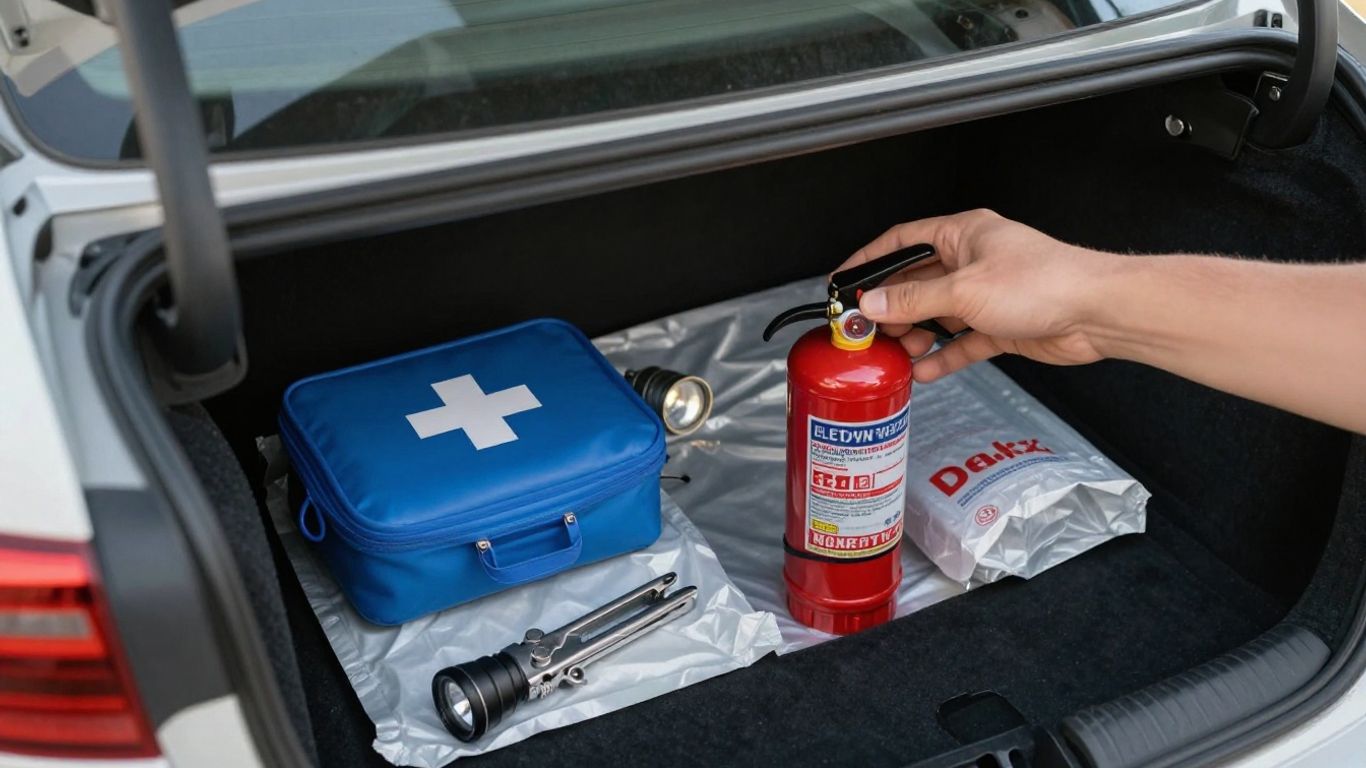
Keep a separate, basic safety kit in the car too (first-aid supplies, blanket, flashlight and anything your vehicle manual recommends). It is not about urges, but a car that feels prepared feels calmer to drive.
Before you leave: a one-minute pre-drive check
- Hunger check. Rate your hunger from 1 to 10. If it is 6 or higher, eat a planned snack before you start driving, not halfway home.
- Water. Take a few sips and make sure your bottle is full. The NHS suggests most people aim for 6 to 8 cups or glasses of fluid a day, and the drive is an easy place to fit some in.
- Dinner plan. Know what you will eat at home. “Leftover chili” is enough. A vague plan makes the drive-thru more tempting.
- Audio. Queue your playlist or audiobook before you put the car in gear.
Plan for your trigger points
Think about your route and name your two or three “hotspots.” Then write an if-then plan for each.
| If… | Then I will… |
|---|---|
| I pass the drive-thru I usually stop at | Take a sip of water and turn up my audiobook |
| I stop for gas | Pay at the pump, or go in for water only |
| I am stuck in traffic and stressed | Do slow breathing at red lights (or once stopped safely) |
| I truly need food now | Eat my glovebox snack, or choose a planned option if I stop |
If you do stop for food, decide in advance what a reasonable order looks like: something with protein and vegetables, a regular size, and water or milk instead of a sweetened drink. Changing your route by one street to skip a familiar sign is also a fair strategy.
Calm in the car
A calmer driver has fewer urges. A few small habits help:
- Leave five minutes earlier so you are not racing the clock.
- Keep both hands on the wheel and your phone out of reach; the urge to check messages and the urge to snack often travel together.
- Use slow belly breathing when stopped safely. The NHS describes breathing in and out to a steady count of about five for a few minutes to ease stress.
- Save a favourite podcast or album for the drive only, so the commute has its own non-food reward.
The post-drive ritual
The two minutes after you park decide much of your evening. Try this before you go inside:
- Park and pause (30 seconds). Turn off the engine and audio. Take five slow breaths.
- Name it (30 seconds). Say or think one sentence about the day: “That was a heavy day, and it’s over.”
- Tidy (30 seconds). Collect wrappers and your bottle. Note anything the kit needs.
- Set the next step (30 seconds). Decide your first action inside: change clothes, start dinner, or a glass of water.
Then walk in and follow through. If you arrive very hungry, eat a planned small starter (raw vegetables with hummus, a glass of milk, a piece of fruit with cheese) while dinner cooks. For a quick reset in under two minutes, try the ideas in state change micro-doses.
Adjust the kit for the season
- Summer: skip anything that melts (chocolate-coated bars) and bring water from home each day rather than leaving bottles in a hot car. Keep perishables like cheese or yogurt in an insulated bag with an ice pack, and only for the day.
- Winter: a thermos of herbal tea, hot milk or broth makes a warm, filling bridge to dinner. Nuts and crackers can stay in the car, but water bottles may freeze, so carry one in with you.
- Long or late drives: pack a “mini meal” (a wrap, a hard-boiled egg and fruit) instead of relying on snacks.
Look back once a week
At the end of the week, ask three questions: Which day was hardest and why? Did the kit have what I needed? What one change would make next week easier? Small adjustments, like a different snack or leaving earlier on Fridays, add up.
When to check with a professional
If urges to eat feel out of control, you often eat large amounts in the car and feel distressed afterwards, or you are hiding food, talk to your doctor or a registered dietitian. Support is also available through NEDIC. If drowsiness, rather than hunger, is your main issue on the drive, mention it to your doctor too.
Key takeaways
- Stock the glovebox with water, protein and fibre snacks, mints and an audio plan.
- Check your hunger before you drive and eat a planned snack if you need one.
- Name your trigger points and write an if-then plan for each.
- Know what dinner is before you leave.
- Use a two-minute post-drive ritual to move from work to home calmly.