
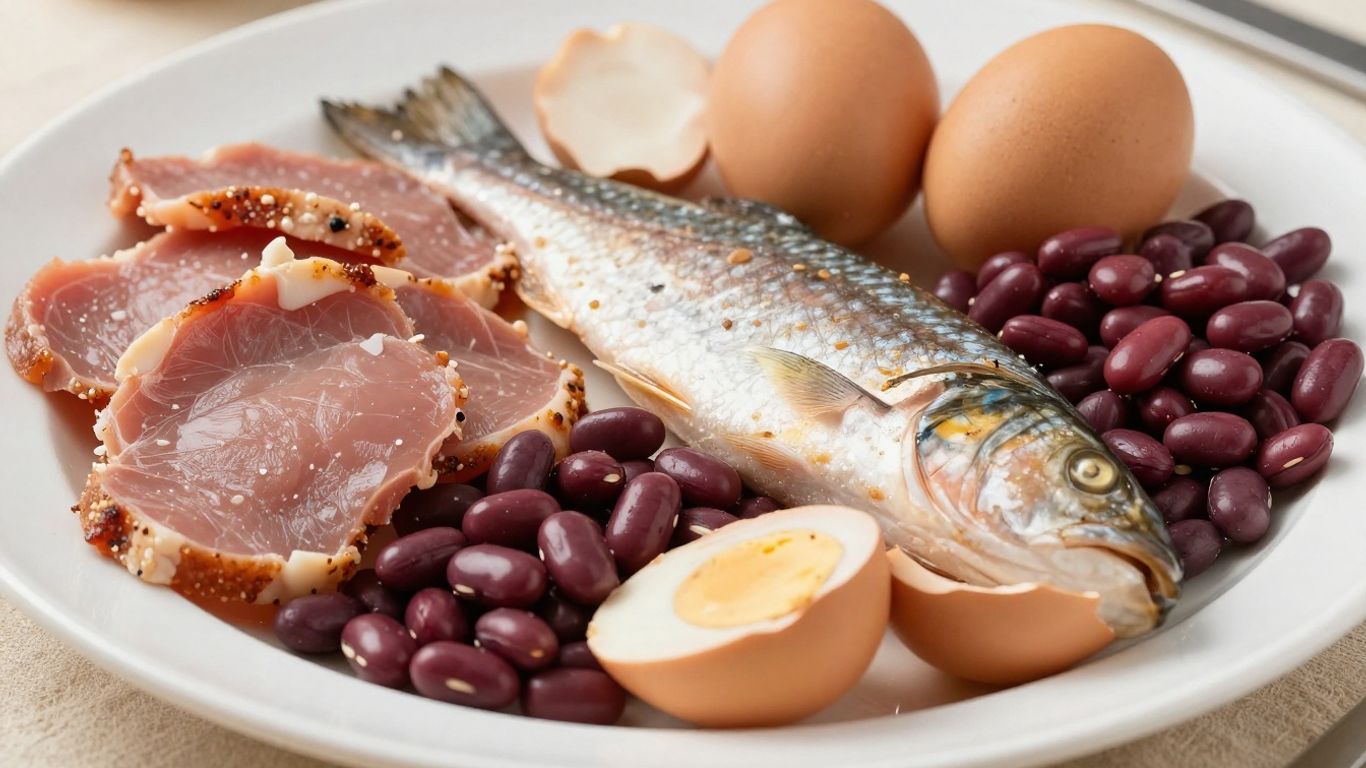
For most active adults, the research points to roughly 20 to 40 grams of good-quality protein per meal (about 0.25 g per kilogram of body weight), spread across three or four meals every 3 to 4 hours. Each of those meals should ideally contain roughly 700 to 3,000 mg of leucine, the amino acid that acts as the main “switch” for muscle building. In practice, that means building every meal around a real protein food instead of saving most of your protein for dinner.
What the leucine threshold means
Your muscles are constantly being broken down and rebuilt. Eating protein, especially after strength training, tips the balance toward rebuilding (muscle protein synthesis). Leucine is one of the essential amino acids, and it plays a key role in signalling muscle cells to start that process.
The “leucine threshold” is the idea that a meal needs a minimum amount of leucine to switch muscle building on fully. The International Society of Sports Nutrition’s position stand recommends that each protein dose contain 700 to 3,000 mg of leucine along with a balanced mix of essential amino acids, in a dose of about 0.25 g/kg or 20 to 40 g, evenly distributed every 3 to 4 hours.
You do not need to count leucine milligrams. Foods that are rich in protein overall usually bring enough leucine with them once you reach a solid serving. Dairy, eggs, fish, poultry, meat and soy foods are especially rich; most other plant proteins have a little less, so plant-based meals may need a slightly larger serving or a combination of sources.
How many grams per meal
Use body weight as your guide:
| Body weight | About 0.25 g/kg per meal | Practical target |
|---|---|---|
| 55 kg (121 lb) | 14 g | 20 to 25 g |
| 70 kg (154 lb) | 18 g | 20 to 30 g |
| 85 kg (187 lb) | 21 g | 25 to 35 g |
| 100 kg (220 lb) | 25 g | 30 to 40 g |
The “practical target” column rounds up toward the 20 g floor many people use as a minimum, and leaves room for plant-based meals or older adults, who often benefit from the higher end. If you are in a larger body and losing weight, ask your provider whether to base targets on a goal or adjusted weight.
For daily totals, the Recommended Dietary Allowance is 0.8 g of protein per kilogram of body weight, which Harvard Health describes as the minimum to stay healthy rather than an ideal target. Active people and those doing strength training often aim higher; three or four meals at the targets above usually land you there.
Why spacing matters
Many people eat a small protein breakfast, a moderate lunch and a very large dinner. In a study of healthy adults, eating the same total protein (about 90 g) spread evenly across three meals produced about 25% higher 24-hour muscle protein synthesis than a pattern that loaded most of it into dinner.
The likely reason: once one meal has passed the threshold, extra protein in that same meal adds less benefit for muscle, while a breakfast below the threshold misses an opportunity. Spreading protein out gives you three or four “on” signals instead of one.
A simple spacing pattern
- Breakfast: 20 to 40 g protein
- Lunch: 20 to 40 g, about 3 to 5 hours later
- Afternoon snack (optional): 15 to 20 g, especially if dinner is late or you train in the afternoon
- Dinner: 20 to 40 g
Around training, a protein-containing meal within a few hours before or after is enough for most people. The ISSN position stand notes the best timing is largely a matter of personal tolerance, since benefits appear with both pre- and post-workout intake.
Real food combos that reach the target
These are built to hit roughly 20 to 40 g. Protein amounts vary by brand and portion, so check the Nutrition Facts table on packaged foods and adjust servings.
| Meal | Combo | Tip |
|---|---|---|
| Breakfast | Eggs scrambled with cottage cheese, whole-grain toast, fruit | Cottage cheese adds protein without much volume |
| Breakfast | Greek yogurt bowl with hemp hearts, berries and oats | Choose plain yogurt and sweeten with fruit |
| Breakfast | Tofu scramble with black beans and salsa in a tortilla | Firm or extra-firm tofu packs the most protein |
| Lunch | Canned salmon or tuna on a big salad with chickpeas | Two protein foods make the target easy |
| Lunch | Lentil soup with a side of milk or a cheese sandwich | Dairy tops up leucine for plant-based soups |
| Snack | Glass of milk or soy beverage with a handful of nuts | Soy beverage is the plant milk closest to cow’s milk in protein |
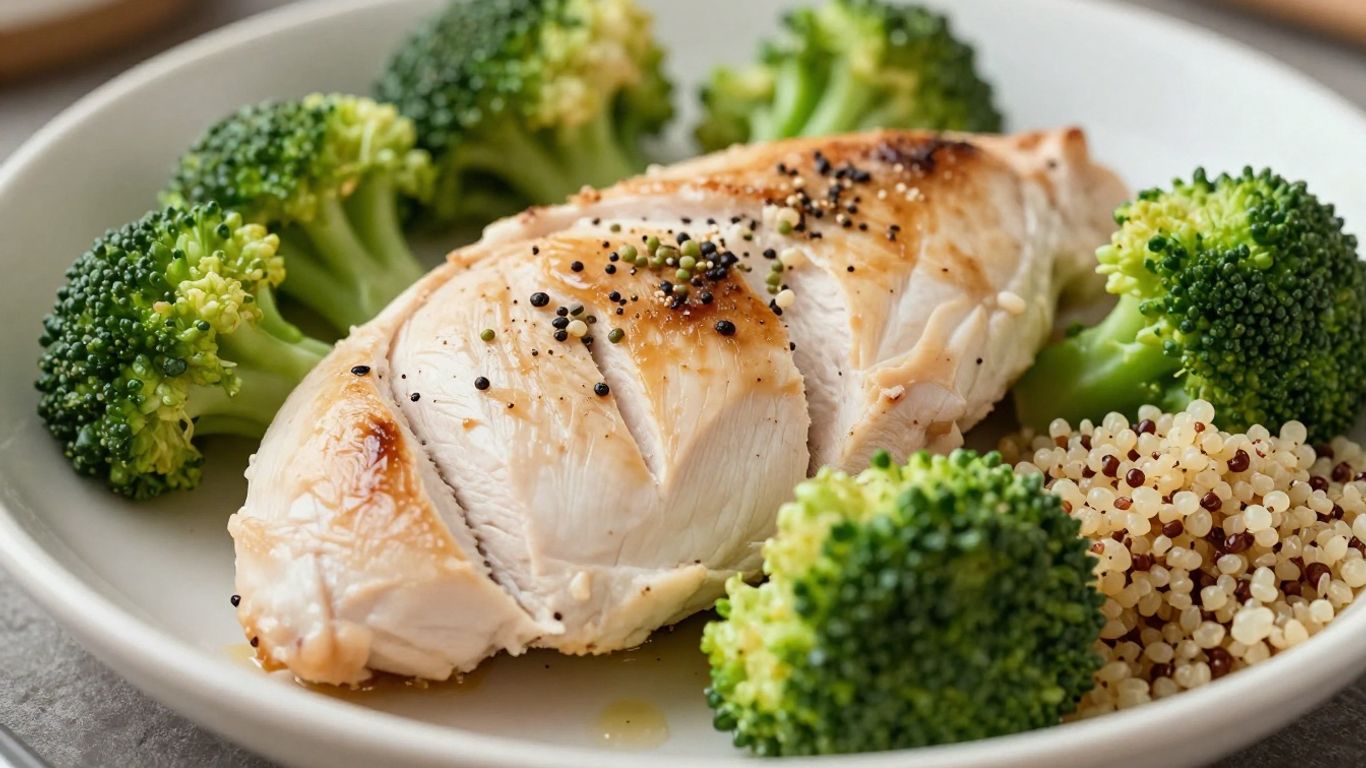
| Dinner | Chicken or fish, quinoa and roasted vegetables | Palm-sized or larger portion of the protein |
| Dinner | Tempeh or edamame stir-fry over brown rice | Use a generous serving of soy |
For budget-friendly options, see budget proteins: canned fish, legumes and smarter poultry buys. If breakfast is your weak spot, a batch breakfast bar makes it easier to hit the target on busy mornings.
Plant-based meals and leucine
Plant proteins can absolutely meet your needs. They usually contain a bit less leucine per gram of protein and are slightly less digestible, so:
- Aim for the upper half of your per-meal range.
- Lean on soy foods (tofu, tempeh, edamame, soy beverage), which are among the richest plant sources.
- Combine sources across the meal: legumes plus grains, seeds or nuts.
Our guide to amino acid completeness without meat has plate maps for this.
Who may need more attention
- Older adults: muscles tend to respond less to small protein doses with age, so many experts suggest staying toward the upper end per meal.
- People losing weight: eating less overall makes it more important to protect muscle with adequate protein and strength training.
- Heavy training: more frequent, evenly spaced protein meals support recovery.
Protein powder: helpful, not required
A scoop of protein powder can rescue a low-protein breakfast or a busy afternoon. Whole foods still bring fibre, vitamins and minerals that powders do not, so use powder to fill gaps rather than replace meals.
When to check with a professional
Talk to your doctor or a registered dietitian before raising protein significantly if you have kidney disease, liver disease, or a condition where protein is restricted, or if you are pregnant or managing a complex medical diet.
Key takeaways
- Aim for about 20 to 40 g of protein per meal (roughly 0.25 g/kg).
- Spread protein over three or four meals, about 3 to 4 hours apart.
- Fix the smallest meal first; for most people that is breakfast.
- Combine two protein foods when one serving is small.
- Go toward the higher end for plant-based meals and with age.
FAQ
Can I eat more than 40 g at once?
Yes. It is not wasted; it is used for other needs. For muscle building, though, spreading the same total across meals tends to work better.
Do I need leucine supplements?
Most people do not. A full serving of a protein-rich food usually provides enough leucine.