
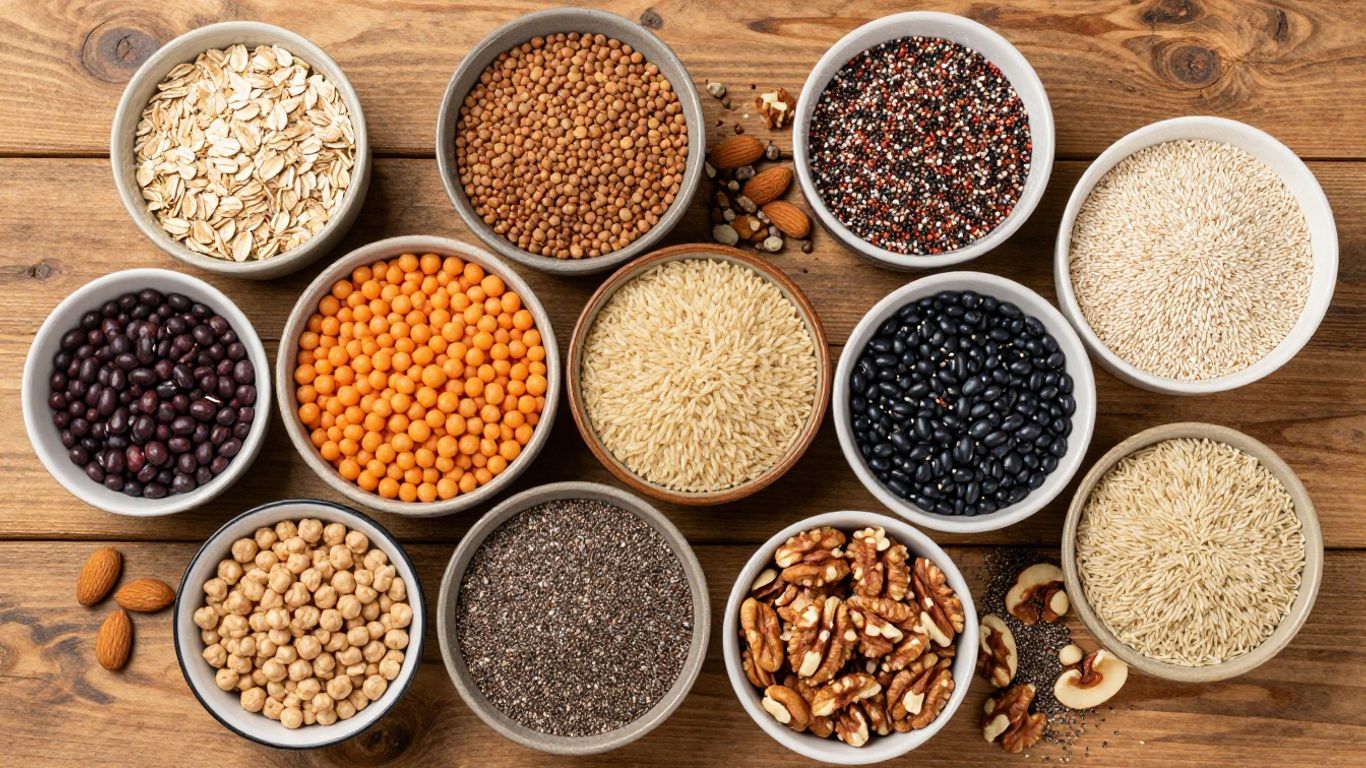
You can eat plenty of vegetarian protein without leaning on tofu and soy milk at every meal. Pulses (lentils, beans, chickpeas, split peas), whole grains, nuts, seeds, eggs and dairy cover your needs well, as long as you eat a variety across the day and include a clear protein source each time you eat.
Soy is a perfectly good food. This guide is for people who want more variety, have a soy sensitivity, or simply feel they’ve hit tofu fatigue.
How much protein, and does it need to be “complete”?
A common baseline for adults is at least 0.8 g of protein per kilogram of body weight per day; the Harvard T.H. Chan School of Public Health notes that people who don’t eat animal foods can get all the amino acids they need by eating a variety of protein-containing plant foods each day. You don’t need to combine specific foods at the same meal. Mixing sources over the day does the job.
Canada’s Food Guide also encourages Canadians to choose protein foods that come from plants more often, noting they can provide more fibre and less saturated fat. Its examples include beans in a burrito, lentils in soup and nuts and seeds such as peanuts, almonds and sunflower seeds.
Pulses: your main workhorse
Pulses give you protein, fibre, iron and folate in one inexpensive package.
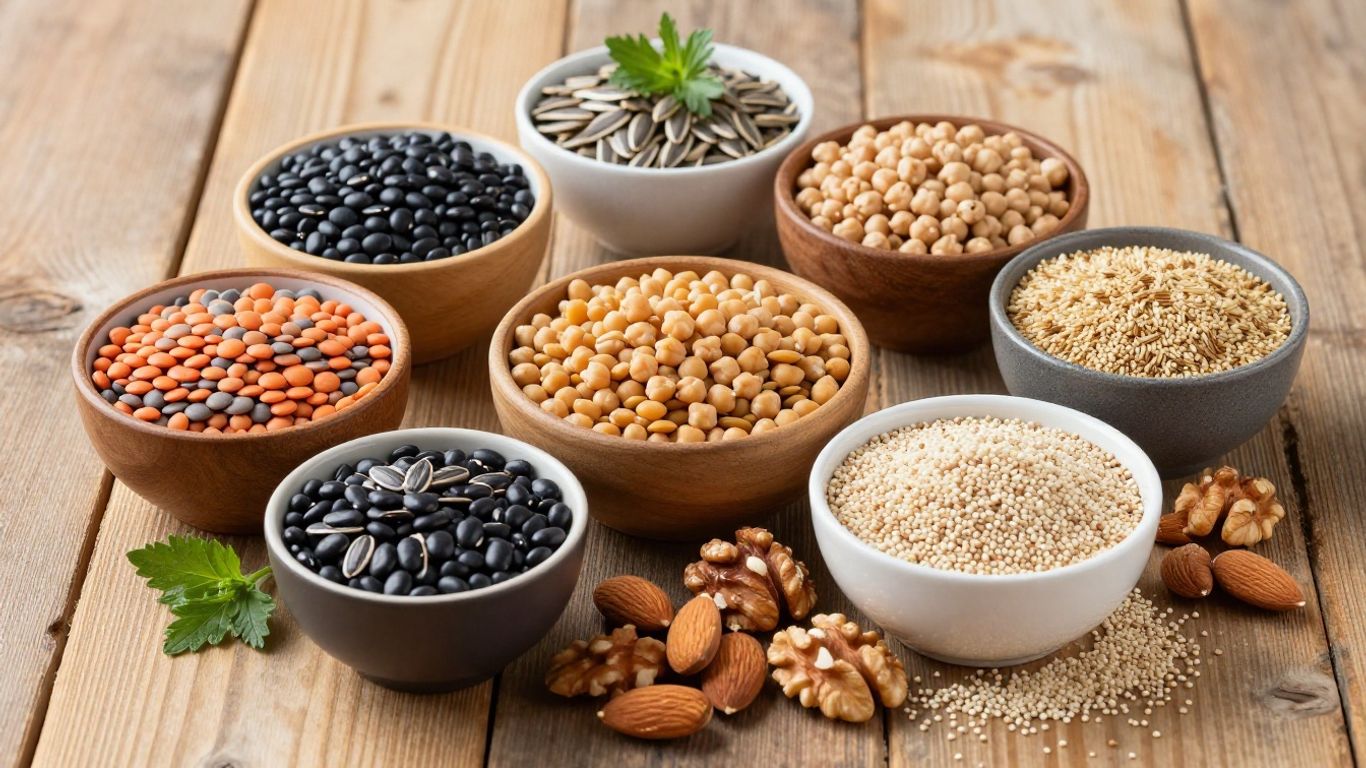
- Lentils: No soaking needed. Red lentils melt into soups and dals in about 20 minutes; green and brown lentils hold their shape for salads and bowls.
- Chickpeas: Hummus, roasted chickpeas, curries, salads, or mashed with mayo or yogurt as a sandwich filling.
- Black, kidney, pinto and white beans: Chili, burrito bowls, bean soups, pasta e fagioli, bean dips.
- Split peas: Thick, comforting soups that reheat well.
Canned pulses are a fine shortcut. Choose low-sodium versions where you can and rinse them before using.
Whole grains: protein you’re already eating
Grains add more protein than many people realize, especially when you choose the heartier ones:
- Quinoa cooks in about 15 minutes and works hot or cold.
- Farro, spelt and barley are chewy and filling in soups and salads.
- Oats become a stronger breakfast when cooked in milk.
- Seitan, made from wheat gluten, is very high in protein and has a meaty texture. It isn’t suitable if you have celiac disease or need to avoid gluten.
Pairing grains and pulses, such as rice and beans, lentils with bulgur, or hummus with whole grain pita, gives you a broad amino acid mix plus a lot of fibre.
Nuts and seeds: small but mighty
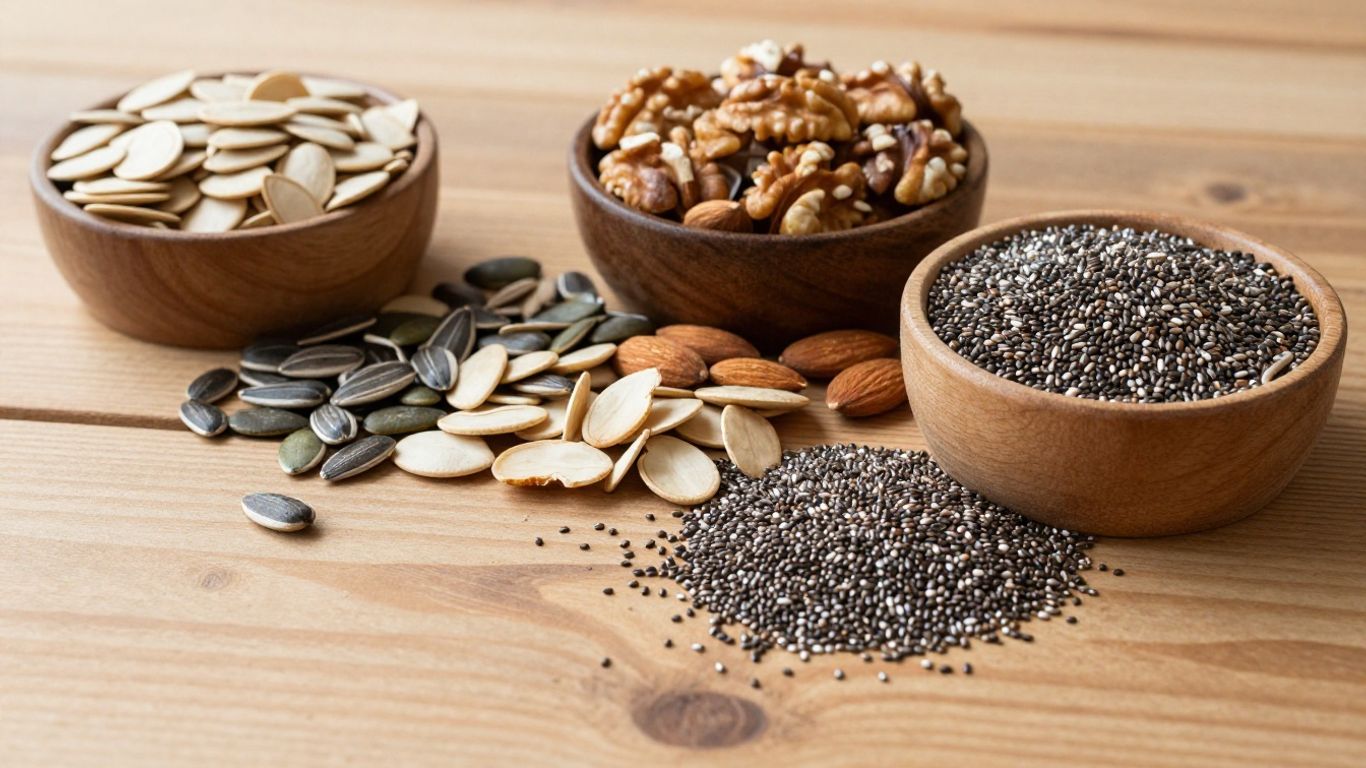
Nuts and seeds add protein, healthy fats and crunch. Because they’re energy-dense, use them as a topping or partner rather than the main protein.
- Hemp hearts: Mild and soft; sprinkle 2 to 3 tablespoons on oats, salads or yogurt.
- Pumpkin seeds: Great toasted on soups and grain bowls.
- Chia and ground flax: Add fibre and omega-3 fats; stir into oats or overnight puddings.
- Peanuts and peanut butter: Technically a legume, and one of the most affordable protein add-ons.
- Almonds, walnuts, cashews: Snack portions or blended into sauces.
Other soy-free helpers
- Eggs (if you eat them): quick, versatile and affordable.
- Dairy: Greek yogurt, skyr, cottage cheese and milk are among the highest-protein vegetarian foods.
- Pea protein products and pea-based milks offer a soy-free alternative to soy milk.
- Nutritional yeast adds a savoury, cheesy flavour and a little protein; check the label for fortified B12.
A week of soy-light meal ideas
| Meal | Ideas |
|---|---|
| Breakfast | Oats cooked in milk with hemp hearts; Greek yogurt with berries and pumpkin seeds; scrambled eggs on whole grain toast; chickpea-flour “omelette” with spinach |
| Lunch | Lentil and vegetable soup with whole grain bread; quinoa and black bean salad; hummus wrap with lots of vegetables; mashed chickpea sandwich |
| Dinner | Red lentil dal with brown rice; bean chili; pasta with white beans, greens and garlic; farro bowl with roasted vegetables and a yogurt sauce |
| Snacks | Roasted chickpeas; apple with peanut butter; cottage cheese and fruit; trail mix of nuts and seeds; hummus with vegetables |
Simple rules for each plate
- Start with a pulse or dairy anchor. Aim for roughly a quarter of your plate as a clear protein food: about a cup of cooked lentils or beans, or a serving of Greek yogurt, cottage cheese or eggs.
- Add a whole grain. It fills out the amino acid mix and adds staying power.
- Top with nuts or seeds. A spoonful adds protein, fat and texture.
- Fill the rest with vegetables. Volume, colour and fibre.
A soy-light shopping list
- Pantry: Dried red and green lentils, canned chickpeas and black beans (low sodium), split peas, quinoa, farro or barley, large-flake oats, whole grain pasta, peanut butter, tahini.
- Freezer: Frozen peas and mixed vegetables, frozen berries for yogurt bowls, cooked lentils or beans in portions.
- Fridge: Eggs, plain Greek yogurt, cottage cheese, milk or a fortified pea-based drink, hummus.
- Toppers: Hemp hearts, pumpkin and sunflower seeds, chia, ground flax, almonds, walnuts.
One-hour batch prep
- Simmer a pot of green lentils and a pot of quinoa at the same time.
- Roast a tray of chickpeas with smoked paprika for snacks and salad toppers.
- Hard-boil half a dozen eggs, if you eat them.
- Blend a batch of hummus or white bean dip.
- Portion nuts and seeds into small containers so they’re easy to grab without over-pouring.
With those ready, most meals become assembly: grain plus pulse plus vegetables plus a sauce.
If you’re very active
People who train hard or are trying to keep muscle while losing weight often do better with protein at the higher end of the range, spread over three or four meals. Practically, that means a generous protein anchor at every meal and a protein-containing snack after training, such as Greek yogurt, a glass of milk, or hummus with whole grain crackers. Pea-based protein powders are an option if you struggle to hit your target with food, but they aren’t required.
Comfortable digestion
If you’re adding a lot more beans and lentils, increase slowly over a couple of weeks, drink more water, and start with easier options such as red lentils, split peas and well-rinsed canned beans. Soaking and thoroughly cooking dried beans also helps.
When to check with a professional
A registered dietitian can help if you are pregnant or breastfeeding, have kidney disease, are cutting out dairy and eggs as well (vitamin B12, iron, calcium, iodine and omega-3s need extra planning), have food allergies to nuts or legumes, or are struggling to get enough food overall. If you notice ongoing fatigue, ask your doctor whether checking iron or B12 makes sense.
Key takeaways
- Pulses, whole grains, nuts, seeds, eggs and dairy cover vegetarian protein without relying on soy.
- Variety across the day matters more than combining foods at each meal.
- Build each plate from a protein anchor, a whole grain, a nut or seed topping and vegetables.
- Increase beans and lentils gradually for comfortable digestion.
FAQ
Is soy bad for me?
No. Soy foods like tofu, tempeh and edamame are nutritious and appear in Canada’s Food Guide examples. This guide is about variety, not avoidance, unless you have an allergy or your healthcare provider advises otherwise.
Do I need protein powder?
Most people can meet their needs with food. A powder can be a convenient backup on busy days, but it isn’t necessary.
For more on this topic, read our guide to plant-based protein, see budget proteins including legumes, or pack some portable proteins for busy days.