
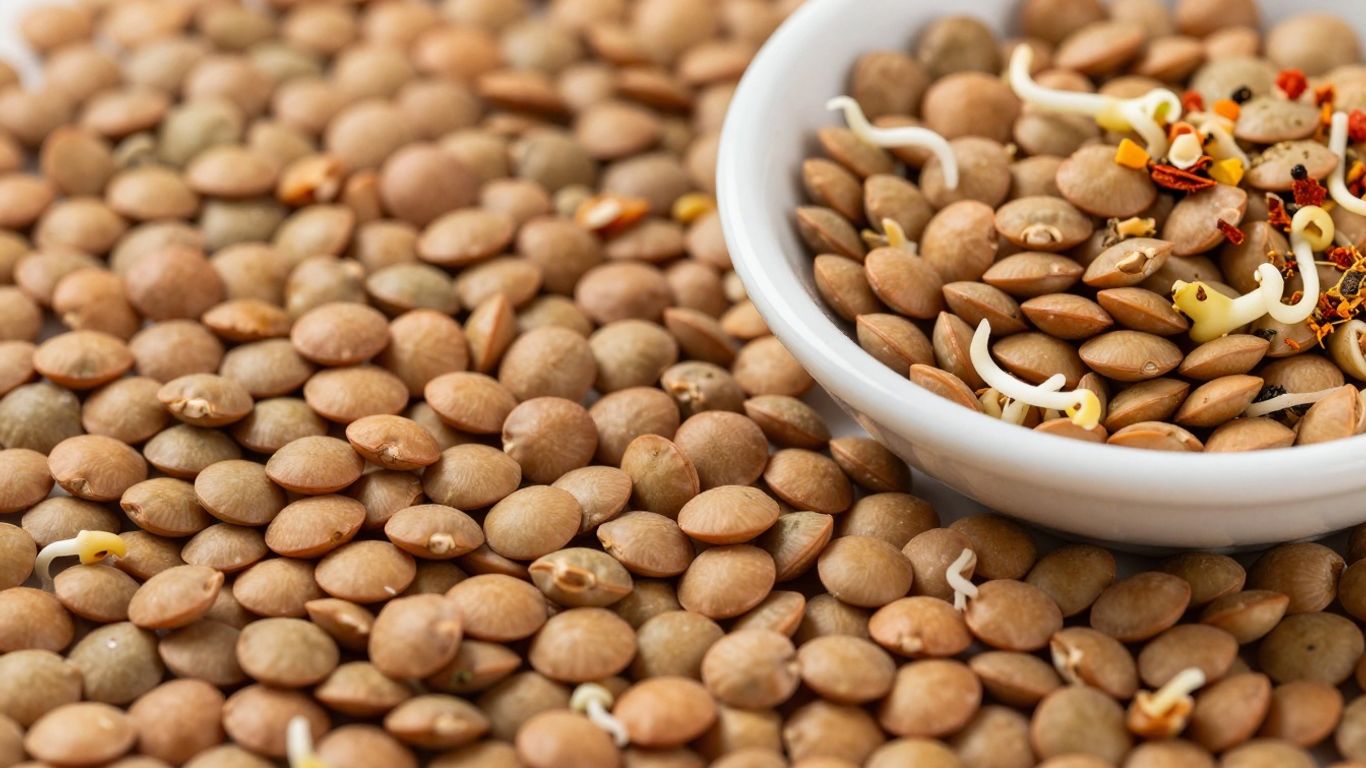
Lentils are one of the fastest, cheapest protein-and-fibre foods you can cook, and they don’t need soaking. If they leave you gassy or bored, three simple techniques help: a short soak or rinse, sprouting (then cooking) for a nuttier taste, and smart spicing with fat and acid at the right moments.
Here’s how to choose the right lentil, prepare it for easier digestion, and make it taste good enough to eat every week.
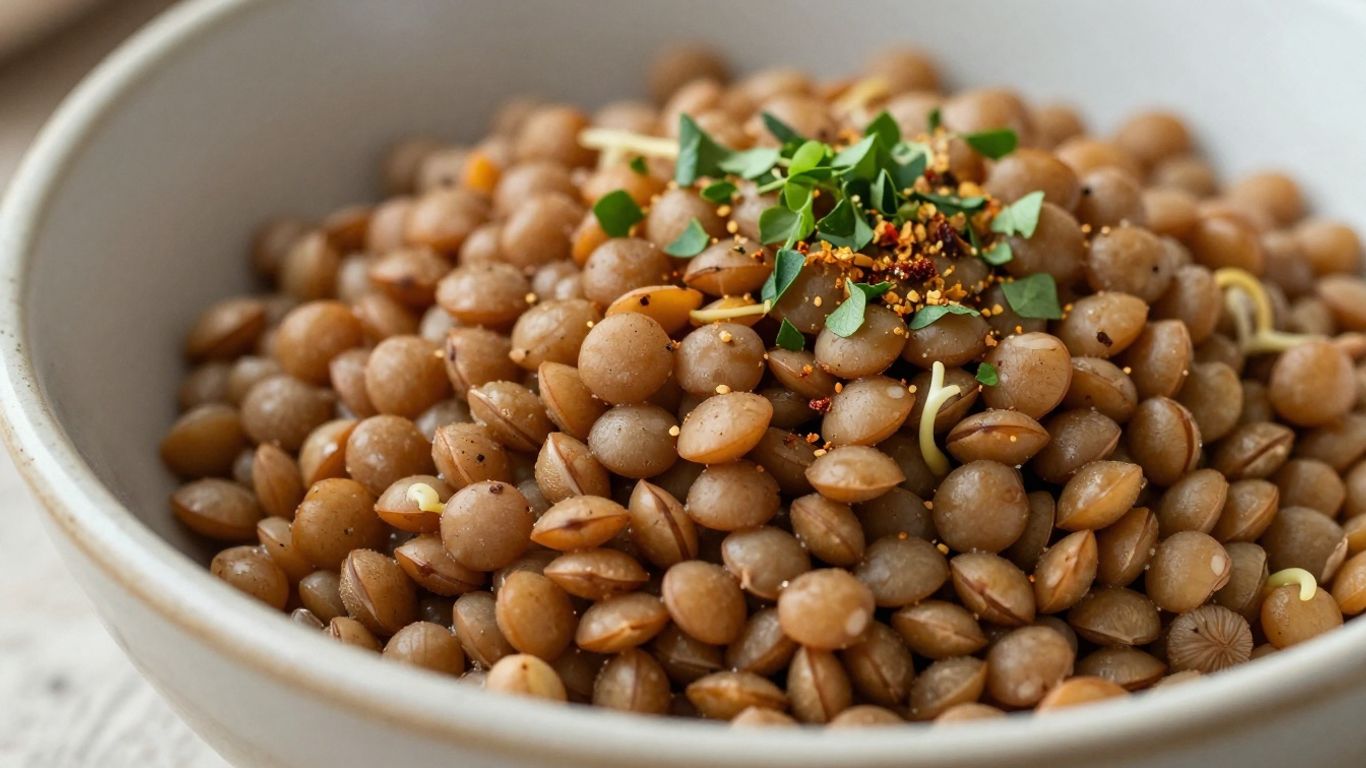
Pick the right lentil for the job
| Lentil | Texture when cooked | Approx. simmer time | Best for |
|---|---|---|---|
| Red / yellow (split) | Soft, breaks down | 15–20 min | Dal, soups, thickening sauces |
| Brown | Tender, holds shape loosely | 20–30 min | Soups, stews, sloppy joes, tacos |
| Green | Firmer | 25–35 min | Salads, bowls, side dishes |
| Black (beluga) / French green | Firm, keeps shape well | 20–30 min | Salads, grain bowls, meal prep |
Times vary with the age of the lentils, so start tasting a few minutes early. Older lentils take longer.
Soak, or just rinse?
Lentils are small and thin-skinned, so soaking isn’t required. Always rinse them and pick out any small stones. If lentils tend to bother your stomach, a soak of a few hours (then drain and use fresh water to cook) is worth trying. The Harvard T.H. Chan School of Public Health explains that legumes contain oligosaccharides that gut bacteria ferment, which can cause gas and bloating in some people, and that soaking dried beans for at least three hours and cooking them may help decrease this side effect. Lentils are usually gentler than large beans to start with.
Other digestion helpers:
- Start with red lentils, which are split and hulled and tend to be easiest on the gut.
- Increase portions gradually over a couple of weeks.
- Cook them until truly tender; firm, undercooked lentils are harder to digest.
- Skim the foam that rises at the start of cooking.
- Drink enough water as your fibre intake goes up.
Sprouting lentils at home
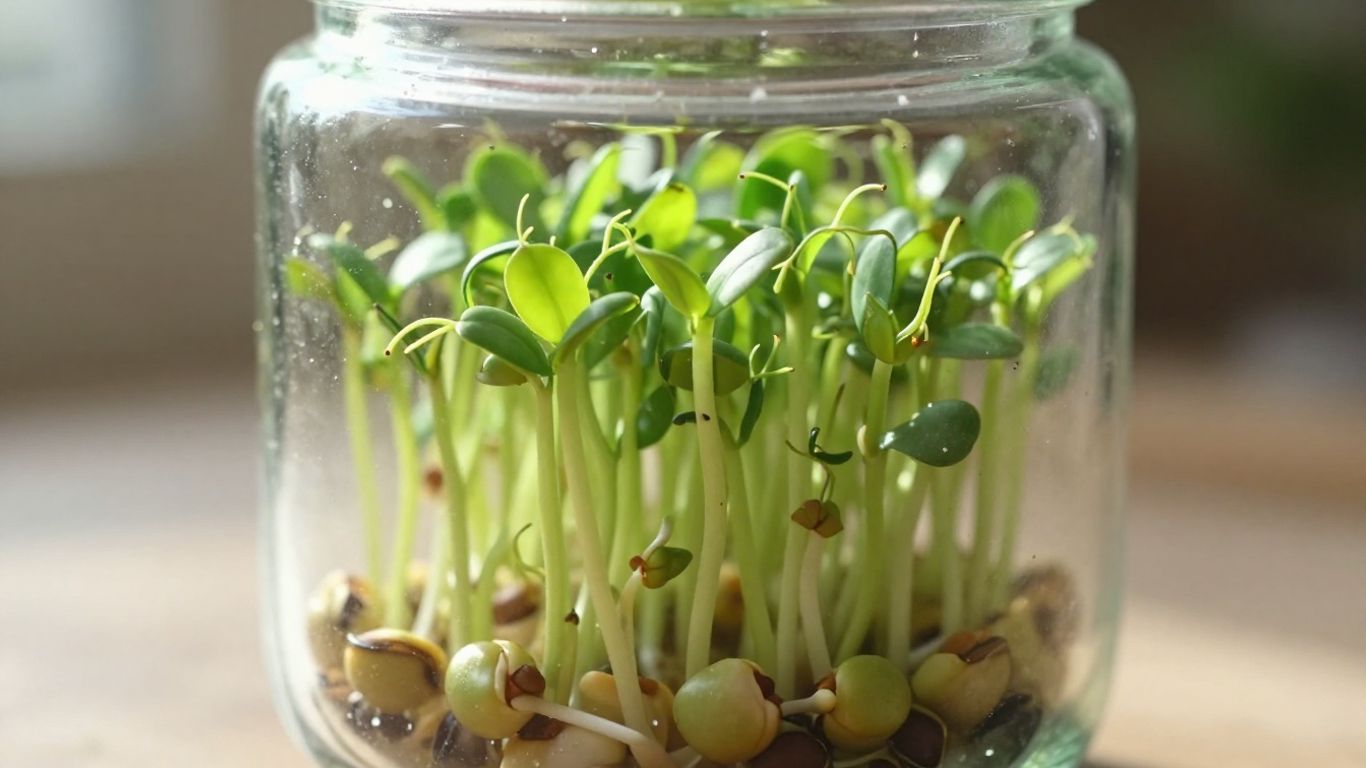
Sprouting turns dried lentils into crunchy little shoots with a fresh, slightly sweet, pea-like taste. It also changes their makeup. In a lab study, germinating lentils reduced their phytic acid content (phytic acid can reduce absorption of some minerals). Another study found that short germination lowered lentils’ α-galactoside content by about half; these are the gas-producing sugars mentioned above. These were controlled lab conditions, so your kitchen results will vary, but the direction is encouraging.
Which lentils sprout best
Use whole lentils with their skins on: brown, green or black. Split red and yellow lentils won’t sprout because the seed has been broken.
Step by step
- Rinse about ½ cup of whole lentils and pick them over.
- Soak in a clean jar with plenty of cool water for 8 to 12 hours.
- Drain well. Cover the jar with a sprouting lid or clean mesh and tip it at an angle so water can drain out.
- Rinse and drain two or three times a day with fresh cool water. Keep the jar out of direct sun.
- Harvest when the tails are about the length of the lentil, usually in 1 to 3 days.
- Refrigerate in a covered container and use within a few days. Discard any that smell musty or look slimy.
Cook your sprouts
The warm, damp conditions that make sprouts grow also suit bacteria. Health Canada advises Canadians to avoid eating raw or undercooked sprouts and to make sure they are thoroughly cooked, with extra care for children, older adults, pregnant women and people with weakened immune systems. Sprouted lentils cook quickly: steam or simmer for 5 to 10 minutes, or stir-fry until hot all the way through. Wash your hands and equipment before you start.
Spice strategies that make lentils crave-worthy
Lentils are mild, so they carry flavour beautifully. Think in three layers.
Layer 1: Build the base
Soften onion, garlic and ginger in a little oil. Add ground spices to the warm oil for 30 to 60 seconds before the liquid goes in; this “blooming” deepens their flavour. Add a bay leaf to the pot.
Layer 2: Simmer with the right liquid
Cook in water or low-sodium vegetable broth. Hold back acidic ingredients like tomatoes, lemon or vinegar until the lentils are nearly tender, since acid can slow softening.
Layer 3: Finish bright
A final drizzle of spiced oil (a tadka), a squeeze of lemon, a spoon of yogurt or fresh herbs makes the whole pot taste more alive.
Five flavour directions
- Indian-style dal: Turmeric and cumin in the pot; finish with cumin seeds and garlic sizzled in oil, plus cilantro.
- Mediterranean salad: Green or black lentils with lemon, olive oil, parsley, cucumber, tomato and a little feta.
- Middle Eastern: Cumin, coriander and caramelized onions over rice (a nod to mujadara).
- Mexican-style: Brown lentils with chili powder, cumin, oregano and lime as a taco or burrito filling.
- French bistro: Lentils with carrot, celery, thyme, Dijon mustard and a splash of vinegar at the end.
Make lentils a weekly habit
- Cook a big pot on the weekend; cooked lentils keep in the fridge for a few days and freeze well in portions.
- Stir a cup into pasta sauce, chili or soup to stretch it and add fibre.
- Keep a can of lentils in the pantry for nights when even 20 minutes is too much.
- Toss sprouted, cooked lentils into salads and grain bowls for crunch.
For bigger legumes, see our bean soaking charts and tips on pressure-cooking beans and grains. If you enjoy growing food on the counter, you might also like microgreens at home.
FAQ
Are canned lentils as good as dried?
They’re a convenient, nutritious option. Choose low-sodium cans and rinse them well. Dried lentils are cheaper and let you control texture, but canned ones are perfectly fine for busy nights.
Why do my lentils turn to mush?
Red and yellow lentils are meant to break down. For lentils that hold their shape, use green, black or French lentils, keep the simmer gentle, and start checking early.
Can I eat lentil sprouts raw on a salad?
Health Canada advises against eating raw or undercooked sprouts. A quick steam or sauté keeps their crunch and makes them safer.
When to check with a professional
If beans and lentils consistently cause pain, significant bloating or changes in bowel habits, talk to your doctor or a registered dietitian. You may have a condition such as IBS that benefits from a tailored plan. People in the higher-risk groups listed above should be especially careful with sprouts.
Key takeaways
- Lentils need no soaking, but a rinse is a must and a short soak may help a sensitive gut.
- Choose red for soups, green or black for salads and bowls.
- Sprout whole lentils for flavour and crunch, then cook them thoroughly.
- Bloom spices in oil, add acid late, and finish with something bright.
- Batch-cook once a week so lentils are always ready.