
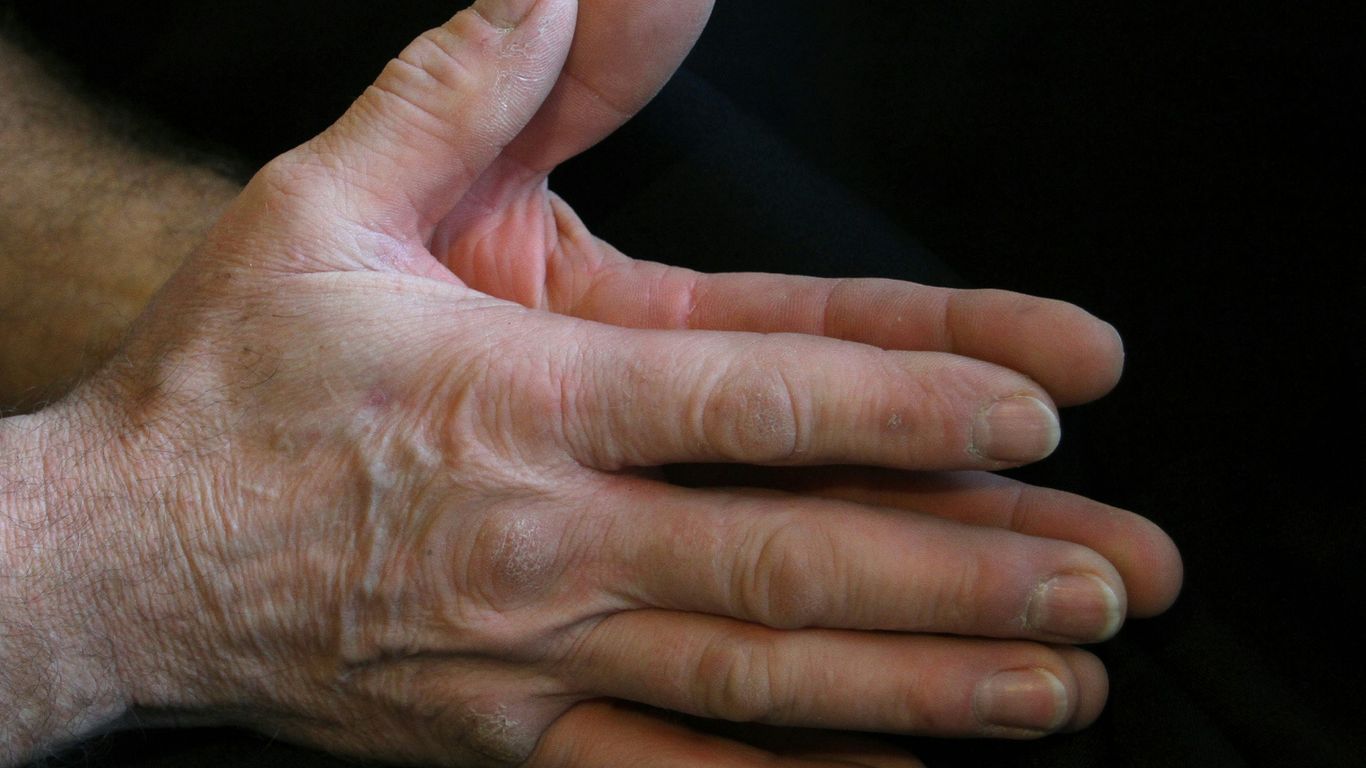
Trying to figure out how much food to eat can be a real headache. You see all these different numbers and rules, and it’s easy to get lost. But what if I told you that you probably already have a pretty good tool for this right in your hand? We’re talking about using your hand as a guide for portion sizes, and how that, along with some smart tech, can make eating healthier a lot less complicated. Forget the complicated charts for a bit; let’s look at simple ways to manage your food intake.
Key Takeaways
- Your hand can be a simple, everyday tool to estimate portion sizes for different food groups like protein, carbs, and vegetables.
- Visual portion guides, especially those based on hand sizes, help you eat mindfully without feeling like you’re on a strict diet.
- AI-powered apps can speed up food logging by recognizing meals from photos or voice commands, making tracking easier.
- While AI tools are helpful, it’s still a good idea to double-check their estimates, as they aren’t always perfect.
- Integrating simple portion awareness and using technology can help you make better food choices consistently, whether you’re at home or dining out.
Understanding Portion Guides

What Are Portion Guides?
So, what exactly are portion guides? Think of them as simple visual cues or tools that help you figure out how much food to eat. They’re not about strict rules or counting every single calorie. Instead, they offer a way to get a general idea of serving sizes, making it easier to manage your intake without getting bogged down in details. The goal is to build a better sense of how much is a reasonable amount of food.
The Evolution of Portion Guides
Portion guides haven’t always been around in their current form. For a long time, people relied on common sense and what felt right. Then came standardized serving sizes, often listed on food packaging, which could be confusing. We’ve seen everything from food pyramids to plate diagrams. Now, we’re seeing a shift towards more practical, everyday methods. It’s like we’re circling back to simpler ways of understanding food, but with a bit more guidance.
Why Visual Portion Guides Matter
Why bother with these guides? Well, a lot of us just don’t have a good instinct for portion sizes anymore. Our plates have gotten bigger, and so have the servings we’re offered. Visual guides, especially those using familiar objects or body parts, make it easier to grasp what a standard serving looks like. This can help prevent overeating without making you feel like you’re on a restrictive diet. It’s about making informed choices more accessible.
Here’s a quick look at some common visual comparisons:
- Protein: A serving of meat, fish, or poultry is often compared to the size of your palm.
- Carbohydrates: A serving of rice, pasta, or potatoes might be about the size of your fist.
- Fats: A serving of butter or oil is often likened to the tip of your thumb.
Relying on visual cues can be a game-changer for many people. It takes the guesswork out of eating and helps you tune into your body’s actual needs rather than just eating what’s put in front of you or what’s available.
Leveraging Hand-Size Estimation

Your Hand As A Reliable Tool
Forget fancy scales or complicated measuring cups. Your own hand is a surprisingly good tool for figuring out portion sizes, and it’s always with you. It’s a simple, visual guide that works no matter where you are – at home, a restaurant, or even a picnic. The idea is to use different parts of your hand to represent a standard serving size for various food groups. It’s not about being perfectly exact down to the gram, but about getting a good enough estimate to manage your intake without constant stress.
Estimating Protein Portions
When it comes to protein, think about the palm of your hand. A piece of chicken, fish, or lean meat that’s about the size of your palm (without your fingers) is a good starting point for a single serving. This usually works out to be around 3-4 ounces, which is a pretty standard portion. If you’re having something like a burger, the patty itself should ideally be no thicker than your thumb and about the size of your palm. It’s a quick visual check that helps keep your protein intake in line with general recommendations.
Visualizing Carbohydrate Servings
For carbs like rice, pasta, or potatoes, your fist can be your guide. A serving of cooked grains or starchy vegetables should be roughly the size of your clenched fist. This is a good way to gauge how much you’re piling onto your plate. Think about it: one fist-sized portion of pasta or rice is generally considered a single serving. If you’re having bread, a slice is usually about the size of your palm, and a serving of cereal should also fit within your fist.
Judging Vegetable And Fruit Portions
Vegetables and fruits are a bit more forgiving, and your hand can help here too. For most non-starchy vegetables, like broccoli, spinach, or green beans, two hands cupped together can represent a generous serving. Alternatively, a serving of vegetables could be about the size of your fist. For fruits, a medium-sized piece of fruit, like an apple or an orange, is roughly the size of your fist. Berries or chopped fruit can be estimated using your cupped hand.
Using your hand as a guide is about building a habit of awareness. It’s not a rigid rulebook, but a flexible system that helps you make better choices without overthinking every single bite. The more you practice, the more intuitive it becomes, and you’ll start to get a feel for what a reasonable portion looks like without even needing to check your hand.
AI-Powered Portion Tracking
The Rise Of AI Calorie Trackers
Logging your food intake used to be a real chore, right? You’d search for every single item, pick the right portion size, and do it all over again for the next meal. It was tedious. But now, artificial intelligence is changing the game. AI calorie trackers are apps that use smart tech to figure out what you’re eating and how much, making the whole process way faster. They can often identify food just from a picture or a quick voice command. It’s like having a little helper in your pocket that knows a lot about food.
How AI Streamlines Food Logging
These AI tools work in a few cool ways. Most use image recognition – you snap a photo of your meal, and the AI analyzes the shapes, colors, and textures to guess what’s on your plate. Others use natural language processing, so you can just say, "I had a chicken salad sandwich and an apple," and the app logs it. Some even learn your usual meals over time, predicting what you’ll eat next and making logging even quicker. This makes sticking to your goals much easier, especially when you’re busy.
Here’s a quick look at how they simplify things:
- Visual Recognition: Snap a photo, and the AI identifies the food.
- Voice Input: Speak your meal into the app for hands-free logging.
- Predictive Logging: The app learns your habits and suggests common meals.
- Database Integration: Connects with vast food databases for accurate nutritional info.
Accuracy And Limitations Of AI Tools
Now, it’s important to be realistic. While AI is impressive, it’s not perfect. Sometimes, especially with mixed dishes or unusual ingredients, the AI might get the portion size or calorie count a little off. It’s still a developing technology. Think of it as a really good assistant, but you’re still the boss.
Always take a moment to review what the AI logs. Does that portion of rice look right? Is that a reasonable estimate for your steak? A quick double-check can make a big difference in the accuracy of your tracking. It’s about getting close enough for your goals, not necessarily pinpoint precision every single time.
So, while AI makes tracking much simpler and more consistent, a little human oversight goes a long way. It’s a powerful tool to help you stay aware of your intake without the old-school hassle.
Top AI Tools For Portion Management
MyFitnessPal: Extensive Food Database
MyFitnessPal has been around for a while, and it’s pretty well-known for its huge food database. Now, they’ve added AI features to make logging meals easier. You can snap a picture of your food, and the AI tries to figure out what you’re eating and how much. It’s pretty neat for getting a quick estimate, especially when you’re out and about. They also have voice logging, which is handy if your hands are full.
One of the best things about MyFitnessPal is just how many foods are in its system. Seriously, it’s massive – millions of items. This means it can often recognize even less common dishes. Just keep an eye out for the verified entries (they usually have a green checkmark) because some of the user-submitted stuff can be a bit off. It’s a solid choice if you want a lot of options and a tool that’s been around the block.
MyNetDiary: Verified Food Logs
MyNetDiary focuses on making sure the food information you’re logging is accurate. They put a lot of effort into verifying their food database, which is a big deal when you’re trying to be precise with your portions. Like other apps, it uses AI to help with logging, so you can take a photo or use voice commands.
What sets MyNetDiary apart is its commitment to data quality. This can be really helpful if you’re someone who likes to know the details and wants to trust the numbers you’re seeing. They also offer good insights into your nutrition beyond just calories. It’s a good pick if accuracy is your top priority.
SnapCalorie: Quick AI Logging
If you’re looking for speed, SnapCalorie is designed for that. Its main selling point is how fast it can log your meals using AI. You basically take a picture, and it does the work. This is super convenient when you’re in a rush or just don’t want to spend a lot of time typing things in.
SnapCalorie is great for people who find traditional food logging a chore. It makes the process much simpler. They have a free version that lets you do a few AI scans a day, which is enough to get a feel for it. If you use it a lot, you might consider their premium plan for unlimited scans. It’s a straightforward tool that gets the job done quickly.
Weight Watchers: Weight Loss Focus
Weight Watchers, now known as WW, has integrated AI into its program to help with portion management, especially for those focused on weight loss. Their system uses a points-based approach, and the AI helps you track your food intake more easily within that framework.
While it might not be a pure AI calorie tracker in the same way as some others, the AI features assist in making the WW plan more user-friendly. It helps simplify the logging process so you can focus more on the overall weight loss goals. If you’re already a fan of the WW program or are looking for a structured approach to weight loss that includes helpful tech, this is worth a look.
Integrating Portion Guides Into Daily Life
Mindful Eating With Portion Awareness
Using portion guides, especially the hand-size method, isn’t just about counting calories; it’s about reconnecting with your body’s signals. When you start paying attention to how much food actually fits in your palm or fist, you naturally begin to eat more slowly. This gives your brain time to catch up with your stomach, letting you know when you’re actually full, not just stuffed. It’s a simple shift that can make a big difference in how you feel after meals. This practice helps you avoid that uncomfortable, overstuffed feeling.
Navigating Social Gatherings
Parties and family dinners can be tricky. Before, I used to just load up my plate without thinking, then regret it later. Now, I use my hand as a quick guide. I’ll aim for about a palm-sized portion of protein, a fist-sized portion of carbs, and then fill the rest of my plate with veggies. It’s not about strict rules, but more about having a general idea. This way, I can enjoy the food and the company without feeling like I’ve gone completely off track. It’s also helpful to remember that you can always go back for seconds if you’re still hungry, but starting with a balanced plate is a good first step.
Consistency In Tracking Habits
Making portion guides a regular part of your routine is key. It might feel a bit awkward at first, especially if you’re used to just eating whatever. But the more you practice, the more natural it becomes. Think of it like learning any new skill – it takes repetition. Even if you don’t track every single meal perfectly, consistently using visual cues like your hand can help you maintain a better sense of portion sizes over time. It’s about building a habit that supports your well-being without adding a lot of extra stress to your day.
The goal isn’t perfection, but progress. Small, consistent efforts add up. Don’t get discouraged if you slip up; just get back on track with your next meal or snack. Focus on the overall pattern rather than individual instances.
Beyond Calorie Counting
Focusing On Hunger Cues
It’s easy to get caught up in the numbers – calories, macros, grams. But sometimes, the best guide isn’t a number on an app, but the signals your own body is sending. Learning to tune into your hunger and fullness cues can be a game-changer. Think about it: when was the last time you really paid attention to whether you were truly hungry or just eating because it was lunchtime, or because the food looked good? It’s a skill, and like any skill, it takes practice.
- Listen to your stomach: Does it rumble? Do you feel a slight dip in energy? That’s hunger.
- Notice your satisfaction: When do you feel comfortably full, not stuffed? That’s your cue to stop.
- Distinguish between physical and emotional hunger: Are you craving a specific food because you’re sad, stressed, or bored, or because your body actually needs fuel?
Avoiding Feelings Of Deprivation
Constantly restricting yourself or feeling like you’re missing out can lead to a cycle of yo-yo dieting. When you focus solely on what you can’t have, it makes those forbidden foods seem even more appealing. This often leads to overeating or bingeing later on. Instead, try a more balanced approach. It’s not about never eating your favorite treat again; it’s about finding a way to enjoy it mindfully and in moderation.
The goal isn’t perfection, it’s progress. Allowing yourself occasional treats without guilt can actually make your overall eating habits more sustainable in the long run. It’s about building a healthy relationship with food, not just managing numbers.
Enjoying Meals Without Guilt
This is where the real freedom comes in. When you’ve got a good handle on portion sizes, whether through visual guides or listening to your body, you can start to truly enjoy your food. It’s about savoring each bite, appreciating the flavors, and understanding that food is fuel, but it’s also a source of pleasure and connection. Letting go of the guilt associated with eating certain foods is a huge step towards a healthier mindset. It’s about making peace with your plate and recognizing that a balanced diet includes room for enjoyment, not just strict rules.
Accessibility And Technology
It’s pretty cool how technology is making things easier for everyone, especially when it comes to tracking what we eat. Not everyone can easily use a standard app or website. Think about it: some people have trouble seeing the screen clearly, or maybe they can’t use their hands as easily. That’s where some smart tech comes in.
Voice Input For Easier Logging
Voice commands are a game-changer. Instead of typing out every single food item, you can just speak it. This is super helpful if you’re busy, driving, or just don’t want to fiddle with your phone. It makes logging food feel less like a chore and more like a quick chat.
Support For Visual Impairments
For folks with vision challenges, apps are getting better. Features like screen readers that read out what’s on the screen, or high-contrast modes that make text easier to see, are really important. Some apps even let you adjust the text size. It means more people can actually use these tools to manage their diet.
AI For Coaches And Trainers
AI isn’t just for the person tracking their food. It’s also helping out the pros. Coaches and trainers can use AI tools to get a clearer picture of their clients’ eating habits. This means they can give more personalized advice. It’s like having a super-assistant that can sort through a lot of data quickly.
The goal is to make healthy eating accessible to as many people as possible, regardless of their physical abilities or how they prefer to interact with technology. It’s about removing barriers so everyone has a fair shot at managing their health.
Here are some ways technology is helping:
- Voice Logging: Speak your meals instead of typing.
- Screen Reader Compatibility: Apps that work with assistive technologies.
- Adjustable Text and Contrast: Options to make the interface easier to see.
- AI-Powered Summaries: For coaches to quickly understand client data.
Making Smart Choices Anywhere
Portion Control On The Go
Life happens, right? You’re out and about, maybe running errands, traveling for work, or just grabbing a quick bite between meetings. Sticking to your portion goals doesn’t have to be a headache. The key is to have a few simple strategies ready. Think about packing snacks like a handful of almonds or a piece of fruit. If you’re eating out, look for places that offer pre-portioned meals or allow you to customize your order. Sometimes, just asking for a to-go box at the start of the meal and putting half away before you even begin can make a big difference. It’s all about being prepared and making conscious decisions, even when you’re not at home.
Dining Out With Confidence
Eating at restaurants can feel like a minefield when you’re trying to manage portions. But it doesn’t have to be. Many restaurants now offer lighter options or allow you to substitute sides. Instead of fries, maybe opt for a side salad or steamed vegetables. When looking at the menu, consider dishes that are grilled, baked, or steamed rather than fried. If a meal seems too large, don’t hesitate to ask for a half portion or plan to take leftovers home. Remember, you’re in control of what you order and how much you eat. It’s perfectly okay to ask questions about ingredients or preparation methods. A little confidence goes a long way.
Building Sustainable Habits
Making portion control a lasting part of your life isn’t about strict rules; it’s about building habits that feel natural. This means finding a balance that works for you, not just for a week or two, but long-term. It involves listening to your body’s hunger and fullness signals, which we’ll talk more about later. It also means being flexible. Some days will be easier than others. The goal is progress, not perfection. Think about incorporating these practices gradually:
- Plan Ahead: Even a little bit of planning for snacks or meals can prevent impulse choices.
- Use Visual Cues: Keep using those hand-size guides or smaller plates to help you gauge portions without constant measuring.
- Practice Mindful Eating: Slow down, savor your food, and pay attention to how you feel as you eat.
- Don’t Beat Yourself Up: If you overeat one day, just get back on track with your next meal. It’s a marathon, not a sprint.
The Future Of Portion Guides
Advancements In AI Technology
It feels like AI is popping up everywhere these days, and portion tracking is no exception. We’re seeing AI get smarter at recognizing foods just from a photo. Imagine snapping a pic of your dinner, and the app not only tells you what you ate but also estimates the portion sizes. This is getting pretty good, especially for common meals. The real game-changer will be AI that can understand context, like knowing that a
Thinking about how to manage your food portions? We’ve got some fresh ideas that go beyond the usual advice. Discover new ways to enjoy your meals without overdoing it. Ready to learn more? Visit our website today for tips and tricks!
Wrapping Up: Your Hand-Sized Guide to Smarter Eating
So, there you have it. Using your hand as a guide for portion sizes isn’t some fancy diet trick; it’s just a simple, practical way to get a handle on how much you’re eating. It works anywhere, anytime, and you don’t need an app or a scale. Whether you’re at a restaurant, a friend’s house, or even just grabbing a quick bite, your hand is always with you. It helps you eat mindfully without feeling like you’re missing out. Give it a try – you might be surprised at how easy it is to make better choices, one hand-sized portion at a time.
Frequently Asked Questions
What exactly are portion guides, and why should I care about them?
Portion guides are like visual helpers that show you how much food is a healthy serving size. Think of them as a cheat sheet for your plate! They help you understand if you’re eating too much or too little, which is super important for staying healthy and feeling your best.
How can I use my hand to guess food portions?
Your hand is a surprisingly good tool! For example, your palm can be about the size of a serving of protein like chicken or fish. Your fist can be a good estimate for a serving of carbs like rice or pasta. It’s a simple way to get a rough idea without needing measuring cups.
Are AI calorie trackers really accurate?
AI calorie trackers are pretty neat because they can guess your food portions from a photo or by listening to you. They’re usually quite accurate, especially for simple foods. However, they’re not perfect! Sometimes they might guess a little high or low, so it’s always smart to double-check their guesses to make sure they seem right.
What are some good AI apps for tracking my food?
There are several cool apps out there! MyFitnessPal has a huge list of foods. MyNetDiary has food logs that have been checked by people. SnapCalorie is super fast at figuring out your meals. And Weight Watchers is great if you’re trying to lose weight and offers a point system.
How can I use portion guides when I eat out or at parties?
It can be tricky, but portion guides still help! When you’re at a restaurant or a party, try to mentally picture the hand-size guides for each food on your plate. This helps you make better choices even when you don’t have measuring tools. It’s okay to enjoy yourself, but being aware helps a lot.
What if I don’t want to count calories all the time?
That’s totally fine! Portion guides and listening to your body’s hunger cues are great alternatives. Instead of focusing on numbers, pay attention to when you feel hungry and when you feel satisfied. This way, you can enjoy your food without feeling like you’re on a strict diet.
Can people with vision problems use these AI tools?
Yes, many AI apps are designed to be helpful for everyone. Some have voice input features, meaning you can just talk to your phone to log your food. This makes it much easier for people who have trouble seeing the screen.
How do I make sure I stick with using portion guides or tracking my food?
The key is to make it a habit! Try to use the guides or apps at most meals, even if it’s just a quick check. The more you do it, the more natural it becomes. Think of it like brushing your teeth – something you do regularly to stay healthy. Small, consistent efforts add up!