
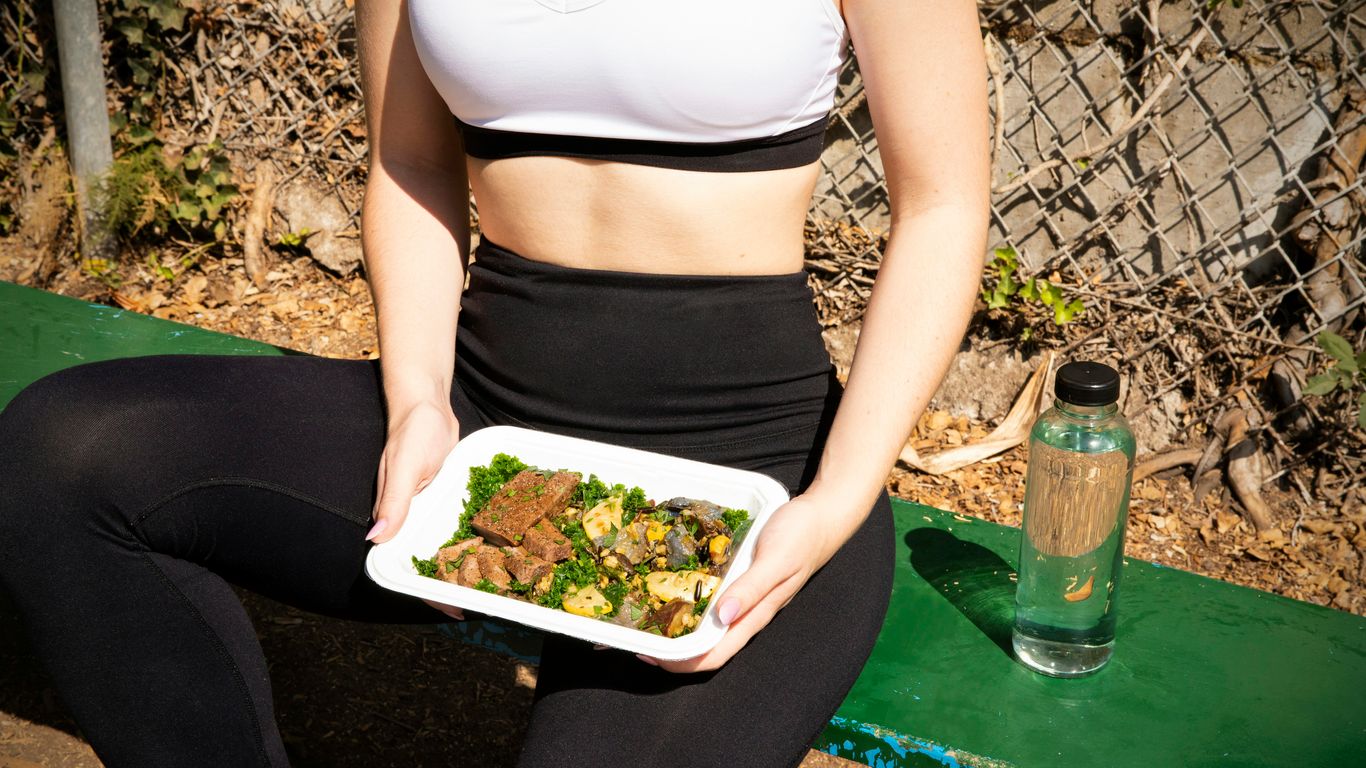
Trying to bump up your VO₂ max? It’s not just about hitting the pavement harder. What you eat plays a pretty big role in how your body adapts and gets better. We’re talking about fueling your oxygen use, keeping your energy up, and helping your muscles bounce back. Let’s look at some of the foods and strategies that can help you get more out of your training, focusing on what happens around your workouts and the meals that support it all.
Key Takeaways
- Nitrates, found in foods like beets and spinach, can help your body use oxygen more efficiently by improving blood flow and muscle oxygen transport.
- Carbohydrates are super important for high-intensity workouts. Eating the right kinds at the right times helps keep your energy steady and supports long-term gains.
- Protein is the building block for muscle repair and growth after exercise. Getting enough amino acids helps your muscles recover and adapt to training.
- Effective recovery meals balance proteins and carbs to help your body rebuild and refuel. Don’t forget hydration and micronutrients for overall regeneration.
- Putting it all together means thinking about what you eat before, during, and after training. These specific vo2 max meals and strategies work with your workouts to help you improve.
Nitrates: Fueling Enhanced Oxygen Efficiency

The Role of Nitrates in Vasodilation and Blood Flow
So, you’re looking to boost your VO₂ max, right? Well, let’s talk about nitrates. These compounds, found naturally in foods like beetroot and spinach, play a pretty interesting role in how your body uses oxygen. They work through a pathway involving nitrite and nitric oxide (NO). When you consume nitrates, your body converts them into nitrites, and then into nitric oxide. This NO molecule is a vasodilator, meaning it helps relax and widen your blood vessels. Better blood flow means more oxygen can get to your working muscles when you need it most. This can lead to improved exercise economy, which is basically getting more work done with less oxygen. Think of it like making your engine run more smoothly and efficiently.
Optimizing Nitrate Intake for Training Sessions
When should you take in these nitrate-rich foods? Timing is key if you want to see the benefits during your training. Research suggests that consuming nitrates about 2 to 3 hours before a hard workout is ideal. This gives your body enough time to convert the nitrates into nitric oxide. A common recommendation is around 6-8 mmol of nitrate. For example, a glass of beetroot juice, maybe mixed with some oats for carbs, could be a good pre-training snack. This timing helps ensure that the vasodilation effects are present when you’re pushing your limits.
Natural Sources of Nitrates for Athletes
Where can you find these helpful nitrates? Luckily, they’re in a lot of common vegetables. Some of the top contenders include:
- Beetroot (and beetroot juice)
- Spinach
- Arugula (rocket)
- Celery
- Lettuce
It’s not just about eating these veggies randomly, though. For athletes looking to optimize their VO₂ max, focusing on concentrated sources like beetroot juice can be more practical for hitting those specific nitrate targets. Pairing them with some complex carbohydrates, as mentioned before, can also be a smart move to fuel your workout effectively.
Carbohydrate Strategies for Peak VO₂ Max Performance
When you’re pushing your limits to improve your VO₂ max, your body burns through energy like crazy. That’s where carbohydrates come in. They’re your body’s go-to fuel source, especially for those high-intensity efforts that really challenge your aerobic system. Think of them as the premium gasoline for your engine.
Replenishing Glycogen Stores for High-Intensity Workouts
During tough workouts aimed at boosting VO₂ max, your muscles tap into their stored carbohydrates, called glycogen. If these stores get too low, your performance suffers, and you might not get the full benefit from the training session. It’s like trying to run a marathon on empty – not going to happen.
- Prioritize carb intake in the days leading up to key sessions. This ensures your glycogen tanks are full.
- Don’t skip meals, especially those containing complex carbohydrates.
- Consider a carb-rich snack a couple of hours before a hard workout.
Choosing the Right Carbohydrates for Energy
Not all carbs are created equal when it comes to fueling performance. For quick energy during a workout, simple sugars are great. But for sustained energy and to refill glycogen stores, complex carbohydrates are your best bet.
- Simple Carbohydrates: Found in fruits, honey, and sports drinks. Good for quick energy boosts.
- Complex Carbohydrates: Found in whole grains, oats, rice, and starchy vegetables. These provide a more sustained release of energy and are excellent for replenishing glycogen.
The type of carbohydrate you consume matters. While simple sugars offer a rapid energy spike, complex carbohydrates provide a steadier, longer-lasting fuel supply, which is vital for prolonged high-intensity efforts and recovery.
Carbohydrate Timing Around Training
When you eat your carbs can make a big difference. Getting it right means you’re fueled up for your workout and ready to recover afterward.
- Pre-Workout: Aim for a meal or snack rich in carbohydrates 2-3 hours before a demanding session. This helps top off your glycogen stores.
- During Workout (if >60-90 minutes): For longer, intense sessions, consuming 30-60 grams of carbohydrates per hour can help maintain blood glucose levels and spare muscle glycogen.
- Post-Workout: Within 30-60 minutes after finishing, consuming carbohydrates helps kickstart the glycogen replenishment process. Pairing them with protein is ideal for recovery.
Protein’s Crucial Role in Training Adaptation
When you’re pushing your limits to improve your VO₂ max, your body is going through some serious changes. Protein is like the construction crew for all that rebuilding and strengthening. It’s not just about getting bigger muscles; it’s about making them work better and last longer.
Muscle Repair and Synthesis Post-Exercise
After a tough workout, your muscle fibers have tiny tears. Protein provides the building blocks, the amino acids, to fix these tears and make the muscles even stronger than before. This process, called muscle protein synthesis, is how your body adapts to the stress of training. Without enough protein, this repair work slows down, and you won’t see the gains you’re working for.
- The more intense your training, the more protein your body needs for repair.
Amino Acids for Mitochondrial Health
Think of mitochondria as the powerhouses within your cells. For endurance, especially at higher VO₂ max levels, these powerhouses need to be efficient. Certain amino acids, the components of protein, play a role in building and maintaining these mitochondria. This means your body can use oxygen more effectively, which is exactly what VO₂ max is all about.
Optimal Protein Intake for Recovery
So, how much protein are we talking about? The old advice of just avoiding deficiency isn’t enough for athletes. Recommendations for active individuals usually fall between 1.2 to 2.0 grams of protein per kilogram of body weight per day. For serious training aimed at boosting VO₂ max, hitting the higher end of this range can be beneficial.
Here’s a general idea:
- Endurance Athletes: Aim for 1.2-1.7 g/kg/day
- Strength & Endurance Combined: Aim for 1.6-2.0 g/kg/day
Timing also matters. Spreading your protein intake throughout the day, especially around your workouts, helps ensure your body has a steady supply of amino acids for that all-important repair and adaptation process. Consuming around 20-30 grams of high-quality protein after a training session is often suggested to kickstart muscle repair effectively.
The body’s ability to adapt to exercise is directly influenced by what you eat. Protein isn’t just for bulking up; it’s a key player in making your muscles more resilient and efficient, which is vital for improving your oxygen uptake capacity.
Crafting Effective VO₂ Max Recovery Meals
The Importance of Post-Exercise Nutrition
After a tough training session aimed at boosting your VO₂ max, your body is in a state where it needs to repair and rebuild. This is where what you eat becomes super important. Think of it like this: training breaks down your muscles and depletes your energy stores. Recovery meals are the building blocks and fuel that help put everything back together, stronger than before. Getting your post-exercise nutrition right is key to making sure all that hard work in training actually leads to better performance. Without it, you might feel tired, sore, and not ready for your next workout, which really slows down your progress.
Balancing Macronutrients for Regeneration
When you’re thinking about recovery meals, you need to consider the main players: carbohydrates, protein, and fats. Carbs are your go-to for refilling the glycogen tanks in your muscles, which get pretty drained during high-intensity efforts. Protein is what your muscles need to repair themselves and grow. Fats are important too, for overall health and helping with inflammation, but they’re not the immediate priority right after a workout.
A good recovery meal usually aims for a mix. A common recommendation is to get a good dose of protein and carbs in fairly quickly after you finish exercising. The ratio can vary, but something like 3:1 or 4:1 carbs to protein is often suggested. This helps kickstart the recovery process effectively.
Here’s a general idea of what to aim for:
- Protein: Around 0.2 to 0.4 grams per kilogram of your body weight. This provides the amino acids needed for muscle repair.
- Carbohydrates: Enough to replace what you used. This will depend on how long and intense your workout was, but it’s usually a good amount to feel refueled.
- Fats: Include some healthy fats, but maybe not in huge amounts immediately post-workout, as they can slow down digestion. Think sources like avocado, nuts, or olive oil.
Hydration and Micronutrients for Recovery
Don’t forget about fluids and the smaller but mighty micronutrients! You lose a lot of water and electrolytes through sweat, so rehydrating is a big part of recovery. Water is the most basic need, but sports drinks can help replace lost electrolytes like sodium and potassium, which are important for muscle function and fluid balance. Beyond the big three macros, vitamins and minerals play a supporting role. They’re involved in all sorts of bodily processes, including energy production and immune function, which are both important when you’re recovering and adapting to training.
Eating a variety of whole foods, like fruits, vegetables, and whole grains, will naturally give you a good range of these micronutrients. It’s all about giving your body the complete package it needs to bounce back and get stronger.
Integrating Nutrition for VO₂ Max Gains
Pre-Workout Nutrition for Performance
Getting your nutrition right before a training session is pretty important if you want to get the most out of it, especially when you’re aiming to boost your VO₂ max. Think of it as setting the stage for your body to perform at its best. You want to have enough readily available energy so your muscles can work hard without hitting a wall too soon. This usually means focusing on carbohydrates, which are your body’s go-to fuel source for higher intensity efforts. Eating a meal or snack with easily digestible carbs about 1-3 hours before your workout can make a big difference. It helps top off your glycogen stores, which are like your muscles’ energy reserves. Without enough of this fuel, your body might start breaking down muscle tissue for energy, which is the opposite of what you want when you’re trying to adapt and get stronger.
Fueling During Endurance Sessions
For longer training sessions, especially those that push your aerobic limits, fueling during the activity itself becomes a big deal. Your body burns through its stored carbohydrates pretty quickly when you’re working at a high intensity. If you don’t replenish those stores, your performance will drop off, and you won’t be able to sustain the effort needed to stimulate VO₂ max improvements. This is where carbohydrate intake during exercise comes into play. Aiming for around 30-60 grams of carbohydrates per hour is a common recommendation for endurance activities lasting over an hour. These can come from sports drinks, gels, chews, or even easily digestible foods like bananas. The key is to keep a steady supply of fuel to your muscles so you can maintain intensity and get the training stimulus you’re looking for.
Post-Workout Nutrition for Adaptation
What you eat after your workout is just as important as what you eat before or during, especially when it comes to adapting and improving your VO₂ max. This is the time when your body is primed to repair and rebuild. You’ve just put your body through a tough workout, and now it needs the right building blocks to come back stronger. This means focusing on both carbohydrates and protein. Carbohydrates help restock those depleted glycogen stores, making sure you’re ready for your next session. Protein is vital for muscle repair and growth. Getting a good dose of protein within a couple of hours after finishing your exercise can really help kickstart the recovery process. This combination of carbs and protein is what helps your body adapt to the training stress and ultimately leads to gains in VO₂ max.
Here’s a quick look at what to aim for post-workout:
- Carbohydrates: To replenish muscle glycogen. Aim for a 3:1 or 4:1 ratio of carbs to protein.
- Protein: For muscle repair and synthesis. Around 20-30 grams is a good starting point.
- Fluids: To rehydrate and help transport nutrients.
The period after exercise is a critical window for recovery and adaptation. Providing your body with the right nutrients during this time signals that it’s time to repair the damage from training and build itself back up to be more resilient and capable for future efforts. Skipping this step can slow down your progress and leave you feeling fatigued.
Understanding VO₂ Max and Nutritional Support
So, what exactly is VO₂ max, and how does what we eat play a role in getting better at it? Think of VO₂ max as your body’s maximum capacity to take in, transport, and use oxygen during intense exercise. It’s a big deal for endurance athletes because a higher VO₂ max generally means better performance and less fatigue. It’s not just about your lungs or heart; it’s about how efficiently your muscles can use that oxygen to create energy.
Key Physiological Adaptations for VO₂ Max
When you train to improve your VO₂ max, your body makes some pretty cool changes. Your heart gets stronger, pumping more blood with each beat. More tiny blood vessels pop up in your muscles, making it easier for oxygen to get where it needs to go. Your muscles also build more mitochondria, which are like the powerhouses of your cells, and they get better at using the oxygen you deliver. These adaptations are what allow you to sustain a higher intensity for longer.
The Impact of Energy Availability on Adaptation
It’s tough for your body to make these big changes if it’s constantly running on empty. If you’re not eating enough, especially carbohydrates, your body can’t effectively repair and build the systems needed for a higher VO₂ max. This means that consistent, adequate fueling is not just about having energy for your workout, but also about giving your body the resources it needs to adapt and get stronger afterward. Low energy availability can really stall your progress.
Nutrition’s Synergistic Effect with Training
Training alone is important, but nutrition acts like a turbo boost. Think of it this way: training sends the signal for your body to adapt, but nutrition provides the building blocks and the energy to actually make those adaptations happen. Without the right fuel and recovery foods, your training might not give you the VO₂ max gains you’re working so hard for. It’s a partnership – hard work in training, smart choices with food.
Beyond Macronutrients: Micronutrients and Hydration
So, we’ve talked a lot about the big players – carbs, protein, and even nitrates. But what about the smaller stuff? You know, the vitamins and minerals? They might not get as much hype, but they’re seriously important for how your body handles all that training you’re doing to boost your VO₂ Max. And let’s not forget about staying hydrated; it’s way more than just quenching your thirst.
The Role of Vitamins and Minerals
Think of vitamins and minerals as the tiny mechanics in your body’s engine. They don’t provide the main fuel, but they make sure all the systems run smoothly. For VO₂ Max, a few stand out. Iron, for example, is a big one because it’s key for making hemoglobin, which is what carries oxygen in your blood. If your iron levels are low, your blood can’t carry as much oxygen, and that directly impacts your VO₂ Max. Then there are the B vitamins; they help your body turn food into energy. Without enough of them, you’re just not going to feel as energetic, no matter how much you eat.
- Vitamin D: Important for muscle function and bone health.
- Antioxidants (like Vitamin C and E): Help combat the oxidative stress that comes with intense exercise.
- Magnesium: Involved in energy production and muscle contraction.
Hydration Strategies for Optimal Performance
It’s easy to overlook hydration, but being even a little bit dehydrated can really mess with your performance. When you’re training hard, you lose fluids through sweat, and if you don’t replace them, your blood volume can drop. This makes your heart work harder to pump blood, and it can really limit how much oxygen gets to your muscles. So, it’s not just about drinking water when you’re thirsty; it’s about being proactive.
Here’s a simple way to think about it:
- Before Training: Start your session well-hydrated. Aim for clear or pale yellow urine.
- During Training: Sip fluids regularly, especially during longer or more intense workouts. Don’t wait until you feel parched.
- After Training: Replenish the fluids you lost. Weighing yourself before and after a workout can give you a good idea of how much fluid you need to drink back.
Electrolytes for Fluid Balance
When you sweat, you don’t just lose water; you also lose electrolytes like sodium, potassium, and chloride. These guys are like the conductors for fluid balance in your body. They help your body hold onto water and are super important for nerve signals and muscle contractions. For really long or intense workouts, especially in the heat, just drinking plain water might not be enough. You might need a sports drink that contains electrolytes to help you rehydrate properly and keep everything working right.
Maintaining good electrolyte balance is key. It’s not just about preventing cramps; it’s about ensuring your body can effectively transport nutrients and oxygen, which directly supports your VO₂ Max goals.
Personalizing Your VO₂ Max Nutrition Plan
So, you’ve been hitting the training hard, focusing on those nitrates and carbs, and now you’re wondering how to really dial in your nutrition for maximum VO₂ max gains. It’s not a one-size-fits-all deal, you know? What works wonders for one person might just be okay for another. That’s where personalizing your plan comes in.
Individual Nutritional Requirements
Think about it – we’re all built a bit differently. Your genetics, your training history, even your daily stress levels can change what your body needs. Someone who’s just starting out will have different needs than a seasoned athlete who’s been training for years. It’s about figuring out your specific energy demands and what your body responds best to. Are you a slow carb burner or do you need quick energy? Do you have any food sensitivities? These are the kinds of questions you need to ask yourself.
Here’s a quick look at how some factors can influence your needs:
| Factor | Impact on VO₂ Max Nutrition |
|---|---|
| Training Intensity | Higher intensity means more carbs needed for fuel. |
| Training Volume | More hours training means higher overall calorie and protein needs. |
| Body Composition | Athletes with more muscle mass generally need more protein. |
| Metabolism | Individual metabolic rate affects how quickly you use energy. |
Consulting with a Sports Nutritionist
Honestly, trying to figure all this out on your own can be a headache. That’s why talking to a sports nutritionist is a really smart move. They’ve got the knowledge to look at your specific situation – your training, your goals, your body – and help you create a plan that’s actually going to work. They can help you pinpoint any nutrient gaps and suggest the best foods or supplements to fill them. It’s like having a personal guide for your fueling strategy.
Adapting Nutrition to Training Load
Your nutrition plan shouldn’t be static. It needs to change as your training does. When you’re in a heavy training block, you’ll need more fuel, especially carbohydrates, to keep up with the demands. Your protein intake might also need a bump to help with muscle repair. But when you’re in a recovery week or tapering for a race, you might adjust things slightly. It’s all about listening to your body and making smart adjustments.
Here are some general guidelines:
- Heavy Training Weeks: Focus on consistent, adequate fueling. Don’t skimp on carbs, and ensure enough protein for recovery.
- Moderate Training Weeks: Maintain good nutrition, but you might not need quite as much fuel as during peak weeks.
- Recovery Weeks/Tapering: Prioritize nutrient-dense foods. You might slightly reduce carb intake if training volume drops significantly, but still focus on quality.
Remember, nutrition is a tool to support your training, not replace it. The goal is to fuel your body so it can adapt and get stronger from the work you’re putting in. Don’t overcomplicate it, but don’t ignore the details either.
Want to make your diet work better for your VO₂ Max? We can help you create a food plan that’s just right for you. Stop guessing and start seeing results. Visit our website today to learn how to tailor your meals for peak performance!
Putting It All Together
So, we’ve talked about how nitrates, carbs, and protein can really make a difference when you’re pushing your VO₂ max. It’s not just about hitting the gym or the track hard; what you eat before, during, and after your workouts plays a big part. Think of nitrates from things like beet juice to help your body use oxygen better. Then, make sure you’re fueling up with the right carbs so you can actually get through those tough training sessions without hitting a wall. And don’t forget protein – that’s what helps your muscles rebuild and get stronger. When you combine smart training with these food choices, you’re setting yourself up to see real improvements. It’s all about giving your body what it needs to adapt and perform at its best.
Frequently Asked Questions
What is VO₂ Max and why is it important?
VO₂ Max is like your body’s ultimate limit for how much oxygen it can use when you’re working out as hard as you can. Think of it as your engine’s maximum power. A higher VO₂ Max means your body is better at getting and using oxygen, which helps you perform better in sports, especially those that require a lot of stamina, and makes you less tired.
How do nitrates help improve oxygen use?
Nitrates, found in foods like beets and spinach, help your blood vessels relax and widen. This means more blood can flow to your muscles, and your muscles can get oxygen more easily. It’s like opening up more roads for oxygen to travel, helping your body work more efficiently and use less oxygen for the same amount of effort.
What are good food sources of nitrates for athletes?
You can get nitrates from many healthy foods! Great choices include beets (especially beet juice), spinach, arugula (also called rocket), and celery. Eating these regularly can help give your body the nitrates it needs to improve how it uses oxygen during exercise.
Why are carbohydrates so important for high-intensity workouts?
When you work out really hard, your muscles use up a quick energy source called glycogen. Carbohydrates are what your body uses to store this glycogen. Eating enough carbs before and during tough workouts makes sure you have plenty of energy, which helps you train better and get stronger over time.
How much protein do I need after a workout?
After you exercise, your muscles need protein to repair themselves and get stronger. A good rule of thumb is to have about 0.2 to 0.4 grams of protein for every kilogram of your body weight soon after your workout. This helps your muscles rebuild and adapt to the training.
What makes a good recovery meal?
A great recovery meal should have a good mix of protein and carbohydrates. Protein helps fix your muscles, and carbs refill your energy stores. Adding healthy fats and making sure you drink enough water are also super important for helping your body bounce back and get ready for your next training session.
Can I improve my VO₂ Max through diet alone?
While diet plays a huge role in supporting your training and helping your body adapt, it works best when combined with the right kind of exercise. Think of nutrition as a powerful tool that helps your training efforts pay off, rather than a magic fix on its own. You need both smart training and smart eating to see the best results.
Does hydration affect my VO₂ Max?
Yes, staying hydrated is really important! When you don’t drink enough, your blood can get thicker, making it harder for your heart to pump blood and deliver oxygen to your muscles. This can lower your performance and make it harder for your body to work at its best, affecting your VO₂ Max.