
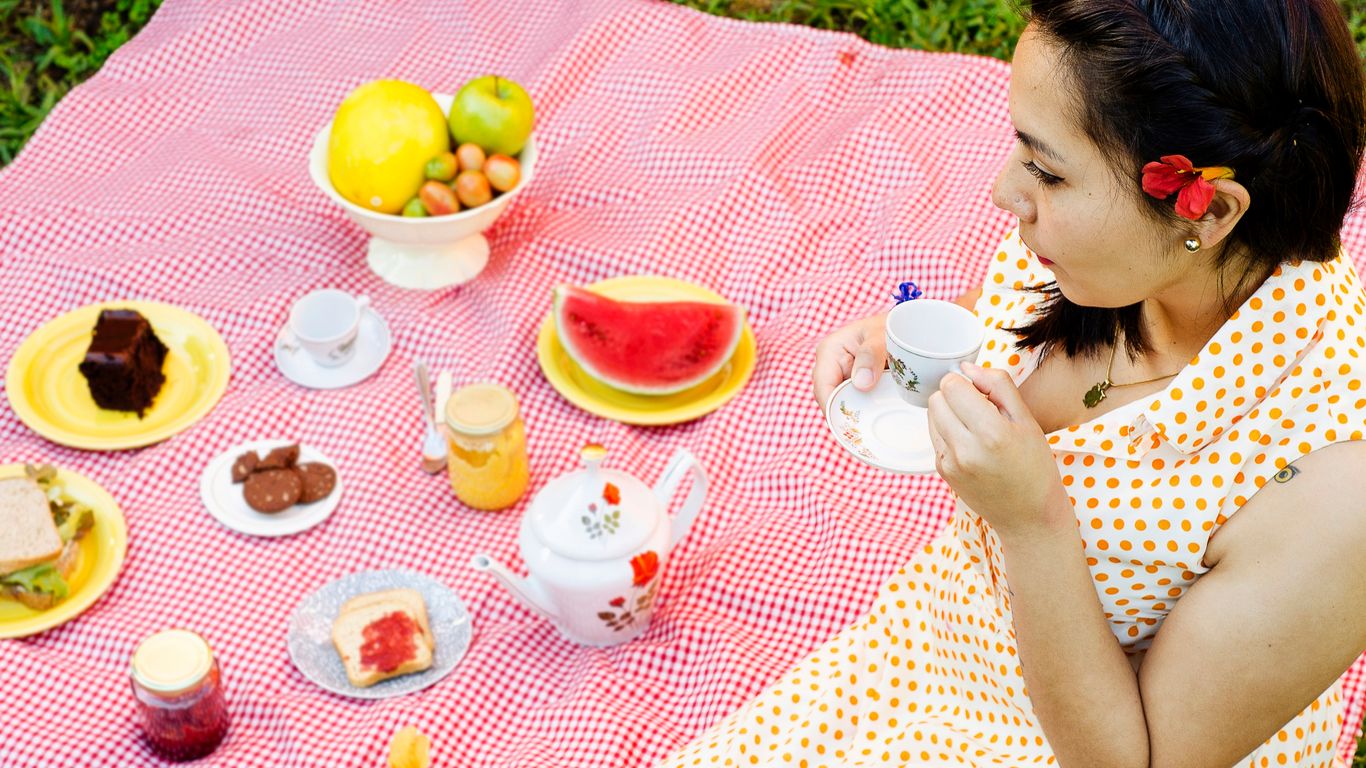
We all look forward to the weekend, right? It’s a chance to finally relax, catch up on things, and just have some fun. But sometimes, by Sunday evening, we realize we might have overdone it a little. Maybe it was too much food, not enough sleep, or just a general feeling of being off-kilter. This article is all about setting some simple boundaries, or ‘weekend guardrails,’ to help you enjoy your time off without feeling rough when Monday rolls around. Think of it as a guide to having a great weekend that leaves you feeling refreshed, not regretful.
Key Takeaways
- Establish clear weekend guardrails starting Friday night to transition smoothly from work to relaxation.
- Structure Saturday with mindful choices for morning energy, afternoon activities, and enjoyable evening experiences.
- Embrace a calm Sunday with leisurely activities, nourishing meals, and preparation for the upcoming week.
- Learn to balance social events with personal well-being by making conscious food and drink choices.
- Integrate movement, hydration, and sufficient rest throughout the weekend to feel your best.
Setting Weekend Guardrails From Friday Evening
Friday night is the gateway to your weekend. It’s that moment when the work week officially clocks out, and the freedom of two days off stretches before you. But without a little intention, this gateway can quickly become a free-for-all, leading to Saturday morning regrets and a general feeling of being off-kilter. The goal here isn’t to create a rigid schedule that feels like more work, but to put some gentle boundaries in place so you can actually enjoy your downtime without feeling like you’ve overdone it by Sunday evening.
Transitioning From Work Week to Weekend
That shift from professional mode to personal mode can be jarring if you don’t give it some space. Instead of immediately diving into chores or social plans the second you log off, try creating a small buffer. This could be as simple as a 15-minute walk around the block, listening to a podcast that has nothing to do with work, or just sitting quietly with a cup of tea for a few minutes. It’s about signaling to your brain that the workday is over and it’s time to switch gears. Think of it like a gentle landing, not a sudden stop.
Mindful Evening Choices
Friday night often sets the tone for the entire weekend. This is where those "guardrails" really come into play. It’s easy to fall into the trap of thinking "it’s Friday, anything goes!" and then find yourself eating takeout on the couch at 10 PM, followed by a few too many drinks. Instead, try making a conscious choice about how you want to spend your evening. Maybe it’s a home-cooked meal, a relaxed movie night, or a quiet evening with a book. If you do plan to go out, consider setting a mental limit beforehand – perhaps one less drink than you might normally have, or committing to being home by a certain hour. The key is to be deliberate, not restrictive.
The Art of Unwinding
True unwinding isn’t just about stopping work; it’s about actively engaging in activities that help you decompress and recharge. This might mean different things to different people. For some, it’s a hobby they’ve been neglecting, like painting or playing an instrument. For others, it could be a calming ritual like a warm bath with Epsom salts or some gentle stretching. The important part is to disconnect from the demands of the week and reconnect with yourself. Try to avoid falling into passive scrolling or binge-watching that leaves you feeling drained rather than refreshed. Think about what activities genuinely make you feel more peaceful and centered.
Here are a few ideas to get you started:
- Engage your senses: Light a candle, listen to calming music, or enjoy a warm beverage.
- Move your body gently: A short yoga session or a leisurely walk can release tension.
- Connect with something you enjoy: Read a chapter of a book, work on a puzzle, or call a friend you haven’t spoken to in a while.
Setting these intentions on Friday evening doesn’t mean you can’t be spontaneous. It just means you’re approaching your free time with a bit more awareness, so you can enjoy it fully without the usual weekend fallout.
Saturday’s Structure for Sustained Enjoyment
Saturday is often the day we feel most free to really live a little, but without some gentle structure, it can also be the day we overdo it. Think of Saturday as your chance to build on the good habits you started Friday night and set yourself up for a relaxed Sunday. It’s about finding that sweet spot between spontaneous fun and mindful choices.
Morning Momentum
Start your Saturday with a deliberate pace. Instead of hitting snooze multiple times, try waking up a bit earlier than you might on a weekday, but not so early that it feels like a chore. A good stretch or a few minutes of quiet reflection can set a positive tone. For breakfast, aim for something nourishing that will keep you going. Think whole grains, some protein, and fruit. It doesn’t have to be complicated – maybe some oatmeal with berries or scrambled eggs with whole-wheat toast. This isn’t about strict rules, but about giving your body good fuel right from the start.
- Hydrate: Start with a glass of water.
- Nourish: Opt for a balanced breakfast.
- Move: A short walk or some light stretching.
Afternoon Adventures
The afternoon is prime time for activities. Whether it’s exploring a local park, visiting a farmer’s market, or tackling a home project, having a plan helps. If you’re meeting friends, suggest an activity that involves some movement or is in a pleasant setting. Instead of defaulting to a long, heavy lunch at a sit-down restaurant, consider a picnic or grabbing something lighter from a market. This keeps the energy up and avoids that post-lunch slump that can lead to poor evening choices.
Planning a few key activities for Saturday afternoon can prevent aimless wandering, which often leads to less-than-ideal food choices or overspending time on passive entertainment. It’s about intentional enjoyment.
Evening Delights
Saturday evening is often a social highlight. If you’re dining out, check the menu beforehand to get an idea of healthier options. Don’t be afraid to ask for modifications, like sauces on the side or grilled instead of fried. If you’re hosting or attending a gathering, focus on the company and conversation. It’s easy to overeat when you’re distracted or just grazing. Try to eat a balanced meal, and if there are tempting desserts, have a small portion or opt for fruit. Remember, the goal is enjoyment, not deprivation. The key is to be present and savor the experience, rather than just consuming food.
Here’s a quick way to think about your Saturday evening meal:
| Component | Healthy Choice Example |
|---|---|
| Protein | Baked fish, grilled chicken |
| Vegetables | Large side salad, steamed greens |
| Carbs | Small portion of quinoa, sweet potato |
| Treat | A few berries, small square of dark chocolate |
Sunday’s Serene Send-off

Leisurely Mornings
Sunday mornings are a chance to really ease into the day. Forget the alarm clock if you can. Maybe you’ll wake up naturally, or perhaps a gentle sunrise will coax you awake. This is the time to ditch the rush. Think about what feels good. Maybe it’s a quiet cup of coffee or tea on the porch, listening to the birds. Or perhaps you’d prefer to ease into the day with some light reading or a crossword puzzle. The goal is to start the day with a sense of calm, not a jolt.
Nourishing Midday Meals
Lunch on Sunday is a great opportunity to enjoy a meal that feels both satisfying and healthy. It doesn’t have to be complicated. A big, colorful salad with some grilled chicken or chickpeas is always a winner. Or maybe you’re in the mood for a hearty soup with a side of whole-grain bread. The key is to focus on whole foods that will give you sustained energy, not a sugar crash. Think lean proteins, plenty of vegetables, and healthy fats. This meal sets the tone for the rest of your afternoon and helps prevent those late-afternoon cravings that can derail your healthy eating habits.
Preparing for the Week Ahead
Sunday afternoon is the perfect time to do a little prep work for the week. This isn’t about turning your day into another work session, but rather about setting yourself up for success. A little bit of planning can make a big difference.
Here are a few ideas:
- Meal Prep Lite: Chop some veggies for salads or stir-fries, or cook a batch of grains like quinoa or brown rice. This makes weekday meals much faster.
- Pack Your Lunch: If you bring lunch to work, packing it on Sunday evening saves you time and stress on Monday morning.
- Lay Out Your Clothes: Pick out your outfit for Monday. It sounds simple, but it removes one decision from your busy morning.
- Quick Tidy-Up: Spend 15-20 minutes tidying up common areas. A cleaner space can lead to a clearer mind.
Taking a little time on Sunday to prepare can significantly reduce Monday morning chaos and help you start the week feeling more in control and less overwhelmed. It’s about creating a smoother transition, not adding more chores.
This gentle preparation helps you transition from the relaxed weekend vibe to a more structured week without feeling like you’re being thrown into the deep end. It’s about mindful closure to your weekend and a calm opening to the week ahead.
Navigating Social Engagements with Weekend Guardrails

Balancing Festivities and Well-being
Social events are a big part of the weekend, right? It’s easy to get caught up in the fun and forget about those healthy habits you’ve been trying to keep. The key is to find a middle ground. You don’t have to be the "party pooper" to stay on track. Think of it like this: you’re the conductor of your own weekend orchestra, making sure all the instruments play together nicely.
- Plan Ahead: Before you head out, have a rough idea of what you’ll eat and drink. This isn’t about strict rules, but more about having a general direction.
- Arrive Prepared: If you know there will be lots of tempting snacks, maybe have a light, healthy meal beforehand so you’re not starving.
- Socialize Beyond the Buffet: Engage in conversations, play games, or just enjoy the company. Food shouldn’t be the only focus.
Mindful Indulgences
Indulging is part of life, especially on weekends. The trick is to do it without going overboard. It’s about savoring those special treats rather than mindlessly consuming them. Think quality over quantity.
It’s not about deprivation; it’s about making conscious choices that leave you feeling good, both during and after the event. This means enjoying that slice of cake or that second helping of pasta, but doing so with awareness.
Here’s a simple way to approach it:
- Choose Wisely: Pick the treats that you really want and that are worth it.
- Savor Each Bite: Eat slowly, paying attention to the flavors and textures.
- Listen to Your Body: Stop when you feel satisfied, not stuffed.
Setting Boundaries
This is probably the hardest part, but it’s super important. It’s okay to say "no" or "not right now." Boundaries aren’t about being rude; they’re about respecting your own needs and goals. People who care about you will understand.
- Practice Polite Refusals: "No, thank you, I’m good for now," or "Maybe later, I’m really enjoying this conversation." are perfectly fine.
- Have an Exit Strategy: If you know a certain event or situation will be too much, have a plan for when and how you’ll leave.
- Communicate Your Needs (If Comfortable): Sometimes, a simple "I’m trying to eat a bit healthier this weekend" can go a long way without oversharing.
Remember, setting these guardrails for social events helps you enjoy the company and the celebration without feeling regret on Monday morning. It’s all about finding that balance that works for you.
The Role of Hydration and Nutrition
Smart Sipping Strategies
Staying hydrated is way more important than most people realize, especially when you’re trying to keep your weekend from turning into a food-fueled regret fest. Think of water as your secret weapon against mindless snacking and energy slumps. When you feel that urge to grab something, a big glass of water might just be what you need. It helps you pause and figure out if you’re actually hungry or just thirsty.
- Aim for at least 8 glasses of water a day. This is a good baseline, but you’ll likely need more if you’re active or spending time in the heat.
- Keep a water bottle handy. Seriously, having one on your desk, in your bag, or by your couch makes a huge difference. You’re more likely to drink it if it’s right there.
- Flavor it up naturally. If plain water is a bore, try adding slices of lemon, lime, cucumber, or a few berries. It’s a simple way to make it more appealing without adding sugar.
- Limit sugary drinks. Sodas, sweetened teas, and excessive fruit juice can pack a lot of calories and sugar, leading to energy spikes and crashes. They don’t hydrate as effectively as water either.
Sometimes, that craving for a salty snack or a sweet treat is just your body signaling it needs fluids. Before you reach for the chips, try a tall glass of water and wait a few minutes. You might be surprised how often it satisfies the urge.
Fueling Your Weekend
What you eat over the weekend sets the tone for how you feel, not just on Sunday night but all the way into Monday. It’s easy to fall into the trap of weekend eating: late-night pizza, lazy brunches with bottomless mimosas, or just grabbing whatever’s convenient because you’re out and about. But with a little planning, you can enjoy yourself without feeling sluggish.
Focus on whole, unprocessed foods whenever possible. This means fruits, vegetables, lean proteins, and whole grains. They provide sustained energy and keep you feeling full longer, which helps prevent overeating.
Here’s a quick guide to weekend eating:
- Breakfast: Don’t skip it! Opt for something balanced like oatmeal with fruit and nuts, or scrambled eggs with spinach and whole-wheat toast. This jumpstarts your metabolism and keeps you from getting ravenous by lunchtime.
- Lunch: If you’re eating out, look for grilled options, salads with lean protein, or hearty soups. If you’re at home, leftovers from a healthy dinner or a big salad with chicken or beans are great choices.
- Dinner: Try to make it a balanced meal with a good source of protein, plenty of vegetables, and a moderate portion of complex carbohydrates like quinoa or sweet potatoes. This is a good time to experiment with new, healthy recipes.
Avoiding Weekend Pitfalls
Weekends can be a minefield for healthy eating habits. The relaxed atmosphere, social events, and break from routine often lead to overindulgence. Recognizing these common traps is the first step to avoiding them.
- The "Weekend Special" Mentality: Telling yourself "I’ll start fresh on Monday" can lead to a free-for-all from Friday night to Sunday evening. Try to maintain a more consistent approach, even if it’s just one or two healthier meals a day.
- Social Pressure: It can be tough to say no when everyone else is ordering dessert or having another round of drinks. Practice polite ways to decline or choose smaller portions. You can always suggest a walk or a coffee instead of another indulgent activity.
- Emotional Eating: Stress from the week or boredom can lead to reaching for comfort food. Try to identify these triggers and find non-food coping mechanisms, like calling a friend, listening to music, or doing a quick workout.
Remember, it’s not about perfection, but about making conscious choices most of the time. Small, consistent efforts add up to big results in how you feel.
Incorporating Movement Into Your Weekend
Weekends are fantastic for recharging, but they can also be a time when we slip into more sedentary habits. It’s easy to spend hours on the couch or at the computer. Making time for physical activity, even in small doses, can make a huge difference in how you feel. Think of it as a way to shake off the week’s stress and prepare your body and mind for whatever comes next. It doesn’t have to be a grueling workout; it’s more about finding ways to get your body moving and feeling good.
Active Leisure Pursuits
Weekends are the perfect time to explore activities you might not have time for during the week. Instead of just thinking about exercise, consider it play. This could mean anything from a long hike in a local park to trying out a new sport with friends. Maybe you’ve always wanted to learn to paddleboard or finally get around to that bike ride you’ve been planning. These aren’t just ways to burn calories; they’re opportunities to create memories and enjoy your free time.
Here are a few ideas to get you started:
- Explore Local Trails: Look up hiking or biking trails in your area. Pack a small picnic and make a day of it.
- Try a New Sport: Join a casual game of frisbee in the park, try a beginner’s tennis clinic, or even find a local pickup basketball game.
- Water Activities: If you live near water, consider kayaking, swimming, or even just a leisurely boat ride.
- Dance It Out: Put on your favorite music and have a solo dance party in your living room, or find a local dance class.
Gentle Exercise Options
Sometimes, the idea of intense exercise feels overwhelming, especially when you’re trying to relax. That’s where gentle movement comes in. These activities are great for improving circulation, reducing stiffness, and boosting your mood without leaving you exhausted. They’re also excellent for winding down or starting your day on a calm note.
- Yoga or Tai Chi: These practices focus on breath, flexibility, and balance. Many studios offer beginner classes, or you can find plenty of free videos online.
- Stretching Routines: Dedicate 10-15 minutes each morning or evening to gentle full-body stretches. Focus on areas that feel tight from sitting.
- Leisurely Walks: A slow-paced walk around your neighborhood or a local botanical garden can be incredibly restorative.
Remember, the goal isn’t to push your limits but to connect with your body and enjoy the sensation of movement. Even a short, mindful walk can clear your head and make you feel more present.
Integrating Activity Seamlessly
Making movement a natural part of your weekend doesn’t require a huge time commitment or a complete overhaul of your plans. It’s about finding small opportunities to weave activity into your existing routines. Think about how you can add a few extra steps or a moment of stretching without it feeling like a chore.
- Park Further Away: If you’re heading to the shops or a restaurant, park a little further out than usual and enjoy the extra walk.
- Take the Stairs: Whenever possible, opt for the stairs instead of the elevator or escalator.
- Active Chores: Turn household chores into mini-workouts. Vacuuming with enthusiasm or gardening can be surprisingly active.
- Playtime with Kids or Pets: If you have children or pets, engage in active play with them. A game of fetch or tag is great for everyone involved.
Prioritizing Rest and Rejuvenation
Okay, so we’ve talked about eating and moving, but what about just… stopping? It sounds simple, but in our go-go-go world, actually resting can feel like a challenge. True rejuvenation isn’t just about sleeping; it’s about actively creating space for your mind and body to recover. Think of it like charging your phone – you wouldn’t expect it to run all week on one charge, right? Your body and brain are the same.
The Importance of Sleep
This is the big one. Skimping on sleep messes with everything – your mood, your focus, your ability to make good food choices, even your desire to move. When you’re tired, suddenly that salad seems way less appealing than a giant slice of cake. And don’t even get me started on how hard it is to be patient with people when you’re running on fumes.
- Aim for 7-9 hours: Seriously, try to hit this target most nights. It makes a world of difference.
- Consistency is key: Going to bed and waking up around the same time, even on weekends, helps regulate your body’s natural clock.
- Create a wind-down routine: Give yourself at least an hour before bed to disconnect from screens and do something calming.
Mindful Relaxation Techniques
Sleep is great, but sometimes you need ways to de-stress during the day or before you even get into bed. These aren’t about being lazy; they’re about actively managing your energy.
- Deep breathing exercises: Just a few minutes of slow, deep breaths can calm your nervous system. Try inhaling for four counts, holding for four, and exhaling for six.
- Gentle stretching or yoga: Releasing physical tension can also release mental tension. Focus on slow, deliberate movements.
- Meditation or mindfulness: Even 5-10 minutes of focusing on your breath or a guided meditation can help quiet a busy mind.
Creating a Restful Environment
Your surroundings play a huge role in how well you rest. It’s not just about the bed itself, but the whole vibe of your sleep space.
- Darkness: Make your bedroom as dark as possible. Blackout curtains are your friend.
- Quiet: Use earplugs or a white noise machine if outside sounds are an issue.
- Cool temperature: Most people sleep best in a slightly cooler room.
Sometimes, the urge to keep going, to finish ‘just one more thing,’ feels overwhelming. But remember that pushing yourself past your limits without a break often leads to burnout, making you less effective in the long run. Giving yourself permission to rest isn’t a sign of weakness; it’s a smart strategy for sustained energy and well-being.
Mindful Eating for Weekend Guardrails
Weekends can sometimes feel like a free-for-all, especially when it comes to food. It’s easy to slip into old habits or overindulge when the usual structure of the week disappears. But with a little bit of planning and awareness, you can enjoy your weekend meals without the regret. It’s all about being mindful of what and how you’re eating.
Savoring Every Bite
This is more than just eating slowly; it’s about truly engaging with your food. When you’re eating, try to put away distractions like your phone or the TV. Pay attention to the colors, textures, and smells of your food. Notice the flavors as you chew. This not only makes the meal more enjoyable but also helps your brain register fullness signals better, preventing you from overeating.
- Focus on the sensory experience: What does the food look, smell, and feel like?
- Chew thoroughly: Break down your food well and notice the taste evolving.
- Pause between bites: Give your taste buds and your stomach a moment to catch up.
Portion Control Without Deprivation
Nobody wants to feel restricted on a weekend. The goal isn’t to eat tiny portions, but to be aware of what a balanced serving looks like. Sometimes, we just serve ourselves more than we actually need because it’s there. Using smaller plates can be a simple trick, or just taking a moment to look at your plate and ask yourself if that amount truly serves your hunger.
Here’s a simple guide to help visualize portions:
| Food Group | Visual Cue |
|---|---|
| Protein (Meat) | Deck of cards size |
| Carbohydrates | Cupped hand size |
| Vegetables | Two fists size |
| Fats (Oils) | Thumb tip size |
Remember, these are guidelines, not strict rules. The idea is to build awareness so you can make informed choices without feeling like you’re on a diet.
Listening to Your Body’s Cues
Our bodies are pretty good at telling us what they need, but we often ignore those signals. Hunger and fullness are key signals. Try to eat when you feel genuinely hungry, not just bored or stressed. And stop eating when you feel comfortably full, not stuffed. This takes practice, especially if you’re used to eating until the plate is clean.
- Identify true hunger: Is it a physical sensation in your stomach, or an emotional craving?
- Recognize fullness: Notice when your hunger starts to subside and when you feel satisfied.
- Don’t force yourself to finish: It’s okay to leave food on your plate if you’re full.
Planning for Spontaneity Within Your Guardrails
Flexibility in Your Schedule
Look, life happens, right? You can have the best-laid plans for your weekend, down to the minute, but sometimes things just pop up. Maybe a friend calls with a last-minute invite, or you stumble upon a cool local event you didn’t know about. That’s where flexibility comes in. Instead of rigidly sticking to a minute-by-minute schedule, build in some wiggle room. Think of your weekend plan less like a strict itinerary and more like a helpful guide. This means not over-scheduling every single hour. Leave some open blocks of time for whatever might come your way. It’s about being prepared for the unexpected without letting it derail your entire weekend.
Embracing Unexpected Opportunities
Sometimes the best weekend moments are the ones you didn’t plan for. That spontaneous road trip, that impromptu coffee date, or even just deciding to spend an extra hour reading a good book instead of rushing to the next thing. These unplanned moments can be incredibly refreshing. Don’t be afraid to say ‘yes’ to something new or different, even if it wasn’t on your original radar. It’s about being open to experiences. This doesn’t mean abandoning your guardrails entirely, but rather seeing how these new opportunities can fit within your overall goals for rest and enjoyment. It’s a way to add a little adventure to your routine.
Adapting Your Plan
So, you’ve got your guardrails, you’ve got some flexibility, and an unexpected opportunity pops up. Now what? It’s time to adapt. This might mean swapping out one planned activity for another. For example, if you planned a long hike but the weather turns sour, you might pivot to a museum visit or a cozy afternoon at a cafe. It’s about making conscious choices that align with your weekend goals, even when the circumstances change.
Here’s a quick way to think about adapting:
- Assess the Opportunity: Is this something you genuinely want to do? Does it align with your weekend goals (rest, fun, connection)?
- Check Your Schedule: Where does this fit? What might need to be moved or skipped?
- Make a Decision: Commit to the new plan or stick with the original, based on your assessment.
The key is to remain in control of your weekend, rather than letting the weekend control you. It’s a dance between structure and freedom, where you lead.
The Power of Reflection for Future Weekends
So, the weekend’s winding down. Before you dive headfirst into Monday, take a moment. Seriously, just a few minutes to look back at the last couple of days. It’s not about beating yourself up over that extra slice of cake or the skipped workout. It’s about learning. What worked well? What felt a bit off? Thinking about your choices helps you make better ones next time.
Reviewing Your Weekend Choices
This is where you get real with yourself. Think about the food you ate, the activities you did, and how you felt. Did you stick to your hydration goals? Were you able to get enough sleep? Maybe you planned a hike but ended up binge-watching a show instead. That’s okay! The point isn’t perfection, it’s awareness. Jotting down a few notes can be super helpful. You don’t need a fancy journal; a note on your phone works just fine.
Identifying Successes and Challenges
Let’s break it down. What were the wins? Maybe you found a great new recipe or managed to get in a good walk every day. Celebrate those! Then, look at the challenges. Was it hard to say no to that second helping at dinner? Did you feel sluggish because you stayed up too late on Friday? Be honest, but be kind. It’s all data for improvement.
Here’s a quick way to see it:
| Area of Focus | Successes | Challenges |
|---|---|---|
| Food Choices | ||
| Hydration | ||
| Physical Activity | ||
| Sleep/Rest | ||
| Social Engagements |
Adjusting Your Weekend Guardrails
Based on what you learned, what can you tweak for next weekend? Maybe you need to plan your meals a little more, or perhaps set a firmer bedtime on Friday. It’s about making small, practical adjustments. You don’t need a complete overhaul. Think of it like fine-tuning. You want your guardrails to support you, not restrict you. The goal is to feel refreshed and ready for the week, not drained by weekend regrets.
The real magic happens when you take what you learned and apply it. It’s a cycle: plan, experience, reflect, adjust, and repeat. This continuous loop is how you build a weekend that truly serves you, leaving you feeling good, not guilty.
Thinking about how to make your next weekends awesome? Taking a moment to look back at your past week can really help you plan for even better times ahead. It’s like having a secret map to more fun and relaxation. Want to learn how to make every weekend a great one? Visit our website for tips and tricks!
Wrapping Up Your Weekend
So there you have it. A weekend doesn’t have to be a free-for-all that leaves you feeling guilty come Monday morning. By making a few simple choices, you can enjoy your downtime without the regret. Think of it as setting up some gentle guardrails for yourself. You can still have fun, relax, and indulge a little, but with a bit of awareness, you’ll find yourself feeling refreshed and ready for the week ahead, not weighed down by your weekend choices. It’s all about finding that sweet spot between enjoyment and well-being, making sure your weekends truly recharge you.
Frequently Asked Questions
What are ‘weekend guardrails’ and why should I care?
Think of ‘weekend guardrails’ as gentle rules or guides you set for yourself to make your weekend awesome without feeling gross or regretful on Monday. It’s like having a plan so you can have fun, relax, and still feel good when the work week starts.
How can I avoid overeating or making unhealthy food choices on weekends?
It’s all about being mindful! Try to eat balanced meals, don’t skip meals, and be aware of your portion sizes. Having healthy snacks ready can also help. It’s okay to enjoy treats, just try not to go overboard.
I have social events planned. How do I enjoy them without messing up my weekend goals?
Balance is key! You can definitely have fun at parties and gatherings. Try to make healthier choices when possible, like choosing water over sugary drinks, and don’t feel pressured to eat everything in sight. Remember, it’s okay to say ‘no thank you’ sometimes.
Is it important to stay hydrated during the weekend?
Absolutely! Drinking enough water is super important for feeling your best. It helps with energy levels, digestion, and can even prevent headaches. Try to sip water throughout the day, especially if you’re active or out in the sun.
How much exercise should I aim for on the weekend?
You don’t need to run a marathon! Even simple activities like a walk in the park, a bike ride, or some stretching can make a big difference. The goal is to move your body in ways you enjoy, not to punish yourself.
What if I want to be spontaneous on the weekend?
That’s great! Weekend guardrails aren’t meant to be rigid. They’re more like suggestions. You can build some flexibility into your plans so you can go with the flow if something fun pops up, while still keeping your overall well-being in mind.
How can I make sure I get enough rest?
Rest is just as important as fun activities! Try to stick to a somewhat regular sleep schedule, even on weekends. Creating a calm environment before bed and maybe doing some relaxing activities like reading can help you recharge.
What’s the point of reflecting on my weekend choices?
Looking back helps you learn! By thinking about what worked well and what you might want to change, you can make your future weekends even more enjoyable and less stressful. It’s all about making progress, not perfection.